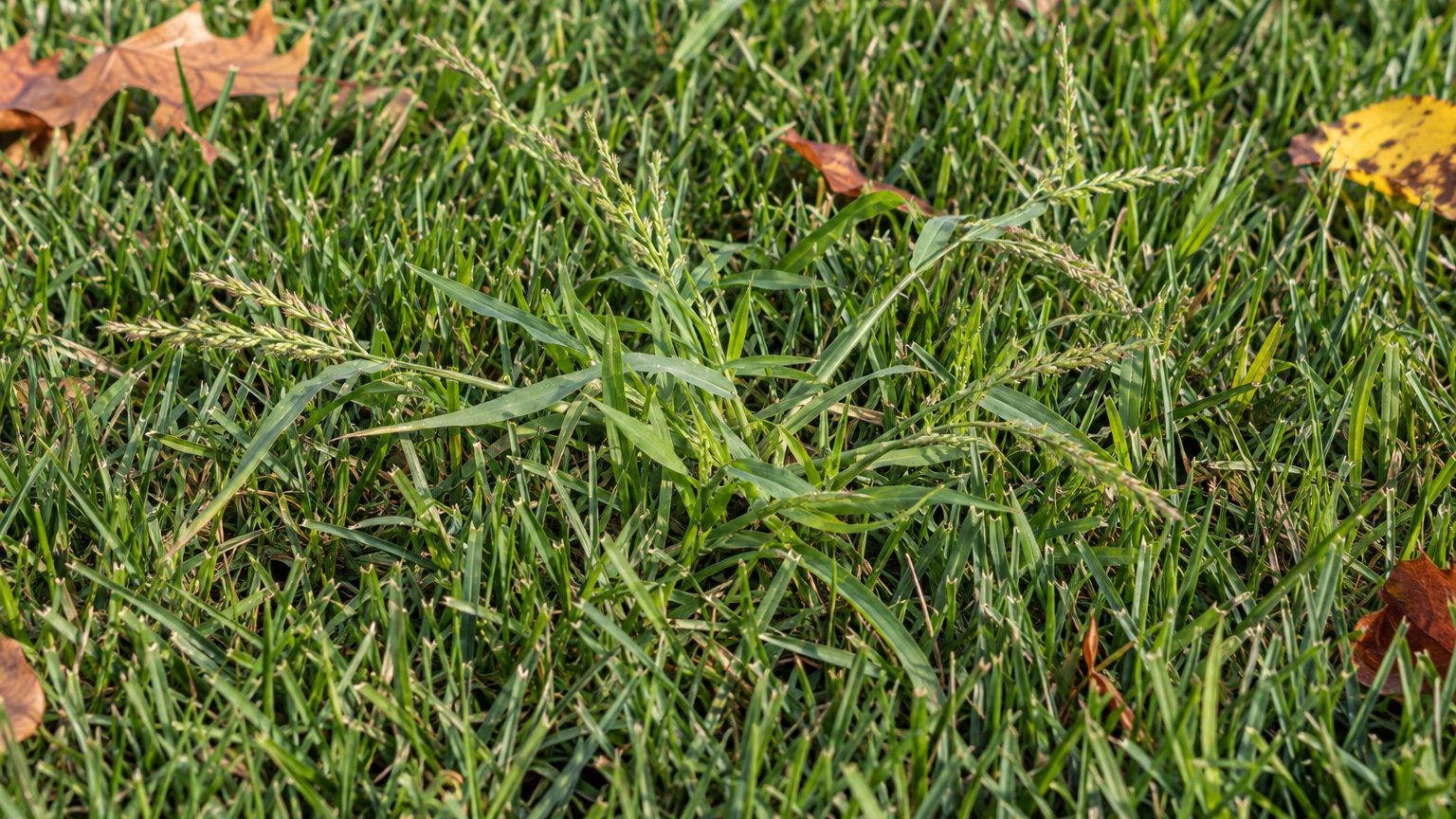
A coarse, flat-stemmed grass that shoots up above the rest of the turf in summer is often barnyard grass. It grows from seed each year and thrives wherever the lawn has gone thin. Knowing what it looks like and when it starts makes it much easier to clear out of a front yard or back lawn.
How to Identify Barnyard Grass

Look at the base of the leaf and the shape of the stem before you judge the whole plant, because the clues are small but dependable.
- Check the collar, where the leaf meets the stem, and you will find no ligule and no auricles, which sets it apart from other summer annual grasses in lawns.
- Roll the stem between your fingers and it feels flat, without the fuzzy hairs many lookalikes carry.
- Watch for a plant that stands well above the mown turf, since it can reach heights over 3 feet tall if left alone.
- Look at the top of mature stalks for a large seedhead, a sign the plant is about to spread seed across the lawn.
- Note the timing, because in Pennsylvania seedlings come up from spring into early summer.
Any clump that passes the collar test is worth dealing with before the seedheads open.
From the almanac
Lawn in your state
The dates on this page depend on where you live. Your state's page carries its frost dates, its USDA zones and the year laid out month by month.
Northeast
Southeast
- Alabama
- Arkansas
- Delaware
- Florida
- Georgia
- Kentucky
- Louisiana
- Maryland
- Mississippi
- North Carolina
- South Carolina
- Tennessee
- Virginia
- West Virginia
Midwest
Southwest
West
Pacific Northwest
Canada
Weeds Mistaken for Barnyard Grass
Several summer grasses sprawl and seed in much the same way, so a quick glance can mislead you. Checking leaf color, plant height, and seedhead size together keeps you from treating the wrong weed.
| Looks like | How to tell them apart |
|---|---|
| Junglerice | Purple striations often show on the leaf, and the plant grows lower with a smaller seedhead than barnyard grass. |
Crabgrass is the other one people reach for, and it turns up in lawns more often. It copes with low mowing for long stretches, while barnyard grass does not, so a lawn kept short is more likely to hold crabgrass than the tall, upright stalks described above.
What Causes Barnyard Grass in Lawns
The cause is seed meeting an opening. Barnyard grass is a summer annual that reproduces only by seed, so every plant you see started from seed that landed in a gap in the turf, and a thin or damaged lawn gives it room to take hold.
Warm soil sets it going. In Pennsylvania, seed germinates over a wide range of soil temperatures, with the best results between 68 and 87°F. That broad range explains why new plants keep appearing instead of arriving all at once.
In Pennsylvania, fertilization, irrigation during drought, and turfgrasses well adapted to the site can improve lawn density and help reduce infestations. In Pennsylvania, denser turf helps reduce barnyardgrass infestations.
How to Get Rid of Barnyard Grass
Because the plant lives one season and depends on seed, the aim is to stop it from setting seed this year and to thicken the lawn so less comes up next year.
- Pull young plants, roots and all, while they are small, so they never reach the seedhead stage.
- Mow frequently at cutting heights below 3 inches, as advised in Pennsylvania, because it suppresses leaf growth and the formation of seedheads.
- Bag the clippings from infested areas, since mowing can scatter seed into clean turf.
- Brush off the mower deck and your shoes before leaving the infested patch, so seed does not travel to the rest of the yard.
- Fertilize the lawn to improve turf density and help reduce barnyardgrass infestations.
For larger infestations, get local guidance on which herbicides are approved and when to use them.
How to Prevent Barnyard Grass
Prevention works best when each task follows the weed’s progression from germination to seed production.
- In California, apply a preemergence herbicide 2 to 3 weeks before weed germination, and ask your state extension service how that timing fits your area.
- In Pennsylvania, walk the lawn from spring into early summer and pull seedlings before they grow tall.
- In Pennsylvania, irrigate during drought so the turf stays dense and leaves fewer gaps for seed.
- When mowing near a weedy patch, mow it last, so the mower does not carry seed to clean grass.
- Use turfgrass well adapted to the site to help keep the lawn dense.
A dense lawn gives barnyardgrass fewer openings.
Common Questions
Does Barnyard Grass Come Back Every Year?
It does, but from seed rather than from the old roots. Each plant lives for the summer and drops seed before it dies; in Pennsylvania, its seed begins to germinate in spring. Stopping seedheads one year cuts the supply for the next.
Can Barnyard Grass Grow in Shade or Wet Soil?
Yes, to a degree. In Pennsylvania it grows in many soil types and tolerates wet soil and moderate drought. It prefers sunny areas but can survive in partial shade, so a shady, damp corner is not safe from it.
How Does Barnyard Grass Seed Spread Around a Yard?
Seed is easily carried by mowing equipment, shoes, animals, and moved soil. Mowing a weedy patch last and cleaning the deck afterward keeps the seed in the place where it fell.