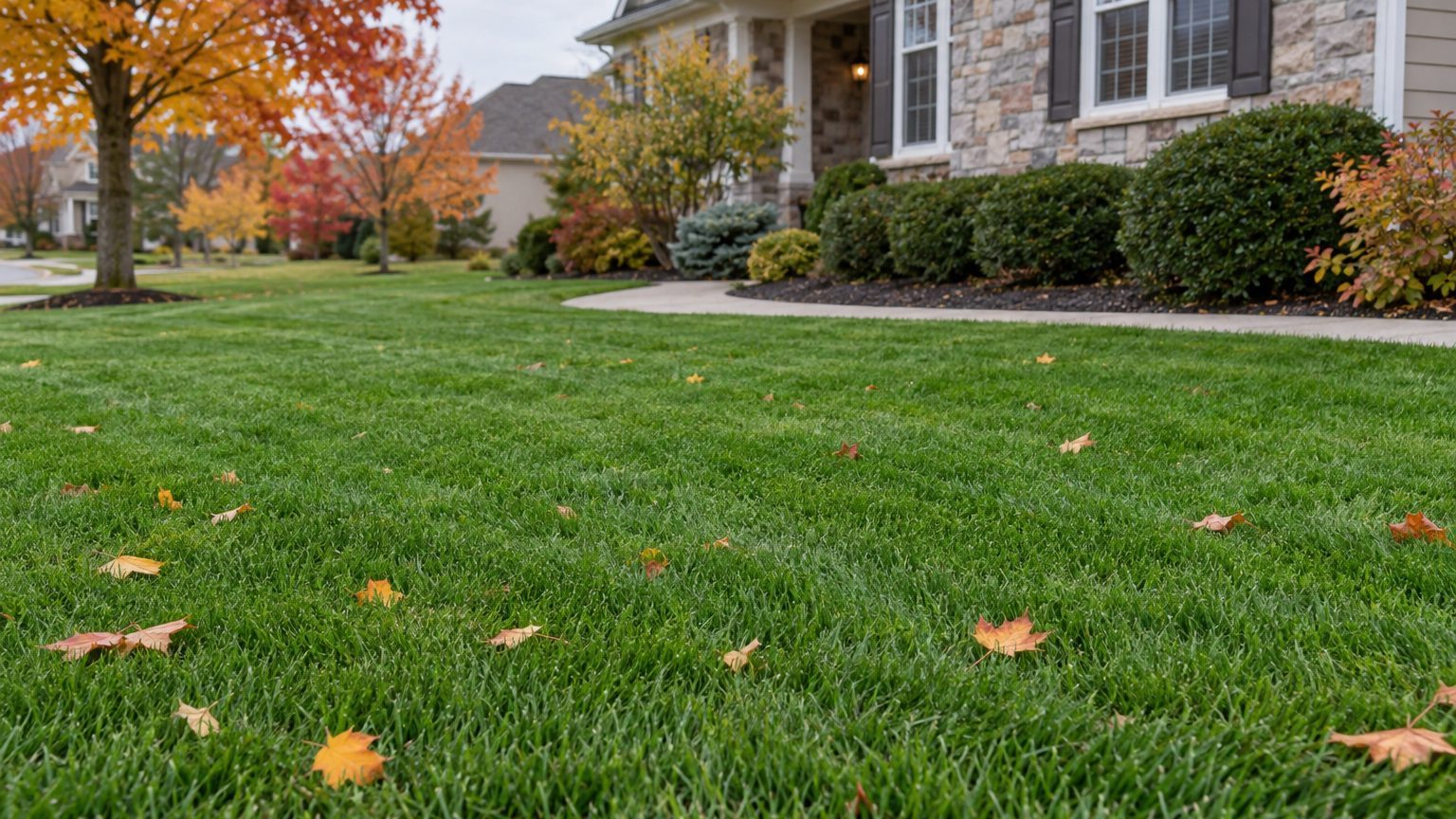
Ontario’s cool-season lawns green up slowly in spring, slow down in summer heat, and put on fresh root growth after the heat breaks. The province sits in a cold-winter climate, so lawn care follows the thaw, warming soil, and the return of cooler weather in late summer.
Frost Dates and Growing Season in Ontario

In Toronto, the last spring frost falls on average near April 30, which is a midpoint rather than a safe date, so in about half of years a frost still arrives later and can nip young seedlings.
- In early spring, the soil is still cold and the grass barely moves, so you can rake off winter debris and start mowing on dry days in April if the blades need a trim.
- Once the soil warms in May, crabgrass preventer goes down, and seeding, aeration, and feeding are possible too.
- From June through August, the work shifts to regular mowing and deep watering, since cool-season grass slows and browns when the weather turns hot and dry.
- In late summer and early autumn, August and September give seed and dethatching their best window, because the first fall frost in Toronto averages October 16 and young grass needs time to root before it.
- In October and November, mowing carries on while the grass is still growing, a late feeding is possible in October, and November suits seed that will sleep on cold soil and sprout in spring.
These dates mark frost risk for the Toronto area (Canadian hardiness zone 7a, a separate system from the USDA zones), while the grass itself grows when the soil warms and slows when it cools.
Ontario — the year and the numbers
- State
- Ontario
- Hardiness zones
- 7a
- Last spring frost
- April 30
- First fall frost
- October 16
- Annual rain
- 31 in
- Lawn type
- cool-season
- Source
- Environment and Climate Change Canada — Canadian Climate Normals 1981-2010, station TORONTO LESTER B. PEARSON INT'L A · Toronto
Cool-Season or Warm-Season Grass in Ontario?
Cool-season grass is the one that lasts here. Ontario winters are long and cold, and warm-season turf types would sit brown for much of the year, then struggle to survive the freeze and thaw.
The grasses that homeowners rely on all grow hardest in spring and fall, and they differ mostly in how they handle shade, foot traffic and a dry July.
| Grass | Season | How it does here |
|---|---|---|
| Kentucky bluegrass | Cool | Forms a dense, self-repairing turf in sun, but turns straw-colored in a dry summer |
| Fine fescues (creeping red, chewings, hard) | Cool | Copes with shade and thin soil, and asks for less feeding and watering |
| Perennial ryegrass | Cool | Sprouts fast and fills in quickly, which helps on new seedings and bare spots |
| Tall fescue | Cool | Roots deeply, so it holds its color better through summer heat and dry spells |
Seed blends often combine these grasses, so a lawn can cover sunny stretches, shady corners, and a busy play area at once. Pick a blend by the light your yard actually gets.
When to Seed, Fertilize and Aerate a Lawn in Ontario
Late summer and early autumn carry most of the year’s work. Warm soil and cool air help seed sprout and roots spread, and weeds slow down just as the new grass gets going.
May also works for seeding, aeration, and fertilizing, but new grass then competes with weeds and the heat to come.
| Task | Best months in Ontario | Why then |
|---|---|---|
| Seeding | August and September are the best times, though May also works. | Warm soil and cooling air help seed sprout and root before winter |
| Core aeration | September is the best time, though May also works. | Opens compacted soil while the grass is growing and can recover |
| Fertilizing | September is the best time, though May and October also work. | Feeds roots as the grass thickens for the cold season |
| Dethatching | August, September | Clears the mat of dead stems so seed reaches the soil |
| Crabgrass preventer | May | Goes down as the soil warms, ahead of crabgrass seed sprouting |
| Dormant seeding | November also works. | Seed lies on cold soil and sprouts when spring arrives |
| Watering | June, July, August | Keeps roots alive through the hottest, driest stretch |
Ontario’s Cosmetic Pesticides Ban, in force since 2009, bars most weed killers and insecticides on home lawns, so only products on the province’s allowable list may be used, and it is worth checking a product before you buy it for crabgrass or broadleaf weeds.
Lawn Problems to Watch for in Ontario
Snow Mold Patches

When the snow melts and you see matted, grayish or pinkish circles in the turf, that is snow mold. It develops under deep, lasting snow cover on grass that went into winter long and wet.
Rake the patches gently to fluff the blades and let air and sun dry them out. The lawn can recover on its own once growth picks up, and a patch that stays bare can be reseeded.
Brown Grass in Midsummer

A lawn that fades to tan in July is often dormant, not dead. Cool-season grass shuts down to survive heat and drought, and the crowns stay alive below the surface.
Deep, occasional watering through the warm months keeps roots reaching downward and the lawn greener for longer. If you let a lawn rest, the color usually returns when cooler weather and rain come back in September.
Weeds in Thin Turf
Dandelions, clover and crabgrass move in wherever the grass is thin. With so many weed killers off the table for home lawns, the practical answer is a thick stand of grass.
Overseeding in late summer, feeding in September and mowing regularly keep the canopy dense enough to crowd weeds out. Pull what slips through while the soil is moist and the roots come out whole.
How Lawn Care Dates Change Across Ontario
Ontario is large, and the same job can fall weeks apart between the lakeshore and the far north.
- Niagara and the Lake Erie shore: The big lakes hold warmth well into autumn and cool the spring air, so the season runs long and frost tends to arrive later in fall.
- Greater Toronto Area: Lake Ontario softens the edges of the season, and the dates in this article fit this part of the province best.
- Ottawa Valley and eastern Ontario: Winters bite harder here, snow lingers, and spring work such as raking and seeding starts later than around Toronto.
- Northern Ontario, around Sudbury and Thunder Bay: Spring arrives well behind the south and autumn closes in early, so seeding has a shorter window and moves earlier in late summer.
Upland districts such as the Haliburton Highlands also run behind the lakeshore, so shift your timing later in spring and earlier in fall as you move away from the big lakes.
Where to Get Lawn Advice in Ontario
Canada has no county extension offices, so lawn questions go to the provincial agriculture ministry, local master gardener groups and garden centres.
- The Ontario Ministry of Agriculture, Food and Agribusiness points you to provincial resources on turf and soils, and the Guelph Turfgrass Institute shares seasonal lawn tips.
- A local master gardener group or a garden centre can help you identify a problem if you bring a plug of turf with a patch of soil.
- Send a soil sample to a lab before the September feeding, so the results decide what goes on the lawn.
Common Questions
Should You Bag Grass Clippings in Ontario?
Usually not. Clippings from a regular mowing break down quickly and return nitrogen to the soil, which cuts the feeding the lawn needs. Bag them only when the grass has grown long and wet enough to leave clumps on the surface.
Is It Okay to Walk on a Soggy Spring Lawn?
Staying off it is kinder. Saturated soil compresses under foot traffic, which squeezes out air and leaves ruts that roots struggle to cross. Wait until the ground firms up and the grass starts growing before you rake or mow.
What Should You Do with Fallen Leaves on the Lawn?
Mow them into small pieces while the layer is thin, and they feed the soil. A thick, unbroken blanket of whole leaves smothers the grass and invites mold, so rake or mulch it regularly as it builds up.