Skip to content

North Carolina

  1. Jan
  2. Feb
  3. Mar
  4. Apr
  5. May
  6. Jun
  7. Jul
  8. Aug
  9. Sep
  10. Oct
  11. Nov
  12. Dec
State
North Carolina
USDA zones
5b-8b
Last spring frost
March 23 to April 5
First fall frost
October 30 to November 8
Annual rain
44 in
Lawn zone
transition-season
Source
NOAA NCEI U.S. Climate Normals 1991-2020, 32F freeze probabilities · Charlotte

The year in North Carolina, from the calendar

  1. JanPlant fruit trees
  2. FebSpring bulbs bloom · Plant roses · Prune roses · Plant fruit trees · Prune fruit trees
  3. MarSpring bulbs bloom · Feed hydrangeas · Plant hydrangeas · Feed roses · Plant roses
  4. AprSpring bulbs bloom · Plant hydrangeas · Lilacs bloom · Peonies bloom · Feed roses
  5. MayFeed hydrangeas · Lilacs bloom · Prune lilacs · Peonies bloom · Feed roses
  6. JunPrune bigleaf hydrangeas · Prune lilacs · Feed roses · Dethatch (warm-season lawns) · Fertilize the lawn (warm-season lawns)
  7. JulFeed hydrangeas · Prune bigleaf hydrangeas · Feed roses · Fertilize the lawn (warm-season lawns) · Mow
  8. AugPlant hydrangeas · Seed the lawn · Feed roses · Aerate · Dethatch
  9. SepPlant hydrangeas · Plant peonies · Dethatch · Fertilize the lawn · Mow
  10. OctPlant peonies · Plant trees · Fertilize the lawn · Mow · Mow (warm-season lawns)
  11. NovPlant spring bulbs · Cut back peonies · Plant trees · Mow
  12. Dec—

From the state frost facts and extension calendars: NC State Extension (Beaufort County) · NC State Extension (Pamlico County) ; NC State Extension (Beaufort County) · Clemson HGIC factsheet — Hydrangea · University of Tennessee Extension — PB1903 Lawn Maintenance Calendar (2025).

Best Fruit Trees to Grow in North Carolina

Best Fruit Trees to Grow in North Carolina

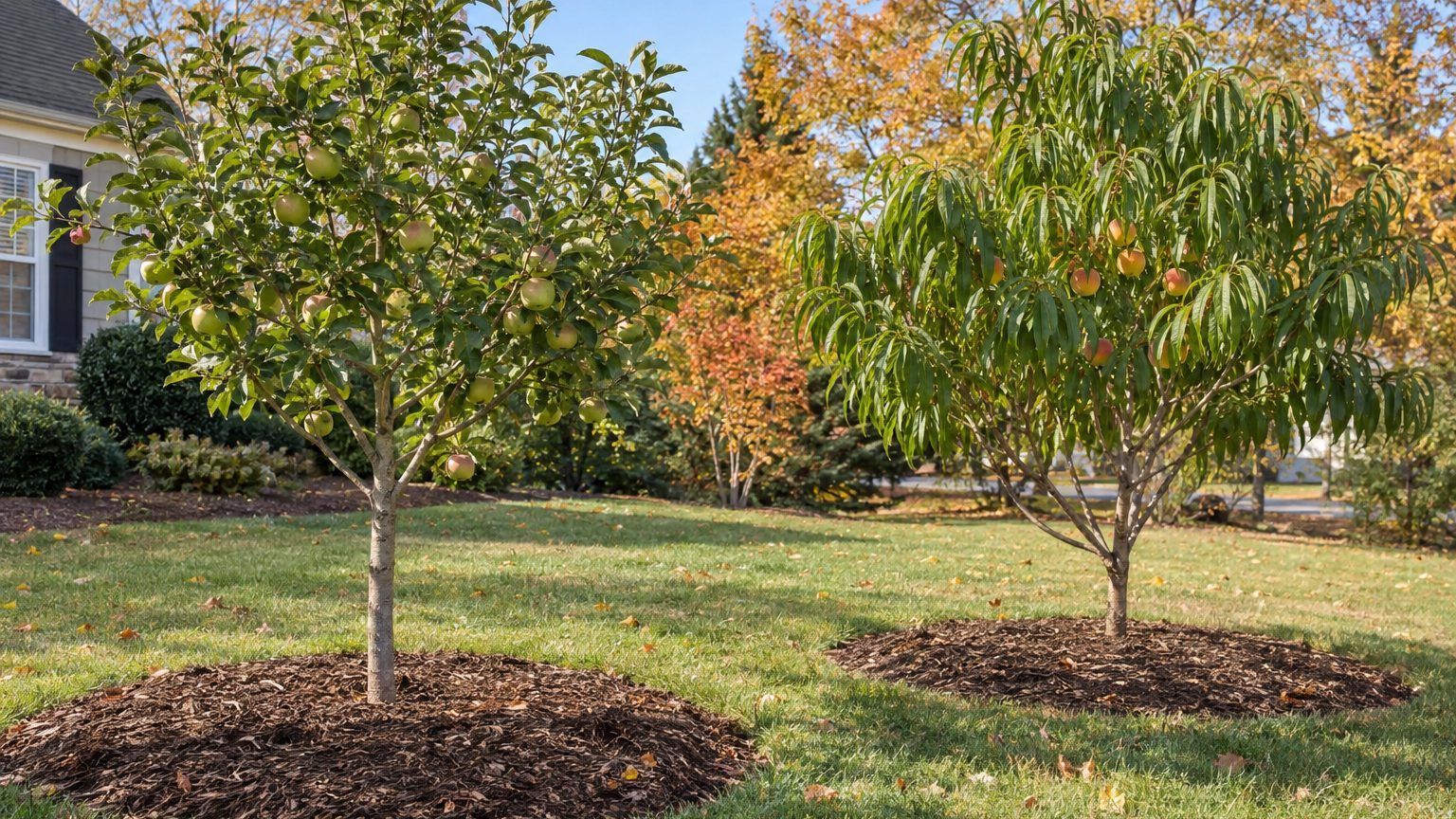
A well-pruned apple tree in late winter, bare of leaves and ready to wake with the first warm days, is a common sight in North Carolina yards. Apples are a dependable choice here, and native fruits such as American persimmon and paw paw also grow well. Peaches are the tricky one.

Best Fruit Trees to Grow in North Carolina

Healthy fruit trees in a home yard

Apples

Most apples are a good choice in North Carolina, and the list of suitable varieties is long: Crispin (Mutsu), Gala, Empire, Golden Delicious, Red Delicious, Rome Beauty, Stayman Winesap and Yates among them.

In the Piedmont, Gala, Fuji, Golden Delicious and Red Delicious are the recommended plantings. Plant them in the dormant season, from January through March.

Apple Rootstocks

A modern apple tree is made by grafting a living bud from the variety you want onto a hardy rootstock. The rootstock gives the tree its roots, so a grafted tree from a nursery carries the rootstock’s toughness and the chosen variety’s fruit.

Native Fruits

American persimmon, paw paw and elderberry grow well here because they belong to the region. They suit a yard where native fruit is the priority.

American Crabapple

American crabapple is also on the list of native fruits that do well. The native Southern crabapple reaches about 20 to 30 feet tall and feeds bees in early spring. It prefers part shade and moist, well-drained soil.

Peaches

Peaches tend to perform poorly here most years, even though the common peach has many cultivars that give excellent peaches or nectarines. Treat a peach as an experiment, and give apples the main spot in the yard.

How to Choose a Fruit Tree for Your North Carolina Yard

North Carolina spans hardiness zones 5b to 8b in the USDA system, so mountain yards and coastal yards face different winters. Start from your own conditions, then match the tree to them.

Charlotte, in the Piedmont, sees its last spring frost between March 23 and April 5. The mountains to the west run later and the coast earlier.

Your situation What suits it in North Carolina Why
Cold mountain winters Apples Most apples are a good choice, and they are planted dormant between January and March.
Piedmont yard Gala, Fuji, Golden Delicious, Red Delicious These varieties are the apples recommended for the Piedmont.
Hot, humid summers Apples or native fruits Native fruits such as American persimmon and paw paw grow well here, while peaches tend to perform poorly most years.
Little time for care American persimmon, paw paw, elderberry They are native fruits that grow well in the state.
Small space Southern crabapple The native crabapple stays near 20 to 30 feet, and grafting onto a hardy rootstock is how modern apples are produced.

Scab, rust and fire blight trouble apples and crabapples, so look for cultivars resistant to them. Malus ‘Sutyzam’ is one of the better new disease-resistant crabapples.

Fruit Tree Buying Mistakes to Avoid in North Carolina

Buying a Peach Tree First

Peaches tend to perform poorly here most years, so a peach as the first tree can mean years of care for little fruit. Plant apples first. If you still want a peach, add one later and expect uneven crops.

Planting at the Wrong Time

Summer is the hardest time to plant a tree, because heat and dry soil stress new roots. Bare-root trees go in while dormant, before the buds open, within the January through March window. Container trees can go in most of the year with watering, though they settle best in the dormant season.

Pruning at the Wrong Moment

Pruning in fall or early winter invites new growth that may not harden before the cold. Prune in February for most fruit trees. Apples and pears can start from mid-January, while peaches and plums wait until mid-February to early March, since peach flower buds are easily hurt by cold.

Where to Get Fruit Tree Advice in North Carolina

State extension guides cover fruit growing in North Carolina. Your county office adds local knowledge of soil and microclimate.

  • The NC State Extension site has guides on apples, pruning and variety choice, useful before you order trees in winter.
  • Your county center can answer questions about your soil and elevation, so call before the dormant season begins.

Common Questions

When Should You Plant a Fruit Tree in North Carolina?

Plant bare-root and container fruit trees from January through March, while they are dormant. Shade and ornamental trees do best in October and November.

When Should You Prune Apple Trees in North Carolina?

Apples are normally pruned from mid-January into February, ahead of peaches and plums.

Can You Grow Native Fruit Trees in North Carolina?

Yes. American crabapple, American persimmon, paw paw and elderberry all grow well here.
Best Time to Plant Trees in North Carolina

Best Time to Plant Trees in North Carolina

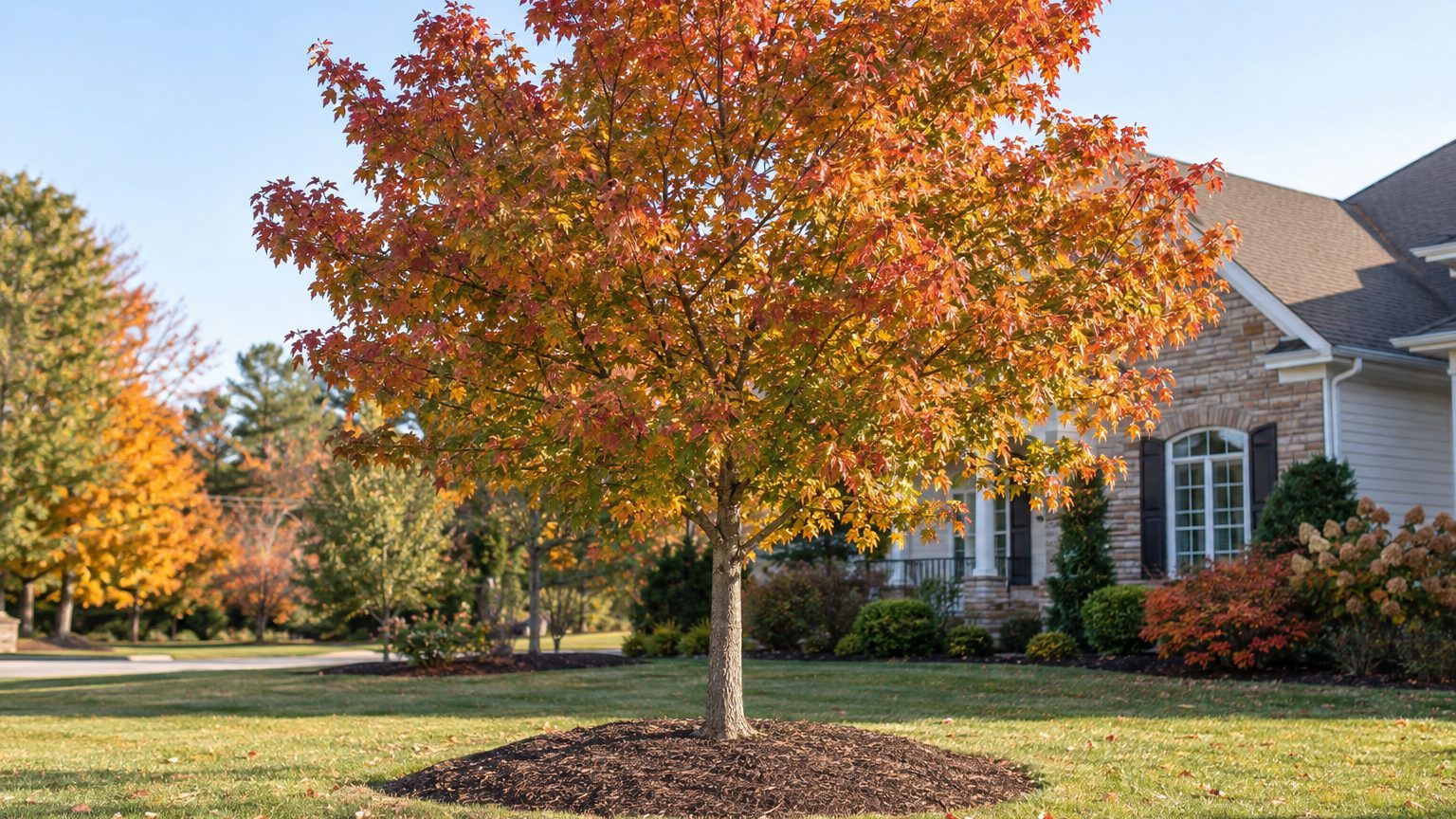
A young tree planted in the cool of fall spends the winter quietly growing roots, and by the following summer it is ready for the heat. In North Carolina, that rhythm shapes when to plant shade trees, ornamentals and fruit trees, and which ones suit the state’s yards.

When Is the Best Time to Plant Trees in North Carolina?

A young shade tree newly planted in a home yard

Fall is the season to plant shade and ornamental trees in North Carolina, with spring as the fallback and summer best avoided. Cooler air, warm soil and steadier rain let roots grow without heat stress. Through the year, it goes like this:

  • In March, container and balled-and-burlapped trees can still go in the ground, and it is the main fallback when fall was missed.
  • Through summer, planting is best avoided, because heat and dry soil stress new roots.
  • In September, planting can begin, and the warm soil gives roots a head start.
  • In October and November, conditions are ideal, with cool air, warm soil and more consistent rainfall.
  • In December, planting is still possible while the ground stays workable.

Container trees can go in most of the year if you water them, but they settle best when planted while dormant. Bare-root trees go in while dormant, before the buds open. In Charlotte, in the Piedmont, the last spring frost falls between March 23 and April 5, and the first fall frost between October 30 and November 8. The mountains run several weeks later in spring and the coastal plain earlier. Hardiness zones in the USDA system run from 5b to 8b across the state.

When to Plant Fruit Trees in North Carolina

Plant fruit trees in January through March, while they are dormant. Apples, for example, are usually planted in that window. Bare-root trees in particular need to go in before the buds open.

Container-grown fruit trees are more forgiving, though they also settle best when planted in the dormant season.

Kind of fruit tree When to plant in North Carolina Why then
Bare-root January through March, while dormant The tree is planted before the buds open
Container January through March is best It settles best when planted in the dormant season

Container trees can go in at other times of year if you keep them watered, but summer is the hardest season for any new planting.

Best Trees to Plant in North Carolina

Native and understory trees do well here, especially in part shade and moist, well-drained soil. Crabapples and redbuds are good examples. Match any tree to the space, the sun and your hardiness zone before you buy.

Tree How it does in North Carolina Why
Southern crabapple Native, reaching about 20 to 30 feet tall Does best in part shade and moist, well-drained soil, and feeds bees in early spring
Redbud Grows well in part shade It is an understory tree that likes moist, well-drained soil
Malus ‘Sutyzam’ crabapple A disease-resistant crabapple Resists rusts, fire blight and scab

When you pick a crabapple, look for cultivars that resist rusts, fire blight and scab. For fruit varieties, apples are a solid choice in the Piedmont, where Gala, Fuji, Golden Delicious and Red Delicious are recommended. Peaches tend to perform poorly here most years.

When to Plant, Water and Prune Trees in North Carolina

Planting, watering and pruning each have their own moment. Plant in fall for shade trees and in the dormant season for fruit trees, then water new trees through their first stretch, especially in dry spells. Pruning of fruit trees waits for late winter.

Task Best timing in North Carolina Why then
Plant shade and ornamental trees October and November Cool air and warm soil help roots grow
Plant fruit trees January through March The tree is dormant
Water a young tree Regularly after planting, and through dry weather New roots dry out fast, especially in summer heat
Prune fruit trees February for most, while dormant and before the buds swell Pruning in fall or early winter invites new growth that may not harden before the cold

Apples and pears are pruned first, from mid-January, and peaches and plums from mid-February to early March. Peaches go last because their flower buds are easily hurt by cold. Remove burlap and wire baskets from balled-and-burlapped trees at planting so roots can spread. The page on when to prune fruit trees in North Carolina goes deeper on pruning.

Where to Get Tree Advice in North Carolina

NC State Extension and your county extension office can help with choosing a tree for your site and with soil testing.

  • County offices can recommend trees suited to your local soil and conditions, and fall is a good time to ask before you plant.
  • A soil analysis shows what the ground needs, and winter is a good time to send a sample.

Common Questions

Can You Plant a Tree in Summer in North Carolina?

You can, but you should expect more work. Heat and dry soil stress new roots, so a tree planted in summer needs steady watering. Waiting until fall gives it far easier conditions.

Do You Need to Remove the Burlap from a Balled-and-Burlapped Tree?

Yes. Take off the burlap and any wire basket at planting, so the roots can grow outward into the surrounding soil.

Which Apple Varieties Grow Well in the North Carolina Piedmont?

Gala, Fuji, Golden Delicious and Red Delicious are recommended for apples in the Piedmont. Other suitable varieties include Crispin, Empire, Rome Beauty, Stayman Winesap and Yates.

Best Peonies for North Carolina

Best Peonies for North Carolina

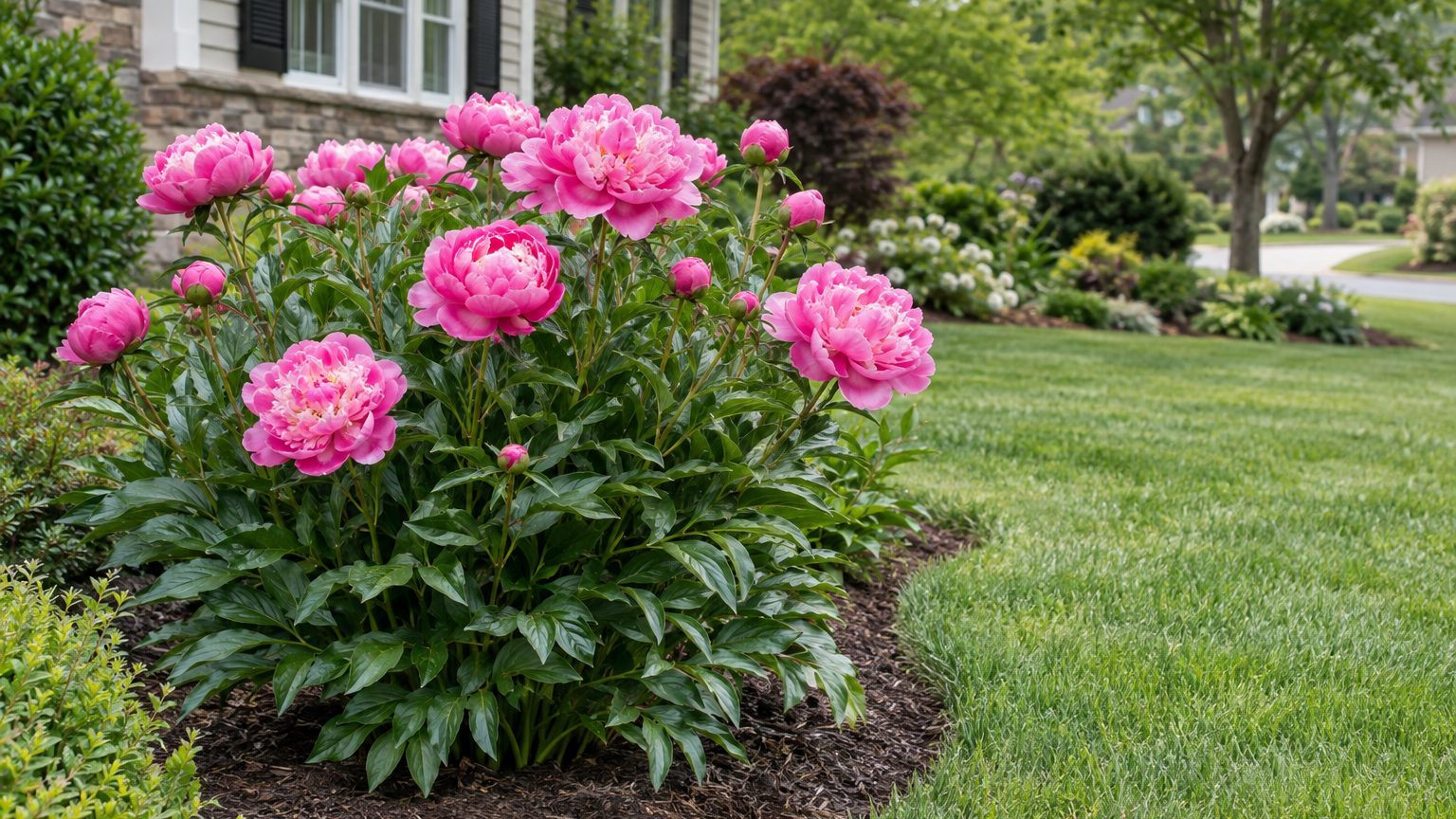
A peony in bloom is a good reason to walk the yard in spring, and in North Carolina the plant and its site matter. Plants that flower early, with single or Japanese blooms, handle the Southern warmth far better than the heavy doubles that fill catalogs.

Best Peonies to Grow in North Carolina

Best Peonies for North Carolina

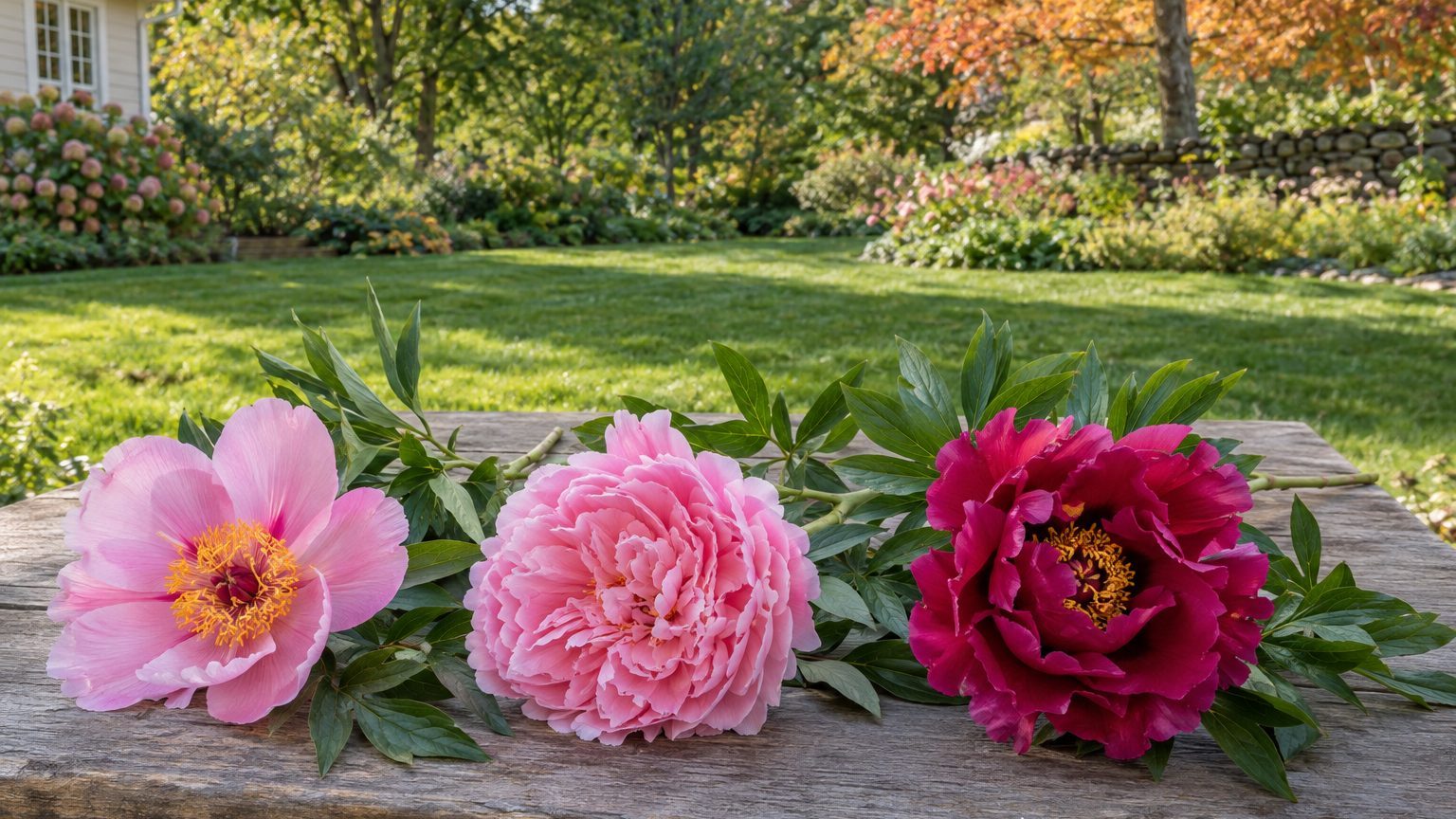
Single, Japanese, and early-blooming herbaceous peonies do best here; tree peonies offer a woody alternative for gardeners who want a shrub. Peonies need a cold winter rest to flower, and under the USDA system North Carolina spans zones 5b to 8b, so the milder parts of the state can leave them flowering poorly. Choosing types that bloom before the heat arrives helps with warm springs, but it cannot replace the cold winter rest peonies need.

Single Peonies

Single Peonies — Best Peonies for North Carolina

Singles have petals around a center of stamens, and they usually perform much better in the South than the doubles do. Their flowers are lighter, so they cope with spring rain and warm days without collapsing.

Japanese Peonies

Japanese Peonies — Best Peonies for North Carolina

Japanese types look like singles with a tuft of narrow petal-like segments in the middle. They share the single type’s Southern track record and rank among the region’s stronger performers. Plant them where they get full sun.

Early-Blooming Cultivars

Early bloomers open before hot weather sets in, which is the whole advantage in this climate. They are also less prone to botrytis blight, the gray mold that blackens buds in warm, damp springs. When a label gives a bloom season, lean toward early.

Kansas

Kansas is a double, which makes it an exception worth knowing. Its large, early flowers are a watermelon red that holds its color through bloom time, and it is a double that does well in the South. If you want a double, start here.

Tree Peonies

Tree peonies are deciduous shrubs with woody stems, and they tend to bloom earlier and larger than herbaceous peonies. Their woody branches support the large flowers, so mature plants usually need no staking. They handle full sun to partial shade, which suits yards with an afternoon tree shadow.

Herbaceous Peonies

Herbaceous peonies are the classic garden type. They die back to the ground every year and have no standing stems, so you start fresh each spring. Choose early singles or Japanese forms from this group, and stagger cultivars so the show lasts longer.

How to Choose a Peony for a North Carolina Garden

Start with what bothers you most in your own yard: summer heat, a mild winter, or the time you have for upkeep. Those factors point toward different peony types, with overlap among the recommendations.

A named cultivar also gives you more assurance of hardiness and quality than a plant sold only as double pink or single white.

Your situation What suits it in North Carolina Why
Hot, humid summers Early-blooming single or Japanese cultivars They flower before the heat and are less prone to botrytis blight
A warm spring after a cold winter Singles and Japanese types These bloom types handle warm Southern springs better than doubles
You want a double Kansas An early double that does well in the South
Little time for upkeep Tree peonies Their woody stems usually need no staking once mature
A long season of flowers A mix of early and late cultivars Staggered bloom times extend the show

Tree peonies take full sun to partial shade, while herbaceous types want full sun, so your light may settle the choice before anything else does.

Which Peonies Suit Different Parts of North Carolina

Winter cold and spring timing shift as you move across the state, and that changes how much risk you can take with a variety.

  • Blue Ridge mountains: Winters are colder and spring arrives later, so peonies get the cold rest they want. Doubles and later-blooming cultivars have more room to perform here.
  • Charlotte and the Piedmont: Summer heat arrives fast, so early singles and Japanese types are the safe base, with a double like Kansas as the extra.
  • Coastal plain: Spring comes earlier and winters are milder, which makes the cold rest the weak point. Stay with early-blooming singles and Japanese types, and expect lighter flowering in the mildest spots.

Zones differ across these areas, so check your own county before you spend on an expensive plant.

Peony Buying Mistakes to Avoid in North Carolina

Choosing a Heavy Double

The fix is simple. Pick early-blooming singles or Japanese types, and if you love doubles, choose Kansas.

Planting the Crown Too Deep

Peonies like cold weather, so plant the crown with the root plate and buds right at the soil surface. A peony set too deep may bloom poorly or not come up at all. A newly planted peony may also skip bloom the first spring, so do not dig it up in disappointment.

Buying Without Knowing the Adult Size

A potted tree peony looks small in the store but matures into a shrub, so it can crowd a bed planned for a perennial. Read the tag before you buy and leave room. Be wary of plants sold only as double pink or single white, and look for named cultivars instead.

Where to Get Peony Advice in North Carolina

NC State Extension offers peony guidance for North Carolina gardeners.

  • Its Gardener Plant Toolbox lists herbaceous peony types, so check it before choosing a cultivar.
  • Your county extension office can tell you how your zone and soil compare with the rest of the state, so call before planting.
  • Extension agents can look at a plant that fails to bloom and help you work out why, so bring photos.

Common Questions

When Should You Plant Peonies in North Carolina?

Plant or divide them in late September or October, so the roots settle before winter. Avoid the heat of summer.

When Do Peonies Bloom in North Carolina?

Most flower in April and May. Depending on the cultivar and the weather, they can also open as early as March.

When Should You Cut Back Peonies in North Carolina?

Cut herbaceous peonies back to the soil surface in November, after frost. October and December also work. Tree peonies keep their woody stems and are never cut back.

When Do Peonies Bloom in North Carolina?

When Do Peonies Bloom in North Carolina?

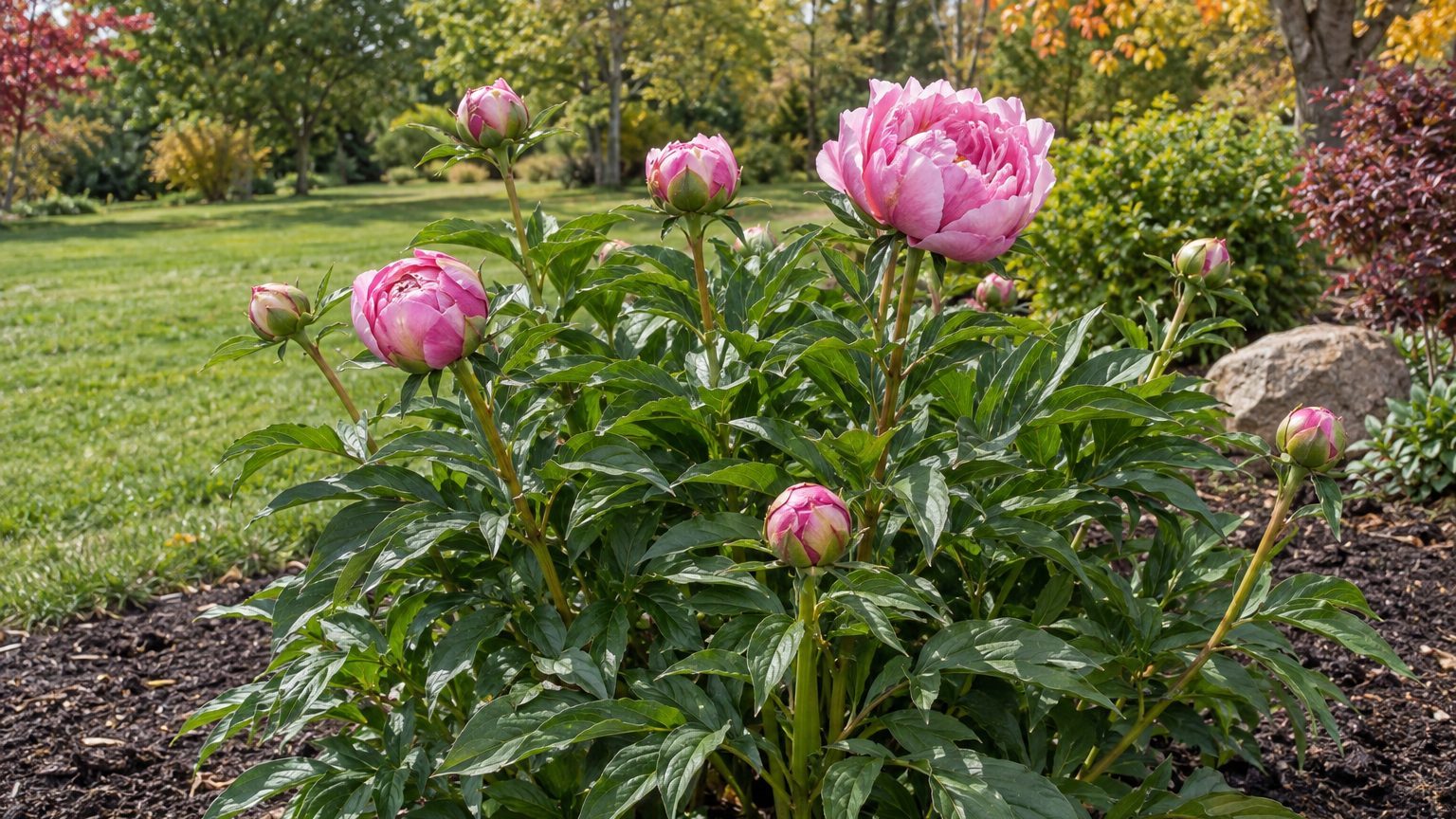
Swelling peony buds are a welcome sign of spring in a North Carolina yard. The plants come back from the same crowns year after year, and the timing of the show depends on the cultivar and on the weather that spring.

When Do Peonies Bloom in North Carolina?

When Do Peonies Bloom in North Carolina?

Peonies in North Carolina generally flower in April and May. Some cultivars open as early as March, and others hold off until late in May. The spread comes from the cultivar and from how the spring weather unfolds.

Type of peony When it blooms in North Carolina What to know
Early-blooming cultivars As early as March, into April They flower before hot weather arrives and are less prone to botrytis blight.
Later cultivars Into May Timing shifts with the cultivar and the spring weather, so check the plant tag.
Single and Japanese types April, May They usually perform much better in the South than the doubles do.

Tree peonies, which keep their woody stems through winter, follow their own rhythm; use the plant tag to judge their timing. Heat is the enemy of an open flower, which is why early, single and Japanese forms are the safest bets in the warmer parts of the state.

How to Tell When Your Peonies Are About to Bloom

The plants show clear signs before the flowers open, and those cues are easier to trust than a date on a calendar.

  • Red shoots pushing out of the soil in early spring mean the crown has woken up and the season is underway.
  • Shoots that turn green and leafy tell you the plant is building the stems that will carry the flowers.
  • Small round buds forming at the stem tips mean the flowers are set, so avoid heavy cutting or rough handling from here.
  • Buds that swell and round out are close to opening, which is the moment to put stakes or cages in place.
  • A bud that feels soft when pressed gently, much like a marshmallow, will show color soon.
  • Ants crawling over the buds are harmless and need no treatment.

Heavy double blooms get top-heavy after rain, so support them before the petals open rather than after the stems have flopped.

When to Cut Back Peonies in North Carolina

November is the month for cutting herbaceous peonies back, once frost has killed the foliage. It can also be done in October or December, as long as frost has come first. Cutting while leaves are still green robs the crown of energy it is storing for spring.

Cut the dead stems right down to the soil surface with clean pruners. Gather every stem and leaf and throw it out with the trash, since old foliage can carry disease such as botrytis blight into next year’s growth. A compost pile that does not get very hot will not take care of it.

Tree peonies are the exception. A tree peony keeps its woody stems and is never cut back to the ground, so leave it alone in fall.

How Peony Bloom Time Shifts Across North Carolina

North Carolina runs from mountains to coast, and peonies follow the warmth, opening earlier in the warmer places and later in the cooler ones.

  • Blue Ridge mountains: Spring arrives later at elevation, so blooms open later here than elsewhere in the state. Winters are cold enough that peonies get the winter rest they need.
  • Piedmont, including the Charlotte and Raleigh areas: Blooms fall in the middle of the state’s range, and the standard April and May window fits well. Early-blooming cultivars still have the best chance of finishing before summer heat.
  • Coastal plain: Spring warms sooner here, so flowers open earlier. Peonies need a cold winter rest to flower, so they may bloom poorly in the mildest winters near the coast.

If you garden near the coast, lean on early-blooming, single or Japanese cultivars and give them the coolest spot you have.

Where to Get Peony Advice in North Carolina

Local growing conditions vary enough that a quick conversation with a local expert pays off. NC State Extension offers local gardening help across the state.

  • The state extension website has plant profiles and seasonal growing tips, which are worth a look before you buy a new cultivar.
  • Your county Cooperative Extension center can tell you which peonies perform well in your local soil and elevation, so call before planting season.
  • Extension Master Gardener volunteers answer questions about problems in your own yard, and spring is a good time to ask while the buds are still forming.

Common Questions

When Should You Plant or Divide Peonies in North Carolina?

Late September or October. Never do it in the heat of summer. Set the crown so the root plate and buds sit at the soil surface, because peonies planted too deep may bloom poorly or fail to come up.

Why Are Your Peonies Not Blooming?

A peony that was just planted or moved may skip its first spring. If an established clump stays flowerless, check how deep the crown sits and whether the plant spent the winter in a very mild spot.

How Can You Stretch the Peony Season?

Each plant flowers for a short stretch, so a mix of cultivars with staggered bloom times keeps color in the garden longer. Mix early- and later-blooming types.

When to Plant Peonies in North Carolina: Dates and Care

When to Plant Peonies in North Carolina: Dates and Care

Peony shoots push through the soil in early spring as red-tinged knobs, and fall-planted roots have time to settle before the next bloom season. In North Carolina, planting is a fall job, timed so the roots settle before winter.

When to Plant Peonies in North Carolina

When to Plant Peonies in North Carolina: Dates and Care

Plant or divide peonies in late September or October, and never in the heat of summer. The year of a peony here runs like this.

  • In late September and October, the soil is still warm enough for new roots to grow while the air cools, so the crown settles in before winter.
  • Through winter, the plant rests underground, and that cold rest is what sets up flowers for the following spring.
  • In early spring, with the last frost in Charlotte typically falling between March 23 and April 5, red shoots emerge and can shrug off a light frost.
  • In April and May, the buds open, though some cultivars flower as early as March.
  • Through summer, the foliage works quietly to feed the roots for next year, so leave it standing.
  • In November, once frost has blackened the leaves, herbaceous types get cut back, and October or December works too if your schedule demands it.

In Charlotte, the first fall frost typically arrives between October 30 and November 8, which is why October planting leaves little slack. These dates describe Charlotte, in the Piedmont, within a state that spans USDA hardiness zones 5b to 8b. Mountain and coastal yards run on a different clock, as the regional section explains.

Which Peonies Grow Best in North Carolina?

Peonies grow here, but they need a cold winter rest to flower, so they perform best where winters are properly cold. In milder parts of the state they can flower poorly. Spring heat is the other hurdle, which is why bloom type and timing matter.

Peony type How it does in North Carolina Why
Early-blooming cultivars Dependable They open before hot weather arrives and are less prone to botrytis blight
Single bloom types Usually perform well They handle warm Southern springs better than doubles
Japanese bloom types Usually perform well They also cope with warm springs better than doubles
Double bloom types Often struggle They usually fare worse in the South than singles and Japanese forms

Each plant blooms for about two weeks, so mixing early cultivars with later ones stretches the show across the season. Tree peonies, the shrubby kind with woody stems, are a separate group with their own habits, and the care table below shows how they differ at pruning time. Choose a bloom type suited to Southern springs, then pick the flower color you like.

When to Plant, Cut Back and Feed Peonies in North Carolina

Peony care here follows a seasonal rhythm. Planting time matters because a crown set in too late has little time to root before the cold.

Task Best timing in North Carolina Why then
Planting or dividing Late September or October Roots settle in cooling soil before the winter rest
Bloom April and May, as early as March for some cultivars Cultivar and spring weather decide the exact opening
Cutting back herbaceous peonies November, after frost has killed the leaves, or in October or December The dead stems can carry disease if left standing
Cutting back tree peonies Never Their woody stems stay alive and carry next year’s buds

Cut herbaceous stems down to the soil surface and clear them away rather than composting them. Before feeding, ask the county office for advice so any fertilizer matches the bed’s needs.

How Peony Planting Dates Change Across North Carolina

The fall planting window holds statewide, but spring comes at different times depending on where the yard sits, and that changes how the plants behave.

  • Blue Ridge Mountains: Spring arrives later than in Charlotte, so shoots wake up later and the last frost risk lingers longer. Colder winters here give peonies the rest they want.
  • Piedmont around Charlotte: This is the reference point for the dates above, with a moderate winter that still delivers enough cold for good flowering.
  • Coastal Plain: Spring comes earlier than inland, so growth starts sooner and blooms open ahead of the Piedmont. Milder winters make flowering less certain, which makes early-blooming singles the safer bet.

If your yard sits in the mountains or near the coast, treat the dates here as a starting point and let your local conditions nudge the schedule.

Where to Get Peony Advice in North Carolina

Local help is easy to reach, and it settles questions about soil, cultivars and problems on your own plants.

  • Peony guidance written for the state’s growing conditions is worth reading before you order plants.
  • Your county extension center can help, so go in before planting season or as soon as leaves look wrong.

Start with the NC State Extension site, then call the county center to book a soil test before the planting window opens.

Common Questions

How Deep Should You Plant a Peony in North Carolina?

Set the crown so the eyes, the pink buds on the root, sit near the soil surface. A peony planted too deep may bloom poorly or not come up at all. Peonies like cold weather, so the buds need to feel winter rather than hide under a thick blanket of soil.

Will a New Peony Bloom the First Spring?

A newly planted or transplanted peony may not bloom the first spring. The plant spends its early energy on roots, and flowers usually follow once it has settled in. Missing flowers in that first year is not a sign something went wrong.

Can You Divide Peonies in North Carolina?

Yes, and the timing matches planting. Divide in the same fall window, in late September or October, so each piece has time to root before winter. Dividing in the heat of summer stresses the plant and sets back its recovery.

Best Lilacs for North Carolina

Best Lilacs for North Carolina

A lilac in full bloom is one of spring’s great scents, and plenty of North Carolina gardeners want one by the porch. The catch is that this plant is adapted to cold-winter climates. Which lilacs hold up in North Carolina depends on your elevation, your summer heat and the chill your winters deliver.

Best Lilacs to Grow in North Carolina

Best Lilacs for North Carolina

Classic lilacs struggle in the warmer parts of North Carolina. Lilacs want a long, cold winter rest to mature their flower buds, and the warmer parts of the state may not provide it. Some common lilac varieties do well in the mountains. In warmer country, look to Miss Kim, the Korean early lilac and cold-hungry reblooming types, with realistic expectations.

Common Lilac in the Mountains

Common Lilac in the Mountains — Best Lilacs for North Carolina

Some varieties of common lilac do pretty well in the North Carolina mountains. Winters there are cold enough to give the buds the long rest they need before opening.

Outside the mountains, common lilac struggles. It does not like the heat of the warmer parts of the state and often becomes afflicted with powdery mildew and borers, so skip it in the lowlands.

Miss Kim Lilac

Miss Kim Lilac — Best Lilacs for North Carolina

Miss Kim is a cultivar of Syringa patula, and it has been publicized as a lilac that can take hot Southern conditions. That reputation makes it a candidate to try in the Piedmont or farther east, where common lilac struggles.

Plant it in sun, give the roots room, and keep expectations modest. Even a heat-tolerant lilac still prefers a proper winter.

Korean Early Lilac

Syringa oblata var. dilatata, a variety of the Korean early lilac, has been mentioned as a candidate for Southern gardens. It is less common on nursery shelves than common lilac, so you may have to ask a local garden center to track one down.

Treat it as a worthwhile experiment rather than a sure thing. Buy it small and see how it handles the summer.

Bloomerang Lilacs

The Bloomerang group is noted for blooming in spring, then again in summer and fall. That reblooming habit is the draw, and it gives you a second chance at flowers if the first flush is thin.

Like nearly all lilacs, though, Bloomerang plants need a period of cold weather to bloom well. In a mild corner of the state, plan for fewer flowers than the catalog photos suggest.

Low-Chill Cultivars

Some low-chill cultivars have been developed for milder winters, and they are worth a look if you garden in a warmer part of the state. Even these perform best when they get an extended, cold winter rest.

Low chill means they cope with less cold, not that they ignore it. Pick a spot with good air movement to help against mildew in muggy summers.

How to Choose a Lilac for a North Carolina Garden

Start with where your yard sits, because winter chill and summer heat decide most of the outcome. Then match the plant to the weak point of your site.

A lilac that suits a cool mountain slope can fail on a hot, humid lowland lot. The table sorts the common situations.

Your situation What suits it in North Carolina Why
Cold mountain winters Common lilac Some varieties do pretty well in the mountains, where the buds get a long winter rest
Hot, humid summers Miss Kim or Korean early lilac Miss Kim has been publicized as taking hot Southern conditions, and the Korean early lilac is a named candidate
Mild winters with little chill Low-chill cultivars They are bred for less cold, though they still do best with an extended cold rest
You want flowers more than once Bloomerang group It blooms in spring, then again in summer and fall, but still needs cold weather to bloom well

Plants for tight spaces and low-effort yards are harder to call, since nothing here singles out a lilac for either. Check the mature size on the tag and ask the nursery how big the plant will get.

Which Lilacs Suit Different Parts of North Carolina

The state runs from mountain ridges to the Atlantic coast, and USDA hardiness zones range from 5b to 8b. That spread changes which lilacs make sense.

  • Blue Ridge Mountains: This is lilac country by North Carolina standards. Common lilac does pretty well here, and spring frosts arrive later than in the lowlands, so a hard frost on open buds is a real possibility.
  • Piedmont, around Charlotte and the Triangle: Summers turn hot and muggy, and common lilac often picks up powdery mildew and borers. Miss Kim and the Korean early lilac are the more sensible picks.
  • Coastal Plain: Common lilac struggles in this warmer part of the state. Lilacs are a long shot, so a low-chill cultivar or a different shrub makes more sense.

Wherever you live, the closer you are to the mountains, the closer you are to a lilac’s comfort zone.

Lilac Buying Mistakes to Avoid in North Carolina

Common Lilac in the Lowlands

Common lilac is easy to find at garden centers, and it is tempting. In the warmer parts of the state it often becomes afflicted with powdery mildew and borers, and the shrub declines.

In the mountains, choose a common lilac variety with a good local record. In the Piedmont and east, choose Miss Kim or the Korean early lilac instead.

A Variety That Wants More Cold

Reblooming lilacs sound like a bargain, but they still need a period of cold weather to bloom well. In a mild winter the buds may mature poorly, and you pay for a shrub that gives few flowers.

Pick a low-chill cultivar and keep expectations modest in a mild winter.

A Pot Bought Without Its Adult Size

A lilac in a nursery pot looks harmless, but it grows into a large shrub that needs room. Planted too close to a foundation or walkway, it ends up crowded, with poor air movement, and mildew follows more easily in humid weather.

Read the tag for mature height and spread before you buy, and mark that footprint on the ground first.

Where to Get Lilac Advice in North Carolina

Local knowledge counts for a lot with a plant this sensitive to climate. Elevation and microclimate can change which lilac works from one county to the next.

  • The state’s land-grant extension service, NC State Extension, publishes plant guides on lilacs and Southern-friendly alternatives, handy before you shop in late winter.
  • Your county extension office can tell you which lilacs have lasted in nearby yards, so call in early spring before bloom.

Common Questions

When Should You Prune Lilacs in North Carolina?

Prune a once-blooming lilac right after the flowers fade, in May or June. July is another window for a once-blooming lilac, but not after July 10. A once-blooming lilac sets next year’s flower buds in summer, soon after it blooms, so pruning in late summer, fall or winter cuts off the next spring’s flowers.

When Do Lilacs Bloom in North Carolina?

Lilacs flower in April and May. A late cold snap while buds are open can damage the blooms, which matters most in the mountains where spring frosts come later.

Why Do Lilac Leaves Turn White and Dusty?

A white, powdery coating on the leaves that shows up during hot, humid spells points to powdery mildew. Common lilacs struggle in heat and humidity, so good spacing and a spot with air movement help.

When to Prune Lilacs in North Carolina

When to Prune Lilacs in North Carolina

A lilac that blooms heavily in spring has usually been left alone in fall and winter. In North Carolina, the pruning shears belong in the shrub only once the last purple or white clusters turn brown. That short window after flowering decides how many blooms you get the following spring.

When to Prune Lilacs in North Carolina

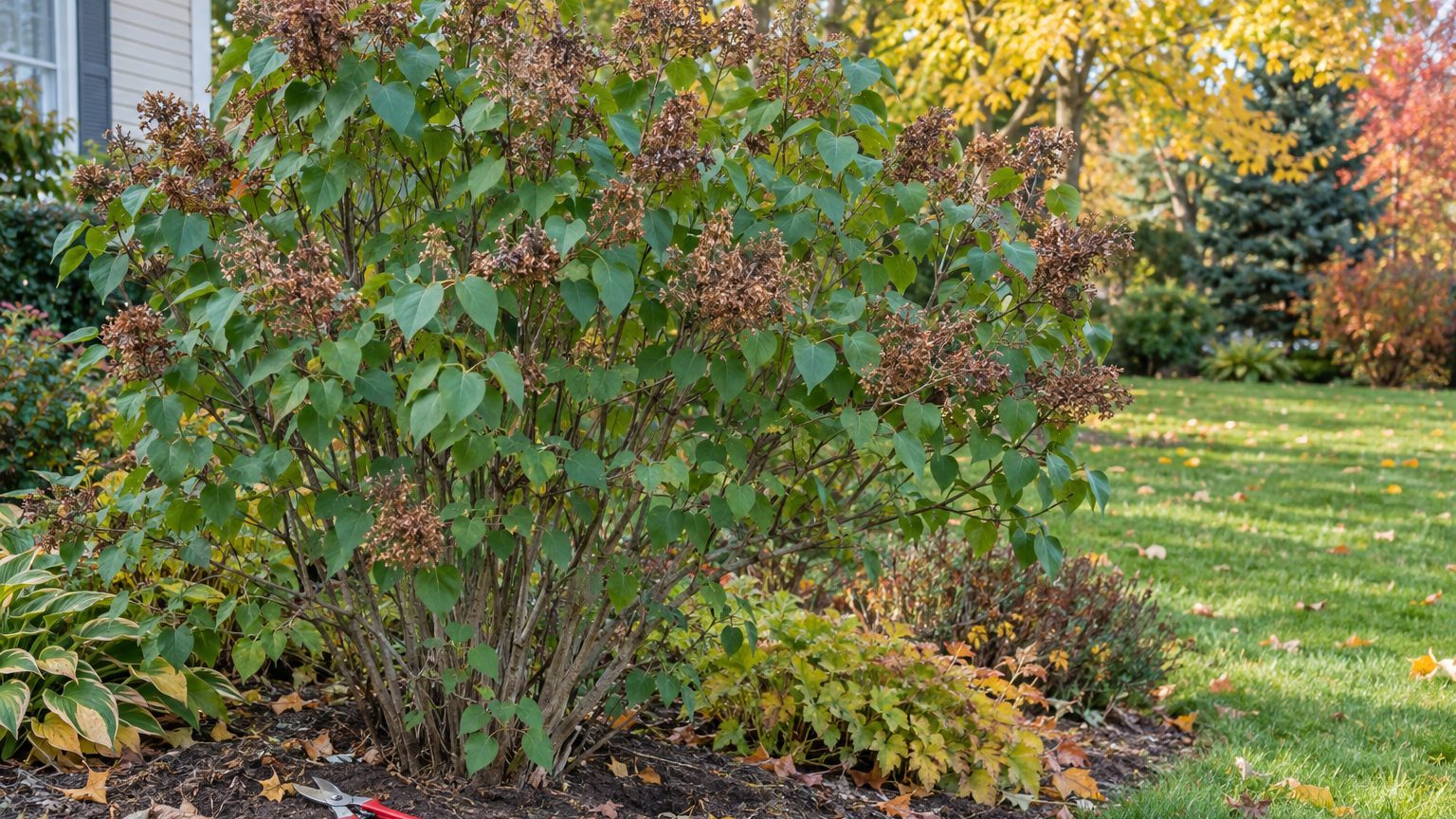
Lilac stems after flowering

Prune lilacs in North Carolina right after the flowers fade, which means May and June. The job can also be done in July, though not after July 10. A lilac sets next year’s flower buds in summer, soon after it blooms, so delaying the job cuts into next spring’s show.

Type of pruning When in North Carolina Why
Maintenance pruning (spent flowers, crossing or weak stems) Right after the flowers fade, in May and June Next year’s buds have not formed yet, so nothing is lost
Late catch-up pruning July, and not after July 10 Buds are forming, and a later cut removes them
Cutting in late summer, fall or winter Leave it alone The shrub blooms on last year’s wood, so these cuts remove the coming spring’s flowers

Old, overgrown shrubs benefit from gradual thinning rather than a drastic cut. Reblooming lilacs such as the Bloomerang group also need a period of cold weather to bloom well, so winter chill matters for them as much as the timing of your pruning.

How to Tell When Your Lilacs Are Ready to Prune

Your lilac tells you when to start, and the shrub’s own signals matter more than a date on the calendar.

  • The flower clusters have turned brown and papery, which means bloom is over and the shrub is ready for the shears.
  • Petals are dropping and few fresh blossoms remain, a sign that the shrub is already moving its energy toward next year’s buds.
  • Fresh green growth is pushing out below the spent clusters, so you can clip just above it without harming the new shoots.
  • Bloom has ended in your yard, and that is your cue to get out there soon, because the next buds start forming shortly afterward.
  • Stems are crossing, rubbing or growing weakly in the center, and these are the ones to remove first while the shrub’s shape is still easy to read.

If you miss the signs and July 10 passes, leave the shrub alone until it has flowered again.

Should You Prune Lilacs in Fall or Winter in North Carolina?

No. A cut made in fall or winter takes off the buds that are waiting to open in spring, because they were set the summer before. The shrub will not die from it, but you will see leaves and few or no flowers that year.

That includes a late-winter reshaping cut, which feels logical when the branches are bare and easy to see. The structure is clear then, but the flower buds are sitting on those same stems, so a hard cut costs you that spring’s blooms. If a shrub needs a major reshaping, it is better to wait until the flowers fade and do the work then.

How Lilac Pruning Time Shifts Across North Carolina

The calendar follows the bloom, and bloom arrives at different times across the state. Lilacs also need a cold winter rest to mature their flower buds, and they struggle in hot, humid summers, so your location affects pruning time and flowering success.

  • Blue Ridge mountains: Spring comes later here, so the flowers fade later and pruning follows. The colder winters also suit lilacs better, which makes this region friendlier to them than the rest of the state.
  • Piedmont, around Charlotte: Bloom ends within the usual May and June window. Summer heat and humidity are harder on the shrubs, and powdery mildew can follow.
  • Coastal plain: Spring arrives earlier, so lilacs finish blooming earlier than in the mountains. Mild winters give them less of the cold rest they need, so flowering can be thin.

Whatever your region, watch the flowers rather than the date, and finish before July 10.

Where to Get Lilac Advice in North Carolina

Local conditions vary a great deal from the mountains to the coast, and local experts can say which lilacs perform in your area.

  • The NC State Extension site offers plant pages and pruning guidance, and it is worth a visit before you buy a shrub or when a lilac stops flowering.
  • Your county extension center can answer questions about your own soil and shrubs, and spring is a good time to call, while the lilac is in bloom and the problem is still visible.

Common Questions

When Do Lilacs Bloom in North Carolina?

Lilacs bloom in April and May. Pruning follows right after, so the shears come out as soon as the flowers fade.

Which Lilacs Suit North Carolina Gardens?

Lilacs do best where winters are cold, and even the low-chill cultivars perform best with an extended, cold winter rest. In this state, common lilacs often struggle in the heat and humidity, and powdery mildew can follow. Those conditions are a fair guide for the warmer parts of North Carolina.

Do Reblooming Lilacs Need Different Pruning?

Prune reblooming lilacs in spring. Like nearly all lilacs, the Bloomerang group needs a period of cold weather to bloom well, so a mild winter can matter more than any pruning choice.

When Do Lilacs Bloom in North Carolina? Dates and Care

When Do Lilacs Bloom in North Carolina? Dates and Care

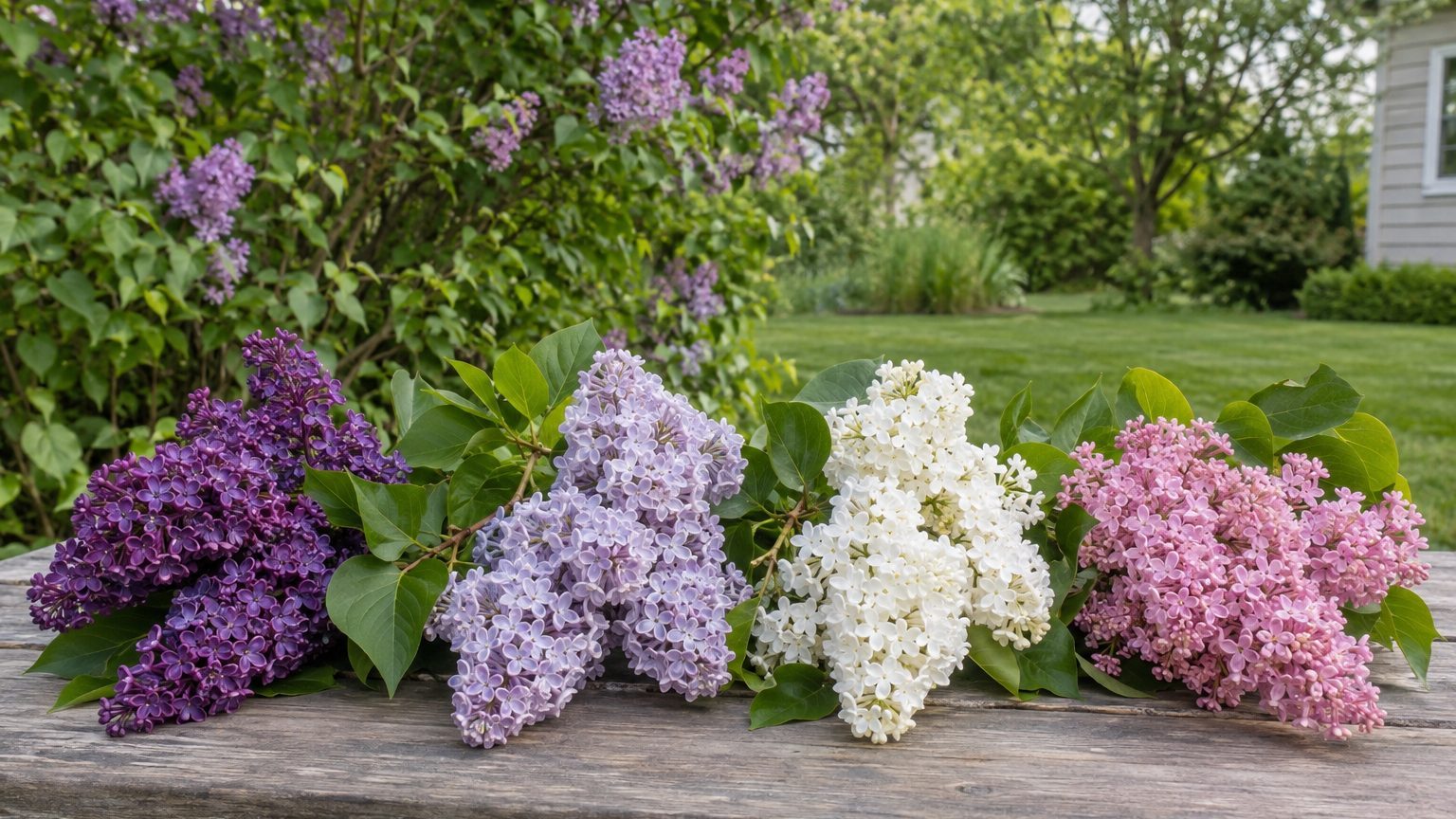
Lilac blooms signal that spring has settled into a North Carolina yard, with fragrant purple, lavender or white clusters opening on bare-looking branches. Where you live in the state decides how well they do. Bloom time, the yearly rhythm of the shrub and the type you choose all matter.

When Do Lilacs Bloom in North Carolina?

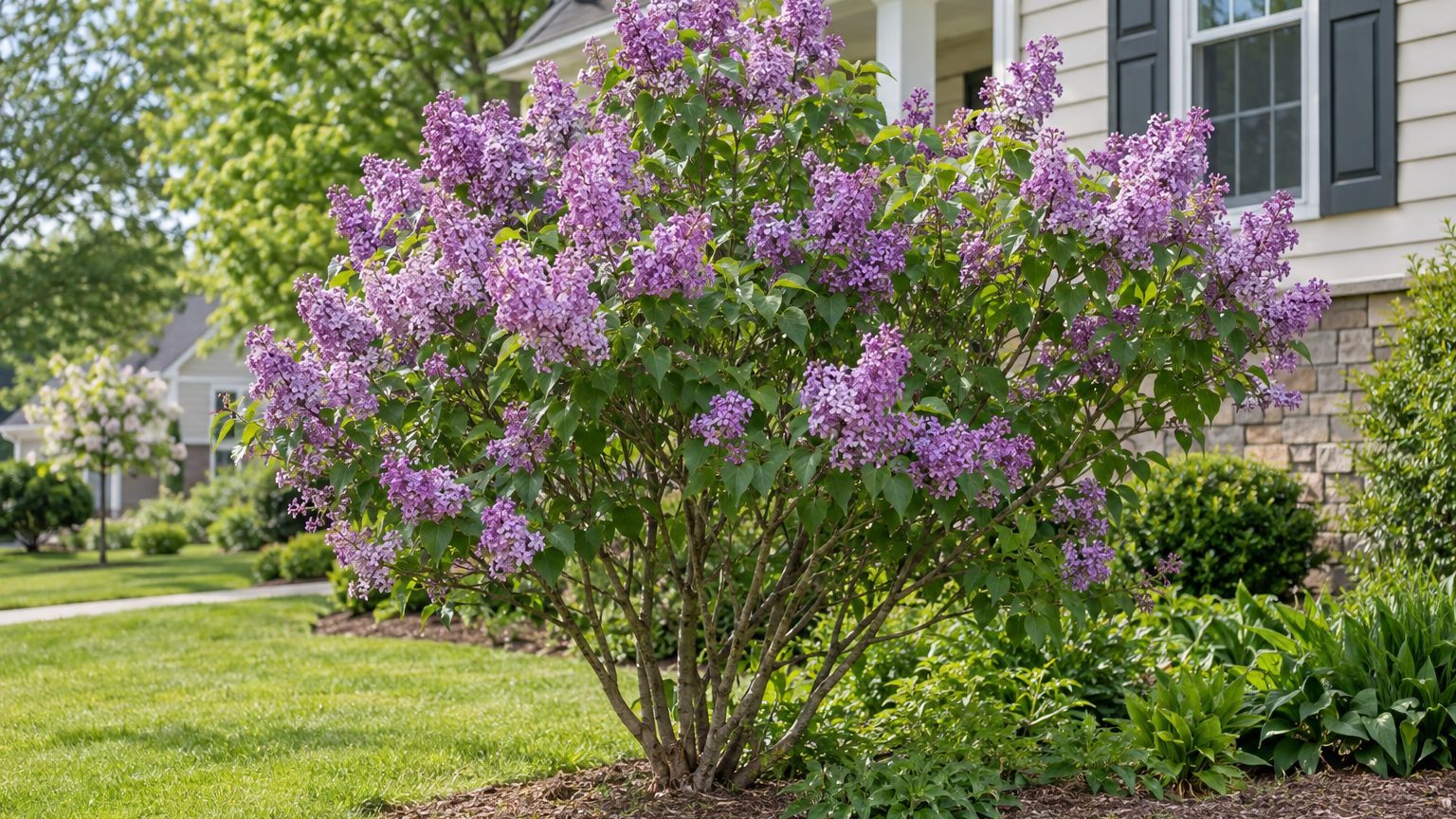
A lilac bush in bloom in a home garden

Lilacs bloom in April and May in North Carolina, and the rest of their year follows from that flowering.

  • In April and May, the flower clusters open and scent the garden.
  • Right after the flowers fade, usually in May and June, is the time to prune, and it can still be done in July if needed, but never after July 10.
  • Through summer, the shrub sets next spring’s flower buds on the new growth, so late pruning removes next year’s blooms.
  • In fall, the leaves drop and the buds are already formed, so the plant needs only to be left alone.
  • Through winter, the shrub rests, and the cold it gets in these months is what matures the buds for spring.

Frost risk helps you read the seasons. In Charlotte, in the Piedmont, the last spring freeze usually comes between March 23 and April 5, and the first fall freeze between October 30 and November 8. North Carolina spans USDA hardiness zones 5b to 8b, so mountain and coastal yards differ a good deal from Charlotte.

Which Lilacs Grow Best in North Carolina?

Lilacs can grow in North Carolina, but they are working against the climate. They do best where winters are cold, because the buds need a long chill to mature, and they struggle in hot, humid summers.

That means the cooler mountain yards give the most dependable results, while the warmer parts of the state ask more of the plant. Choosing a type that needs less chill is the practical way to improve your odds.

Lilac type How it does in North Carolina Why
Common lilac (Syringa vulgaris) Blooms best in cold-winter parts of the state Needs a long winter chill to mature its buds
Low-chill cultivars A better bet in milder yards Bred to need less cold, though they still prefer a cold rest
Bloomerang group Grown here, blooms well only with real cold Like nearly all lilacs, requires a period of cold weather

Heat-tolerance claims on plant tags deserve some caution. Common lilacs often suffer through long stretches of high heat and humidity, and that weather invites powdery mildew on the leaves.

When to Plant, Prune and Feed Lilacs in North Carolina

Pruning has a firm deadline. The buds for next spring form in summer, so the shrub needs your attention right after the flowers fade and not later.

Planting and feeding follow the plant’s own signs. The pruning page for North Carolina goes into cuts and renewal in more detail.

Task Best timing in North Carolina Why then
Enjoy the bloom April and May This is when the flowers open
Prune May and June, right after the flowers fade Next year’s buds form soon after bloom
Last chance to prune July, but not after July 10 Later cuts remove the coming spring’s flowers
Prune only as needed Never in late summer, fall or winter The flower buds are already on the branches

Planting and feeding are not tied to a month here, so go by the plant. Set a new lilac in the ground when the soil is workable and the weather is mild, and feed lightly after the flowers fade.

How Lilac Bloom Time Changes Across North Carolina

North Carolina stretches from mountains to coast, and the gap shows in the lilac bed as much as in anything else.

  • Blue Ridge Mountains: spring arrives several weeks later here, so lilacs open later than in the Piedmont. The colder winters also give the buds the long chill they want.
  • Charlotte and the Piedmont: bloom follows the April and May window, with enough winter cold for decent flowering in many years.
  • Coastal plain: spring comes earlier, so flowers can open sooner, but the mild winters and warm, humid summers make lilacs harder to keep happy.

If you garden in the mountains, expect the best flowering. In the east, expect to give the shrub more care for less show.

Where to Get Lilac Advice in North Carolina

When a lilac refuses to bloom or its leaves turn powdery, local advice saves guesswork. NC State Extension serves every county through a local office.

  • Your county extension office can look at a leaf or branch sample and help identify what is wrong with the shrub.
  • The same office can guide you on a soil test.
  • Visit when the shrub is in leaf or in flower and you can show the problem clearly.

Common Questions

Why Is My Lilac Not Blooming?

In North Carolina, the usual reasons are too little winter chill and pruning at the wrong time. Check whether the shrub was cut in late summer, fall or winter. Weak flowering with healthy leaves in a mild-winter yard points to a chill problem.

Do Lilacs Smell as Strong in Warm Climates?

The fragrance is there whenever the flowers open. Shrubs that had a cold winter usually provide more fragrance.

What Is the Best Spot for a Lilac in a North Carolina Yard?

Choose a place with good airflow and plenty of sun. Because common lilacs struggle with heat and humidity, a spot where the leaves dry quickly helps limit powdery mildew.

Best Roses for North Carolina

Best Roses for North Carolina

A rose that stays clean and keeps flowering through a muggy Carolina summer is chosen for its leaves as much as its blooms. In North Carolina, tough shrub roses such as Explorer roses and rugosas carry the load with little fuss, while hybrid teas ask for more work. The mountains, the Piedmont and the coast each tilt the choice a little.

Best Roses to Grow in North Carolina

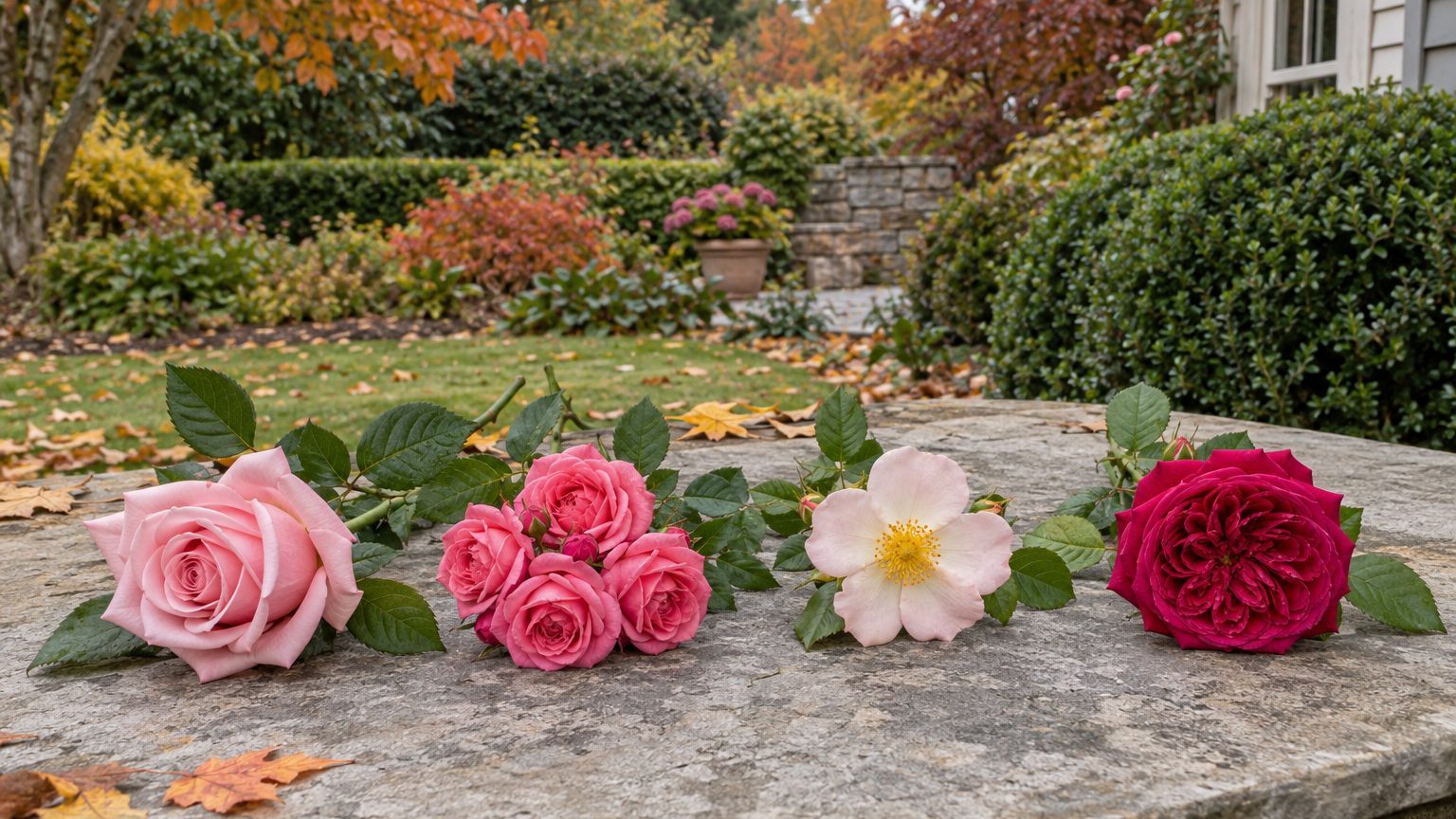
Healthy roses in bloom

Hardy, disease-resistant shrub roses do well here because they shrug off mountain cold, resist black spot in humid summers and need less prep than fussier types. Hardiness runs from USDA zone 5b to 8b across the state, so a rose that tolerates cold and damp leaves has room to work almost anywhere you garden.

Explorer Roses

Bred to be hardy, disease-resistant and repeat blooming, Explorer roses suit cold winters and sticky summers. They are hardy to zone 3A, so winter cold is rarely the worry. The flowers are semi-double to double, lightly scented, and keep coming through the season.

Most are shrubs, but ‘Louis Jolliet’ is a climber, ‘Captain Samuel Holland’ is a pillar shrub with trailing stems, and ‘Charles Albanel’ works as a groundcover.

Rugosa Roses

Rugosa rose is a hardy, multi-stemmed, disease-resistant shrub that spreads by suckers. It is also drought and salt tolerant, which makes it a natural for hot, dry spots and for beach plantings.

It prefers moist, acidic to neutral, well-drained soil in full sun, though it tolerates poor soil. Many cultivars offer single, semi-double or double flowers in various colors, with fewer prickles than the species.

Hybrid Teas

Hybrid teas are grown for large, fragrant, solitary blooms, and plenty of gardeners think the flowers are worth the effort. The effort is real, though. They need a rigorous spray program to keep black spot at bay, so they suit a gardener who enjoys regular rose chores.

They repeat bloom, so the heavy pruning comes in February to March, mid-February to early March as dormancy breaks.

Floribundas and Miniatures

Floribundas bear clusters of small flowers, and miniature roses bear small flowers on dwarf plants. Floribundas repeat bloom and follow the same pruning window as hybrid teas.

Miniatures fit a small bed or a large pot, and floribundas give a bed of color without the single stiff stems of a hybrid tea.

Climbers and Ramblers

Ramblers flower from old wood, while repeat-blooming climbers can flower from new wood. Once-blooming roses, which include old garden roses, ramblers and many climbers, flower once a year on last year’s wood. Prune them right after they bloom, never in early spring, or you cut off the flower buds.

How to Choose a Rose for a North Carolina Garden

Start with the problem your yard actually has. A wet, leafy summer calls for different roses than a dry slope or a bed you rarely visit.

Disease resistance and hardiness matter more here than flower size, and the table sorts the common situations.

Your situation What suits it in North Carolina Why
Very cold winters Explorer roses or rugosas Explorer roses and rugosas are hardy, and Explorer roses reach zone 3A
Humid summers Rugosas or compact shrub roses They resist black spot, which hybrid teas fight with a rigorous spray program
Heat and drought Rugosa roses They tolerate drought and poor soil in full sun
Little time Hardy garden roses and shrub roses They need less prep and no yearly rigorous pruning
Small space Miniature roses The plants stay dwarf and carry small flowers

Climbing types fill the opposite need, a fence or trellis. Among Explorer roses, ‘Louis Jolliet’ climbs and ‘Charles Albanel’ covers ground, so the Explorer family can handle a range of garden jobs.

Which Roses Suit Different Parts of North Carolina

Elevation and distance from the Atlantic change what a rose has to put up with, so the same shopping list needs small adjustments across the state.

  • Blue Ridge mountains: Spring arrives several weeks later than in the Piedmont, so lean on Explorer roses and rugosas, which tolerate real cold. Hybrid teas need more winter care up here.
  • Piedmont and Charlotte: In Charlotte, the last spring frost falls between March 23 and April 5, while other Piedmont gardens differ. Disease resistance still matters through the humid summer.
  • Coastal plain and beaches: Spring comes earlier than inland, and salt wind is a factor. Rugosas stand out because they tolerate salt and drought.

Frost dates mark the risk of a late freeze on new growth, so pruning repeat-blooming roses follows the swelling buds within the recommended window.

Rose Buying Mistakes to Avoid in North Carolina

Fragile Types for Cold Sites

A hybrid tea planted on a cold mountain site asks for more winter prep than a hardy garden rose, and that work repeats every year. If you would rather skip it, choose an Explorer rose or a rugosa, which need less prep.

Disease-Prone Varieties

A variety prone to black spot leaves you spraying on a program to keep leaves on the plant through humid weather. A compact shrub rose that resists black spot sidesteps that routine, and it can be shaped and pruned as needed without the yearly hard pruning hybrid teas demand.

Roses in the Wrong Spot

Explorer roses prefer full sun and fertile, moist, well-drained soil, and a shady or soggy bed shortchanges them. Check the light and drainage before you buy. Where the soil is poor, a rugosa in full sun is the more forgiving choice.

Where to Get Rose Advice in North Carolina

Variety lists work best when someone local checks them against your soil and elevation. North Carolina’s own extension network is the place to start.

  • North Carolina Cooperative Extension offers rose and plant information written for the state, and it is worth a read before you buy.
  • Your county extension office can tell you which varieties suit your elevation and soil, so call in late winter before pruning and planting season.

Common Questions

When Should You Plant Bare-Root Roses in North Carolina?

February to March is the best window. Late fall, winter and early spring also work, so you can plant in January, April, November or December. Potted roses can go in later.

When Should You Feed Roses in North Carolina?

Feed from March through August, starting when the first leaves open and repeating after each bloom flush. September can still work, but stop feeding about six weeks before the first frost.

Can Roses Be Used as a Hedge or Groundcover?

Yes, depending on the cultivar. Explorer roses can serve as a groundcover, on a trellis, as a hedge, as a specimen or in groups.

When to Prune Roses in North Carolina

When to Prune Roses in North Carolina

Pruning shears come out of the shed while the garden still looks gray and bare, and the rose canes are only starting to wake up. In North Carolina, that moment arrives in late winter, well before the azaleas and dogwoods bloom. Timing depends on the type of rose, since some bloom on new wood and some on last year’s.

When to Prune Roses in North Carolina

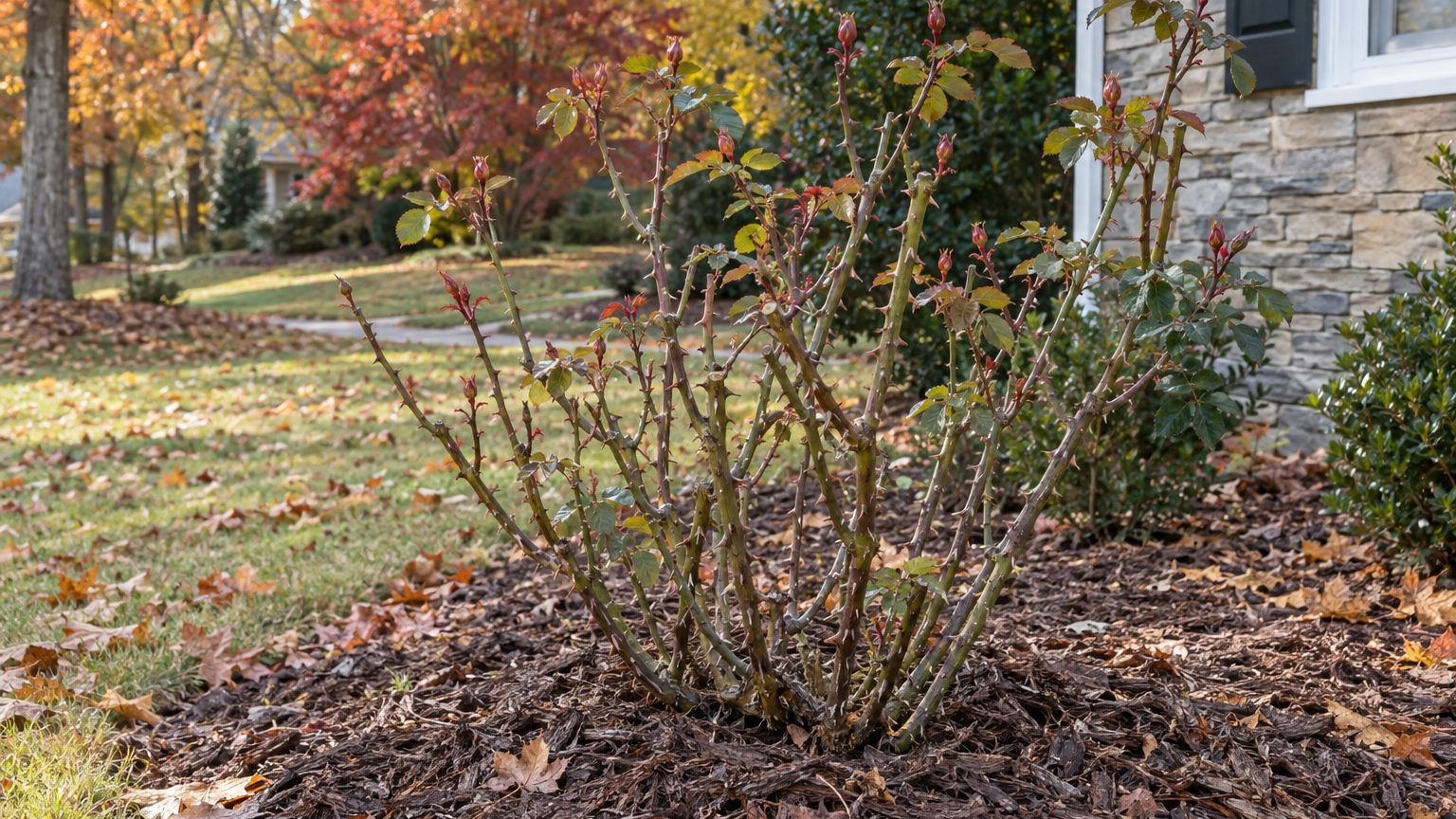
Rose canes at pruning time

Prune repeat-blooming roses in February and March, from mid-February to early March, as dormancy breaks. Heavy pruning around Valentine’s Day is a familiar rule of thumb across the state, and it works because the canes have not yet started new growth.

Rose bushes typically break dormancy in late February or early March, depending on how the winter went. A mild winter nudges the job earlier, and a cold one holds it back toward March.

Type of rose When to prune in North Carolina Why
Hybrid teas, floribundas and modern shrub roses (repeat-blooming) February to March, mid-February to early March Flowers form on new growth, so a hard cut just as dormancy breaks makes room for fresh canes
Old garden roses, ramblers and many climbers (once-blooming) Right after the spring bloom, never in early spring They flower once a year on last year’s wood, so a spring cut removes the buds

Climbers split by habit. Those that flower once belong with the once-blooming row, and the county extension office can confirm the timing for a climber that repeats. Hardy garden roses need less prep in North Carolina, but their pruning time still depends on whether they bloom once or repeat.

How to Tell When Your Roses Are Ready to Prune

The calendar gives the window, but the plant tells you the day. Walk out to the bed on a mild afternoon in late winter and look at the canes before you cut anything.

  • Swelling buds along the canes mean dormancy is breaking, and the cut should go in before those buds turn into leafy shoots.
  • Bare, tight canes with no sign of growth mean you still have time, so a cold, wet stretch is a reason to wait until March rather than rush.
  • A run of hard freezes in the forecast says to hold the shears, because a fresh cut invites tender new growth that the next cold night can burn.
  • In Charlotte, the last spring freeze usually falls between March 23 and April 5, so new growth that starts early can meet one more cold night.
  • Canes that have already leafed out call for a quick job, since pruning hard before new growth is well along costs the plant less energy.

Dead, broken or crossing canes can come out any time you spot them, but the real shaping waits for the buds.

Should You Prune Roses in Fall or Winter in North Carolina?

Not hard. In fall and early winter, the only cut worth making is a trim of the longest stems so wind does not whip the bush around and loosen its roots. Take them down a little and leave the rest standing.

The heavy prune belongs to the late-winter window, once dormancy has broken. A severe cut in autumn or midwinter pushes the plant toward new growth that cold weather can damage, and it removes canes that would have protected the crown.

Once-blooming roses follow the same caution, with the extra reason that any cut before their bloom takes flowers with it. Hardy garden roses need less prep, so a light tidy-up and a layer of mulch are usually enough to carry them through.

How Rose Pruning Dates Shift Across North Carolina

The February and March window holds statewide, but where you fall inside it depends on how early spring arrives where you live.

  • The Blue Ridge mountains: Spring comes later at elevation, so pruning leans toward March, once the buds swell and the hardest cold has passed.
  • Charlotte and the Piedmont: Mid-February to early March fits well, with the swelling buds as the signal to start.
  • The coastal plain: Spring arrives earlier near the coast, so the cut can go in at the front of the window, in mid-February.

Within each area, a sunny, sheltered bed wakes up sooner than a shaded corner, so check the buds on each bush rather than pruning the whole yard on one day.

Where to Get Rose Advice in North Carolina

For questions about a particular rose, the state’s land-grant extension system is the place to start. NC State Extension publishes pruning guidance, and every county has a local office with staff who know the area’s soil, weather and common rose problems.

  • The extension website carries pruning calendars and rose care pages, and they are worth a look in January, before the cutting window opens.
  • Your county extension office can identify an unknown rose or a once-blooming climber, so bring a cane with a few buds or a photo of the bloom.
  • Master gardener volunteers attached to the county office often answer questions by phone or email in late winter, which is the moment to ask before you cut.

Common Questions

Can You Plant Bare-Root Roses in North Carolina?

Yes, and February and March are the best months to do it. Bare-root roses can also go in during January, April, November or December, while potted roses can be planted later than bare-root ones.

When Should You Feed Roses in North Carolina?

Start when the first leaves appear, from March through August, and feed again after each flush of bloom. September can still work, but stop about six weeks before the first fall frost so late growth has time to harden.

Do Roses Need Much Winter Protection in North Carolina?

Hardy garden roses need less prep than tender types. The state spans USDA hardiness zones 5b to 8b, so mountain gardens face colder winters than the coast, and a little extra mulch around the base is sensible in the colder parts.

The almanac, state by state. Every date on this site comes from a state’s own frost facts and its extension service’s calendar — and says where it comes from.