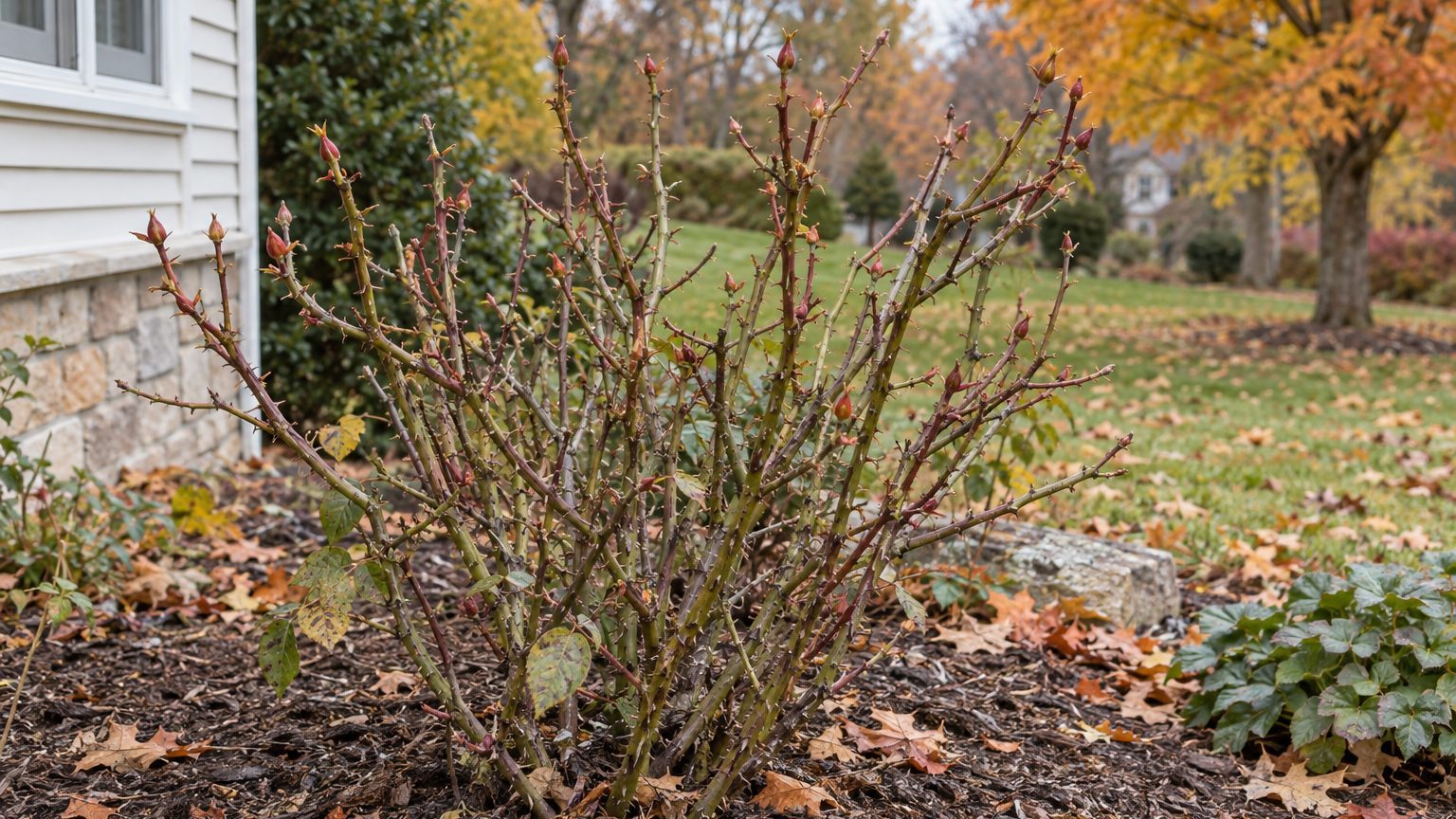
Bare branches and cool, workable soil are the signs that tell you a tree can go in the ground in Pennsylvania. Shade and ornamental trees do best in the cool months on either side of winter, and fruit trees go in early in spring. Planting then gives roots time to settle before summer heat arrives.
When Is the Best Time to Plant Trees in Pennsylvania?

Shade and ornamental trees go in during March and April, or again in October and November, when the soil is cool and the trees are resting.
- In late winter, February can work for container and balled-and-burlapped trees, as long as the soil is not frozen and you can dig a clean hole.
- In March and April, the ground is workable and the tree is still dormant, so roots can grow before the leaves demand water.
- In October and November, the soil still holds some warmth, which lets roots keep growing while the top of the tree rests.
- In December, planting can still be done on a mild day when the soil is not frozen.
- Through summer, hold off, because heat and dry soil stress new roots more than at any other time of year.
Magnolia, dogwood, tuliptree, sweet gum, red maple, birch, hawthorn, poplars, cherries, plums and many oaks settle better when planted in spring than in fall. Container trees can go in most of the year if you keep them watered, but they establish best in the dormant season. At the Philadelphia reference station, the last spring frost falls between March 29 and April 6 and the first fall frost between November 5 and November 16. The northern tier and the Alleghenies run two to four weeks later in spring. Pennsylvania spans USDA hardiness zones 5a to 7b, so check your own zone before choosing a tree.
When to Plant Fruit Trees in Pennsylvania
Fruit trees go in during March and April, as soon as the ground can be worked. Bare-root trees must be planted while dormant, before the buds open, so the window is short and worth watching.
Fall planting can also work, and November is the month for it. Container-grown fruit trees are more forgiving than bare-root ones, but they still settle best in the dormant season.
| Kind of fruit tree | When to plant in Pennsylvania | Why then |
|---|---|---|
| Bare-root | March to April, or November | The tree is dormant and the buds have not opened |
| Container-grown | March to April, or November | Roots establish in cool soil before heat arrives |
Whichever season you pick, plant before bloom in spring or after the leaves drop in fall. Peaches and nectarines are prone to brown rot, and nectarines more so, which is worth knowing before you choose between them. Pears, plums and sweet cherries usually want a second variety nearby for pollination.
Best Trees to Plant in Pennsylvania
Pennsylvania winters call for hardy trees, and the choice also depends on sun, soil and the room you have. Extension advice for Pennsylvania favors mixing conifers such as white pine with hardwoods, which gives a yard color and structure in every season.
| Tree | How it does in Pennsylvania | Why |
|---|---|---|
| Eastern hemlock | Suited to a site that already has tree cover | Tolerates shade |
| Sugar maple | Suited to a shaded site | Tolerates shade |
| White pine | Pairs well with hardwoods and gives winter greenery | Conifer that mixes well with hardwoods |
| American holly | Provides winter interest | Evergreen foliage |
| Ginkgo | Handles tough conditions | Large shade tree with bright yellow fall color |
| Thornless honeylocust | Copes with wet and dry soils | Large tree that tolerates both extremes |
Blackgum and red spruce also suit shaded sites. London planetree is a medium to large tree that tolerates adverse conditions, which makes it a fit for tougher spots. Aspen, black cherry, larch, red pine and black walnut do not tolerate shade, so give them open sun.
When to Plant, Water and Prune Trees in Pennsylvania
The yard year runs on the tree’s rest. Plant and prune while trees are dormant, and water new trees while the ground is not frozen.
| Task | Best timing in Pennsylvania | Why then |
|---|---|---|
| Plant shade and ornamental trees | March to April, or October to November | Cool soil lets roots grow without summer stress |
| Plant fruit trees | March to April, or November | Bare-root trees need to go in dormant |
| Water a young tree | Regularly after planting, as long as the soil is not frozen | Roots are still small and dry out quickly |
| Prune fruit trees | February to March, with April as a fallback | The tree is dormant, just before growth begins |
Prune apples first and peaches last, closer to bloom, because peach flower buds are easily hurt by cold. In Pennsylvania, peaches are pruned last, from late March, while the trees are still dormant. Skip fall and early winter pruning, since new growth may not harden before the cold. Young trees should wait until February at the earliest.
Where to Get Tree Advice in Pennsylvania
Penn State Extension and your county extension office can help with choosing a tree for your yard and checking your soil before you dig.
- Penn State Extension publishes guides on planting and growing trees and shrubs, useful in winter when you are planning.
- Your county office can advise on which species suit your site and your zone, so call before ordering a tree.
- A soil analysis from the county office tells you what your ground holds, and it is easy to arrange while the soil is still workable in March.
Common Questions
Can You Plant a Tree in Summer in Pennsylvania?
You can, but summer is the hardest season for it. Heat and dry soil stress new roots, so a container tree planted then needs steady watering, and waiting for fall is easier on the tree.
Should You Remove the Burlap from a Balled-and-Burlapped Tree?
Set the tree in the hole first, then cut away the twine and fold back or remove as much of the burlap and any wire basket as you can. Material left around the roots can keep them from spreading into the surrounding soil.
Do You Need Two Fruit Trees for Pollination?
For pears, plums and sweet cherries, plant at least two of the recommended varieties so the flowers can cross-pollinate. A neighbor’s tree nearby can sometimes fill that role.