Skip to content

Ohio

  1. Jan
  2. Feb
  3. Mar
  4. Apr
  5. May
  6. Jun
  7. Jul
  8. Aug
  9. Sep
  10. Oct
  11. Nov
  12. Dec
State
Ohio
USDA zones
5b-6b
Last spring frost
May 5 to May 15
First fall frost
October 5 to October 15
Annual rain
42 in
Lawn zone
cool-season
Source
Ohio State University Extension — Ohio Gardening Calendar · Columbus

The year in Ohio, from the calendar

  1. Jan—
  2. FebPrune fruit trees
  3. MarRenew an overgrown lilac · Plant roses · Prune roses · Uncover roses in spring · Plant fruit trees
  4. AprSpring bulbs bloom · Lilacs bloom · Renew an overgrown lilac · Feed roses · Plant roses
  5. MaySpring bulbs bloom · Feed hydrangeas · Plant hydrangeas · Lilacs bloom · Prune lilacs
  6. JunPlant hydrangeas · Prune bigleaf hydrangeas · Prune lilacs · Peonies bloom · Feed roses
  7. JulFeed hydrangeas · Prune bigleaf hydrangeas · Feed roses · Mow · Water
  8. AugPlant hydrangeas · Seed the lawn · Dethatch · Mow · Plant trees
  9. SepPlant spring bulbs · Plant hydrangeas · Seed the lawn · Plant peonies · Aerate
  10. OctPlant spring bulbs · Cut back peonies · Plant peonies · Plant trees · Mow
  11. NovCut back peonies · Protect roses for winter · Fertilize the lawn · Mow
  12. Dec—

From the state frost facts and extension calendars: Iowa State University Extension ; K-State Research and Extension · Iowa State University Extension ; Purdue Extension · Clemson HGIC factsheet — Hydrangea · Purdue Extension — AY-13 Lawn Improvement Programs.

Best Time to Plant Trees in Ohio

Best Time to Plant Trees in Ohio

Spring and fall are the planting seasons for Ohio trees. Young roots take hold in mild weather before summer heat or winter cold arrives.

When Is the Best Time to Plant Trees in Ohio?

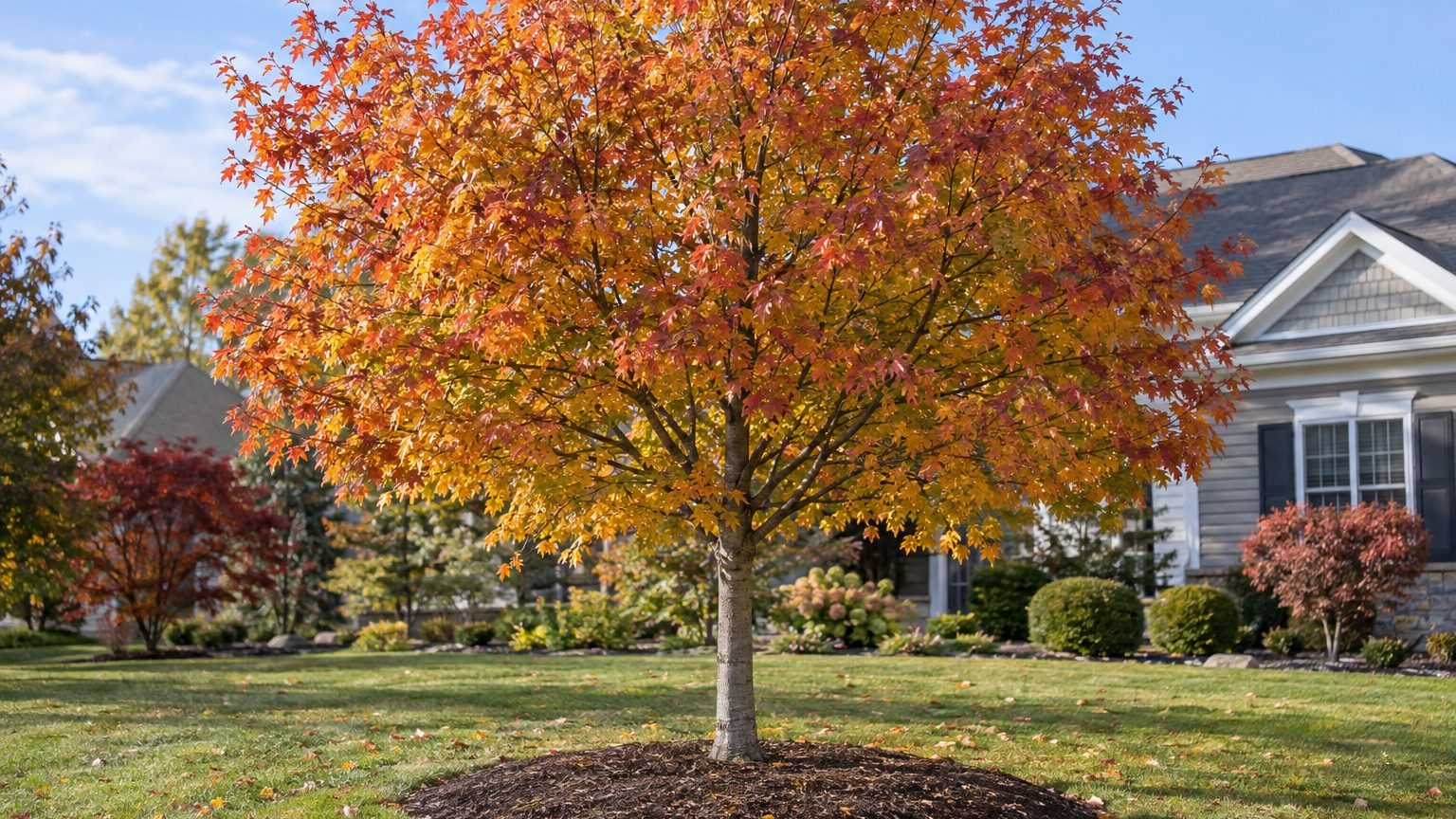
A young shade tree newly planted in a home yard

Shade and ornamental trees go in best in April and in October, and May or September also work when those months slip by. The season matters because new roots grow in soil that is still warm or already thawed, and summer heat and dry ground stress them.

  • In early spring, once the ground thaws and can be worked, you can set out container-grown and balled-and-burlapped trees while they are still dormant.
  • Through April, spring planting is at its best, and trees that are slow to establish, such as bald cypress, ginkgo, magnolia, hemlock, sweetgum, tulip tree and willow, do better planted now than in fall.
  • In May, planting is still fine, but in Columbus the last spring frost falls between May 5 and May 15 in zone 6a, so keep an eye on the forecast for tender new growth.
  • Through summer, hold off if you can, because heat and dry soil are hard on new roots. A container tree can be planted if you water it faithfully.
  • In September, you can plant again, and the earlier you go, the more time roots have to grow before cold.
  • In October, fall planting is at its best. In Columbus, the first fall frost arrives between October 5 and October 15 in zone 6a, yet roots keep working while the soil holds its warmth.

Ohio spans USDA hardiness zones 5b to 6b, so the frost dates above apply to zone 6a and other parts of the state differ. A tree planted in fall needs watering until the ground freezes.

When to Plant Fruit Trees in Ohio

Fruit trees go in during March and April, in late winter or early spring. Bare-root trees must be planted while still dormant, before the buds open, so plan on getting them in the ground as soon as the soil can be worked.

Trees ordered as whips, such as apples, are usually shipped for spring planting in March or April. Container-grown fruit trees are more flexible, though they settle best when planted in the dormant season.

Kind of fruit tree When to plant in Ohio Why then
Bare-root March to April The tree is still dormant and the buds have not opened
Container-grown March to April It settles best in the dormant season, and watering carries it through other times

Peaches deserve a little thought before you buy. Choose bud-hardy cultivars and protect the bloom from late-spring frosts. Pawpaw is hardy from USDA zone 5A to zone 9, so it fits across Ohio.

Best Trees to Plant in Ohio

Ohio winters ask for hardy trees, and the soil you have matters as much as the cold. Match each tree to your space, sun and drainage. Oaks that are tough and adaptable, along with several maples and a few native favorites, give you good choices.

Tree How it does in Ohio Why
Redbud Does well in moist, well-drained soil A northern seed source gives better cold hardiness
Common hackberry Grows fast in many soils Tolerates a wide variety of soil, but leaf galls and wind or ice damage to limbs can occur
Sugar maple Handles shade while young Tolerates shady situations in its younger life
Freeman maple Grows faster than silver maple Stronger wood, and it suits well-drained, slightly acid soil
Burr oak Long-lived and adaptable A tough oak that suits Midwest yards
Swamp white oak Long-lived and adaptable A tough oak that suits Midwest yards

Chinkapin oak and shingle oak are also tough oaks for the Midwest. Magnolia, dogwood, tuliptree, sweet gum, red maple, birch, hawthorn, poplars, cherries, plums and many oaks are better saved for spring planting than fall.

When to Plant, Water and Prune Trees in Ohio

Tree work follows the dormant season. Planting happens in April and October, watering follows planting, and pruning of fruit trees waits for late winter. For fruit pruning detail, see the page on when to prune fruit trees in Ohio.

Task Best timing in Ohio Why then
Plant shade and ornamental trees April or October Roots can grow in workable soil before summer heat or winter cold
Plant fruit trees March to April Bare-root trees go in while still dormant
Water a young tree After planting, and in fall until the ground freezes Roots are still settling and need steady moisture
Prune fruit trees February to March, while dormant Wounds heal fast before the buds swell

Apples and pears are pruned first, cherries in mid-March, and peaches last, closest to bloom, because their flower buds are easily hurt by cold. Pruning in fall or early winter is avoided, because new growth may not harden before the cold. Oaks are not pruned from March through October, to limit the spread of oak wilt.

Where to Get Tree Advice in Ohio

For help choosing a species or testing your soil, start with local experts. Ohio State University Extension and your county extension office can answer questions about trees that suit your yard.

  • The service offers fact sheets on planting and caring for trees, useful before you shop.
  • Your county extension office can advise on a soil test and on which tree fits your site, so ask before you dig.

Common Questions

Can You Plant a Tree in July in Ohio?

You can plant a container-grown tree in summer if you water it faithfully, though heat and dry soil stress the new roots. Waiting for September or October gives the tree an easier start.

Can You Plant a Tree in the Fall in Ohio?

Yes, September and October work. Plant trees early enough in the fall for the roots to grow before the ground freezes.

Should You Plant a Magnolia in Spring or Fall?

Spring is the better choice. Magnolia is slow to establish, and planting it in April gives the roots a full season to settle before the next winter.
Best Peonies for Ohio

Best Peonies for Ohio

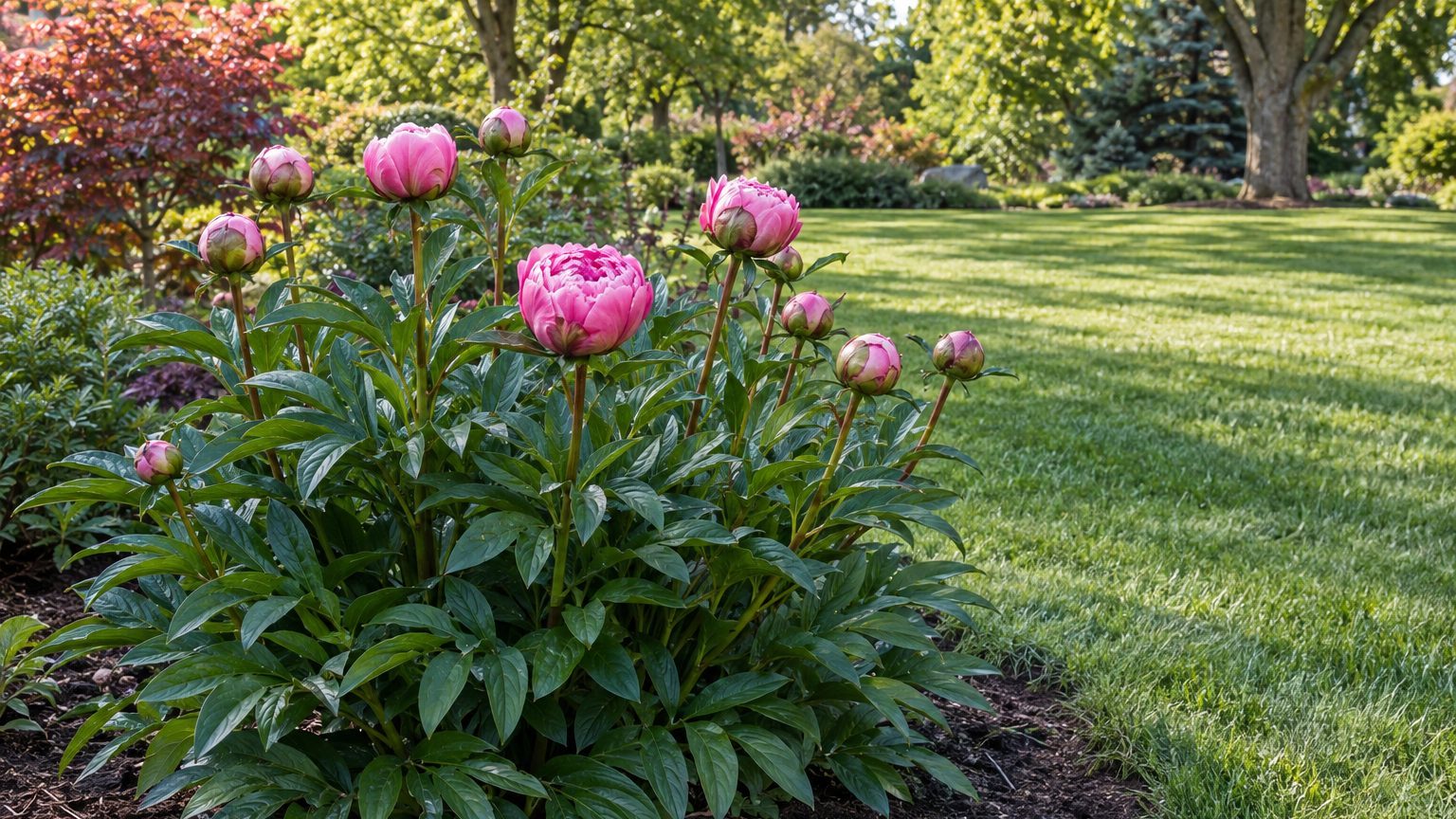
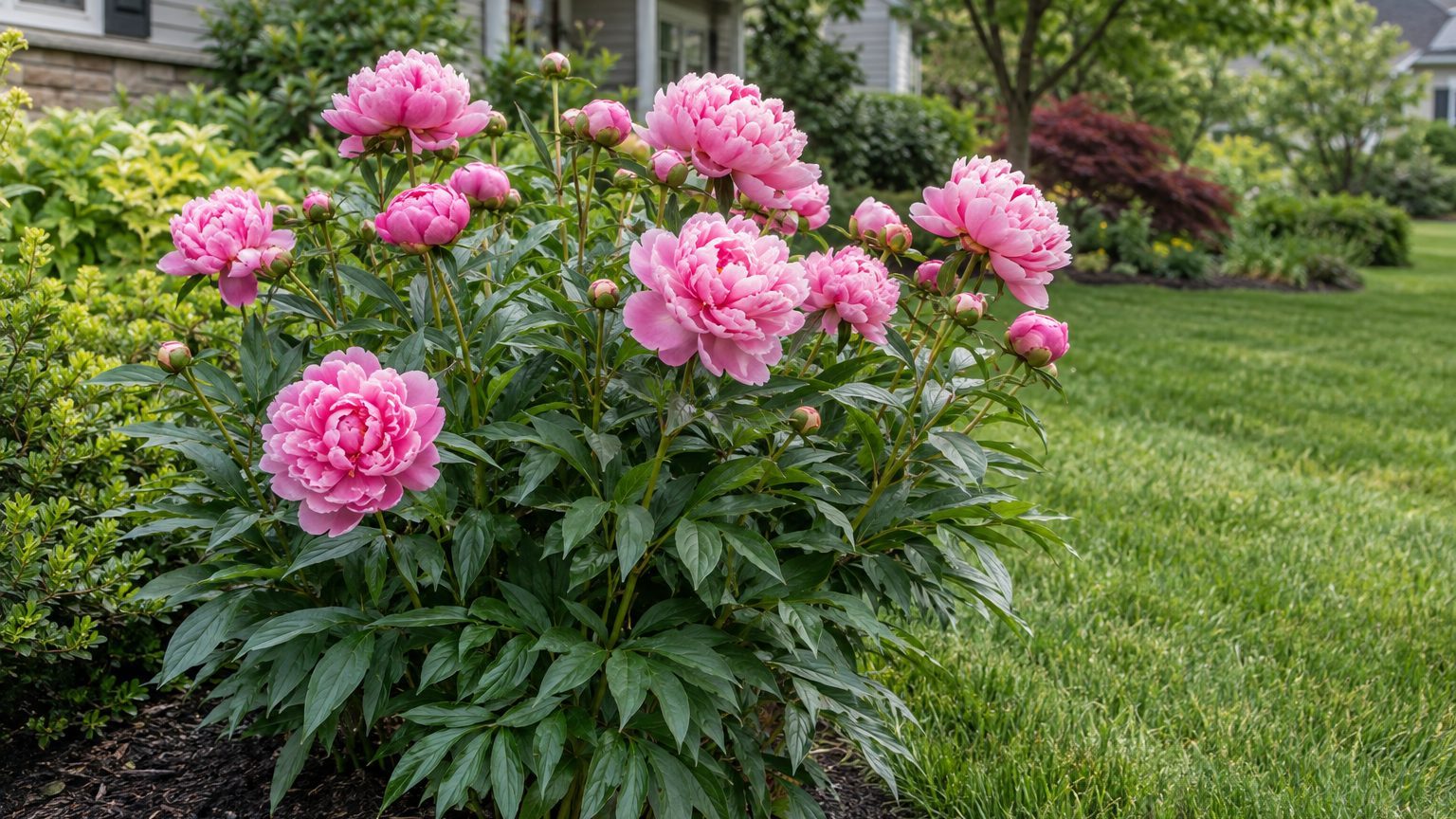
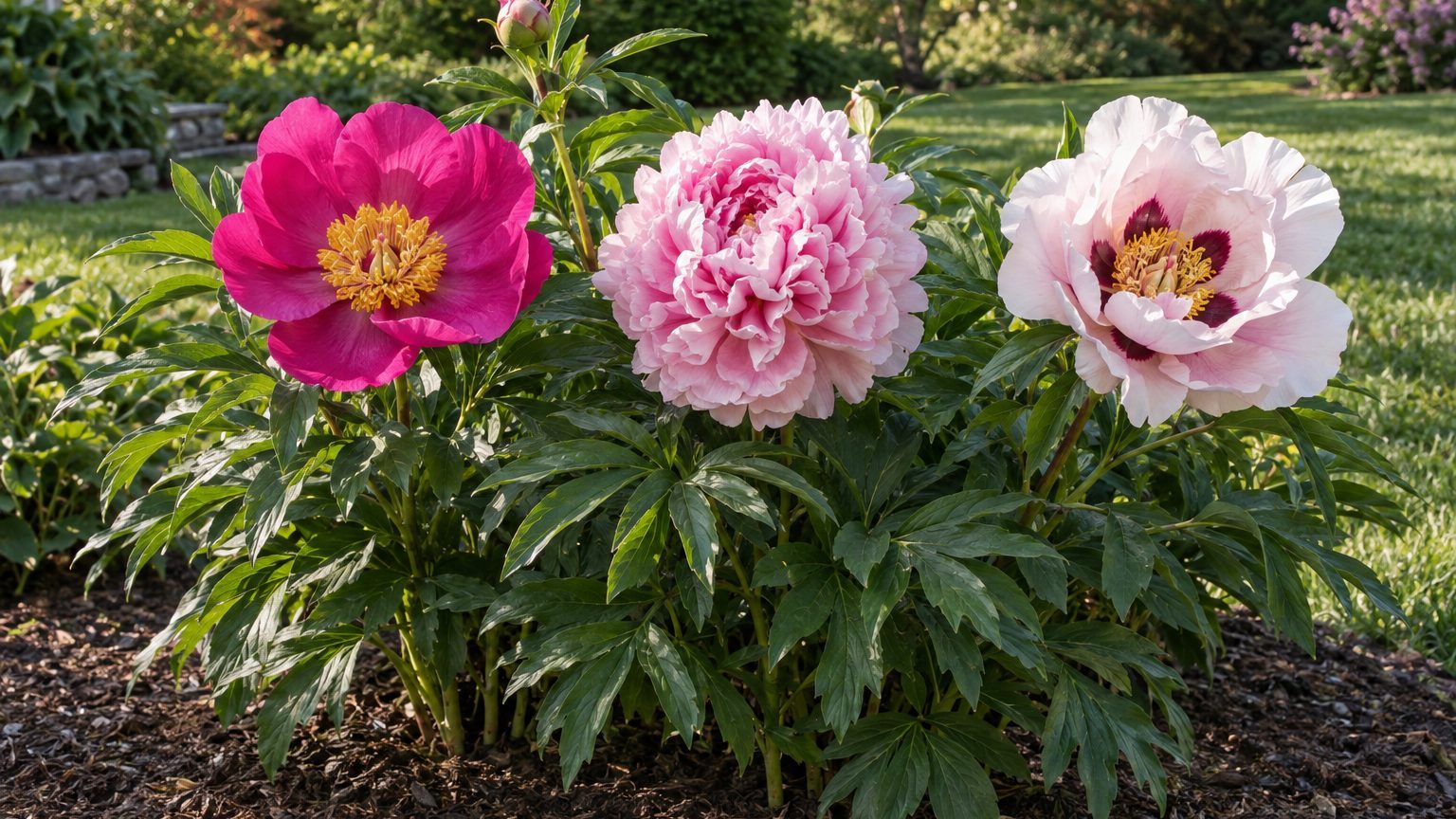
Peonies are the plants that stand up each May with fat buds, then sag under the weight of their own flowers by June. Ohio suits them well, because the cold winter rest they need to flower is a given here. The question is which type and which flower form fit your yard.

Best Peonies to Grow in Ohio

Best Peonies for Ohio

Garden peonies, the herbaceous kind, are the dependable choice across Ohio, with intersectional and tree peonies as good partners. Ohio’s winters sit in USDA hardiness zones 5b to 6b, and peonies need a cold winter rest to flower, so they thrive here instead of struggling the way they do in mild climates.

Garden Peonies

Garden Peonies — Best Peonies for Ohio

The herbaceous peony is the one most people picture, and the standard form in most home gardens is Paeonia lactiflora. It dies back to the ground each fall and sends up new growth in spring, which makes the routine easy to learn.

It comes in a wide range of flower forms and colors, and it is long lived, with foliage that stays attractive well after the blooms fade.

Intersectional Peonies

Intersectional Peonies — Best Peonies for Ohio

Also called Itoh peonies, these are hybrids of the garden and tree peonies. They share the same culture as garden peonies: they die back each fall and return in spring, so the same care applies.

For an Ohio yard that already has garden peonies, an intersectional fits in without a new routine to learn.

Tree Peonies

Tree peonies are woody shrubs, not perennials that vanish each winter. They go dormant but renew growth each spring from woody stems, so you leave those stems standing instead of cutting them to the ground.

Mature plants do not usually need staking, because the woody branches hold up the heavy flowers.

Fernleaf Peony

Paeonia tenuifolia is noted for finely cut, fern-like foliage and crimson red flowers. It brings texture to a border before and after the blooms, which suits a front bed where the leaves get as much attention as the flowers.

Woodland Peonies

Paeonia japonica and Paeonia obovata are best suited for shade gardeners. If your yard has a shaded bed, these are the peonies to consider.

Flower Forms to Look For

Peonies are sorted by flower type, from singles with guard petals around pollen-bearing stamens to full doubles, where the stamens have turned into petals. Japanese and anemone types sit between, and semi-doubles fall in the middle.

Singles and Japanese forms carry less weight than full doubles, a useful thing to remember when you want fewer drooping stems. You can also mix early, mid-season and late cultivars to carry the display from May into June.

How to Choose a Peony for an Ohio Garden

Start with the space and the time you have, then match the type. Ohio’s cold winters are an advantage for peonies, so hardiness is rarely the limit. Shade, room and upkeep decide most choices.

Plant in September, or October at the latest, so roots settle in before winter. A new or transplanted peony may not bloom the first spring, so patience is part of every choice below.

Your situation What suits it in Ohio Why
Cold winter Garden or intersectional peony They need a cold rest to flower and die back to the ground each fall
Little time Garden or intersectional peony They are the easiest to grow, with the same yearly routine
Shady yard Woodland peony Paeonia japonica and Paeonia obovata suit shade gardeners
Heavy blooms that flop Tree peony Woody branches support large flowers without staking
Long bloom season Early, mid-season and late cultivars Together they extend the display from May into June

Textured foliage is the draw of the fernleaf peony, and for most homeowners the plain garden peony remains the simplest start.

Which Peonies Suit Different Parts of Ohio

Ohio’s zones run from 5b to 6b, and the spring frost window for the reference city, Columbus, falls from May 5 to May 15. Within that range, peony choice shifts only a little.

  • Northern Ohio, along Lake Erie: Garden peonies are a natural fit for Ohio’s cold winters. Tree peonies can go in too, with woody stems left uncut.
  • Central and southern Ohio: Winters are still cold enough for peonies to flower well. Any type works, and an early planting lets roots settle before winter.

Across all of Ohio, the shade of your yard shapes the choice more than the map does.

Peony Buying Mistakes to Avoid in Ohio

Planting Too Deep

A peony set too deep may bloom poorly or not come up at all, and that is a loss of whole seasons. Keep the eyes near the soil surface when you plant, and check the depth before you backfill.

Cutting Back the Wrong Peony

A herbaceous peony is cut back after frost in fall, in October or November, with early spring as the other window. A tree peony keeps its woody stems and is never cut back, so cutting one down removes next year’s growth.

Expecting Flowers Right Away

A newly planted or transplanted peony may not bloom the first spring. Many buyers assume a potted plant is faulty when it skips a season, then dig it up and set it back further. Leave it in place and give it time.

Ignoring Adult Size

A pot gives no hint of mature size. A tree peony develops into a woody shrub, so check its mature size before you place it near a walkway or under a window.

Where to Get Peony Advice in Ohio

For questions about varieties and your soil, Ohio gardeners have a local resource. Ohio State University Extension covers the state, and the county office can speak to your own yard.

  • The extension website offers guidance for Ohio gardens, worth a look before the September planting window.
  • Your county extension office can answer questions about which peony forms and sites suit your neighborhood.

Common Questions

When Do Peonies Bloom in Ohio?

Peonies flower from May into June in Ohio. Early, mid-season and late cultivars carry that show from May into June.

Do Peonies Need Staking?

Tree peonies usually do not once they are mature, because their woody branches carry the heavy flowers. Garden peonies with big double blooms may lean after rain, so singles and Japanese forms are lighter options.

Can You Plant Peonies in Spring in Ohio?

September, or October at the latest, is the planting window, so roots can establish before winter. A newly planted peony may skip its first spring bloom.

When Do Peonies Bloom in Ohio?

When Do Peonies Bloom in Ohio?

Peony buds swell and color up as the weather warms, and then the show arrives. In Ohio, peonies bloom in May into June, with the exact week depending on the type you grow and how warm the spring runs.

When Do Peonies Bloom in Ohio?

When Do Peonies Bloom in Ohio?

Peonies in Ohio flower from May into June. Ohio spans USDA hardiness zones 5b to 6b, and its cold winters give peonies the rest they need to flower. In Columbus, a last spring frost between May 5 and May 15 in zone 6a is a reminder that early buds can meet a cold snap.

Type of peony When it blooms in Ohio What to know
Herbaceous (garden) peony May into June Dies back to the ground each fall and regrows in spring
Itoh (intersectional) peony May into June A hybrid of garden and tree peonies, grown like an herbaceous peony
Tree peony May into June A woody shrub that keeps its stems through winter

Within that window, early, mid-season and late varieties spread the bloom out, so a mixed planting can carry color from May into June. Woodland peonies are another type sometimes grown in home landscapes. A newly planted or transplanted peony may skip flowering its first spring, so patience is part of the deal.

How to Tell When Your Peonies Are About to Bloom

Peonies announce themselves well ahead of the flowers, and a few changes in the plant tell you where it stands.

  • Red, pointed shoots pushing out of the soil in spring mean the plant has woken up and the season is underway.
  • Those shoots stretch into leafy stems, which tells you the plant is building the framework that will hold the flowers.
  • Small round buds at the tips of the stems show that flowering is on the way, even though they stay hard and green at first.
  • Buds that swell and begin to show color mean the bloom is close, so this is the time to put up supports before heavy petals bend the stems.
  • Buds that feel soft when you gently squeeze them are about to open, and that is the moment to cut stems if you want flowers for a vase.
  • A plant with plenty of leaves but no buds may have been planted too deep, since the eyes belong near the soil surface.

Cold nights can slow the progress, while a run of warm days pushes buds along faster.

When to Cut Back Peonies in Ohio

Cut herbaceous peonies back in October or November, after a hard freeze has blackened the foliage. Take the stems down to within a couple of inches of the ground. Early spring, in March or April, also works if you would rather leave the old stems standing through winter.

Bag the cut stems and leaves for the trash instead of the compost pile, since old peony foliage can carry disease into next year’s growth. Tree peonies are the exception. They keep their woody stems, so leave them standing and remove only dead or damaged wood.

Itoh peonies are cut back like herbaceous ones. If you are dividing or moving plants, September is the time to do it, or October at the latest, so the roots settle in before the ground freezes.

How Peony Bloom Time Shifts Across Ohio

Ohio stretches across more than one hardiness zone, so a peony in one yard can open a little before or after one in another. The pattern follows warmth.

  • Cincinnati and the Ohio River valley: Spring warms up sooner here, so buds tend to open earlier than in the northern part of the state.
  • Columbus and central Ohio: Bloom still falls within the May into June window, while local conditions affect the exact timing.
  • Cleveland and the Lake Erie shore: Water cools the air in spring, so buds can hold back and open a bit later than inland yards at the same latitude.

Your own yard matters too, since a sunny south wall wakes plants earlier than a shaded north side.

Where to Get Peony Advice in Ohio

For questions about a stubborn plant or a local variety, Ohio State University Extension is the place to start, along with the extension office in your county.

  • The state extension site carries gardening guidance written for Ohio conditions, and it is worth a look before you plant or divide in September.
  • Your county extension office can answer questions about a peony that leafs out but never flowers, so bring photos of the plant and its planting depth in spring.

Common Questions

Why Did My Peony Not Bloom This Year?

Look at how deep the eyes sit together with how long the plant has been in the ground. A peony planted too deep may bloom poorly or not come up, and a newly planted one may skip its first spring. Shade is another clue if the plant is leafy but bud-free.

Can You Grow Peonies in Ohio?

Yes. Peonies need a cold winter rest to flower, and Ohio winters provide it. They do best where winters are cold and may flower poorly in mild-winter climates, which is not a worry here.

When Should You Plant Peonies in Ohio?

Plant or divide in September, or October at the latest. Early fall gives the roots time to establish before winter.

When to Plant Peonies in Ohio: Dates and Care

When to Plant Peonies in Ohio: Dates and Care

Peony eyes sit just under the soil in early spring, red and pointed, ready to push up into stems that will carry fat buds by late spring. Getting those roots in the ground at the right time decides how soon the show starts. For peonies in Ohio, the planting window falls in early fall, well ahead of hard winter.

When to Plant Peonies in Ohio

When to Plant Peonies in Ohio: Dates and Care

Plant or divide peonies in September, or in October at the latest, so the roots settle in while the soil still holds summer warmth and long before it freezes. Here is how the year runs for a peony in Ohio.

  • In early spring, red shoots break through the soil, and old stems left standing from the previous year can still be cut back in March or April if they were not removed in fall.
  • From May into June, the plants bloom on stems that draw on energy stored during the previous growing season.
  • Through summer, the leaves keep working and store food in the roots, which is what carries the plant through winter and into the next bloom.
  • In September, or October at the latest, new roots go into the ground or crowded clumps get divided, giving them several weeks to establish before the ground freezes.
  • After frost in fall, stems of herbaceous peonies can be cut back, a job that suits October and November.

Frost timing sets the edges of this year. In zone 6a, the last spring frost usually lands between May 5 and May 15, which is why early shoots sometimes get nipped while buds are still forming. The first fall frost arrives between October 5 and October 15, a signal that the planting window is closing. Ohio spans USDA hardiness zones 5b to 6b, and conditions outside Columbus can differ.

Which Peonies Grow Best in Ohio?

Peonies suit Ohio well. They need a cold winter rest to flower, and zones 5b to 6b supply it, so plants bloom reliably and come back year after year. Summer heat is not the obstacle it is in warmer climates.

Home landscapes can include herbaceous, intersectional, tree and woodland peonies.

Peony type How it does in Ohio Why
Herbaceous (garden) peony Easy to grow and reliable Dies back to the ground each fall and sends up new growth each spring
Intersectional (Itoh) peony Easy to grow, with the same routine as herbaceous types A hybrid of the garden and tree peonies that dies back each fall
Tree peony Suited to the climate with a little more care A woody shrub that goes dormant over winter and renews growth each spring on woody stems

Woodland peony (Paeonia japonica) is another type grown in home landscapes. Whichever you choose, keep in mind that a newly planted or transplanted peony may not bloom the first spring.

When to Plant, Cut Back and Feed Peonies in Ohio

Peony work clusters in fall and early spring. The planting and cutting windows below fit Ohio. Feeding has no month of its own here, so it follows the plant: wait until growth is under way in spring rather than fertilizing a dormant clump.

Task Best timing in Ohio Why then
Plant or divide September, or October at the latest Roots have stored food from summer and get several weeks to settle before winter
Cut back herbaceous peonies October and November, after frost Frost has ended the season for the foliage, and cleanup removes leaves that can carry disease
Cut back if fall was missed March or April Old stems come off before new red shoots grow tall
Feed Once new growth is up in spring Active shoots can use the nutrients

Tree peonies are the exception to cutting back, because they keep their woody stems and are never cut back. For herbaceous types, stems come down close to the ground. When planting, keep the eyes near the soil surface, since a peony set too deep may bloom poorly or not come up at all.

How Peony Planting Dates Change Across Ohio

Ohio is wide enough that the season shifts with location, though the planting months stay the same everywhere. What changes is how soon the cold arrives and how fast spring warms.

  • Lake Erie shoreline: the big lake keeps spring cooler and holds fall warmth longer, so shoots may emerge a little later and the planting window can stay open a bit longer.
  • Northeast Ohio snowbelt: colder winters and later springs push the season back, so aim for September rather than waiting on October.
  • Ohio River valley in the south: spring arrives earlier and fall frost comes later, so shoots and buds move ahead of the north, and October planting is usually still comfortable.
  • Columbus and central Ohio: this area sits close to the middle of the pattern, with the typical timing described above.

Nearby microclimates also matter, since a sheltered south wall warms sooner than an open, windy lot.

Where to Get Peony Advice in Ohio

Local soil and yard conditions vary enough that a quick consult can save a season. Start with Ohio State University Extension and your county extension office for guidance suited to your yard.

  • County extension offices can help you find soil-testing guidance before planting.
  • Extension staff and master gardener volunteers can diagnose a peony that fails to bloom, if you bring photos or a stem sample.
  • Calling your local extension office gives you time to prepare the bed before the September planting window opens.

Common Questions

Can You Plant a Peony in Spring in Ohio?

Fall is the better season, because roots need time to settle before winter. A newly planted peony may skip its first spring bloom.

Why Won’t My Peony Bloom in Ohio?

Planting too deep is a common cause, so check that the eyes sit near the soil surface. Check as well that the plant gets sun through the day, since a shaded clump that grows lush leaves but few buds is asking for more light.

Do Peonies Come Back Every Year in Ohio?

Yes. Herbaceous peonies die back each fall and return in spring from the same roots, while tree peonies keep their woody stems and leaf out again. Winters here give the cold rest that keeps them flowering.

Best Lilacs for Ohio

Best Lilacs for Ohio

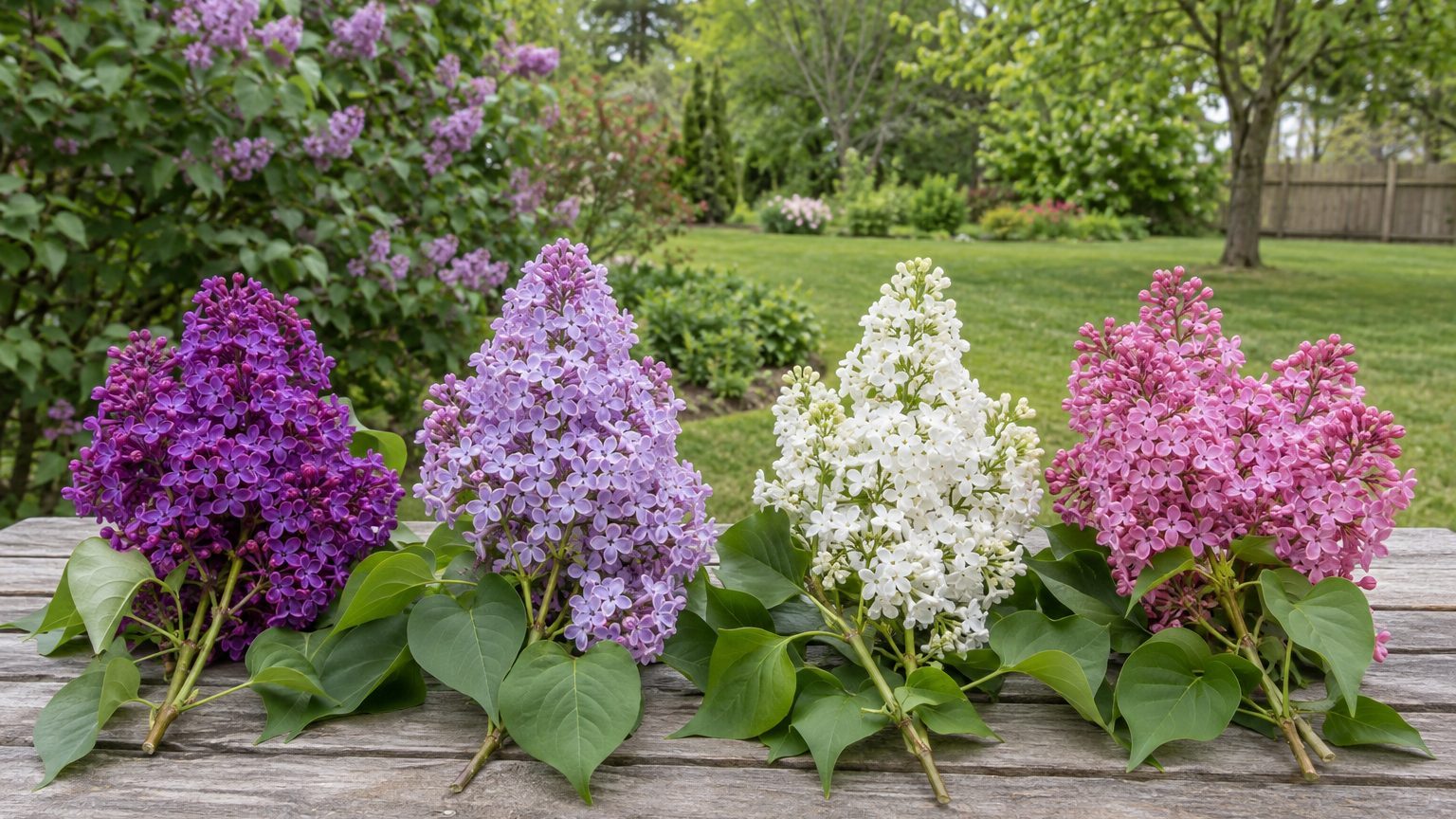
A lilac in full bloom in May is a much-loved sight in an Ohio yard, and the shrub that produces it is easy to grow here. Ohio sits in USDA hardiness zones 5b to 6b, and its cold winters give lilacs the rest they need.

Best Lilacs to Grow in Ohio

Best Lilacs for Ohio

Common lilacs, early hybrids and reblooming types all do well in Ohio when they have a sunny site with good air circulation. Humid summer weather can still test a lilac, so site choice matters.

Common Lilac

Common Lilac — Best Lilacs for Ohio

Syringa vulgaris is the common lilac in stores, and it is now considered a naturalized species of North America. It is hardy to -60°F, so it has no trouble overwintering anywhere in the state.

It is not picky about soil, rarely needs fertilizer and has few pest or disease problems. Give it a sunny spot with room for air to move.

Early Hybrid Lilacs

Early Hybrid Lilacs — Best Lilacs for Ohio

Hybrids between S. oblata and S. vulgaris are well suited to cold climates and bloom in mid to late April. They suit a gardener who wants lilac scent a little ahead of the common types.

Plant them where cold air can drain away, since an early bloom meets more frost risk.

Large-Flowered Lilacs

Some lilacs are noted for the largest flowers and a mid-season May bloom. They fill the gap after the early hybrids and add a bold display to the lilac season.

Choose a spot near a patio or walkway where the size of the blooms and the fragrance can be enjoyed.

Reblooming Lilacs

There are many nice cultivars, especially reblooming ones. They are a good fit if the spring flush feels too short, and they handle Ohio winters like other lilacs.

Treat them like any other lilac for pruning: cut right after the spring flowers fade.

Late-Blooming Lilacs

Late-blooming lilacs open after the common lilacs and before the tree lilacs. Planting one extends the season, with bloom reaching into June.

Pair one with a common lilac and the same corner of the yard stays in flower much longer.

How to Choose a Lilac for an Ohio Garden

Ohio gives lilacs most of what they want, so the choice comes down to your yard and how much care you want to give. Bloom runs from April through May, and some later types carry on into June.

Powdery mildew is a very common problem on common lilac, so a resistant cultivar saves work in humid summers.

Your situation What suits it in Ohio Why
Very cold winter Common lilac Hardy to -60°F, so winter is no trouble
Hot, humid summer Mildew-resistant cultivar Powdery mildew is a very common problem on this species
Little time for care Common lilac Not picky about soil, rarely needs fertilizer, few pest or disease problems
Wanting a long season Early hybrid, common and late bloomer Bloom starts in mid to late April and the late types follow after the common lilacs
Border or screen Common lilac Works well as a border shrub or privacy screen and attracts pollinators
Need for cold Any lilac in a sunny, open spot Buds need a cold winter rest, which Ohio provides

Small yards need a more careful match. Check a plant’s mature size on the tag before you buy.

Which Lilacs Suit Different Parts of Ohio

Ohio spans USDA hardiness zones 5b to 6b, and lilacs are comfortable across that whole range. The differences are small and mostly concern timing.

  • Central Ohio: Columbus-area gardeners can grow the full range, from early hybrids to late bloomers, and the last spring frost falls between May 5 and May 15 in USDA zone 6a.
  • Northern Ohio: Colder winters only help, since lilacs need a cold rest, so choose early hybrids with a frost-safe spot in mind.
  • Southern Ohio: Warmer summers mean humid weather, so mildew-resistant cultivars and good air circulation matter more.

Wherever you live, a sunny spot with moving air does more for a lilac than any variety choice.

Lilac Buying Mistakes to Avoid in Ohio

Pruning at the Wrong Time

A lilac blooms on last year’s wood and sets next year’s flower buds in summer, soon after it flowers. Pruning in late summer, fall or winter cuts off the next spring’s flowers.

Prune in May or June, right after the blooms fade.

Cutting an Overgrown Lilac Hard

An overgrown lilac can be cut back hard in late winter, in March or April, but it will not flower for a few years afterward. Do it only when the shrub is beyond ordinary pruning.

For a lilac that is only a little crowded, thin it gradually after bloom instead.

Ignoring Mildew Resistance

Powdery mildew is a very common problem on common lilac, and a susceptible cultivar may develop whitened leaves in humid summers. When selecting a cultivar, look for one that is resistant to this disease.

With so many cultivars available, you can usually find a resistant one in the color you want.

Where to Get Lilac Advice in Ohio

Ohio gardeners have a free, local source of lilac advice in Ohio State University Extension, which has offices that serve every county.

  • The state extension site has lilac guides written for Ohio conditions, useful before you pick a variety in winter or early spring.
  • Your county extension office can answer questions about a particular shrub, especially while the lilacs are in bloom.

Common Questions

When Should You Prune Lilacs in Ohio?

May and June suit pruning, right after the flowers fade, because the next buds form soon after.

When Do Lilacs Bloom in Ohio?

Bloom runs from April through May, and later cultivars can carry into June.

Are Lilacs Hard to Grow in Ohio?

No. Common lilacs are hardy to -60°F, tolerate most soils and have few pest or disease problems.

When to Prune Lilacs in Ohio

When to Prune Lilacs in Ohio

A lilac that blooms heavily in May is also quietly setting its flower buds for the following spring. That is why a pair of pruning shears, used at the wrong time of year, can erase a whole season of fragrance. In Ohio, the right moment is right after the blooms fade.

When to Prune Lilacs in Ohio

Lilac stems after flowering

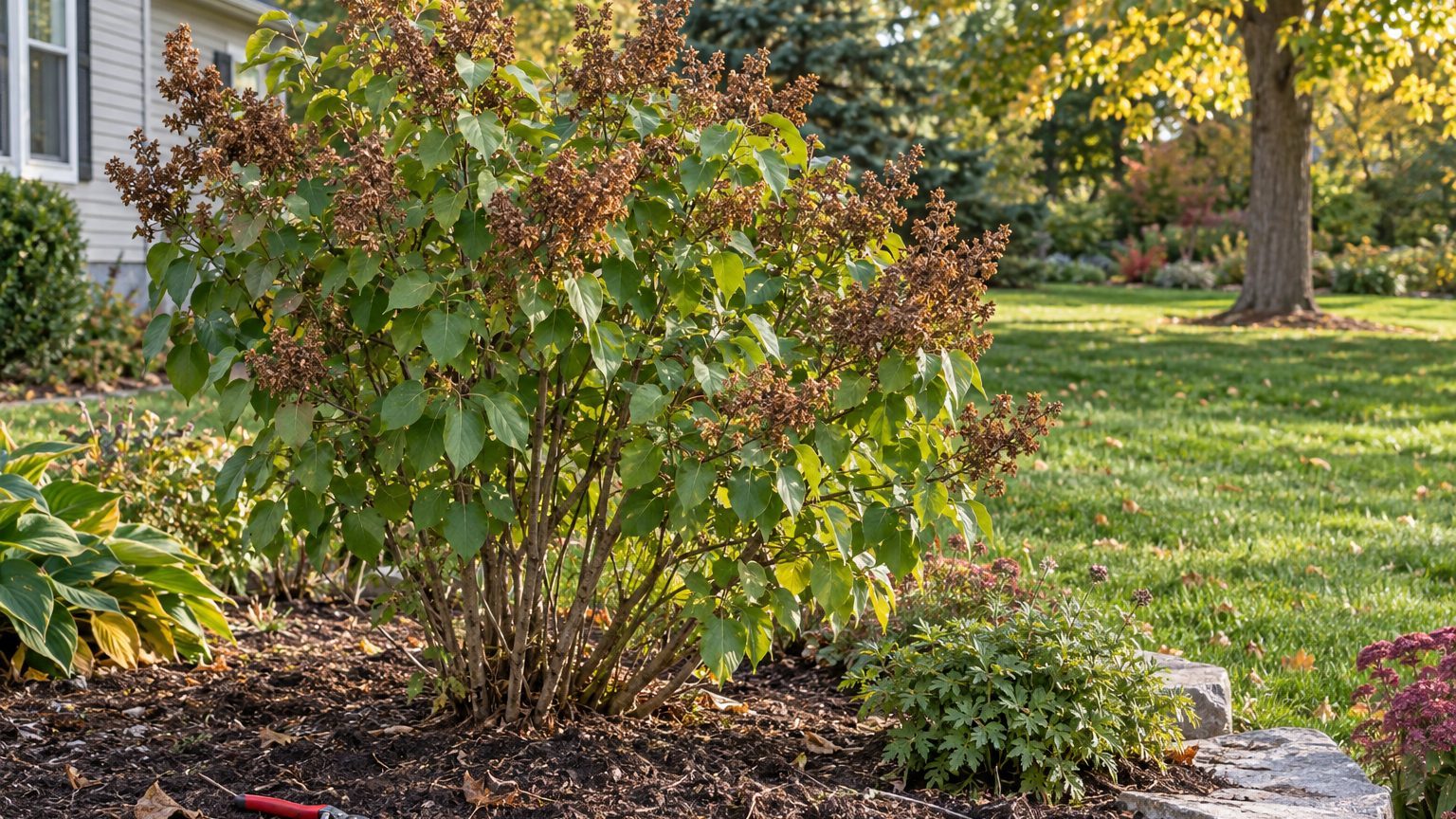
Prune lilacs in Ohio right after the flowers fade, which means May into June. A lilac blooms on last year’s wood and sets next year’s buds soon after flowering, so cutting later removes the coming spring’s flowers.

Ohio gardeners can bloom-watch from April through May, with later cultivars stretching into June. The pruning window opens as each shrub finishes, so an early bloomer gets its cut sooner than a late one.

Type of pruning When in Ohio Why
Routine maintenance and shaping May to June, right after the flowers fade Next year’s buds form soon after bloom, so early cuts keep them
Hard renovation of an overgrown lilac March to April, in late winter Cutting back hard renews the shrub but costs the next flowers

Renovation is the bold move. An overgrown lilac can be cut back hard in late winter, but it will not flower for a few years afterward, so save it for shrubs that have grown leggy and sparse.

How to Tell When Your Lilacs Are Ready to Prune

The shrub gives clear signals, and they matter more than any date on the calendar, since an early or late spring moves the whole schedule.

  • The flower clusters turn brown and dry, which tells you the bloom is finished and the cutting window has opened.
  • Petals drop and the old panicles hang limp, a sign the plant has moved on to growing new wood.
  • Fresh green shoots push out below the spent flowers, and these will carry next year’s blooms, so leave them alone.
  • Late-blooming cultivars may still be in flower while neighbors are done, so judge each shrub by its own flowers.
  • Waiting until the season runs well into summer means the new buds are already forming, and every cut after that costs flowers.

Snip off the spent clusters just below the faded flower, then thin any crowded or crossing stems, and the shrub will put its energy into the wood that matters.

Should You Prune Lilacs in Fall or Winter in Ohio?

No. Cutting in fall or winter removes the buds that are already set for the next spring. Lilacs begin forming flower buds before winter, and those buds overwinter on the stems, so a tidy-up in the cold months is really a flower removal.

That makes lilacs an awkward fit for the usual habit of pruning woody plants while they are dormant. Hard renovation of an overgrown shrub can be done in late winter, in March or April. It is a deliberate trade, giving up the next flowers so the plant can rebuild from fresh growth.

For ordinary shaping, hold off until the blooms are gone. A lilac that looks a little ragged all winter will reward the patience in May.

How Lilac Pruning Time Shifts Across Ohio

Ohio spans a range of hardiness conditions, from zone 5b to 6b in the USDA system, so the same shrub finishes blooming at different times depending on where it grows.

  • Lake Erie shoreline and Cleveland area: Spring warms slowly beside the lake, so lilacs here tend to flower later than inland, and the pruning window follows a little behind.
  • Columbus and central Ohio: Bloom and pruning keep to the main May to June pattern, with cutting starting as soon as each shrub’s flowers brown.
  • Cincinnati and the Ohio River valley: Warmer spring conditions bring flowering earlier than in the north, so pruning can start sooner.

Whatever the region, watch the flowers rather than the calendar, and let the shrub set your start date.

Where to Get Lilac Advice in Ohio

Local help is easy to reach, and it can answer questions about a particular shrub that general rules cannot, such as an old lilac that has stopped blooming.

  • Ohio State University Extension offers research-based guidance on pruning, pests and shrub care, and it is worth a visit before a big renovation cut.
  • Your county extension office can answer questions about a specific shrub.

Common Questions

Why Did My Lilac Stop Blooming After Pruning?

The cut probably came after the next buds had formed, taking them off. A hard renovation also pauses flowering for a few years. Lilacs also need a cold winter rest to ripen their buds, which Ohio generally provides.

Can You Cut a Lilac Back Hard?

Yes. An overgrown lilac can be cut close to the ground in late winter, in March or April. The shrub regrows, but flowers will be absent for a few years.

Do Lilacs Need Full Sun in Ohio?

Lilacs thrive in sunny spots with good air circulation. Open air helps in humid summers, which lilacs tolerate poorly, so avoid cramped corners.

When Do Lilacs Bloom in Ohio? Dates and Care

When Do Lilacs Bloom in Ohio? Dates and Care

A lilac in full bloom tells you spring has truly arrived, the kind of scent that carries across a front yard and stops you at the mailbox. For lilacs in Ohio, that show comes in the spring months, and what you do soon afterward decides next year’s flowers.

When Do Lilacs Bloom in Ohio?

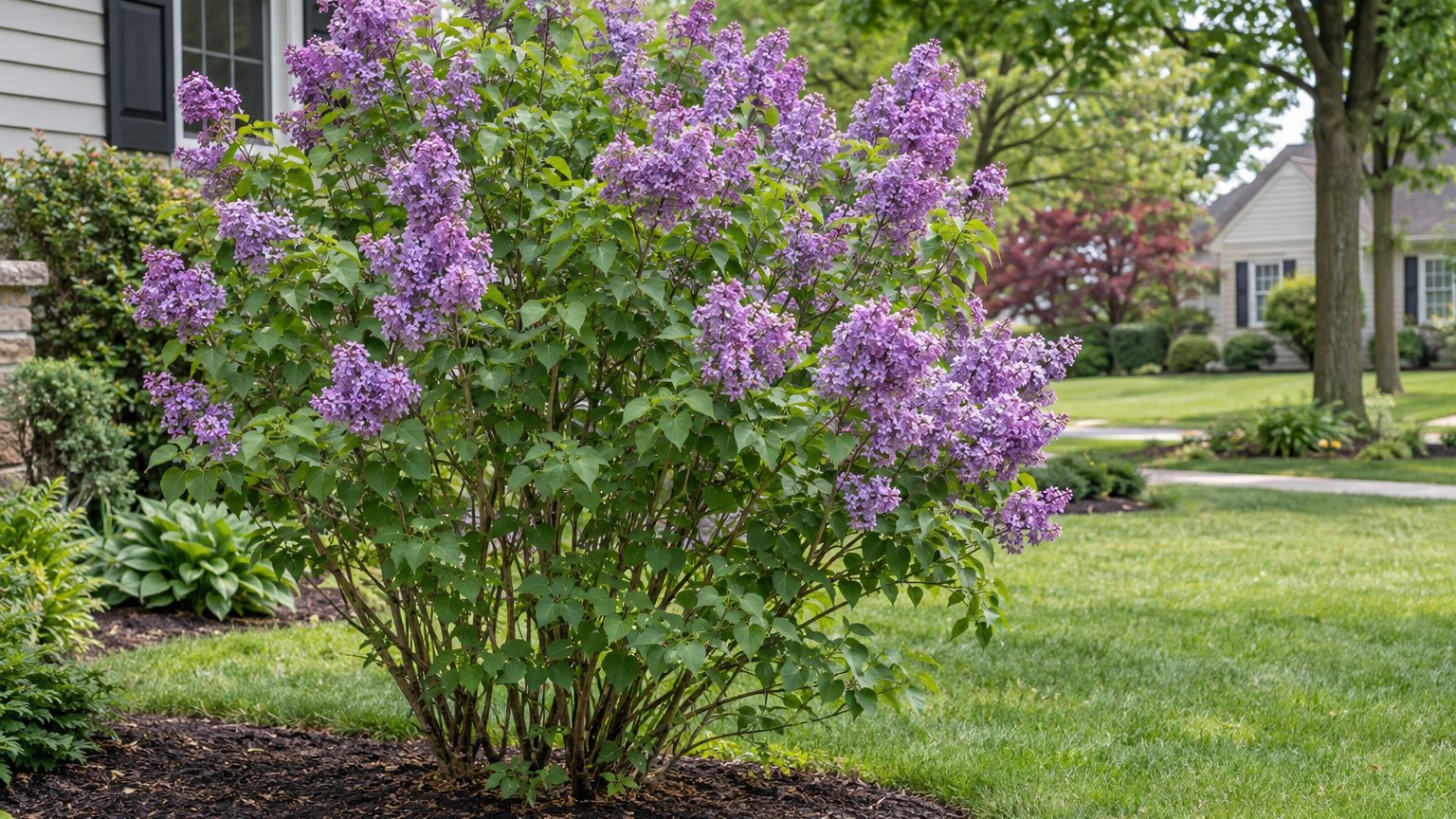
A lilac bush in bloom in a home garden

Lilacs in Ohio bloom in April and May, and later species and cultivars carry the show into June. The rest of the year follows from that spring flush, and the frost dates below refer to USDA hardiness zone 6a.

  • In April and May, the common lilacs open, and the first flowers of the season give way to later types that keep blooming into June.
  • In May and June, right after the flowers fade, is the time to prune, because the shrub is about to set its buds for next year.
  • Through summer, the plant forms next spring’s flower buds on the new growth, which is why late cutting costs you flowers.
  • In fall, those buds sit fully formed on the branch tips, waiting for the cold to come.
  • Through winter, the shrub rests, and the long cold spell is what matures the buds for the next bloom.

In Columbus, the last spring frost usually falls between May 5 and May 15, so a late cold snap can nip the tips of a few later-opening types. In Columbus, the first fall frost arrives between October 5 and October 15, and the USDA hardiness zones across Ohio run from 5b to 6b, so your own yard may sit a little warmer or colder than the frost dates suggest.

Which Lilacs Grow Best in Ohio?

Lilacs suit Ohio well. They want a cold winter rest to mature their flower buds, and the state’s winters give them that. Full sun and good air circulation help keep them healthy, and hot, humid summers can be difficult for them.

Hybrids between Syringa oblata and Syringa vulgaris are well suited to cold climates.

Lilac type How it does in Ohio Why
Common lilac (Syringa vulgaris) Blooms in April and May Cold winters mature its flower buds
Oblata and vulgaris hybrids Grow well in cold-winter climates Well suited to cold climates
Later species and cultivars Carry bloom into June They open after the common types fade

Planting a mix of early and late types stretches the fragrance across the spring. Give each shrub a sunny spot where air moves freely, and the plant tends to stay healthier through humid stretches.

When to Plant, Prune and Feed Lilacs in Ohio

Lilacs bloom on last year’s wood and set next year’s flower buds in summer, soon after they flower. That habit explains the pruning calendar: cut right after the flowers fade, and never in late summer, fall or winter, when you would remove the coming spring’s flowers.

A badly overgrown lilac can be cut back hard in late winter, but it will not flower for a few years afterward. Some gardeners accept that price to renew a shrub that has grown tall and bare.

Task Best timing in Ohio Why then
Enjoy and cut flowers April and May, later types into June This is the natural bloom window
Routine pruning May and June, right after the flowers fade Next year’s buds have not formed yet
Hard renovation cut March and April, while the shrub is dormant The cut costs the next flowers, but it can renew an overgrown shrub

Planting and feeding are not tied to a month here, so follow the plant. Set a new shrub in a sunny, airy spot when the soil is workable and the roots have time to settle before hard cold.

How Lilac Bloom Time Changes Across Ohio

Ohio stretches from Lake Erie down to the Ohio River, and that spread shifts the bloom by a little in either direction.

  • Cleveland and the Lake Erie shore: the lake keeps spring cooler, so buds tend to open later than inland and the show can slide toward May.
  • Cincinnati and the Ohio River valley: warmer air in the south lets lilacs open earlier, often in April.
  • Columbus and central Ohio: bloom lands between the lake and the river, right in the middle of the April and May window.

Walk your own neighborhood in spring and note when the shrubs open, since a sheltered south-facing wall opens earlier than an exposed corner.

Where to Get Lilac Advice in Ohio

When a lilac refuses to bloom or looks sick, local help can sort out the cause. Ohio State University Extension serves the whole state, and your county office handles questions close to home.

  • County extension offices can help diagnose leaf and branch problems if you bring a fresh sample, ideally while symptoms show in spring or summer.
  • Many county offices can guide you on a soil test, which is useful before planting a new shrub.
  • Master gardener volunteers answer questions about bloom and pruning, especially around the May and June pruning window.

Common Questions

Why Is My Lilac Not Blooming?

Too little sun is a common cause, so check whether the shrub gets full light through the day. Pruning at the wrong time is another, since cutting in late summer, fall or winter removes the buds already set for spring.

Can You Cut Lilacs for a Vase?

Yes. Cutting flowering stems in April and May works well, and the cut counts as light pruning when you take it right after the blooms fade.

Do Lilacs Survive Ohio Winters?

They do. Lilacs need winter cold to mature their buds, and Ohio spans USDA hardiness zones 5b to 6b.

When to Prune Roses in Ohio

When to Prune Roses in Ohio

Gardeners in Ohio usually see the forsythia open before the first rosebud swells, and that yellow is the cue to pick up the pruners. The rest depends on the rose. Repeat-bloomers get cut in early spring, while roses that flower only once a year are cut after their flowers fade.

When to Prune Roses in Ohio

When to Prune Roses in Ohio

Prune repeat-blooming roses in Ohio in March and April. February also works when the forsythia is already in bloom and the winter protection is off. These roses flower on new growth, so a spring cut shapes the canes that will carry the summer’s flowers.

Type of rose When to prune in Ohio Why
Hybrid teas, floribundas, modern shrub roses (repeat-blooming) March and April, or February in an early spring They bloom on the current season’s growth, so pruning as growth starts shapes the new canes.
Old garden roses, ramblers, once-blooming climbers Right after they bloom, never in early spring They flower on last year’s wood, so an early-spring cut removes the year’s flowers.

Climbers that bloom again through summer fall in between. Ohio advice sets climbers apart from the spring pruning of other roses, so cut a repeat-blooming climber lightly once the winter protection is off, and leave a once-blooming one until its flowers fade.

What a Spring Pruning Looks Like

Start by removing weak, dead, damaged and crossing canes. Hybrid teas and floribundas can then be cut back to healthy wood.

Shrub roses need much less. Tidy the dead wood and shorten the rest to shape the plant.

How to Tell When Your Roses Are Ready to Prune

Weather in Ohio varies from year to year, so the plants themselves are a better guide than a date on the calendar.

  • Forsythia in full bloom tells you the pruning season for repeat-blooming roses has started.
  • Buds that swell and show a hint of new growth mean the cane is awake, and you can see which wood is alive and which is dead.
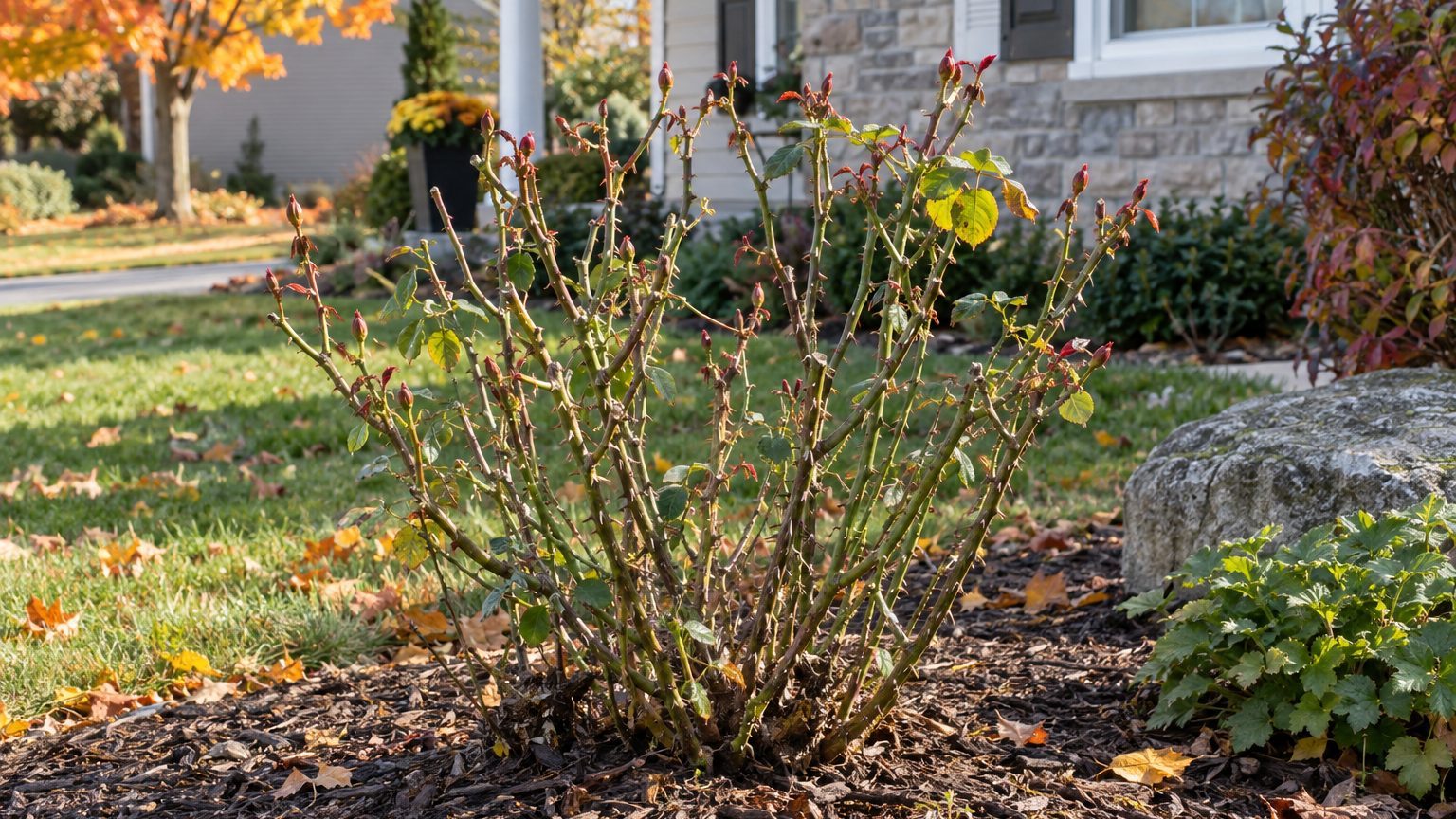
  • Soil that has thawed means you can take the winter mound and wrap off the canes, which in Ohio happens between March and April.
  • Check the forecast because a hard freeze can damage tender shoots after pruning.
  • A once-blooming rose is not on this list at all, because it waits for its flowers to finish instead of following the buds.

Do not rush after a brief warm spell, since early cuts invite shoots that a late freeze can burn.

Should You Prune Roses in Fall or Winter in Ohio?

Mostly no. In fall, the only job is to shorten very long canes so winter wind does not whip them around and loosen the roots. Leave everything else alone, because a hard cut in fall pushes the plant to grow just as cold arrives.

Real pruning for repeat-bloomers waits for March and April. After that, the plant knows which canes survived the cold, and you can cut with confidence.

Winter protection goes on in November, or in December if the weather holds, after several killing freezes. Putting it on earlier traps warmth around plants that are not yet dormant. Pull it back off in spring when the ground thaws, as the signs above describe.

How Rose Pruning Dates Shift Across Ohio

Ohio stretches from Lake Erie to the Ohio River, and spring arrives on a different schedule at each end. Let the forsythia and the buds on your own street set the day.

  • Cincinnati and the Ohio River Valley: Spring warms earlier here than farther north, so forsythia opens sooner and pruning can start in March.
  • Columbus and central Ohio: The calendar of March and April fits well, and the bloom of the forsythia marks the start.
  • Cleveland and the Lake Erie shore: The lake keeps the ground cool in spring, so buds wake later than inland and April is the safer pick.
  • Ashtabula and the northeast snowbelt: Snow and cold linger longer, so wait for the thaw and the swelling buds before cutting.

Roses in a sheltered, south-facing spot against a wall will often wake a little before those in an open lawn.

Where to Get Rose Advice in Ohio

Rose questions that depend on your own yard are best answered close to home.

  • The Ohio State University Extension website carries fact sheets on rose pruning, winter protection and disease, and is a good first stop before spring.
  • Your county extension office can answer questions about a particular cultivar and often hosts master gardener volunteers, so call in late winter before the buds swell.

Common Questions

Can You Plant a Rose in July in Ohio?

Container roses can go in from April through midsummer, so July works if you water them regularly. Bare-root roses are planted in March and April while still dormant, and they can also go in during May, June and July if needed.

When Should You Feed Roses in Ohio?

Feed from April through July, after pruning, at first bloom and in mid-July. Skip feeding after mid-August, because late growth stays soft and winter can damage it.

Do Knock Out Roses Need Winter Protection in Ohio?

Hardy shrub roses such as Knock Out and the Explorer series do well without extra protection. Hybrid teas, floribundas and grandifloras are the ones that need a mound or wrap after several killing freezes.

When to Plant Roses in Ohio: Dates and Varieties

When to Plant Roses in Ohio: Dates and Varieties

A bare-root rose goes into Ohio soil while it is still asleep, and a rose from a pot waits until the ground is workable and the worst cold has passed. Yearly care follows the same seasonal rhythm, and the right varieties can handle an Ohio winter.

When to Plant Roses in Ohio

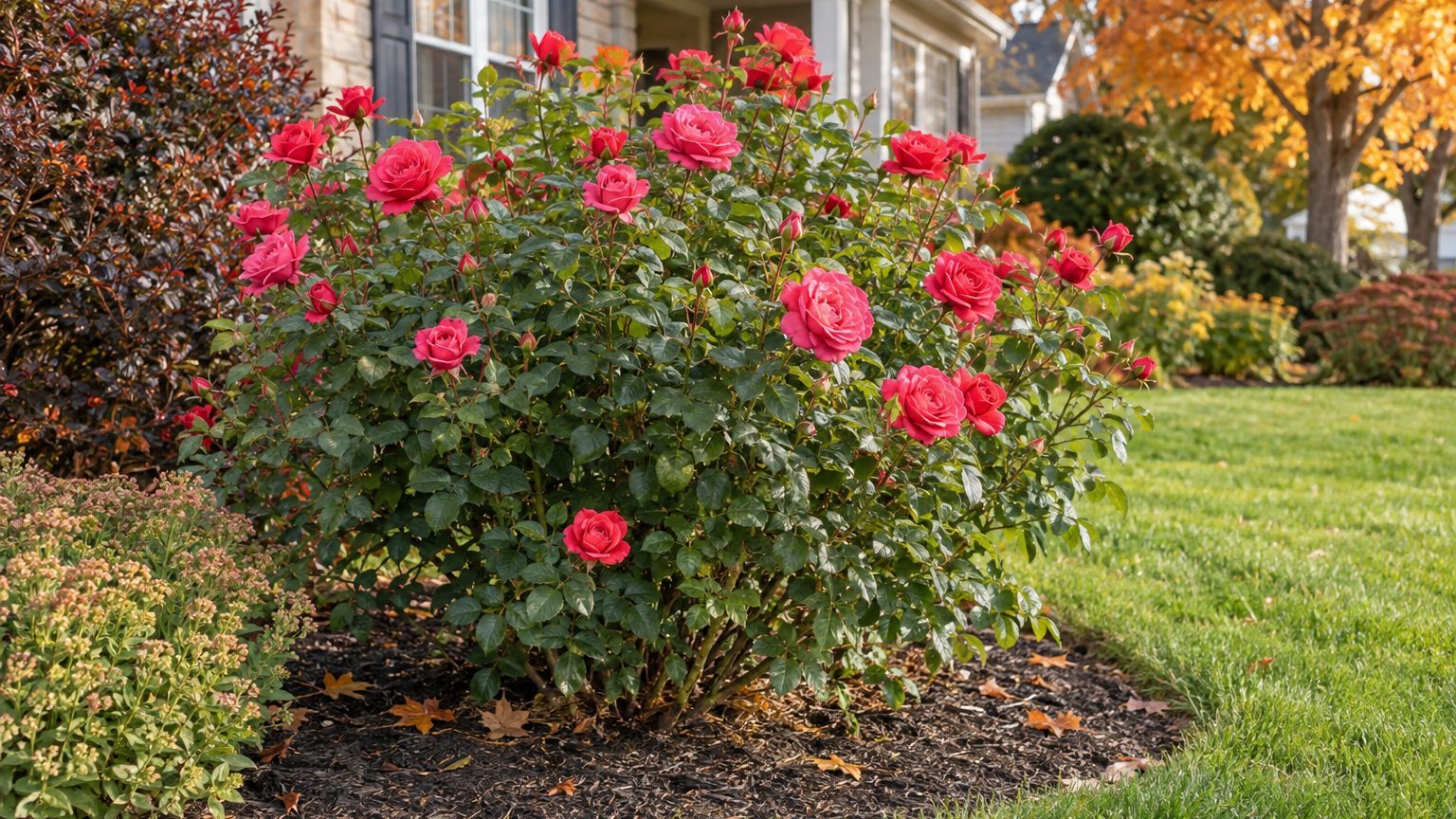
A rose bush in bloom in a home garden

Bare-root roses go in first, container roses follow, and the frost dates explain the order. Ohio’s hardiness zones run from 5b to 6b on the USDA system, and the dates here are for zone 6a. Other parts of the state differ a little.

In Columbus, in zone 6a, the last spring frost falls between May 5 and May 15. A rose that has already leafed out can be hurt by a cold night in that stretch, so cover young growth if a frost is forecast. In Columbus, the first fall frost arrives between October 5 and October 15, which ends the season of soft new growth. A bare-root rose does best planted dormant, before it has started to grow.

  • In March and April, bare-root roses go into the ground while they are still dormant, before any new growth starts. If spring runs late, they can also go in during May, June or July, though the plants have less time to settle before summer heat.
  • From April through midsummer, roses grown in containers can be planted, since their roots are already growing and the plant does not depend on dormancy.
  • In March and April, once the ground thaws, winter protection comes off and repeat-blooming roses are pruned. Forsythia in bloom is the usual signal.
  • From April through July, roses are fed after pruning, again at first bloom, and again in mid-July.
  • In November, after several killing freezes, winter protection goes on. If November slips by, December still works.

Plant a bare-root rose as soon as it arrives in early spring, and keep a container rose watered through its first summer.

Which Roses Grow Best in Ohio?

Winter decides which roses thrive in Ohio. Hardy shrub roses and old garden roses take the cold without fuss. Hybrid teas, floribundas and grandifloras are less reliable and need protection in cold winters.

Repeat-blooming roses that flower on new wood reward the extra work with color from early summer to frost, so many gardeners accept the chore of covering them.

Rose type How it does in Ohio Why
Hybrid teas, floribundas and grandifloras Need winter protection in cold winters Not reliably winter hardy
Hardy shrub roses (Knock Out, Explorer series) Perform well without extra protection Bred and proven for cold tolerance
Old garden roses Very tolerant of cold, needing little preparation Naturally hardy, and they flower once a year on last year’s wood

Climbers vary, and some are not reliably hardy, so check the label and protect only those that need it. Miniatures and polyanthas also differ from one cultivar to the next.

When to Prune, Feed and Protect Roses in Ohio

Pruning, feeding and covering each have a short window. Repeat-blooming roses are pruned when forsythia blooms. The full pruning method is on the Ohio pruning page.

Task When to do it in Ohio Why then
Pruning repeat-blooming roses (hybrid teas, floribundas, modern shrub roses) March and April, or February once winter protection is off and forsythia is blooming Winter protection is off and forsythia is blooming
Feeding roses April through July After pruning, at first bloom, and in mid-July
Putting on winter protection November, or December if needed Several killing freezes have passed and the plants are dormant
Taking winter protection off March and April The ground has thawed

Stop feeding after mid-August, because late fertilizer pushes soft growth that winter can damage. Spring protection comes off in stages if cold snaps return.

How Rose Care Dates Change Across Ohio

Ohio’s lake, river and hills pull the rose season earlier or later depending on where you garden.

  • Lake Erie shore: Cities such as Cleveland and Toledo feel the lake, which tends to hold spring back and soften the first fall frost. Wait for the later end of the spring windows before uncovering roses.
  • Cincinnati and the Ohio River valley: Spring tends to arrive sooner, so protection can come off and pruning can begin toward the front of the March and April windows.
  • Northeast Ohio snowbelt: Snow cover can insulate roses in winter, but spring thaws arrive later. Treat the later part of each window as your own.

Watch the forsythia in your own yard, since it blooms on local time and tells you more than the statewide dates.

Where to Get Rose Advice in Ohio

Ohio roses have plenty of local help. Ohio State University Extension publishes rose guidance for the state, and each county has its own office with staff who know local conditions.

  • The extension website carries rose care guides, which are useful before you choose varieties or plan a planting.
  • Your county extension office can run a soil test, which is worth doing before you plant.
  • The same office can identify a disease or pest from a sample, so bring a cutting with leaves and take it in as soon as you spot trouble.

Common Questions

Should You Prune Climbing Roses in Early Spring in Ohio?

Not as a rule. Whether early spring pruning applies depends on the climber’s flowering habit. Once-blooming climbers flower on last year’s wood and are pruned right after flowering.

What Does Hardiness Zone 6a Mean for Roses?

Zones on the USDA system are based on the average annual extreme minimum temperature, so they describe how cold a winter can get, not how hot or wet a summer will be. Ohio spans zones 5b to 6b, so check the zone listed for your own area before choosing a rose rated for cold.

Why Wait for Several Killing Freezes Before Covering Roses?

Covering is meant to go on once a rose has settled into dormancy, and several killing freezes show that it has. Covering earlier can trap warmth around plants that are still active.

Best Spring Bulbs for Ohio

Best Spring Bulbs for Ohio

Daffodils pushing up through cold soil are often the first real color in an Ohio yard, with tulips following as the weather warms. Both come from bulbs planted the autumn before.

Best Spring Bulbs to Grow in Ohio

Best Spring Bulbs for Ohio

Daffodils are a dependable choice in Ohio, with tulips, crocus and alliums filling in around them. Ohio sits in USDA hardiness zones 5b to 6b, so winters are cold enough to give most bulbs the long chill they need before they flower. Mild-winter tricks like refrigerator chilling are not part of the routine here.

Daffodils

Daffodils — Best Spring Bulbs for Ohio

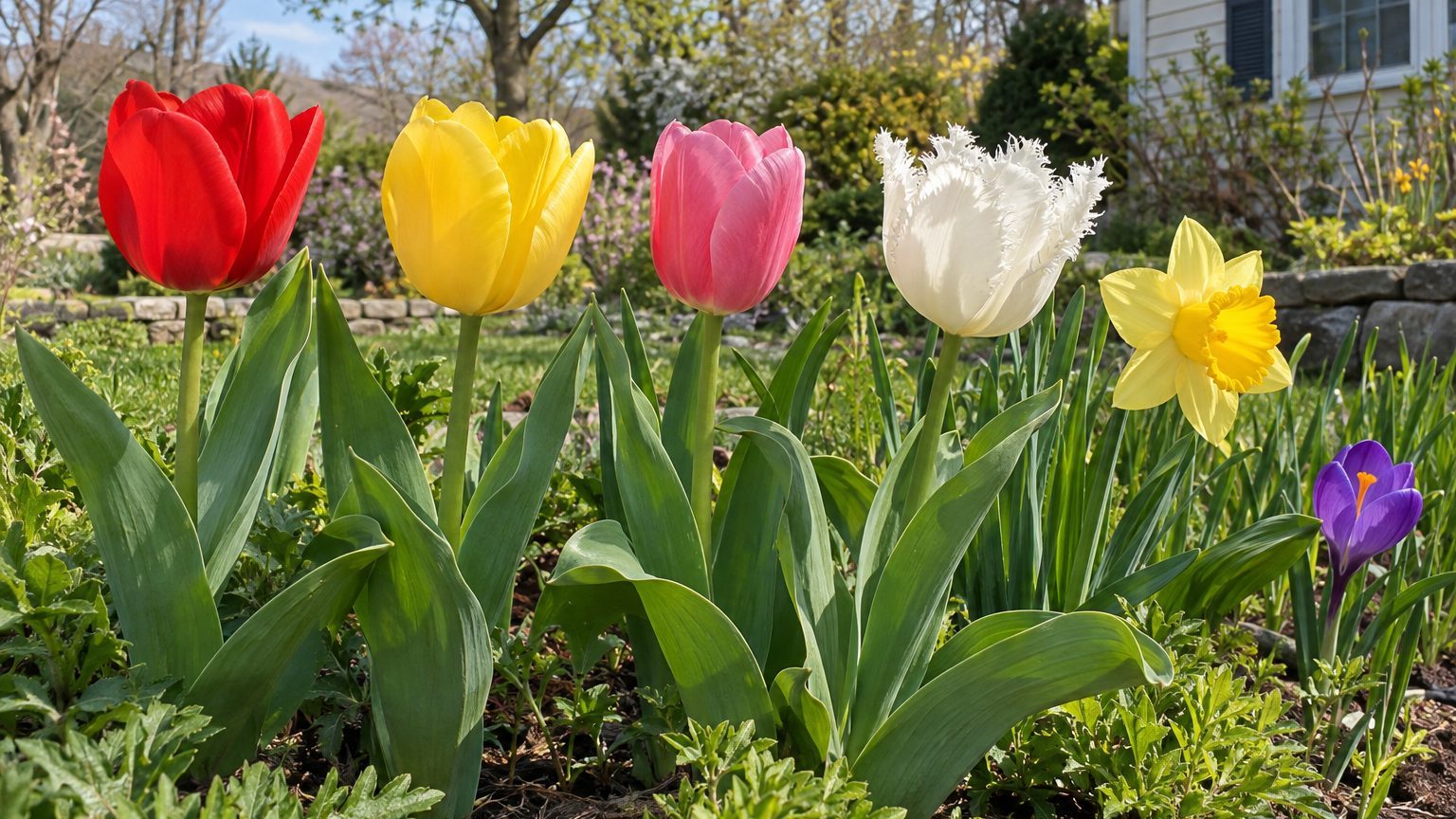
Daffodils are the reliable perennial bulb. They are more vigorous than tulips and most other spring bloomers and often return and spread over the years; deer and other animals leave them alone.

That makes them a practical first purchase for a front yard, a slope near woods, or any bed that critters visit.

Wister Award Daffodils

Wister Award Daffodils — Best Spring Bulbs for Ohio

The Wister Award recognizes cultivars with long-lasting flowers, disease resistance and strong plant vigor. Choosing from that list takes some of the guesswork out of a catalog, since those traits are what you want in a bed that must perform year after year.

Tulips

Tulips bring plenty of color and flower from April into May in Ohio. They are often short-lived in the garden, though, and the larger types are sometimes treated as annuals and lifted in late spring to make room for summer plantings.

Expect a great first spring, then fewer blooms in later years.

Crocus

Crocus are small, early and cheerful, but voles, squirrels and rabbits go after them just as they do tulips. They suit a protected spot, such as a bed close to the house, better than an open lawn edge where animals roam freely.

Alliums

According to Iowa State University Extension, alliums need the cold of winter to bloom. Their round purple flower heads stand above the foliage of other plants and add height to a bed after the daffodils fade.

How to Choose Spring Bulbs for Your Ohio Garden

The right bulb depends less on the state than on what happens in your yard: who visits the beds, how much time you have, and how long you want the planting to last.

Ohio winters already supply the cold that tulips and most other bulbs require, so the choice comes down mostly to wildlife and upkeep.

Your situation What suits it in Ohio Why
Deer, rabbits or voles in the yard Daffodils Animals leave them alone, while tulips and crocus get eaten
Little time for upkeep Daffodils Vigorous plants that last longer than tulips and keep returning
Want tulips with no disappointment Tulips treated as annuals They are often short-lived, so replanting keeps the show full
Worried about winter cold Any common spring bulb Winters supply the 12 to 16 weeks of cold most bulbs need

Small beds and containers need no special variety. Pick the bulb by the animal pressure and the attention you can give it, then plant in generous clumps rather than single rows so a bed looks full the first spring.

Which Spring Bulbs Suit Different Parts of Ohio

Ohio spans USDA hardiness zones 5b to 6b, while local conditions affect how early bulbs wake.

  • Lake Erie shore and northern Ohio: Colder winters can keep spring bulbs dormant longer than in southern Ohio.
  • Cincinnati and the Ohio River valley: Milder winters mean bulbs emerge and bloom a little earlier than in the north, and the earliest daffodils can open in late February.
  • Appalachian foothills of southeast Ohio: Where deer browse, daffodils are a practical backbone for the planting.

Across these areas, the planting routine stays the same, while bloom dates can shift.

Spring Bulb Buying Mistakes to Avoid in Ohio

Expecting Tulips to Return Forever

Tulips are often short-lived, and a bed bought as a long-term investment can thin out within a few seasons. Buy them with that in mind, plant a fresh batch when the show fades, and rely on daffodils for the permanent layer.

Planting Before the Soil Cools

Bulbs set in warm ground can sprout leaves in autumn, and that soft growth gets caught by winter. Wait until the soil has cooled below about 60°F, which gives roots time to form before the ground freezes without pushing top growth too soon.

Cutting Leaves Too Soon

After bloom, remove only the faded flowers. The leaves feed the bulb for next year’s flowers, so leave them until they turn brown. Braiding or tying them neatly costs the bulb some of that feeding, and mowing them off costs the following spring’s display.

Where to Get Spring Bulb Advice in Ohio

Ohio State University Extension publishes planting guidance written for Ohio soils and winters, and a county office can answer questions about your own yard.

  • The extension website carries fact sheets on daffodils and other bulbs, and early autumn is a good moment to read them before ordering.
  • Your county extension office can point you to local plant sales and the pests that are active near you.
  • Master gardener volunteers answer questions in many counties, and spring is a good time to walk a neighbor’s bed and note which bulbs came back.

Common Questions

When Do Tulips and Daffodils Bloom in Ohio?

Tulips flower in April through May, while daffodils start earlier, with the first blooms opening in late February in a mild spell. Bulbs usually push up in March or early April.

How Late Can You Plant Spring Bulbs in Ohio?

September and October are the planting months. November and even December still work if the ground is unfrozen and you can dig a hole.

Can You Plant Forced Daffodils Outdoors in Ohio?

Yes. Daffodils are an exception among forced bulbs, and many forced cultivars do well when moved outdoors after flowering. Keep the leaves growing and plant them out when the soil can be worked.

The almanac, state by state. Every date on this site comes from a state’s own frost facts and its extension service’s calendar — and says where it comes from.