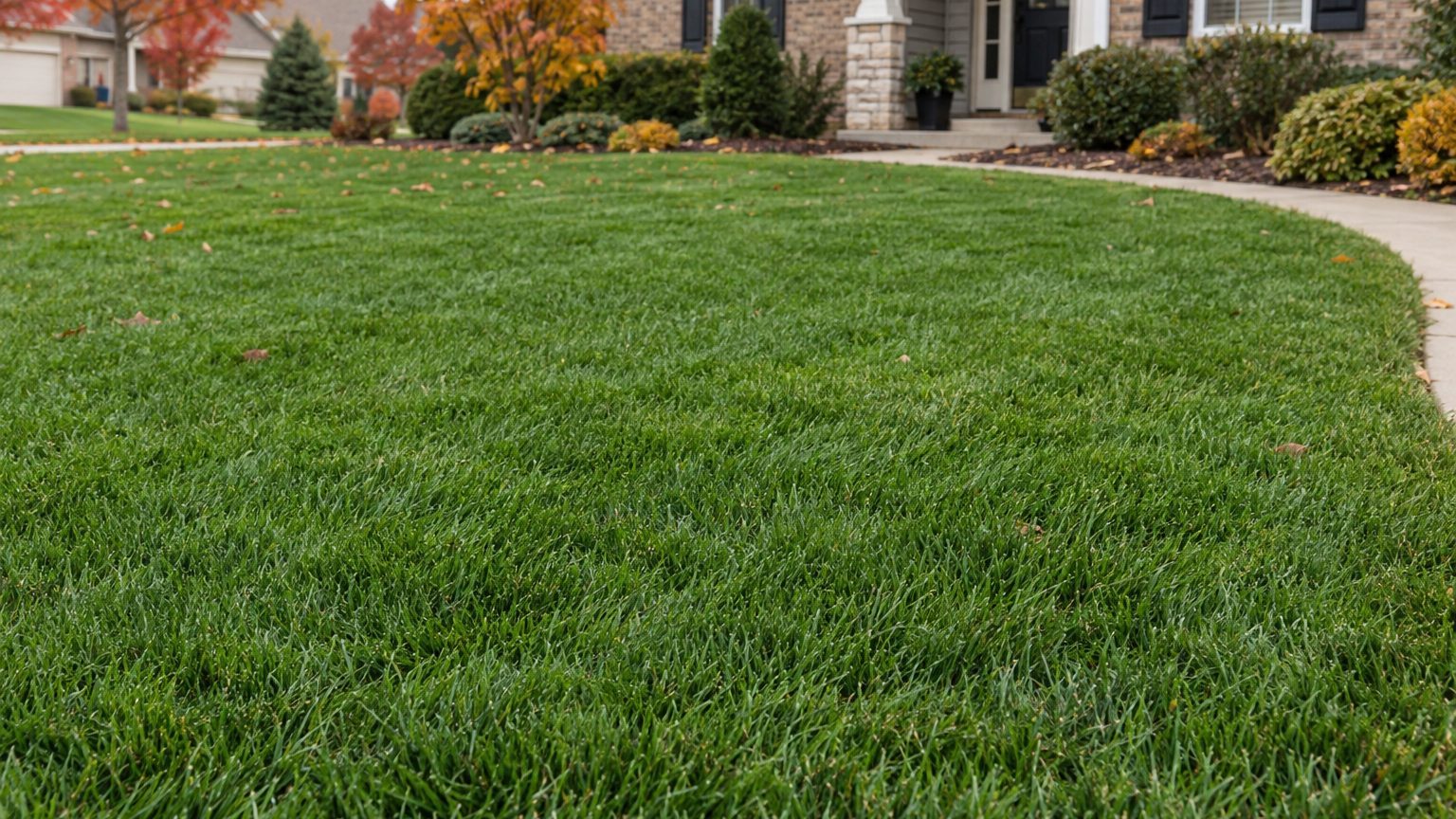
Indiana lawns green up in April, thicken through the cool, damp weeks of May and June, and then spend July and August trying to hold on. The grasses that do best here are the cool-season types, and most of the work happens in early spring and early fall.
Frost Dates and Growing Season in Indiana
Around Indianapolis, the last spring freeze usually falls between April 9 and April 21, and the first fall freeze between October 21 and October 30. Southern Indiana runs earlier in spring and later in fall by a fortnight or more, so adjust if you live down toward the Ohio River. Frost marks risk for young seedlings, not the day grass starts or stops growing, because growth follows soil warmth. Indiana sits in USDA zones 5b to 7a, so winters are cold enough to favor cool-season grasses.
- In early spring, the soil is still cold and the grass is slow to wake, so this is the time to rake off winter debris and hold off on heavy feeding.
- In April, crabgrass preventer goes down, and mowing begins as the lawn starts growing again. Core aeration and seeding also work well during the appropriate planting window, though a late freeze can nip tender new seedlings.
- From May through June, growth is at its peak, and mowing is the main chore. A freeze after the spring window is still possible, with roughly a 10% chance, so cover anything fragile you planted early.
- In July and August, heat slows the grass and watering matters most. Seeding and dethatching begin in August, once the worst heat eases.
- From September through November, the lawn recovers. Seed has warm soil to germinate in and time to root before the first freeze, and fertilizing in September and November feeds the roots going into winter.
Mowing continues through November, so the season for the mower runs well past the first frost.
Indiana — the year and the numbers
- State
- Indiana
- USDA zones
- 5b-7a
- Last spring frost
- April 9 to April 21
- First fall frost
- October 21 to October 30
- Annual rain
- 44 in
- Lawn type
- cool-season
- Source
- NOAA NCEI 1991-2020 Climate Normals, 32F freeze probabilities · Indianapolis
Cool-Season or Warm-Season Grass in Indiana?
Cool-season grass is the right call here. Indiana winters are cold enough to injure warm-season turf, while cool-season grasses stay green through spring and fall and tolerate the freezing months well.
Summer heat and dry spells are the weak point, and they are why watering and a fall renovation matter so much. The lawn grasses Purdue Extension lists for Indiana are all cool-season types.
| Grass | How it does in Indiana | Why |
|---|---|---|
| Kentucky bluegrass | Dense, self-repairing lawn that greens up well in spring | Cold-hardy and spreads to fill thin spots, though it browns in dry summers |
| Tall fescue | Holds up through heat and dry stretches | Deep roots help it cope with summer stress |
| Perennial ryegrass | Sprouts fast and is often mixed with other grasses | Quick cover for new seedings and worn areas |
| Fine fescues | Suited to lighter, shadier spots | Creeping red, chewings and hard fescue tolerate lower fertility |
Indiana seed is often sold as a blend of these species, so a bag may combine several of them. The best choices for your yard get a closer look on the state’s grass seed page.
When to Seed, Fertilize and Aerate a Lawn in Indiana
September is the busiest month for lawn work, since seeding, aeration and fertilizing all land there. Warm soil and cooler air give new grass a good start, and weeds compete less than in spring.
If you miss the fall window, April and May still work for seeding and aeration, though young grass then has to face summer heat before it is established.
| Task | Best months in Indiana | Why then |
|---|---|---|
| Seeding | August, September (April and May also work) | Warm soil and cooler air help seed root before winter |
| Core aeration | September (April and May also work) | Grass is growing and recovers quickly from the holes |
| Fertilizing | September, November (May also works) | Feeds roots as the lawn heads into dormancy |
| Crabgrass preventer | April (May also works) | Goes down before crabgrass seed sprouts |
| Dethatching | August, September (April also works) | Grass is actively growing and fills in the gaps |
| Watering | June, July, August | Summer heat and dry spells stress the lawn most |
Mowing runs from April through November, so keep the blade sharp for the whole stretch. Fertilizing in fall counts for more than in spring, because it builds roots instead of pushing leaf growth ahead of summer heat.
Lawn Problems to Watch for in Indiana
Brown Grass in Midsummer

Indiana’s July and August heat sends cool-season grass into a tan, crunchy dormancy. Check whether the blades pull up easily with roots that are dead or chewed, which points to something other than heat. If the crowns are still firm, water deeply during the summer watering season; the lawn should recover as conditions improve.
Thin Grass Under Trees
Shade and tree roots leave turf sparse, with bare soil showing and moss creeping in where the ground stays damp. Fine fescues handle shade better than bluegrass, and overseeding in August or September gives them the best shot. Where shade is dense, a mulched bed often works better than fighting for grass.
Weedy Gaps After Winter
Cold winters and heavy spring rain leave thin areas, and crabgrass moves into them as soil warms. Seeing bare patches in spring and clumps of coarse, light-green blades in summer points to crabgrass. A preventer in April helps keep crabgrass from emerging the following summer, and thicker fall seeding crowds it out.
How Lawn Care Dates Change Across Indiana
Indiana stretches a long way from Lake Michigan to the Ohio River, and the season shifts with it.
- Northwest Indiana (near Lake Michigan): Cool lake air keeps spring slower to warm, so seeding and preventer can wait a bit later than in the middle of the state.
- Indianapolis and central Indiana: This is the middle ground, and the dates in this article fit it best.
- Southern Indiana (toward Evansville and the Ohio River): Spring arrives earlier and fall frost comes later, so tasks start sooner and the fall window stays open longer.
When in doubt, go by how the soil and the grass are behaving instead of a fixed date.
Where to Get Lawn Advice in Indiana
The state’s land-grant university and your county office can answer questions specific to your soil, your grass and your yard.
- Purdue Extension publishes lawn guides covering seeding, renovation and fertilizing for Indiana conditions.
- Your county extension office can advise you on soil testing or help identify a problem from a sample, which is worth doing before you fertilize in September.
Common Questions
Can You Seed a Lawn in Spring in Indiana?
Yes, April and May work for seeding, though fall gives better results. Spring seedlings must get through summer heat before roots are deep, so plan to water them regularly.
Should You Rake or Dethatch an Indiana Lawn?
Raking in early spring clears debris, while dethatching is a bigger job for August or September when thatch has built up thick. April also works if you missed fall.
How Low Should You Mow in Indiana?
Keep the mower on a higher setting through summer, since taller grass shades the soil and handles heat better. Mowing continues from April through November, so keep the blade sharp.