Skip to content

Texas

  1. Jan
  2. Feb
  3. Mar
  4. Apr
  5. May
  6. Jun
  7. Jul
  8. Aug
  9. Sep
  10. Oct
  11. Nov
  12. Dec
State
Texas
USDA zones
6a-10a
Last spring frost
February 4 to March 1
First fall frost
December 1 to December 19
Annual rain
52 in
Lawn zone
warm-season
Source
NOAA NCEI 1991-2020 Climate Normals, 32F freeze probabilities · Houston

The year in Texas, from the calendar

  1. JanPlant roses · Plant fruit trees · Prune fruit trees
  2. FebPlant hydrangeas · Plant roses · Prune roses · Plant fruit trees · Prune fruit trees
  3. MarFeed hydrangeas · Plant hydrangeas · Crabgrass preventer
  4. AprMow
  5. MayFeed hydrangeas · Seed the lawn · Dethatch · Fertilize the lawn · Mow
  6. JunPrune bigleaf hydrangeas · Dethatch · Fertilize the lawn · Mow · Water
  7. JulFeed hydrangeas · Prune bigleaf hydrangeas · Mow · Water
  8. AugMow · Water
  9. SepMow
  10. OctPlant hydrangeas · Mow · Plant trees
  11. NovPlant hydrangeas · Plant trees
  12. DecPlant spring bulbs · Plant trees · Plant fruit trees

From the state frost facts and extension calendars: Texas A&M AgriLife Today ; Texas A&M AgriLife Extension (Bexar County) · Clemson HGIC factsheet — Hydrangea · Texas A&M AgriLife Extension — Bermudagrass Home Lawn Management Calendar · Texas A&M AgriLife Extension (Travis County).

Best Time to Plant Trees in Texas

Best Time to Plant Trees in Texas

A freshly planted oak or peach tree settles in best when the leaves are down and the ground is cool but still workable. In Texas, that quiet stretch runs from late fall through winter.

When Is the Best Time to Plant Trees in Texas?

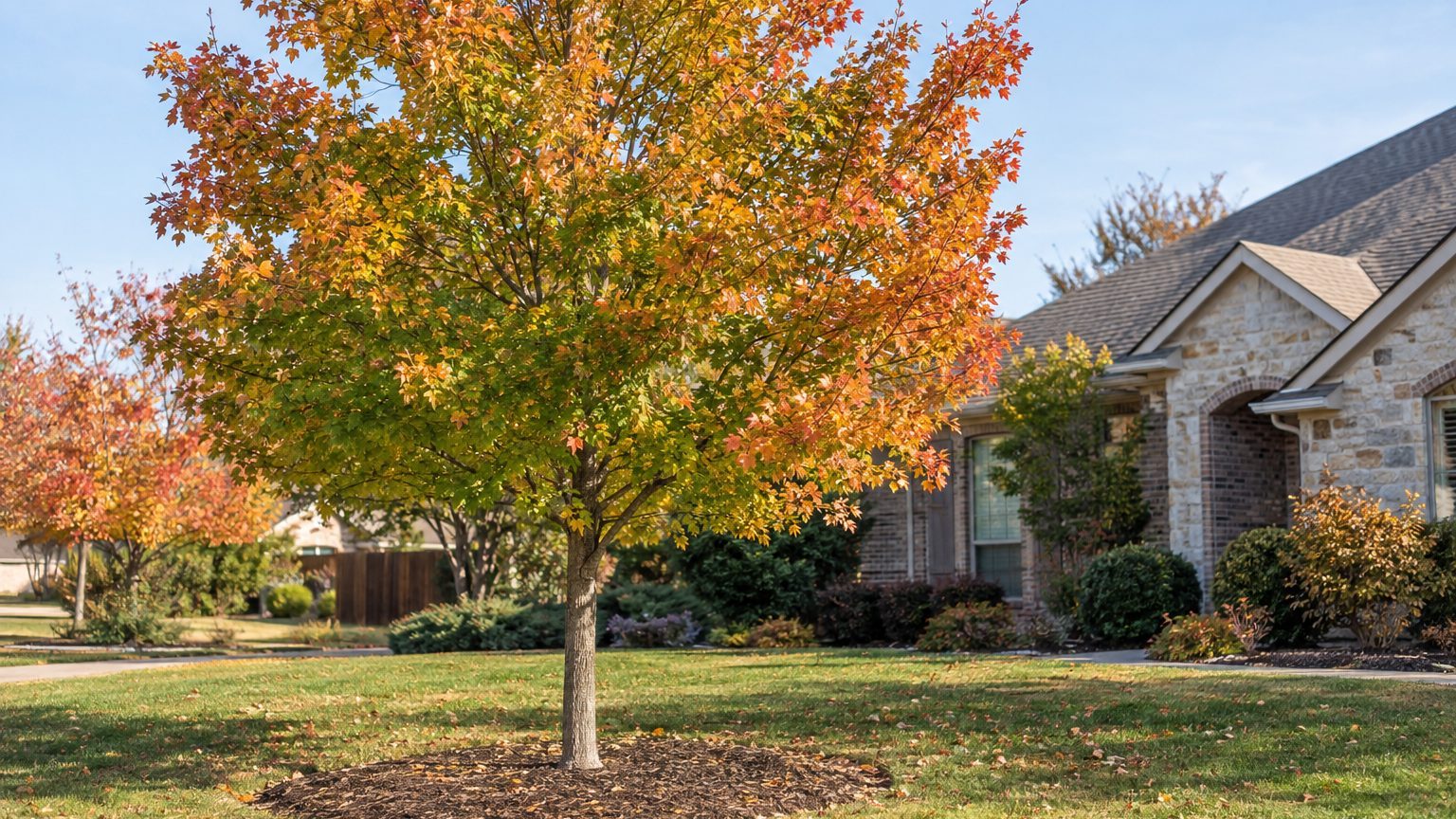
A young shade tree newly planted in a home yard

Late fall and early winter is the season for shade and ornamental trees in Texas, with November and December leading and January and February as a fallback. Roots keep growing in soil that is still warm while the branches rest, so the tree arrives in spring with a head start.

  • In November and December, container and balled-and-burlapped shade and ornamental trees go in while they are dormant and the soil still holds some warmth.
  • Through January and February, planting can continue for any deciduous tree that has not yet leafed out.
  • In early spring, dormant planting is nearly over, because deciduous trees do best when planted from late fall to early spring, before buds open.
  • Through the growing season, container-grown trees can still be planted if you water them well, though they settle best in the dormant season.
  • In summer, planting is hardest, since heat and dry soil stress the new roots.

Texas covers hardiness zones 6a-10a on the USDA system, so the calendar above is a general guide and local frost timing varies widely. Around Houston, the last spring frost falls between February 4 and March 1, and the first fall frost arrives between December 1 and December 19. The Panhandle, North Texas and the Hill Country freeze on very different schedules, so check with your county office for your own area.

When to Plant Fruit Trees in Texas

December through February is when most fruit trees go into Texas ground, while they are dormant. Bare-root trees especially need that window, because they have to be planted before the buds open.

Container-grown fruit trees are more forgiving, but they still settle best when planted in the same dormant season.

Kind of fruit tree When to plant in Texas Why then
Bare-root December through February The tree is dormant and the buds have not opened
Container-grown December through February Roots settle in cool soil before spring growth

Citrus is a special case. The smaller types, such as calamondin, limes, kumquats, lemons and limequats, suit container culture best, though all will grow in a pot for a limited time.

Best Trees to Plant in Texas

Native oaks and other hardy natives suit Texas well. They give the shade and fall color people want and handle environmental stress better than many non-native options. Mexican white oak has performed impressively in zone 7 and the warmer parts of zone 6.

Tree How it does in Texas Why
Mexican white oak Strong performer in zone 7 and warmer parts of zone 6 Likes full sun and soil with good drainage
Black gum A hardy native shade tree Gives fall color and resists environmental stress
Swamp chestnut oak A hardy native shade tree Gives fall color and resists environmental stress

With Mexican white oak, choose a spot where oak wilt has not been a problem.

When to Plant, Water and Prune Trees in Texas

Planting, watering and pruning each have their own season. Plant while trees rest, water young trees through dry spells, and prune fruit trees before the buds swell.

Task Best timing in Texas Why then
Plant shade and ornamental trees November and December, or January and February Dormant trees root into cool soil
Plant fruit trees December through February Trees are dormant and buds are closed
Water a young tree Right after planting, and regularly through dry spells New roots dry out fast in heat and dry soil
Prune fruit trees January and February, while dormant Buds have not swelled yet

Skip pruning in fall or early winter, because new growth may not harden before the cold. Peaches are pruned last, closest to bloom, since their flower buds are easily hurt by cold, while apples are pruned first.

Where to Get Tree Advice in Texas

For a tree suited to your soil and sun, local guidance beats guesswork. Two places are worth knowing.

  • Texas A&M AgriLife Extension offers plant guides on shade trees, peaches and citrus, useful before you buy.
  • Your county extension office can advise on which species fit your area and how to arrange a soil test, so call before the dormant planting season begins.

Common Questions

Can You Plant a Tree in Texas in the Summer?

Container-grown trees can go in during the growing season if you keep them watered. Dry soil and heat make it a struggle for new roots, so plan on regular watering until the tree is established.

Should You Prune a New Tree Right After Planting?

Fruit trees are pruned while dormant, before the buds swell, so a tree planted in winter can be shaped then. Shade trees mainly need broken or damaged branches removed at planting time.

Do Peach Trees Need Cold Weather in Texas?

Yes. Peaches need winter chilling to break dormancy, and the Zest series suits the medium chill zone with needs of about 500 to 600 chilling hours. The White Delight series needs more, at about 700 hours for Three and Four.
Best Peonies for Texas

Best Peonies for Texas

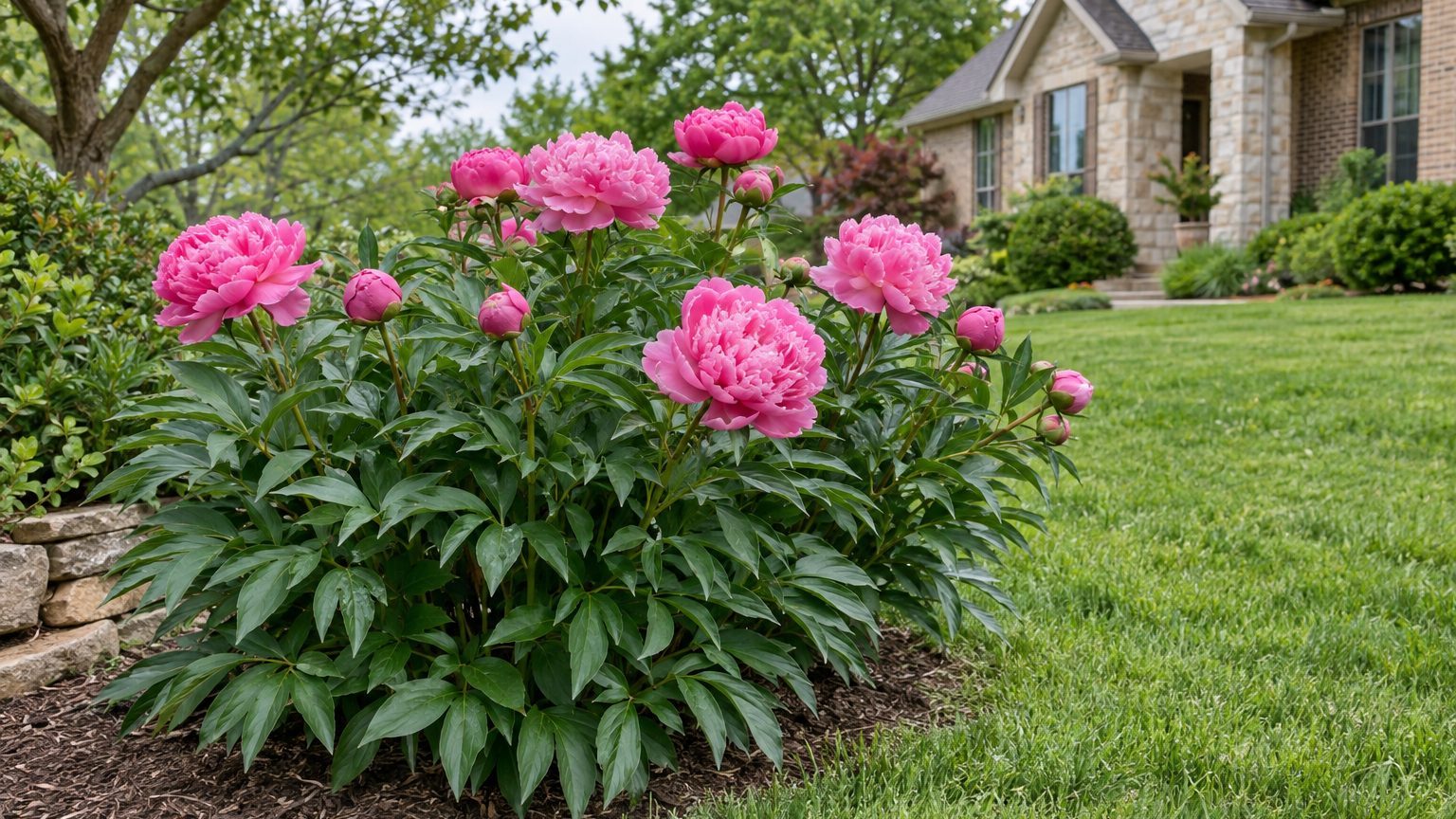
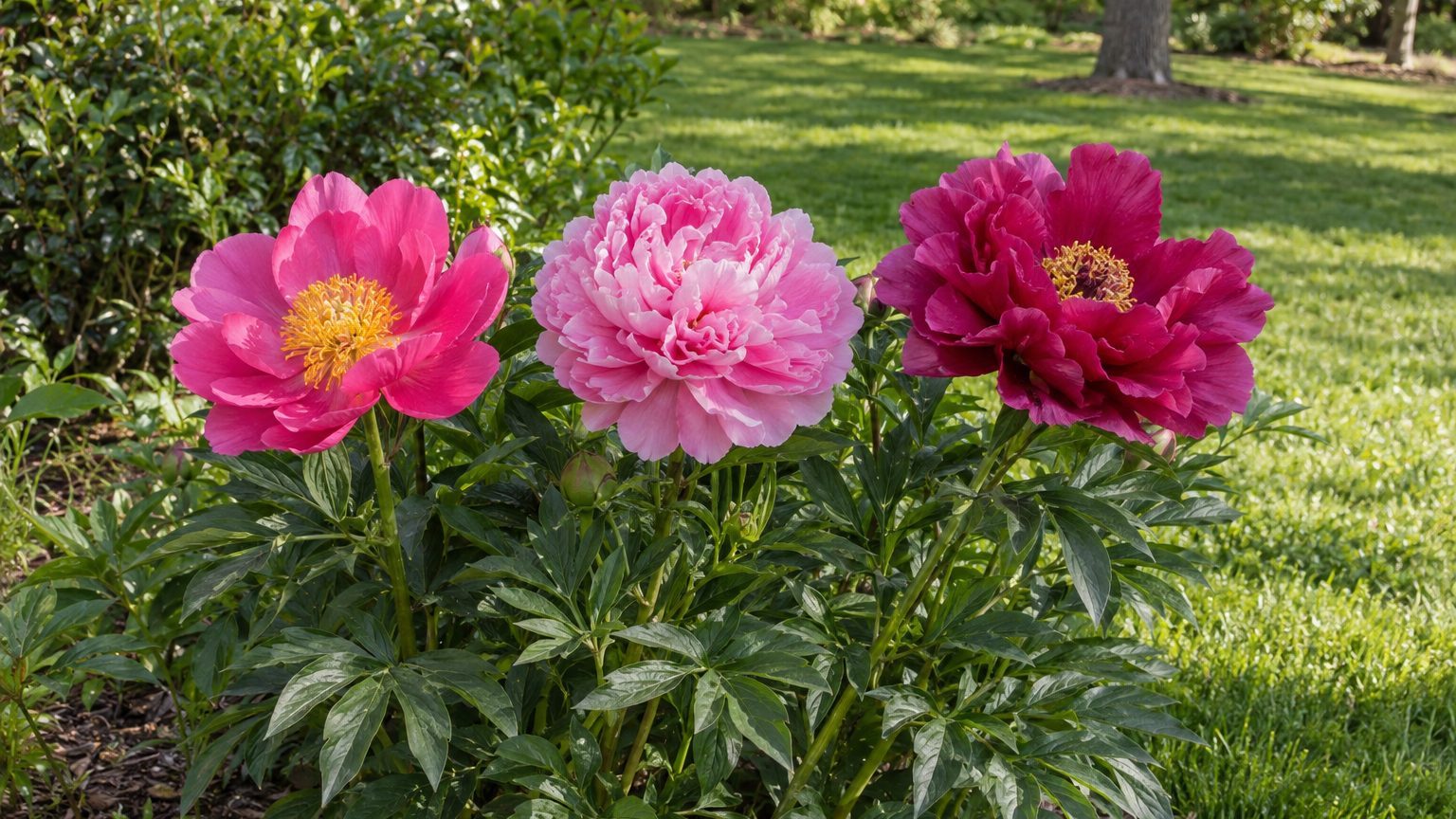
A peony in a Texas bed is a gamble on winter. These plants need a cold rest to flower, and mild-winter parts of the state may not provide enough. Texas spans USDA hardiness zones 6a to 10a, so the right peony depends on where the yard sits.

Best Peonies to Grow in Texas

Best Peonies for Texas

Early-blooming herbaceous cultivars are the safer choice in mild-winter parts of Texas because they flower before hot weather arrives. Peonies need a cold winter rest to flower, and in mild-winter yards they may flower poorly. Early bloomers open before the hot weather arrives, which is how they cope with a Texas spring.

Early-Blooming Cultivars

Early-Blooming Cultivars — Best Peonies for Texas

These cultivars have time to open their flowers before the heat sets in, so the blooms are not caught by a sudden warm spell. They are also less prone to botrytis blight, the gray mold that spreads fast in damp, warm weather.

Look for the word early on the plant tag or in the catalog description. A tag that says mid or late season is a poor fit for a Texas spring.

Herbaceous Peonies

Herbaceous Peonies — Best Peonies for Texas

The common garden peony is the herbaceous type, and it dies back to the ground each year. Cut the stems back after frost has blackened them. In the colder northern end of the state, where winters come closest to what the plant wants, this is a suitable type to try.

On the Gulf end, a herbaceous peony may leaf out nicely and still skip its flowers, because the winter rest was too short.

Tree Peonies

A tree peony is a different plant, with woody stems that stay standing through winter. Those stems are never cut back to the ground. Like the herbaceous kind, a tree peony still needs a winter rest, so a mild Texas winter limits it in the same way.

Treat it as a trial plant in the colder parts of the state, not a sure thing for the coast.

How to Choose a Peony for a Texas Garden

Start with how cold your winters get and how hot and wet your springs turn. Whether a peony blooms or just grows leaves comes down to these factors.

Texas spans four hardiness zones, so nearby gardens may have a very different winter from yours.

Your situation What suits it in Texas Why
Cold winters, as in the Panhandle Herbaceous peonies They get the winter rest they need to set flower buds.
Hot, humid spring and summer Early-blooming cultivars They flower before the hot weather and are less prone to botrytis blight.
Mild winters, as on the Gulf Coast Early-blooming cultivars, with modest expectations Peonies may flower poorly where winters are mild.
You like a woody shrub in the bed Tree peony Its stems stay standing and are never cut back.

Let winter decide when the table points in different directions. A peony that never gets its cold rest will not make up for it with a good summer.

Which Peonies Suit Different Parts of Texas

Winter cold varies across Texas, and it shapes how much you can expect from a peony.

  • The Panhandle: Winters are cold here, the closest Texas comes to what a herbaceous peony wants. This is the part of the state where the plant has the best odds.
  • Houston and the Gulf Coast: Winters are mild, so peonies may flower poorly. Early-blooming cultivars are a more reasonable choice, and the plant may stay a leafy clump.
  • North Texas and the Hill Country: Winters have their own pattern here. Ask neighbors who have grown peonies before you buy.

Even within a city, a warm microclimate can shift the odds, so a sheltered courtyard is a weaker spot than an open bed.

Peony Buying Mistakes to Avoid in Texas

Buying for a Cold Winter You Do Not Have

A herbaceous peony planted on the Gulf Coast without thought to chilling may give you leaves and no flowers. That can mean waiting for flowers that never come. Before you buy, match the plant to the winter you actually get, and pick an early-blooming cultivar if your winters run mild.

Choosing a Late Bloomer

A cultivar that opens late meets Texas heat head-on. The flowers open into hot weather, and the plant is more prone to botrytis blight. Check the bloom season on the tag and take an early one.

Planting Too Deep

A peony planted too deep may bloom poorly or not come up at all. Set the eyes, the small buds on the root, near the soil surface. If the plant came in a pot, keep the eyes near the soil surface rather than relying on the pot’s soil line.

Where to Get Peony Advice in Texas

Because winters vary so much across the state, local advice counts for more than a general plant tag. Texas A&M AgriLife Extension is the state’s extension service, and its county offices know your own winters.

  • Call or visit your county extension office to ask which peonies, if any, flower in your part of the county before you buy.
  • Look through its website for plant guides written for Texas conditions before ordering a plant.
  • Ask a local master gardener volunteer at your county office what has worked in nearby yards.

Common Questions

When Should You Cut Back Peonies in Texas?

Cut a herbaceous peony back after frost has killed the stems. A tree peony keeps its woody stems and is never cut to the ground.

Will a New Peony Bloom the First Spring in Texas?

A newly planted or transplanted peony may not bloom the first spring. Give it time to settle before judging it.

Can a Peony Grow in Houston?

It can grow, but with mild winters it may flower poorly. An early-blooming cultivar gives you the best chance of seeing blooms.

When Do Peonies Bloom in Texas?

When Do Peonies Bloom in Texas?

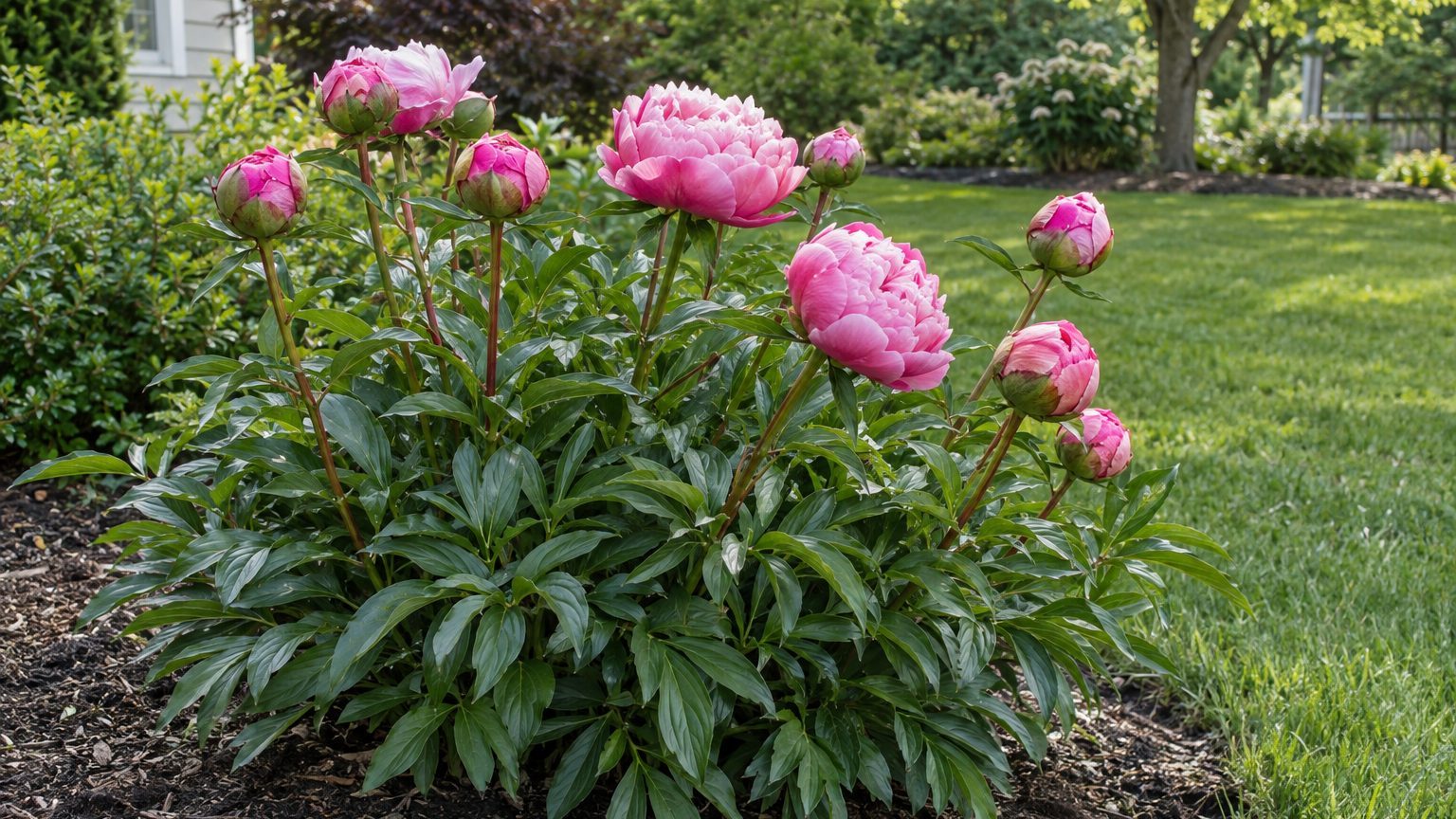
Peony buds swelling in a spring border are a sign that winter did its job. In Texas, mild winters can leave peonies without enough cold. Peonies need a cold rest to flower, and the state’s winters range from mild along the Gulf to properly cold in the Panhandle. Bloom timing here depends on that chill.

When Do Peonies Bloom in Texas?

When Do Peonies Bloom in Texas?

Peonies that get enough winter cold bloom in spring, before the hot weather settles in, but no single calendar fits Texas. In much of the state, winters are too mild for herbaceous peonies to flower well, so the bloom you get depends on where you garden and what you plant.

Texas spans USDA hardiness zones 6a to 10a, and the colder end of that range suits peonies far better than the warm end.

Type of peony When it blooms in Texas What to know
Early-blooming herbaceous cultivars Early in the peony season, before hot weather arrives They suit the South because they finish before the heat, and they are less prone to botrytis blight
Later herbaceous cultivars Later in spring, closer to the heat They need a proper cold rest, and heat arriving while the buds open can cut the show short

Tree peonies keep their woody stems through winter, so they are handled differently from the herbaceous types above. Itoh peonies are hybrids and should be judged by the same rule. They need winter chill, and mild-winter yards will likely give weak results.

How to Tell When Your Peonies Are About to Bloom

The plant announces its schedule through a sequence of changes, and watching for them tells you more than any date would.

  • Red shoots pushing up from the soil show that the plant is waking up, which is an encouraging sign in a mild-winter yard.
  • Shoots that never appear may point to a peony planted too deep.
  • Round buds that swell on the stem tips show the plant is committed to flowering this year.
  • Buds that soften slightly when pressed are close to opening.
  • Buds that stay hard, turn brown or dry out before opening can signal trouble.

A first-year plant may skip blooming altogether, which is normal after planting or transplanting.

When to Cut Back Peonies in Texas

Cut herbaceous peonies back in fall after a frost has blackened or collapsed the foliage. In Texas, that frost can arrive late, and in mild-winter yards the leaves may stay green well into the cool season, so let the plant tell you when it is finished.

Cut the stems down close to the soil line with clean pruners, taking care not to damage the buds (the eyes) at the crown. Everything you remove should go in the trash or yard-waste bin rather than the compost pile.

Tree peonies are the exception. They keep their woody stems and are never cut back to the ground, so leave them alone.

How Peony Bloom Time Shifts Across Texas

Because bloom follows winter chill rather than a fixed date, the difference across Texas is mostly about how cold the winters get.

  • The Panhandle: Winters are colder here, so peonies get the rest they need and bloom more reliably than elsewhere in the state.
  • North Texas and the Hill Country: Winter chill is more modest, so herbaceous peonies can flower, but early-blooming cultivars are the safer choice.
  • The Gulf Coast and Houston: Winters are mild, so peonies often get too little chill and may flower poorly or not at all.

If you garden in the warmer parts of the state, treat peonies as an experiment and not a sure thing.

Where to Get Peony Advice in Texas

Local conditions vary so much in Texas that a nearby source is worth consulting before you buy plants. Texas A&M AgriLife Extension can direct you to local help, and your county office can speak to the winters in your own area.

  • Your county extension office can tell you whether peonies have a record of flowering in your part of the state, so call before planting season.
  • County master gardener volunteers can share what is blooming in neighboring yards.
  • Its site carries regional gardening guidance you can read before you shop for roots.

Common Questions

Will a New Peony Bloom the First Spring?

Often not. A newly planted or transplanted peony may skip its first spring while the roots settle, so a bloomless first year does not mean it has failed.

Why Is a Peony Not Blooming in Texas?

Look at these factors together. Healthy green foliage with no buds points to too little winter chill, especially in a warm part of the state. If the plant is also sparse or slow to emerge, check the planting depth, since a peony set too deep may bloom poorly or not come up. Keep the eyes near the soil surface.

Do Peonies Come Back Every Year in Texas?

A herbaceous peony dies back each year and regrows from the crown, and a tree peony keeps its woody stems. Whether they flower well depends on getting enough winter chill, which limits them in mild-winter parts of Texas.

When to Plant Peonies in Texas: Dates and Care

When to Plant Peonies in Texas: Dates and Care

Peony stems come up red in the cooler part of the year, and a good bloom depends on what happened in the cold months before. Mild-winter Texas yards may not get the cold rest peonies need.

When to Plant Peonies in Texas

When to Plant Peonies in Texas: Dates and Care

Plant bare roots in the cooler part of the year, once summer heat has broken and the soil has cooled. Peonies need a cold winter rest to flower, so they may bloom poorly in mild-winter parts of Texas.

  • In autumn, plant bare roots once the soil has cooled, so the roots can settle in before the coldest weather.
  • Through winter, the plant rests underground, and that chill is what lets a herbaceous peony flower the following spring.
  • In early spring, new shoots push up as the last freeze passes.
  • In late spring, early-blooming types open before the heat builds, and the plant then spends summer as a leafy clump.
  • As freezing weather arrives, the foliage fades.

The mild Gulf climate differs from colder parts of a state that spans USDA hardiness zones 6a to 10a. The Panhandle, North Texas and the Hill Country run on different clocks.

Which Peonies Grow Best in Texas?

Peonies are a stretch across much of Texas. Herbaceous types need winter cold to bloom, and they often disappoint in the lower South, where winters are too mild to give them enough chilling.

Where colder winters occur, the odds improve, and choosing the right cultivar matters.

Peony type How it does in Texas Why
Early-blooming herbaceous Gives you the best chance in warm climates It blooms before hot weather sets in and is less prone to botrytis blight
Other herbaceous types Often poor on the Gulf Coast and in similar mild areas Winters there do not supply enough chilling
Herbaceous in colder-winter areas such as the Panhandle More likely to flower than on the coast The plant gets the cold rest it needs

Tree peonies and Itoh hybrids are sometimes tried in warmer yards. Ask your county extension office how tree peonies and Itoh hybrids have done locally before you buy.

When to Plant, Cut Back and Feed Peonies in Texas

No month is a safe rule across Texas, so the plant itself sets the timing. Watch the soil and the first hard frost rather than the calendar.

A soil test shows what a bed actually lacks, which beats guessing.

Task Best timing in Texas Why then
Plant bare roots When summer heat has broken and the soil has cooled The roots settle in before the plant has to face cold
Cut back a herbaceous peony After the first hard frost has killed the foliage The plant dies back each year, so the tired stems can go
Prune a tree peony Leave the woody stems alone A tree peony keeps its stems and is never cut back

Do not mistake a tree peony for a herbaceous one when you pick up the shears. If you are unsure which you have, look for stiff woody stems that stay through winter.

How Peony Planting Dates Change Across Texas

The same plant faces very different winters depending on where in the state you garden, and that shifts the planting season as well as the odds of a good bloom.

  • Panhandle: Winters are colder here, so the soil cools sooner and the cold rest is more dependable.
  • North Texas: Winters are milder than in the Panhandle but still colder than along the Gulf, which gives herbaceous peonies a reasonable chance with an early-blooming cultivar.
  • Houston and the Gulf Coast: Mild winters are the main hurdle, so peonies may flower poorly.

The Hill Country sits between these, so local advice from a nearby nursery or garden club is worth more than a statewide rule.

Where to Get Peony Advice in Texas

Texas is too large for a statewide peony calendar, so local help matters. Your county office knows how winters behave where you live.

  • Texas A&M AgriLife Extension publishes garden guidance for the state and can point you to the right local contact, so check it before you shop.
  • Your county extension office can help diagnose a peony that will not bloom, and it is worth a call whenever the plant looks wrong.
  • That same office can arrange a soil test, so send in a sample before you plant.

Common Questions

Why Did a New Peony Not Bloom?

Start with the planting history and depth. A peony that was just planted or moved may not bloom its first spring, and one set too deep may bloom poorly or not come up at all. Keep the eyes near the soil surface when you plant.

Can You Plant a Peony in Summer in Texas?

Summer heat is hard on a bare root that has not yet settled in. It is better to wait until the soil has cooled, since a new planting has no established roots to cope with stress.

Do Peonies Come Back Every Year in Texas?

A herbaceous peony dies back each year and regrows from the roots, while a tree peony keeps its woody stems. Whether it comes back strong depends on how much winter chill your area gives it.

Best Lilacs for Texas

Best Lilacs for Texas

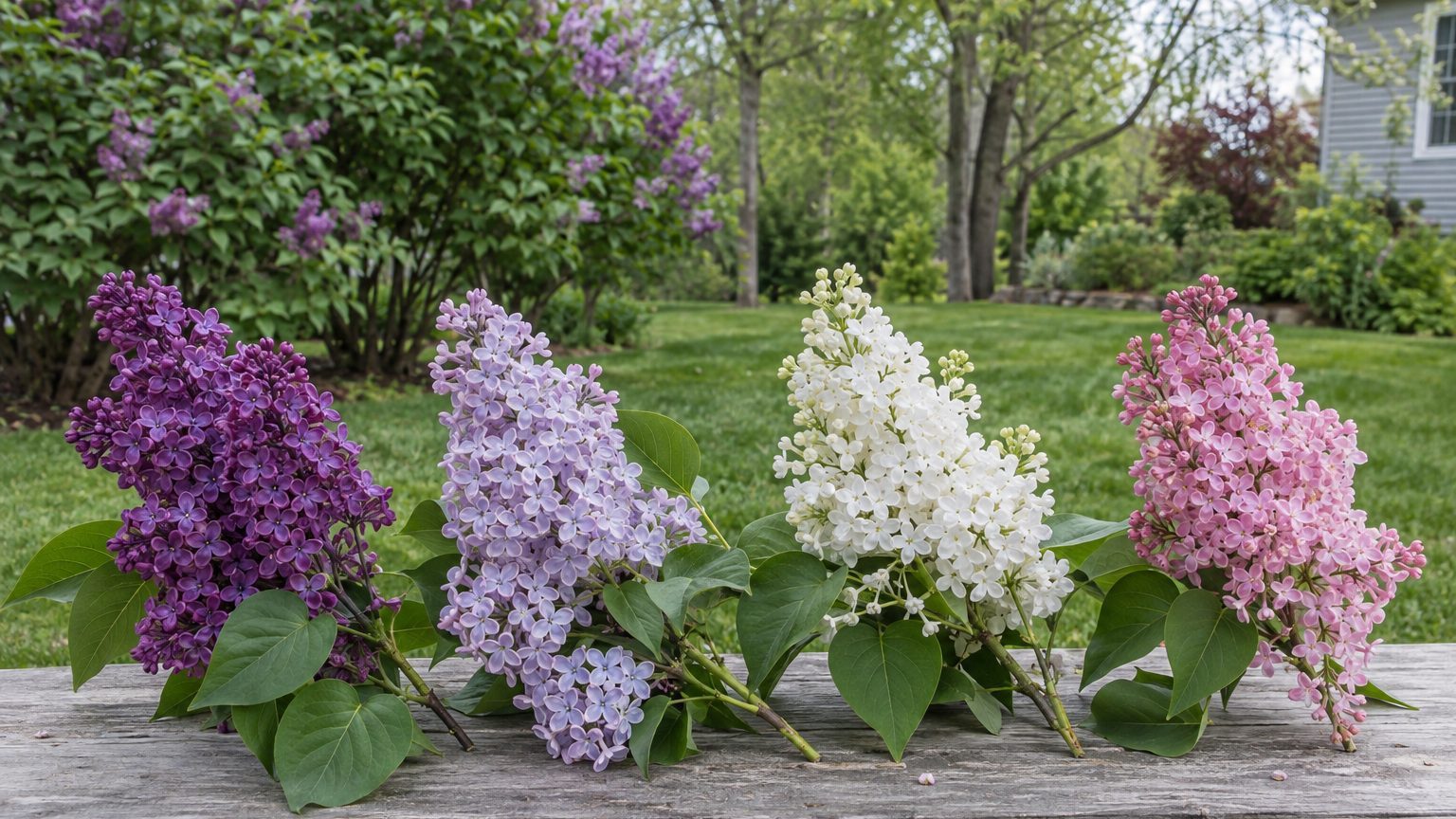
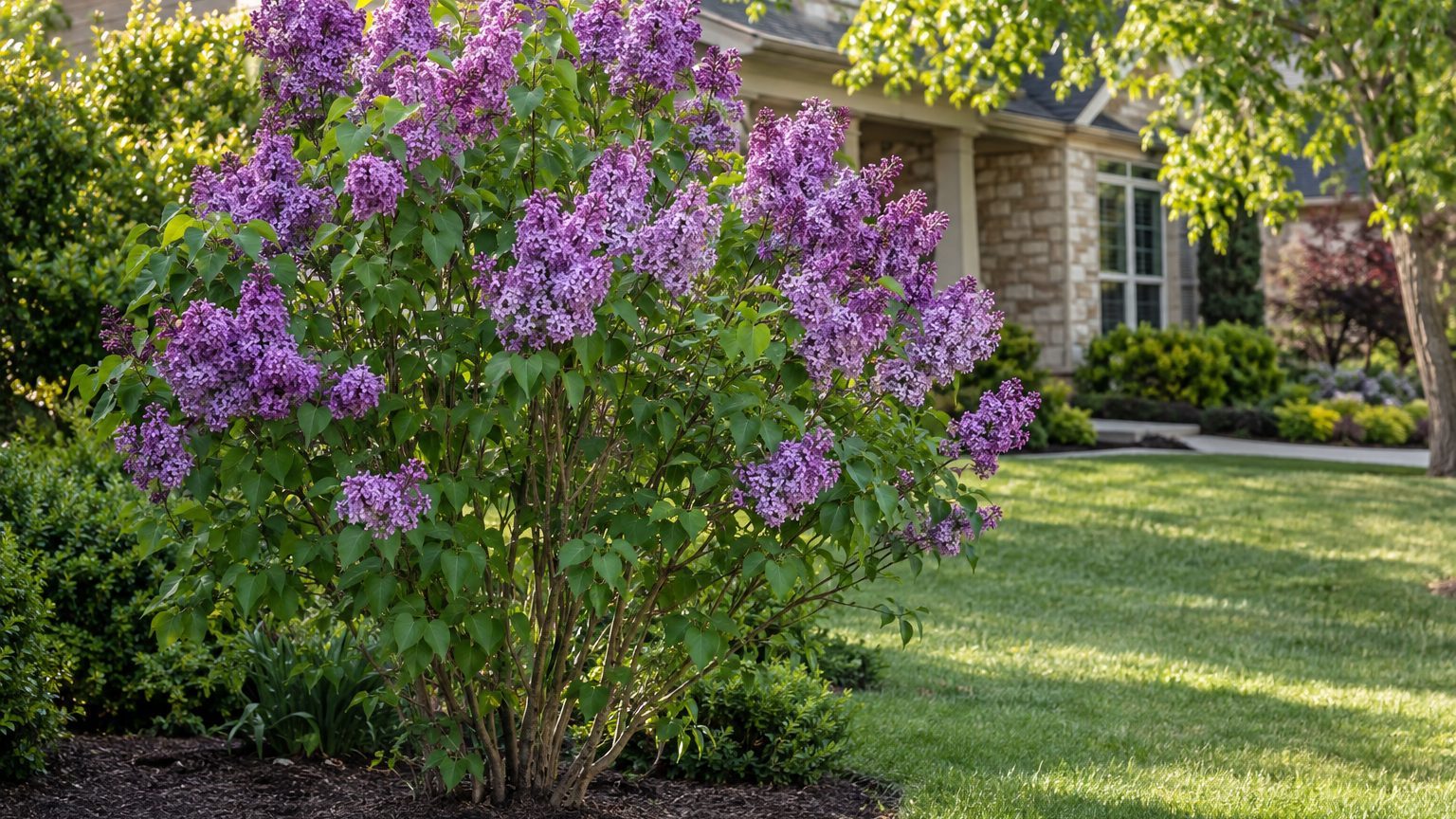
Where Texas winters stay mild, true lilacs bloom poorly or not at all because their buds need a cold rest. The common lilac wants a long cold winter, and Texas rarely delivers one. Gardeners here can get the look and color from Texas Lilac Vitex or from lilacs bred for warmer places.

Best Lilacs to Grow in Texas

Best Lilacs for Texas

Across much of Texas, winters are too mild and summers too hot and humid for the common lilac, so Texas Lilac Vitex is the statewide choice, with Southern and low-chill lilacs as true-lilac options to try. Lilacs need a cold winter rest to mature their flower buds, which is why warm-winter yards struggle.

Texas Lilac Vitex

Texas Lilac Vitex — Best Lilacs for Texas

Texas Lilac Vitex is the plant to pick if you want something that mimics the lilacs that grow up north. It is not a true lilac, but it does well in the South and grows in all areas of Texas.

Give it full sun and a spot that drains well. It does not tolerate wet feet.

Southern Lilacs

Southern Lilacs — Best Lilacs for Texas

Look for early-blooming varieties labeled Southern lilacs, or lilacs for the South. They usually grow and bloom in warm regions, though they are not as fragrant as the lilacs you may remember from colder places.

Lilacs bloom on last year’s wood and set next year’s buds in summer, soon after flowering. Prune right after the flowers fade. Cutting in late summer, fall or winter removes the next spring’s flowers.

Descanso Hybrids

The Descanso hybrids were bred for mild-winter gardens, which makes them worth a try in warm parts of Texas. The named choices are the white Angel White, the blue Blue Boy and the pink California Rose.

Plant one as a trial rather than a hedge. Results vary with how much winter chill your yard gets.

Low-Chill Cultivars

Some low-chill cultivars have been developed to bloom with little winter cold. Even these perform best when they get an extended, cold winter rest, so they suit the cooler corners of the state more than the Gulf side.

Read the plant tag for the chill the variety expects, and compare it with your own winters before buying.

Common Lilac

Common lilac (Syringa vulgaris) is sold widely, and many cultivars claim heat tolerance. In warm, humid country they often do not thrive as they do in colder regions.

Long stretches of high heat and humidity invite powdery mildew, a white dusting on the leaves. That makes it a gamble in most Texas yards.

How to Choose a Lilac for a Texas Garden

Texas covers USDA hardiness zones 6a to 10a, a system built on the average annual extreme minimum temperature. That spread means a Panhandle yard and a Gulf Coast yard need different answers.

Start from what your summers and winters do, then match the plant to that rather than to the picture on the tag.

Your situation What suits it in Texas Why
Hot, humid summer Texas Lilac Vitex Grows in all areas of Texas, while common lilacs struggle in heat and humidity
Mild winter with little chill Southern lilacs or Descanso hybrids Early-blooming Southern types usually grow and bloom, and Descanso hybrids were bred for mild winters
Need for winter cold Low-chill cultivars They bloom with little chilling but do best with an extended cold rest
Sunny, well-drained site Texas Lilac Vitex Needs full sun and good drainage
Colder winter, milder summer Common lilac, with caution Needs a cold rest to mature its buds, but heat and mildew still count against it

If your yard fits none of these rows neatly, Texas Lilac Vitex is the safer starting point, with a Southern lilac planted beside it as a trial.

Which Lilacs Suit Different Parts of Texas

Texas is large enough that winter cold, the thing lilacs want, changes sharply from one region to the next.

  • Panhandle: Winters here are colder than elsewhere in the state, which gives lilac buds the rest they need. Southern lilacs and low-chill cultivars have the best footing here, and common lilac is a fair trial.
  • North Texas: Winters are milder than in the Panhandle and summers turn hot and humid, so mildew becomes the worry. Southern lilacs are worth trying, with Texas Lilac Vitex as the dependable backup.
  • Hill Country: Chill and heat both vary from yard to yard. Low-chill cultivars and Descanso hybrids can work, and Texas Lilac Vitex is the plant to count on.
  • Gulf Coast: Winters are mild and summers hot and humid, so true lilacs bloom poorly or not at all. Texas Lilac Vitex is the choice that delivers.

Houston sits at the mild Gulf end, so a plan made there does not carry over to the Panhandle.

Lilac Buying Mistakes to Avoid in Texas

Buying a Northern Common Lilac

A common lilac chosen because of its fragrance often sulks in a hot, humid summer. It leafs out, may pick up powdery mildew, and flowers poorly without a cold winter rest.

Choose a Southern lilac, a low-chill cultivar or Texas Lilac Vitex instead, and treat a common lilac as a trial only in the colder north of the state.

Ignoring a Variety’s Chill Needs

A variety that expects more cold than your winter gives may grow leaves and skip the flowers, leaving you waiting in vain. Even low-chill cultivars do better with an extended cold rest.

Check the chill rating on the tag, and ask the county office what winters in your area actually deliver before you pay for the plant.

Planting Without Knowing the Adult Size

A shrub in a nursery pot tells you little about the plant it becomes. Planted too close to a wall, walk or window, a vigorous one ends up crowding it, and moving it later is hard work.

Look up the mature height and spread of the exact variety first, and mark that footprint on the ground before you dig.

Where to Get Lilac Advice in Texas

Local winters, soils and mildew pressure differ across the state, so advice from nearby gardeners beats any general rule. Local help is close at hand.

  • Texas A&M AgriLife Extension publishes plant guides for Texas, and its pages on Texas Lilac Vitex are a good first read before you shop.
  • Your county extension office can tell you which varieties have bloomed in local yards, so call before you buy.
  • Master gardener volunteers at that office often answer questions on mildew and winter chill, and spring visits suit planning for the next season.

Common Questions

What Else Is Texas Lilac Vitex Called?

It goes by Mexican lavender, lilac chaste tree, hemp tree, sage tree, monk’s pepper, Indian spice or simply Vitex. Check the botanical name on a tag to be sure you are buying the right plant.

Can Texas Lilac Vitex Grow in Alkaline Soil?

Yes, it grows well in acid and alkaline soils, which suits the wide range of soils across Texas. Sun and drainage matter more than soil type.

Will a Southern Lilac Smell Like a Northern One?

Not quite. Southern lilacs usually grow and bloom, but they are not as fragrant as the lilacs grown in colder regions.

When to Prune Lilacs in Texas

When to Prune Lilacs in Texas

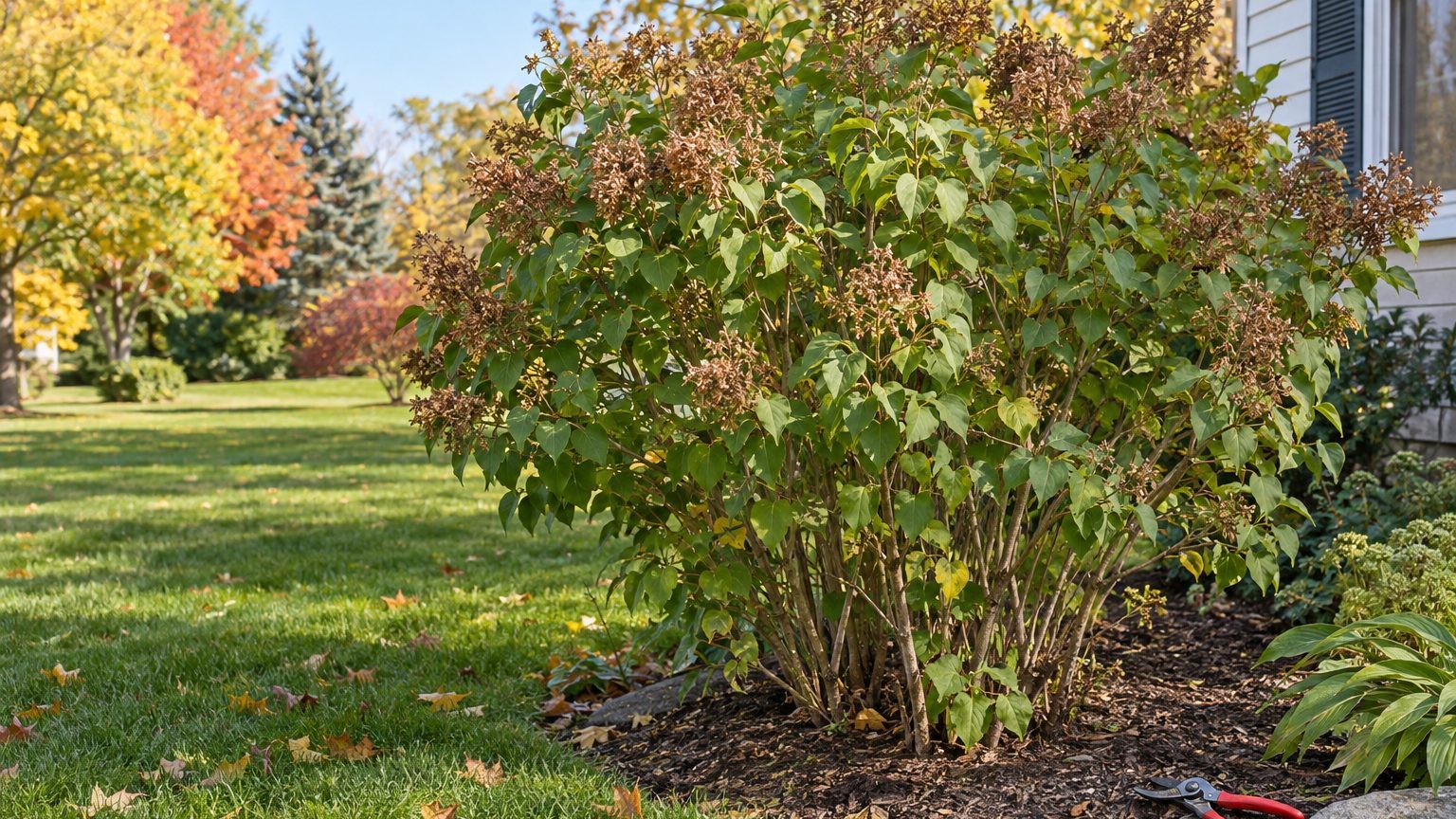
Brown, shriveled flower clusters hanging on a lilac signal that the pruning window has opened. In Texas, mild winters can limit bloom because the buds may not get enough cold rest. Timing here follows the bloom, not the calendar.

When to Prune Lilacs in Texas

Lilac stems after flowering

Prune once-blooming lilacs right after their flowers fade. Texas lilacs bloom with the local spring, so that moment arrives earlier on the Gulf side of the state and later in the colder north, and the fading blooms tell you when it has come.

The reason is simple. A lilac flowers on last year’s wood and sets next spring’s flower buds in summer, soon after it finishes blooming. Cutting early gives the shrub the whole season to form them.

Type of pruning When in Texas Why
Routine upkeep: spent clusters, crossing or weak stems Right after the flowers fade Pruning promptly avoids cutting off next spring’s flower buds
Routine pruning Not in late summer, fall or winter The buds for next spring are already on the stems and come off with the wood

Thinning an old, crowded lilac follows the same rule, so do it in that post-bloom window and expect it to take some bloom with it. Prune reblooming lilacs after their main spring flush, since later pruning removes flower buds. Lilacs also need a cold winter rest to mature their flower buds, so in much of Texas they may flower poorly whatever the pruning.

How to Tell When Your Lilacs Are Ready to Prune

Let the shrub set the date, because it reads the weather more accurately than any schedule can.

  • Flower clusters turning brown and papery tell you the bloom is finished and cutting can begin.
  • Petals dropping from most of the panicles means the show is over, even if a few late clusters hold on at the top.
  • Small green seed pods forming where flowers were mean the plant has started spending energy on seed, so snip those clusters off.
  • Fresh green shoots pushing from the base and the leaf axils show that new wood is growing, and that new wood will carry next spring’s buds.
  • A shrub that has stopped blooming but is still in leaf is ready, while one that has dropped its leaves is already past the window.

Once these signs line up, the cutting is quick, and the sooner you finish, the more time the shrub has to set buds.

Should You Prune Lilacs in Fall or Winter in Texas?

No. Cutting in fall or winter removes the buds that would open the following spring. The stems look bare and dormant, but the flower buds are already sitting on them, so each cut takes a handful of blooms with it.

Avoid hard reshaping in late winter because it removes spring flower buds.

Dead or broken wood is a different matter. A cracked branch can come out whenever you spot it, since it carries no flowers worth saving.

How Lilac Pruning Time Shifts Across Texas

Texas spans USDA zones 6a to 10a, so lilacs behave very differently depending on where you live, and the pruning moment moves with the bloom.

  • Panhandle: Winters are colder here, which gives lilacs the chilling they want. Spring arrives later, so the flowers fade and the pruning window opens later than elsewhere in the state.
  • North Texas: Winters are milder than in the Panhandle, so lilacs bloom earlier and flower less reliably. Prune as soon as the last clusters fade, and expect common lilacs to struggle in the long, hot summers.
  • Hill Country: Spring comes earlier and summers run hot, so a lilac here may bloom lightly. Prune right after the flowers go, and try the low-chill types sold as Southern lilacs.
  • Gulf Coast: Winters are mild and summers are humid, so common lilacs seldom flower well. Where one does bloom, the window comes early, and heat and humidity invite powdery mildew.

Wherever you garden, the fading flowers set the date, and the choice of cultivar matters as much as the timing.

Where to Get Lilac Advice in Texas

Texas is large enough that advice for one region can mislead in another. Texas A&M AgriLife Extension and your county office can tell you which lilacs have done well near you.

  • The state extension service offers guidance on shrubs for Texas conditions, and checking it before you buy can save you from a poor choice.
  • Ask your county extension office which low-chill lilacs have performed well nearby.
  • Call or visit just after your lilac finishes blooming, with a photo of the shrub, and ask what to cut.

Common Questions

Which Lilacs Grow Best in Texas?

Low-chill types do better than the common lilac. Look for those sold as Southern lilacs, and for the Descanso hybrids Angel White and Blue Boy. They tend to be less fragrant than the lilacs of colder places, but they grow and bloom with less winter cold.

Why Is a Texas Lilac Not Blooming?

Check the essentials first. First, look at the stems. Healthy green growth without flower buds can point to a mild winter that did not give the shrub enough chilling. Second, think back to when it was last cut. If the pruning came in late summer, fall or winter, the buds were removed with the wood.

Do Lilacs Get Powdery Mildew in Texas?

They can. Common lilacs struggle through hot, humid summers, and a white, dusty film on the leaves is the usual sign. Thinning crowded stems right after bloom lets air move through the shrub, and choosing a heat-adapted variety can help.

When Do Lilacs Bloom in Texas? Dates and Care

When Do Lilacs Bloom in Texas? Dates and Care

A lilac in a Texas yard is a gamble that pays off best in the cooler corners of the state. Where winters stay mild, the shrub often leafs out well and flowers thinly, if at all.

When Do Lilacs Bloom in Texas?

When Do Lilacs Bloom in Texas? Dates and Care

Lilacs in Texas bloom when the local spring arrives, so the show comes earlier along the Gulf than on the High Plains. A lilac’s year here follows a clear sequence of stages.

  • In late winter, buds on a shrub that got enough cold begin to swell as the days lengthen.
  • In spring, the flower clusters open on last year’s wood, and Southern types tend to bloom early with less fragrance than the lilacs of cold climates.
  • Right after the last flowers fade, the shrub is ready for any pruning, because next year’s buds start forming soon afterward.
  • Through summer, the plant sets those new flower buds while heat and humidity push mildew onto the leaves.
  • In fall and winter, the shrub rests, and cold nights finish maturing the buds that will open in spring.

At the Houston reference location, the last spring freeze window runs from February 4 to March 1, but frost can still occur outside it. At the Houston reference location, the first fall freeze window runs from December 1 to December 19, reflecting the Gulf Coast’s short winter rest.

The USDA hardiness zone system places Texas somewhere between 6a and 10a, and Houston sits at the mild end. The Panhandle, North Texas and the Hill Country each follow their own calendar.

Which Lilacs Grow Best in Texas?

Common lilacs struggle across much of Texas, and the reason is the climate. They need a cold winter rest to mature their flower buds, and they do poorly in hot, humid summers.

Types bred for warmer places give you better odds. Even those perform best after a long, cold rest, so expect modest results south of the Panhandle.

Lilac type How it does in Texas Why
Common lilac (Syringa vulgaris) Often struggles High heat and humidity invite powdery mildew
Cultivars sold as heat tolerant Frequently disappoint They still do not thrive as well as in cooler climates
Southern lilacs, also labeled lilacs for the South Usually grow and bloom They flower early, though with less fragrance
Descanso hybrids Worth trying They were developed for warm climates
Low chill cultivars Bloom with little chilling They still do best with an extended, cold winter rest

Among the Descanso hybrids, ‘Angel White’ and ‘Blue Boy’ are names to look for at a nursery. Ask for a Southern lilac by that label, and keep expectations realistic if your yard sits near the Gulf.

When to Plant, Prune and Feed Lilacs in Texas

Lilacs bloom on last year’s wood, so the pruning moment matters more than any other date. Cutting at the wrong time removes the flower buds the shrub has already made. Pruning has its own page, When to Prune Lilacs in Texas, so the table keeps to the signs.

Task Best timing in Texas Why then
Prune Right after the flowers fade Next year’s flower buds form soon afterward
Hold the shears Late summer, fall and winter Cutting then removes the coming spring’s flowers
Leave the shrub alone Through the cold weeks of winter The cold rest matures the flower buds

Because Texas climates differ sharply, ask your county extension office for planting advice suited to your area. Before adding fertilizer, have the soil tested so you feed what the soil lacks. A lilac already in leaf and bud should be fertilized only if the soil test shows a need.

How Lilac Bloom Time Changes Across Texas

Texas stretches across several climates, so a lilac bloom shifts with how cold the winter gets and how soon spring warms the soil.

  • The Panhandle: Winters are colder here and spring arrives later, so lilacs get more winter rest than in southern Texas and bloom later.
  • North Texas and the Hill Country: Spring comes earlier than on the High Plains, but summers are hotter, so mildew and weak bloom become more common.
  • Houston and the Gulf Coast: Winters are mild and summers are humid, so bloom comes early when it comes at all, and Southern types are the realistic choice.

Pick the entry closest to your yard and treat the others as neighbors with a different clock.

Where to Get Lilac Advice in Texas

Texas A&M AgriLife Extension serves every county, and the local office can help diagnose a failing shrub or explain how to get your soil tested. The advice there fits your own climate rather than a national average.

  • Your county extension office can explain how to collect a soil sample and use the results before you plant or feed.
  • Contact the county office before bringing a sample, and ask what photos or plant material will help with diagnosis.
  • Ask which Southern lilac or low chill cultivar suits your area before you buy.

Common Questions

How Can You Tell Powdery Mildew from Dust on Lilac Leaves?

Powdery mildew can leave a white coating in warm, humid weather, but wiping the leaf is not a reliable way to distinguish it from dust. Dust can settle on leaves after dry, windy days; if the coating is unclear, ask your county extension office to identify it.

Are Southern Lilacs as Fragrant as Northern Ones?

Southern lilacs usually grow and bloom well, but their scent is lighter than the lilacs gardeners know from colder climates. Plant one near a path or window if you want to enjoy what fragrance it has.

Do Southern Lilacs Bloom Earlier than Common Lilacs?

Yes. Varieties sold as Southern lilacs are early-blooming, so their flowers open ahead of a common lilac in the same yard. That also means a late freeze can catch the buds, so watch the forecast once they swell.

Best Roses for Texas

Best Roses for Texas

Roses tested in Texas have already faced heavy clay or loose sand, summer heat and dry spells. Tested roses save you money and spring disappointment.

Best Roses to Grow in Texas

Healthy roses in bloom

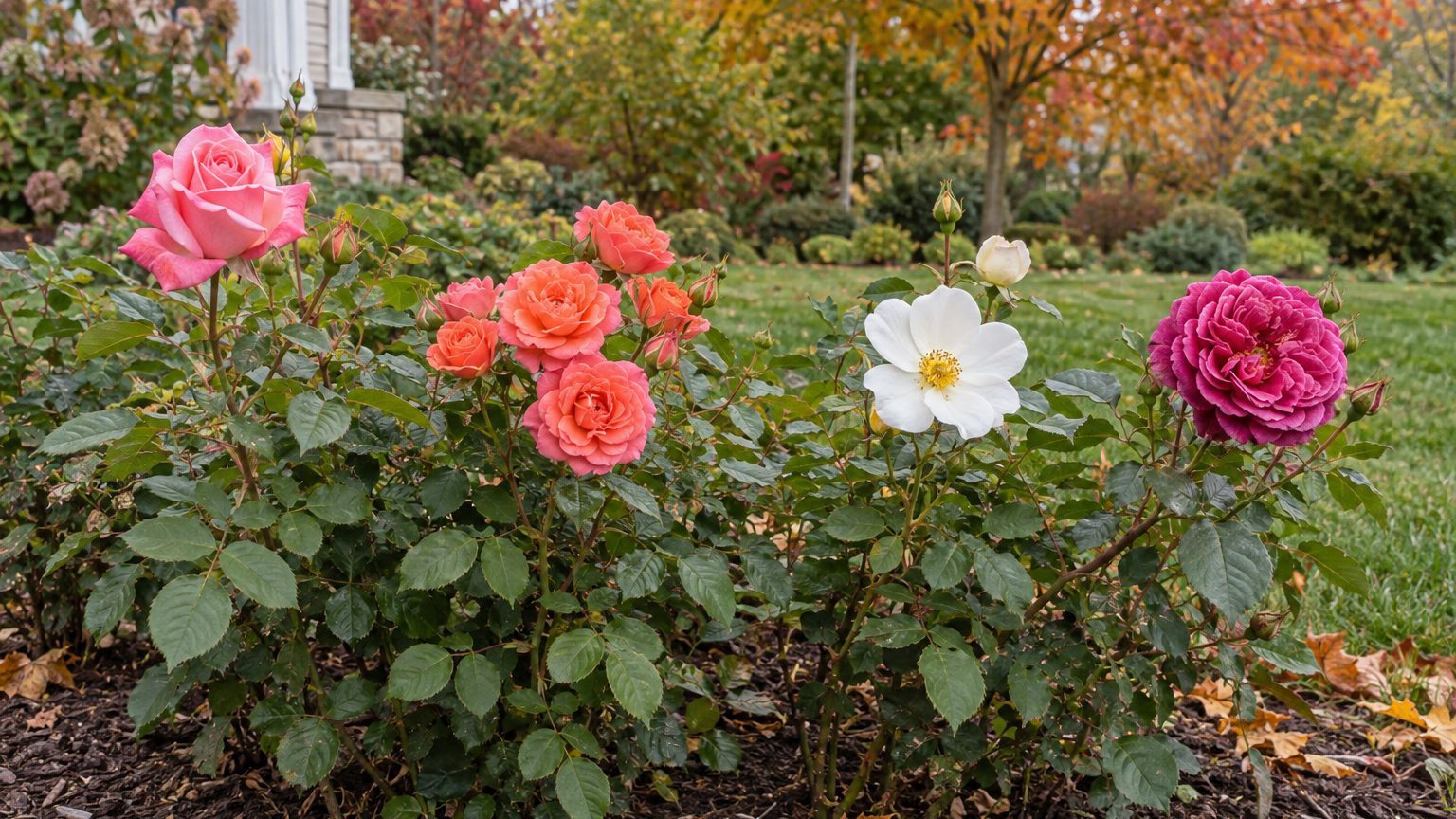
Earth-Kind roses hold up across Texas, while antique roses have been tried around Austin; the Earth-Kind group adds pest tolerance plus heat and drought tolerance once established.

Earth-Kind Roses

Earth-Kind is a designation a Texas extension program gives to select cultivars. It goes only to roses that showed superior pest tolerance and outstanding landscape performance in research and field trials. The list now holds 21 types.

Once established, these roses handle heat and drought well, and many bloom in successive flushes over multiple seasons.

Antique Roses

In the Austin area, antique roses are recommended alongside Earth-Kind ones simply because they have been tried and tested for local soil and climate. They suit a yard where you want a rose that has already proven itself.

Some antique types, like ramblers and many climbers, flower once a year on last year’s wood. Prune those right after they bloom, never in early spring.

Double Knock Out

This shrub rose is known for a robust nature, cherry-red double flowers and a sweet, fruity fragrance.

It provides continuous blooms throughout the growing season, so it earns its keep in a front bed that should look good for months.

Pink and Yellow Earth-Kind Picks

An Earth-Kind rose has bubble-gum pink double blooms, reliable color and disease resistance, making it a favorite among home gardeners and landscapers.

Another produces soft yellow clusters of fragrant flowers and is called versatile. Ask a local nursery whether either is stocked before you plan a color scheme around it.

How to Choose a Rose for a Texas Garden

Start with an Earth-Kind rose or another variety that is easy to grow. Starting there narrows the search before you match a rose to your soil and summer conditions.

After that, match the rose to what your yard actually deals with.

Your situation What suits it in Texas Why
Humid summer and disease worries Earth-Kind roses, or the bubble-gum pink double-flowered rose Earth-Kind status requires superior pest tolerance, and the pink rose is noted for disease resistance
Heat and dry spells Earth-Kind roses Once established, they have excellent heat and drought tolerance
Little time to spend Earth-Kind roses or Double Knock Out They are easy to grow, and Double Knock Out blooms continuously through the season
Clay or sandy soil Earth-Kind roses They do well from well-drained acid sands to poorly aerated, highly alkaline clays

Timing matters as much as variety. Bare-root roses go in best in January or February, before the buds break, which is usually on or before February 14. It can also be done in March, and potted roses can go in later. Where winters run harder than the Gulf end of the state, ask your county office which hardy types do well locally.

Which Roses Suit Different Parts of Texas

Texas stretches from the Gulf to the high plains, so the same rose behaves differently depending on where it sits, and the winter you plan for changes with the map.

  • The Gulf Coast: Houston sits at the mild end of the state, so winter is the least worry here. Put the weight on heat and humidity tolerance, which is where Earth-Kind pest tolerance earns its place.
  • Austin and the Hill Country: Earth-Kind and antique roses are the proven choices around Austin, and the Hill Country can run colder, so check local advice before buying anything tender.
  • The Panhandle: Freezes arrive earlier and linger longer than on the coast. Choose roses with extra care, favor tough, proven types, and prune before the buds break.

North Texas differs again from each of these, so your county extension office can advise you on what survives its winters.

Rose Buying Mistakes to Avoid in Texas

Roses Nobody Tested Here

A rose that thrived in a catalog photo may not have faced Texas clay, heat or drought. It can sulk, drop leaves or fail, wasting the plant and the planting effort.

Look for the Earth-Kind designation, which is awarded only after field trials in Texas, or choose an antique rose with a local track record.

Ignoring Your Hardiness Zone

Texas covers USDA hardiness zones 6a to 10a, a range built on the average annual extreme minimum temperature. A rose that sails through a Gulf Coast winter may suffer in the Panhandle.

Find your own zone before you buy, and ask the nursery whether the rose has grown well in your part of the state.

Pruning at the Wrong Time

Repeat-blooming roses such as hybrid teas, floribundas and modern shrub roses are best pruned before they begin growing but after winter dormancy. That usually means February, though January or March can work depending on location, and mid-February is typical in Austin.

Cutting at the wrong moment trims away new growth or leaves old canes untidy. Watch the buds and the weather rather than the calendar alone.

Where to Get Rose Advice in Texas

Local advice beats general advice for roses, because soil, winters and disease pressure change from one county to the next. Reliable help is close at hand.

  • Texas A&M AgriLife Extension publishes rose pruning guidance and the Earth-Kind rose list, so check it before you shop for plants.
  • Your county extension office can tell you which roses grow well locally and when to prune in your area. Call before you buy in winter, ahead of bare-root planting time.

Common Questions

What Does Earth-Kind Mean on a Rose?

It marks a rose that earned a designation from a Texas extension program, awarded after extensive research and field trials showed superior pest tolerance and outstanding landscape performance.

Will Earth-Kind Roses Grow in Clay or Sandy Soil?

They do well across a wide range of soils, from well-drained acid sands to poorly aerated, highly alkaline clays.

Do Earth-Kind Roses Bloom More than Once?

Many have successive blooms over multiple seasons, so they keep flowering rather than putting on a single show.

When to Prune Roses in Texas

When to Prune Roses in Texas

Pruning shears come out in Texas while much of the country is still under snow, and that early start is the point. Repeat-blooming roses here are cut back in the cool, mild stretch of late winter, just before the canes wake up. The right month depends on the kind of rose and on where in the state you garden.

When to Prune Roses in Texas

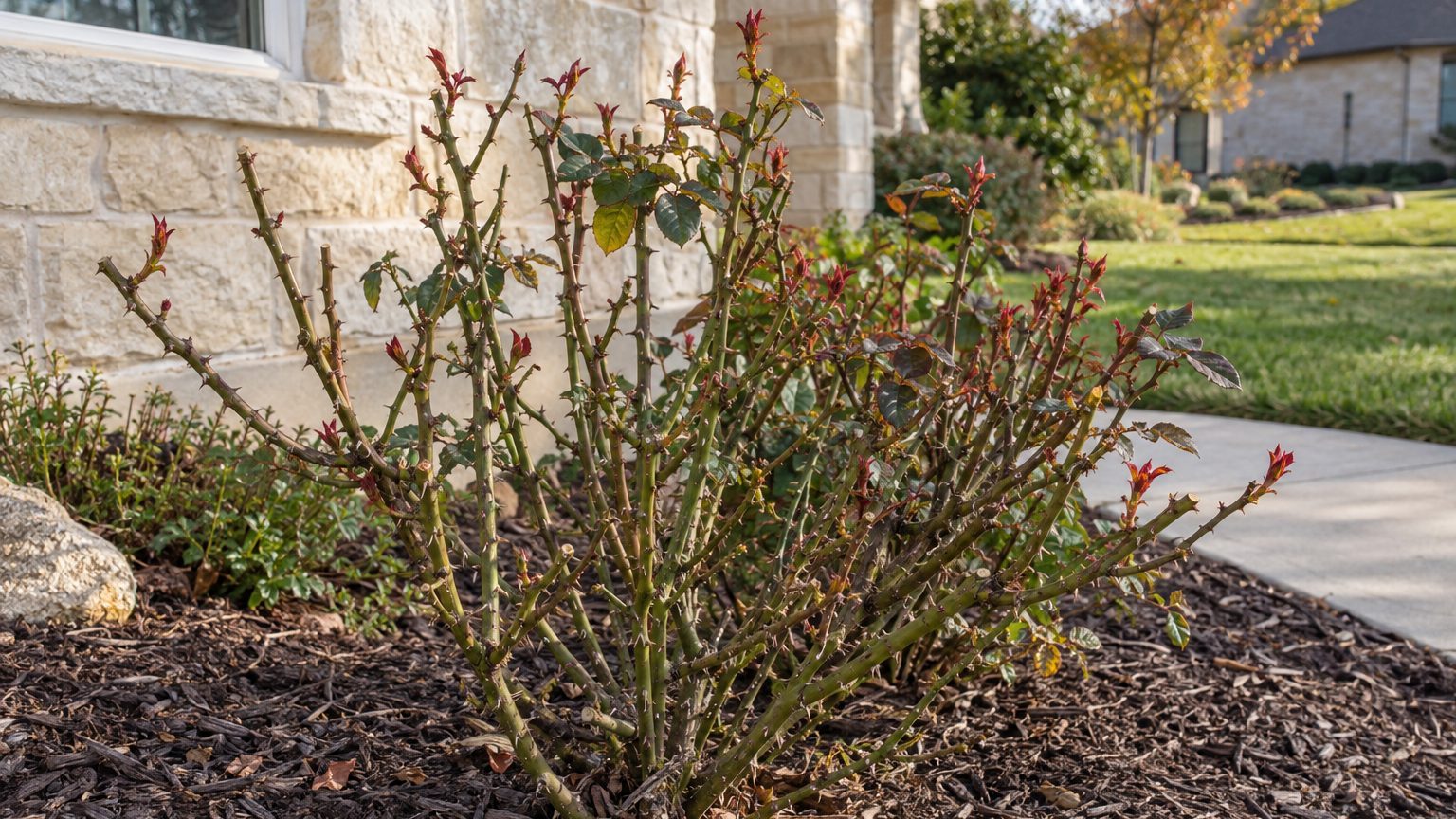
Rose canes at pruning time

February is the month for pruning repeat-blooming roses in Texas. It can also be done in January or March, depending on where you live, and in Austin the target is mid-February. The aim is to cut after winter dormancy but before new growth gets going.

Type of rose When to prune in Texas Why
Repeat-blooming roses (hybrid teas, floribundas, modern shrub roses) February, or January and March depending on location. Mid-February in Austin. Cutting before growth starts but after dormancy sets up the new canes that carry the next flowers.
Once-blooming roses (old garden roses, ramblers, many climbers) Right after they finish flowering, never in spring. They flower once a year on last year’s wood, so a spring cut removes the buds.

Climbers need a quick check of habit first. A climber that blooms again through the season follows the February timing of the repeat-bloomers, while a climber that flowers once a year is pruned with the old garden roses, right after its show ends.

How to Tell When Your Roses Are Ready to Prune

Buds and weather give better cues than the calendar page, and in a state this large they matter more than a single date.

  • Swelling buds along the canes mean growth is about to start, so the shears should already be in hand.
  • Bare canes with no leaves yet mean the rose is still resting, which is the stage you want for cutting.
  • A run of hard freezes behind you is a good sign, because pruning stimulates growth and a late freeze can nip tender new shoots.
  • A mild, dry day is ideal, since you will be working slowly and the cut ends dry quickly.
  • Sprouting buds already open on a bare-root rose mean the ideal planting window has closed.

Dress for thorns before the first cut, with a long-sleeve shirt, heavy gloves, glasses, a hat and closed shoes.

Should You Prune Roses in Fall or Winter in Texas?

Fall is not a pruning season for repeat-blooming roses here. Their calendar runs from January through March, and nothing in it points to autumn. A heavy cut at that point would only push tender growth ahead of colder weather, so fall is better spent on planting and general tidying than on shaping.

Winter is another matter, since January falls inside the window in milder parts of the state. If the weather has been warm and the buds are already stirring, you can start then. In colder spots, wait for February or even March, and leave severe cutting until the rose is close to waking up.

Planting follows its own calendar. Bare-root roses go in from January to February, on or before February 14, before the buds break. Potted roses are more flexible and can go in from early fall through early spring.

How Rose Pruning Dates Shift Across Texas

Texas stretches across several climates, and the window of January to March slides depending on how soon winter loosens its grip.

  • Gulf Coast and Houston: Winters are mild here, so roses wake early and the front end of the window, January into February, makes sense.
  • Austin and the Hill Country: Mid-February is the usual target in Austin, and the same timing works as a starting point for nearby gardens.
  • North Texas: Winters run colder than along the coast, so plan toward the later part of February and into March, and let the buds confirm it.
  • The Panhandle: Freezes arrive earlier and linger later than in the rest of the state, which pushes pruning toward the end of the window.

Within any one of these areas, a sheltered city yard warms sooner than open country, so watch your own roses as well as the date.

Where to Get Rose Advice in Texas

Local help is worth using in a state with this much variety. Texas A&M AgriLife Extension publishes rose guidance, and your county office can speak to your own soil and conditions.

  • The extension site carries pruning articles and the Earth-Kind rose program, so look there when you are choosing varieties for planting.
  • Your county extension office can answer questions about local timing, so call it in January, before the pruning window opens.

Common Questions

What Should You Wear to Prune Roses?

Wear a long-sleeve shirt, a hat, glasses, heavy gloves and closed shoes. Rose thorns catch bare skin easily, and canes spring back when cut.

When Should You Plant Bare-Root Roses in Texas?

Plant them before the buds break, usually on or before February 14. In an especially mild winter, that can mean early January.

Which Roses Do Well in Texas?

In the Austin area, Earth-Kind and Antique roses have been tried and tested in local soil and climate. Earth-Kind roses are also a good place to start elsewhere in Texas.

When to Plant Roses in Texas: Dates and Varieties

When to Plant Roses in Texas: Dates and Varieties

A bare-root rose shows up in winter as a bundle of brown canes and dry roots, and in Texas it goes into the ground while still asleep. Potted roses are more forgiving about timing. The dates for roses in Texas run from a midwinter planting window to a February pruning, and they shift a good deal between the Gulf Coast and the Panhandle.

When to Plant Roses in Texas

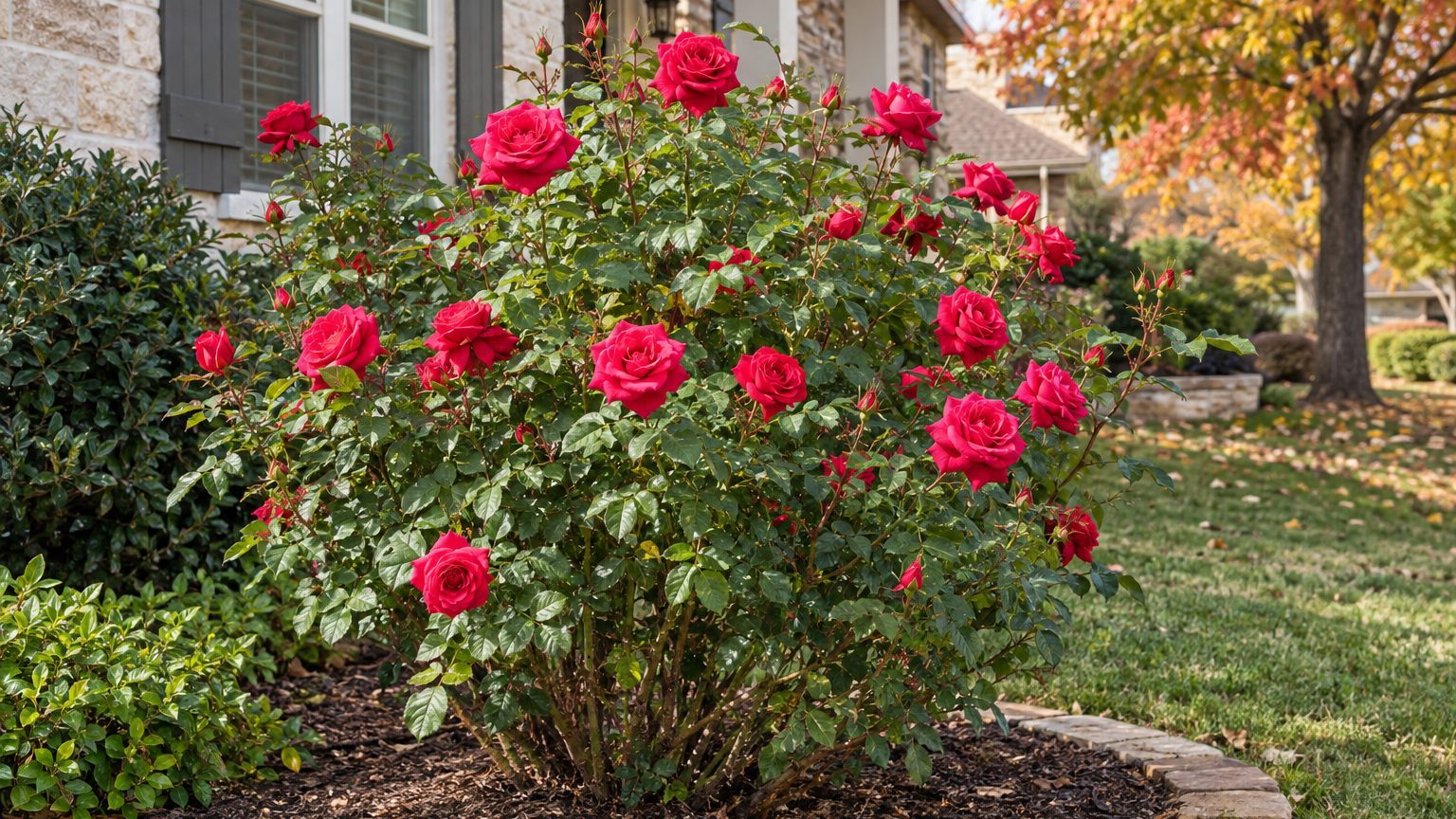
A rose bush in bloom in a home garden

Bare-root roses go in first, from January to February, and container roses can wait until later in the year.

  • In January, bare-root roses can go in, and in an especially mild winter the planting can start in early January.
  • By mid-February, the bare-root job should be done, because the plants need to be in the ground on or before February 14, before the buds break.
  • In March, a bare-root rose can still be planted if the winter got away from you, though the buds are close to breaking and the sooner it goes in the better. In Houston, the last spring freeze falls between February 4 and March 1, so a freeze can still burn the soft first shoots of a young rose.
  • After the bare-root window closes, container roses can go in later, and the early fall through early spring stretch is the one Austin-area gardeners favor for them.
  • From October through December, bare-root planting opens again. In Houston, the first fall freeze arrives between December 1 and December 19.

Houston sits at the mild Gulf end of a state whose USDA hardiness zones run from 6a to 10a, so the Panhandle, North Texas and the Hill Country all shift these dates.

Which Roses Grow Best in Texas?

Texas stretches from cold Panhandle winters to the mild Gulf, so choose roses proven in local soil and climate rather than relying on catalog looks alone. Extension guidance points to locally proven groups.

The Earth-Kind rose list is a reliable starting point if you want a rose that has already proved itself in the state.

Rose type How it does in Texas Why
Earth-Kind roses Proved to do well in Texas They have proved themselves in Texas gardens.
Antique roses Recommended for the Austin area Tried and tested for local soil and climate

Hybrid teas, floribundas and modern shrub roses are repeat bloomers and are widely planted here, but the extension advice does not single them out as local standouts in the same way. Treat them as a choice to make with a local nursery, and check that a variety suits your part of the state before you buy.

When to Prune, Feed and Protect Roses in Texas

Pruning repeat-blooming roses and planting bare-root ones have clear months in Texas, while feeding and winter protection depend on the rose and local conditions. These jobs belong to the quiet end of winter, when the canes are dormant and the weather is mild enough to work outside.

Pick a mild day for pruning, and dress for thorns: a long-sleeved shirt, a hat, glasses, heavy gloves and closed-toe shoes.

Task Best months in Texas Why then
Pruning repeat-blooming roses February, or January to March depending on location Roses rest in winter, and new growth has not yet started
Planting bare-root roses January and February, with March and October to December as fallbacks The plant goes in dormant, before the buds break

Hybrid teas, floribundas and modern shrub roses bloom on new wood, which is why they take a hard pruning in late winter. Once-blooming roses, including old garden roses, ramblers and many climbers, flower once a year on last year’s wood. Prune those right after they bloom, never in early spring, or you cut off the year’s flowers. The full routine for these roses is on the separate page about when to prune roses in Texas.

How Rose Care Dates Change Across Texas

Texas covers enough ground that a single calendar cannot fit it, and the usual swing runs from the Gulf toward the Panhandle.

  • Gulf Coast: Winters are mildest here, so bare-root planting can start early in a mild winter and frost risk to new shoots ends sooner than inland.
  • Austin and Central Texas: Pruning tends to land around mid-February, which sits in the middle of the state’s January to March range.
  • Panhandle: Freezes arrive earlier in fall and linger later in spring, so planting and pruning sit later in their windows, and it pays to watch the buds rather than the calendar.
  • North Texas and the Hill Country: These regions differ from the Gulf and from the Panhandle, so use the range of months as a guide and let the swelling buds make the final call.

When in doubt, use local conditions and swelling buds to choose within the recommended window.

Where to Get Rose Advice in Texas

Texas has a large network of local help, and it is built around your county. Texas A&M AgriLife Extension and your county extension office can answer questions that depend on your soil and your corner of the state.

  • The state extension website lists Earth-Kind roses and local planting advice, and it is worth a visit before you order bare-root plants in winter.
  • Your county extension office can diagnose a sick plant from a cane or leaf sample, so go as soon as a problem shows up.
  • The same office can run a soil test, and a sample taken before the bare-root roses arrive tells you what the bed needs before planting.

Common Questions

What Should You Wear to Prune Roses in Texas?

Wear a long-sleeved shirt, a hat, glasses, heavy gloves and closed-toe shoes. Pruning cuts leave thorny canes lying around, and a mild day in mid-February makes the work comfortable.

Can You Prune Roses in January in Texas?

In some places, yes. The pruning window runs from January to March depending on location, so warmer parts of the state can start sooner. Wait until winter dormancy is well along and before the roses begin growing, and let the local weather decide.

What Does the Hardiness Zone Tell You About Roses?

The USDA hardiness zone rests on one number, the average annual extreme minimum temperature. It tells you how cold a winter your rose may face, but it says nothing about frost dates or summer conditions, so use it alongside local frost timing and advice from your county office.

The almanac, state by state. Every date on this site comes from a state’s own frost facts and its extension service’s calendar — and says where it comes from.