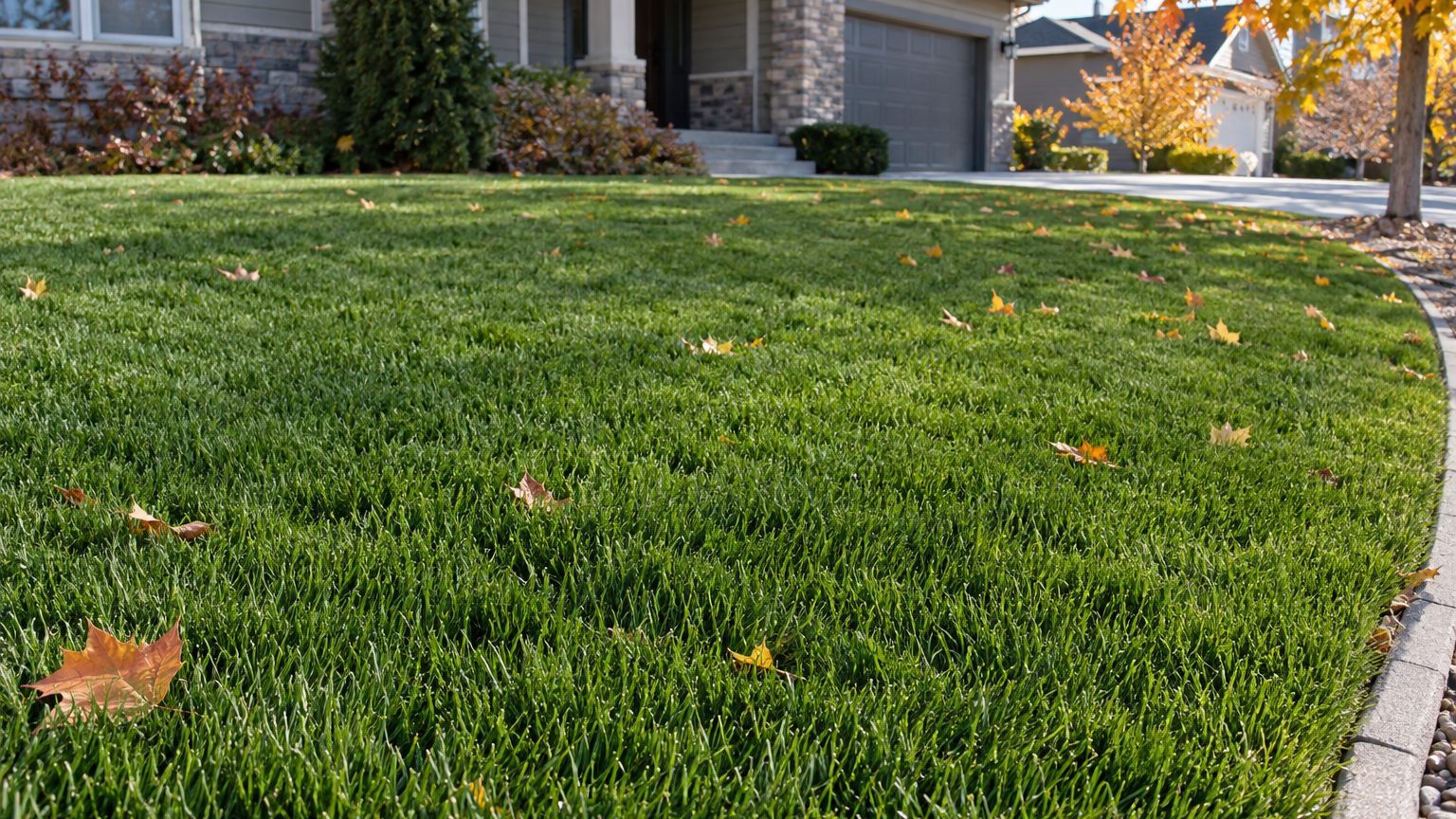
A Saskatchewan lawn sleeps under snow, then wakes fast once the soil thaws and the prairie sun arrives. The grass that thrives here is cold-hardy and tolerates dry spells, and the work clusters in spring and late summer.
Frost Dates and Growing Season in Saskatchewan

In Saskatoon, the last spring frost arrives on average around May 18, which means half of all years see frost after that date, so treat it as the middle of a window and never as a safe date. The first fall frost averages around September 18, and the same caution applies. The reference city sits in Canadian hardiness zone 3a (a Canadian rating, not a USDA zone), and northern or upland districts run weeks behind it. A late frost can burn young seedlings, and an early one ends the seeding season sooner than you expect. Growth itself follows soil warmth, not the calendar.
- In early spring, the snow melts and the lawn stays dormant and tan, so stay off soggy turf and rake out any matted grass once it dries.
- In May, the soil warms and the grass greens up, which is when fertilizing, crabgrass preventer and the first mowings belong.
- From June through August, the grass grows steadily and needs regular mowing and watering, with a pause on fertilizer when heat stalls it.
- In August and September, cooler nights bring the strongest recovery, so this is the season for aeration, dethatching and seeding before frost arrives.
- In October, mowing winds down, and seed spread on cold soil in November sits dormant until spring.
Use soil warmth, turf growth and local frost risk as your cues, and the dates become easier to judge.
Saskatchewan — the year and the numbers
- State
- Saskatchewan
- Hardiness zones
- 3a
- Last spring frost
- May 18
- First fall frost
- September 18
- Annual rain
- 14 in
- Lawn type
- cool-season
- Source
- Environment and Climate Change Canada — Canadian Climate Normals 1981-2010, station SASKATOON SRC · Saskatoon
Cool-Season or Warm-Season Grass in Saskatchewan?
Cool-season grass is the only sensible choice here. Winters are long and deeply cold, and warm-season grasses cannot survive them. Summer heat can slow cool-season turf, especially during dry spells.
Cool-season lawns also green up early and grow hardest in spring and early fall, which suits a short prairie season.
| Grass | How it does in Saskatchewan | Why |
|---|---|---|
| Kentucky bluegrass | The standard lawn grass of the northern prairies | Hardy through cold winters and spreads to fill thin spots |
| Creeping red fescue | Reliable, low-fuss turf | A fine fescue that copes with lean soil and some shade |
| Chewings fescue | Good in mixes | A fine fescue with a dense, fine-bladed habit |
| Hard fescue | Holds up with little care | A fine fescue suited to drier, low-input lawns |
| Perennial ryegrass | Short-lived in the coldest winters | Sprouts quickly but can winterkill |
St. Augustinegrass is never sold as seed and has no place in a province this cold. Ryegrass may serve as a fast starter rather than the long-term backbone.
When to Seed, Fertilize and Aerate a Lawn in Saskatchewan
Late summer is a busy stretch for lawn work here, with another round in spring. Warm soil and cooler air give new grass the best chance to root before winter.
If you miss the late-summer window, seeding also works in May, and dormant seeding in November is a fallback.
| Task | Best months in Saskatchewan | Why then |
|---|---|---|
| Seeding | August, September (May also works) | Warm soil and cooler air help seed root before freeze-up |
| Dormant seeding | November (October also works) | Seed on cold soil waits and sprouts in spring |
| Fertilizing | May, September | Feeds spring green-up and fall root growth |
| Core aeration | August, September | Opens compacted soil while grass is actively growing |
| Dethatching | August, September | Grass recovers quickly in the cooler weather |
| Crabgrass preventer | May | Goes down before the weed seed germinates |
| Watering | May through September | Keeps the lawn growing through dry stretches |
Mowing runs from May through October, whenever the grass is growing. Aeration and seeding pair well, since seed dropped into fresh holes touches soil and sprouts more reliably.
Lawn Problems to Watch for in Saskatchewan
Winterkill Patches in Spring
When snow melts and large tan or straw-colored patches stay brown while the rest greens up, winter has killed the grass. A gentle tug that pulls the blades up easily with no roots suggests the roots are dead, but it does not identify the cause by itself. Long, hard winters cause this, and ryegrass is especially vulnerable. Rake the patch, loosen the soil and reseed when the soil warms.
Dry, Dormant Summer Turf
Grass that turns tan in midsummer yet greens up again after watering may have gone dormant from drought rather than died. Footprints that linger on the lawn are another sign of thirst. Water deeply and regularly during dry spells, and keep mowing high so the soil shades itself.
Compacted, Thin Turf
Thin grass on a hard, heavily walked area, where a screwdriver barely pushes in, points to compacted soil. Core aeration in August or September loosens it, and overseeding afterward fills the gaps.
How Lawn Care Dates Change Across Saskatchewan
The province is big, and the season shifts with latitude and landscape.
- Regina and the southern prairie: Spring arrives a little earlier here, so green-up and May tasks can start sooner, though dry summers make watering matter more.
- Saskatoon and the central parkland: This is the middle ground, and the dates in this article fit it best.
- Prince Albert and the northern forest edge: Spring comes later and fall frost arrives sooner, so shift every task later in spring and earlier in late summer.
Soil that stays cold longer in shaded or low spots delays growth there, even within one yard.
Where to Get Lawn Advice in Saskatchewan
Canada has no county extension offices, so lawn questions go through the province, local gardening groups and garden centres.
- The Government of Saskatchewan agriculture pages point to provincial resources when you need guidance on soil or grass.
- A local master gardener group or garden centre can help diagnose patchy turf, ideally in spring or late summer when the problem shows.
- A soil test before the late-summer feeding tells you what the lawn lacks.
Common Questions
Can You Plant Grass Seed in Saskatchewan in Spring?
Yes, May works as a fallback when late summer slipped by. Seedlings face more weed competition and summer stress than fall seed, so keep them watered regularly.
What Is Dormant Seeding and Does It Work in Saskatchewan?
Dormant seeding means spreading seed in November on cold soil so it stays put through winter and sprouts in spring. October also works if November is missed.
Should You Fertilize a Lawn in Saskatchewan?
Yes, in May to support green-up and again in September to build roots before winter.