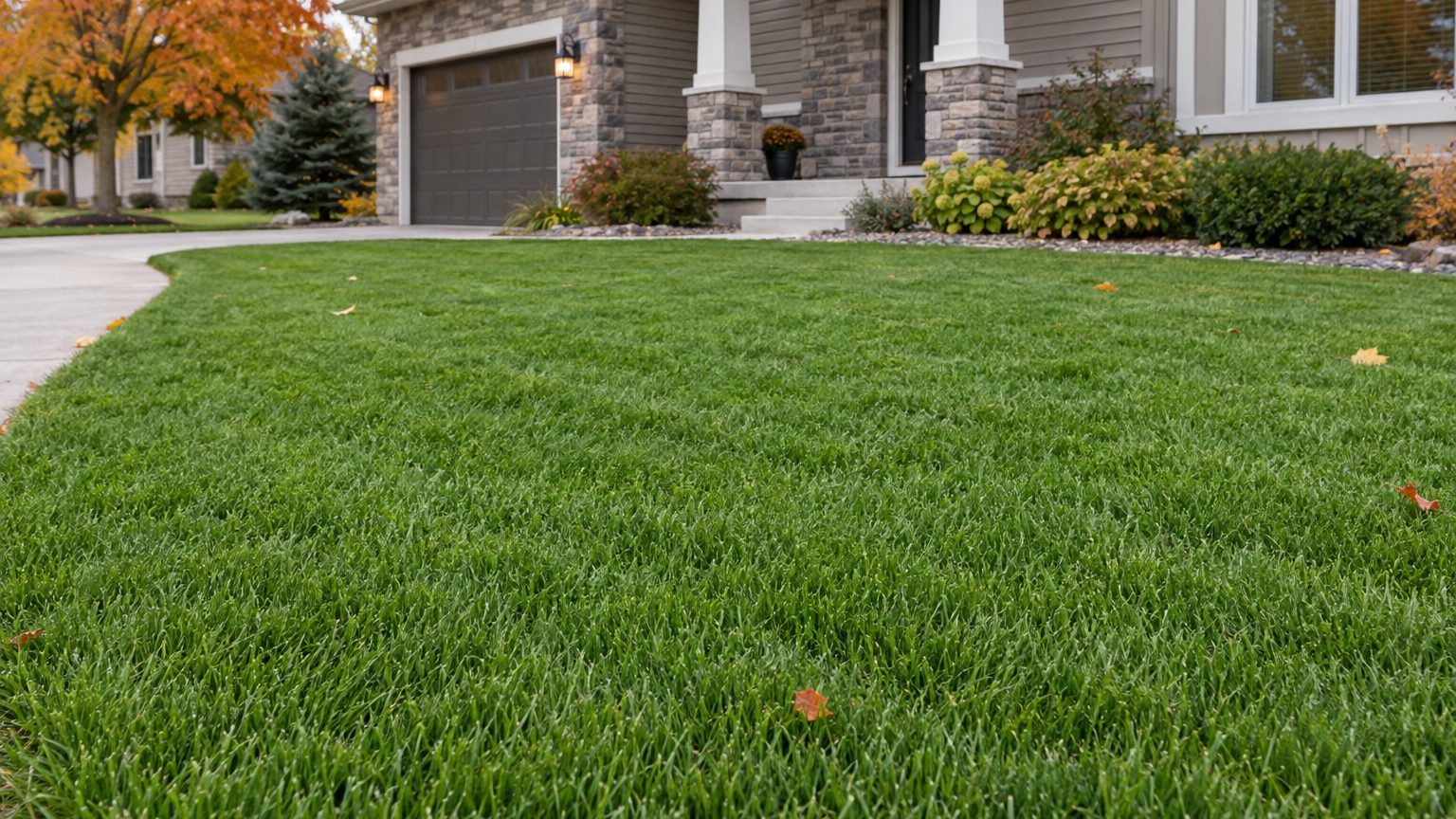
Spring in Manitoba starts with a lawn that looks flat and straw-colored, then greens up fast once the snow pack melts and the ground thaws. Getting lawns in Manitoba through a long, hard winter comes down to timing: seed late summer, feed in May and September, and keep the mowing and watering steady from spring to fall.
Frost Dates and Growing Season in Manitoba
Around Winnipeg, the last spring frost falls on average around May 23, which means that in about half of all years frost arrives later, so treat it as the middle of a window and never a safe date. Grass growth follows soil warmth; around Winnipeg, lawns sit in Canadian hardiness zone 3b (not a USDA zone). Here is how the lawn year runs.
- In spring, once the snow is gone and the soil has thawed, rake off matted grass and leaves so air and light reach the crowns.
- In May, feed the lawn and put down crabgrass preventer, and expect to start mowing and watering as the grass picks up speed.
- Through June, July and August, mow regularly and water deeply during dry spells, since the lawn slows in heat and needs moisture to hold its color.
- In August and September, seed bare patches and aerate and dethatch, because warm soil and cooling nights give new grass time to root before winter.
- In autumn, the first fall frost lands on average around September 22 in Winnipeg, so treat that date as the middle of a window rather than a deadline.
- In October, keep mowing while the grass grows; in November, seed on cold soil if you want a dormant seeding that sprouts in spring.
Northern and upland districts do not follow Winnipeg’s calendar exactly, so watch the soil and the grass rather than shifting every step by the same amount.
Manitoba — the year and the numbers
- State
- Manitoba
- Hardiness zones
- 3b
- Last spring frost
- May 23
- First fall frost
- September 22
- Annual rain
- 21 in
- Lawn type
- cool-season
- Source
- Environment and Climate Change Canada — Canadian Climate Normals 1981-2010, station WINNIPEG RICHARDSON INT'L A · Winnipeg
Cool-Season or Warm-Season Grass in Manitoba?
Cool-season grass is the only kind that lasts here. Winters are long and bitterly cold, summers are warm but short, and warm-season grasses go dormant and die back in that cold. Cool-season species grow in spring and fall and tolerate the freeze.
The grasses used on prairie lawns this far north are a short, familiar list. Each handles cold well, though they differ in shade and wear.
| Grass | How it does in Manitoba | Why |
|---|---|---|
| Kentucky bluegrass | Dependable, spreads to fill gaps | Very winter hardy and self-repairing |
| Creeping red fescue | Good, especially in shade | Fine texture, handles low light and lean soil |
| Chewings fescue | Good, often in seed mixes | Fine fescue that tolerates cold and shade |
| Hard fescue | Good on dry, poor soil | Fine fescue with low upkeep needs |
| Perennial ryegrass | Short-lived in the coldest winters | Sprouts quickly but can winterkill |
Perennial ryegrass is best treated as a quick-cover partner in a mix rather than the backbone of a lawn, since it can fade after a hard winter.
When to Seed, Fertilize and Aerate a Lawn in Manitoba
The key dates cluster in late summer, with a smaller push in May. Seeding, aeration and dethatching all belong to August and September, when soil is warm and weeds are fading. Fertilizing belongs in May and again in September.
One legal rule applies to the feeding. Since 2009, Manitoba has barred lawn fertilizer with more than 1 percent phosphorus, unless the lawn is new or a soil test shows a need.
| Task | Best months in Manitoba | Why then |
|---|---|---|
| Seeding | August, September (May also works) | Warm soil and cool nights help seed root before winter |
| Core aeration | August, September | Grass is growing and recovers quickly |
| Dethatching | August, September | Lawn can rebuild before the cold |
| Fertilizing | May, September | Feeds spring growth and fall root building |
| Crabgrass preventer | May | Goes down before weed seed sprouts |
| Dormant seeding | November (October also works) | Seed lies on cold soil and sprouts in spring |
If you miss the late-summer window, May still works for seeding, though young grass then has to face summer heat. Dormant seeding in November is another way to catch up.
Lawn Problems to Watch for in Manitoba
Straw-Colored Patches in Spring

Dead or matted areas that appear as the snow melts usually come from winter damage, especially where snow drifted deep or ice sat on the grass. Rake them lightly to lift the crowns, then reseed bare spots once the soil has warmed.
Brown Grass in Dry Summers
When lawns turn tan in midsummer and stay that way, drought is often the cause, particularly on thin soil or compacted ground that sheds water. Water deeply and regularly through the warm months, and aerate in late summer so moisture reaches the roots.
Thin Grass Under Trees
Sparse turf in shade, where bare soil shows between the blades, points to low light and root competition. Switch to a shade-tolerant fine fescue mix when you seed in late summer, and keep mowing high enough to give the blades more leaf.
How Lawn Care Dates Change Across Manitoba
Winnipeg sets the usual rhythm, but the season shifts as you move around the province.
- Red River Valley: Warm, flat ground around Winnipeg and south warms earlier, so spring tasks and seeding start sooner here than elsewhere.
- Brandon and the western prairie: Open country and a slightly different climate mean spring can run a little behind the valley, so wait for soil to warm before seeding.
- Northern Manitoba, around Thompson: Springs come much later and autumn frost arrives sooner, so spring work shifts later while fall seeding needs an earlier start.
Wherever you live, let the soil temperature and the grass itself guide you more than the calendar.
Where to Get Lawn Advice in Manitoba
Canada has no county extension offices, so advice comes from the province and from local growers. Start with the ministry, then lean on people who know your soil.
- Manitoba Agriculture offers guidance on soil testing and plant care, worth a look before you apply phosphorus.
- A local master gardener group can help diagnose a patchy lawn if you bring photos and describe where it happens.
- A neighborhood garden centre can point you to seed mixes suited to your yard, ideally before the late-summer seeding window opens.
Common Questions
Can You Use Any Lawn Fertilizer in Manitoba?
No; Manitoba’s phosphorus limit still applies, so check the label before buying. A test also keeps you from feeding what the soil already has.
Is May Too Early to Seed a Manitoba Lawn?
May works as a fallback, but late summer gives better results. Spring seedlings must face summer heat and dry spells, while August and September seed roots in warm soil before winter.
Does the First Frost Stop Grass from Growing?
Not right away. Frost marks a risk to tender new seedlings, but established grass keeps growing while the soil stays warm enough, which is why mowing continues into October.