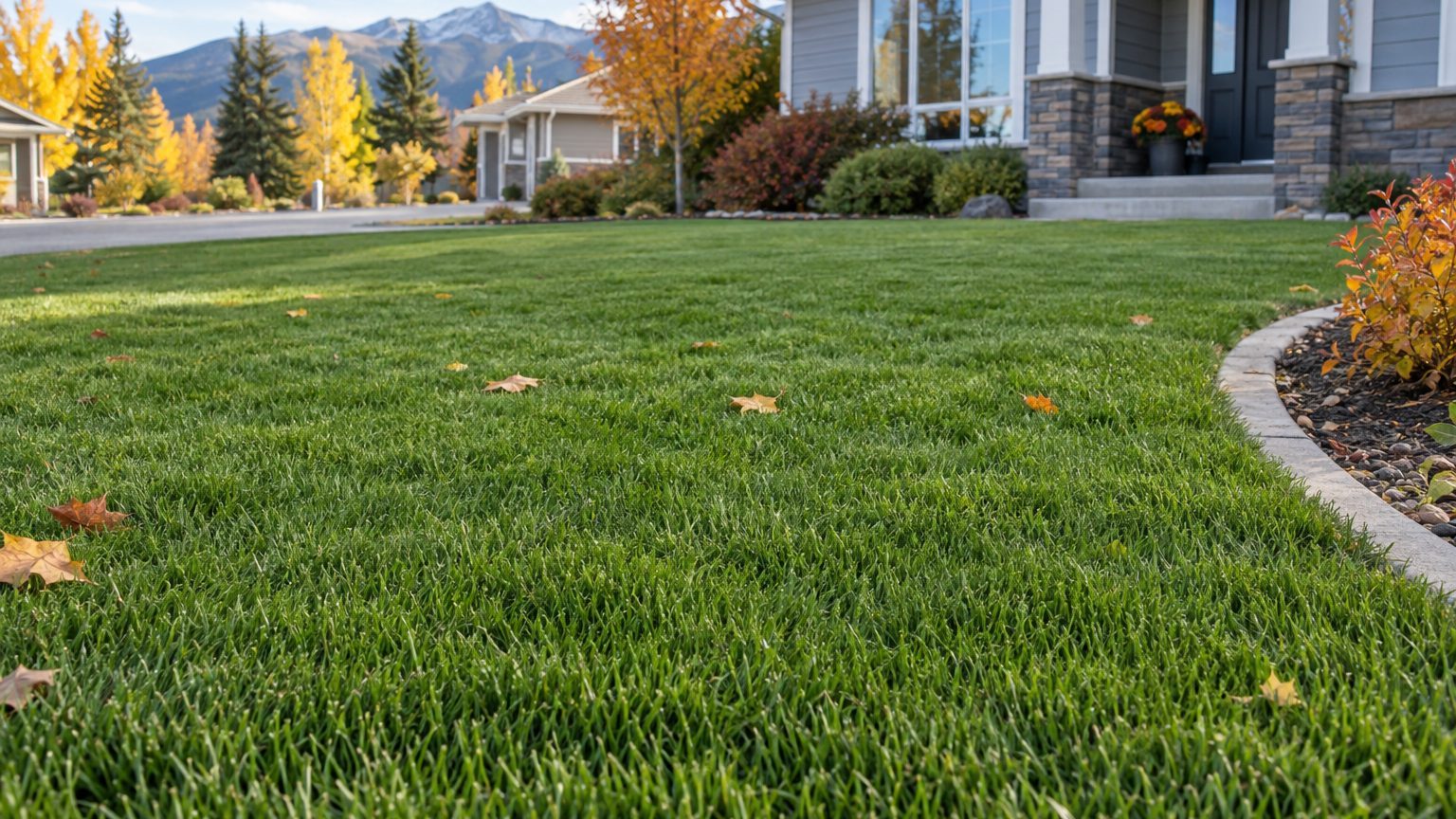
When the snow pulls back in spring, the grass underneath is flat, pale and matted, and it has a short, bright summer to recover. Lawns in Yukon run on that brief window, so a few well-timed summer jobs matter far more than a long list of chores.
Frost Dates and Growing Season in Yukon
The season opens and closes with frost risk, not a fixed date. In Whitehorse, the last spring frost falls on average June 5, so half of all years bring frost later than that. Treat it as the middle of a window, never as a safe day, and expect colder or higher districts to run later still.
- In winter, the lawn lies dormant under snow, and nothing you do helps it until the ground thaws.
- In spring, once the snow melts and the surface dries enough to walk on, rake lightly to lift matted blades and then wait, because the grass grows with soil warmth and a thin seedling can still be nipped by a late frost.
- In June, the lawn wakes up properly, which is when the first mowing, the first watering and the first feeding happen, along with any seeding.
- From July through August, the warm stretch carries the lawn, so mowing and watering settle into a regular rhythm and a second feeding in August is an option.
- By late August, frost risk returns in Whitehorse, on average August 25, and a lawn that is still thin is the one that suffers.
- In September, mowing continues while the grass is still growing, and then the snow takes over again.
Because growth follows soil warmth, a cold spring pushes every job later and a warm one lets you start sooner.
Yukon — the year and the numbers
- State
- Yukon
- Hardiness zones
- 1b
- Last spring frost
- June 5
- First fall frost
- August 25
- Annual rain
- 10 in
- Lawn type
- cool-season
- Source
- Environment and Climate Change Canada — Canadian Climate Normals 1981-2010, station WHITEHORSE A · Whitehorse
Cool-Season or Warm-Season Grass in Yukon?
Cool-season grass is the only kind that makes sense here. The winters are long and severe, and around Whitehorse the Canadian hardiness rating is zone 1b (a rating that does not convert to a USDA zone); warm-season grasses need heat that Yukon summers do not deliver.
The real question is which cool-season grasses cope with deep cold and a short season. Three types are used for lawns in the region.
| Grass | How it does in Yukon | Why |
|---|---|---|
| Kentucky bluegrass | Dependable base for a lawn | Tolerates hard winters and spreads to fill gaps once it is established |
| Fine fescues (creeping red, chewings, hard) | Good for lighter, poorer or shadier spots | Needs less fertilizer and copes with lean soil better than bluegrass |
| Perennial ryegrass | Useful, but may not last | Short-lived in the coldest winters, so it can thin out after a harsh one |
Many store-bought mixes blend these three, and a mix leaning on bluegrass and fine fescues suits the territory better than one built mostly on ryegrass. Warm-season grasses such as bermudagrass or zoysia are better left to warmer climates, and St. Augustinegrass is never sold as seed in any case.
When to Seed, Fertilize and Aerate a Lawn in Yukon
Seeding happens in spring here, once the ground has thawed, because the season is too short for fall seeding. A seedling sown late has no time to root before winter takes it.
Feeding waits until the grass is actually growing. June counts as late spring this far north, so it brings the first feeding.
| Task | Timing in Yukon | Why then |
|---|---|---|
| Seeding | June (it also works in July) | The soil has thawed and warmed, and the seedlings get the whole summer to root |
| Fertilizing | June, with August as an option | June gives the first feeding once the grass is growing, and August tops it up before the season closes |
| Mowing | June through September | The grass only grows during these months |
| Watering | June through August | Summer is when the grass is working hardest and the soil dries fastest |
Aerate only while the lawn is actively growing and the soil is moist rather than soggy. If you miss June for seeding, July still works.
Lawn Problems to Watch for in Yukon
Straw-Colored Patches After Snowmelt

Pale, matted patches that appear right where snow lay deepest or longest point to winter damage, and a gentle tug that shows the grass crowns are still firm usually means the lawn is alive. Rake lightly once the surface dries and give it time to green up on its own. Reseed only the spots that stay bare after the grass starts growing.
Slow, Thin Growth
A lawn that stays thin in a shady corner or in gravelly soil is telling you it is short on warmth, light or nutrients. The short season leaves little room to catch up, so match the remedy to the problem instead of assuming the lawn needs fertilizer. Fine fescues usually hold such spots better than bluegrass.
Dry Brown Turf in Summer
Grass that turns brown and crunchy underfoot in the sunniest, best-drained areas is drying out. Free-draining northern soils lose moisture fast in bright summer light. Water deeply when the soil starts to dry, and mow on the taller side so the grass shades its own roots.
How Lawn Care Dates Change Across Yukon
The territory is large, and elevation and latitude shift the season more than anything else.
- Whitehorse and the Yukon River valley: this is the milder, more sheltered part of the territory, and the dates in this article fit it best.
- Dawson City: farther north, where winters are colder and the lawn season starts later and ends sooner.
- Haines Junction and the Kluane area: higher ground and mountain air mean spring comes later and frost returns earlier.
- Carcross and the Southern Lakes: big lakes hold cold in spring, so the ground thaws later, but they can soften the first frosts of late summer.
If you live north of Whitehorse or at higher elevation, wait longer in spring before seeding and expect to finish your season sooner than the Whitehorse dates suggest.
Where to Get Lawn Advice in Yukon
In Yukon, local lawn help comes from several places. Start with the agriculture ministry, a local master gardener group or a garden centre.
- Agriculture and Agri-Food Canada, through Agriculture and Agri-Food Canada, publishes federal guidance on soil and grass and points to territorial contacts.
- A local garden centre or master gardener group can help diagnose a patch or advise on a soil test, and spring is the time to go.
Once the soil is workable, arrange a soil test before you seed or feed.
Common Questions
Should You Rake a Lawn After the Snow Melts in Yukon?
Yes, but lightly, and only once the surface is firm enough to walk on. Raking too early on soggy ground tears the grass crowns. A light pass lifts matted blades and lets air reach the soil.
Can You Use Any Lawn Seed Mix in Yukon?
Read the label first. A mix built on Kentucky bluegrass and fine fescues suits the cold, while one heavy in perennial ryegrass can thin out after a harsh winter.
How Tall Should You Let a Lawn Grow in Yukon?
On the taller side. Longer blades shade the soil, help it hold moisture in summer and give the grass more leaf to build strength during a short season.