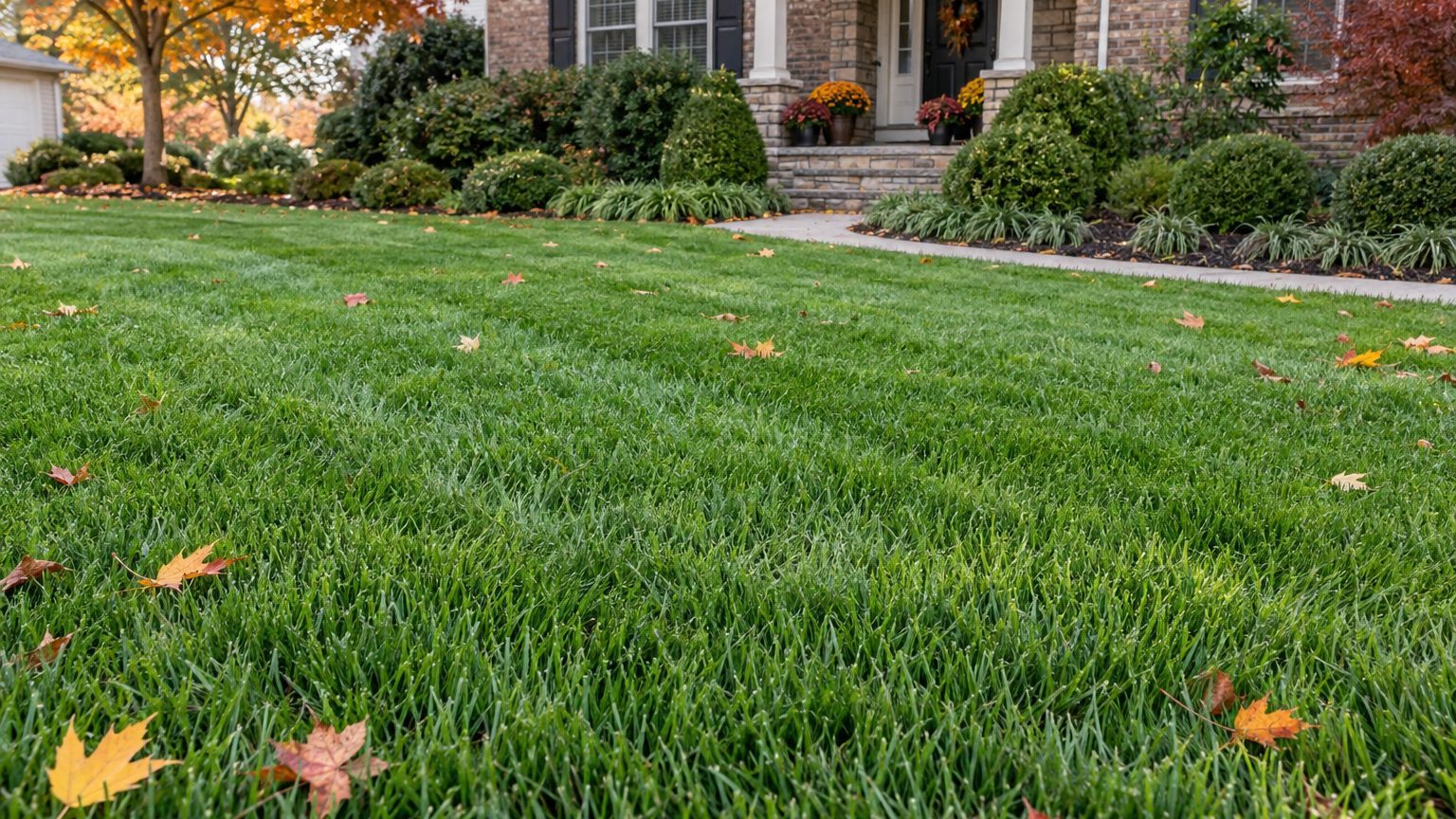
Kentucky sits in the transition zone, where a fescue lawn can look lush in May and scorched by August, and where a bermudagrass lawn turns tan after the first hard frost. Lawns in Kentucky do best when you match the grass to the season and put the big jobs in the right months.
Frost Dates and Growing Season in Kentucky
Kentucky falls in USDA hardiness zones 6a to 7a, and the dates here speak for Louisville, where the last spring freeze usually lands between March 24 and April 4. Rural yards nearby tend to freeze later in spring and sooner in fall than the city does. Grass grows with soil warmth, so here is the lawn year in order.
- In late winter and early spring, a hard freeze can still nip a seedling, so new seed waits. March is the month for crabgrass preventer, and the first fertilizer of the year for tall fescue goes down in March too.
- Once the soil warms in May and June, bermudagrass and zoysiagrass wake up and are ready for seed, sod or plugs. Warm-season lawns also take their feeding from May through July.
- Through summer, mowing continues and watering matters most in June, July and August. Tall fescue should not be fertilized in summer.
- In August, the soil is still warm and the first fall frost is far off, so it is the time to aerate and overseed tall fescue, with September as a fallback.
- In Louisville, the first fall freeze usually arrives between November 2 and November 12, and tall fescue seeding should already be finished by then. Fescue gets its fall feeding in September and October, and mowing carries on through November.
A young seedling is vulnerable to a hard freeze, which is why late-summer seeding, with time for roots to grow before cold, works so well here.
Kentucky — the year and the numbers
- State
- Kentucky
- USDA zones
- 6a-7a
- Last spring frost
- March 24 to April 4
- First fall frost
- November 2 to November 12
- Annual rain
- 48 in
- Lawn type
- cool- and warm-season
- Source
- NOAA NCEI 1991-2020 Climate Normals, 32F freeze probabilities · Louisville
Cool-Season or Warm-Season Grass in Kentucky?
Both types can live here, because Kentucky is cold enough in winter to stress warm-season grass and hot enough in summer to stress cool-season grass. Tall fescue is the common answer for most lawns. Warm-season grasses suit sunny, hot sites where you accept a tan lawn in winter.
| Grass | Season | How it does in Kentucky |
|---|---|---|
| Tall fescue | Cool | Widely grown, stays green through much of the year, needs fall feeding and no summer fertilizer |
| Kentucky bluegrass | Cool | Suits cooler, higher ground in the state |
| Bermudagrass | Warm | Grown from seed or sod, grows through summer, turns tan in winter |
| Zoysiagrass | Warm | Mostly started from sod or plugs, thrives in summer heat, turns tan in winter |
Cool-season lawns get seeded in late summer, while warm-season lawns are planted in late spring. Mixing the two in one yard tends to look patchy, since they green up and go dormant on different schedules.
When to Seed, Fertilize and Aerate a Lawn in Kentucky
Most of the big jobs for a fescue lawn cluster in late summer and fall, while warm-season lawns do theirs in late spring and summer. Pick the column that matches your grass.
| Task | Best months in Kentucky | Why then |
|---|---|---|
| Seeding tall fescue | August (September also works) | Warm soil and cooler air help seed root before winter |
| Core aeration | August (September also works) | Opens the soil just before overseeding |
| Fertilizing cool-season lawns | March, September, October | Feeds roots when fescue is growing actively |
| Crabgrass preventer | March (February, April or May also work) | Goes down before crabgrass seed sprouts |
| Seeding bermudagrass or zoysiagrass | May (June also works) | Warm soil gets these grasses growing fast |
| Fertilizing warm-season lawns | May, June, July | Matches their peak growth |
| Dethatching | August and September for fescue, May and June for warm-season | Lawns recover fast while actively growing |
Sod for bermudagrass or zoysiagrass goes down in May, and June or July still works if spring slips by. Water new sod and seed regularly, since summer demand peaks from June through August.
Lawn Problems to Watch for in Kentucky
Brown Fescue in Midsummer
Tall fescue slows down in the heat of July and August, and a lawn that thins and browns is often just stressed by hot, dry weather. Water deeply during June, July and August, and skip summer fertilizer, which pushes weak growth. Fall seeding and feeding bring it back.
Crabgrass in Thin Spots

Bare or thin patches in a sunny lawn fill with crabgrass as the soil warms. A preventer applied in March, before the seed sprouts, helps control crabgrass, and a thick fescue lawn that was overseeded the previous fall shades out much of what is left.
Tan Lawn After Frost
Bermudagrass and zoysiagrass turn tan after the first fall freeze, which is normal dormancy and not a sign of death. They green again as the soil warms. Patches that stay brown well into the following summer, especially in low or shady spots, may be winter damage and are worth reseeding or replanting in May.
How Lawn Care Dates Change Across Kentucky
Kentucky stretches a long way, and the dates for each job shift a little from one corner to another. In general, cooler and higher ground runs later in spring and sooner in fall.
- Louisville and the Ohio River: The urban heat here warms the ground earlier, so spring tasks can start a little sooner than in outlying rural areas.
- Eastern Kentucky mountains: Elevation brings cooler air, so frost lingers longer in spring and arrives sooner in fall. Kentucky bluegrass and tall fescue fit this ground better than warm-season grasses.
- Western Kentucky and the Purchase: Summers run warmer, which favors bermudagrass and zoysiagrass, and the warm-season planting window opens earlier.
When your yard sits between these regions, follow how the soil and grass behave, and let the dates act as a guide.
Where to Get Lawn Advice in Kentucky
University of Kentucky Extension offers research-based lawn guidance, and each county has its own office with local agents who know the soil and the grasses of your area.
- Your county extension office can run a soil test, which tells you what the lawn actually needs before you buy fertilizer.
- Bring a sample of a troubled patch to the office for a diagnosis when the cause is not obvious.
- Pull a soil sample before the August seeding window so the results are back in time.
Common Questions
Can You Seed a Lawn in Kentucky in Spring?
Warm-season grasses like bermudagrass go in during May, with June as a fallback. For tall fescue, spring seeding is riskier because young grass has to face summer heat, so August is the better choice.
Should You Fertilize Tall Fescue in Summer?
No. Tall fescue is fed in early spring and again in fall, and summer feeding only stresses it.
Is It Normal for a Kentucky Lawn to Turn Tan in Winter?
For bermudagrass and zoysiagrass, yes, since they go dormant after frost. A tall fescue lawn that turns brown in winter may be under stress, so check the site conditions before deciding how to respond.