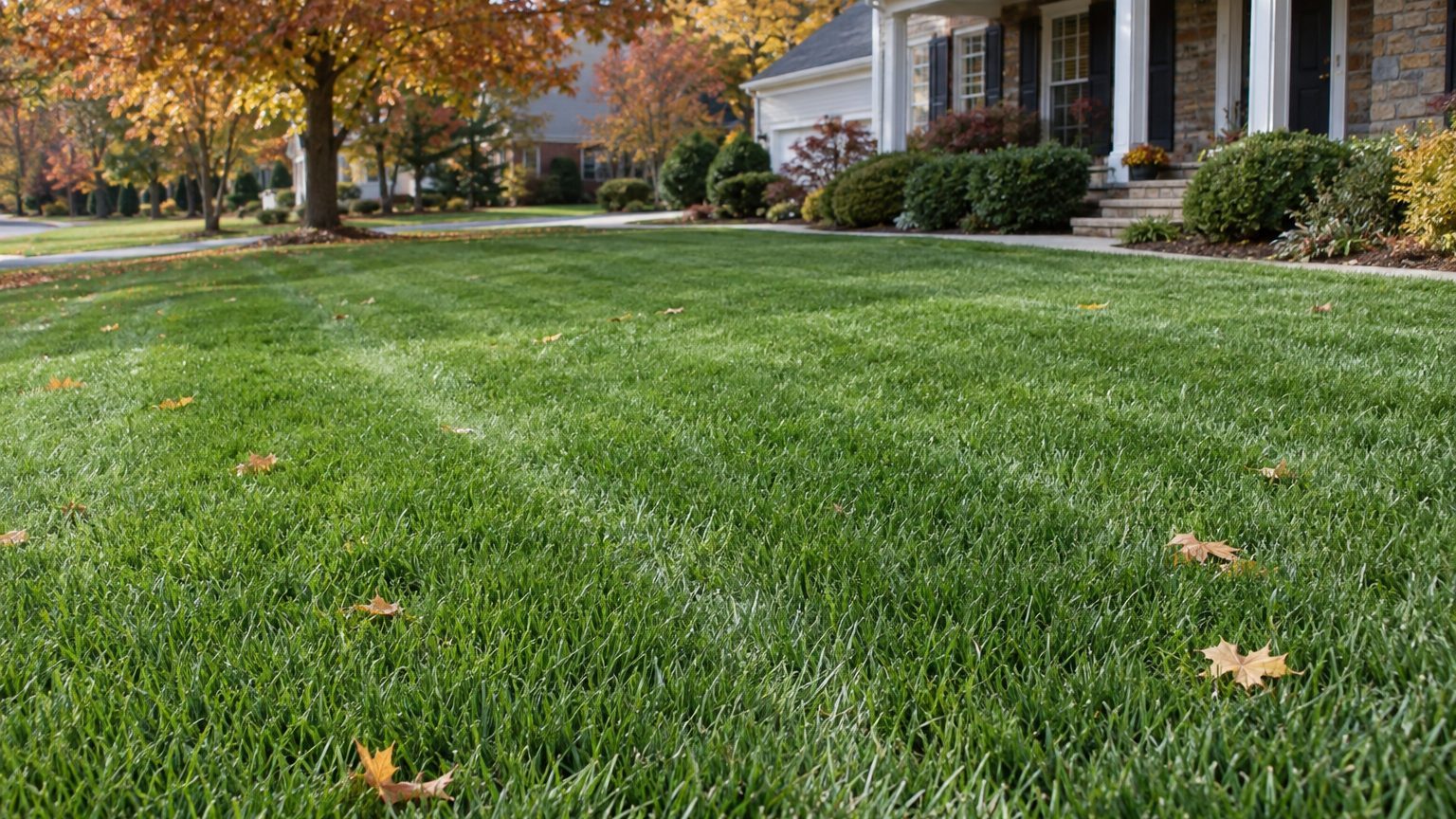
Tall fescue going straw-colored in August while the bermudagrass next door is at its greenest says most of what lawns in Virginia ask of you. The state sits where cool-season and warm-season grasses both grow, so the right task depends on which one you mow. The timing for each follows the soil more than the calendar.
Frost Dates and Growing Season in Virginia
Around Virginia Beach, the mild coastal end of a state spanning USDA hardiness zones 5a to 8b, the lawn year runs on soil warmth, with frost marking only the risky edges of it.
- In early spring, the last freeze in Virginia Beach usually lands between March 20 and April 3, which is why a young seeding can still be nipped. March is also the time for crabgrass preventer and an early-spring fescue feeding.
- Once the soil warms in May, bermudagrass and zoysiagrass start growing in earnest. That is the month to seed bermudagrass, or to lay sod of either grass, and growth picks up through June.
- Through summer, from June to August, deep watering keeps the lawn alive. Tall fescue is the one to leave unfed in these months, since feeding it in heat only feeds stress.
- In late summer, August and into September, tall fescue lawns get aerated and overseeded. The seed sprouts in warm soil and roots before cold arrives.
- In fall, September and October are for feeding. In Virginia Beach, the first freeze comes between November 10 and November 24, which closes the seeding season, though mowing continues into November.
Inland, these dates slide. The Blue Ridge and southwest Virginia run weeks later in spring and earlier in fall, so use local soil conditions within the recommended windows.
Virginia — the year and the numbers
- State
- Virginia
- USDA zones
- 5a-8b
- Last spring frost
- March 20 to April 3
- First fall frost
- November 10 to November 24
- Annual rain
- 47 in
- Lawn type
- cool- and warm-season
- Source
- NOAA NCEI 1991-2020 Climate Normals, 32F freeze probabilities · Virginia Beach
Cool-Season or Warm-Season Grass in Virginia?
Both can work here, but most lawns are cool-season, with tall fescue the usual choice. Winters are cold enough to turn warm-season grass tan for months, while summers are hot enough to stress cool-season grass and brown it during dry spells.
The warmer coast and the lower, hotter parts of the state lean toward bermudagrass and zoysiagrass. Cooler, higher ground suits bluegrass and fescue.
| Grass | How it does in Virginia | Why |
|---|---|---|
| Tall fescue | Cool-season, the common choice for lawns across the state | Holds green through much of the year, but needs feeding in early spring and fall, never in summer |
| Kentucky bluegrass | Cool-season, suited to cooler, higher ground | Prefers the milder summers of higher elevations |
| Bermudagrass | Warm-season, grown from seed or sod | Thrives in summer heat and goes dormant and tan in cold weather |
| Zoysiagrass | Warm-season, mostly sod or plugs | Fills in slowly, so it is usually planted as sod rather than seeded |
Pick the grass that matches your elevation and how much summer browning you can live with. Tall fescue keeps more winter color, while warm-season lawns trade winter color for summer toughness.
When to Seed, Fertilize and Aerate a Lawn in Virginia
Cool-season lawns do their heavy work in late summer and fall. Warm-season lawns do theirs from late spring into midsummer, when soil is warm enough for them to grow.
Virginia law shapes feeding. In Virginia, lawn maintenance fertilizer sold in the state contains no phosphorus, since phosphorus products are meant for new lawns and repairs.
| Task | Best months in Virginia | Why then |
|---|---|---|
| Core aeration (tall fescue) | August, with September as a fallback | Roots recover fast while the grass is still growing |
| Seeding tall fescue | August, with September as a fallback | Warm soil sprouts seed quickly and cooler nights follow |
| Crabgrass preventer | March, though February, April and May still work | It must be down before crabgrass germinates |
| Feeding cool-season lawns | March, September, October, with April as a fallback | Fescue grows most in spring and fall |
| Seeding bermudagrass | May, with June as a fallback | Soil has finally warmed enough for germination |
| Feeding warm-season lawns | May, June, July | Bermudagrass and zoysiagrass grow hardest in summer heat |
If you miss the August window, September still gives seed time to root. Aerate first, then overseed, so seed drops into the holes.
Lawn Problems to Watch for in Virginia
Brown Patches in Midsummer

Straw-colored fescue that crunches underfoot and has patches spreading during hot, dry stretches is usually heat and drought stress. Tug a handful of blades. If the crowns are firm and the grass is simply dormant, it will green again when rain returns.
Watering deeply and regularly from June to August keeps it alive. Skip fertilizer on tall fescue during these months.
Bermudagrass That Won’t Green Up
Tan grass in winter is normal for bermudagrass and zoysiagrass. Trouble shows when a patch stays tan after neighbors have greened in May, and the blades pull away easily from the soil.
Dead patches in a warm-season lawn can be reseeded in May or filled with sod. If a patch is simply slow, wait for steady growth before deciding whether it needs repair.
Crabgrass in Thin Turf
Coarse, light-green clumps that sprawl in open patches may be crabgrass, so identify them before choosing a treatment. Dense turf shades the soil and keeps seeds from sprouting.
Preventer in March, before the soil warms, stops it early. Seeding thin areas in August thickens the lawn so there is less bare ground next year.
How Lawn Care Dates Change Across Virginia
Elevation and distance from the coast set the pace, and both can move your dates by weeks.
- Blue Ridge and southwest Virginia: Spring arrives late and fall frost comes early, so seeding and feeding start later in spring and wrap up sooner in fall. Bluegrass and fescue suit these cooler hills better than warm-season grasses.
- Virginia Beach and the coast: The coast is the mild end of the state, with the earliest spring and the latest fall frost. Bermudagrass and zoysiagrass do well here, and mowing runs longest.
Between those two, the rest of the state shifts gradually. Let soil warmth guide you, and move each date earlier or later to match your own yard.
Where to Get Lawn Advice in Virginia
Virginia’s land-grant extension service offers free, research-based help with turf questions, and its local offices know the soils and grasses in your own county.
- Virginia Cooperative Extension publishes lawn care guidance written for the state, which you can read before planning any seeding or feeding.
- Your county extension office can help with soil-testing questions and lawn problems, so contact it when a patch looks wrong.
Before the next feeding, pull a soil sample and have it tested, so you know what the lawn needs.
Common Questions
When Should You Start and Stop Mowing a Lawn in Virginia?
Cool-season lawns are mowed from March through November, following growth. Bermudagrass and zoysiagrass are mowed from April through October, since they grow only when the soil is warm.
When Should You Lay Sod in Virginia?
For bermudagrass and zoysiagrass, May is the strongest time, and June and July also work. Warm soil lets the sod root quickly into the ground below.
When Should You Dethatch a Lawn in Virginia?
Tall fescue lawns are dethatched in August or September, when the grass recovers fast. Bermudagrass and zoysiagrass are dethatched in May or June, and April also works.