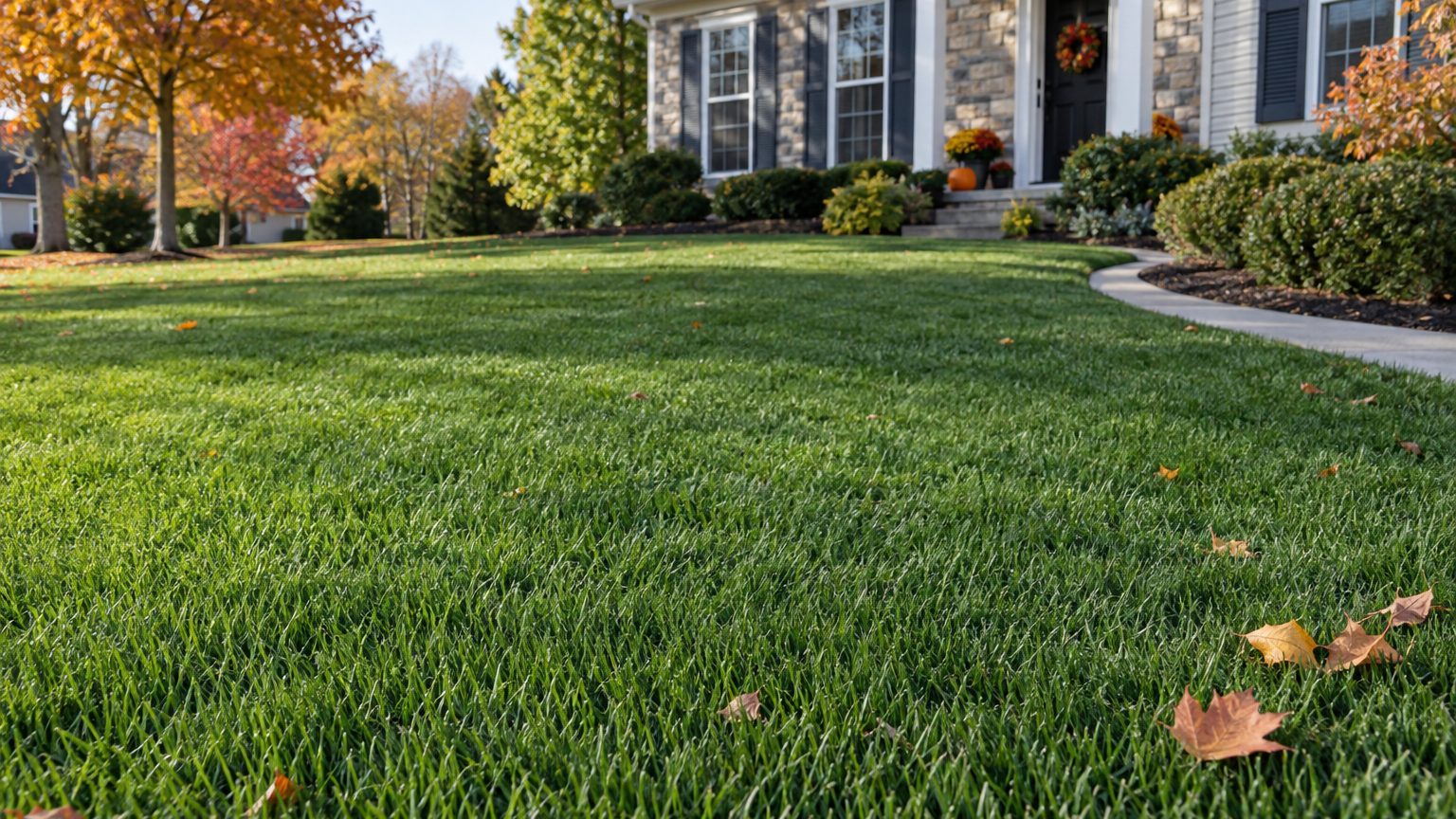
A Delaware lawn greens up in spring, struggles through humid summer heat, and comes roaring back once September nights cool off. Cool-season grasses suit Delaware yards, and knowing their spring growth and stronger early-fall stretch helps you time the work.
Frost Dates and Growing Season in Delaware
Delaware sits in USDA zones 7a to 8a, and in Wilmington the last spring freeze usually falls between April 3 and April 14. Frost risk is one thing, and grass growth is another, because roots and blades wake up when the soil warms, not on a calendar date.
- In early spring, the last freeze can still arrive between April 3 and April 14 in Wilmington, so a freshly sown patch is at risk if it sprouts before that window closes.
- From April into May, the lawn starts growing in earnest, which is when crabgrass preventer goes down and mowing becomes a regular habit.
- Through June, July and August, heat slows cool-season grass, and watering matters most in these months.
- In late summer and September, soil is still warm while the air cools, giving new seed the best conditions to root before cold arrives.
- By late fall, the first fall freeze typically lands between October 26 and November 7 in Wilmington, which closes the seeding season and slows top growth, though mowing continues into November.
Those dates describe the Wilmington area. Suburban and rural yards often freeze later in spring and earlier in fall, by a week or two, so check the dates with your county before you plan around them.
Delaware — the year and the numbers
- State
- Delaware
- USDA zones
- 7a-8a
- Last spring frost
- April 3 to April 14
- First fall frost
- October 26 to November 7
- Annual rain
- 45 in
- Lawn type
- cool-season
- Source
- NOAA NCEI 1991-2020 Climate Normals, 32F freeze probabilities · Wilmington
Cool-Season or Warm-Season Grass in Delaware?
Cool-season grass is the dependable choice across most of Delaware. It greens up early, then slows through July and August; watering during those months can help it cope with heat stress.
Warm-season types can survive in the warmer south, but they turn brown after the first freeze and are not what the extension lists for seeded lawns here. For seeded lawns, the grasses below are the practical choices.
| Grass | How it does in Delaware | Why |
|---|---|---|
| Kentucky bluegrass | Forms a dense, self-repairing turf in sunny yards | Spreads by underground stems and fills thin spots |
| Tall fescue | Holds up in summer heat and light foot traffic | Deep roots cope with dry spells |
| Perennial ryegrass | Sprouts fast, useful for quick cover and mixes | Establishes quickly but is less tolerant of extremes |
| Fine fescues | Suit shadier, lower-maintenance areas | Include creeping red, chewings and hard types that need less feeding |
Homeowners can use a blend to cover sun, shade and traffic across the yard. The Best Grass Seed page for Delaware goes deeper on choosing a blend.
When to Seed, Fertilize and Aerate a Lawn in Delaware
Late summer is the busiest stretch for lawn work here, because August and September suit seeding, aeration and dethatching alike. Spring works as a fallback, though weeds compete harder and summer heat arrives before young grass is established.
Dethatching is only worth doing when thatch exceeds about an inch. Otherwise, skip it.
| Task | Recommended timing in Delaware | Why then |
|---|---|---|
| Seeding | August, September (April and May also work) | Warm soil and cooler air help seed root with less weed pressure |
| Core aeration | August, September (April and May also work) | Grass is growing hard and fills the holes quickly |
| Fertilizing | May, September (April and November also work) | Feeds the lawn when it is actively growing |
| Crabgrass preventer | April (March and May also work) | Needs to be down before crabgrass germinates |
| Laying sod | August, September (April, May and October also work) | Roots knit into soil before extremes of heat or cold |
| Dethatching | August, September (April and May also work) | Grass recovers quickly in active growth |
Watering matters most in June, July and August, and mowing runs from April through November. The Delaware calendar page lays out the rest month by month.
Lawn Problems to Watch for in Delaware
Summer Heat Stress

Cool-season grass thins and turns tan in July and August when heat and humidity combine. Look for a lawn that feels crunchy underfoot and recovers slowly after you walk on it. Water deeply during June, July and August, and mow high so the blades shade the soil.
Thin Grass in Shade
Under mature trees, bluegrass fades and bare soil appears, especially where the canopy is dense. Fine fescues tolerate this better than bluegrass. Overseed in August or September, when seed has time to root before the first freeze.
Weedy Patches After Spring
Crabgrass shows up in thin turf along driveways and sidewalks, where soil warms first. A preventer applied in April helps suppress crabgrass before it starts. Healthy, dense grass from fall seeding also crowds weeds out naturally.
How Lawn Care Dates Change Across Delaware
Delaware is small, but the season still shifts a little from the northern hills to the southern beaches.
- Wilmington and New Castle County: Spring comes a bit later in the cooler, hillier northern edge, and fall frost can arrive sooner, so seed early in the window.
- Dover and Kent County: Conditions sit in the middle, but check local frost dates before timing tender work.
- Sussex County and the Atlantic coast: Sandy soil and ocean air stretch the season a little at both ends, though sandy ground dries faster and needs more water in summer.
Neighborhood conditions matter as much as the county, because cold air can pool in low, sheltered yards while higher ground escapes frost.
Where to Get Lawn Advice in Delaware
Local help turns general rules into decisions for your own soil and grass. These resources connect you with people who know Delaware yards.
- The University of Delaware Cooperative Extension publishes lawn guidance written for the state and can help you choose seed or fertilizer.
- Your county extension office can help with soil testing and problem identification, so call before you apply anything in August or September.
Common Questions
Can You Seed a Lawn in Delaware in Spring?
Yes, April and May work, though August and September give better results. Spring seedlings must grow up before summer heat and crabgrass arrive.
Does Delaware Need Warm-Season Grass?
Generally no. Cool-season blends are the standard and stay green longer than warm-season types, which go brown after the first freeze.
Should You Remove Thatch Every Year?
No. Dethatching is only needed when the layer is thicker than about an inch, and late summer is the time to do it.