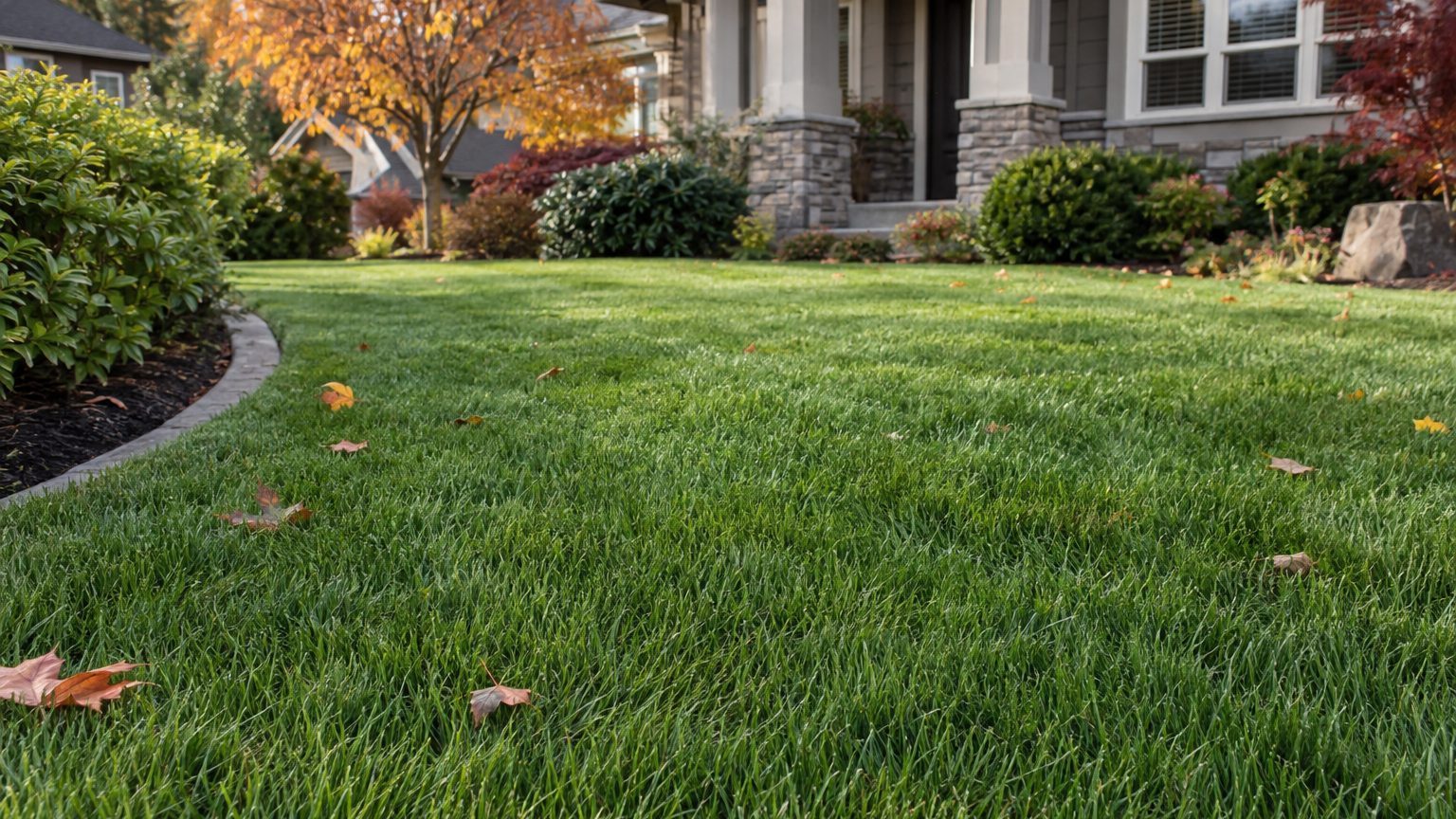
A British Columbia lawn greens up early, often while neighbors elsewhere in Canada still have snow on the grass. British Columbia’s varied climates shape when to mow, seed, feed and water a lawn.
Frost Dates and Growing Season in British Columbia
In Vancouver, which sits in Canadian hardiness zone 9a (a Canadian system, not a USDA zone), the last spring frost falls on average around March 18 and the first fall frost around November 10. Those are midpoints, so frost can still come later in spring or earlier in fall. Upland and northern districts run weeks behind.
- In early spring, frost can still nip a young seedling, so treat the March date as the middle of a window and not a safe date.
- In May, the soil is warm enough for mowing at full pace, crabgrass preventer, and a light feeding or aeration if you missed fall.
- From June through August, the lawn needs regular watering, because summers here turn dry.
- In August and September, seed has warm soil and time to root before the first fall frost.
- In October, a last feeding can still fit as mowing winds down; November is the fallback for dormant seeding.
Growth follows soil warmth, not the calendar of frost, so mild winter weather can wake the grass and a cold May can hold it back.
British Columbia — the year and the numbers
- State
- British Columbia
- Hardiness zones
- 9a
- Last spring frost
- March 18
- First fall frost
- November 10
- Annual rain
- 47 in
- Lawn type
- cool-season
- Source
- Environment and Climate Change Canada — Canadian Climate Normals 1981-2010, station VANCOUVER INT'L A · Vancouver
Cool-Season or Warm-Season Grass in British Columbia?
Cool-season grass is the answer here. Winters are cold enough that warm-season species would struggle, and the growing season favors grasses that thrive in mild, moist weather and rest through the dry heat of midsummer.
These four types each have a different strength.
| Grass | How it does in British Columbia | Why |
|---|---|---|
| Kentucky bluegrass | Dense, hardy turf in sunny yards | Cool-season grass that spreads and fills gaps |
| Fine fescues (creeping red, chewings, hard) | Good for lower-maintenance lawns and some shade | Fine blades suit cool, moist weather |
| Perennial ryegrass | Quick to sprout, often mixed into blends | Cool-season grass that establishes fast |
| Tall fescue | Sturdy lawn that copes with dry spells | Cool-season grass with a deeper root system |
Many lawns blend these grasses, so shade, traffic and watering habits can steer the mix. St. Augustinegrass is never sold as seed, and it is not a fit for this climate.
When to Seed, Fertilize and Aerate a Lawn in British Columbia
September is the busiest month for lawn work here. Soil is still warm, cooler air eases stress on young grass, and fall rain helps new seed settle in.
Spring offers a smaller window for the same jobs if fall slips by.
| Task | Recommended timing in British Columbia | Why then |
|---|---|---|
| Seeding | August, September (May also works) | Warm soil and cooler air help seed root |
| Fertilizing | September (May and October also work) | Feeds roots as growth slows |
| Core aeration | September (May also works) | Opens compacted soil while grass recovers quickly |
| Dethatching | August, September | Grass is growing strongly and fills in the gaps |
| Crabgrass preventer | May | Goes down before weed seed sprouts |
| Watering | June, July, August | Summer dryness is when the lawn needs it most |
Mowing runs from May through October, and April and November work in mild years. If you miss fall seeding altogether, November is open for dormant seeding, where seed sits on cold soil and sprouts in spring.
Lawn Problems to Watch for in British Columbia
Brown Grass in Late Summer

Dry summers can turn a lawn tan, especially on sunny slopes and thin soil. Cool-season grass often goes dormant rather than dying, so a brown lawn that stays firm at the crown may green up again. Water deeply and regularly through June, July and August to keep it growing.
Moss in Shady, Wet Spots
Wet coastal winters and spring rain favor moss, particularly where the lawn is shaded and the soil is compacted. Thin grass paired with a spongy green carpet points to poor drainage or low light. Core aerating in September helps, and a shade-tolerant fine fescue mix suits overseeding there.
Thatch Buildup
A lawn that feels springy and sheds water instead of absorbing it may have too much thatch. Dethatch in August or September, when the grass can fill in quickly.
How Lawn Care Dates Change Across British Columbia
The dates above come from the Vancouver area, and the province is far larger than one climate. Elevation and distance from the ocean both shift the season.
- Vancouver and the Lower Mainland: Mild winters let the lawn start early and mow late, so the earliest dates fit here.
- Victoria and the Gulf Islands: Maritime air keeps frost light, and the season starts early, though summer dryness can be sharper.
- The Okanagan: Hotter, drier summers and colder winters mean more watering and a shorter shoulder season at each end.
- Northern and upland districts: Frost arrives sooner and leaves later, so seeding should happen earlier in late summer to root before the cold.
When in doubt, watch your own soil and let it set the pace.
Where to Get Lawn Advice in British Columbia
For local lawn advice in British Columbia, turn to the province, local groups and garden centers. Start with the British Columbia Ministry of Agriculture and Food for provincial guidance.
- A local master gardener group can help diagnose a patchy lawn and suggest grasses suited to your neighborhood.
- A garden center can arrange a soil test, so ask before fertilizing in May or September.
- Bring a small plug of the problem turf and a photo of the area when you visit.
Common Questions
Can You Seed a Lawn in Spring in British Columbia?
Yes, May works as a fallback if fall passes. Seedlings face summer heat before roots are deep, so plan on regular watering.
Do You Need to Fertilize a Lawn Every Season?
No. September is the main feeding, with May or October as other options. Spreading fertilizer in midsummer drought only stresses the grass.
What Height Should You Mow a Lawn in British Columbia?
Keep the mower blade on a higher setting through summer, since taller grass shades the soil and holds moisture better in dry weather.