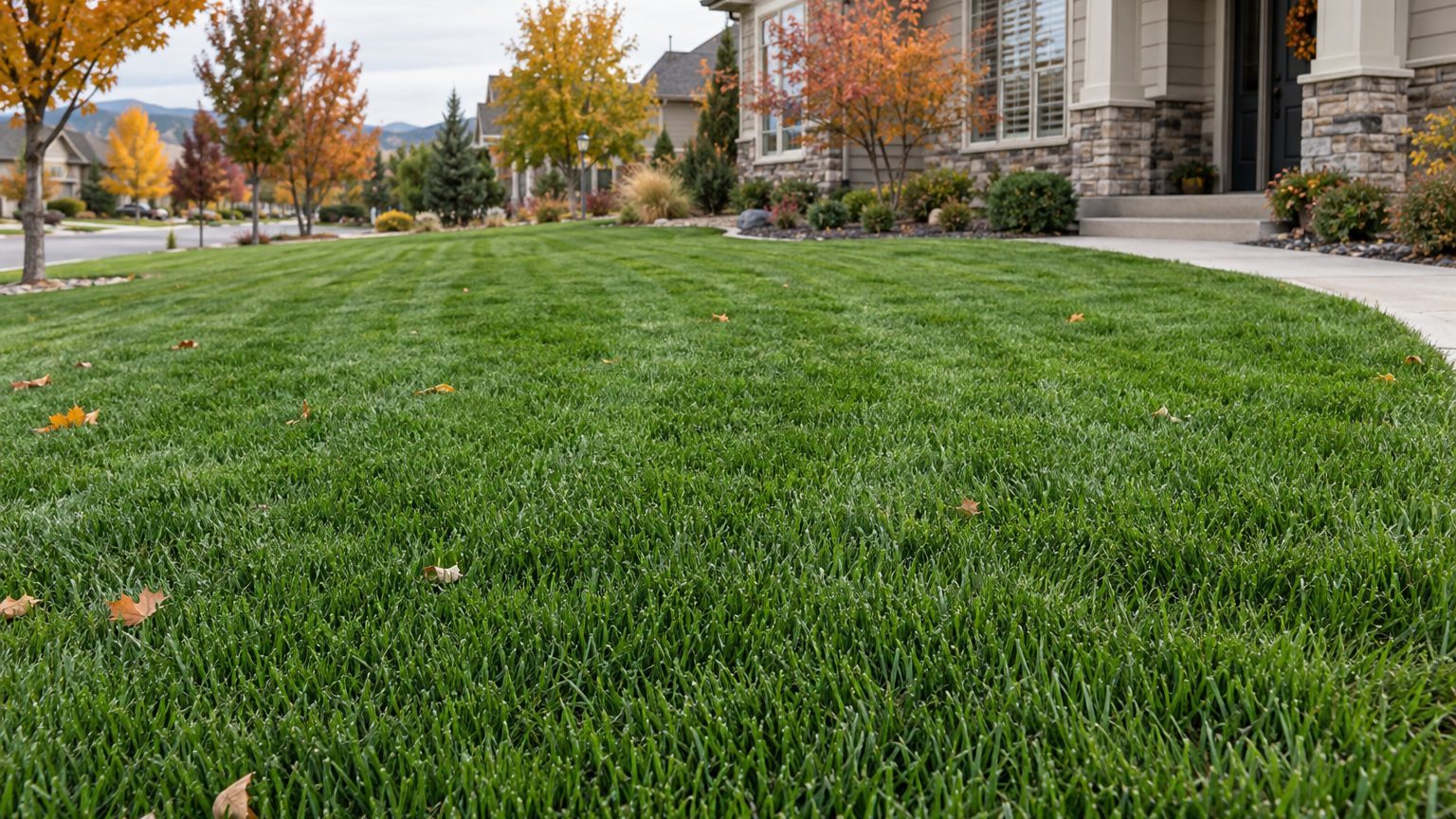
Idaho lawns wake up late and go to sleep early, and the weeks between decide most of what you do. Cool-season grasses carry the state, with seeding and feeding concentrated in late summer and early fall. Spring is for light jobs, and the hot months are mostly about water.
Frost Dates and Growing Season in Idaho
In Boise, a low and mild spot by Idaho standards, the last spring freeze usually lands between April 23 and May 7. Most of the state sits higher and colder, so expect a shorter season there. Here is how the lawn year unfolds.
- In early spring, the soil is still cold and grass growth is slow, so the job is raking off debris and waiting. In Boise, a freeze arriving between April 23 and May 7 can still nip a seedling, which is why spring seeding carries more risk than late-summer seeding.
- Once the soil warms, usually in April and May, mowing begins and the grass fills in on its own. This is also when a crabgrass preventer goes down, before the weed seed sprouts.
- In June, July and August, growth is strong when water is available, and watering becomes the main task. Cool-season grass slows in the heat, so deep, regular watering matters more than extra fertilizer.
- In late summer, from August into September, the soil is warm and the nights are cooling, which is the ideal setup for seed to sprout and root. In Boise, new grass has time to establish before the first fall freeze, which tends to arrive between October 7 and October 21.
- In October and November, mowing continues as long as the grass grows; save the late feeding for November, when it helps roots store energy for winter.
Frost dates mark the risk of a freeze, not the day grass starts or stops growing. That follows soil warmth. USDA hardiness zones across Idaho run from 3b to 7b, so a cold mountain town and the Boise valley live in different worlds.
Idaho — the year and the numbers
- State
- Idaho
- USDA zones
- 3b-7b
- Last spring frost
- April 23 to May 7
- First fall frost
- October 7 to October 21
- Annual rain
- 12 in
- Lawn type
- cool-season
- Source
- NOAA NCEI 1991-2020 Climate Normals, 32F freeze probabilities · Boise
Cool-Season or Warm-Season Grass in Idaho?
Cool-season grass is the answer here. Idaho winters are cold enough to stress warm-season species, and cool-season types stay green through the mild stretches of spring and fall.
Summer heat and dry air are the main tests, so water and mowing height matter as much as the species you pick. These are the lawn grasses used in the state.
| Grass | How it does in Idaho | Why |
|---|---|---|
| Kentucky bluegrass | Dense, hardy lawn that spreads to fill gaps | Handles cold winters well and recovers when watered |
| Tall fescue | Tough lawn that copes with summer stress | Deep roots help it hold up when the weather turns hot and dry |
| Perennial ryegrass | Quick to sprout, often blended with other grasses | Fills in fast while slower grasses establish |
| Fine fescues | Fine-textured lawn for lighter use | Suits low-maintenance yards and tolerates less fertilizer |
The fine fescues come in three forms: creeping red, chewings and hard. Seed mixes often blend these grasses so the lawn has backup when one struggles.
When to Seed, Fertilize and Aerate a Lawn in Idaho
Late summer and early fall carry most of the big jobs, because grass roots grow fastest when the soil is warm and the air is cool. Spring works as a fallback for several tasks.
If you miss the main window, seed or aerate in April or May; for feeding, wait until May. Mowing runs from April through November, whenever the grass is growing.
| Task | When to do it in Idaho | Why then |
|---|---|---|
| Seeding | August, September (April and May also work) | Warm soil and cooler air let seedlings root before winter |
| Core aeration | September (April and May also work) | Grass is actively growing and recovers from the holes quickly |
| Fertilizing | September, November (May also works) | Feeds roots when the lawn is storing energy for the cold |
| Crabgrass preventer | April (May also works) | Goes down before weed seed germinates |
| Dethatching | August, September (April also works) | Grass recovers fast, so thatch removal does little harm |
| Watering | June, July, August | Heat and dry air draw down soil moisture |
Seeding and aeration pair well in September, since seed settles into the holes and meets soil directly.
Lawn Problems to Watch for in Idaho
Brown Patches in Midsummer

Cool-season grass slows in dry heat, and a lawn that goes straw-colored in July and August is often asking for water, not rescue. A screwdriver pushed into the soil that meets hard resistance points to dry ground.
Water deeply and regularly through the warm months and mow on a higher setting to shade the soil. Most dormant grass greens up again when conditions ease.
Winter Damage in Spring
Cold winters can leave matted, pale or thin areas once the snow melts. Look for damage in low spots where snow lingered, and in places where the grass was stressed going into winter.
Rake lightly to lift the matted blades, then wait for steady growth. Bare spots can be reseeded in April or May, though late summer is the more dependable time.
Weeds in Thin Turf
Crabgrass and other weeds move into thin or bare areas, especially after a stressful summer. A crabgrass preventer in April stops much of it, and a thicker lawn from fall seeding leaves less room for weeds.
How Lawn Care Dates Change Across Idaho
Elevation and latitude shift the season across the state, so treat the dates above as a starting point and adjust by place.
- Boise and the Treasure Valley: This low valley warms early, so spring jobs can start sooner than in higher, colder parts of the state and fall seeding has a longer runway.
- Idaho Falls and the Upper Snake River Plain: Higher ground and colder winters push the season later in spring and end it sooner in fall, so seed earlier in the late-summer window.
- Coeur d’Alene and the northern Panhandle: Cooler air and a shorter growing season mean a later start in spring, with fall seeding best kept toward the early part of the window.
- Sun Valley and the mountain towns: These mountain locations are cold and have short seasons, and a freeze can come well after the valley has turned green.
When in doubt, let soil warmth in your own yard guide the start of spring work.
Where to Get Lawn Advice in Idaho
Local conditions vary from one valley to the next, so local help pays off. Soil and elevation differ even within a county.
- University of Idaho Extension offers lawn guidance written for the state, and it is a good first stop before seeding or feeding.
- Your county extension office can advise on a soil test or help diagnose a patch you cannot explain, so visit before spending on fertilizer.
Common Questions
Can You Seed a Lawn in Spring in Idaho?
Yes, April and May work, though seedlings face a later freeze and summer heat before they are established. August and September give new grass an easier start.
What Height Should You Mow a Lawn in Idaho?
Mow on a higher setting in the hot months, since taller blades shade the soil and hold moisture. Cut only a little at a time so the grass does not go into shock.
Should You Fertilize in November in Idaho?
Yes, November is among the best months for feeding. A late application helps roots store energy through winter, and the lawn greens up faster in spring.