Skip to content

Roses

Best Roses for Yukon

Best Roses for Yukon

A rose that sulks in Yukon usually sulks after winter, with canes blackened to the snow line and nothing sprouting in May. Tough shrub roses come through that far better than the fussy ones sold in most catalogs.

Best Roses to Grow in Yukon

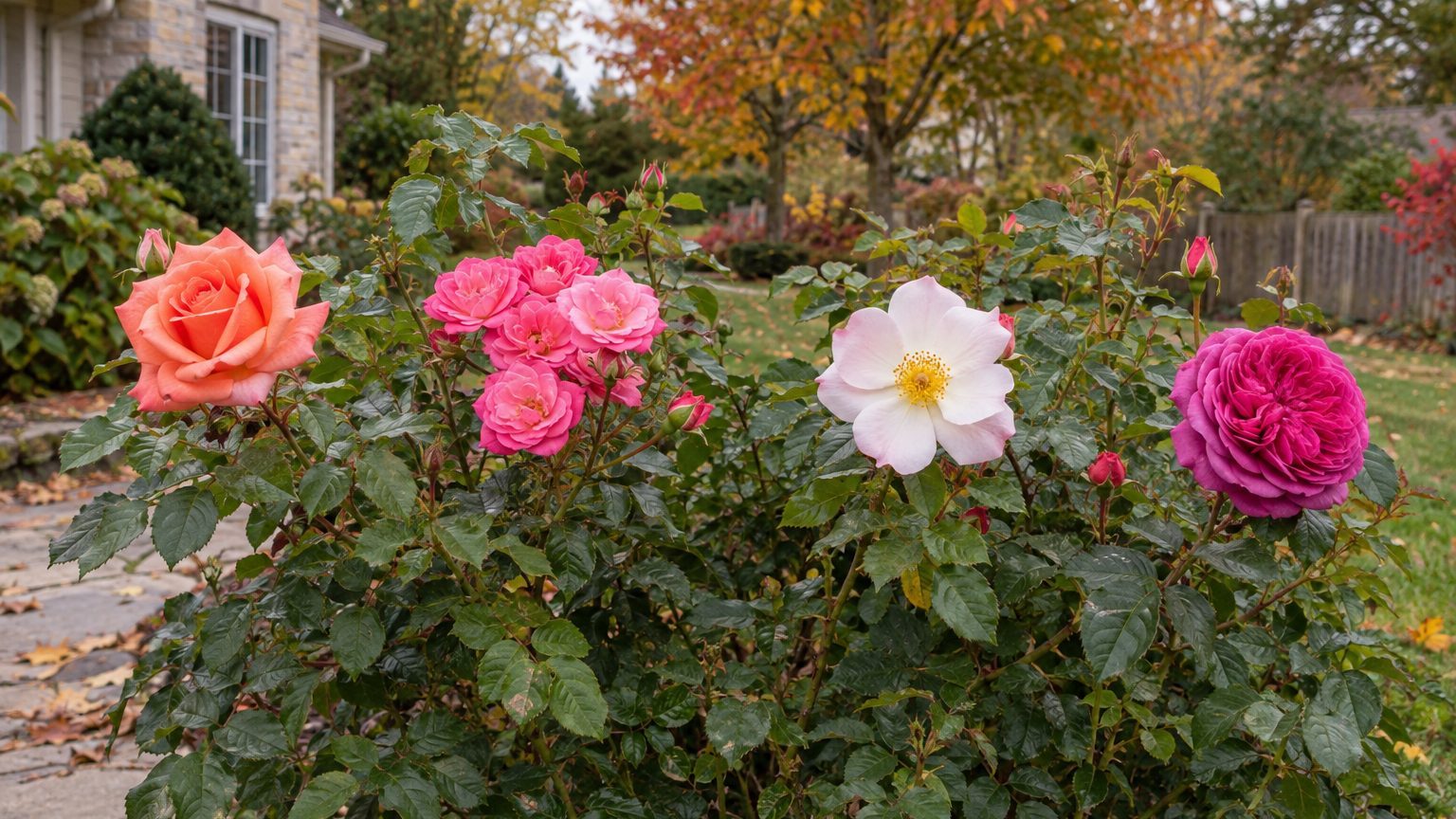
Healthy roses in bloom

Hardy shrub roses are the ones that hold here, because winter, not summer heat or damp, decides what survives. Whitehorse sits in Canadian hardiness zone 1b (a Canadian rating that does not match any USDA zone), so a rose has to shrug off deep cold with little help from you.

Rugosa Roses

Northern extension advice calls Rosa rugosa hardy in most locations, and that is the reason to start here. Rugosas tolerate cold that flattens other roses, so they suit a first rose bed in the territory.

Varieties still differ from one garden to the next. Plant a rugosa, watch it through a winter, and add others once you know your own spot.

Explorer Series Roses

Explorer roses are hardy shrub roses that perform well without extra winter protection. That saves the autumn chore of covering canes, which matters when the season turns quickly.

They repeat-bloom, so prune them in May once active growth is underway.

Knock Out Roses

Knock Out is another hardy shrub rose that does well without extra winter protection. It is a sensible pick if you want a tidy, low-fuss rose near the front walk.

Treat it like the Explorers: feed in May, June and July, then stop.

Hybrid Teas and Floribundas

Tender roses do not reliably overwinter in cold northern gardens. That list includes hybrid teas, grandifloras, floribundas and miniature roses.

They need winter protection in cold winters, and in Yukon even protection may not carry them through. Grow them as an experiment, not as the backbone of the bed.

How to Choose a Rose for a Yukon Garden

Start with the winter you can count on, not the flower you picture. Rugosas and hardy shrub roses answer the cold directly, and they ask the least of you once planted.

Planting time matters too. Bare-root roses go in during June, and potted roses can go in later.

Your situation What suits it in Yukon Why
Very cold winter Rugosa roses Rugosa is hardy in most locations across cold northern gardens
Little time for winter care Explorer series or Knock Out Hardy shrub roses perform well without extra protection
You love hybrid teas or floribundas Hybrid teas or floribundas, with winter protection Tender roses do not reliably overwinter, and cold winters call for protection
A late start in spring Potted roses They can go in after the June window for bare-root plants

Winter hardiness and low upkeep should guide the choice. For old garden roses, ramblers and many climbers, remember they bloom once a year on last year’s wood.

Which Roses Suit Different Parts of Yukon

Yukon is not one climate, and northern or upland districts can run colder and later than Whitehorse.

  • Whitehorse: The usual last spring frost averages June 5, which means frost comes later than that in one year out of two. Treat June 5 only as the middle of the local frost window, and wait until conditions have settled before planting.
  • Dawson City: Northern districts like this run weeks behind Whitehorse’s frost date. Lean on rugosas and other hardy shrub roses, and hold off planting until the weather has truly settled.

Because no local rose-timing page exists for the territory, the months here follow the nearest comparable climate. Confirm local timing with a garden centre, a rose society or a territorial gardening group.

Rose Buying Mistakes to Avoid in Yukon

Buying a Tender Rose Without a Plan

Hybrid teas, floribundas, grandifloras and miniatures may look appealing on the shelf, but they do not reliably overwinter in northern gardens. The result can be dead canes after a hard winter.

If you want one anyway, buy it knowing it needs protection, or pick a rugosa or Explorer instead.

Pruning Too Soon in Spring

Wait until active growth is underway in May before pruning repeat-blooming roses, because snow cover lasts into spring and buds are slow to show. Cutting early removes wood that may still be alive.

Once-blooming roses are different. They flower on last year’s wood, so prune them right after they bloom and never in early spring.

Feeding Past the Season

Feed in May, June and July, then stop by August 1. Late fertilizer pushes soft new growth that the first hard freeze will kill.

If fertilizer remains in August, store it for later use.

Where to Get Rose Advice in Yukon

Gardeners can combine general agriculture guidance with advice from local growers.

  • Agriculture and Agri-Food Canada offers general guidance on plants and growing conditions, so check it before you shop.
  • A local garden centre can tell you which hardy roses are in stock, and spring is the time to ask.
  • A rose society or territorial gardening group knows what has survived in nearby yards, so ask them to confirm local timing.

Common Questions

Can You Plant a Potted Rose Later than a Bare-Root Rose in Yukon?

Yes. Bare-root roses are best planted in June, while potted roses can go in later.

Is June 5 a Safe Date to Plant Roses in Whitehorse?

No. That date is an average, and in one year out of two the last frost falls later. Treat it as the middle of a window and watch the forecast.

Does Zone 1b Apply to All of Yukon?

No. Zone 1b is a Canadian rating for Whitehorse, the reference city, and it is not a USDA zone. Northern and upland districts can run colder and later, so test hardy roses in your own garden first.
Best Roses for Wyoming

Best Roses for Wyoming

Wyoming rose growers know the routine of mounding soil over the canes once late fall nights turn hard, and the best roses for the state are the ones that need little of it. Roses can thrive here, but winter decides which kinds earn a place in the yard. Hardy shrub roses are the safest start, with a few careful choices among the fussier types.

Best Roses to Grow in Wyoming

Best Roses for Wyoming

Hardy shrub roses are the ones that settle in across Wyoming, where USDA hardiness zones run from 3a to 6a. Most are vigorous and ask for little care under severe conditions. Hybrid teas and grandifloras can still work, but they need more help from you. Frost can arrive in any month at higher elevations, which favors tough, fast-recovering plants.

Hardy Shrub Roses

Hardy Shrub Roses — Best Roses for Wyoming

Hybrid rugosa, hybrid kordesii and shrub roses are the groups with cultivars adapted to cold, short-season climates. They are vigorous, tolerate harsh winters and need little care. Give them room, because some, like the Red Leaf Rose, can grow into substantial shrubs.

Explorer Series and Knock Out

Explorer Series and Knock Out — Best Roses for Wyoming

Hardy shrub roses such as Knock Out and the Explorer series perform well without extra winter protection. That makes them the low-effort choice for a front yard where you do not want to haul soil every November.

Simplicity and Meidiland Roses

Simplicity roses are shrub roses that repeat bloom through the whole growing season and resist pests and disease. The Meidiland series is also useful in the landscape, especially for hedges and mass plantings where you want color without fuss.

Repeat-Blooming Climbers

Choose large-flowered climbers that repeat bloom, because most flower on the current year’s growth. Once-blooming roses, including old garden roses, ramblers and many climbers, flower once a year on last year’s wood, so prune them right after they bloom and never in early spring.

Hybrid Teas and Grandifloras

Hybrid teas are the familiar garden rose, and floribundas, a cross between a hybrid tea and a polyantha, repeat bloom too. Both need winter protection in cold winters. Prune repeat bloomers in April, though it can also be done in May.

Miniature Roses

Miniatures are naturally dwarf and stay popular in small garden spaces. They suit a container by the door or a narrow bed where a full-size shrub would crowd the walk.

How to Choose a Rose for a Wyoming Garden

Start with what your winter does to a plant, then match the rose to how much time you want to spend. Hardiness is the main filter here, and effort comes second.

Where you plant matters too. A sheltered spot against a wall can carry a rose that would struggle in an open bed.

Your situation What suits it in Wyoming Why
Very cold winter Hybrid rugosa, hybrid kordesii and other hardy shrub roses Vigorous and adapted to severe conditions
Little time to spare Knock Out, Explorer series or Simplicity roses No extra winter protection needed for hardy shrubs, and Simplicity resists pests and disease
Small space Miniature roses Naturally dwarf and popular in small gardens
Want a climber Repeat-blooming, large-flowered climbers Most bloom on new wood and flower again
Warmer, protected spot Alpine and Nootka roses Worth trying in a warmer, protected site
Short growing season Hardy shrub roses Frost is possible in any month at higher elevations, so tough plants recover faster

Floribundas and hybrid teas fit the table only if you accept the extra work of covering them each winter. Climbing hybrid teas and climbing grandifloras are the ones to skip, since most bloom only on the previous year’s growth.

Which Roses Suit Different Parts of Wyoming

The state changes mostly with elevation and shelter, and that shifts how much risk you can take with a rose.

  • Laramie and the high plains: Around 6,000 feet the growing season runs about 130 frost-free days, and frost can still come in any month higher up. Stay with hardy shrub roses and Explorer types, and cover anything tender.
  • Bighorn Basin and sheltered town yards: A warm, protected site gives you room to try Alpine and Nootka roses. Plant them against a wall or fence for shelter.

Wherever you live, your local extension office can tell you how your own yard compares.

Rose Buying Mistakes to Avoid in Wyoming

Hybrid Teas Without Winter Protection

Hybrid teas and grandifloras are often damaged without extra cover, and a bare bush can lose canes over the cold months. Mound soil over the crown in November, once hard cold has settled in. Do this in November; October or December can work if conditions require it. Take it off gradually in April once hard frost has passed, or in May if spring runs cold.

Climbing Hybrid Teas

These bloom only on the previous year’s growth, so a hard winter or a pruning mistake can cost you the whole season of flowers. Buy a repeat-blooming, large-flowered climber instead, since most bloom on new wood and flower again.

Rose Bought on the Wrong Roots

Bare-root plants on their own roots and graded Number 1 are the best. Plant them in April or May, as soon as the ground can be worked and while the plants are still dormant. Potted roses can go in later in the season.

Where to Get Rose Advice in Wyoming

University of Wyoming Extension is the local source for rose varieties that suit your elevation, and your county office applies that advice to your own yard.

  • County extension office: Ask which hardy shrub roses local gardeners rely on, ideally before ordering bare-root plants for spring.
  • Look for state-specific rose and winter protection guidance, and check it again in early fall before the first hard nights.

Common Questions

When Should You Feed Roses in Wyoming?

Feed from May through July, when the roses are in active growth. April and August also work, but stop after mid-August so the plants do not push soft growth that frost will kill.

Can You Plant Potted Roses Later than Bare-Root Ones?

Yes. Bare-root roses must go in early, in April or May, while still dormant. Potted roses are already growing, so they can go in later, once the soil has warmed.

When Should You Take Winter Protection Off Roses?

Take it off gradually in April, after the danger of hard frost has passed. If spring stays cold, it can also be done in May.

Best Roses for Wisconsin

Best Roses for Wisconsin

A hybrid tea that sailed through August can come out of a Wisconsin winter as a handful of black canes. Roses here are chosen as much for how they handle winter as for how they look in summer. The hardy types make the choice easy, and the tender ones can still be grown with some extra work.

Best Roses to Grow in Wisconsin

Healthy roses in bloom

Hardy shrub roses, including Knock Out, the Explorer series and the Canadian Artist series, suit Wisconsin because winters here fall in USDA zones 3b to 6a and they come through without fuss. Hybrid teas, floribundas and grandifloras can work too, but they were bred for milder places and need your help.

Hardy Shrub Roses

If a rose that needs no winter protection sounds appealing, this is the group to shop in. Hardy shrub roses were bred to take cold winters in stride, so the canes are not mounded or wrapped each fall.

They bring front-yard color without the yearly work of protecting tender roses.

Knock Out

Knock Out is a hardy shrub rose that performs well without extra protection, which makes it a sensible starter for a first rose bed. It repeat-blooms, so prune it with other repeat-blooming roses in spring.

Explorer Series

The Explorer roses are another hardy shrub group that does well without extra protection in cold country. Look for the series name on the plant tag when you compare options at a garden center.

Canadian Artist Series

The Canadian Artist series was bred to be winter hardy and disease-resistant, a useful pairing for Wisconsin, where cold winters follow humid summers. Disease resistance helps against black spot, and resistance to other fungal diseases can also lessen the effects of rust.

Hybrid Teas, Floribundas and Grandifloras

These are the roses most people picture, and they cannot survive northern winters without protection. If you grow them, mound the canes after several hard freezes, once the plant is fully dormant. In Wisconsin, that means November.

How to Choose a Rose for a Wisconsin Garden

Start with how much winter work you are willing to do. Then think about how damp your summers feel in the yard, because wet leaves are where black spot and rust get going.

Your situation What suits it in Wisconsin Why
Very cold winter Canadian Artist series, Explorer series Bred to be winter hardy
Humid summer Canadian Artist series, disease-resistant varieties Resistance to black spot also lessens the effects of rust
Little time Knock Out, hardy shrub roses No winter protection required
Love of hybrid teas Hybrid teas, floribundas, grandifloras with a winter mound Bred for warmer climates, so they need protection

Pruning follows the type of rose. Repeat-blooming roses such as hybrid teas, floribundas and modern shrub roses are pruned in April or May, once the winter mound is off and the chance of a hard freeze has passed. Once-blooming roses (old garden roses, ramblers, many climbers) flower on last year’s wood, so prune them right after they bloom, never in early spring. For advice on heat and drought tolerance and on small-space picks, ask your county office.

Which Roses Suit Different Parts of Wisconsin

Winter cold varies across the state, so the same rose can be an easy keeper in one yard and a gamble in another.

  • Lake Michigan shoreline: The lake delays the first fall freeze, which gives roses a longer stretch of growth and bloom. Tender roses still need winter protection here.
  • Southern Wisconsin inland: Freezes arrive sooner than on the lakeshore, but wait until the plants are fully dormant after several hard freezes before protecting tender roses. Hardy shrub roses simplify the work.
  • Northern Wisconsin: Freezes come far earlier and winters are colder. Hardy shrub roses, such as the Canadian Artist and Explorer series, are the sounder choice, and tender types are a long shot.

Your own yard matters too, since a sheltered spot near a house wall behaves differently from an open lot.

Rose Buying Mistakes to Avoid in Wisconsin

Tender Roses Without a Plan

Hybrid teas, floribundas and grandifloras can lose canes over winter if they are left unprotected. Before buying, decide whether you will mound them every fall. If not, choose a hardy shrub rose that needs no winter protection.

Disease-Prone Varieties

Humid summers favor black spot and rust, and a susceptible variety means spotted, dropping leaves and repeated cleanup. Inspect new plants for symptoms of rust before you buy. Then favor varieties labeled disease resistant, because resistance to black spot and other fungal diseases also lessens the effects of rust.

Covering Too Early

Mounding a rose before it is fully dormant traps warmth around canes that are still active. Wait until after several hard freezes, then put the protection on in November. That timing lets the rose enter winter fully dormant and protected.

Where to Get Rose Advice in Wisconsin

Local growers see which varieties thrive in your area, and useful help is close at hand.

  • Browse the service’s research-based rose and garden guidance before you buy plants in spring. The link is on the name: University of Wisconsin Extension.
  • Your county Extension office can tell you which roses do well locally and can help identify leaf problems, so bring a sample in summer when spots appear.

Common Questions

When Should You Stop Feeding Roses in Wisconsin?

Feed roses in late April and again at peak bloom, then stop after July. Late feeding pushes soft new growth that has little time to mature before winter.

Can You Plant a Rose in June?

Yes. Bare-root roses go in best during April and May, but a potted rose can also go in during June, once severe frost is well past.

When Should You Take Winter Protection Off Roses?

April is the time, with the mound removed in stages. If spring stays cold, it can also be done in May.

Best Roses for West Virginia

Best Roses for West Virginia

A rose that blooms through June and comes back after a mountain winter is mostly a matter of choosing the right kind before you buy. In West Virginia, that means weighing cold canes against humid summers, when leaf diseases move in. Some groups handle both far better than others.

Best Roses to Grow in West Virginia

Healthy roses in bloom

Cold-bred cultivars, old garden roses, own-root plants, disease-resistant shrub roses and native species hold up here, because winter can scorch tender canes and humid summers invite leaf disease. USDA hardiness zones run from 5a to 7a across the state, so a rose that sails through one county may need help in another.

Cold-Hardy Cultivars

A rose bred to survive a much colder zone needs little or no added protection in a milder garden. That is a real advantage in the higher parts of West Virginia, where winter can be hard on canes. Check the plant tag for the hardiness the breeder claims, and aim for a rating colder than your own zone.

Old Garden Roses

Many old garden roses tolerate cold well, and they do not want the hard pruning that modern roses get, which can ruin their graceful shape and cut flowering. Most bloom once a year on last year’s wood, so prune them right after the flowers fade, never in early spring.

Own-Root Roses

Own-root roses grow from cuttings rather than being grafted onto a different rootstock. Depending on how hardy the variety is for your zone, they may still need protection. If winter kills the canes, new ones often come up from the deep roots, so the plant has a way back.

Knock Out Roses

Humid summers make black spot a familiar problem on roses, but the Knock Out cultivars are highly resistant to it. That makes them a sensible shrub rose for a front yard where you would rather not spray. Hundreds of hybrids vary widely in disease susceptibility, so a resistant label is worth looking for.

Native Roses

Swamp rose, Carolina rose and Virginia rose are native, non-climbing shrubs of this part of the country, with pink flowers. Climbing rose (Rosa setigera) is a native that can scramble up into taller plants. Natives suit a looser, wilder corner of the garden.

Hybrid Teas and Floribundas

Hybrid teas take considerable damage in cold winters, so they suit the milder valleys and a sheltered spot. Both they and floribundas bloom on new growth. Prune them in March, when the forsythia blooms and the buds begin to swell. February or April also works.

How to Choose a Rose for a West Virginia Garden

Start with the worst thing your yard throws at a rose, whether that is a cold ridge, a damp valley or a busy schedule. The right type follows from that problem, and a plant matched to it usually needs far less rescue work later.

Your situation What suits it in West Virginia Why
Very cold winter Cold-bred cultivars or old garden roses Cultivars bred for colder zones need little added protection, and many old garden roses tolerate cold
Humid summer Knock Out cultivars or other disease-resistant varieties They resist black spot, which was once very common on landscape roses
Little time Old garden roses They do not need hard annual pruning
Winter dieback worries Own-root roses New canes often emerge from deep roots if the old ones die
Mild, sheltered spot Hybrid teas and floribundas They bloom repeatedly but suffer in hard cold

Miniature roses are a compact option for a small yard. Whatever you pick, look for disease resistance on the tag before you look at the flower color.

Which Roses Suit Different Parts of West Virginia

Elevation does most of the sorting here, since the state runs from low river valleys to high mountain ground.

  • Charleston is the reference point, where frost risk fades between April 9 and April 23. It is gentler on canes than the high country, so hybrid teas and floribundas have a fair chance with a sheltered spot.
  • The Allegheny Highlands: higher elevations freeze noticeably earlier in fall, so lean on cold-bred cultivars, old garden roses and own-root plants, and expect to protect canes in a hard winter.

Between those extremes, a rose’s hardiness rating matters more than the county line, so match it to the conditions in your own yard rather than to a general regional guess.

Rose Buying Mistakes to Avoid in West Virginia

Buying a Rose Too Tender for Winter

Hybrid teas are lovely on the tag, but they can suffer considerable damage in cold winters. If your yard sits high or exposed, choose a cold-bred cultivar or an old garden rose instead, and keep the hybrid teas for a sheltered corner.

Choosing a Disease-Prone Variety

Humid West Virginia summers reward the rose that resists black spot and punish the one that does not. A susceptible variety means yellowing, spotted leaves and constant cleanup. Check for disease resistance before you buy, since hundreds of cultivars differ widely, and consider the Knock Out types.

Planting Roses That Need Winter Rescue

A rose whose hardiness falls short of your zone will keep needing protection, and in a hard winter the canes may still die. Own-root plants give you some insurance, because new canes often rise from the deep roots. Pick plants whose hardiness suits your spot from the start.

Where to Get Rose Advice in West Virginia

West Virginia University Extension can help you match a rose to your elevation, soil and disease pressure. Your county extension office offers the same help closer to home.

  • The state extension service publishes plant and disease guidance you can read before you shop in spring.
  • Your county office can tell you how cold your local ground really gets and which varieties neighbors have kept alive.
  • Call before you buy, so a rose chosen for your own hillside or valley is what ends up in the cart.

Common Questions

When Should You Feed Roses in West Virginia?

Feed from April through August, once leaves are out and the plant is growing. March also works if growth starts early. Stop in late summer so new shoots have time to harden before winter.

When Should You Plant Bare-Root Roses?

March and April suit bare-root roses, and February also works when the ground is workable. Plant them while still dormant so roots settle before the weather warms.

Can You Plant a Potted Rose Later than a Bare-Root One?

Yes, potted roses can go in later than bare-root plants. They arrive with leaves and roots already growing, which makes the timing more forgiving.

Best Roses for Washington

Best Roses for Washington

Roses leaf out in Washington while the weather is still cool and gray, and by summer the difference between a tough rose and a fussy one is plain on the bush. Shrub, species and rugosa roses handle cold well, while disease resistance is especially useful in the damp west. Disease-resistant varieties matter most in wet summers, especially west of the Cascades.

Best Roses to Grow in Washington

Best Roses for Washington

The roses that hold up here are the hardy, low-care types. Washington covers USDA hardiness zones 4a to 9a, so winters range from mild and maritime in the west to properly cold in the east. Humid summers in the west invite leaf diseases. Choose a rose rated for your own zone, then favor disease resistance.

Species Roses

Species Roses — Best Roses for Washington

Species roses are the closest to wild roses, and they are generally the most disease-resistant group. That counts for a lot where damp air sits on the leaves. They live through hard winters unharmed, so they suit cold corners of the state with no coddling.

Shrub and Rugosa Roses

Shrub and Rugosa Roses — Best Roses for Washington

Often called hardy shrub roses, these can look like wild roses and still carry plenty of scented, roselike blooms. They need much less care than other roses, which suits a busy gardener. Rugosas also root from cuttings more readily than most, so one good plant can become a hedge.

Old Garden Roses

Many old garden roses are hardy enough to come through cold winters unharmed. One old rose described for Washington gardens flowers so continuously that cold only turns its buds a paler shade, and they stay fresh on the bush. It tolerates shade but hates cold wind, so give it shelter.

Climbing Roses

A climbing rose has stiff stems with medium to large flowers, carried on a framework of mature wood that is usually permanent. Put one against a wall or trellis and leave that framework alone. Ramblers and some climbers also root from cuttings, which is handy for filling a fence line.

Miniature Roses

Miniatures are more prone to black spot than other types, which matters in a damp western summer. A few varieties are reliably resistant to every strain of the disease. Look for those by name before you buy, and skip any miniature sold without a disease rating.

How to Choose a Rose for a Washington Garden

Start with your winter and your summer air, because those two decide more than flower color does. A rose that shrugs off cold may still struggle with black spot in a damp western summer.

Time and space come next. A rose that wants constant attention is a poor match for a busy household, however pretty the catalog photo.

Your situation What suits it in Washington Why
Very cold winter Species, shrub or old garden roses They are hardy and live through cold winters unharmed
Humid summer Species roses or varieties marked disease-resistant Species roses are generally the most disease-resistant, and leaves stay cleaner
Little time Shrub or rugosa roses They need much less care than other roses
Wall or fence to cover A climbing rose Its permanent framework of mature wood carries large flowers

For a small space, a miniature rose stays compact, but only if you pick a variety resistant to black spot. Dry soil and colder winters are bigger issues east of the Cascades, where hardy shrub roses are a practical place to start.

Which Roses Suit Different Parts of Washington

The Cascades split the state into two very different rose climates, and that changes which type you reach for.

  • Seattle and the Puget Sound lowlands: Winters are mild and maritime, while damp summers make disease resistance important. Disease is. Put resistant varieties first, and keep miniatures and other black spot prone types to the ones rated resistant.
  • Eastern Washington beyond the Cascades: This is high desert with a far shorter growing season and colder winters. Species, shrub and old garden roses earn their place here, while tender hybrids ask for more protection.

A hardiness zone map is a good first filter, but your own yard, its wind and its shelter, adjusts the final choice.

Rose Buying Mistakes to Avoid in Washington

Buying Tender Roses for Cold Areas

A tender rose in a cold part of the state can lose its canes to winter, and the plant you paid for starts over from the base. If you want one anyway, mound loose mulch such as shredded leaves, compost, pine needles or sawdust over its base. Do it in November or December, once the plant is dormant and before hard frost.

Ignoring Black Spot Resistance

Choosing on bloom color alone can leave you with a rose that spots and drops leaves in a damp summer. Miniatures are the usual offenders. Ask for a variety listed as resistant, and favor species roses when you want the least trouble.

Pruning Once-Blooming Roses in Spring

Old garden roses, ramblers and many climbers flower once a year on last year’s wood. Cut them in early spring and you remove the year’s flowers. Prune them right after they bloom. Repeat-blooming roses are different: prune them in February or March, around the time forsythia blooms, since later pruning also delays the first flush of flowers.

Where to Get Rose Advice in Washington

Local growers can tell you which varieties handle your own town’s cold and damp. Washington State University Extension offers research-based garden advice, and your county has its own office.

  • The extension website carries rose care guidance written for Washington gardens, useful to read before you shop.
  • Your county extension office can answer questions about local conditions and disease problems, and it is worth a call in late winter, before planting season.

Common Questions

When Should You Plant Roses in Washington?

Bare-root roses go in during February or March, while they are dormant and can build roots before spring growth. Potted roses are more flexible and can go in as late as June, though earlier is better so they establish before the heat of midsummer.

When Should You Feed Roses in Washington?

Begin at bud break in spring and keep feeding regularly from March through July. A late feeding in August is fine, but stop as the roses head toward dormancy in late summer.

Can You Grow Roses from Cuttings in Washington?

Some roses root more easily than others. Ramblers and rugosa roses are good candidates, along with some climbing roses and large-flowered types, so start with those if you want free plants.

Best Roses for Virginia

Best Roses for Virginia

A rose that blooms through a muggy Virginia July with clean, glossy leaves is a rose that was chosen well in the nursery row. Winters here can bite in the mountains and soften at the coast, and summers bring humidity that invites leaf spots.

Best Roses to Grow in Virginia

Healthy roses in bloom

Roses bred for cold hardiness and disease resistance hold up well across Virginia, because winters swing widely and humid summers favor leaf diseases. USDA hardiness zones here run from 5a to 8b, so a rose that sails through a coastal winter may need help in the mountains.

Knock Out Roses

Humid summers make black spot the usual complaint on roses. The Knock Out series has a reputation for strong black spot resistance, which is why it turns up so often in landscape plantings in this part of the country.

Plant them in full sun with room for air to move through the shrub, and feed from April through August.

Shrub Roses

Home gardeners often choose shrub roses, and they are generally easier than hybrid teas. Repeat-blooming modern shrub roses flower on new growth, so a spring pruning in March suits them. Look for labels that mention disease resistance, since hundreds of cultivars vary widely in how they handle summer humidity.

Old Garden Roses

Heirloom roses, meaning those in existence before 1867, tend to be very tolerant of cold. They also skip the hard annual pruning that many modern roses need, which can spoil their graceful shape and cut flowering.

Many bloom once a year on last year’s wood, so prune them right after they bloom, never in early spring.

Cold-Hardy Roses

A rose rated hardier than your garden’s own zone may need little or no added protection. That gives you a wide margin in much of Virginia and a useful head start in the colder western corners, where a tender rose would need mounding or wrapping.

Own-Root Roses

Own-root roses grow from cuttings rather than being grafted onto another rootstock. They may still need winter protection, depending on how their hardiness compares with your zone. If the canes die back, new ones often come up from the deep roots, so the plant is not lost.

Native Roses

Virginia rose, swamp rose and Carolina rose are native, non-climbing shrubs with pink flowers. They suit looser, more natural corners of the yard. Their site needs still vary, so match each species to the conditions in your yard.

How to Choose a Rose for a Virginia Garden

Start with the winter you actually get, then think about summer humidity and how much time you want to spend. Hardiness zones in Virginia span a wide range, so check your own zone before shopping.

A rose that suits your zone and resists disease will save you more work than any spray schedule.

Your situation What suits it in Virginia Why
Cold winters in the mountains Cold-hardy roses and old garden roses Old garden roses tolerate cold well, while hybrid teas can take considerable damage
Humid, wet summers Knock Out roses and other disease-resistant varieties Resistance to black spot keeps leaves on the plant through the season
Little time for upkeep Old garden roses and disease-resistant shrub roses Old roses skip hard pruning, and resistant varieties need less disease control
Winters that could kill a graft Own-root roses If canes die back, new ones often come up from the roots

Miniature roses are among the modern types gardeners pick, but their care needs still depend on the variety. Give them the same attention to disease resistance and sun as any other rose.

Which Roses Suit Different Parts of Virginia

Virginia stretches from the Atlantic to the Appalachians, and the climate shifts with it.

  • Virginia Beach and the coast: This is the mild end of the state, so tender modern roses face the least winter risk here. Bare-root planting can start as early as February.
  • Blue Ridge and southwest Virginia: Spring arrives weeks later and fall comes earlier, which favors cold-hardy roses and old garden roses. Plant bare-root roses in March or April rather than February.

The hardiness zone on your own plant tag matters more than the region name, whatever the part of the state you garden in.

Rose Buying Mistakes to Avoid in Virginia

Choosing a Tender Rose for a Cold Site

Hybrid teas can suffer considerable damage in cold, exposed spots, and the loss shows up as dead canes in spring. In the colder parts of the state, choose a cold-hardy rose or an old garden rose instead.

Ignoring Disease Resistance

Hundreds of cultivars exist, and they differ widely in susceptibility to disease. A susceptible variety in a humid summer means spotted leaves and repeated treatment. Check the label or ask the nursery, and lean toward resistant cultivars such as the Knock Out series.

Buying a Grafted Rose Where Winter Is Hard

Where winter can kill the canes to the ground, a grafted rose risks losing the named top. An own-root rose, grown from cuttings, can send up new canes from its roots instead. In colder areas, ask whether the plant is own-root before you buy.

Where to Get Rose Advice in Virginia

Virginia Cooperative Extension offers research-based guidance on roses, and your county office can answer questions specific to your soil and microclimate.

  • The state extension site is where you can look up rose care and disease information, and it is a good first stop before you shop in late winter.
  • Your county extension office can help identify a leaf problem if you bring a sample, and it is most useful once leaves are open in spring.

Common Questions

When Should You Prune Roses in Virginia?

Repeat-blooming roses such as hybrid teas, floribundas and modern shrub roses are pruned in March. February and April also work. Watch the buds: when they swell and the forsythia blooms, it is time.

When Can You Plant Bare-Root Roses in Virginia?

March and April are the preferred months, and February also works in milder spots. Potted roses can go in later than bare-root ones.

When Should You Feed Roses in Virginia?

Feed from April through August, and March also works once the first leaves appear. Feeding stops after summer so soft new growth does not meet winter unready.

Best Roses for Vermont

Best Roses for Vermont

Inspect the canes for winter damage: green wood at the base is encouraging, while black and brittle canes may be dead. Vermont roses face real cold, so the ones that return year after year are chosen for hardiness first and flower type second. Shrub roses, floribundas and the Explorer series earn their place here.

Best Roses to Grow in Vermont

Healthy roses in bloom

Hardy, tough types hold up well, because Vermont winters decide which roses survive. Under the USDA hardiness system the state runs from zone 3b to 5b, so a rose that suits one town may struggle in the next valley. Summer heat is rarely the limit. Cold is, so choose for the winter first.

Floribundas and Polyanthas

Floribundas and polyanthas prove more winter hardy than hybrid teas and grandifloras. They bloom in clusters and handle a cold snap with less fuss, which makes them a sensible step up if you want color without a heavy winter routine.

Hybrid Perpetuals

Hybrid perpetuals share that extra hardiness over hybrid teas. They are an older style of rose with full, fragrant flowers, and they suit a gardener who likes the look of classic roses but not the losses.

Shrub Roses

Modern shrub roses sit in the same hardier group, and they are a practical place to start. Knock Out is one that performs well without extra protection. Give them a spot with 6 to 8 hours of direct sun and loose, well-drained soil, and they will be off to a sound start.

Meidiland Series

The Meidiland series is hardy to at least zone 5. In zone 4, hardiness varies by variety, so colder gardens should be cautious before committing to a hedge.

Canadian Explorer Series

Named for explorers such as Champlain, Cabot and Kelsey, these shrub and climbing roses mostly live in zone 4. That makes them a practical choice for colder Vermont yards, and they need no extra protection.

Hybrid Teas

Hybrid teas give the classic cut flower, with long stems and a single sweet-scented bloom. They are also vulnerable to winter loss. Hybrid teas, floribundas and grandifloras need winter protection in cold winters, so plan for that before you buy one.

How to Choose a Rose for a Vermont Garden

Start with where you garden and how much time you want to spend. Roses want 6 to 8 hours of direct sun and rich, loose soil with plenty of organic matter and a pH of around 6.5. Past that, the choice comes down to your winter and your patience.

Planting bare-root roses goes best in April or May, and potted roses can go in later. Hardiness varies widely by variety, so read the plant tag against your own zone.

Your situation What suits it in Vermont Why
Very cold winters, zone 3b Hardy shrub roses rated for zone 3b Choose only types that survive your coldest average winter
Zone 4 garden Explorer series, Meidiland by variety Explorers mostly live here, Meidiland is marginal by variety
Little time Knock Out or Explorer series They perform well without extra protection
Small space Climbing roses on a trellis or arbor They grow up instead of out
Cut flowers Hybrid teas Long stems and fragrance, but they need winter protection
Mild spot near the lake, zone 5 Meidiland series Hardy to at least this zone

Pruning follows the type. Repeat-blooming roses such as hybrid teas, floribundas and modern shrub roses bloom on new wood and are pruned in April or May, once shoots are several inches long. March can work if growth has started. Once-blooming roses, including old garden roses, ramblers and many climbers, flower on last year’s wood, so prune them right after they bloom and never in early spring.

Which Roses Suit Different Parts of Vermont

Vermont’s climate shifts with elevation and distance from the lake, and that moves the line between a safe rose and a gamble.

  • Champlain Valley: this area is milder than much of the rest of the state, and Burlington’s last spring frost falls between April 30 and May 10. Meidiland roses and even a protected hybrid tea are reasonable options here.
  • Green Mountains: the growing season runs shorter and winters bite harder. Stay with Explorer roses and hardy shrub roses, and place them where snow gathers and covers the base.
  • Northeast Kingdom: cold settles in early and stays long, so check the plant tag against your own zone and favor hardy shrub roses. Treat a Meidiland rose as an experiment.
  • Southern Vermont valleys: slightly easier than the high country, though hills still bring cold pockets. Hardy shrub roses are a safe choice, with room to try floribundas.

Where your yard sits on a slope matters nearly as much as which town you live in.

Rose Buying Mistakes to Avoid in Vermont

Buying by Flower, Not Zone

Hybrid teas and grandifloras are lovely, but they are vulnerable to winter dieback. Buying one without planning for winter costs you the plant. Pick hardier types first, and if you still want a hybrid tea, treat the winter cover as part of the purchase.

Covering Too Early or Uncovering Too Late

Protection goes on in late November, after hard frosts have killed the leaves, because covering a living, leafy rose invites trouble. It comes off in May, early in the month before new growth begins, and April works if spring runs early. Leave deep mulch on too long and the buds suffer.

Pruning Too Soon

A warm spell in late winter tempts you out with the shears, but the advice is to wait until shoots are several inches long. Cutting early removes wood that might have lived. Repeat bloomers are cut in April or May, while once-bloomers wait until their flowers fade.

Feeding Past Summer

Feeding runs from April through July, and August can still work. Pushing growth later than that produces soft new shoots that may not harden off before winter, and those are the first to die back in cold.

Where to Get Rose Advice in Vermont

University of Vermont Extension publishes rose guidance written for Vermont conditions, including hardiness trials run in the state. Local offices can answer questions about a particular yard.

  • The extension website has articles on planning a rose bed and choosing varieties, and spring is a good time to read them before ordering.
  • The local extension office can help with a specific problem, and a visit in late winter lets you plan before planting season.
  • Master gardener volunteers connected to extension can answer questions about your area’s winters.

Common Questions

When Can You Plant Bare-Root Roses in Vermont?

April and May are the months for bare-root roses. Potted roses can go in later, which suits you if you miss the early window.

When Should You Feed Roses in Vermont?

Start in April and keep feeding regularly through July. August is the outer limit, and after that you should stop.

When Should You Take Winter Protection Off Roses in Vermont?

Early May is the usual time, before new growth begins. In a mild spring it can come off in April.

Best Roses for Utah

Best Roses for Utah

A rose cane that blackens and dies back after a hard Utah winter usually means the variety was a poor match for the yard, not that you did something wrong. Hardy shrub roses, repeat-blooming climbers and disease-resistant series do well in Utah, while hybrid teas ask for extra help. The choice comes down to cold, summer disease and your patience.

Best Roses to Grow in Utah

Best Roses for Utah

Hardy shrub roses and repeat-blooming climbers suit Utah because they handle cold with little care. Tender types need protection. On the USDA hardiness system the state runs from 4a to 9a, so a rose that thrives on the valley floor in Salt Lake City may struggle in a mountain town.

Hardy Shrub Roses

Hardy Shrub Roses — Best Roses for Utah

Most shrub roses are hardy and vigorous and need little care under severe conditions. Some tolerate severe winters, which is why they anchor a cold yard.

Knock Out and the Explorer series perform well without extra protection. Within the shrub class, the hybrid kordesii, hybrid rugosa and shrub divisions have the adapted cultivars.

Simplicity Roses

Simplicity Roses — Best Roses for Utah

Simplicity roses are a series of shrub roses that repeat bloom through the whole growing season. They are also very pest and disease resistant, which saves you from a lot of fussing in summer.

They suit a front-yard hedge or a foundation planting where you want color without a spray schedule.

Meidiland Roses

The Meidiland series is described as very useful in the landscape, and that fits how people use it: as a mass planting or a low screen rather than a single showpiece.

Treat it as a shrub rose and plant it where it has room to spread.

Large-Flowered Repeat-Blooming Climbers

Climbing hybrid teas and climbing grandifloras are generally not recommended, because most bloom only on the previous year’s growth. A hard winter can take that wood and the flowers with it.

Large-flowered climbers that repeat bloom flower on the current year’s growth, so a cold winter costs you less. Lady Banks is winter hardy, but it is not a repeat-blooming large-flowered climber.

Hybrid Teas and Grandifloras

The hybrid tea is a well-loved garden rose, and it earns its place with its form and fragrance. It is also the type that needs extra winter protection in cold winters, grandifloras included.

Grow them if you enjoy the ritual of covering and uncovering the plants. Otherwise, lean on the shrub types above.

Alpine and Nootka Roses

Alpine and Nootka roses do better in the warmer areas of the state and have survived on protected planting sites. A sheltered spot near a wall in a milder valley improves their odds.

They are a poor bet on exposed high ground.

How to Choose a Rose for a Utah Garden

Start with the problem your yard poses, whether that is a bitter winter, a disease-prone summer or simply a lack of time. Each situation points to a type that has a record of handling it.

Match the rose to the harshest thing your spot throws at it, then pick the color and form you like.

Your situation What suits it in Utah Why
Very cold winter Hardy shrub roses, Explorer series Hardy and vigorous with little need for care
Summer disease worries Simplicity roses Pest and disease resistant, repeat bloom all season
Warmer, sheltered spot Alpine and Nootka roses They do better in warmer areas and survive on protected sites
Little time to spend Knock Out or Meidiland Hardy, vigorous shrubs that need little care
Small space Miniatures Naturally dwarf and popular in small garden spaces
A wall or fence to cover Repeat-blooming large-flowered climbers They bloom on new wood, so winter damage costs less

Floribundas, a cross between a hybrid tea and a polyantha, typically repeat bloom each season. They suit a bed where you want steady color, though they share the hybrid teas’ need for winter care.

Which Roses Suit Different Parts of Utah

Winters differ a great deal between the valley floors, the mountain towns and the far south, and that changes how much cold your rose must survive.

  • Salt Lake Valley: This is a mild valley by Utah standards, so more types are possible here, including hybrid teas if you are willing to protect them.
  • Park City and the mountain towns: Higher ground is colder than the valley, so hardy shrub roses and the Explorer series are the sensible choice. Skip anything tender.
  • St. George and Washington County: Southern Utah is warmer, which is where Alpine and Nootka roses have a real chance, ideally on a protected site.

If you live between these places, choose for the colder one and treat any warm spot in your yard as a bonus.

Rose Buying Mistakes to Avoid in Utah

Tender Roses Left Unprotected

A hybrid tea or grandiflora planted like a shrub rose and left bare through winter often loses its canes, and with them a season of flowers.

If you buy one, plan to put protection on in November and take it off gradually in April, once the danger of hard frost has passed.

Ignoring Disease Resistance

A rose chosen only for its flower can end up needing regular attention through the summer, especially if it proves susceptible to disease.

Read the tag for pest and disease resistance, and look to series such as Simplicity that are described that way.

Choosing Grafted Over Own-Root

Where winter can kill a graft, a grafted rose may come back as the rootstock instead of the variety you paid for.

Look for bare-root plants on their own roots, graded Number 1. On their own roots, whatever regrows after a hard winter is the rose you bought.

Where to Get Rose Advice in Utah

Local growers know which roses cope with your elevation and neighborhood. Helpful local advice is within easy reach.

  • Utah State University Extension publishes plant advice for the state, and its pages on shrubs and vines are a good first read before you shop.
  • Your county extension office can speak to conditions in your own valley or town, so call in late winter before you order plants.

Common Questions

When Should You Prune Roses in Utah?

Repeat-blooming roses such as hybrid teas, floribundas and modern shrub roses are pruned in April, and it can also be done in May. Once-blooming roses, including old garden roses, ramblers and many climbers, flower on last year’s wood. Prune them right after they bloom, never in early spring.

When Can You Plant Bare-Root Roses in Utah?

April and May are the months, in early spring, as soon as the ground can be worked and while the plants are still dormant. Potted roses can go in later.

When Should You Feed Roses in Utah?

Feed from May through July, and April and August also work. Feed regularly through the growing season with an all-purpose fertilizer, then stop after mid-August so late, soft growth does not form before frost.

Best Roses for Texas

Best Roses for Texas

Roses tested in Texas have already faced heavy clay or loose sand, summer heat and dry spells. Tested roses save you money and spring disappointment.

Best Roses to Grow in Texas

Healthy roses in bloom

Earth-Kind roses hold up across Texas, while antique roses have been tried around Austin; the Earth-Kind group adds pest tolerance plus heat and drought tolerance once established.

Earth-Kind Roses

Earth-Kind is a designation a Texas extension program gives to select cultivars. It goes only to roses that showed superior pest tolerance and outstanding landscape performance in research and field trials. The list now holds 21 types.

Once established, these roses handle heat and drought well, and many bloom in successive flushes over multiple seasons.

Antique Roses

In the Austin area, antique roses are recommended alongside Earth-Kind ones simply because they have been tried and tested for local soil and climate. They suit a yard where you want a rose that has already proven itself.

Some antique types, like ramblers and many climbers, flower once a year on last year’s wood. Prune those right after they bloom, never in early spring.

Double Knock Out

This shrub rose is known for a robust nature, cherry-red double flowers and a sweet, fruity fragrance.

It provides continuous blooms throughout the growing season, so it earns its keep in a front bed that should look good for months.

Pink and Yellow Earth-Kind Picks

An Earth-Kind rose has bubble-gum pink double blooms, reliable color and disease resistance, making it a favorite among home gardeners and landscapers.

Another produces soft yellow clusters of fragrant flowers and is called versatile. Ask a local nursery whether either is stocked before you plan a color scheme around it.

How to Choose a Rose for a Texas Garden

Start with an Earth-Kind rose or another variety that is easy to grow. Starting there narrows the search before you match a rose to your soil and summer conditions.

After that, match the rose to what your yard actually deals with.

Your situation What suits it in Texas Why
Humid summer and disease worries Earth-Kind roses, or the bubble-gum pink double-flowered rose Earth-Kind status requires superior pest tolerance, and the pink rose is noted for disease resistance
Heat and dry spells Earth-Kind roses Once established, they have excellent heat and drought tolerance
Little time to spend Earth-Kind roses or Double Knock Out They are easy to grow, and Double Knock Out blooms continuously through the season
Clay or sandy soil Earth-Kind roses They do well from well-drained acid sands to poorly aerated, highly alkaline clays

Timing matters as much as variety. Bare-root roses go in best in January or February, before the buds break, which is usually on or before February 14. It can also be done in March, and potted roses can go in later. Where winters run harder than the Gulf end of the state, ask your county office which hardy types do well locally.

Which Roses Suit Different Parts of Texas

Texas stretches from the Gulf to the high plains, so the same rose behaves differently depending on where it sits, and the winter you plan for changes with the map.

  • The Gulf Coast: Houston sits at the mild end of the state, so winter is the least worry here. Put the weight on heat and humidity tolerance, which is where Earth-Kind pest tolerance earns its place.
  • Austin and the Hill Country: Earth-Kind and antique roses are the proven choices around Austin, and the Hill Country can run colder, so check local advice before buying anything tender.
  • The Panhandle: Freezes arrive earlier and linger longer than on the coast. Choose roses with extra care, favor tough, proven types, and prune before the buds break.

North Texas differs again from each of these, so your county extension office can advise you on what survives its winters.

Rose Buying Mistakes to Avoid in Texas

Roses Nobody Tested Here

A rose that thrived in a catalog photo may not have faced Texas clay, heat or drought. It can sulk, drop leaves or fail, wasting the plant and the planting effort.

Look for the Earth-Kind designation, which is awarded only after field trials in Texas, or choose an antique rose with a local track record.

Ignoring Your Hardiness Zone

Texas covers USDA hardiness zones 6a to 10a, a range built on the average annual extreme minimum temperature. A rose that sails through a Gulf Coast winter may suffer in the Panhandle.

Find your own zone before you buy, and ask the nursery whether the rose has grown well in your part of the state.

Pruning at the Wrong Time

Repeat-blooming roses such as hybrid teas, floribundas and modern shrub roses are best pruned before they begin growing but after winter dormancy. That usually means February, though January or March can work depending on location, and mid-February is typical in Austin.

Cutting at the wrong moment trims away new growth or leaves old canes untidy. Watch the buds and the weather rather than the calendar alone.

Where to Get Rose Advice in Texas

Local advice beats general advice for roses, because soil, winters and disease pressure change from one county to the next. Reliable help is close at hand.

  • Texas A&M AgriLife Extension publishes rose pruning guidance and the Earth-Kind rose list, so check it before you shop for plants.
  • Your county extension office can tell you which roses grow well locally and when to prune in your area. Call before you buy in winter, ahead of bare-root planting time.

Common Questions

What Does Earth-Kind Mean on a Rose?

It marks a rose that earned a designation from a Texas extension program, awarded after extensive research and field trials showed superior pest tolerance and outstanding landscape performance.

Will Earth-Kind Roses Grow in Clay or Sandy Soil?

They do well across a wide range of soils, from well-drained acid sands to poorly aerated, highly alkaline clays.

Do Earth-Kind Roses Bloom More than Once?

Many have successive blooms over multiple seasons, so they keep flowering rather than putting on a single show.

Best Roses for Tennessee

Best Roses for Tennessee

A rose that does well in Tennessee resists summer leaf disease and handles cold weather. Rugosa roses, Explorer roses and old garden roses fit that description. Hybrid teas can still earn a spot, though they ask for more attention through winter.

Best Roses to Grow in Tennessee

Healthy roses in bloom

Tennessee runs from zone 5b to zone 8a in the USDA hardiness system, so cold tolerance matters more in the east and on the plateau than in the middle of the state. Tough, disease-resistant shrub roses suit the humid summers. Tender types do well only with care.

Rugosa Roses

Rugosa is a hardy, multi-stemmed, disease-resistant shrub that also tolerates drought, which helps through a dry spell in July. It likes full sun and moist, well-drained soil, and it copes with poor soil. Many cultivars have single, semi-double or double flowers with fewer prickles than the species.

Explorer Roses

The Explorer group was bred to be hardy, disease-resistant and repeat blooming, which suits a humid summer and a cold snap. Most are shrubs. ‘Louis Jolliet’ is a climber, and ‘Charles Albanel’ works as a groundcover. Plant bare-root ones in March or April, or in February if the ground allows. Potted plants can go in later.

Old Garden Roses

Many old garden roses tolerate cold well, so they need little fuss in the colder parts of the state. Once-blooming old garden roses flower on last year’s wood, so prune them right after they bloom, never in early spring. They also do not need hard pruning, which can spoil their graceful shape and cut the flowering.

Hybrid Teas

Hybrid teas are grown for large, fragrant, solitary blooms, and they repeat bloom. They can suffer considerable damage in cold winters, so plant them in a spot that is more sheltered and warmer than the rest of your garden. Prune them in March, when the forsythia blooms and the buds swell. February and April also work if the season runs early or late.

Floribundas and Miniatures

Floribundas bear clusters of small flowers, and miniature roses carry small flowers on dwarf plants. Floribundas repeat bloom and take the same spring pruning as hybrid teas. Feed them from April through August, once the first leaves open. March feeding is fine if the plants leaf out early.

Ramblers and Climbers

Ramblers and many once-blooming climbers flower on old wood, while repeat-blooming climbers flower on new wood. Check which one you are buying before you prune. A once-blooming rambler needs cutting after its flowers fade, and a repeat-blooming climber follows the spring schedule.

How to Choose a Rose for a Tennessee Garden

Start with what bothers you most: winter, summer or the time you have. A rose that fits the problem will outperform a showier one that fights it.

If problems overlap in your garden, start with the problem that has caused the greatest losses.

Your situation What suits it in Tennessee Why
Very cold winter Old garden roses, Explorer roses Old garden roses tolerate cold well, and Explorer roses were bred to be hardy.
Humid summer Rugosa roses, Explorer roses These groups are disease-resistant.
Heat and drought Rugosa roses The shrub tolerates drought and poor soil in full sun.
Little time Old garden roses, rugosa roses Old roses skip hard pruning, and rugosas resist disease.
Small space Miniature roses They carry small flowers on dwarf plants.

Explorer roses stretch across jobs, since depending on the cultivar they work as a ground cover, on a trellis, as a hedge or as a specimen.

Which Roses Suit Different Parts of Tennessee

Spring runs cooler and later in the east and on the plateau than around Nashville, which changes how much risk you can take.

  • Cumberland Plateau and East Tennessee: lean on old garden roses, Explorer roses and rugosas, which tolerate cold better. Wait for the buds to swell before pruning repeat bloomers, which may land in April instead of March.
  • Nashville and Middle Tennessee: spring arrives sooner, but check local conditions before choosing a tender rose. Prune in March when the forsythia blooms, and plant bare-root roses in March.

Wherever you garden, the buds are a better guide than the calendar page.

Rose Buying Mistakes to Avoid in Tennessee

Choosing a Tender Type for a Cold Site

Hybrid teas can suffer considerable damage in cold winters, and the loss shows up as dead canes in spring. In the colder parts of the state, shift to Explorer roses or old garden roses and keep hybrid teas for sheltered corners.

Ignoring Disease in Humid Summers

A rose that needs frequent attention in wet weather turns into a chore by midsummer. Disease-resistant types like rugosas and Explorer roses save that work. Check the plant tag for resistance before you buy.

Pruning Old Roses Like Hybrid Teas

A heavy spring cut on an old garden rose can ruin its graceful shape and cut the flowering. Treat it gently and trim after bloom; hybrid teas and floribundas take their annual pruning in spring.

Where to Get Rose Advice in Tennessee

Local, tested guidance is available, and your county extension office can help with conditions in your garden.

  • Check the University of Tennessee Extension pages for rose care and disease notes before you shop.
  • Call your county extension office in late winter, ahead of planting, to ask which roses do well locally.

Common Questions

Can Potted Roses Be Planted Later than Bare-Root Roses?

Yes. Bare-root roses go in during March or April, while potted roses can go in later in the season.

When Should You Feed Roses in Tennessee?

Feed from April through August, starting when the first leaves open. March works when the plants leaf out early.

Can Roses Work as a Hedge or Ground Cover?

Some can. Depending on the cultivar, Explorer roses serve as a ground cover, hedge, trellis plant or specimen.

The almanac, state by state. Every date on this site comes from a state’s own frost facts and its extension service’s calendar — and says where it comes from.