Skip to content

Georgia

  1. Jan
  2. Feb
  3. Mar
  4. Apr
  5. May
  6. Jun
  7. Jul
  8. Aug
  9. Sep
  10. Oct
  11. Nov
  12. Dec
State
Georgia
USDA zones
6a-9b
Last spring frost
March 11 to March 29
First fall frost
November 13 to December 1
Annual rain
50 in
Lawn zone
transition-season
Source
NOAA NCEI 1991-2020 Climate Normals, 32F freeze probabilities · Atlanta

The year in Georgia, from the calendar

  1. JanPlant fruit trees
  2. FebPlant roses · Prune roses · Plant fruit trees · Prune fruit trees
  3. MarFeed hydrangeas · Plant hydrangeas · Feed roses · Plant roses · Prune roses
  4. AprPlant hydrangeas · Peonies bloom · Feed roses · Mow
  5. MayFeed hydrangeas · Seed the lawn · Peonies bloom · Feed roses · Aerate
  6. JunPrune bigleaf hydrangeas · Feed roses · Dethatch · Fertilize the lawn · Mow
  7. JulFeed hydrangeas · Prune bigleaf hydrangeas · Feed roses · Fertilize the lawn · Mow
  8. AugFeed roses · Fertilize the lawn · Mow · Water
  9. SepPlant hydrangeas · Plant peonies · Feed roses · Mow · Plant trees
  10. OctPlant hydrangeas · Plant peonies · Plant trees · Mow
  11. NovPlant spring bulbs · Cut back peonies · Plant trees · Mow
  12. DecPlant spring bulbs · Plant trees · Plant fruit trees

From the state frost facts and extension calendars: University of Georgia Cooperative Extension ; University of Georgia CAES · Clemson HGIC factsheet — Hydrangea · Clemson Cooperative Extension, HGIC — Bermudagrass / Zoysiagrass / Centipedegrass / St. Augustinegrass maintenance calendars · Clemson Cooperative Extension (HGIC).

Best Time to Plant Trees in Georgia

Best Time to Plant Trees in Georgia

Bare branches in a Georgia yard are not a sign that planting season is over. They are the cue that it has begun. Fall and winter are when a new shade, ornamental or fruit tree settles in best across the state, and the reasons come down to roots, warm soil and the summer heat ahead.

When Is the Best Time to Plant Trees in Georgia?

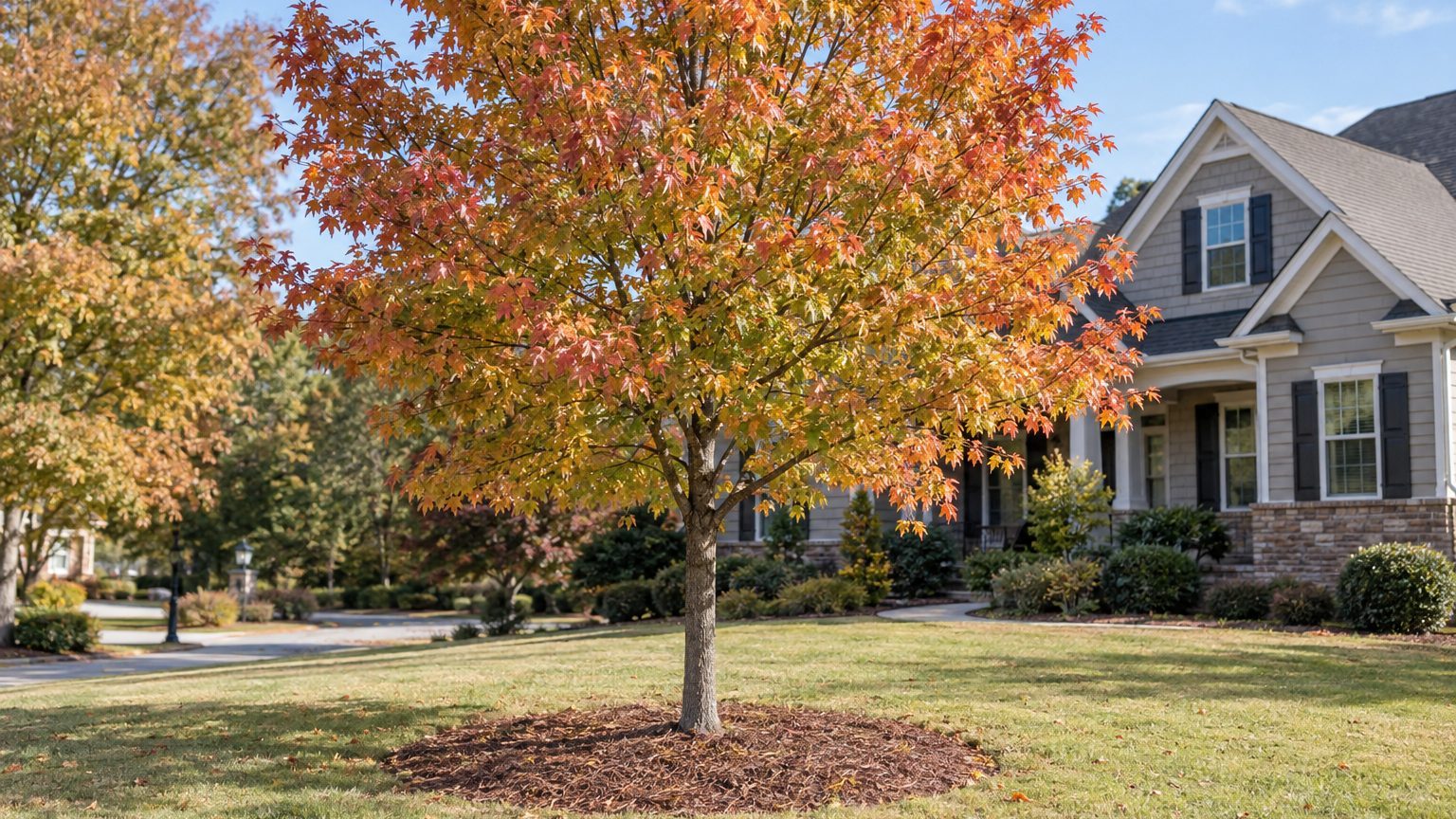
A young shade tree newly planted in a home yard

Shade and ornamental trees go in from October through December, with January and February still open if fall gets away from you. The schedule below follows the year, for trees sold in containers or balled and burlapped.

  • In October and November, plant so roots have time to settle before summer heat.
  • In December, planting is still on schedule, and the tree has time to settle before summer heat.
  • In January and February, you can still plant if fall slipped by, as long as the ground is workable and not frozen.
  • Through spring, a container tree can go in if you water it regularly, but it has less time to root before summer.
  • In summer, wait. Heat and dry soil stress new roots more than at any other point in the year.

Planting in fall or late winter lets the root system establish and start growing before the tree has to spend energy on blooms and buds. Georgia spans zones 6a to 9b in the USDA system, so the mountains and the coast do not run on the same clock. At the Atlanta reference point, the last spring frost falls between March 11 and March 29. The first fall frost arrives between November 13 and December 1. North Georgia freezes several weeks earlier in fall, and the coastal plain stays milder.

When to Plant Fruit Trees in Georgia

Fruit trees go in from December through February, with March as a fallback. The sign to watch for is dormancy: bare-root trees should be planted while the tree is asleep and before the buds open.

Most people think of spring for fruit trees, but the planting season starts in late fall, when trees go dormant, and runs until around the middle of February.

Kind of fruit tree When to plant in Georgia Why then
Bare-root December to February, March if still dormant The tree is asleep, so roots can settle before buds open
Container December to February, March if still dormant Watered trees can go in most of the year, but they settle best when dormant

Variety matters as much as timing. Apple types that thrive elsewhere often struggle in southeast Georgia, where varieties such as Anna and Dorsett Golden suit the climate better than Red Delicious or Gala.

Best Trees to Plant in Georgia

Native and adaptable trees offer useful choices. Eastern redbud, red maple and pin oak all grow well in Georgia yards, and each suits a different spot, from damp ground to city lots.

Tree How it does in Georgia Why
Eastern redbud Native, small and multi-stemmed Handles most sites, likes moist soil, and carries pink to purple flowers in early spring
Red maple Adapts to many sun and soil conditions Fall leaves range from yellow to red
Pin oak Tolerates urban conditions Copes with city sites

Before you buy, match the tree to the space, the sun and your zone. A redbud is a small tree; match every choice to the available space.

When to Plant, Water and Prune Trees in Georgia

The tree year here follows a clear rhythm: planting in the dormant season, watering after planting and during dry spells, and pruning fruit trees in late winter. Detailed pruning steps live on the page for pruning fruit trees in Georgia.

Task Best timing in Georgia Why then
Plant shade and ornamental trees October to December, or January and February Roots settle before summer heat
Plant fruit trees December to February, or March while dormant Dormant trees move with little stress
Water a young tree Regularly after planting, and through dry spells Summer heat and dry soil stress new roots
Prune a fruit tree February, or January and March The tree is dormant and buds have not swelled

Avoid pruning fruit trees in fall or early winter, because new growth may not harden before cold arrives. Apples are pruned first and peaches last, closest to bloom, since peach flower buds are easily hurt by cold.

Where to Get Tree Advice in Georgia

Tree choice and soil vary across Georgia, from mountain slopes to the coastal plain. Local help can settle questions about species, planting dates and soil before you dig.

  • University of Georgia Extension publishes planting and pruning guidance, worth reading before you pick a tree.
  • Your county extension office can advise on species and soil for your site, so call before planting day.

Common Questions

Can You Plant a Tree in Georgia in Summer?

You can, if the tree comes in a container and you water it faithfully, but it is the hardest season for a new tree. Wait for fall when you can.

Should You Plant Bare-Root Trees in Georgia?

Yes, while the tree is dormant and before its buds open. In Georgia that means winter, when the ground is workable.

Do You Need to Wait for the Last Frost to Plant a Tree in Georgia?

No. Plant bare-root trees while they are dormant and before their buds open.
Best Peonies for Georgia

Best Peonies for Georgia

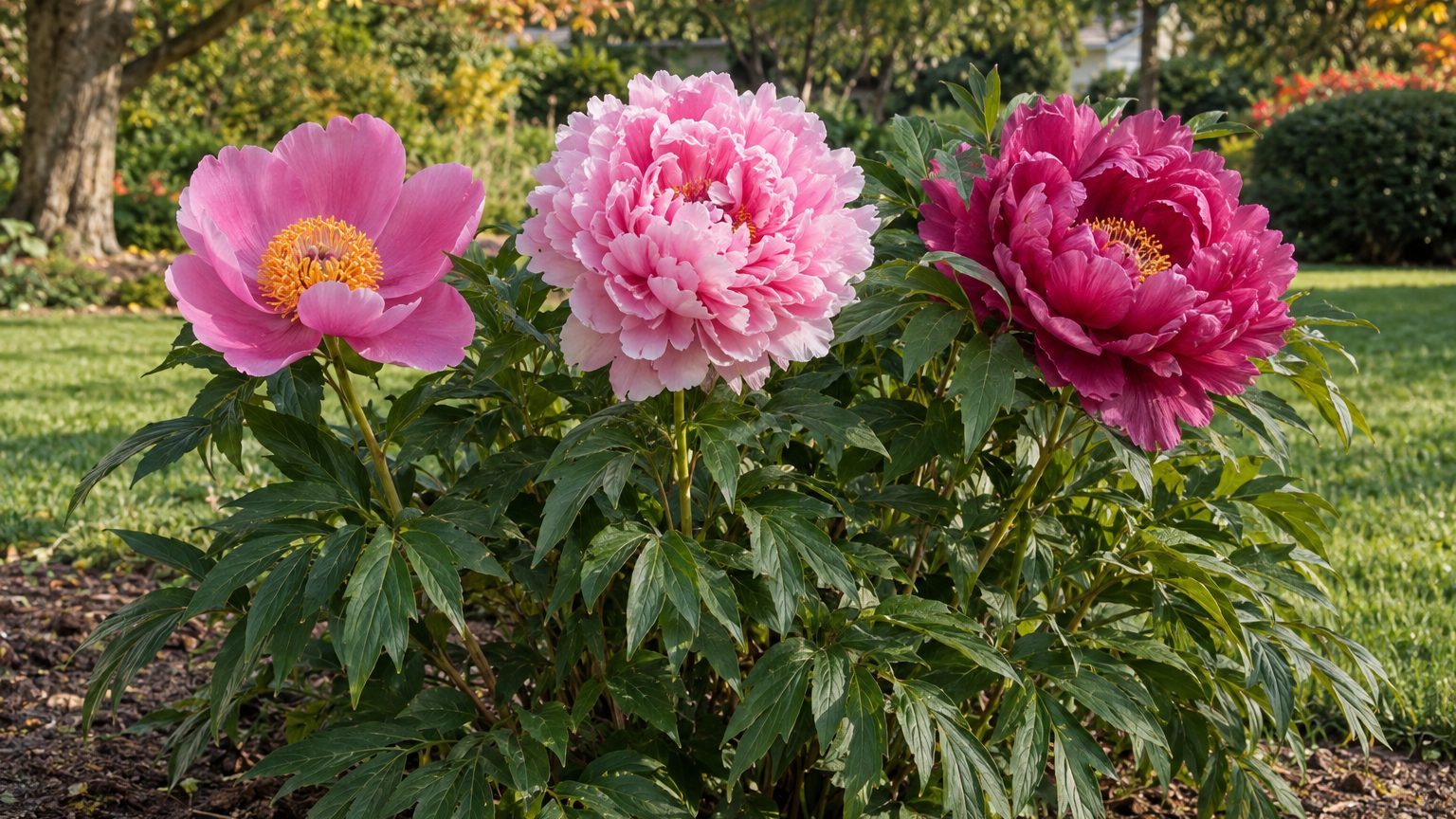
A peony in full flower is a spring show many Georgia gardeners want, and plenty of them wonder whether the state’s warm winters will allow it. The answer depends on where the yard sits and which type goes in the ground. North Georgia gives peonies a fair chance, and a few types cope with the heat better than the rest.

Best Peonies to Grow in Georgia

Best Peonies for Georgia

Early-blooming, single and Japanese types do best in Georgia, and they do best in the northern part of the state. Peonies need a cold winter rest to flower, so they may flower poorly in mild-winter climates. Peonies are marginal in central Georgia and not generally recommended for South Georgia.

Early-Blooming Cultivars

Early-Blooming Cultivars — Best Peonies for Georgia

Early-blooming varieties reportedly perform better in Georgia. They open before hot weather settles in, and they are also less prone to botrytis blight, the gray mold that thrives in warm, humid springs.

When you shop, look for the word early on the plant tag or in the catalog description.

Single Bloom Types

Single Bloom Types — Best Peonies for Georgia

Single peonies have an open ring of petals around a center of golden stamens. In the South they usually perform much better than the doubles do, which is a real advantage in a Georgia spring.

Japanese Bloom Types

Japanese peonies sit between single and double, with a tuft of narrow, petal-like stamens at the center. Like the singles, they are among the types that reliably flower in Southern gardens.

If you want something fuller than a plain single, this is a sensible step up.

Kansas

‘Kansas’ is a double for gardeners who want the full, ruffled look. It has large, early flowers in watermelon red that hold their color through bloom time, and it is a double that does well in the South.

Its early habit is what makes it work here. Most other doubles struggle more.

Tree Peonies in North Georgia

Tree peonies (Paeonia suffruticosa) are not recommended except in northern Georgia. That is where winters are cold enough to give them the rest they need.

A tree peony keeps its woody stems and is never cut back, so plan for a permanent shrub and give it room.

How to Choose a Peony for a Georgia Garden

Start with where your yard sits and how much heat and humidity it gets in late spring. Those conditions narrow the choice faster than any catalog photo does.

After that, think about how much care you want to give. Peonies ask for little once they are settled in a good spot.

Your situation What suits it in Georgia Why
Hot, humid late spring Early-blooming cultivars They flower before hot weather sets in and are less prone to botrytis blight
Mild winters in central Georgia Early-blooming single or Japanese types, with modest expectations Peonies are marginal there, and they need winter chill to flower
Want a full, double flower Kansas Large, early, watermelon-red doubles that hold their color
Little time for upkeep Any well-sited herbaceous peony They want full sun and good drainage and need little attention
Cooler winters in North Georgia Herbaceous types, or a tree peony Tree peonies are recommended only in northern Georgia

Gardeners in South Georgia will find little support for peonies in the guidance, so spend that bed space on perennials that enjoy the warmth.

Which Peonies Suit Different Parts of Georgia

Winter cold is the dividing line across the state, and USDA hardiness zones run from 6a to 9b. The farther north and higher up you garden, the better the odds.

  • North Georgia and the mountains: This is where peonies make the most sense. Herbaceous types do well, and tree peonies are recommended only here.
  • Central Georgia: Peonies are marginal. If you try one, choose an early-blooming single or Japanese type and keep your expectations modest.
  • South Georgia and the coastal plain: Peonies are not generally recommended. The winters are too mild to give the plant the rest it needs.

Conditions vary around Metro Atlanta, so neighborhood and elevation can matter.

Peony Buying Mistakes to Avoid in Georgia

Choosing a Tree Peony Outside the North

Tree peonies look spectacular in catalogs, but they are not recommended outside northern Georgia. Planted farther south, they tend to be a costly disappointment, with weak flowering and little payoff.

Below that line, choose an early-blooming herbaceous peony or put the money into other perennials.

Buying a Double That Wants More Cold

Most doubles perform worse in the South than singles and Japanese types. A heavy double in a mild-winter yard can flower poorly.

If you want a double, choose Kansas, which is known for its early flowers, and leave the late, heavy doubles to colder states.

Planting a Potted Peony in the Wrong Spot

It rarely needs division and has brittle roots that do not forgive being moved, so a bad first spot is a long-term problem. Choose full sun and good drainage.

Plant in late September or October, and keep the eyes near the soil surface. Planted too deep, a peony may bloom poorly or not come up at all. A new plant may not bloom the first spring.

Where to Get Peony Advice in Georgia

The state’s land-grant university publishes guidance written for Georgia conditions, which is useful because peonies sit near their limit here. University of Georgia Extension and your county office can answer questions about your own yard.

  • The university’s publications cover flowering perennials for Georgia gardens, and they are worth reading before you order plants.
  • Your county extension office can tell you how peonies have fared in your part of the state, so call before the planting window opens in late September.

Common Questions

When Do Peonies Bloom in Georgia?

Most flower in April and May. Depending on the cultivar and the weather, some open as early as March, and early-blooming types come first.

When Should You Cut Back Peonies in Georgia?

Cut herbaceous peonies back in November, after frost, down to the soil surface. October or December also works if the weather has not cooperated. A tree peony keeps its woody stems and is never cut back.

Can You Divide a Peony in Georgia?

You can, but most never need it. Divide only when you want to share a piece with another gardener or increase your stock. The best time is late September or October, and handle the brittle roots gently.

When Do Peonies Bloom in Georgia?

When Do Peonies Bloom in Georgia?

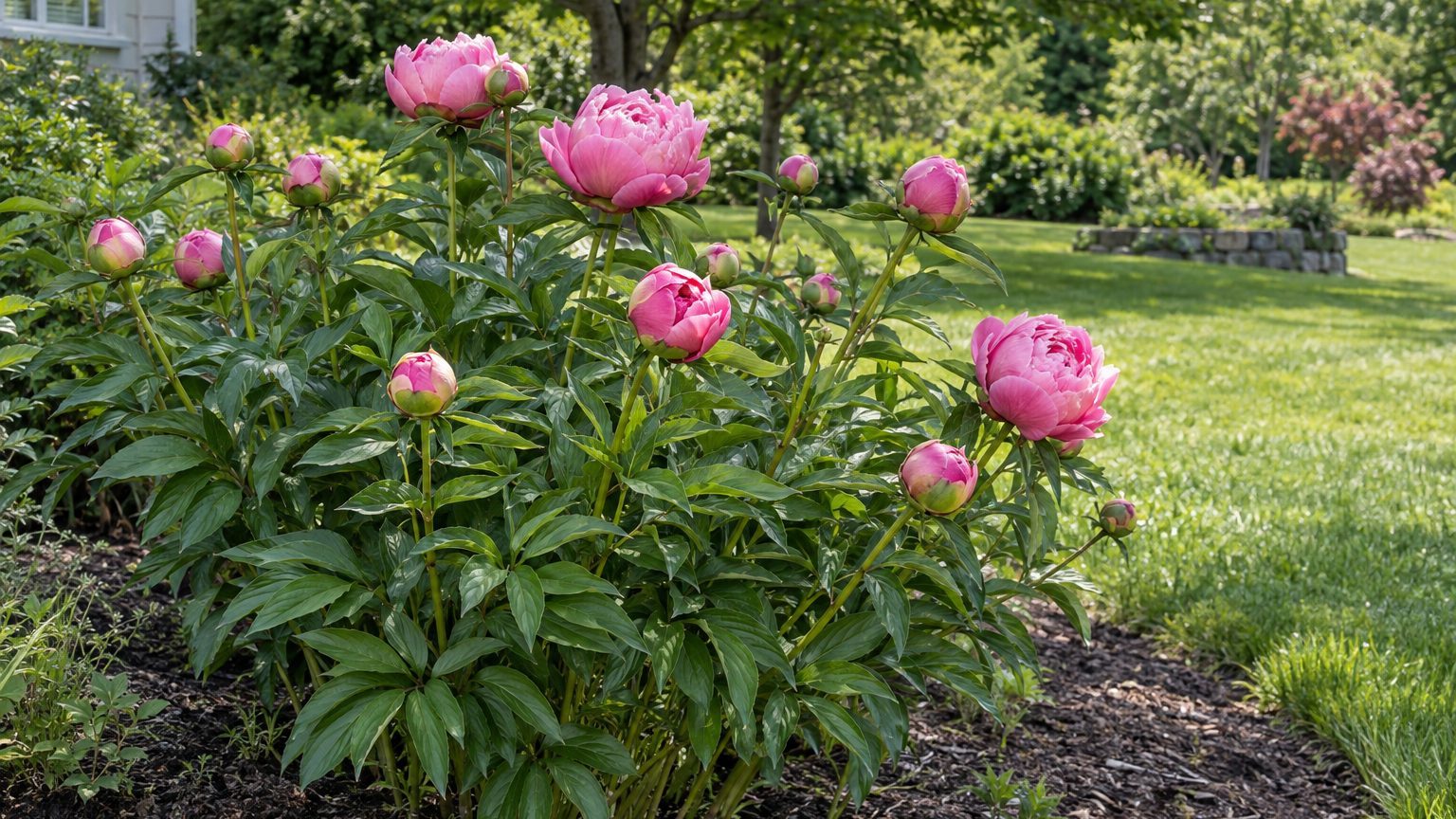
A peony bud swelling on a warm spring morning is the signal Georgia gardeners wait for each year. In Georgia, peonies flower mostly in April and May, with the earliest varieties opening as early as March. Warm Southern springs shape which kinds do well here and how long the show lasts.

When Do Peonies Bloom in Georgia?

When Do Peonies Bloom in Georgia?

Peonies in Georgia bloom in April and May, and early-blooming cultivars can start in March. Hot weather arrives fast in the South, so a variety that opens early has time to finish before the heat sets in. It also stays less prone to botrytis blight.

Georgia spans USDA hardiness zones 6a to 9b, so the reference for the dates here is Atlanta, where the last spring freeze falls between March 11 and March 29. Other parts of the state differ.

Type of peony When it blooms in Georgia What to know
Early-blooming cultivars March to April Open ahead of the heat and are less prone to botrytis blight
Single and Japanese bloom types April to May Usually perform much better in the South than doubles do
Double-flowered cultivars April to May Struggle more in Southern heat than singles do

Peonies need a cold winter rest to flower, so they do best where winters are cold and may flower poorly in mild-winter climates. That limit matters in the lower South, where winter chilling is often too short. A newly planted or transplanted peony may also skip its first spring. Planting depth plays a part too, because a peony set too deep may bloom poorly or not come up, so keep the eyes near the soil surface.

How to Tell When Your Peonies Are About to Bloom

Peonies give plenty of warning before the first petal opens, and a walk past the bed from time to time tells you where things stand.

  • Red, pointed shoots pushing through the soil mean the plant has woken up and the season is underway.
  • Shoots that unfurl into dark green leaves tell you the plant is building the stems that will carry the buds.
  • Small, hard buds at the stem tips mean the flowers are forming, so keep an eye out for any late freeze.
  • Buds that swell and turn round show that color is not far off.
  • Buds that feel soft when you squeeze them gently are close to opening, usually within a short time.
  • Buds that stay small and dry or never swell can point to a plant set too deep or one that is still settling in.

A cool spell stretches the show out, while a hot spell shortens it, which helps explain why early cultivars suit Georgia.

When to Cut Back Peonies in Georgia

Cut herbaceous peonies back in November, after frost has killed the foliage. It can also be done in October or December if the weather runs differently. The sign to watch for is dead foliage after frost.

Cut the dead stems down to the soil surface and leave no stubs. Bag the cuttings and put them in the trash rather than the compost pile. Old foliage can carry fungal problems like botrytis over the winter, and keeping it out of the bed gives next year’s shoots a cleaner start.

A tree peony is different. It keeps its woody stems through winter and is never cut back to the ground, so leave it alone at this time of year.

How Peony Bloom Time Shifts Across Georgia

Georgia runs from mountain ridges to coastal flats, and bloom time slides with that geography.

  • North Georgia mountains: Cooler air and colder winters mean bloom comes later than in Atlanta, and the winter chill suits peonies well.
  • Atlanta and the Piedmont: Bloom lands mostly in April and May, though the city’s warmth can nudge it a little earlier than in surrounding areas.
  • Coastal plain and south Georgia: Milder winters bring earlier growth, but the shorter chill means flowering may be poor, so early singles and Japanese types are the safer choice.

The warmer your yard, the more the choice of early cultivar matters.

Where to Get Peony Advice in Georgia

Local conditions vary a lot from the mountains to the coast, so advice from people who know your area helps. University of Georgia Extension serves every county through its local offices.

  • Your county extension office can suggest cultivars that suit your area and answer questions about bloom problems.
  • Bring a photo or a sample of a troubled stem or bud to the office, since seeing the plant helps them identify the cause.
  • Ask about planting or dividing in late September or October, so you can have your bed ready before then.

Common Questions

When Should You Plant or Divide Peonies in Georgia?

Late September or October is the time to plant or divide peonies. The roots then have time to settle before the cold arrives.

Which Peonies Do Best in Georgia?

Early-blooming, single, and Japanese cultivars tend to do best in the South. Doubles usually perform worse than single and Japanese types in the South.

Why Did My Peony Not Bloom This Spring?

A peony that was just planted or moved may not bloom its first spring. If the plant is established, check whether the eyes were set too deep and whether winters in your area are mild.

When to Plant Peonies in Georgia: Dates and Care

When to Plant Peonies in Georgia: Dates and Care

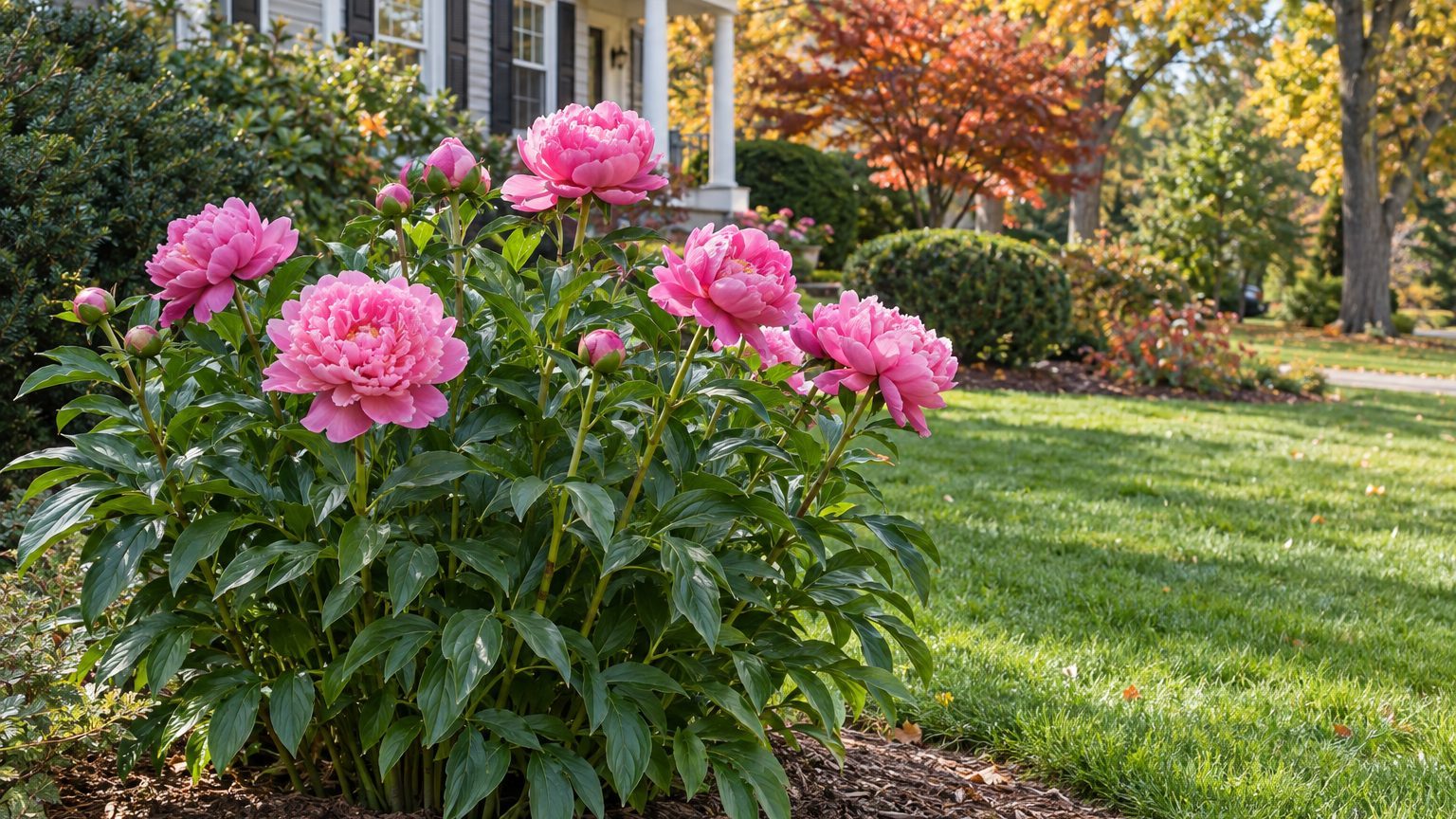
A peony crown goes into the ground in autumn, and by the next spring a clump of red shoots pushes up through the mulch. For peonies in Georgia, that autumn planting window is the part of the year that decides how well the plant does. The dates are short, the climate is mild, and the variety you choose matters.

When to Plant Peonies in Georgia

When to Plant Peonies in Georgia: Dates and Care

Plant peonies in late September or October, which gives the roots time to settle before winter. Here is how the plant’s year runs in Georgia, with frost dates measured at Atlanta, so areas north and south of the city will differ.

  • In March, the earliest cultivars can open their first flowers, though a bloom this early depends on the weather that spring.
  • In April and May, most peonies flower, and this is the stretch when the garden looks its best.
  • Through summer, the foliage works quietly, gathering the energy the roots will store for next year’s buds.
  • In late September or October, you plant new crowns or divide old clumps, so the roots can establish before cold arrives.
  • In November, once frost has blackened the leaves, herbaceous peonies get cut back to the soil. It can also be done in October or December.

The last spring frost in Atlanta falls between March 11 and March 29, which is why early bloomers can be nipped in some years. The first fall frost arrives between November 13 and December 1. Atlanta sits in a heat island, so North Georgia and the mountains freeze several weeks earlier in fall, while the coastal plain stays milder. The state spans USDA hardiness zones 6a to 9b, a wide spread that shapes which peonies are worth growing.

Which Peonies Grow Best in Georgia?

Peonies can grow in Georgia, but they are not a sure thing everywhere. They need a cold winter rest to flower, and they may flower poorly where winters are mild. In the warmer parts of the state, it is harder to get good bloom than in the cooler north.

Much of Georgia shares the warm climate of the lower South. There, early-blooming, single and Japanese types are the best performers.

Peony type How it does in Georgia Why
Early-blooming cultivars Do best in the South They flower before hot weather sets in and are less prone to botrytis blight
Single bloom types Usually perform much better than doubles Their simpler flowers cope better with southern conditions
Japanese bloom types Usually perform much better than doubles Same advantage as singles in southern gardens
Double bloom types Often struggle They do less well in the South than singles and Japanese forms

Peonies often do not perform well in the lower South because of insufficient winter chilling, so expect better results in North Georgia than near the coast. Whatever you plant, keep the eyes near the soil surface, because a peony set too deep may bloom poorly or not come up at all.

When to Plant, Cut Back and Feed Peonies in Georgia

Planting and cutting back happen in autumn, which keeps the work tidy and the calendar simple. A newly planted or transplanted peony may not bloom the first spring, so patience is part of the job.

Task Best timing in Georgia Why then
Planting or dividing Late September or October Roots establish before the cold of winter
Cutting back herbaceous peonies November, or October or December if needed The stems have died back after frost
Enjoying bloom April and May, sometimes as early as March Cultivar and spring weather set the timing
Feeding Ask locally about timing The plant is building shoots and buds

Cut herbaceous peonies back to the soil surface after frost has killed the stems. A tree peony keeps its woody stems and is never cut back. For deeper detail on flowering and cutting back, the page on when peonies bloom in Georgia goes further.

How Peony Planting Dates Change Across Georgia

Georgia stretches from mountain ridges to the coast, and the planting window shifts with where you live.

  • North Georgia mountains: Frost arrives several weeks earlier in fall than in Atlanta, so plant at the start of the window, in late September, to give roots time before the ground cools.
  • Atlanta and the Piedmont: The planting window runs from late September through October, but bloom still depends on enough winter chill.
  • Coastal plain: Winters run milder, so chilling is thinner and bloom can be disappointing. Choose early-blooming single or Japanese types and expect less than farther north.

In every region, the same rule holds: plant while the soil is workable and well before hard cold arrives.

Where to Get Peony Advice in Georgia

University of Georgia Extension serves every county, and its offices can help with questions the calendar cannot answer.

  • Your county extension office can help with soil testing, which is worth doing before you dig a planting hole.
  • Extension agents can look at a struggling clump or leaf spots and give a local diagnosis.
  • Bring questions about cultivars suited to your county when you visit, so you can order crowns for autumn planting.

Common Questions

Can You Plant Peonies in Spring in Georgia?

Autumn is the time for crowns, since roots need cool months to settle.

Why Won’t My Peony Bloom in Georgia?

Planting depth and winter chill can affect bloom, so check the crown and consider your local winters. Eyes buried too deep often produce leaves with no flowers, and in the milder south of the state, too little winter cold can do the same.

Do Peonies Need Full Sun in Georgia?

Peonies generally want a sunny spot with soil that drains well. Afternoon shade can help in hot areas, but a very shaded bed tends to give fewer flowers and invites disease on the leaves.

Best Lilacs for Georgia

Best Lilacs for Georgia

Lilacs bloom on bare, cold-hardened branches in spring, and that rhythm is what Georgia gardeners have to work around. Many Georgia winters do not give the long cold rest a common lilac wants.

Best Lilacs to Grow in Georgia

Best Lilacs for Georgia

Common lilacs often struggle in Georgia’s milder, hotter and more humid areas. Lilacs need a cold winter rest to mature their flower buds, so the ones that tend to work are the early-blooming Southern lilacs, warm-climate hybrids, and heat-tolerant, mildew-resistant selections.

Southern Lilacs

Southern Lilacs — Best Lilacs for Georgia

Look for plants labeled Southern lilacs or lilacs for the South. They usually grow and bloom where common lilacs sulk, and they flower early. They are not as fragrant as the lilacs you may remember from colder places, so set your expectations before you buy.

Descanso Hybrids

Descanso Hybrids — Best Lilacs for Georgia

These hybrids were bred in a warm-winter region and are worth trying in a mild climate. Named examples include the white ‘Angel White’, the blue ‘Blue Boy’ and the pink ‘California Rose’. Their warm-winter origin makes them candidates for a mild site.

Even low-chill cultivars perform best with an extended cold winter rest. Plant them where winter cold settles in, such as an open spot away from a warm south wall.

Superba

The cultivar ‘Superba’ is heat tolerant and mildew resistant, with dark pink, single flowers. That pairing matters in Georgia. Common lilacs can struggle in high heat and humidity, which can lead to powdery mildew.

Meyer Lilac

Syringa meyeri, the Meyer lilac, is slow growing, with dense foliage and a broadly rounded shape. That compact habit suits a front-yard bed where a tall, leggy shrub would crowd the walkway.

Littleleaf Lilac

Syringa microphylla is called the littleleaf lilac. Syringa microphylla is called the littleleaf lilac.

How to Choose a Lilac for a Georgia Garden

Start with what your summers and winters actually do in your yard. A lilac that thrives in a cold-winter state may sulk through a humid Georgia summer, while a Southern type can bloom with less chilling.

Georgia spans USDA zones 6a-9b, so a yard in the mountains and one near the coast call for different expectations.

Your situation What suits it in Georgia Why
Hot, humid summers ‘Superba’ Heat tolerant and mildew resistant
Mild winters Southern lilacs Early bloomers that grow and flower with less cold
Warm spot, little chilling Descanso hybrids such as ‘Blue Boy’ Bred for a warm-winter climate
Small space Meyer lilac Slow growing with a dense, rounded shape
Need for cold Low-chill cultivars in the coolest spot you have Even these do best with an extended cold winter rest

In the colder, higher parts of North Georgia, more lilacs may be realistic. Even there, the rule that a lilac blooms on last year’s wood still applies. Prune right after the flowers fade, because the next buds form soon afterward and later cuts remove them.

Which Lilacs Suit Different Parts of Georgia

Winter cold is what a lilac is after, so the parts of Georgia that get more of it give you more choices.

  • North Georgia mountains: Cold arrives here weeks earlier in fall than farther south. A low-chill cultivar or heat-tolerant selection has a better chance of blooming well here.
  • Atlanta: Atlanta’s airport is an urban heat island, so nearby winter conditions can be milder than in the surrounding countryside. Stick with Southern lilacs, warm-climate hybrids and ‘Superba’.
  • Coastal plain: Winters run milder here, which is the hardest setting for lilacs. Expect sparse flowering, and treat any lilac as an experiment rather than a centerpiece.

Lilac Buying Mistakes to Avoid in Georgia

Buying a Standard Common Lilac

Plenty of common lilac cultivars on the market claim heat tolerance, but they often do not thrive in warm, humid climates the way they do farther north. The result can be a shrub that struggles in summer, develops powdery mildew and flowers poorly.

Choose a Southern lilac or a selection known for heat and mildew tolerance instead.

Ignoring Chilling Needs

Some varieties need more winter cold than Georgia gives, and the plant simply will not set its flower buds well. You may end up with a shrub that flowers poorly or not at all.

Check the label for low-chill or Southern wording, and choose a cooler corner of the yard over a spot sheltered against a warm wall.

Skipping the Adult Size

A small pot hides a big shrub. A common lilac can become a large shrub where it is happy.

That same plant can spread wide enough to swallow a foundation bed. If space is tight, a slow-growing Meyer lilac with its dense, rounded shape is the more practical pick.

Where to Get Lilac Advice in Georgia

Local conditions vary from the mountains to the coast, so a nearby expert can tell you more than any general rule. University of Georgia Extension offers local gardening advice.

  • The extension website has plant and pest information you can read any time of year, before you buy a shrub.
  • Your county extension office can discuss local soil, climate and lilac performance.
  • Take a photo of any leaf with powdery white coating and ask the office what they have seen locally.

Common Questions

Are Southern Lilacs as Fragrant as Common Lilacs?

Not quite. They usually grow and bloom well in warmer climates, but their scent is milder than the lilacs people remember from colder regions.

What USDA Zone Is Georgia for Lilacs?

Georgia runs from zone 6a-9b in the USDA system. Winter minimums are not the whole story for lilacs, since hot, humid summers and limited chilling also decide how well one performs, so your own part of the state matters.

Do Low-Chill Lilacs Still Need a Cold Winter?

Yes. Low-chill cultivars have been developed, but they perform best with an extended cold winter rest, so a cooler site in your yard helps.

When to Prune Lilacs in Georgia

When to Prune Lilacs in Georgia

Lilac blooms in a Georgia spring can be thin or missing, and the shrubs that do flower have usually had a real winter rest. In a Georgia yard, the gesture of pruning lilacs is simple, but the timing follows the bloom, and the climate shapes what you can expect from the plant.

When to Prune Lilacs in Georgia

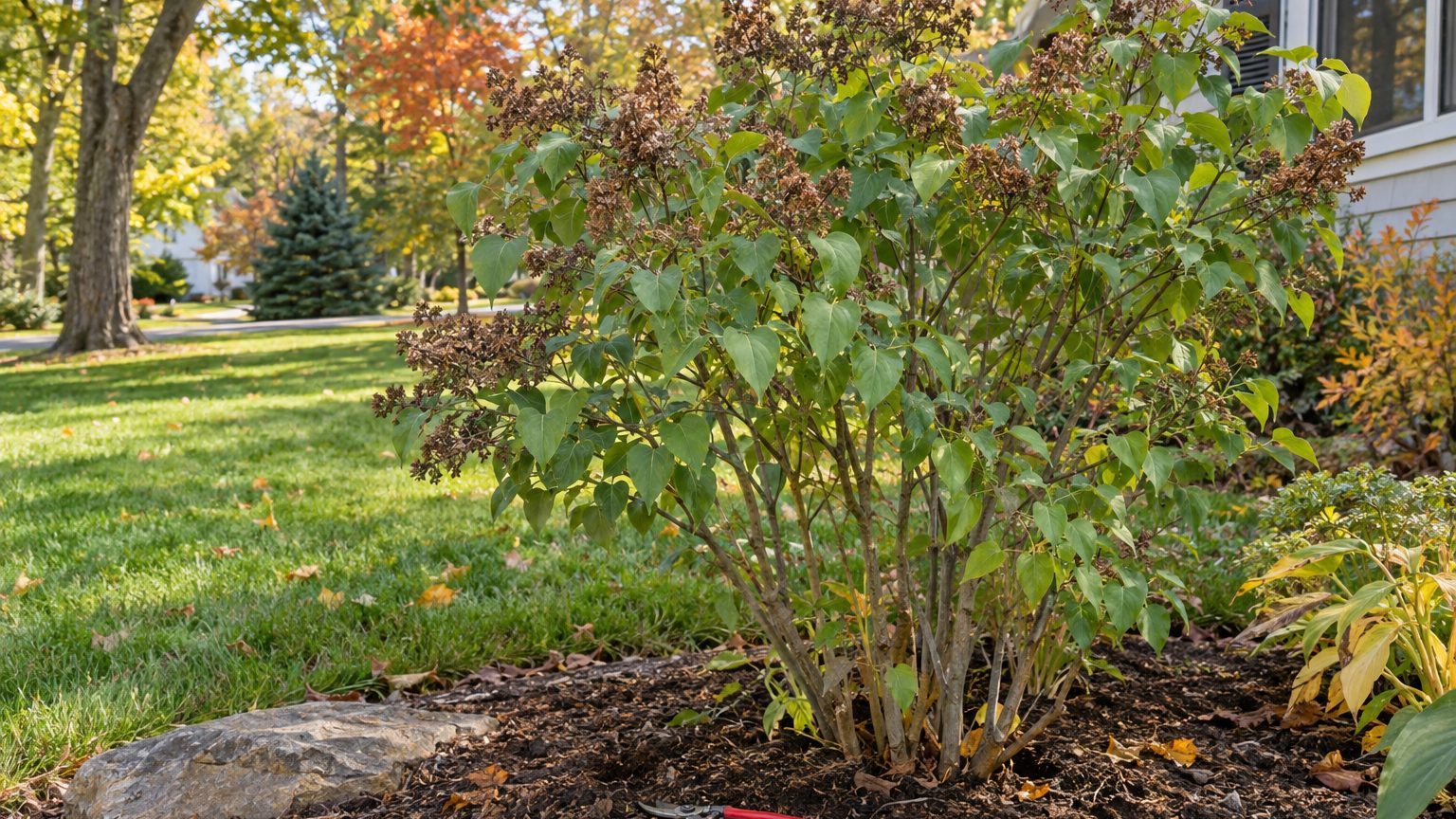
Lilac stems after flowering

Prune right after the last flowers fade, because the bloom follows the local spring and the buds for next year form soon afterward. Lilacs flower on last year’s wood, so a cut made later removes next spring’s flowers.

Type of pruning When in Georgia Why
Routine upkeep: trimming spent flowers, shaping, removing dead or crossing stems Right after the flowers fade Next year’s flower buds are set in summer, soon after bloom, so early cuts leave them in place
Thinning an old, overgrown lilac Right after flowering Cutting later can remove buds and reduce the next bloom
Reblooming lilacs In spring Spring pruning suits lilacs that bloom again later

Georgia spans USDA hardiness zones 6a to 9b, so the mountains and the coast live in very different climates. Lilacs need a cold winter rest to mature their flower buds, and they struggle in hot, humid summers, which can invite powdery mildew. Across much of Georgia a common lilac may flower poorly, no matter how well you prune. Early-blooming varieties sold as Southern lilacs, along with the Descanso hybrids such as the white ‘Angel White’ and blue ‘Blue Boy’, are worth looking for. These come from advice written for other places, so treat them as ones to try rather than guaranteed winners. Even the low-chill kinds do best with a long cold rest.

How to Tell When Your Lilacs Are Ready to Prune

The plant gives clearer cues than any date, and Georgia’s range of climates makes the signs more reliable than a calendar.

  • Most of the flower clusters have faded and turned brown, which tells you the show is over and cutting will not cost you any blooms.
  • Petals are dropping and the panicles look tired, so snipping off the spent heads tidies the shrub.
  • Small buds are forming just below the old flower heads, which tells you to cut above them and leave that wood alone.
  • New green shoots are pushing from the base or along the stems, so you can see which stems are young and which are old and gray.
  • Dead, broken or crossing branches stand out against fresh leaves, making them easy to spot and remove.

If the shrub bloomed little or not at all, the same rule applies: prune once whatever flowers it had have faded.

Should You Prune Lilacs in Fall or Winter in Georgia?

No. Cutting in fall or winter takes off the buds that were set the previous summer, so the shrub leaves you with leaves and no flowers the next spring. That is true in every part of Georgia, mild winters included.

A hard renewal cut on a badly overgrown lilac is the exception that costs you flowers on purpose. Cutting back in winter removes buds on the stems you cut, so expect little or no bloom afterward. If a lilac is already blooming poorly because of the warm winters, that trade can be easier to accept.

If you want to keep flowers coming, rejuvenate an old shrub by removing selected old, thick stems right after bloom and leaving the rest in place. The shrub renews itself gradually, and you keep most of the flowers.

How Lilac Pruning Time Shifts Across Georgia

The gesture stays the same everywhere, right after flowering, but the bloom itself arrives at different times and with different success across the state.

  • North Georgia mountains: Winters are colder here and freezes come earlier in fall, so lilacs get the chilling they want and bloom more reliably. Flowering comes later than farther south, and so does pruning.
  • Atlanta and the Piedmont: Conditions around Atlanta’s urban heat island can be milder than in the surrounding countryside. Lilacs here flower earlier, and the bloom can be modest.
  • Coastal plain and the coast: Winters are mild and summers hot and humid, making this a difficult setting for a lilac. Flowers are unlikely, so prune when whatever blooms fade, and look to Southern lilacs.

Watch your own shrub instead of a neighbor’s, since microclimates shift the bloom within a single county.

Where to Get Lilac Advice in Georgia

Georgia’s climate varies enough that local advice pays off, especially when you are choosing a variety that can flower where you live.

  • University of Georgia Extension, at University of Georgia Extension, offers plant guidance for Georgia gardens, and it is useful before you buy or plant a new lilac.
  • Your county extension office can speak to local conditions and can help diagnose mildew or poor flowering, so call when the leaves look off or the bloom has failed.

Common Questions

Why Is My Georgia Lilac Not Blooming?

A lack of winter cold is a common cause in Georgia, since lilacs need a cold rest to mature their buds. Check whether the shrub was pruned after summer, because that also removes flower buds. Persistent poor flowering may mean the shrub is a poor match for your climate.

Can You Grow Lilacs in South Georgia?

Common lilacs often struggle in hot, humid summers, and powdery mildew can be a problem. Early-blooming Southern lilacs and the Descanso hybrids are the ones to try. Even low-chill kinds do best with a long cold winter.

How Much Can You Cut Off a Lilac at Once?

Take only the oldest, thickest stems when you thin an overgrown shrub, and do it right after flowering. Leaving the younger stems in place means the plant keeps blooming while it renews itself.

When Do Lilacs Bloom in Georgia? Dates and Care

When Do Lilacs Bloom in Georgia? Dates and Care

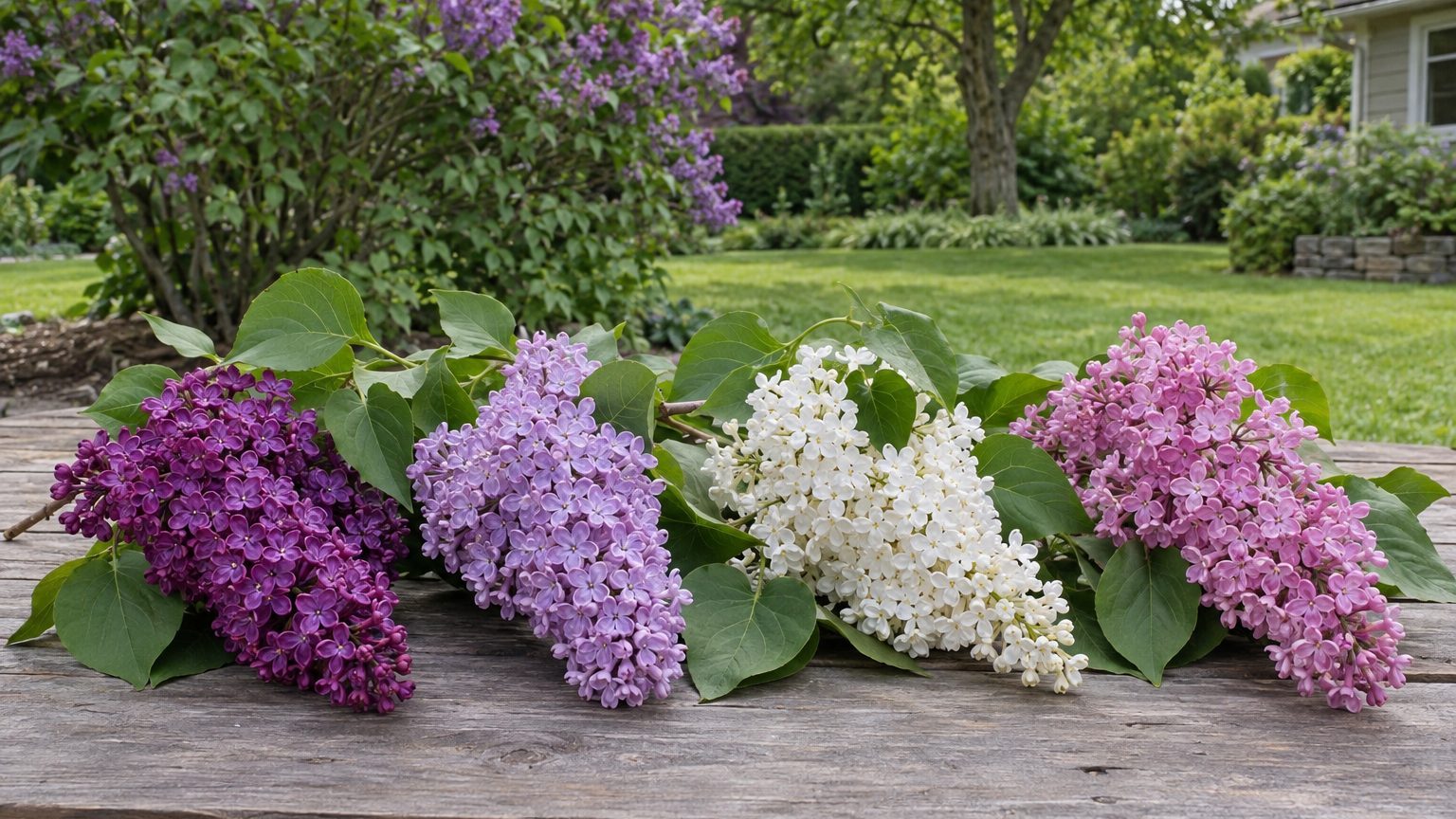
A lilac in bloom is easy to spot in spring, with fragrant flower clusters brightening the yard. In Georgia the shrub is a harder bet than in colder states. The bloom follows the local spring, while mild winters and hot, humid summers can leave a lilac flowering poorly.

When Do Lilacs Bloom in Georgia?

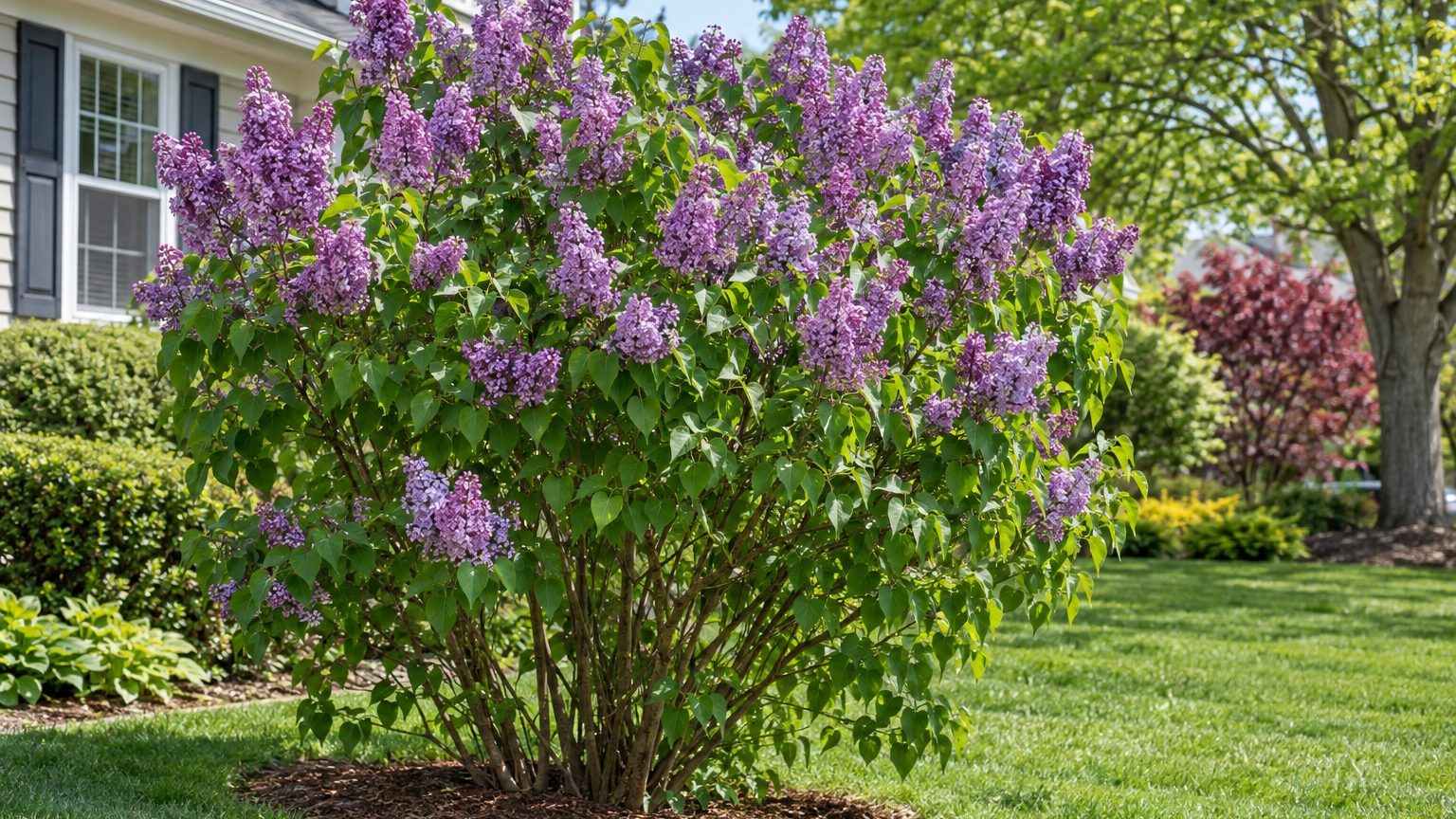
A lilac bush in bloom in a home garden

Lilacs in Georgia flower with the local spring, and because they want a cold winter rest, they may bloom poorly here. The year of a lilac looks like this.

  • In spring, once the weather turns reliably warm, the flower clusters open on last year’s wood. Southern-bred types open early and are less fragrant than common lilacs from colder climates.
  • Right after the last flowers fade, prune if the shrub needs shaping. Prune right after the flowers fade, because cutting later removes next year’s blooms.
  • Through summer, the shrub sets next spring’s flower buds on fresh growth. Heat and humidity often bring powdery mildew on the leaves during these months.
  • In fall, the shrub slows down and drops its leaves. Leave it uncut, since the buds are already formed.
  • In winter, the lilac rests, and that cold rest is what matures the buds for the next bloom.

In Atlanta, the last spring freeze falls between March 11 and March 29, so a late cold snap can still nip open buds. The first fall freeze there falls between November 13 and December 1. USDA hardiness zones across Georgia span 6a-9b, a range based on the average annual extreme minimum temperature.

Which Lilacs Grow Best in Georgia?

Common lilacs struggle here. They need a pronounced winter chill and do best in cold-winter climates, while Georgia summers bring the heat and humidity that invite powdery mildew. Lilacs can still grow in Georgia if you pick the right kind.

Your best bet is a lilac bred for warm regions, usually sold as a Southern lilac or a lilac for the South.

Lilac type How it does in Georgia Why
Common lilac (Syringa vulgaris) Struggles, with mildew and weak bloom Needs a cold rest and dislikes high heat and humidity
Southern lilacs Usually grow and bloom Early-blooming types suited to the South, though less fragrant
Low-chill cultivars Better than common lilac, still best with winter cold Bred to bloom with less chilling, yet they prefer a long cold rest

Descanso hybrids are also worth a trial in a warm climate. Among them are the white ‘Angel White’ and the blue ‘Blue Boy’.

When to Plant, Prune and Feed Lilacs in Georgia

Pruning has a clear timing sign here, and it follows the flowers rather than the calendar. Cut at the wrong moment and you remove next spring’s bloom before it opens.

Task Best timing in Georgia Why then
Prune Right after the last flowers fade Next year’s buds form in summer, soon after flowering
Hold the pruners Late summer, fall and winter Cutting then removes the flower buds already set on the wood
Check leaves for mildew During spells of high heat and humidity Warm, damp weather is when the white coating takes hold

For planting and feeding, use local advice suited to your soil and Georgia’s varied climate. Cuts in detail, including how much to remove, are covered on the page When to Prune Lilacs in Georgia.

How Lilac Bloom Time Changes Across Georgia

Georgia stretches from mountains to coast, and the amount of winter cold changes how a lilac behaves along the way.

  • North Georgia mountains: Winters are colder and freezes arrive earlier in fall. Lilacs here need a cold winter rest and may flower poorly.
  • Atlanta: The city is a heat island, so winters run milder than in the surrounding countryside. The bud chill is thinner than in the hills.
  • Coastal plain: Winters are milder still, so lilacs get little cold rest and often flower poorly. Southern lilacs are the sensible choice there.

The farther south you garden, the more a lilac depends on a low-chill type.

Where to Get Lilac Advice in Georgia

A lilac that sulks is easier to sort out with local eyes on it. University of Georgia Extension is a starting point for local lilac advice.

  • Ask for local help if mildew or another leaf problem appears.
  • Ask whether a soil test would help before you plant or feed.
  • Go once the flowers have faded, and ask which Southern lilacs do well in your county before you buy one.

Common Questions

Why Do Lilac Leaves Turn White in Georgia?

Powdery mildew can become a problem during high heat and humidity.

Will Lilacs in Georgia Smell as Sweet as Northern Ones?

Usually not. Southern lilacs grow and bloom well enough, but they are not as fragrant as the common lilacs people remember from colder places. Planting one near a patio or window brings what scent there is closer to you.

Can You Rely on a Lilac Sold as Heat Tolerant?

Treat the claim with caution. Many cultivars are sold as heat tolerant, yet they often do not thrive in warm, humid climates the way they do farther north. A lilac bred as a Southern or low-chill type is a safer buy.

Best Roses for Georgia

Best Roses for Georgia

Black spot spreading up from the lower leaves by midsummer is the sign that a rose was bred for a drier place than Georgia. Disease-resistant shrub roses and rugosas are practical choices for Georgia’s humid summers, and Georgia guidance also recommends Drift roses for landscapes. Hybrid teas can grow here too, as long as a spray program stands behind them.

Best Roses to Grow in Georgia

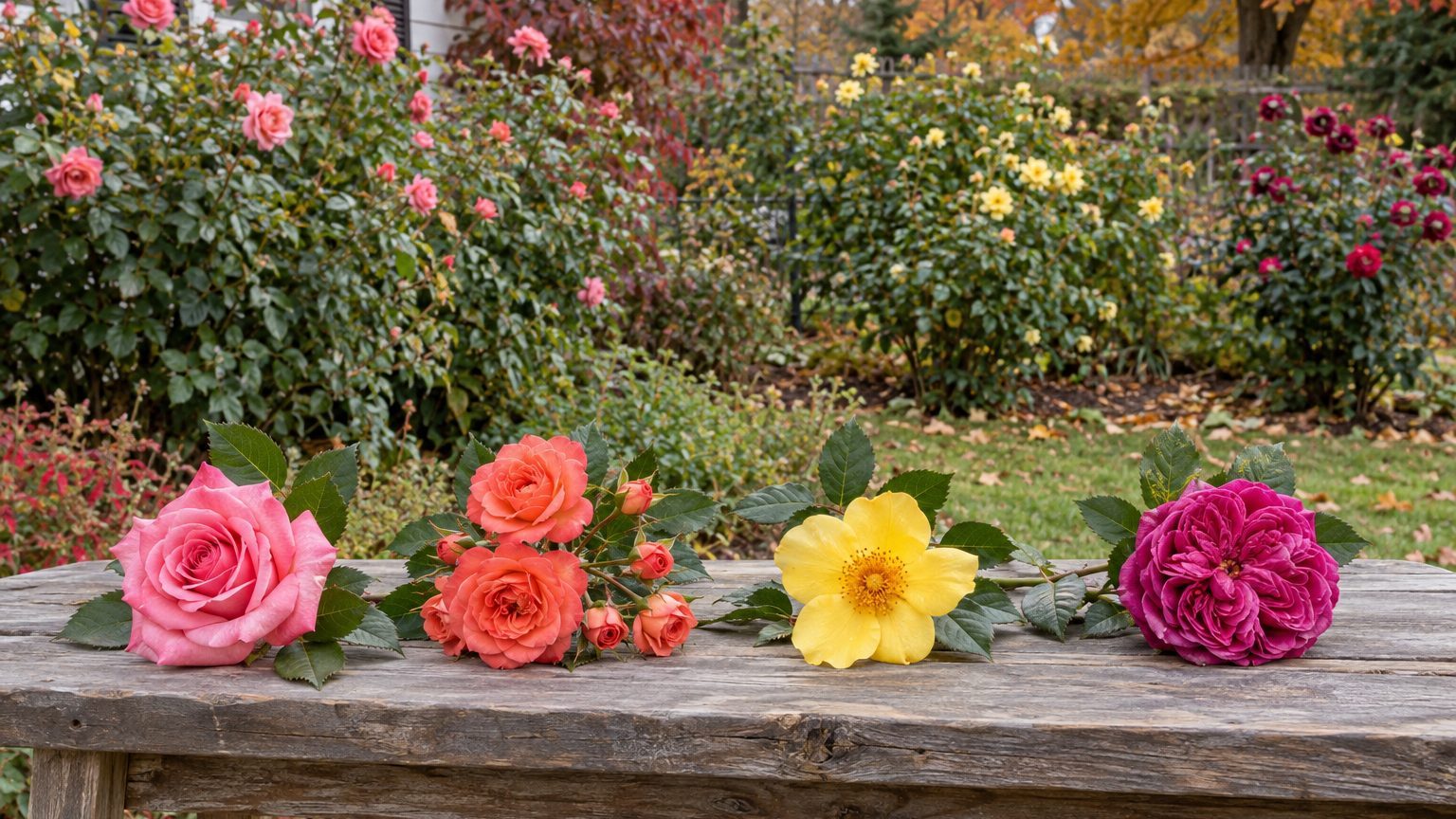
Healthy roses in bloom

Disease-resistant shrub roses, Drift roses, rugosas and old garden roses do well in Georgia. Humid summers favor leaf diseases, and winters run from USDA zone 6a to 9b across the state, so a tough, low-spray plant serves you better than a delicate one.

Shrub Roses

Shrub type roses bloom beautifully with few chemical controls needed. That makes them the low-effort choice for a front bed where you would rather not be mixing up sprays regularly.

The more susceptible kinds, hybrid teas among them, need an effective spray program in place before the growing season begins.

Drift Roses

Drift roses have been recommended for Georgia landscapes as a companion to Knock Out roses, and they come in a wide color range. Red Drift, Pink Drift (a double pink), Apricot Drift, Coral Drift, Peach Drift and White Drift are all available.

Popcorn Drift blends white and yellow.

Knock Out Roses

Knock Out roses work well as the backbone of a mixed planting. A Georgia public rose garden pairs them with Drift roses and floribundas such as the yellow Julia Child and the white Iceberg.

At home, combine tough shrub roses, low groundcover roses and floribundas for color.

Rugosa Roses

Rugosas offer useful disease resistance in a humid summer. Blanc Double de Coubert, Fru Dagmar Hastrup, Rugosa Alba and Topaz Jewel resist black spot, powdery mildew and Cercospora leaf spot.

The alba rose Alba Semi-Plena carries the same resistance.

Old Garden Roses

Old garden roses do not need the hard pruning that many modern roses get, and heavy cutting can ruin their graceful shape and sharply reduce flowering.

Once-blooming old garden roses flower on last year’s wood, so prune them right after they bloom, never in early spring.

Hybrid Teas

Hybrid teas need a rigorous spray program to keep black spot at bay. If you love the form, choose a resistant one such as Pride N Joy.

Among floribundas, Sexy Rexy resists black spot, and so does the grandiflora Prima Donna.

How to Choose a Rose for a Georgia Garden

Start with how much spraying you are willing to do, because that decision narrows the list faster than color or size. Then look at what the planting spot asks of the plant.

Regular feeding belongs on the calendar from March through September.

Your situation What suits it in Georgia Why
Humid summer, black spot every year Rugosas such as Blanc Double de Coubert or Topaz Jewel They resist black spot, powdery mildew and Cercospora leaf spot
Little time for spraying Shrub roses Shrub types bloom well with few chemical controls
You want hybrid tea blooms Pride N Joy, with a spray program It resists black spot, but hybrid teas still need spraying before the season starts
Mixed front bed with color Drift roses with Julia Child and Iceberg floribundas Georgia rose gardens combine them with Knock Outs
Old-fashioned look, less pruning Old garden roses They do not need hard pruning

Timing matters as much as the variety. Prune repeat-blooming roses such as hybrid teas, floribundas and modern shrub roses in February and March, as the buds swell. Plant bare-root roses in February or March, though January, April, November and December also work. Potted roses can go in later. Feed monthly from March through September. Without a soil test, a 16-4-8 or 12-4-8 fertilizer is the usual choice.

Which Roses Suit Different Parts of Georgia

Timing and winter exposure shift from the mountains to the coast.

  • North Georgia and the mountains: Fall freezes arrive earlier than elsewhere in the state and buds swell later, so prune toward the later end of the pruning window and take extra care with anything tender.
  • Atlanta: The city runs warmer than the countryside around it, so a neighbor in the surrounding hills may see frost sooner than you do.
  • South Georgia and the coastal plain: Winters are milder and buds swell earlier, so prune toward the start of the window.

Humid summers are a given in every one of these places, which is why disease resistance matters in all of them.

Rose Buying Mistakes to Avoid in Georgia

Hybrid Teas Without a Spray Plan

Hybrid teas are prone to black spot in a humid summer. Either commit to a spray program that starts before the growing season, or choose a shrub rose or a resistant selection such as Pride N Joy.

Planting Only Knock Outs and Drifts

There is no cure today for rose rosette disease in domestic cultivars like Knock Out and Drift. A mixed bed can add variety, but it does not provide a cure for rose rosette disease.

Planting Roses Too Close

A small plant in a nursery pot looks lost in the ground, so many gardeners crowd roses together. Space them 5 to 6 feet apart when you plant in February, so air can move through the foliage in a humid summer.

Where to Get Rose Advice in Georgia

University of Georgia Extension publishes rose guidance written for Georgia conditions, and your county extension office can answer questions about your own soil and bed.

  • Visit the extension website in winter, when you are choosing varieties before February planting.
  • Call your county office before the March feeding season to ask about soil testing.
  • Bring a leaf with spots to the county office in summer, so the disease can be identified before you spray.

Common Questions

Can You Plant a Potted Rose After the Bare-Root Window?

Yes. Potted roses can go in later than bare-root ones, which are best planted in February or March.

Are Climbing Roses a Good Choice in Georgia?

Climbing roses are hardy across the entire state and grow fast, with many varieties and colors. They are subject to disease and insects, so check the plant regularly through summer.

Is Any Rose Resistant to Rose Rosette Disease?

Researchers are studying the wild species Rosa setigera and Rosa palustris, which resist the virus, to understand how their immune response works. Knock Out and Drift roses have no cure once infected.

When to Prune Roses in Georgia

When to Prune Roses in Georgia

Rose canes look dead and brown for most of winter, and the temptation to cut them back comes early. In Georgia the timing depends on the kind of rose you grow, and the pruning window shifts from the coast to the mountains.

When to Prune Roses in Georgia

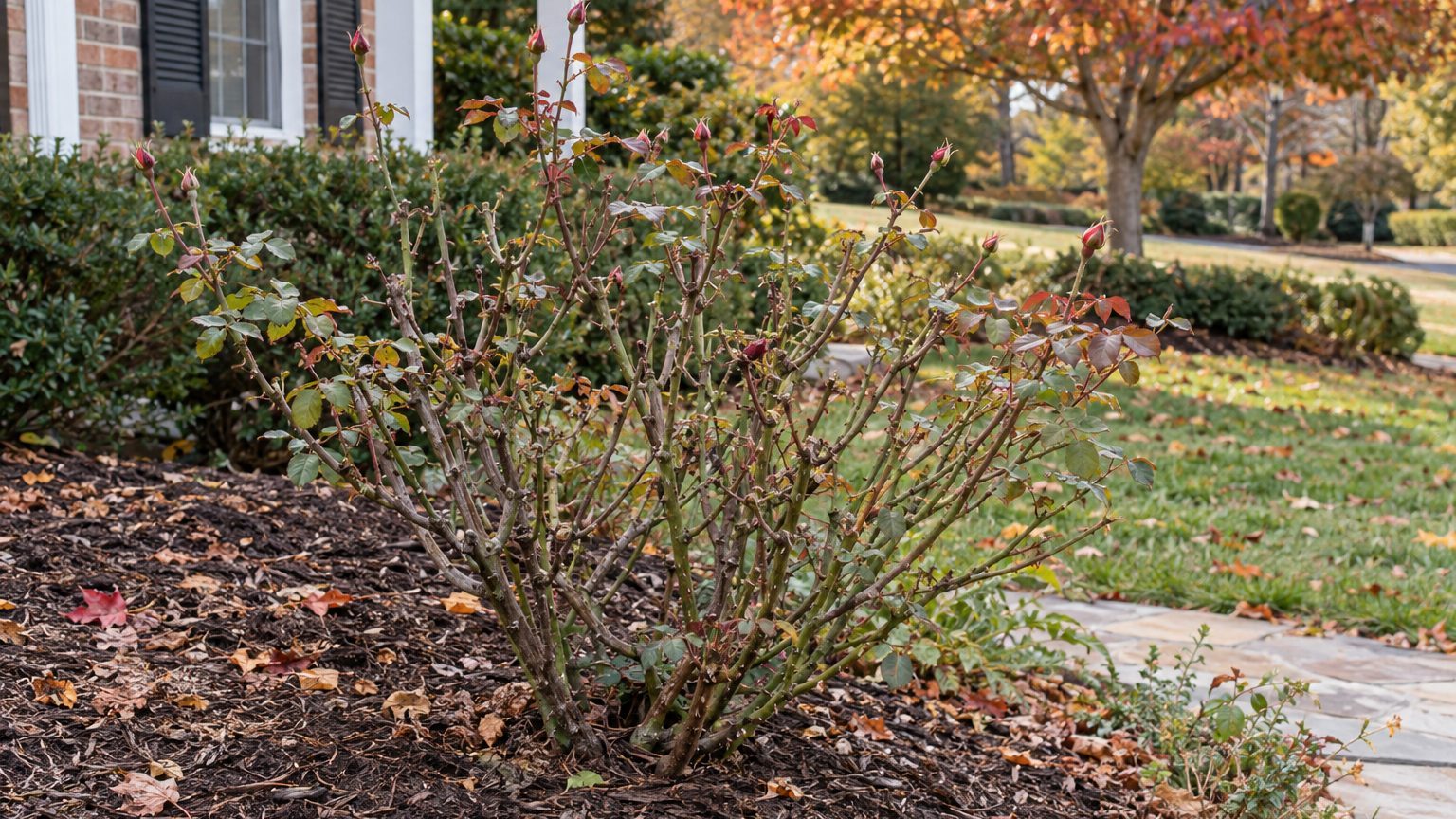
Rose canes at pruning time

Prune repeat-blooming roses in February and March, as the buds swell. That means hybrid teas, floribundas and modern shrub roses. Roses that flower only once on last year’s wood follow a different rule and are cut after they bloom.

Type of rose When to prune in Georgia Why
Repeat-blooming roses (hybrid teas, floribundas, modern shrub roses) February and March, when the buds start to swell They bloom on new growth, so a hard cut in spring sets up the season’s flowers
Once-blooming roses (old garden roses, ramblers, many climbers) Right after they finish flowering, never in early spring They flower on last year’s wood, so a spring cut removes the blooms

Buds swell around mid-February in the southern part of the state, and by mid-March in the northern part, so your own date slides within those months. Climbers fall on one side or the other of this line. A climber that flowers just once follows the after-bloom rule, while one that keeps blooming is handled like the other repeat bloomers.

How to Tell When Your Roses Are Ready to Prune

The roses themselves give the signal, and a few quick checks in the yard will confirm it.

  • Look at the buds along the canes, because once they begin to swell the rose is leaving dormancy and the pruners can come out.
  • Think about where you garden, since swelling starts earlier in southern Georgia and later in the northern part of the state.
  • Check the forecast before you cut, because pruning stimulates tender new growth that a hard freeze can damage.
  • Wait a little longer if the calendar says February but the buds are still tight, since the buds set the date more than the month does.

A rose that has already leafed out in a warm spell can still be pruned. Cut back to healthy wood and the plant will recover.

Should You Prune Roses in Fall or Winter in Georgia?

For repeat-blooming roses, the answer is no heavy pruning in fall or early winter. The months set aside for the main cut are February and March, when the buds are ready to break. A severe cut before then only invites new growth that cold weather can catch.

Once-blooming roses stay off the fall and winter schedule too. Their flowering wood formed last year, so cutting it in cold weather throws away the coming bloom. Leave them alone until they flower, then prune right after. For anything else in the cooler months, there is no recommended pruning job beyond removing wood that is plainly dead or broken.

How Rose Pruning Dates Shift Across Georgia

Georgia stretches from the coast to the mountains, and pruning follows the buds from south to north.

  • South Georgia and the coastal plain: Winter is milder here, so the buds swell first, around mid-February. You can start pruning repeat bloomers earlier than your neighbors to the north.
  • North Georgia: Buds hold off until about mid-March. Cutting in February on the strength of a warm week risks exposing new growth to another cold snap.
  • The mountains of north Georgia: Cold lingers longer and fall frosts arrive sooner than in Atlanta, so roses wake later. Let the buds decide rather than a fixed date.

Atlanta sits in the middle of this range, and its city warmth can run a little ahead of the surrounding countryside.

Where to Get Rose Advice in Georgia

Local help is close by, and it is tailored to your soil and your part of the state. University of Georgia Extension runs an office in every county.

  • The county extension office can answer questions on pruning timing for your area, so call or visit when the buds begin to swell.
  • Extension publications cover rose selection and care, and they are worth a read before you buy new plants in late winter.
  • Bring a cane or a photo of the problem to the county office if a rose looks sick, since the staff can help identify it.

Common Questions

Can You Plant Bare-Root Roses at Pruning Time?

Yes. February and March suit bare-root roses well, while January, April, November and December can also work. In Georgia, extension advice for February planting is to space roses 5 to 6 feet apart, which leaves room for the plants to fill out. Potted roses can go in later.

When Should You Feed Roses in Georgia?

Feed monthly from March through September. Without a soil test, the Georgia recommendation is three tablespoons per plant of 16-4-8 or 12-4-8 fertilizer. A fresh pruning in February or March leads into feeding season.

Which Roses Need Less Spraying?

Shrub roses generally need few chemical controls. Hybrid teas are more susceptible to disease and need an effective spray program in place before the growing season starts. Choosing a shrub type is the easier path if you would rather spray less.

When to Plant Roses in Georgia: Dates and Varieties

When to Plant Roses in Georgia: Dates and Varieties

Bare, thorny canes show up at garden centers in late winter, and that is the cue to get roses into Georgia soil. A rose planted while dormant has months to root before summer heat arrives.

When to Plant Roses in Georgia

When to Plant Roses in Georgia: Dates and Varieties

Bare-root roses go in first, in February and March, while the plant is asleep and the frost risk is still real. Potted roses can follow later, since they arrive with roots already growing. Here is how a rose’s year runs in Georgia.

  • In late winter, plant bare-root roses in February, spacing them 5 to 6 feet apart so air moves through the leaves later.
  • Through March, keep planting bare-root roses and begin feeding, because new growth is waking up even though cold snaps can still come. In Atlanta, the last spring freeze usually falls between March 11 and March 29.
  • In April, a bare-root rose can still go in if March slipped by, though the plant is already leafing out and needs closer watering.
  • From spring through summer, potted roses can be planted once the danger of a late freeze has passed, and established roses keep blooming on a monthly feeding.
  • In late fall, November and December work as a fallback for bare-root planting. In Atlanta, the first fall freeze usually arrives between November 13 and December 1.

A young rose is tender to hard freezes, which is why spring planting is timed with the frost risk in mind. Georgia covers USDA hardiness zones 6a to 9b, so mountain yards and coastal yards each run on their own schedule.

Which Roses Grow Best in Georgia?

Disease-resistant roses are a practical choice in Georgia’s warm, damp growing season. Black spot and other leaf diseases hit some types harder than others, so the type you choose decides how much spraying you will do.

Shrub roses are the low-fuss option, and old garden roses suit gardeners who want an informal look. Hybrid teas can be grown here, but only with a plan for protecting the leaves.

Rose type How it does in Georgia Why
Shrub roses Bloom well with few chemical controls Better disease resistance than hybrid teas
Hybrid teas Grow well but need a spray program Susceptible to black spot, so protection starts before the season
Old garden roses Keep a graceful, relaxed shape Hard pruning ruins their form and cuts flowering

Floribundas are close cousins of hybrid teas and are pruned on the same schedule. Climbers and ramblers fit fences and arbors, though many of them bloom only once on last year’s wood and need a different pruning schedule.

When to Prune, Feed and Protect Roses in Georgia

Rose work in Georgia is front-loaded. Pruning happens in late winter, and monthly feeding runs from March through September. Winter protection is rarely the main worry here, so most of the effort goes into the jobs already mentioned.

Task Best months in Georgia Why then
Prune repeat-blooming roses (hybrid teas, floribundas, modern shrub roses) February to March Cut as the buds swell, mid-February in the south of the state and mid-March in the north
Feed roses March through September Monthly feeding supports steady new growth and repeat bloom

Watch the buds more than the calendar. Once they begin to swell, go ahead and prune. Once-blooming roses, including old garden roses, ramblers and many climbers, flower on last year’s wood, so prune them right after they bloom and never in early spring. The full pruning method lives on the page about when to prune roses in Georgia.

How Rose Care Dates Change Across Georgia

Georgia’s roses do not all wake up on the same day, and the difference between the mountains and the coast is large enough to shift your whole routine.

  • North Georgia and the mountains: Buds swell later here, so pruning waits until toward the end of the pruning window. Fall freezes also arrive several weeks earlier than in Atlanta, which shortens the season at the far end.
  • Atlanta: The city sits on an urban heat island, so its frost dates read a little mild for yards in the surrounding countryside. Use them as a guide, then check your own buds.
  • South Georgia and the coastal plain: Winters are milder and buds swell earlier, so pruning starts toward the front of the window and planting can go in early.

Wherever you garden, the rose itself is the best clock: swelling buds mean pruning time, and a hard freeze in the forecast means holding off on tender new growth.

Where to Get Rose Advice in Georgia

Local help is worth using when a rose looks wrong or a bed refuses to perform. The state’s land-grant university and your county office offer diagnosis and soil testing.

  • University of Georgia Extension publishes rose guides for the state and routes questions to the right specialist.
  • Your county extension office can test your soil and look at a diseased leaf or cane, so bring a sample in a sealed bag before spring feeding begins.
  • With the buds on your canes starting to swell, a soil test now tells you what the first feeding should contain.

Common Questions

Is January Too Early to Plant Bare-Root Roses in Georgia?

January works as a fallback when the ground is workable. February and March remain the preferred months, so wait for those if the soil is soggy or frozen.

How Much Fertilizer Does a Rose Need in Georgia?

Without a soil test, the usual Georgia recommendation is three tablespoons per plant each month from March through September. The product is typically a 16-4-8 or 12-4-8 fertilizer.

Should Old Garden Roses Get the Same Hard Pruning as Hybrid Teas?

No. Old garden roses need far less cutting, and a heavy pruning can ruin their graceful shape and severely reduce their flowering. Prune them after they bloom, avoiding the heavy spring cut used for repeat bloomers.

The almanac, state by state. Every date on this site comes from a state’s own frost facts and its extension service’s calendar — and says where it comes from.