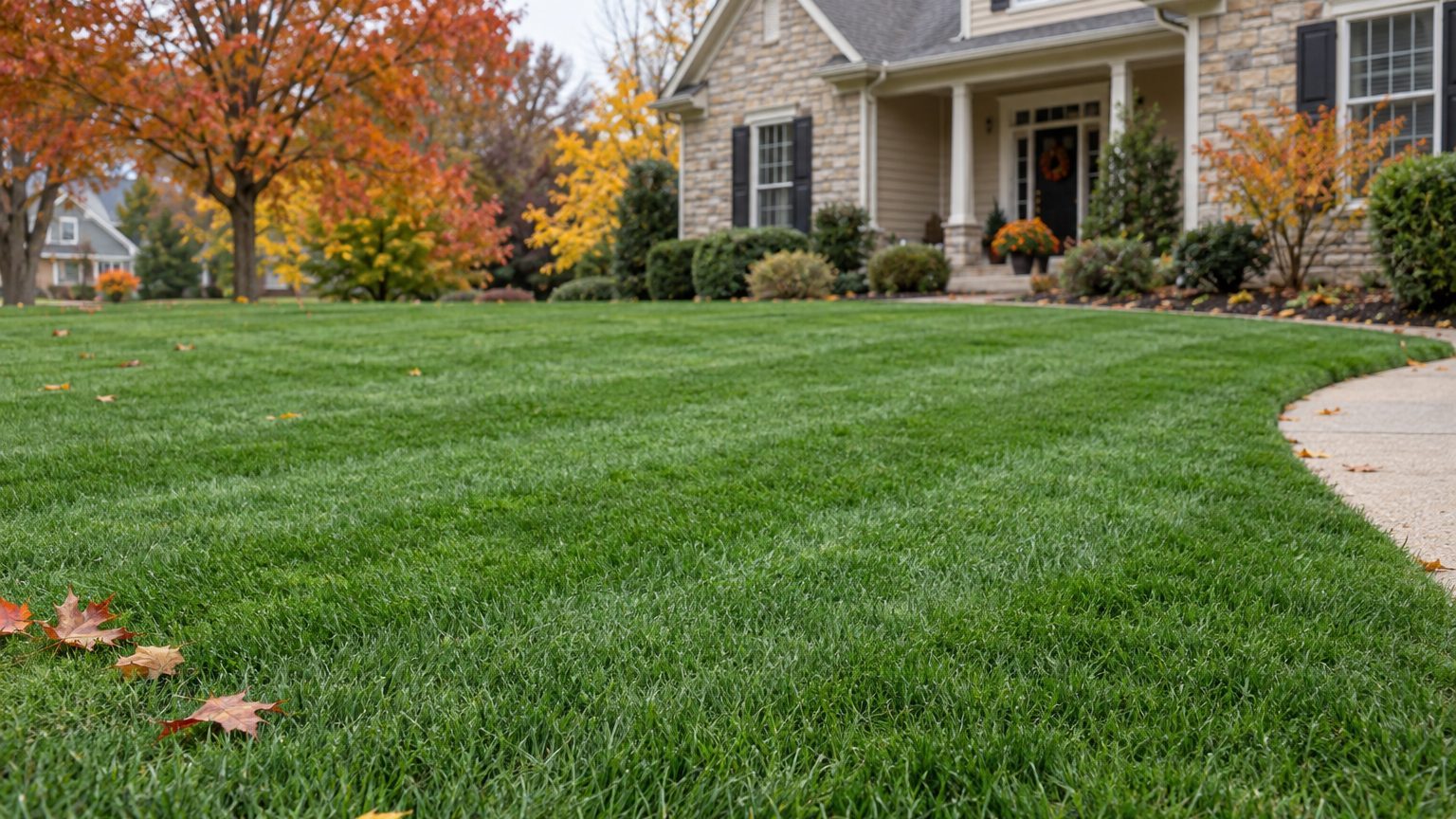
Walk a Missouri yard in late spring and you will see neighboring lawns in contrast: thick and green turf beside grass that stays tan until the weather turns hot. Which one you own decides almost everything about when to seed, feed and mow.
Frost Dates and Growing Season in Missouri
In Kansas City, the last spring freeze usually lands between April 6 and April 20, and the first fall freeze arrives between October 18 and October 29. Those dates mark frost risk, not the day grass wakes or sleeps, because growth follows soil warmth. Southern Missouri is milder than Kansas City, and downtown Kansas City usually clears its last freeze about five days earlier. Missouri spans USDA hardiness zones 5b to 7b, so your own zone depends on where you live.
A late freeze can nip young seedlings, so new grass should be established before fall cold arrives. Through the year, the lawn moves in these stages:
- In late winter and early spring, cool-season grass is still mostly dormant, and this is when crabgrass preventer goes down, with March the best fit.
- Once the soil warms in April and May, mowing picks up for every lawn type, and bermudagrass and zoysiagrass start greening up and growing.
- In May through July, warm-season lawns grow hardest, which makes it the time to feed them and to lay sod or plugs.
- From June through August, watering matters most, since summer heat and dry spells stress tall fescue and bluegrass.
- In late summer, August and September bring the best seeding and core aeration for cool-season lawns, while the soil is still warm and the nights begin to cool.
- In October and November, cool-season grass is feeding roots for winter, and mowing continues until growth stops.
Missouri’s long warm stretch on both ends gives you room to work, but the fall freeze still sets the deadline for anything new you plant.
Missouri — the year and the numbers
- State
- Missouri
- USDA zones
- 5b-7b
- Last spring frost
- April 6 to April 20
- First fall frost
- October 18 to October 29
- Annual rain
- 39 in
- Lawn type
- cool- and warm-season
- Source
- NOAA NCEI 1991-2020 Climate Normals, 32F freeze probabilities · Kansas City
Cool-Season or Warm-Season Grass in Missouri?
Missouri sits in the transition zone, where winters are cold enough to hurt warm-season grass and summers are hot enough to stress cool-season grass. Neither type is a perfect fit, so the choice comes down to how much summer color or winter color you want, and how much watering you will do.
Tall fescue is the workhorse for most yards in the state, while warm-season grasses suit sunny lawns where a tan winter is acceptable.
| Grass | Season | How it does in Missouri |
|---|---|---|
| Tall fescue | Cool | Common choice across the state, stays green most of the year |
| Kentucky bluegrass | Cool | Does best in cooler, higher ground |
| Bermudagrass | Warm | Thrives in summer heat, grown from seed or sod |
| Zoysiagrass | Warm | Tough in heat, usually planted as sod or plugs |
Warm-season lawns turn brown after the first hard freeze and stay that way until spring warmth returns. Cool-season lawns can retain color in cool weather but slow down in midsummer. Mixing cool-season and warm-season grass in the same part of the yard is a mistake to avoid, since each follows its own schedule.
When to Seed, Fertilize and Aerate a Lawn in Missouri
The big jobs follow the grass type. Cool-season lawns like tall fescue get most of their work in late summer and fall, while bermudagrass and zoysiagrass get theirs in late spring and early summer.
If you miss August for seeding, September still works. Tall fescue should be fed in early spring and fall, never in summer.
| Task | Best months in Missouri | Why then |
|---|---|---|
| Seeding tall fescue | August, with September as a fallback | Warm soil helps seed sprout, and cooler weather follows for rooting |
| Core aeration | August, with September as a fallback | Opens compacted soil just before overseeding |
| Fertilizing cool-season lawns | March, September, October | Feeds roots when the grass is actively growing, and April also works |
| Crabgrass preventer | March | Goes down before weed seeds sprout, and February, April or May also work |
| Seeding bermudagrass | May, with June as a fallback | Warm soil gets the seed growing quickly |
| Fertilizing warm-season lawns | May, June, July | Matches the peak growing season |
| Dethatching warm-season lawns | May, June | The grass recovers fast in active growth, and April also works |
Cool-season lawns are dethatched in August or September instead. Sod for warm-season grass goes down in May, and June or July still work if the spring gets away from you.
Lawn Problems to Watch for in Missouri
Brown Patches in Midsummer

Tall fescue and bluegrass slow down in Missouri’s summer heat, and dry spells push them into dormancy. If the grass turns straw-colored in patches and springs back after rain, it is resting. Water deeply during June through August, and avoid cutting too short.
Thin or Bare Spots in Fall
A cool-season lawn that thins out by September has often been stressed by summer heat and compacted soil. If the soil feels hard and the spots sit where people walk or mow often, core aeration followed by overseeding in August is the repair. Waiting past September leaves less time for new grass to root before the first freeze.
Tan Warm-Season Grass in Spring
Bermudagrass and zoysiagrass stay brown well past the last freeze, because they green up with soil warmth. If the lawn looks dead in April but the runners are still firm and tan rather than brittle, give it time. Feeding too early only helps weeds, so wait until May.
How Lawn Care Dates Change Across Missouri
Missouri stretches a long way north to south, and the seasons shift with it. The dates lean toward the Kansas City area, so adjust them by where you live.
- Northern Missouri: Spring arrives later and fall frost comes sooner, so cool-season seeding is best at the early end of the window, and warm-season grass is a riskier choice.
- Kansas City: Springs run a few days earlier downtown than at the airport on the north side, so the early part of each spring window applies in the city core.
- The Ozarks and southern Missouri: Milder winters mean an earlier spring start and a longer season for bermudagrass and zoysiagrass, though the higher ground stays cooler and suits bluegrass better.
If your yard sits near a regional boundary, use local conditions to choose the earlier or later part of the recommended window.
Where to Get Lawn Advice in Missouri
Local advice beats general rules, since Missouri’s soils and weather change from one county to the next. Local sources can help with a specific lawn.
- University of Missouri Extension publishes guides on grass choice, fertilizing and weed control for the state’s lawns.
- Your county extension office can run a soil test, which is worth doing before you fertilize or seed, and can help identify a problem if you bring a sample.
Common Questions
Can You Plant Cool-Season and Warm-Season Grass in the Same Lawn?
You can, but the two turn green and brown at different times, so the lawn looks patchy for much of the year. Giving each type its own area keeps the care simple.
Is It Too Late to Seed Tall Fescue in October?
October is later than ideal, because in Kansas City the first freeze comes between October 18 and October 29 and new seedlings need time to root. August is best, and September still works.
When Should You Start Mowing in Missouri?
Cool-season lawns can be mowed from March, while bermudagrass and zoysiagrass start in April. Mowing continues into October for warm-season lawns and November for cool-season ones.