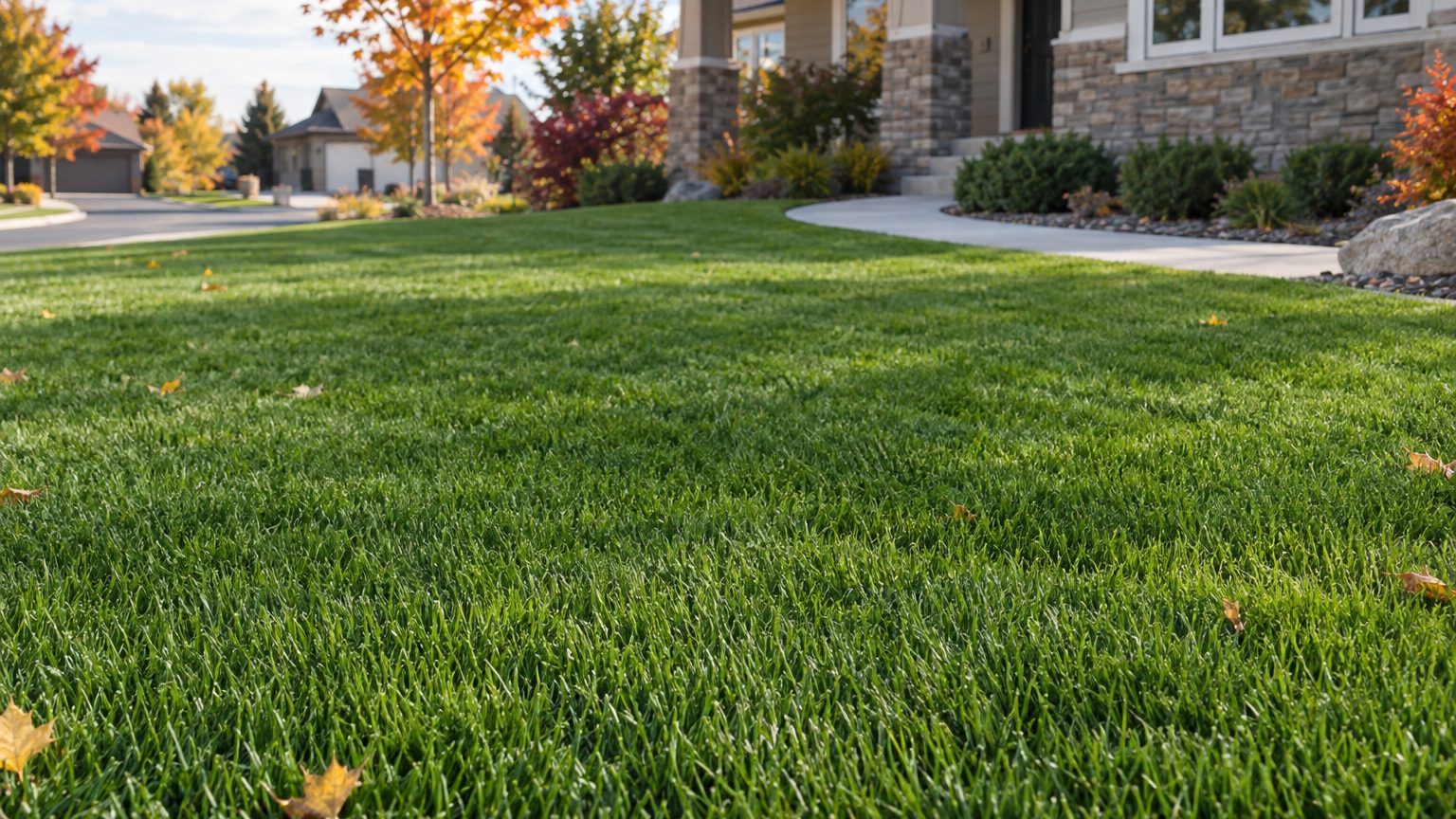
A good Alberta lawn greens up late, grows hard through early summer, and settles into dormancy at the first real cold. The grasses that cope best are the cool-season types, and most of the work happens in May and again from August to September.
Frost Dates and Growing Season in Alberta
In Calgary, the average last spring frost falls on May 21, which means frost can still arrive after that date in about half of all years. Think of it as the middle of a window, never a safe date. Calgary sits in Canadian hardiness zone 4a (a Canadian system that does not convert to a USDA zone), and northern or upland districts run weeks behind it. Grass growth follows soil warmth, not the calendar, so the year looks like this:
- In early spring, the lawn is still dormant or just stirring, so you rake off debris and stay off soggy turf.
- In May, the soil warms, mowing begins, and it is the month for fertilizing and for crabgrass preventer. In Calgary, a frost after May 21 can nip a young seedling, which is why spring seeding is a fallback rather than the plan.
- From June to July, growth is at its peak and watering matters most, because dry spells arrive fast on the Prairies.
- In August and September, the soil is warm and the nights cool, which suits aeration, dethatching and seeding. In Calgary, the average first fall frost is September 16, but that date is the middle of a window rather than a deadline.
- In October and November, mowing winds down, and a lawn seeded on cold soil in November sprouts the following spring.
Frost marks the risk to tender growth, but the grass itself slows and stops as the soil cools, usually a little after the first frost.
Alberta — the year and the numbers
- State
- Alberta
- Hardiness zones
- 4a
- Last spring frost
- May 21
- First fall frost
- September 16
- Annual rain
- 17 in
- Lawn type
- cool-season
- Source
- Environment and Climate Change Canada — Canadian Climate Normals 1981-2010, station CALGARY INT'L A · Calgary
Cool-Season or Warm-Season Grass in Alberta?
Cool-season grass is the only sensible choice here. Warm-season types need long, hot summers and are unlikely to survive winters in Calgary’s Canadian hardiness zone 4a. Cool-season grasses handle the cold, green up early and grow best in the mild days of May and September.
Drought is the other test. Summers can turn dry, and grasses that go dormant and recover do better than those that need constant water.
| Grass | How it does in Alberta | Why |
|---|---|---|
| Kentucky bluegrass | Reliable, forms a dense turf | Cold hardy and recovers from winter damage |
| Creeping red fescue | Good, especially in lighter soil and shade | A fine fescue that tolerates cold and less fertility |
| Chewings fescue | Good in mixes | A fine fescue that handles cold and lower light |
| Hard fescue | Good for low-maintenance lawns | A fine fescue that copes with cold and leaner conditions |
| Perennial ryegrass | Fair, can thin out | Short-lived in the coldest winters |
Bluegrass and the fine fescues carry most Alberta lawns, often blended together. Ryegrass sprouts quickly, which is handy, but expect to patch it after a hard winter.
When to Seed, Fertilize and Aerate a Lawn in Alberta
Most of the big jobs cluster in May and from August through September. Late summer is the stronger one for building a lawn, because warm soil helps seed germinate and cooler weather spares the seedlings from heat stress.
Dormant seeding is the odd one out. It works only after the soil is cold enough that nothing sprouts until spring.
| Task | When to do it in Alberta | Why then |
|---|---|---|
| Seeding | August, September (May also works) | Warm soil and cool air help seedlings root before winter |
| Dormant seeding | November (October also works) | Seed lies on cold soil and sprouts in spring |
| Fertilizing | May, September | Feeds spring growth, then helps the lawn recover and store energy |
| Core aeration | August, September | Grass is growing strongly and fills the holes |
| Dethatching | August, September | Turf recovers quickly in the same window |
| Crabgrass preventer | May | Goes down before weed seed sprouts |
Mowing runs from May through October, and watering matters most from May through September. If you miss the late-summer seeding window, dormant seeding in November is the next route, with October still workable.
Lawn Problems to Watch for in Alberta
Winter Kill and Thin Spring Patches

Straw-colored or matted patches that stay bare after the rest of the lawn greens up point to winter damage, especially where snow melted and refroze or sat in low spots. Rake lightly to lift matted grass, then overseed bare areas once the soil warms.
Summer Drought Browning
Grass that turns tan across open, sunny areas while shaded turf stays green is usually drought stress. Bluegrass often goes dormant and returns when water does. Water regularly through the warm months, and mow high enough to shade the soil.
Compacted, Thin Turf
Worn grass along paths, with hard soil that sheds water, signals compaction. Core aeration in August or September opens the soil, and overseeding right after helps the lawn thicken.
How Lawn Care Dates Change Across Alberta
Alberta is not one climate, and the dates above are anchored to Calgary. Elevation and latitude have a strong effect on the season.
- Calgary and the foothills: Chinook winds can melt snow early and then leave grass exposed to dry air and sudden freezes, so green-up can start and stall.
- Edmonton and the north: Springs arrive later and fall frost comes sooner, so shift spring jobs later and finish late-summer seeding early.
- Lethbridge and the south: Warmer, drier conditions give an earlier start, though watering matters more through summer.
Judge your own yard by soil warmth and by how the grass is behaving, and nudge the dates accordingly.
Where to Get Lawn Advice in Alberta
Canada has no county extension offices, so advice comes from the province and from local growers. A soil test takes the guesswork out of fertilizing.
- The Alberta Agriculture and Irrigation ministry offers provincial guidance on soil and growing conditions.
- A local garden centre can help diagnose a patch if you bring a sample and describe where and when it appeared.
- A local master gardener group is a good place to ask about your district’s conditions.
Common Questions
Can You Plant Grass Seed in Spring in Alberta?
Yes, May works as a fallback if you missed late summer. Seedlings face frost and summer heat as they establish, so keep them watered.
How Tall Should You Mow a Lawn in Alberta?
Mow higher rather than lower, since taller blades shade the soil and hold up better in dry spells. Raise the mower if a cut would remove a large share of the blade.
Why Is a Lawn Slow to Green Up in Alberta?
Cool soil keeps cool-season grass dormant after the snow melts. Greening follows soil warmth, so a cold spring delays it even when the air feels mild.