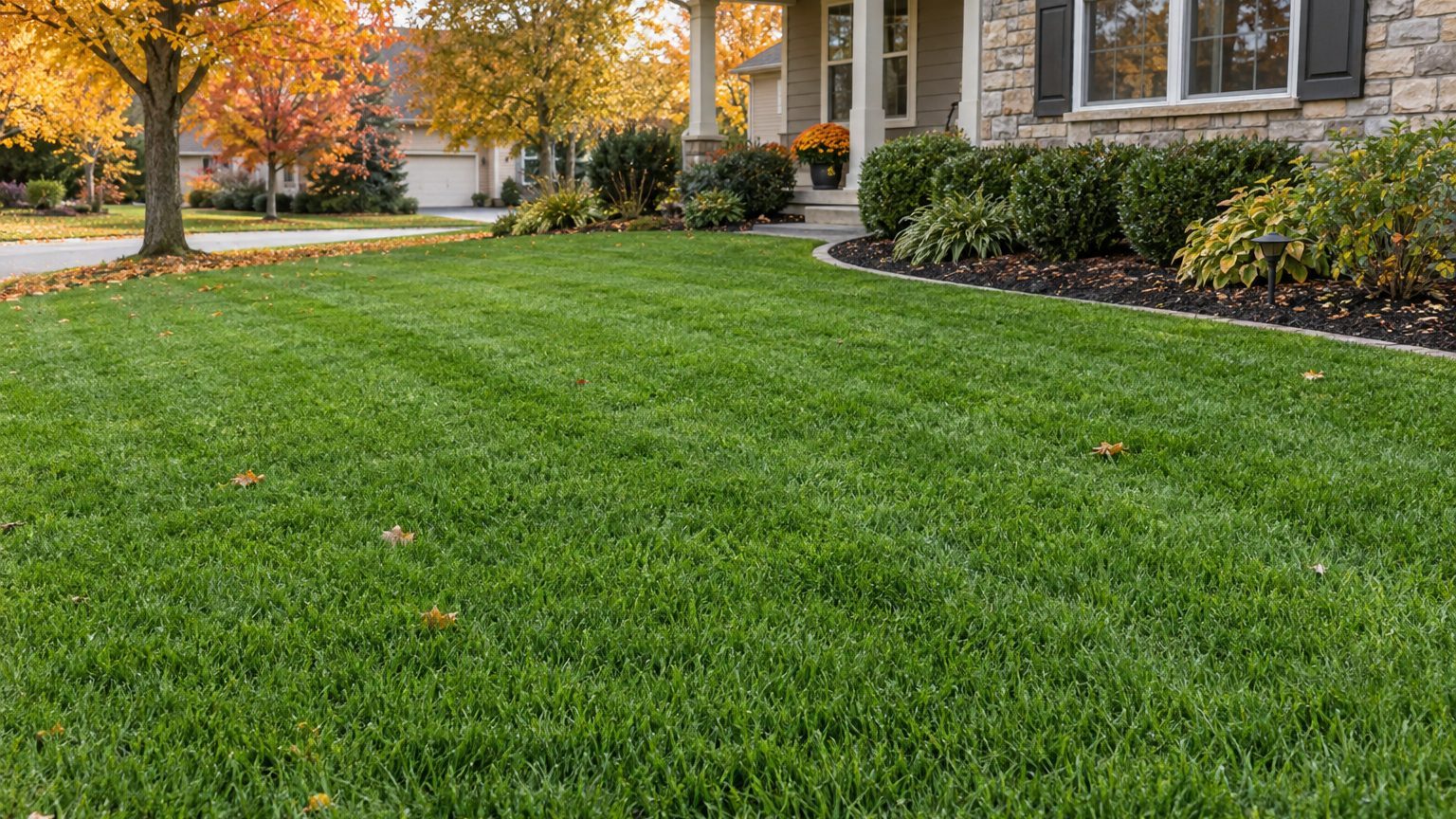
Salt spray can scorch lawn grasses, but it barely bothers seashore paspalum, a warm-season grass that has found its niche along the coast. The real questions for a homeowner are whether the climate behind the beach suits it, how short to mow it, and what it needs through the year.
What Is Seashore Paspalum?
Seashore paspalum is a warm-season grass. It grows when the weather is hot, slows as nights cool, and turns dormant in winter. Its cold hardiness is rated very poor, which is the main limit on where it can live.
What sets it apart is salt. Extension ratings for tolerance to salty soil and salty water come out excellent, so it is grown mostly in specialised coastal settings where other turf fades.
Away from the shore, it is a lawn grass that handles wear well, handles drought fairly to well, and puts up only a poor to fair fight in shade.
From the almanac
Lawn in your state
The dates on this page depend on where you live. Your state's page carries its frost dates, its USDA zones and the year laid out month by month.
Northeast
Southeast
- Alabama
- Arkansas
- Delaware
- Florida
- Georgia
- Kentucky
- Louisiana
- Maryland
- Mississippi
- North Carolina
- South Carolina
- Tennessee
- Virginia
- West Virginia
Midwest
Southwest
West
Pacific Northwest
Canada
Where Does Seashore Paspalum Grow Best?
It does best where summers are long and winters are mild, and it gives out quickly where the ground freezes hard.
- Gulf Coast: Florida, Louisiana and Mississippi are first-choice territory for a warm-season grass. The region’s mild winters suit a grass that dislikes cold.
- Desert Southwest: Arizona and Nevada also rank as first choice, since heat is not the problem. The long hot season gives this warm-season grass ample time to grow.
- Southern Plains and the Tennessee Valley: Oklahoma, Tennessee and Kentucky are transition country, where seashore paspalum is a compromise and no grass excels. Oklahoma remains a compromise because winter cold can damage a grass with very poor cold hardiness.
- Corn Belt: Iowa, Nebraska, Ohio and Indiana will not hold it. Iowa’s cold winters rule it out, so plant a cool-season grass such as tall fescue or Kentucky bluegrass instead.
A state is not a single zone, and the far ends of a big state can fall into the neighboring one. The state selector just below this section leads to the page for your state, where the local picture is spelled out.
How to Care for Seashore Paspalum Through the Year
Spring Green-Up
Seashore paspalum wakes up late, because it follows soil warmth and not the last frost. Let the ground warm before you judge a patch as dead.
It cannot be started from seed. New lawns go in as sod, sprigs or plugs, so budget for that instead of a bag of seed, and plant once the soil is warm.
Mowing Height
Mow between 1 and 2 inches. A home rotary mower does well at the upper end of that range.
Keep the blade sharp and the height steady, since scalping a warm-season lawn stalls its growth.
Summer Heat

Midsummer is where the grass earns its place. Drought tolerance runs fair to good, so it can ride out a dry spell, though prolonged drought still calls for a deep soak.
Wear tolerance is good, so summer foot traffic is not a reason to baby it.
Fall Slowdown
As nights cool, growth tapers off and the color begins to fade. Mow at the same height while the grass is still growing, and stop pushing it with extra feeding or water that it can no longer use.
Winter Cold
Winter is the season that decides whether the grass stays. Dormant turf looks tan and thin, and a hard freeze can kill it outright, since cold hardiness is very poor.
In a mild coastal winter it simply rests, but in a colder yard, plan on replacing sod as the cost of keeping it.
Seashore Paspalum Diseases, Pests and Weak Points
What they do rate are its tolerances, and those show where the grass struggles.
Cold is the clear weak point, and shade tolerance is also poor to fair.
| Stress | How Seashore Paspalum handles it |
|---|---|
| Cold | Very poor hardiness |
| Shade | Poor to fair |
| Drought | Fair to good |
| Salty soil | Excellent |
If you see thin grass under trees, treat it as a light problem before you suspect a disease. Check whether the spot gets enough sun for healthy growth, and read the pattern before choosing a fix.
Is Seashore Paspalum Right for Your Yard?
It suits a sunny yard in a mild-winter state, especially one near salty air or water. It is a poor match for a shaded lot, a cold winter, or anyone who wants to seed and walk away.
- Choose it if your yard is open and sunny and your winters rarely turn hard.
- Skip it if big trees shade the lawn for much of the day or the ground freezes every winter.
- Pick your state in the selector to open its page, and read it before you order sod.
Common Questions
Does Seashore Paspalum Only Grow Near the Coast?
No. Its specialized coastal use reflects its salt tolerance, but climate matters more than distance from the water. A yard inland in a hot, mild-winter state can suit it.
Can Seashore Paspalum Take Heavy Foot Traffic?
Yes, its wear tolerance is rated good. That makes it workable for a yard where kids and dogs run, as long as it gets enough sun and the winter does not kill it.
Will Seashore Paspalum Grow in California?
In mild parts of California it can, since the state sees only 2 days at 90F or more at its reference city, and the coldest month averages a low of 49F. Inland and mountain areas differ, so check your own area.