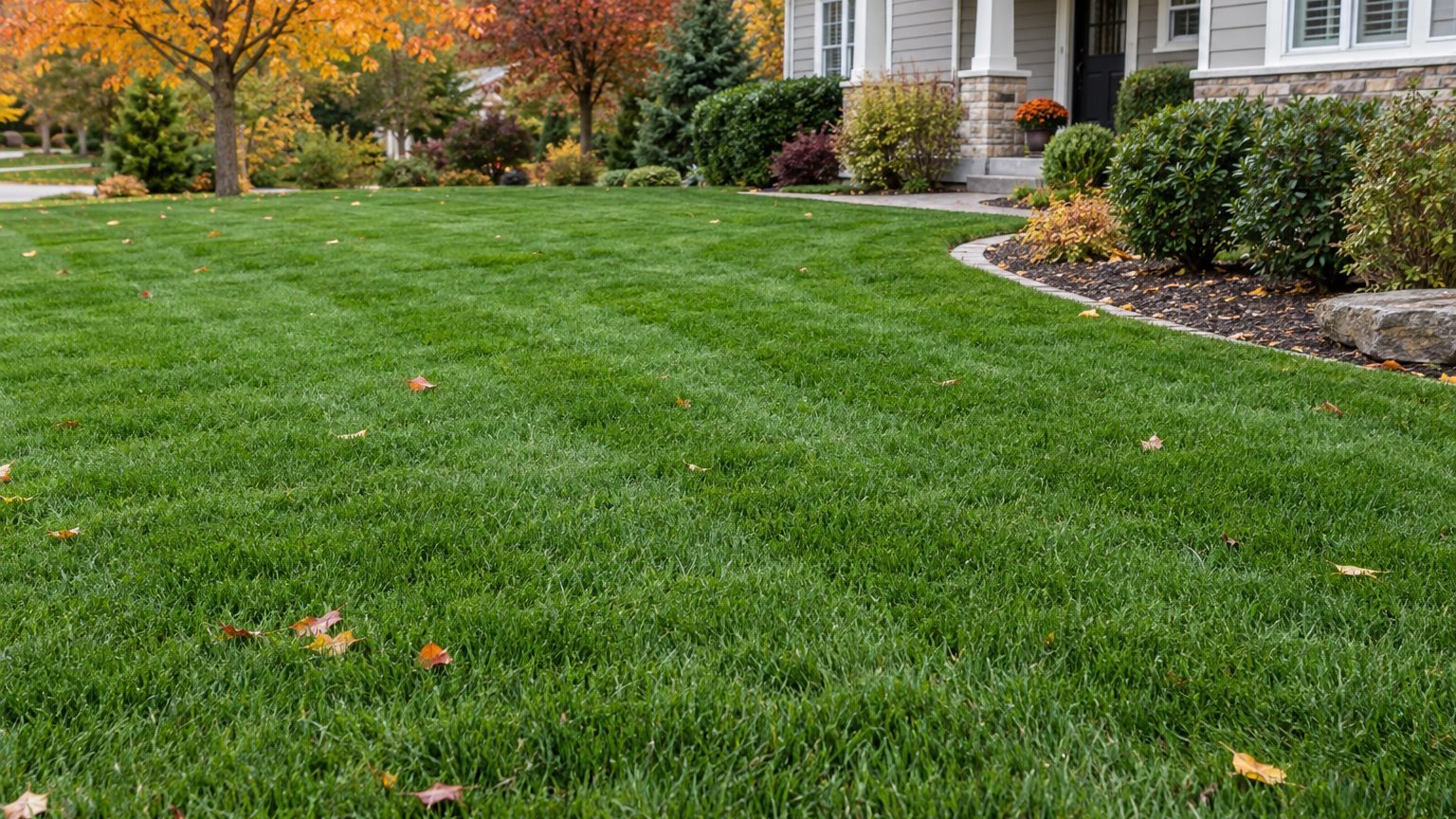
A bermudagrass lawn goes tan and stops growing when cold weather settles in, then greens up again once the soil warms. It is a warm-season turf that does well across the South and struggles in the northern states. Where it grows, how short to mow it and how to handle each season are covered here.
What Is Bermudagrass?
Bermudagrass is a warm-season grass, so it grows hard in summer heat and rests in cold weather. It is grown throughout the southern United States, and its cold hardiness is rated good, which is why it reaches into the milder edge of the transition zone.
Wear and drought are where it stands apart. Both are rated excellent, so it recovers from foot traffic and carries on through dry spells. Shade is its weak point, rated very poor, and most cultivars will not tolerate it.
It also asks for work. Maintenance is high, and the mowing is very frequent. A new lawn can be started in several different ways:
- Sod
- Sprigs
- Plugs
- Seed
From the almanac
Lawn in your state
The dates on this page depend on where you live. Your state's page carries its frost dates, its USDA zones and the year laid out month by month.
Northeast
Southeast
- Alabama
- Arkansas
- Delaware
- Florida
- Georgia
- Kentucky
- Louisiana
- Maryland
- Mississippi
- North Carolina
- South Carolina
- Tennessee
- Virginia
- West Virginia
Midwest
Southwest
West
Pacific Northwest
Canada
Where Does Bermudagrass Grow Best?
It does best where summers are long and hot and winters stay mild, and it fades as the cold deepens. A state is not a single zone, so the far ends of a large state can fall on the other side of the line.
- Sonoran and Mojave deserts: Arizona and Nevada have the heat bermudagrass wants, though conditions still vary within both states. The length of winter dormancy depends on local conditions.
- Gulf Coast: Texas, Louisiana, Mississippi and Florida are first-choice country. Mild Gulf Coast winters generally favor bermudagrass, though conditions vary across the region.
- Southern Plains and the Ohio Valley: Oklahoma, Kansas and Kentucky are a compromise, where no grass excels. Cold winters can test bermudagrass in this transition region.
- Corn Belt and Great Lakes: Nebraska, Iowa, Ohio and Indiana will not hold it. Cold winters make a cool-season grass such as tall fescue or Kentucky bluegrass the better planting in this region.
The state selector just below this section leads to the page for your state, with the months that apply where you live.
How to Care for Bermudagrass Through the Year
Spring Wake-Up
Bermudagrass wakes with soil warmth, not with the last frost, so warm air alone does not mean it is ready. Wait until the lawn is visibly greening across the whole yard before you push it with fertilizer or start a new planting.
Mowing Height
Keep the mower low. The range that covers the extension guidance is 0.75 to 2 inches, much shorter than most cool-season lawns take. Mow often, because this grass grows fast in warm weather and a long gap between cuts means scalping when you finally cut it back.
Summer Heat

Heat is when bermudagrass earns its place. Drought tolerance is rated excellent, so a lawn that browns a little in a dry stretch usually comes back without drama. Water deeply when it does look stressed, and keep mowing at the same low height.
Fall
As days shorten and nights cool, growth slows and the color starts to fade. Keep mowing while the grass is still growing, and clear fallen leaves promptly, since a bermudagrass lawn handles shade so poorly that a thick leaf layer can thin it.
Winter Dormancy
A tan lawn in winter is normal dormancy, not death. Cold hardiness is rated good, so the roots usually come through. Keep heavy traffic and piled debris off it where you can, and wait for spring warmth to judge how the lawn came through.
Bermudagrass Diseases, Pests and Weak Points
What is documented is how the grass copes with stress from weather, shade and use.
That already tells you where to focus your attention.
| Threat | How Bermudagrass handles it |
|---|---|
| Drought | Excellent tolerance |
| Heavy wear | Excellent tolerance |
| Cold | Good hardiness |
| Shade | Very poor tolerance |
| Upkeep | High maintenance, very frequent mowing |
Shade is the weak point you can see for yourself. Thin, bare turf under a tree is not a problem a fertilizer will fix. If part of your yard gets little sun, that area is better planted with something else.
Is Bermudagrass Right for Your Yard?
It suits a sunny yard in the South where kids, pets and foot traffic wear down lesser grasses. It fits less well in a shaded yard, a cold northern state, or a household that dislikes frequent mowing.
- Choose it for full sun, hard use and dry summers, and expect to mow often.
- Look at a cool-season grass instead if trees shade most of the lawn or winters run cold.
- Open the page for your state through the selector to see which months fit your local planting and care.
Common Questions
How Much Seed Does a New Bermudagrass Lawn Need?
The extension guidance runs from 1 to 4 lb per 1000 square feet for a new lawn. Sod, sprigs and plugs are the other ways to start it.
Why Do Mowing Heights Differ Between Guides?
Local advice varies. In South Carolina, the suggested height is 0.75 to 1.5 inches, while Illinois, Kansas and Georgia guidance runs 1 to 2 inches. Pick the range that matches your area and your mower.
Will Bermudagrass Grow in a Lawn with Partial Shade?
Poorly. Shade tolerance is rated very poor, and most cultivars will not tolerate it. Plant it only where the lawn gets strong sun for most of the day.