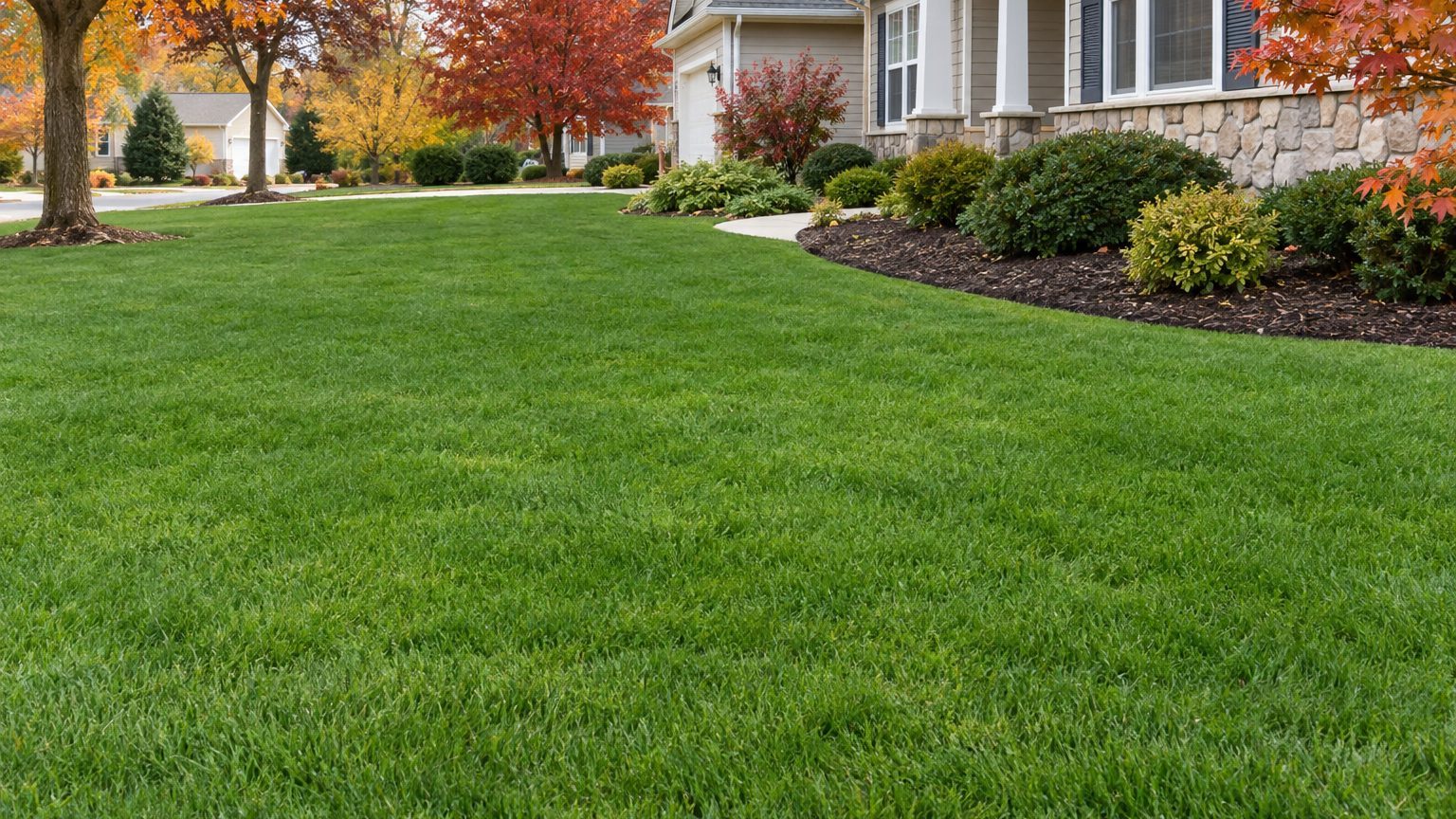
Centipedegrass spreads by low runners and stays pale green through the summer, which is why it looks a little sparse next to a thick bermudagrass lawn. It belongs to the warm-season South, mostly on acidic soil, and it needs little fertilizer once established and infrequent mowing. Zones, mowing height and yearly care all follow from that easygoing nature.
What Is Centipedegrass?
Centipedegrass is a warm-season grass, so it grows hard in summer heat and fades to tan after the first hard frosts. It creeps along the ground on stolons, which is how it fills in and why a lawn can be started from sprigs or plugs as well as seed or sod.
What sets it apart is how little it asks of you. Once established, it needs little fertilizer and infrequent mowing, and it grows on acidic soils where other grasses sulk.
The trade-offs are real. Shade tolerance and drought tolerance are both fair, cold hardiness is fair, and wear tolerance is poor, so it suits a front yard better than a ball field.
From the almanac
Lawn in your state
The dates on this page depend on where you live. Your state's page carries its frost dates, its USDA zones and the year laid out month by month.
Northeast
Southeast
- Alabama
- Arkansas
- Delaware
- Florida
- Georgia
- Kentucky
- Louisiana
- Maryland
- Mississippi
- North Carolina
- South Carolina
- Tennessee
- Virginia
- West Virginia
Midwest
Southwest
West
Pacific Northwest
Canada
Where Does Centipedegrass Grow Best?
Centipedegrass is grown mostly in the piedmont and coastal plains of the Southeast, and it thrives where summers are long and winters stay mild.
- Gulf Coast and the Deep South: Louisiana, Mississippi and Alabama have the long, hot summers and mild winters that suit this grass. This is home territory for the grass.
- South Carolina piedmont and coastal plain: The grass is at ease in South Carolina’s piedmont and coastal plain. Florida’s mild winters suit it as well.
- Transition belt of Oklahoma, Tennessee and Kentucky: It is a compromise here, since no grass excels. Colder winters in this belt test its fair cold hardiness.
- Cool-season Midwest, including Ohio, Indiana and Iowa: It will not hold. Plant tall fescue or Kentucky bluegrass instead, grasses built for those winters.
A state is not a zone, so the far ends of a large state can fall in the neighboring zone. The state selector just below this section leads to the page for your state.
How to Care for Centipedegrass Through the Year
Spring Wake-Up
Centipedegrass greens up slowly, after the soil warms, and frost risk alone does not tell you when it starts. Hold off on heavy feeding. A lawn that gets little fertilizer once established is doing what it should, and extra nitrogen tends to thicken thatch and weaken it.
Mowing Height
Keep the mower between 1 and 2 inches. Follow local advice when choosing where to mow within that range.
Mowing is infrequent, so cut when the grass has grown noticeably above your target rather than on a fixed rhythm.
Summer Heat

Fair drought tolerance means a dry spell will show as dull, curling blades before the lawn dies. Water deeply when that happens instead of sprinkling often. Poor wear tolerance also matters in summer, so route kids, pets and foot traffic along paths or stepping stones.
Fall
As nights cool, the grass slows and prepares for dormancy. Stop pushing growth with fertilizer. Save seeding a new lawn for warm growing weather so seedlings have time to establish.
Winter
Expect straw-colored turf after frost. That is normal dormancy and not death. Cold hardiness is only fair, so a hard winter at the northern edge of its range can thin the lawn, and traffic on frozen dormant grass does more damage than it would in summer.
Centipedegrass Diseases, Pests and Weak Points
The documented weak points of this grass are its tolerance traits. Specific disease and insect resistance ratings are not documented in the sources used here, so nothing is claimed about them.
What can be said is how it handles the stresses that decide most lawns.
| Threat | How Centipedegrass handles it |
|---|---|
| Foot traffic | Poor wear tolerance, so worn paths recover slowly |
| Cold | Fair hardiness, best in mild winters |
| Drought | Fair tolerance, needs deep watering in dry spells |
| Shade | Fair tolerance, thins under dense trees |
Disease and pest problems are not documented here, so ask your county extension office what shows up locally before treating anything. Stress from traffic, shade or cold can thin a lawn, so check those first.
Is Centipedegrass Right for Your Yard?
It suits sunny to lightly shaded yards in the warm South where you want a quiet lawn with little mowing and feeding. It is a poor match for play areas, dense shade or the cold north.
- Choose it if your yard sits on acidic soil in the piedmont or coastal plains and sees light foot traffic.
- Choose another grass if winters are hard or children and dogs run across the turf every day.
- Use the State by State Garden page for your state, reached through the state selector, to see which grasses fit your local conditions and when to plant.
Common Questions
Can You Grow Centipedegrass from Seed?
Yes. Seed, sod, sprigs and plugs all work. For a new lawn, use 0.25 to 1 lb of seed per 1000 square feet, following local advice within that range.
Why Does Centipedegrass Turn Brown in Winter?
As a warm-season grass, it goes dormant when the weather cools. If the turf is still thin in spring and sits in a cold pocket, winter injury may be the cause.
Does Centipedegrass Need Much Fertilizer?
No. Once established it needs little fertilizer, and that low appetite is a main reason people choose it.