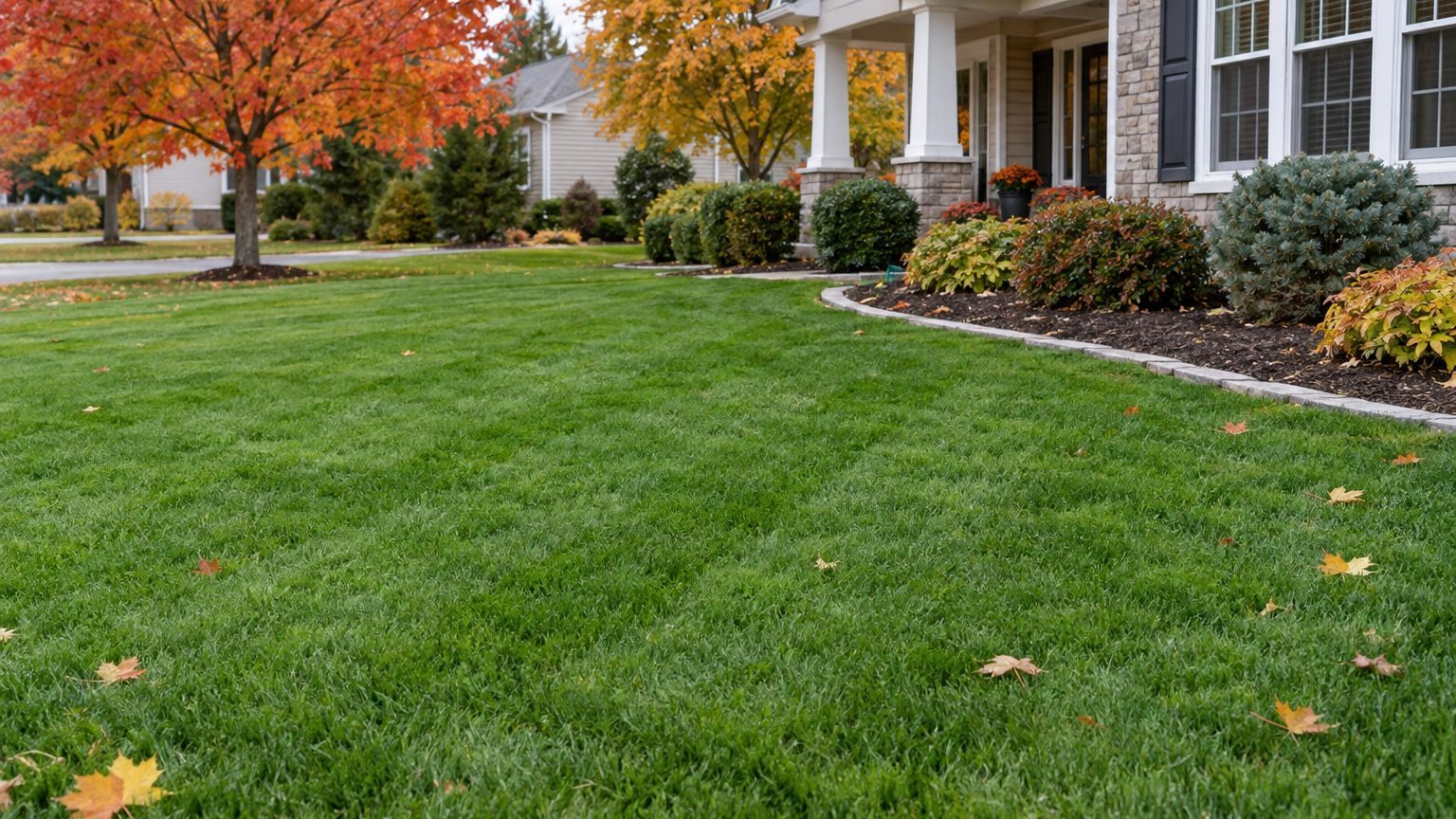
Pale green grass thriving in the damp, shaded corner where Kentucky bluegrass keeps thinning out is often rough bluegrass. It is a cool-season turfgrass that earns its place on north-side yards and under tree canopies. Where it grows, how to mow it and how to keep it alive through summer all depend on its need for moisture.
What Is Rough Bluegrass?
Rough bluegrass (Poa trivialis) is a cool-season grass, so it grows hardest in spring and fall and slows when summer turns hot. Extension turf guides describe it as a bluegrass for fully shaded, moist sites, the kind of ground that is difficult to cover with anything else.
Shade tolerance is its strongest card, rated very good to good. Cold hardiness is just as strong, rated excellent to very good, which suits northern winters.
The weak side is water. Drought tolerance is poor, and wear tolerance sits at good to fair. You start it from seed, so a thin patch is repaired by overseeding rather than by laying sod.
From the almanac
Lawn in your state
The dates on this page depend on where you live. Your state's page carries its frost dates, its USDA zones and the year laid out month by month.
Northeast
Southeast
- Alabama
- Arkansas
- Delaware
- Florida
- Georgia
- Kentucky
- Louisiana
- Maryland
- Mississippi
- North Carolina
- South Carolina
- Tennessee
- Virginia
- West Virginia
Midwest
Southwest
West
Pacific Northwest
Canada
Where Does Rough Bluegrass Grow Best?
Rough bluegrass belongs to cooler country, and it fades fast as summer heat and dry spells pile up. The state selector just under this section leads to the page for your state, where you can see how your own climate fits.
- Upper Midwest and Plains: In Minnesota, Iowa and Nebraska, summers are short on extreme heat and winters are hard, so rough bluegrass is a first choice for shade. Short stretches of extreme heat are manageable when the soil stays moist.
- Great Lakes and Northeast: Ohio, Michigan and New York offer the cool, damp conditions it likes. Shaded lawns under maples and oaks here are where it fills in best.
- Transition belt: In Kansas, Oklahoma, Kentucky and Tennessee, rough bluegrass is a compromise and no grass excels. Oklahoma’s long hot season leaves this grass suited only to a shaded, irrigated spot.
- Desert Southwest and Gulf Coast: In Arizona, Nevada, Texas, Florida and Louisiana, heat and drought will beat it. Plant bermudagrass in sun, and zoysiagrass or St. Augustinegrass in shade, depending on your part of the region.
A state is not a zone. The far ends of a large state, such as the high country of Colorado or the Panhandle of Texas, can behave like their neighbors.
How to Care for Rough Bluegrass Through the Year
Spring Wake-Up
As soil warms, rough bluegrass greens early and grows fast. Rake out leaf litter and fallen twigs from shaded beds so light and air reach the crowns. Fill thin spots with seed while the soil is still cool and moist.
Mowing Height
Mow between 1 and 3 inches. Stay toward the upper end in deep shade, where the grass needs more leaf to catch weak light. Raise the deck in summer, too, because taller blades shade the soil and hold moisture longer.
Keep the blade sharp. Torn tips turn gray and give the lawn a ragged look in shade, where grass dries slowly after rain.
Summer Heat

Heat is the hard season. Rough bluegrass does not tolerate hot spells well, and its drought tolerance is poor, so thinning shows first in the sunniest, driest strips. Water deeply and regularly through dry weather, and keep foot traffic light on stressed turf.
Where summers run hot, expect the lawn to look tired even with good care. It often recovers once the weather cools.
Autumn
Autumn is the season to repair. Cooler air and warm soil let seed take hold, and there is less competition from weeds. Clear leaves promptly, since a wet mat smothers grass in shade, then overseed the bare patches.
Winter
Winter asks little of you. Cold hardiness is excellent to very good, so the turf comes through hard freezes in northern yards. Avoid walking on frozen, frosted grass, and clear heavy piles of leaves.
Rough Bluegrass Diseases, Pests and Weak Points
Rough bluegrass struggles with heat, dry soil and heavy foot traffic, but handles cold and shade well. If you are choosing for a trouble spot, those match-ups matter more than any single pest.
Water balance is central to this grass’s care. Too little in summer thins the stand, while shaded ground that stays wet is what it was made for.
| Threat | How Rough Bluegrass handles it |
|---|---|
| Drought | Poor tolerance, thins quickly without regular water |
| Summer heat | Does not tolerate it very well |
| Foot traffic | Good to fair wear tolerance |
| Cold | Excellent to very good hardiness |
If a patch turns brown or sparse, check soil moisture and light before blaming a pest, and ask your county extension office if the cause is unclear.
Is Rough Bluegrass Right for Your Yard?
It suits shaded, moist yards in cooler states where you are willing to water in dry weather. It does not suit hot, sunny, dry lawns or yards with constant heavy play, and it is a poor fit if you want a lawn that needs little irrigation.
- If your yard is mostly shade under trees or on a north side, use the state selector above and read your state page before seeding.
- If you live in the transition belt or the Deep South, check the state page first to see what grows best in your sun and shade.
Common Questions
How Much Seed Do You Need for a New Rough Bluegrass Lawn?
Plan on 2 to 3 lb per 1000 square feet for a new lawn. Spread it evenly over loosened soil and keep the surface moist until the seedlings are up.
Is Rough Bluegrass a Good Choice for a Soggy Low Corner?
Yes, with limits. It is grown on fully shaded, moist sites, so a damp corner under trees suits it. If water stands for long stretches, fix the drainage first, because the grass still needs air at the roots.
Why Is Rough Bluegrass Thinning in Summer?
Look at the surrounding conditions. Thinning in the sunniest patches alongside dry soil near the surface points to heat and drought stress. Thinning in deep shade with soggy ground and matted leaves points to too much moisture and poor airflow, so clear the debris and let the soil drain.