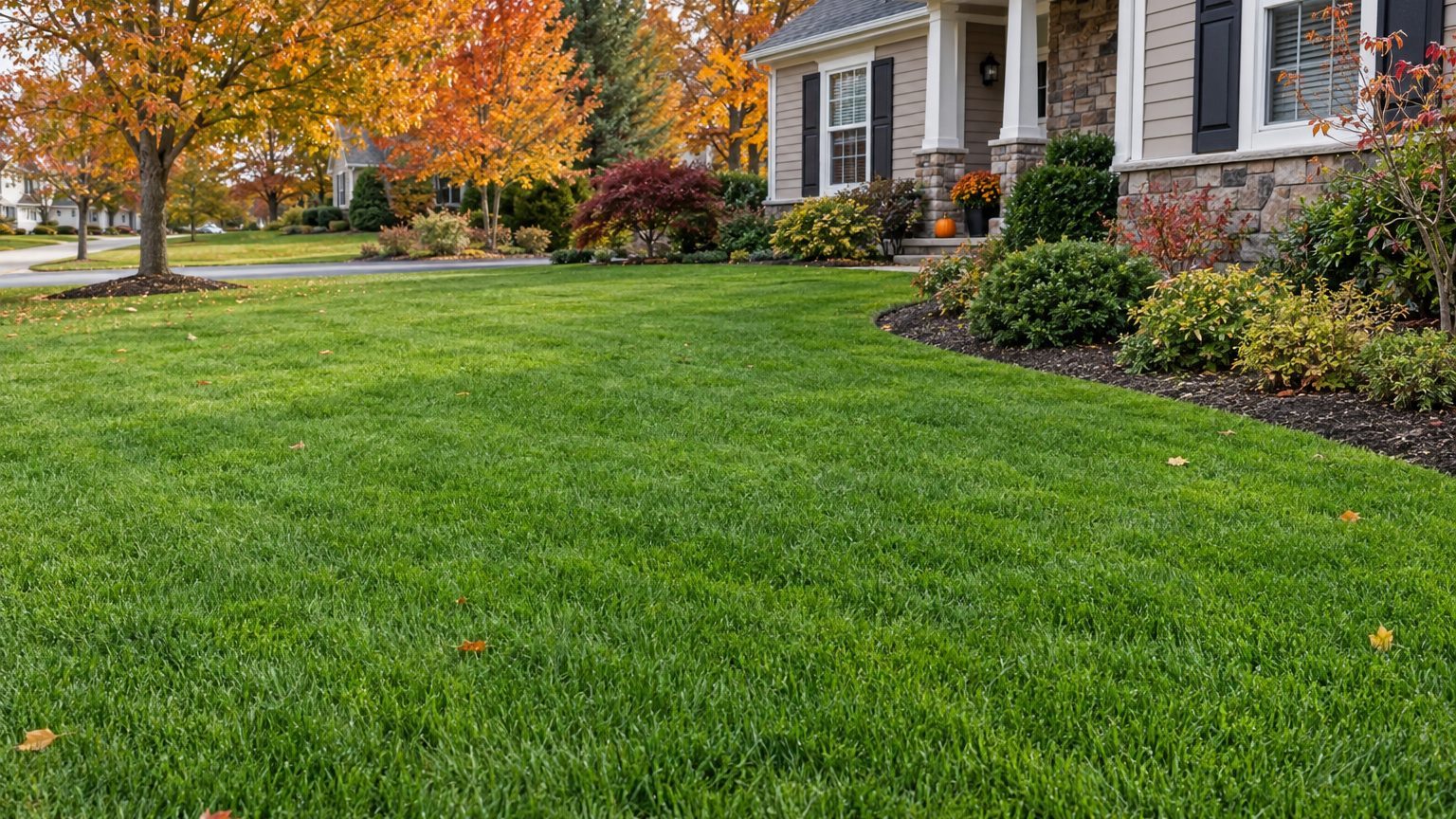
Wide, deep-green blades still standing in a summer stretch that has browned the bluegrass next door usually mean tall fescue. It is a dependable cool-season choice across the North and the transition zone. Where it thrives, where it struggles and how to look after it through the seasons all depend on the climate in your corner of your state.
What Is Tall Fescue?
Tall fescue is a cool-season grass, so it grows hardest in spring and fall and slows in midsummer. Its blades are wider and coarser than Kentucky bluegrass blades, making the grasses easy to tell apart by eye and touch.
What sets it apart is endurance. It holds through summer better than other cool-season grasses, which is why it earns the title of all-rounder in the North and the transition zone. Cold hardiness and shade tolerance are both good.
You can start it from seed or lay it as sod. Its drought and wear tolerance are only fair, so it asks for some attention in dry spells and on busy paths.
From the almanac
Lawn in your state
The dates on this page depend on where you live. Your state's page carries its frost dates, its USDA zones and the year laid out month by month.
Northeast
Southeast
- Alabama
- Arkansas
- Delaware
- Florida
- Georgia
- Kentucky
- Louisiana
- Maryland
- Mississippi
- North Carolina
- South Carolina
- Tennessee
- Virginia
- West Virginia
Midwest
Southwest
West
Pacific Northwest
Canada
Where Does Tall Fescue Grow Best?
Tall fescue does best where summers are moderate and winters are cold but not brutal. It gets harder to keep as you move south toward the long, hot summers of the Gulf and the desert. Figures here come from each state’s reference city, so the far corners of a large state can sit in the neighboring zone.
- Upper Midwest and Great Lakes: Iowa, Illinois, Ohio, Michigan and Minnesota are first-choice territory. Nebraska sees 28 days at 90F or more, and tall fescue still comes through the heat in good shape.
- Northeast and Appalachia: New York, New Hampshire and West Virginia suit it well. Summers are shorter and cooler, and winter lows around 26F to 28F in New York and West Virginia are well within its cold hardiness.
- The transition belt: Oklahoma, Kansas, Kentucky, Tennessee and Colorado make it a compromise where no grass excels. Oklahoma reaches 71 days at 90F or more, so expect summer stress. In the South, it belongs in the piedmont and mountain areas rather than on the hot lowlands.
- Gulf Coast and Desert Southwest: Texas, Louisiana, Mississippi, Florida, Arizona and Nevada will not hold it. Arizona reaches 169 days at 90F or more. Plant bermudagrass or zoysiagrass there instead.
The state selector just below this section takes you to the page for your own state.
How to Care for Tall Fescue Through the Year
Spring Wake-Up
As soil warms, tall fescue greens up and grows quickly. This is a good time to repair thin spots, since the grass is putting energy into new growth. Hold off on heavy feeding, which can push soft growth that suffers when summer heat arrives.
Mowing Height
Mow between 2 and 4 inches, and lean toward the taller end. Extension services in different states settle on slightly different figures within that span. According to NC State Extension, 3.5 inches is the target and never shorter than 2.5.
Taller blades shade the soil, hold moisture and crowd out weeds. Keep the mower blade sharp, because tall fescue’s tough leaves tear rather than cut under a dull edge.
Summer Heat

Raise the mower rather than fight the heat with extra fertilizer. A tall canopy protects the crowns when temperatures climb. Water deeply when the grass turns a dull blue-gray and footprints stay pressed in, since drought tolerance is only fair.
Brown patches in midsummer that spread in the sunniest, driest spots usually point to heat and drought stress. Patches with a darker edge that appear after muggy nights call for a closer look at disease before you change anything.
Autumn
Fall is the season to build the lawn. Seed a new lawn at 6 to 8 lb per 1000 square feet, because the soil is warm and the air is cooling. When overseeding thin areas, make sure the seed touches bare soil rather than sitting on thatch.
Keep new seed evenly moist until it sprouts, and leave the mower height up while the young grass settles in.
Winter
Cold hardiness is good, so most tall fescue lawns come through winter without protection. Growth slows and color fades, but the crowns survive. Keep heavy traffic off frozen or frosty turf, because brittle blades break and leave brown tracks that last into spring.
Tall Fescue Diseases, Pests and Weak Points
The documented strengths and limits of tall fescue come down to climate and use. It copes well with shade and cold, handles summer better than other cool-season grasses, and is merely fair under drought and foot traffic.
For a diagnosis, compare clues such as the look of the patch and where and when it appears.
| Threat | How Tall Fescue handles it |
|---|---|
| Summer heat | Holds through summer better than other cool-season grasses |
| Drought | Fair tolerance, needs deep watering in long dry spells |
| Heavy foot traffic | Fair wear tolerance, thins on busy paths |
| Shade | Good tolerance under trees and beside buildings |
| Winter cold | Good cold hardiness |
Your local extension office can identify a problem from a sample or a photo.
Is Tall Fescue Right for Your Yard?
It suits yards that mix sun and shade, in the cool-season North or the transition zone, where you want a lawn that survives summer. It is a weaker fit for hot southern lowlands, deserts and yards with constant heavy play.
- Choose it if you have partial shade, cold winters and a mower you can set high, and you are willing to water deeply in dry spells.
- Skip it in Gulf Coast or desert yards, where bermudagrass or zoysiagrass is the better match.
- Open your own state’s page from the selector to see the months that suit seeding where you live.
Common Questions
Can You Mix Tall Fescue with Kentucky Bluegrass?
Yes, and many cool-season lawns do. Tall fescue and Kentucky bluegrass differ in blade width and texture, so a blend can look patchy when different parts of the yard favor different grasses. A pure tall fescue stand looks more uniform.
Does Tall Fescue Need Watering in Summer?
It needs deep, infrequent watering when rain falls short. Drought tolerance is fair, so a long dry stretch will thin the lawn if you ignore it. Water enough to soak the root zone rather than wetting the surface lightly.
Can You Overseed an Existing Tall Fescue Lawn?
Yes, and it is the usual way to thicken a thinning lawn. Use less seed than for a new lawn, make sure it reaches bare soil and keep it moist until it sprouts. Fall conditions suit it well.