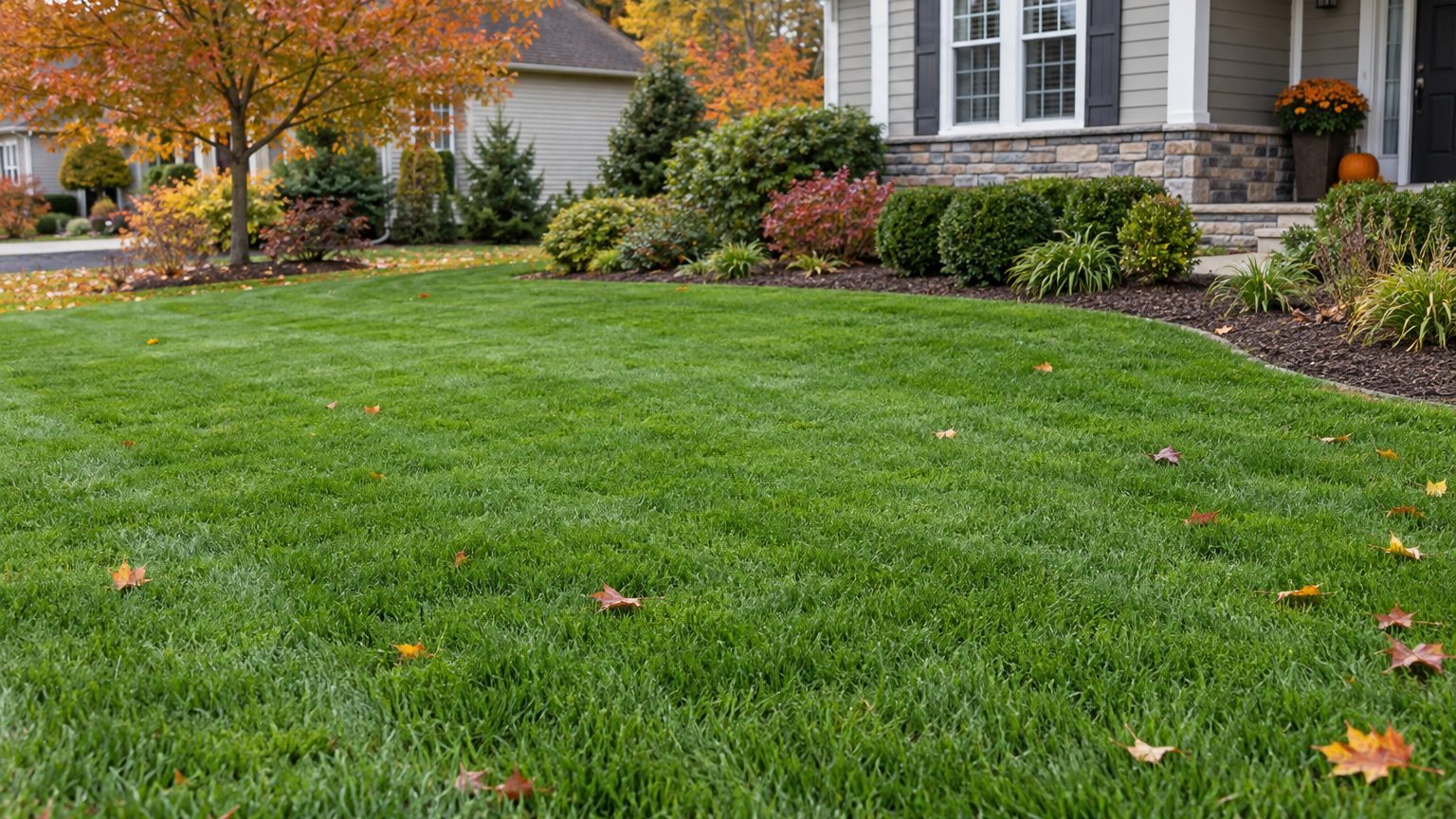
Some lawn grasses sulk in a soggy, shaded corner, and carpetgrass is the one that settles in. It is a low, warm-season grass for wet, acid ground in the Southeast and along the Gulf Coast. It asks for mild winters and steady moisture, and it rewards you with a lawn that needs very little mowing.
What Is Carpetgrass?
Carpetgrass is a warm-season grass, so it grows when the soil is warm and goes dormant when cold arrives. It spreads low across the ground and forms a dense, coarse mat rather than an upright turf.
What sets it apart is where it grows. It performs well in wet, shaded, acid soils where other lawn grasses may not grow, and its shade tolerance is rated fair. That makes it a practical choice for low, damp yards.
The trade-offs are real. It does not tolerate cold, drought, salt or traffic, and its drought tolerance is rated very poor. You can start it from seed or from sprigs.
From the almanac
Lawn in your state
The dates on this page depend on where you live. Your state's page carries its frost dates, its USDA zones and the year laid out month by month.
Northeast
Southeast
- Alabama
- Arkansas
- Delaware
- Florida
- Georgia
- Kentucky
- Louisiana
- Maryland
- Mississippi
- North Carolina
- South Carolina
- Tennessee
- Virginia
- West Virginia
Midwest
Southwest
West
Pacific Northwest
Canada
Where Does Carpetgrass Grow Best?
Carpetgrass belongs in warm, humid country with mild winters, and it loses ground quickly as the cold deepens. A state is not a single zone, so the far ends of a large state can fall into the neighboring group.
- Gulf Coast: Louisiana, Mississippi, Alabama and Florida are first-choice territory. The Gulf Coast provides the long, warm summers carpetgrass needs, but local winter conditions still matter because its cold hardiness is poor.
- The Southeast and the lower Mississippi Valley: South Carolina and Arkansas can suit it too, though colder inland areas carry more risk of winter injury. Wet, acid, shady ground is where it earns its place.
- Oklahoma, Tennessee and Kentucky: Carpetgrass is a compromise here and no grass excels. Cold winters can injure carpetgrass in this transition area.
- Upper Midwest and Corn Belt: In Iowa, Nebraska, Ohio and Indiana it will not hold through winter. Plant a cool-season grass such as tall fescue or Kentucky bluegrass instead.
The state selector just below this section takes you to the page for your own state, where the local timing is laid out.
How to Care for Carpetgrass Through the Year
Spring Green-Up
Carpetgrass wakes slowly, because it follows soil warmth rather than the last frost. Wait until the ground has clearly warmed and the grass is growing before you do anything beyond raking off leaves and debris.
Spring is also the time to seed bare patches or a new lawn. Sow at 1 lb per 1000 square feet, or lay sprigs, and keep the soil moist while the young grass roots in.
Mowing Height
Keep the mower between 1 and 2 inches. Carpetgrass makes seedheads on tall, wiry stems that rise above the leaf blades, and a regular trim keeps the lawn looking tidy.
According to NC State Extension, Carolina Lawns, the usual advice is a 2 inch cut with infrequent mowing, which suits a grass that grows slowly and low. Sharpen the blade first, since the tough stems tear rather than cut when it is dull.
Summer Heat

Heat is not the problem, since it is a warm-season grass. Drought is. With a very poor rating for dry spells, the lawn browns and thins fast when rain stops, so water deeply and regularly through hot, dry stretches rather than waiting for it to wilt.
Low spots and shaded corners will hold moisture longest. Pay particular attention to sunny, well-drained edges.
Fall
Autumn is a time to ease off. As days shorten and soil cools, growth slows, and a lawn that has been kept moist all summer begins its slide toward dormancy.
Keep fallen leaves raked off the turf so they do not smother it in the shade. Avoid heavy foot traffic and parked equipment, because wear tolerance is poor and thin grass recovers slowly.
Winter
Expect the lawn to turn brown and rest. Poor cold hardiness means a hard freeze can kill the grass outright rather than merely dull it, which is why it belongs only where winters stay mild.
Stay off frozen or soggy turf as much as you can. In a borderline area, a thinner lawn in spring is your sign to patch with seed or sprigs once the soil warms.
Carpetgrass Diseases, Pests and Weak Points
Carpetgrass has no notable diseases or pests, so the focus here is on environmental stresses. It struggles when the weather turns dry, cold, salty or rough.
Most of its trouble comes from putting it in the wrong spot, so match the site to the grass before you plant.
| Threat | How Carpetgrass handles it |
|---|---|
| Drought | Very poor tolerance, browns quickly without water |
| Cold | Poor hardiness, fails in hard-freeze climates |
| Foot traffic | Poor wear tolerance, thins on paths and play areas |
| Salt | Not tolerated, so keep it away from salt spray |
| Shade | Fair tolerance, holds up under trees better than many grasses |
If a patch fails, check the site before you blame a disease or an insect. Look at whether it sits in a dry, sunny spot and whether it follows a cold snap or heavy foot use.
Is Carpetgrass Right for Your Yard?
It suits a wet, shaded, acidic yard in a mild-winter state, where you want a low-maintenance mat and mow rarely. It does not suit dry, sunny lawns, play areas, driveways near salt, or anywhere that sees hard freezes.
- If you live on the Gulf Coast or in the mild Southeast, look at the State by State Garden page for your state to see the local planting and care months.
- If winters bring hard freezes where you live, check the same state page for a cool-season grass that will last.
- If your yard sits in the in-between belt, read your state page before you buy seed, then walk the lawn after a wet spell to see which spots stay damp.
Common Questions
How Do You Start a New Carpetgrass Lawn?
You can use seed or sprigs. Seeding goes in at 1 lb per 1000 square feet, and sprigs are planted into bare, prepared soil. Either way, keep the ground evenly moist until the new grass has knit together.
Does Carpetgrass Need Acid Soil?
It grows well in acid soils, so test the soil before deciding whether any amendment is needed. A soil test through your local extension office tells you your pH before you commit to planting.
Can Carpetgrass Grow in California or Hawaii?
In mild, low-lying parts of both states, winter cold may not be the main limit, though colder districts exist. The grass still needs the wet, acid conditions it prefers, so a dry, alkaline yard will do better with another warm-season grass.