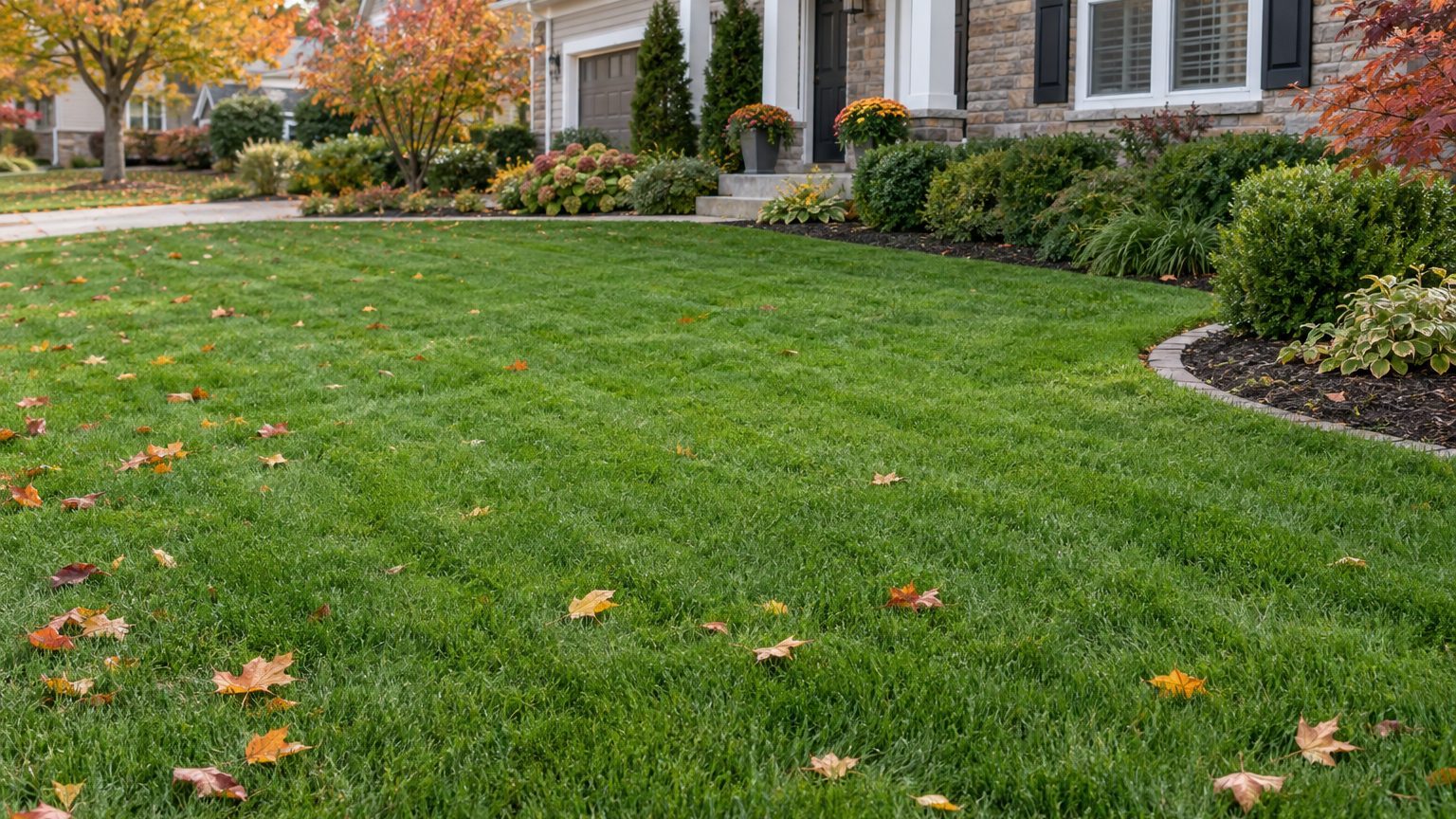
Bahiagrass is the coarse, tough turf you see along southern roadsides and on big rural lots, mowed with a rotary mower and left to fend for itself through summer dry spells. It belongs to the lower South, handles heat and drought well, and gives up quickly in cold or shade.
What Is Bahiagrass?
Bahiagrass is a warm-season grass, so it grows hard in summer heat and turns tan when cool weather arrives. It is grown mainly in the lower South and can be started from seed or sod, which keeps the cost of a new lawn down.
What sets it apart is its job. Extension turf specialists treat it as a utility grass for sites where appearance is not a concern and low maintenance is the rule. Expect a coarser, more open look than a dense bermudagrass or zoysia lawn.
Its drought tolerance is rated excellent, and wear tolerance is good. Shade tolerance and cold hardiness are both rated poor, which sets the limits of where it belongs.
From the almanac
Lawn in your state
The dates on this page depend on where you live. Your state's page carries its frost dates, its USDA zones and the year laid out month by month.
Northeast
Southeast
- Alabama
- Arkansas
- Delaware
- Florida
- Georgia
- Kentucky
- Louisiana
- Maryland
- Mississippi
- North Carolina
- South Carolina
- Tennessee
- Virginia
- West Virginia
Midwest
Southwest
West
Pacific Northwest
Canada
Where Does Bahiagrass Grow Best?
Bahiagrass does best where summers are long and hot and winters stay mild, especially in the lower South. The state selector just below this section leads to the page for your own state.
- Gulf Coast and Florida: Florida, Louisiana and Mississippi are first-choice territory for warm-season grass. Mild Gulf Coast winters generally suit bahiagrass, though conditions vary within each state.
- Deep South interior: Alabama, South Carolina and Arkansas also favor warm-season turf. Bahiagrass is more exposed to winter injury in colder inland areas than along the Gulf Coast.
- Southern Plains and the upper South: Oklahoma, Kansas and Tennessee sit in the transition belt, where bahiagrass is a compromise and no grass excels. Colder parts of the transition belt are hard on a grass with poor cold hardiness.
- Corn Belt and Ohio Valley: Nebraska, Iowa, Ohio and Indiana will not hold bahiagrass. Cool-season grasses such as tall fescue or Kentucky bluegrass are more sensible choices in this region.
A state is not a zone, so a southern corner of a large state can behave like the next region over. Treat the state list as a starting point and check local conditions before you buy seed.
How to Care for Bahiagrass Through the Year
Spring Green-Up
Bahiagrass wakes up late and slowly, following soil warmth rather than the calendar. Hold off on seeding until the ground has warmed for good. For a new lawn from seed, spread 5 to 10 lb per 1000 square feet so the stand fills in before summer.
Mowing Height
Keep the mower at 3 to 4 inches. The taller cut helps shade the soil and supports the roots that carry it through dry spells. Bahiagrass sends up tall seedheads that a dull blade tends to tear, so sharpen the blade before the season starts.
Summer Heat

Summer is where bahiagrass earns its place. With excellent drought tolerance, it usually needs far less watering than other southern turf. Water when the lawn shows persistent wilting, and resist the urge to feed it heavily, since bahiagrass is valued for low maintenance.
Fall Slowdown
Growth slows as nights cool, so mowing eases off. Skip late feeding that would push tender growth just before cold weather. The poor cold hardiness means a soft, rushed stand heading into winter is the most exposed.
Winter Dormancy
Dormant bahiagrass turns tan, and that is normal. Keep heavy traffic off the lawn during the coldest stretch, because dormant turf recovers slowly. In colder fringe areas, a patchy spring is the usual sign that winter lows went beyond what it tolerates.
Bahiagrass Diseases, Pests and Weak Points
The documented weak points of bahiagrass are about climate and light rather than any named disease or insect.
The ratings that are documented give a clear picture. Heat and dry spells barely bother it, while shade and cold are where it fails.
| Threat | How Bahiagrass handles it |
|---|---|
| Drought | Excellent tolerance |
| Foot traffic | Good wear tolerance |
| Shade | Poor tolerance |
| Cold winters | Poor hardiness |
Thin grass under trees and winter dieback in cold years are the problems you are most likely to see. Neither is cured with fertilizer or extra water. Use a shade-suited plant under trees and a cold-hardy grass where winters are too severe.
Is Bahiagrass Right for Your Yard?
It suits a sunny, open yard in the lower South where you want a grass that survives dry summers with little fuss. It fits poorly under trees, in cold-winter states, or on a showpiece front lawn.
- Choose it for full sun, light to moderate foot traffic and minimal watering and mowing effort.
- Skip it for shady lots or northern states, and plant tall fescue or Kentucky bluegrass where winters bite.
- Open the state selector below this section before you buy seed or sod, so your planting dates and grass choice match your state.
Common Questions
Can You Grow Bahiagrass from Seed?
Yes. Bahiagrass is established by seed or sod, and for a new lawn from seed the rate is 5 to 10 lb per 1000 square feet.
Does Bahiagrass Need Much Water?
Not usually. Its drought tolerance is rated excellent, so it often stays alive through dry stretches that stress other southern grasses.
Will Bahiagrass Grow in Shade?
Poorly. Shade tolerance is rated poor, so grass under dense trees will thin out. Choose a different plant for those spots.