Lawn pests follow the seasons, and each one has a window when it is easy to find and easy to stop. Knowing the order they arrive in makes the work simple.
Which Insects Damage Lawns, and When?
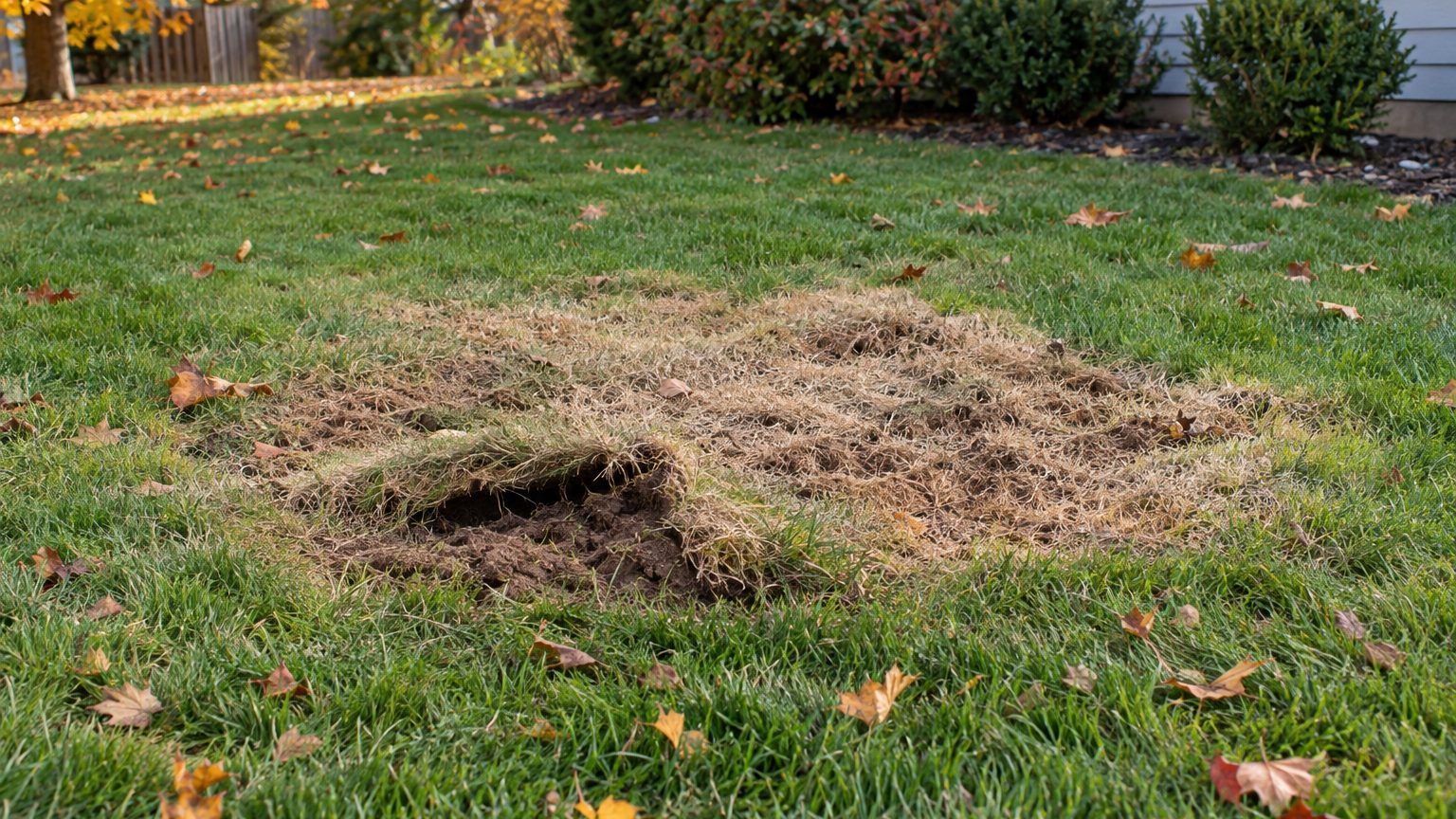
Across the country, the damaging insects come in waves that follow the warmth. Soil dwellers such as grubs and mole crickets feed on roots and show up as weak, loose turf. Surface feeders such as chinch bugs and armyworms chew or drain the blades.
What shifts the timing is grass type, region, and the weather in a given year. The pests that appear vary with grass type, region, and weather. In Mississippi, fire ants turn up in practically every home lawn, and fall armyworms are most common in late summer and early fall.
The state selector just below this section leads to the page for your state, where the pest months are set out for your climate.
From the almanac
Lawn in your state
The dates on this page depend on where you live. Your state's page carries its frost dates, its USDA zones and the year laid out month by month.
Northeast
Southeast
- Alabama
- Arkansas
- Delaware
- Florida
- Georgia
- Kentucky
- Louisiana
- Maryland
- Mississippi
- North Carolina
- South Carolina
- Tennessee
- Virginia
- West Virginia
Midwest
Southwest
West
Pacific Northwest
Canada
How to Find and Control Lawn Pests

Scouting comes before any treatment, because each pest has a simple test and a point at which damage is worth stopping. Follow this sequence and you will know what is in the turf before you reach for anything.
- Look for the signs first, such as thinning grass, patches that lift easily, or mounds, so you know which pest to test for.
- Mix 1 fluid ounce of lemon-scented dish detergent into 2 gallons of water. Pour it over 2-3 square feet of turf, as New York advises, because the soap irritates surface insects and drives them up where you can count them.
- For chinch bugs, take a gallon-size can with both ends removed and press one end 2 to 3 inches into the turf. Fill it half-full with water and watch for bugs floating to the top, a method used in Mississippi that shows whether they are really present.
- In Mississippi, pour 1 to 2 fluid ounces of dishwashing liquid per gallon of water over a small area early in the morning, when the method works best.
- Sample for grubs in late summer, which in New York means early August in the southeast and mid-August upstate, so you count them while they are small and before the roots are cut.
- In New York, apply beneficial nematodes while grubs are still young and most susceptible, before they have caused significant damage.
Fire ant mounds call for a different habit. In Mississippi, the advice is to treat after dark when most of the insects are on the nest, which puts the treatment where the colony is.
Lawn Pests by Grass Type
Grass type can help narrow the possibilities, but region and local conditions matter too. Root-feeding grubs can damage roots and leave turf weak or loose. Mole crickets, chinch bugs, and fire ants require different scouting methods from root-feeding grubs.
An isolated sighting does not show whether treatment is needed. The thresholds below come from New York and Mississippi, and they are a guide for deciding when treatment pays off, not a national rule.
| Pest | Grass setting | Treatment threshold |
|---|---|---|
| Japanese beetle grubs | Cool-season, New York | 8-10 grubs per sq. ft. |
| European chafer grubs | Cool-season, New York | 5-8 grubs per sq. ft. |
| Chinch bugs | Warm-season, Mississippi | Approximately 20 bugs per square foot |
For you, this means counting before deciding. Before you treat, check whether the pest count in your lawn is high enough, for that type of pest and that part of the yard, to cause real damage; if it falls below that level, treatment usually isn’t warranted. For pests without a threshold in this table, treat visible damage as a reason to investigate rather than an automatic signal to treat.
Lawn Pest Control Mistakes to Avoid
Treating Without Counting
Spraying at the first sight of an insect wastes effort and can harm helpful species. A lawn that looks rough during dry weather may be stressed by drought rather than pests.
Run the soapy flush or the can test, count what you find, and compare it with the threshold for your pest before you treat anything.
Waiting Until Damage Shows
By the time brown patches appear, grubs are older and harder to control, and the roots are already cut. In New York, nematodes work best on young grubs, before they have caused significant damage.
Sample at the start of the pest’s season, using your state’s timing, so the treatment lands while the insects are small.
Ignoring Helpful Insects
In Mississippi, wasps, hornets, and yellowjackets collect caterpillar larvae and other insects to feed their young, and bumble bees pollinate as they gather pollen and nectar. Broad treatments across the whole lawn take them out along with the pests.
Treat only the area where you found a problem, and keep nests and flowering edges untouched where you can.
Lawn Pests in Your State
Use your lawn’s growth and your state calendar to decide when to scout. Insects follow that warmth. The months for each state are on that state’s page, so you can match your scouting to your climate.
- Your state page gives the months when the main pests of your region appear, so you know when to start scouting.
- The state extension office can confirm local thresholds, and a call before treating saves needless work.
Common Questions
Can a Healthy Lawn Tolerate Some Grubs?
Yes. In New York, actively growing turf with a good root system may tolerate populations up to 50% higher than treatment thresholds without showing injury. Water and root health make the difference, so a well-watered lawn can carry more than a stressed one.
Does Mowing Damage a Lawn That Has Insects?
In Mississippi, turf grasses can tolerate repeated foliage loss, such as mowing, without serious long-term injury. Regular mowing at a normal height is not what turns a pest problem into dead grass.
Are Wasps and Bumble Bees in the Lawn a Problem?
Mostly they help. In Mississippi, wasps and hornets carry off caterpillars and other insects, and bumble bees pollinate while collecting for their brood. Leave them alone unless a nest sits where people walk or play, and if you must treat it, do so after dark when most of them are on the nest.