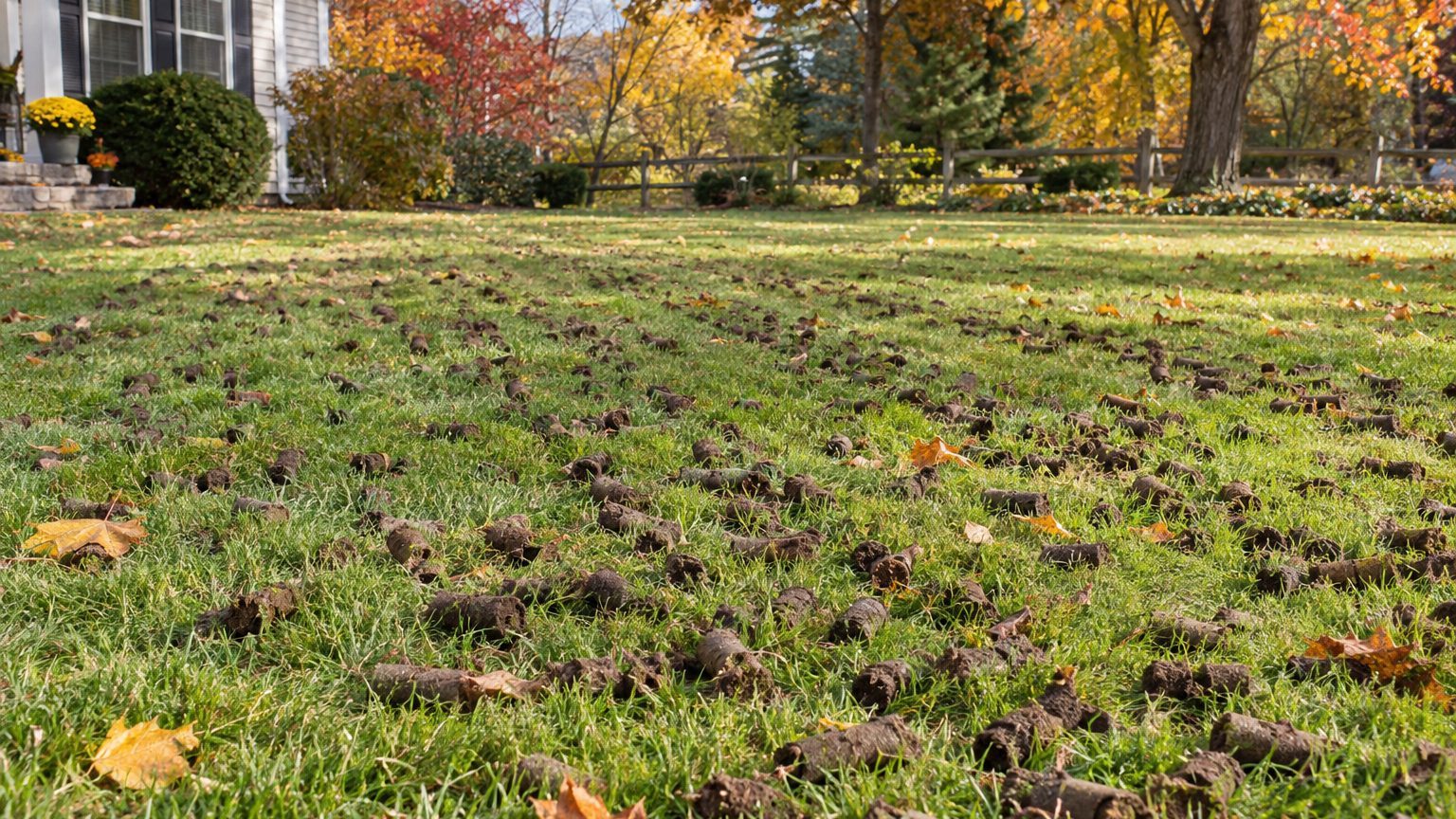
Those small plugs of soil lying across a neighbor’s lawn mean the aerator has made its pass. A lawn pressed down by mowers, kids and dogs gets harder every year, and water and air struggle to reach the roots. Aerating opens the soil again, and the timing decides how well the grass takes advantage of it.
When Should You Aerate Your Lawn?
Aerate when your grass is growing hard, because that is when it fills the holes quickly. Fall is the usual window for cool-season lawns; in Iowa, spring is also an option for Kentucky bluegrass and other cool-season grasses. In South Carolina, warm-season lawns such as bermudagrass and zoysia are aerated in late spring or summer while they are actively growing.
Region and weather move the dates. In South Carolina, cool-season grasses need at least four weeks of good growing weather after aeration to recover. Each state’s window and zone appear state by state right after this section.
Soil and traffic change how often. Heavy clay with plenty of foot or pet traffic calls for more passes, and in Iowa that means twice a year.
From the almanac
When to aerate, state by state
The months each state's extension calendar marks for this, kept inside that state's own frost-free season. Open your state for the frost dates, the USDA zone and the rest of the year.
Northeast
- ConnecticutAug–SepUSDA 6a-7b
- MaineSepUSDA 3b-6a
- MassachusettsSepUSDA 5a-7b
- New HampshireSepUSDA 3b-6a
- New JerseyAug–SepUSDA 6a-7b
- New YorkAug–SepUSDA 3b-7b
- PennsylvaniaAug–SepUSDA 5a-7b
- Rhode IslandAug–SepUSDA 6a-7b
- VermontSepUSDA 3b-5b
Southeast
- AlabamaMayUSDA 7a-9a
- ArkansasAugUSDA 6b-8a
- DelawareAug–SepUSDA 7a-8a
- GeorgiaMayUSDA 6a-9b
- KentuckyAugUSDA 6a-7a
- LouisianaMayUSDA 8a-10a
- MarylandSep–OctUSDA 5b-8a
- MississippiMayUSDA 7b-9a
- North CarolinaAugUSDA 5b-8b
- South CarolinaMayUSDA 7a-9a
- TennesseeAugUSDA 5b-8a
- VirginiaAugUSDA 5a-8b
- West VirginiaAug–SepUSDA 5a-7a
Midwest
- IllinoisSepUSDA 5a-7b
- IndianaSepUSDA 5b-7a
- IowaSepUSDA 4b-6a
- KansasAugUSDA 5b-7a
- MichiganSepUSDA 4a-6b
- MinnesotaAug–OctUSDA 3a-5a
- MissouriAugUSDA 5b-7b
- NebraskaSepUSDA 4a-5b
- North DakotaAug–SepUSDA 3a-4b
- OhioSepUSDA 5b-6b
- South DakotaAug–SepUSDA 3b-5b
- WisconsinAug–OctUSDA 3b-6a
Southwest
West
- CaliforniaSep–OctUSDA 5a-11a
- ColoradoSepUSDA 3b-7b
- IdahoSepUSDA 3b-7b
- MontanaSepUSDA 3a-6a
- NevadaSepUSDA 4a-10a
- UtahSepUSDA 4a-9a
- WyomingSepUSDA 3a-6a
Pacific Northwest
Canada
- AlbertaAug–SepZone 4a
- British ColumbiaSepZone 9a
- ManitobaAug–SepZone 3b
- New BrunswickSepZone 5a
- Newfoundland and LabradorSepZone 6a
- Nova ScotiaSepZone 6b
- OntarioSepZone 7a
- Prince Edward IslandSepZone 5b
- QuebecSepZone 5b
- SaskatchewanAug–SepZone 3a
Sources: state frost facts and Penn State Extension — Lawn Management through the Seasons; Lawn Establishment · UMass Extension — BMPs for Lawn and Landscape Turf, Appendix B (calendar) · Clemson Cooperative Extension, HGIC — Bermudagrass / Zoysiagrass / Centipedegrass / St. Augustinegrass maintenance calendars · University of Tennessee Extension — PB1903 Lawn Maintenance Calendar (2025). A state with no marked month is not shown.
How to Aerate a Lawn

A rented core aerator can do the job, and the order of the steps matters as much as the machine.
- Pick a mild day when the soil is moderately moist, because aerating wet soil packs it down further, as South Carolina turf guidance points out.
- Water first if the ground is dry, so the tines can sink at least 3 inches, as Kansas recommends.
- Core aeration is preferred to spiking because removing plugs relieves compaction instead of pushing the soil aside.
- Cross the lawn a second time at right angles, so the plugs land about 3 inches apart, which is the Kansas guidance.
- In South Carolina, leave the cores where they fall or rake them into the grass so rainfall and traffic can break them down.
If you do plan to seed, South Carolina guidance suggests making six to 10 passes over the area and giving the holes about a month to heal before the seed goes down. Weed prevention comes last. In South Carolina, spread any preemergent control only after aeration.
Aeration Timing by Grass Type
Cool-season grasses grow hardest in fall and again in spring, so that is when they recover from the aerator. Warm-season grasses push in the heat, which flips the schedule around.
The rows below show the pattern for common lawn grasses, with a local example where one exists.
| Grass | Season | When to aerate | Local note |
|---|---|---|---|
| Kentucky bluegrass | Cool | Fall, with spring as another option | Iowa: September and April |
| Tall fescue | Cool | Fall | South Carolina: at least four weeks of good growing weather to recover |
| Bermudagrass | Warm | Late spring and summer, while actively growing | South Carolina |
| Zoysiagrass | Warm | Late spring and summer, while actively growing | South Carolina |
| St. Augustinegrass | Warm | Late spring and summer, while actively growing | South Carolina |
In South Carolina, centipedegrass and carpetgrass follow the same late-spring and summer rhythm as the other warm-season grasses. The practical takeaway is that a bluegrass lawn in Iowa and a bermudagrass lawn in South Carolina need opposite seasons, so match the machine to the grass, not to the neighbor’s schedule.
Lawn Aeration Mistakes to Avoid
Aerating Wet Soil
Soggy ground squeezes together under the machine instead of opening up, and the result is more compaction, as South Carolina turf guidance warns.
Wait for a mild day when the soil is moderately moist, firm enough to hold its shape but soft enough for the tines to go in.
Using Spikes Instead of Cores
Spike and slicing tools poke holes without removing soil, so the ground around each hole can stay tight. South Carolina guidance ranks core aeration as more effective than slicing or spiking.
Rent a core machine and leave the plugs on the lawn to break down.
Applying Preemergent First
Putting down a preemergent weed control before aerating means the tines break through the treated surface and open untreated soil where weeds can start.
South Carolina guidance is to wait until the turf has been aerated, then make every preemergent application afterward.
When to Aerate a Lawn in Your State
The signal is growth. When cool-season grass is thickening in fall or spring, or warm-season grass is growing strongly in warm weather, the lawn can recover from the holes quickly. Dormant or stressed grass cannot.
- Open your state’s page for its aeration months and zone, and plan the pass around them.
- Check with your state’s extension office if you have heavy clay and want advice on how often to aerate.
Common Questions
How Do You Know If Your Lawn Needs Aeration?
Check drainage and soil resistance. Water puddles or runs off after rain, and a screwdriver or garden fork is hard to push into the soil. Heavy traffic and clay raise the odds.
Does Aeration Help with Thatch?
Yes. Thatch builds faster on compacted and heavy clay soils, so easing compaction helps keep it in check.
Does Sandy Soil Need Aerating Too?
Less often. Sandy ground drains freely and compacts less than clay, so heavy traffic is the main reason to aerate a sandy lawn.