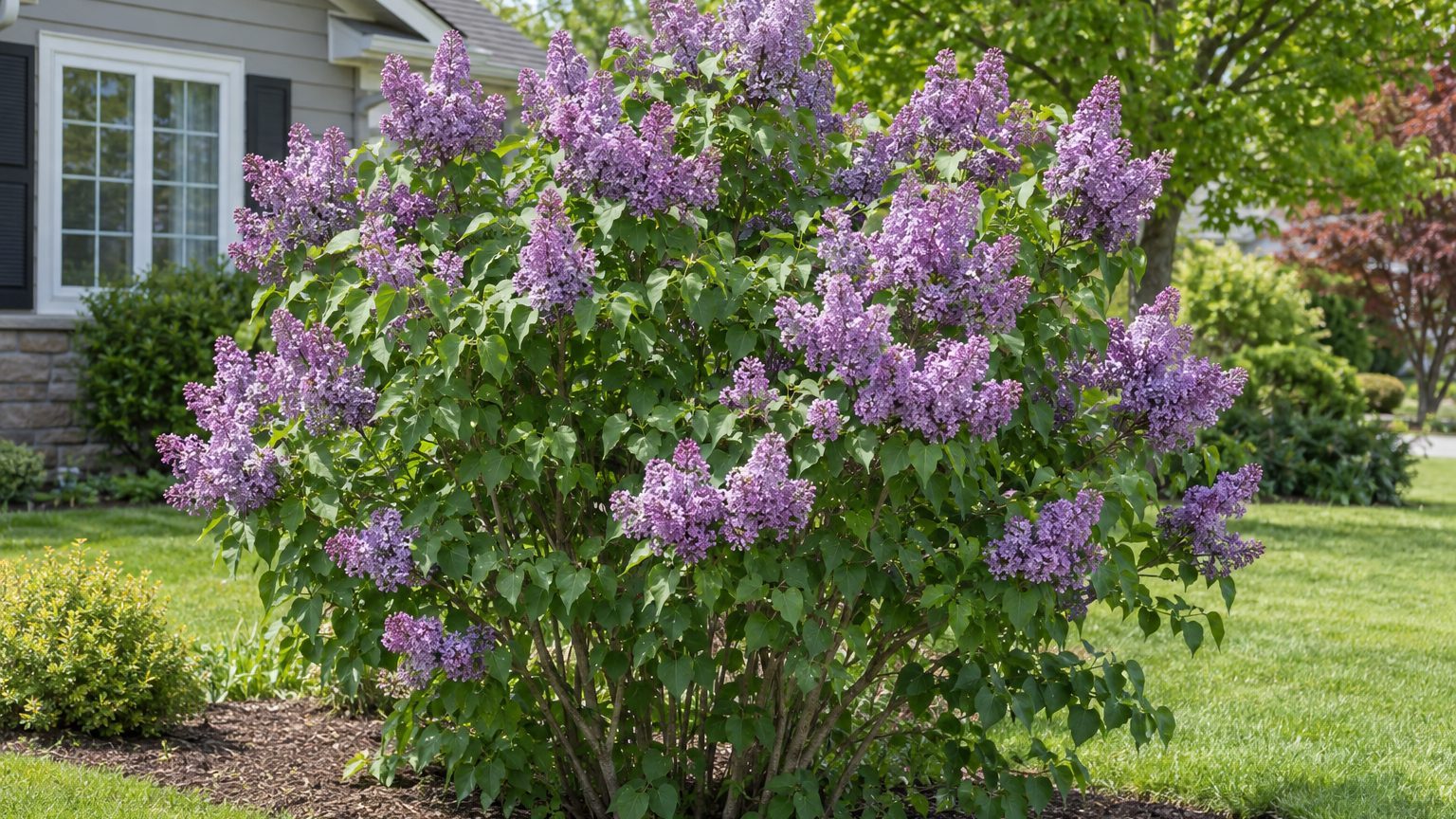
When the common lilacs have dropped their petals in spring, a Preston lilac is just opening its pink or lavender flowers. That timing can protect flowers where spring frosts catch earlier-blooming lilacs. It also grows into a big shrub, so the spot you choose matters as much as the care you give it.
What Is the Preston Lilac?
The Preston lilac is a hybrid group, Syringa x prestoniae, also called the Canadian hybrids. It comes from a cross of S. reflexa and S. villosa. Most cultivars carry pink or lavender flowers with a spicier, milder scent than many French hybrids.
It blooms about a week after common lilacs, so its flowers often miss the spring frosts that freeze earlier bloomers. The leaves are elongated, and the plant does not sucker.
Left alone, it grows strongly to 10 to 12 feet high and can turn rampant.
From the almanac
Lilacs in your state
The dates on this page depend on where you live. Your state's page carries its frost dates, its USDA zones and the year laid out month by month.
Northeast
Southeast
- Alabama
- Arkansas
- Delaware
- Florida
- Georgia
- Kentucky
- Louisiana
- Maryland
- Mississippi
- North Carolina
- South Carolina
- Tennessee
- Virginia
- West Virginia
Midwest
Southwest
West
Pacific Northwest
Canada
Where Does the Preston Lilac Grow Best?
This is a cold-climate lilac, reliably hardy to USDA Hardiness Zone 3. Its later bloom can help where spring frosts catch earlier lilacs.
- Upper Midwest: Check your local hardiness zone before planting. Its later bloom can help where spring frosts damage earlier lilacs.
- Northern Rockies: In colder, windy areas, Prestons generally flower more reliably than early-blooming lilacs. Their later bloom can help where spring frosts damage earlier flowers.
- Iowa and the Corn Belt: Preston lilacs bloom later, and their elongated leaves are more resistant to powdery mildew.
- Gulf Coast: Check with a local garden center to see whether a Preston lilac suits your climate.
The state selector just below this section leads to the page for your state, where the local timing is laid out.
How to Care for the Preston Lilac Through the Year
Bloom

The flowers open about a week after common lilacs, when the risk of a hard freeze has eased. That extends the lilac season in your yard. Its flowers have a spicier fragrance that is milder than that of many French hybrids.
Pruning After Bloom
Shaping matters more here than on most lilacs. Train a young plant to three to five upright trunks and it becomes a small, spreading tree that can shade a patio or deck. Prune with the mature size and the desired form in mind.
Summer

Summer is mostly a matter of watching the shrub fill out. Prestons grow vigorously, so the main job is keeping room around them.
Fall
Winter
Preston lilac is reliably cold hardy to USDA Hardiness Zone 3. Prestons generally flower more reliably in colder, windy areas than early-blooming lilacs.
Preston Lilac Diseases and Weak Points
Powdery mildew is the usual complaint with common lilac, which is highly susceptible to it. Prestons are resistant, helped by their elongated leaves, so the white coating that dusts other lilacs by late summer is far less of a worry.
Its weak points are more about size than sickness. A Preston needs room, and it rewards a gardener who prunes with purpose.
| Threat | How Preston handles it |
|---|---|
| Powdery mildew | Resistant, unlike common lilac |
| Spring frost | Blooms later, so flowers escape freezes that hit earlier lilacs |
| Cold winters | Reliably hardy to Zone 3 |
| Crowding and rampant growth | Needs space and pruning, since it can reach 10 to 12 feet |
Because it does not sucker, you will not spend summers pulling shoots from the lawn. Its habit stays tidy at the base, even as the top grows tall.
Is the Preston Lilac Right for Your Yard?
It suits a yard with open space and an owner who wants lilac flowers after the common ones fade. It is a poor match for a tight bed.
- Choose it where its strong growth has room, or prune it into a small, spreading tree near a patio or deck.
- Skip it for a small bed where a 10 to 12 foot shrub would crowd walkways and neighbors.
- Open the state selector under the section on where it grows and pick your state to see the timing that fits your yard.
Common Questions
How Soon Will a Preston Lilac Flower After Planting?
Preston lilacs often flower within one or two years of planting. Common lilac usually takes several years, so a Preston gives faster results.
Do Preston Lilacs Send Up Suckers?
No. They do not sucker, which keeps the base neat and saves you from digging new shoots out of the lawn or the bed beside it.
Can You Plant Preston Lilacs Close Together as a Hedge?
Not tightly. Their size means they should not be planted too closely together or in small areas. Give each shrub the room its mature height and spread will need.