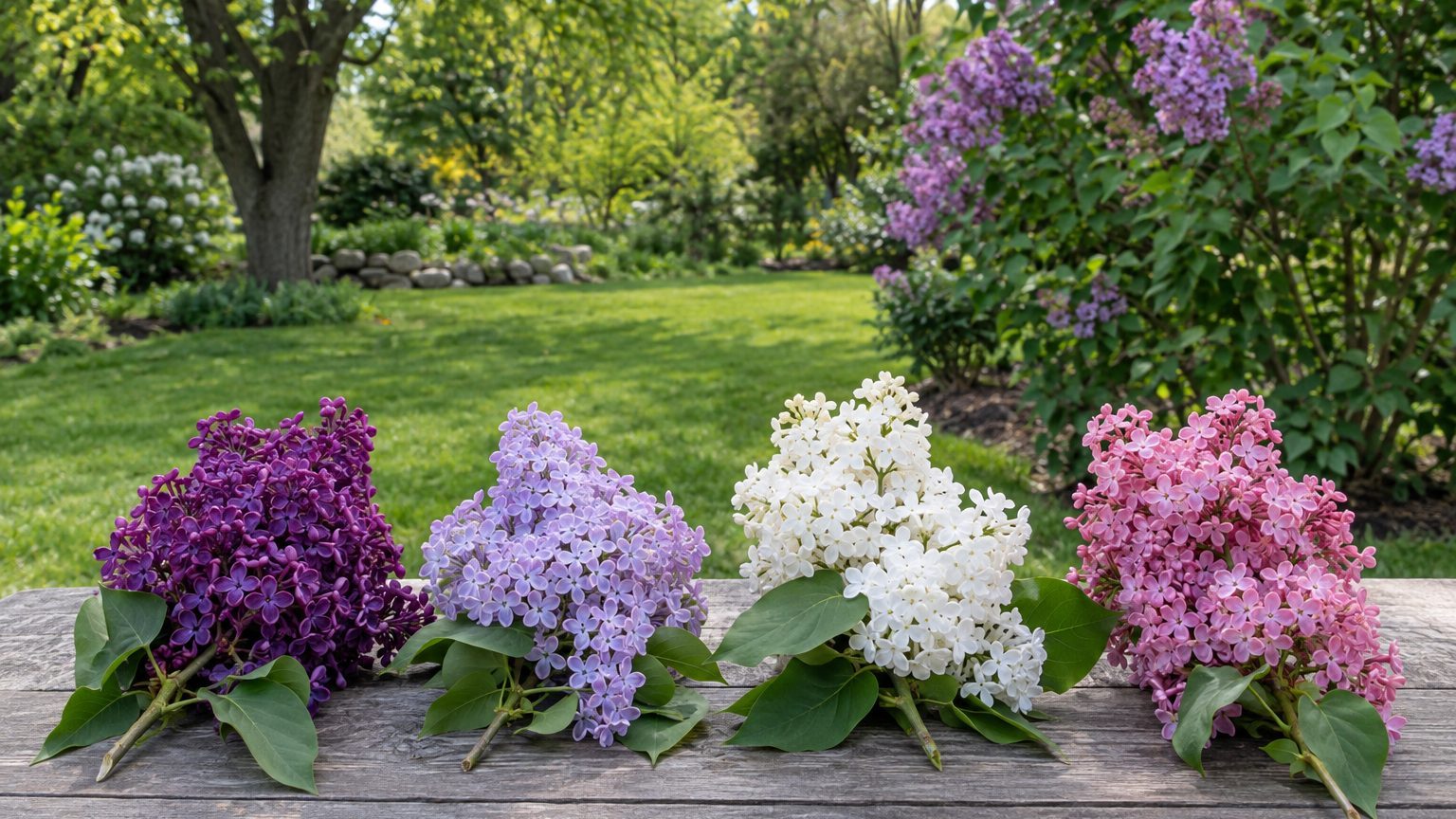
A lilac in full bloom fills a whole yard with scent for a short stretch each spring, and in Nevada whether yours does depends on how cold your winters get. Elevation is a major factor. Plants that thrive in a Reno or Carson City yard can sulk in the low desert, so the choice of lilac matters more here than the planting technique.
Best Lilacs to Grow in Nevada

Common lilacs and their hardy hybrids do well in the cold-winter parts of Nevada, because the flower buds need a cold winter rest to mature. In the hot, low desert the plants tend to languish and bloom poorly. There, the lilacs bred for mild winters, such as the Descanso hybrids, are the ones worth trying.
Common Lilac on Its Own Roots

The classic lilac suits colder Nevada yards, but it struggles through hot, humid stretches of summer. Look for plants growing on their own roots, since those are far more hardy than grafted lilacs. Ask the nursery how the plant was propagated before you buy.
Hyacinthiflora Lilacs

These vigorous hybrids look like French hybrids but bloom earlier. The shrubs themselves are very hardy, though the early flowers are caught by late spring frosts. Plant them only where those frosts are less frequent.
Cultivars include the lavender ‘Assessippi,’ pink ‘Maiden’s Blush,’ and violet ‘Pocahantas.’
Meyer Lilac
Slow growing, with dense foliage and a broadly rounded shape, this is a spreading shrub that stays compact. Its compact habit makes it a fit for front beds and tighter corners.
Superba
This cultivar is heat tolerant and mildew resistant, with dark pink, single flowers. That combination makes it a sensible pick for a Nevada yard where summers run hot.
Early Lilac
Syringa oblata grows tall and flowers in shades of purple. Give it room along a property line or at the back of a border, and it rewards you with early color.
Descanso Hybrids
Bred for mild winters, these include the white ‘Angel White,’ blue ‘Blue Boy,’ and pink ‘California Rose.’ They are worth trying where winters are mild, though even low-chill lilacs perform best with an extended cold rest and are often less fragrant than the ones you remember.
Nevada — the year and the numbers
- State
- Nevada
- USDA zones
- 4a-10a
- Last spring frost
- January 7 to February 1
- First fall frost
- December 8 to December 23
- Annual rain
- 4 in
- Lawn zone
- warm-season
- Source
- NOAA NCEI U.S. Climate Normals 1991-2020, 32F freeze probabilities · Las Vegas
How to Choose a Lilac for a Nevada Garden
Start with the coldest night your yard sees and the last frost you can count on in spring. Those details sort the lilac list quickly, and matching your Nevada situation to the right type is simple.
Plant size matters too, because a shrub that outgrows its spot will need cutting back.
| Your situation | What suits it in Nevada | Why |
|---|---|---|
| Very cold winter | Common lilac on its own roots | Own-root plants are far more hardy than grafted ones |
| Hot, humid summer | Superba | Heat tolerant and mildew resistant |
| Small space | Meyer lilac | Slow growing, compact, and suited to a smaller space |
| Late spring frosts | Skip Hyacinthiflora types | They bloom earlier and the flowers are caught by frost |
| Mild winter, little chilling | Descanso hybrids | Bred for mild winters, though they still prefer a cold rest |
The table leaves out yards with plenty of room. Early lilac fits there, with purple flowers on a tall shrub.
Which Lilacs Suit Different Parts of Nevada
Nevada spans USDA hardiness zones 4a to 10a, so the lilac that suits one valley can fail in another.
- Reno and Carson City: Winters give the cold rest lilacs want, so the common lilac and its hybrids are at home here. Frosts linger into spring, which argues against the earliest bloomers.
- Higher-elevation towns: Spring frost arrives later than in the valleys, so own-root common lilacs and late-opening types are the safer pick. Hyacinthiflora lilacs risk losing their blooms to a frost.
- Las Vegas and the southern desert: Heat and mild winters are hard on lilacs. Try Descanso hybrids or Superba and expect fewer flowers than a northern yard would give.
Elevation and local winter temperatures matter more than proximity to a mountain slope.
Lilac Buying Mistakes to Avoid in Nevada
Choosing a Plant Too Tender for Winter
A grafted lilac is less hardy than one on its own roots. Ask whether the plant is grown on its own roots and choose that one.
Picking a Lilac That Needs More Cold
Common lilacs need a cold winter rest, and in the hot desert they languish and bloom poorly. A shrub that flowers poorly can be a disappointment. In mild-winter yards, choose a Descanso hybrid, and set your expectations for scent lower.
Ignoring Adult Size
A small pot hides a large shrub. An Early lilac needs more room than a compact Meyer lilac. Check the mature height before you dig the hole.
Crowded shrubs need cutting back, and the timing matters. A lilac sets next year’s buds soon after it flowers, so prune right after the flowers fade. Pruning in late summer, fall, or winter cuts off the next spring’s blooms.
Where to Get Lilac Advice in Nevada
Local conditions in Nevada change sharply from one valley to the next, so local advice beats general rules. University of Nevada, Reno Extension and your county extension office can tell you which lilacs hold up near you.
- Nevada has no local extension page for lilac timing, so confirm pruning with a local garden center or gardening group.
- Your county office can speak to the frost pattern and soil in your own neighborhood, so call before planting day.
Common Questions
When Do Lilacs Bloom in Nevada?
Where winters stay mild, lilacs bloom poorly or not at all because their buds need a cold rest. Elsewhere, bloom follows the local spring, coming later at higher elevations and earlier in the valleys.
How Can You Keep Lilacs Blooming Longer?
Plant several species and varieties with different flowering times. Choosing species and varieties with different flowering times can extend the display.
Are Lilacs Fragrant in Warm Parts of Nevada?
The lilacs bred for mild winters usually grow and bloom there, but they are not as fragrant as the common lilacs you may remember from colder places.