Skip to content

Lilacs

Best Lilacs for New Mexico

Best Lilacs for New Mexico

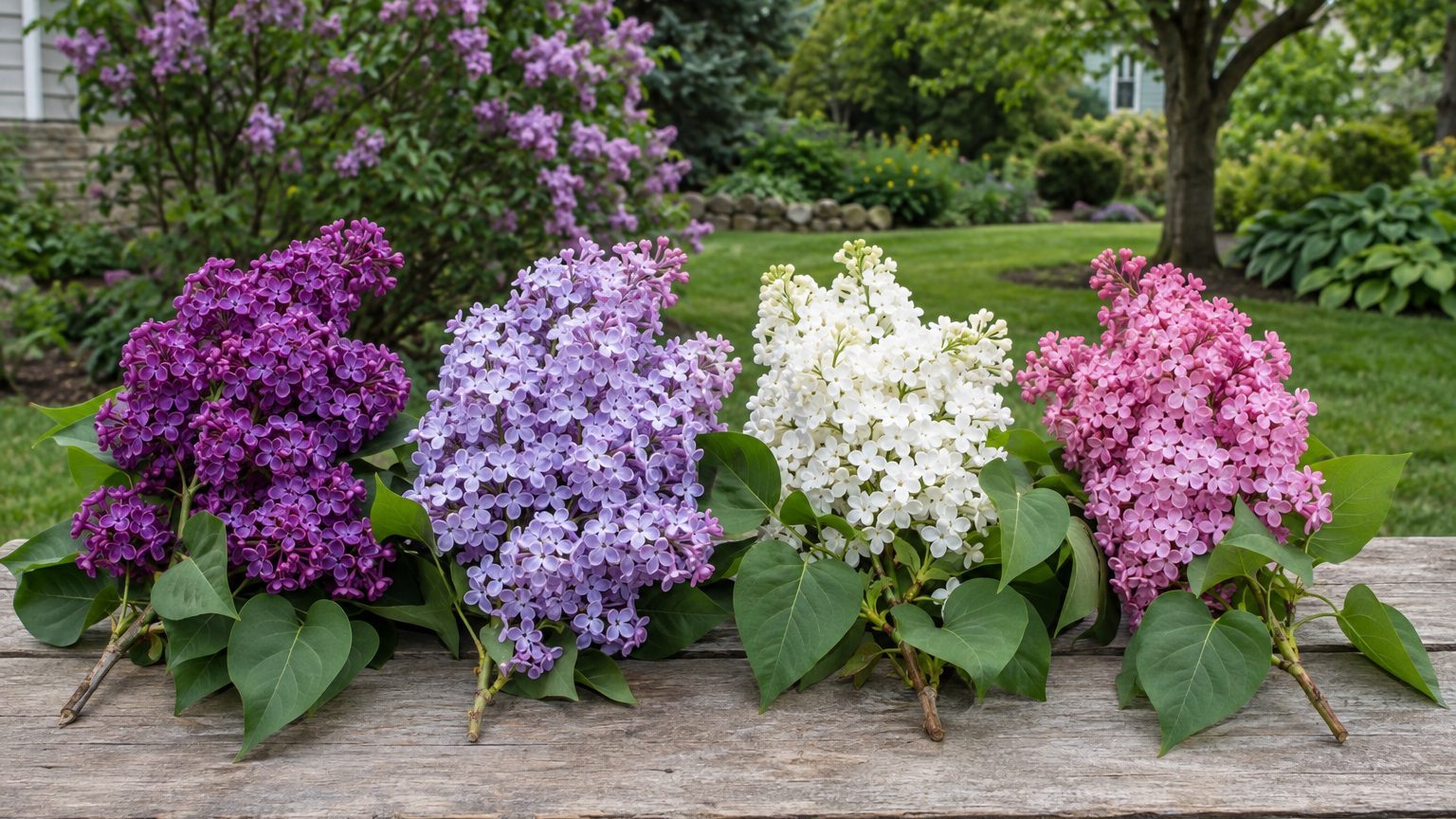
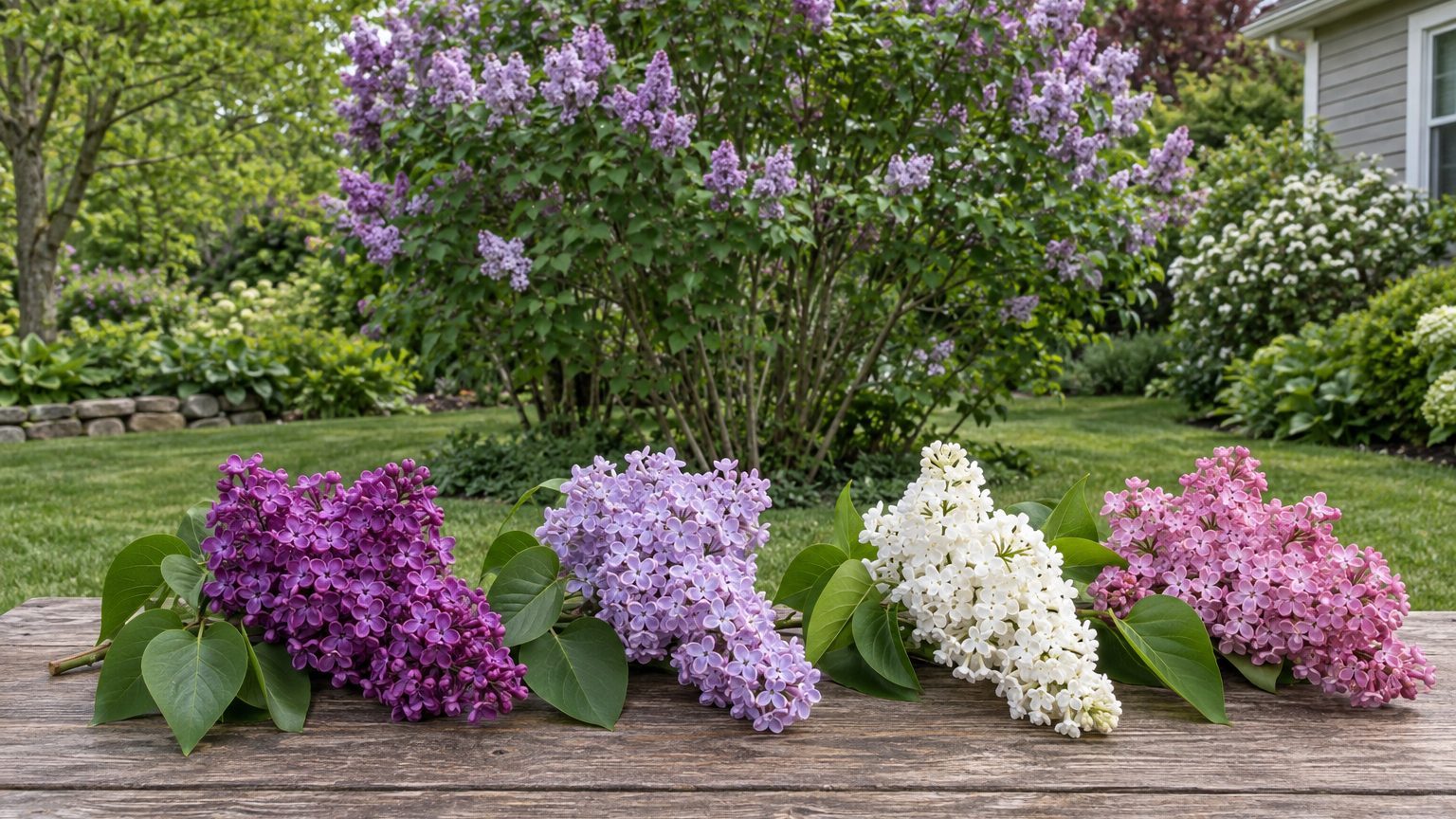
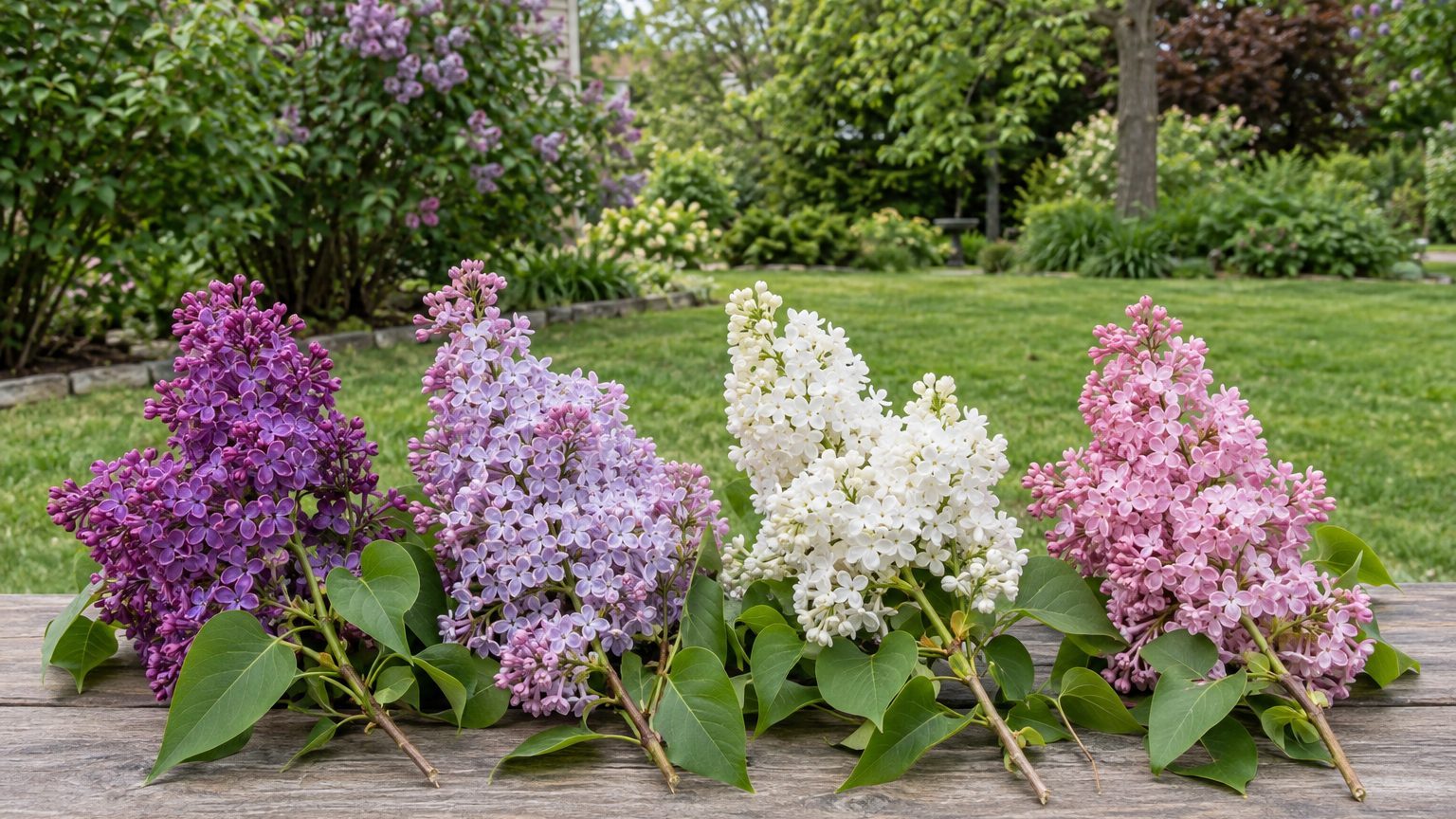
Lilac bloom follows the local spring in New Mexico, but where winters stay mild, the shrubs may flower poorly or not at all because their buds need a cold rest. Cold, high-elevation gardens suit classic lilacs, while hot lowland yards do better with heat-adapted types. Picking the right type before you plant makes the rest of the job easier.

Best Lilacs to Grow in New Mexico

Best Lilacs for New Mexico

Lilacs that handle real winter cold and tolerate summer heat do well here, and the hot, low parts of the state are too warm for the old-fashioned common lilac. For those yards, the better choices are Southern lilacs, Descanso hybrids and heat-tolerant selections like Superba. Higher, cooler gardens can grow a wider range.

Common Lilac

Common Lilac — Best Lilacs for New Mexico

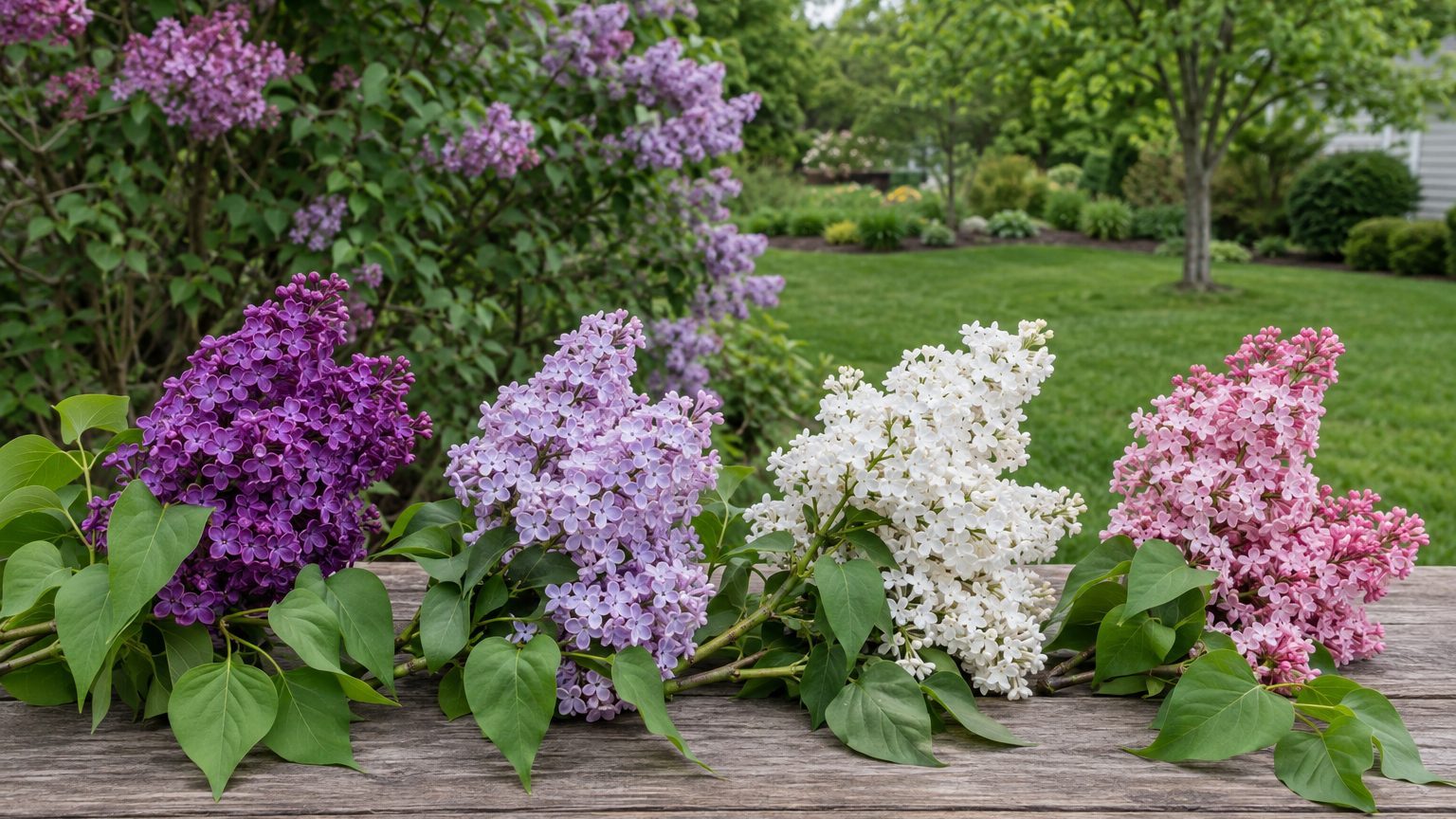
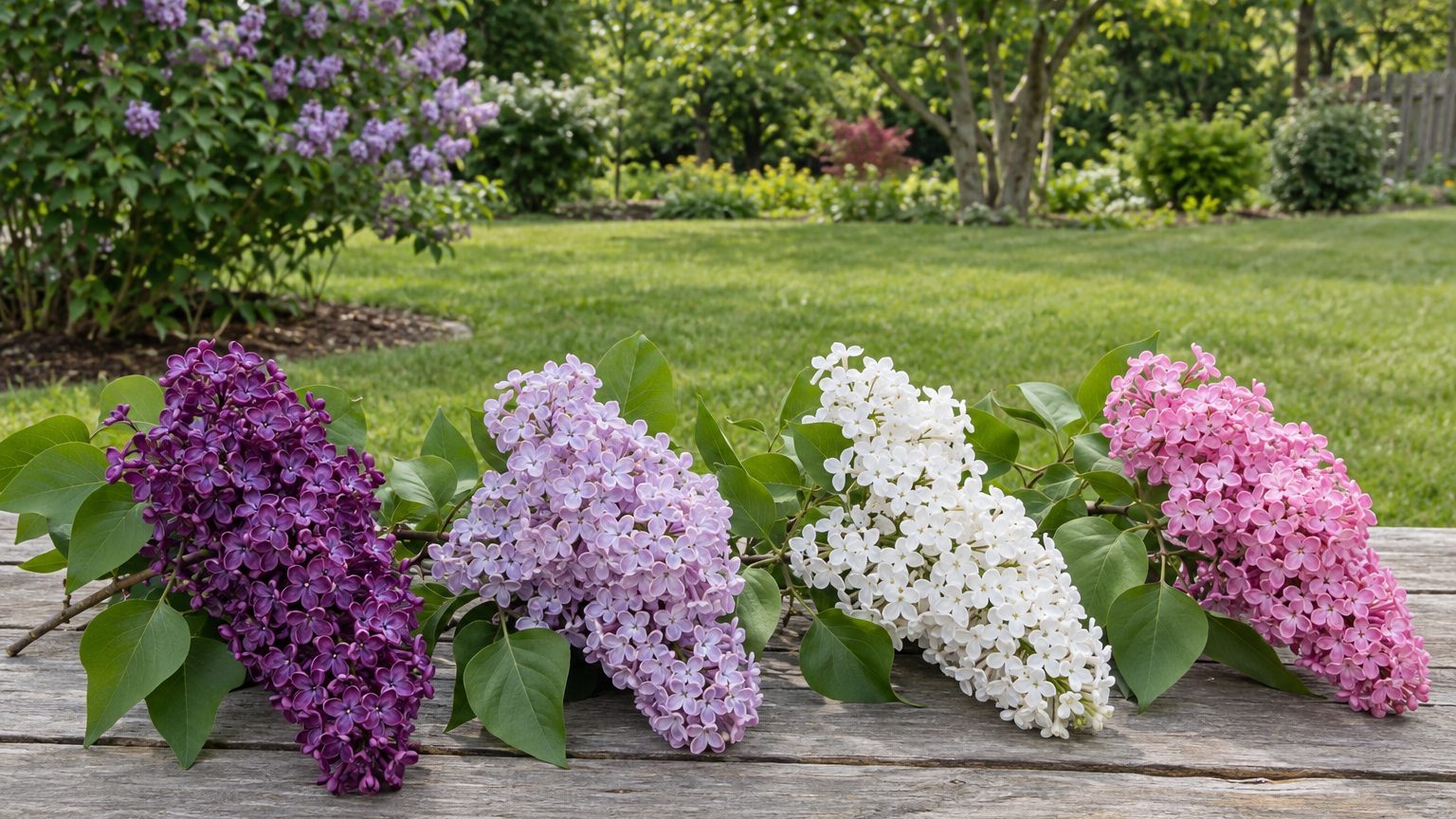
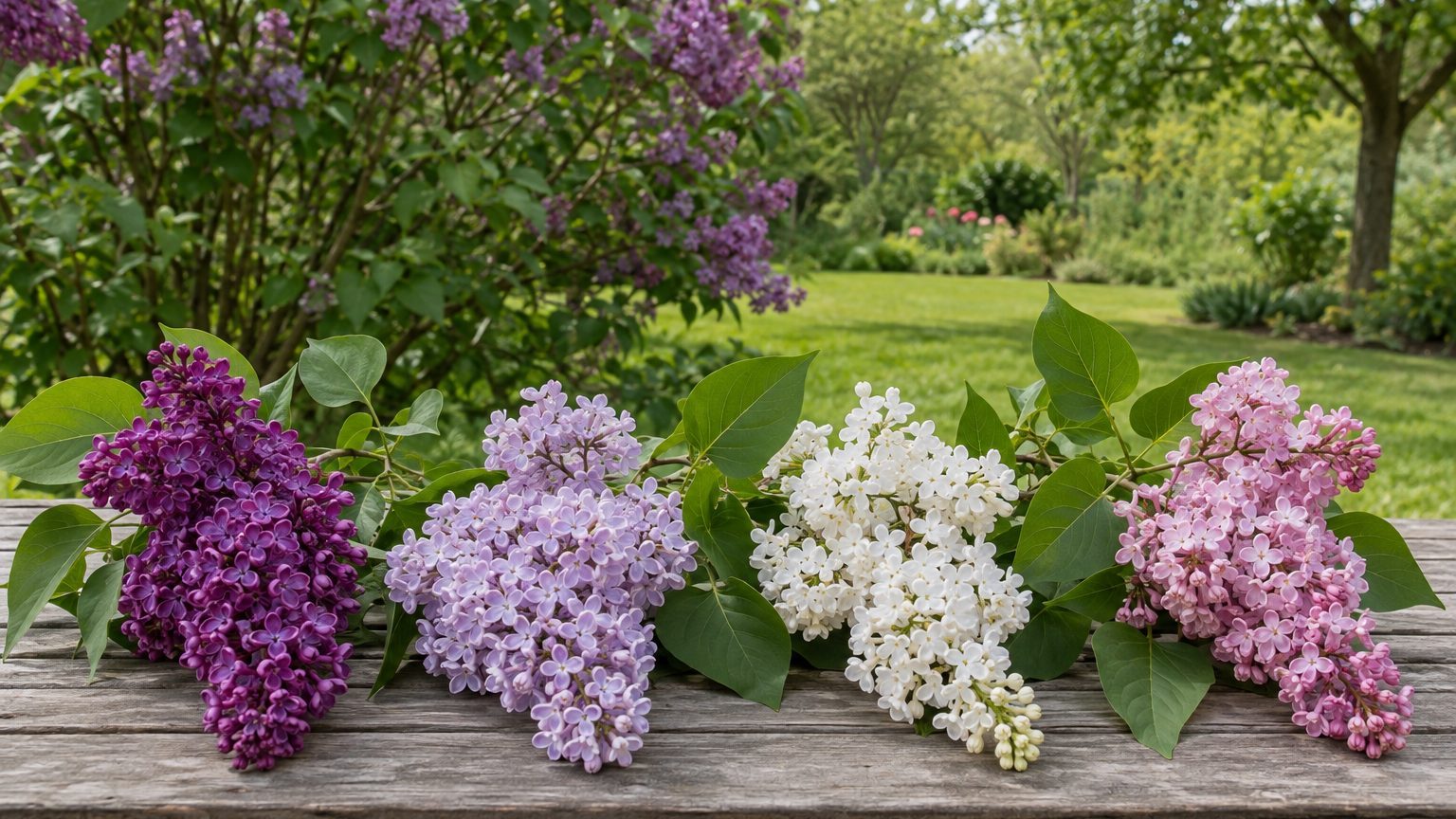
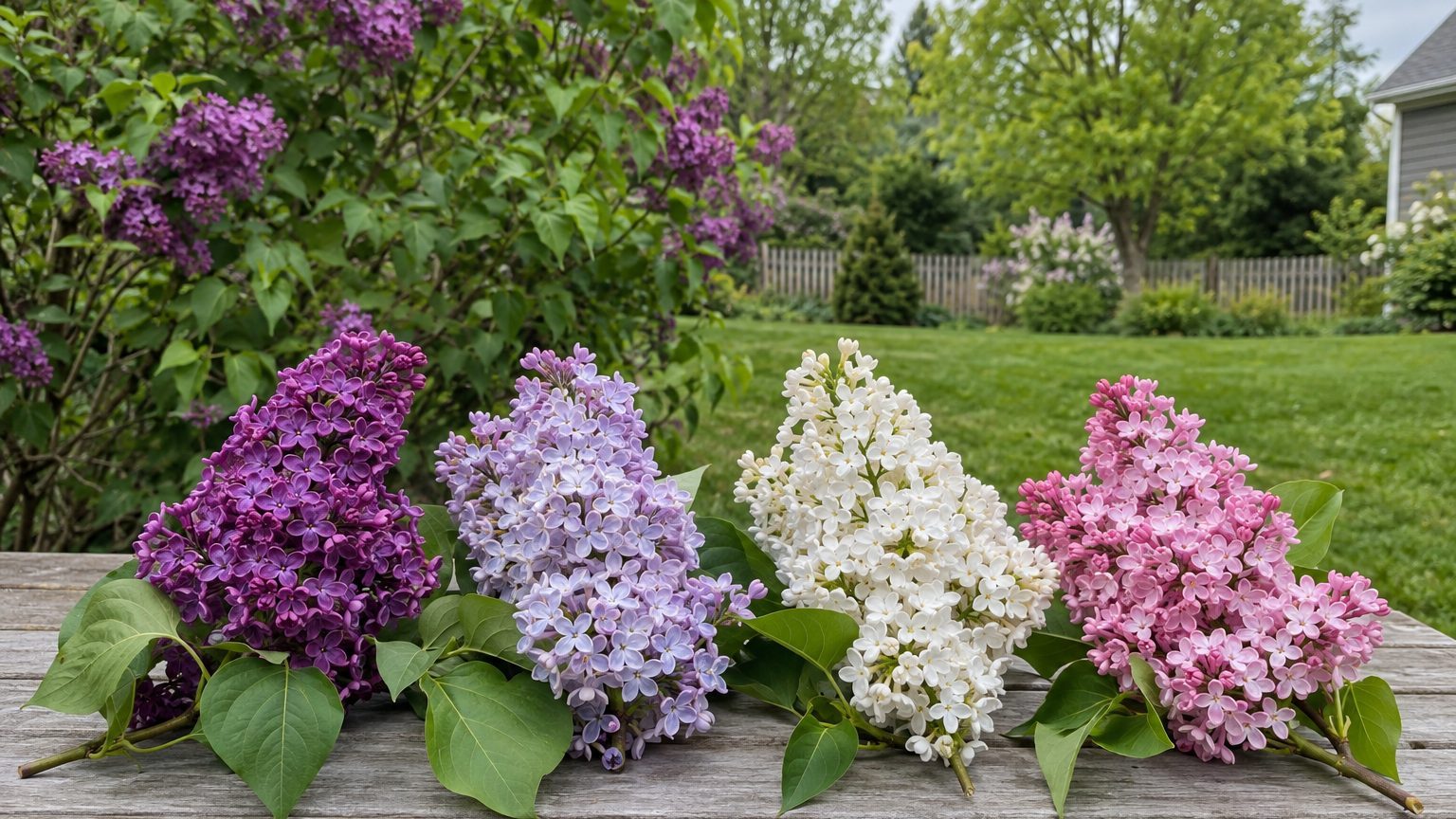
This is the classic fragrant lilac, and it asks for a cold winter rest to mature its flower buds. It suits colder climates and languishes in areas with intense summer heat. Plant it in the cold parts of New Mexico, not the hot lowlands.

Southern Lilacs

Southern Lilacs — Best Lilacs for New Mexico

Plants sold as Southern lilacs, or lilacs for the South, bloom early and usually grow and flower in warm climates. They are not as fragrant as the lilacs you may remember. Choose them for mild or hot yards where common lilac sulks.

Descanso Hybrids

Some of the Descanso hybrids are worth trying in a warm climate. They include the white Angel White, the blue Blue Boy and the pink California Rose. Even low-chill lilacs flower best after a cold winter, so expect better bloom in cooler spots.

Meyer Lilac

The Meyer lilac is a slow-growing, broadly rounded shrub with dense foliage. It stays compact, which makes it a good fit for small yards and foundation beds. Give it room to spread rather than squeezing it against a walkway.

Superba Lilac

The cultivar Superba is heat tolerant and mildew resistant, with dark pink, single flowers. That combination matters in warm, humid stretches of summer, when powdery mildew can ruin common lilacs. It is a sensible pick when summer heat, not winter cold, is your main worry.

Hyacinthiflora Hybrids

These vigorous hybrids look like French lilacs but bloom earlier. That head start is a risk where late frosts hit, and Albuquerque’s last spring frost falls between March 31 and April 12. Suburban and higher gardens see it later, so check your county before choosing. Assessippi, Maiden’s Blush and Pocahantas are cultivars to look for.

How to Choose a Lilac for a New Mexico Garden

New Mexico spans hardiness zones 4b to 9a in the USDA system, so a lilac that thrives in one yard can fail in another. Match the plant to your winter and summer first, then to your space.

Your situation What suits it in New Mexico Why
Very cold winter Common lilac, own-root plants Lilacs on their own roots are far more hardy than grafted lilacs
Hot, humid summer Superba or Descanso hybrids Heat tolerance and mildew resistance, or breeding for warm climates
Small space Meyer lilac Stays compact
Mild winter Southern lilacs They usually grow and bloom with little chilling, though with less fragrance
Frosts after bud swell Common or Meyer lilac instead of early bloomers Hyacinthiflora hybrids bloom earlier and suit places with fewer late frosts
Need for cold Common lilac in cold gardens Even low-chill lilacs perform best after an extended, cold winter rest

If you want a long show of flowers, mix species. Mixing lilac species can extend the bloom season.

Which Lilacs Suit Different Parts of New Mexico

Elevation does most of the sorting here, because cold winters and cooler summers favor classic lilacs, while heat favors the tolerant types.

  • Northern mountains around Santa Fe and Taos: Colder winters give common lilacs the rest they need, so this is a good setting for the fragrant classics. Early bloomers need more caution where late frosts linger.
  • Albuquerque and the Rio Grande Valley: Summers are hotter, so heat-tolerant selections like Superba and compact Meyer lilacs make the safer bets, with common lilac possible in cooler pockets.
  • Las Cruces and the southern desert: Heat is a real challenge for lilacs here, so Southern lilacs and Descanso hybrids are the plants to try, and bloom will be lighter than in colder places.

Check your own elevation and your county’s frost timing before you commit to any type.

Lilac Buying Mistakes to Avoid in New Mexico

Grafted Plants in Cold Spots

A grafted lilac is less hardy than one on its own roots, and in a cold garden that difference can mean dieback after a hard winter. Ask whether the plant is grown on its own roots before you buy.

Chill-Hungry Varieties in Mild Spots

Buying a common lilac for a hot, low-elevation yard usually ends in a leafy shrub with few flowers, plus powdery mildew in humid heat. Choose Southern lilacs, Descanso hybrids or Superba instead, and accept that blooms may be lighter than in a colder garden.

Unknown Adult Size

A small pot hides a big plant. The Early lilac grows tall and flowers in shades of purple, while the Meyer lilac stays compact. Read the tag for mature height before picking a spot, and plant by the size the shrub will become.

Where to Get Lilac Advice in New Mexico

Local growing conditions vary so much across the state that nearby advice beats general rules. The state’s land-grant extension service and your county office can tell you which lilacs do well in your elevation.

  • The New Mexico State University extension network offers plant guides and gardening resources, so look there before you shop for a variety.
  • Your county extension office can tell you about local frost timing and soil, so call before you plant.

Common Questions

Are Southern Lilacs as Fragrant as Common Lilacs?

Not quite. Southern lilacs usually grow and bloom in warm climates, but they are not as fragrant as the common lilacs most people remember.

Can You Stretch the Lilac Bloom Season?

Yes. Lilac species flower at different times, so mixing them can extend the bloom season.

When Should You Prune Lilacs in New Mexico?

Prune right after the last flowers fade. A lilac blooms on last year’s wood and sets next year’s flower buds in summer, so pruning in late summer, fall or winter cuts off the next spring’s flowers.
Best Lilacs for New Jersey

Best Lilacs for New Jersey

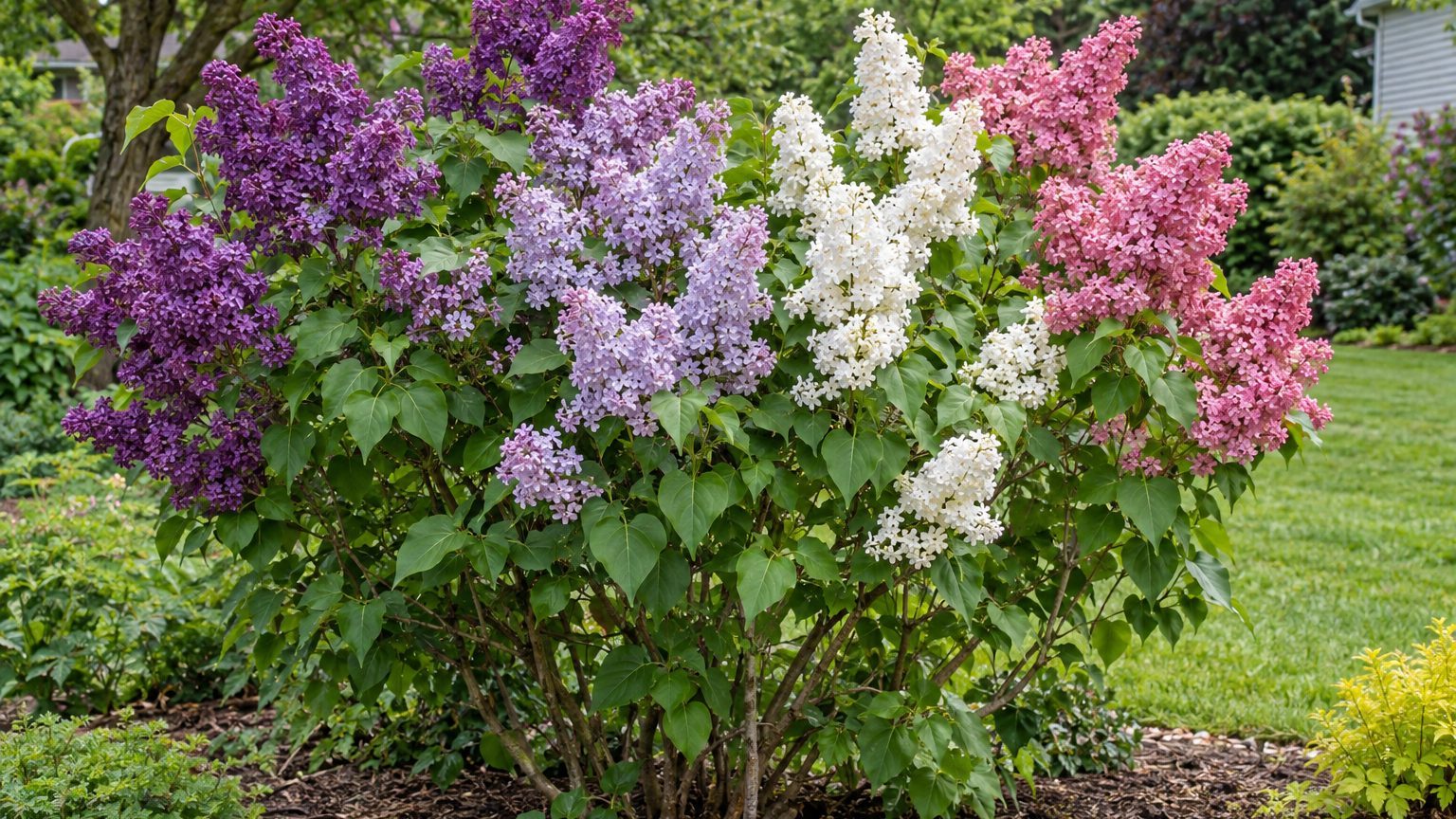
A lilac in full bloom in a New Jersey front yard is a late April and May sight, and the shrubs that carry it best are the ones bred to handle humid summers. The state sits in USDA hardiness zones 6a-7b, which gives lilacs their cold rest but tests them in summer heat.

Best Lilacs to Grow in New Jersey

Best Lilacs for New Jersey

Common lilac, dwarf lilacs and disease-resistant selections do well here, because lilacs need a cold winter rest to mature their flower buds and struggle in hot, humid summers. New Jersey winters supply the cold, so the choice comes down to summer toughness and mildew resistance.

Common Lilac

Common Lilac — Best Lilacs for New Jersey

Syringa vulgaris is the classic common lilac, grown for very fragrant flowers in mid to late spring. Named cultivars come in lilac, purple, white, pink and a reddish hue. Most are prone to disease, so pick selections with a good record.

Edith Cavell

Edith Cavell — Best Lilacs for New Jersey

Most common lilac cultivars are susceptible to blight, but ‘Edith Cavell’ has been observed with less disease in gardens. Choosing a plant like this is easier than fighting blight later, since blight is difficult to control.

Glory

‘Glory’ is another common lilac cultivar seen with less disease in gardens. If you want the classic old-fashioned shrub and its scent, a cultivar with a lighter disease record is a sensible choice in humid weather.

Ludwig Spaeth

‘Ludwig Spaeth’ belongs to the same short list of common lilac cultivars with less disease. Buying blight-resistant varieties whenever you plant new lilacs is the advice, and this one fits it.

Pink Elizabeth

‘Pink Elizabeth’ also shows less disease in gardens, and it adds a softer color to the usual purples. Like the others, it wants full sun and decent air circulation around the branches.

Meyer Lilac Palibin

Syringa meyeri ‘Palibin’ is a medium, dense shrub that resists powdery mildew, which commonly afflicts common lilac. It needs full sun for the best flowering, so give it an open spot.

Miss Kim

‘Miss Kim’ is a round, compact cultivar with pale lavender-purple flowers. Dwarf lilac species and hybrids tend to handle hot, humid summers better than traditional varieties.

Bloomerang

The Bloomerang series is powdery mildew resistant and reblooms, sporadically producing flowers into summer and early autumn. High heat can still hamper that rebloom, so treat it as a bonus.

How to Choose a Lilac for a New Jersey Garden

Start with what your yard throws at a lilac: heat, humidity, limited space or limited time. Lilacs want sun and good air circulation, and they do best where winters are cold.

For anyone set on lilacs despite the challenges, the advice is to try cultivars with above-average disease resistance and heat tolerance.

Your situation What suits it in New Jersey Why
Hot, humid summer Meyer lilac ‘Palibin’ or a Bloomerang Meyer lilac ‘Palibin’ and the Bloomerang series resist powdery mildew, which humidity encourages
Very cold winter Common lilac or a hybrid of S. oblata and S. vulgaris These hybrids suit cold climates
Little time for care ‘Edith Cavell’, ‘Glory’, ‘Ludwig Spaeth’ or ‘Pink Elizabeth’ These cultivars have been observed with less disease in gardens
Small space ‘Miss Kim’ or another dwarf lilac Compact, round habit and better tolerance of hot, humid summers
Need for winter cold Common lilac in an open, sunny site Flower buds need a cold rest to mature

Resistance to blight also shows up in some other species, including S. josikaea, S. komarowii, S. microphylla, S. pekinensis and S. reflexa, which are worth asking a nursery about.

Which Lilacs Suit Different Parts of New Jersey

The state runs from cooler northern hills to a milder south, and that shifts which lilac makes sense.

  • The Skylands of northwest New Jersey: Winters are colder here, so common lilacs and the cold-hardy S. oblata hybrids get the rest their buds need.
  • Central New Jersey: A mix of both worlds, where mildew-resistant picks such as Meyer lilac give insurance against humid summers.
  • The Jersey Shore and South Jersey: Summers feel hotter and stickier, so dwarf lilacs and heat-tolerant cultivars are the safer bet.

Wherever you garden, full sun and open air around the shrub matter more than any single variety.

Lilac Buying Mistakes to Avoid in New Jersey

Buying a Blight-Prone Cultivar

Most common lilac cultivars are susceptible to blight, and it is difficult to control once it arrives. The cost is a shrub that declines over the years. Choose a blight-resistant variety at planting instead.

Ignoring Summer Heat

Lilacs struggle in hot, humid summers, and powdery mildew is the usual result on traditional types. Skip the old standards in a muggy, crowded spot and pick a dwarf or mildew-resistant lilac with better heat tolerance.

Pruning at the Wrong Time

A lilac sets next year’s flower buds in summer, soon after it flowers, so pruning in late summer, fall or winter cuts off spring flowers. Prune right after the flowers fade, in May or June. A hard renovation cut of an overgrown shrub belongs in March or April, and it will not flower for a few years afterward.

Where to Get Lilac Advice in New Jersey

Rutgers NJAES publishes pruning guidance for spring-flowering shrubs, and your county office can speak to local soil and summer conditions.

  • Its pruning guidance explains that lilacs bloom on one-year-old wood and should be pruned immediately after flowering.
  • Your county extension office can help with disease questions, best brought in with a branch sample when leaves show spotting or blight.

Common Questions

Can You Grow Lilacs in Southern New Jersey?

Yes, though hot, humid summers make mildew a concern. Dwarf lilacs and mildew-resistant selections such as Meyer lilac handle it better than traditional varieties.

Do Lilacs Rebloom in New Jersey?

The Bloomerang series reblooms, sporadically producing flowers into summer and early autumn. High heat can still hamper rebloom.

When Do Lilacs Bloom in New Jersey?

April and May are the main months, with later species and cultivars carrying color into June.

Best Lilacs for New Hampshire

Best Lilacs for New Hampshire

When the first purple clusters open in May, the whole street smells of it, and New Hampshire has good reason to love the moment: the common lilac is the state flower. A well-matched variety will fit its space, handle the site, and stay easier to care for.

Best Lilacs to Grow in New Hampshire

Best Lilacs for New Hampshire

Lilacs suit New Hampshire because they need a cold winter rest to mature their flower buds. The USDA hardiness system places New Hampshire in zones 3b to 6a, so winter cold varies across the state. Hot, humid summers are what trouble lilacs elsewhere, so the real choices here come down to disease, size and bloom timing.

Common Lilac

Common Lilac — Best Lilacs for New Hampshire

Syringa vulgaris is New Hampshire’s official state flower, known for fragrant masses of purple, lavender and white blooms in May. It is the natural first pick. The trade-off is its susceptibility to powdery mildew, bacterial blight, scale and borers, so give it sun and open air.

Other Lilac Species

More than 20 species of lilac exist, originating in Europe and Asia. Beyond purple, lilacs come in red, blue, pink, white, mauve and yellow, so a New Hampshire yard has room for color beyond the classic shade. Less susceptible species and hybrids are available if mildew bothers your common lilac.

Bloomerang Series

This series is resistant to powdery mildew and reblooms. Like many dwarf hybrid lilacs, it is more disease-resistant than typical Syringa vulgaris and matures shorter, which suits a front yard border or a smaller bed.

Hyacinthiflora Hybrids

These vigorous hybrids look like French hybrids but bloom earlier. Because they bloom early, plant them only where late frosts are less frequent. A frost-prone New Hampshire hollow calls for the same caution.

French Hybrid Types

French hybrids offer the familiar lilac form many gardeners picture. Choose from named cultivars in lilac, purple, white, pink and a reddish hue. Lilacs generally do well in New Hampshire.

How to Choose a Lilac for a New Hampshire Garden

Start with the site: lilacs like sun and good air circulation. After that, the choice depends on how much cold, humidity and upkeep your yard brings.

Cold is rarely the limit here, since lilacs are adapted to zones 3, 4 and 5. Humid summer air and spring frost are the things to plan around.

Your situation What suits it in New Hampshire Why
Very cold winter Common lilac Lilacs are adapted to zones 3, 4 and 5, and winter chill matures their buds
Hot, humid summer Bloomerang series It resists powdery mildew, which humid air encourages
Little time for care Disease-resistant hybrids Less susceptible species and hybrids reduce the risk of common problems
Small space Dwarf hybrid lilacs They mature shorter than typical Syringa vulgaris
Need for cold Any lilac The chill of winter is needed for bud development and maturation

Spring frost is a separate matter. Frost in May can catch early bloomers, so a Hyacinthiflora is better in a spot that avoids late frost.

Which Lilacs Suit Different Parts of New Hampshire

Cold and frost timing vary across the state, and that shifts which lilac you favor.

  • White Mountains: Winters here are colder than in the southern part of the state. Common lilacs handle it, but early bloomers risk May frost, so favor later bloomers.
  • Seacoast: Milder winters here still give lilacs a cold winter rest. Humid summer air makes mildew resistance worth prioritizing.
  • Lakes Region: Cold winters suit lilacs well. Keep them in full sun with open air around them.

Spring frost varies across the state, so check your own county.

Lilac Buying Mistakes to Avoid in New Hampshire

Picking an Early Bloomer for a Frosty Spot

Hyacinthiflora lilacs open earlier, so a late frost can take the flowers. If your yard sits low where cold air settles, choose a later-blooming type instead.

Ignoring Mildew Resistance

Common lilacs are prone to powdery mildew, blight, scale and borers. Buying one without checking can mean a sick-looking shrub. Choose a resistant cultivar or a less susceptible species.

Forgetting Mature Size

A lilac in a pot looks small, but many grow far taller than dwarf hybrids. A crowded plant loses the air circulation it needs. Read the tag for adult size and leave room. If one outgrows its spot, it can be cut back hard in March or April, but it will not flower for a few years afterward. Routine pruning comes right after the flowers fade, in May or June, because next year’s buds form soon after.

Where to Get Lilac Advice in New Hampshire

Local help turns a general choice into a specific one for your site. University of New Hampshire Extension publishes guidance on lilacs and answers questions from residents.

  • Its articles on lilac types and care are useful before you shop.
  • Your county extension office can speak to local frost and soil, so call before planting.

Common Questions

When Do Lilacs Bloom in New Hampshire?

Bloom runs April and May, and later species can carry into June.

Do Lilacs Come in Colors Besides Purple?

Yes. Lilacs also come in red, blue, pink, white, mauve and yellow.

Is It Safe to Prune a Lilac in Fall?

Pruning in late summer, fall or winter can remove the next spring’s flower buds, so wait until right after bloom.

Best Lilacs for Newfoundland and Labrador

Best Lilacs for Newfoundland and Labrador

A lilac in full flower, heavy with scent, is a good reason to keep a shrub border. In Newfoundland and Labrador the plant has the cold winters it wants, so the real choices are size, disease resistance and when you cut it. Those are what decide which lilac earns a spot in your yard.

Best Lilacs to Grow in Newfoundland and Labrador

Best Lilacs for Newfoundland and Labrador

Common lilac and its French selections, the dwarf Korean lilac, and the reblooming Bloomerang series all suit the province. Lilacs are cold-climate shrubs, and the chill of winter is what matures their flower buds. Winter chill helps lilac buds mature, but local hardiness still matters. Picking a type that fits your space and your humidity is.

Common Lilac

Common Lilac — Best Lilacs for Newfoundland and Labrador

Syringa vulgaris is a woody shrub grown for extremely fragrant flowers in mid to late spring. The French lilacs are the best known selections of it, and there are hundreds of cultivars in many colors and floret shapes.

Plant it in a sunny spot with good air circulation, which keeps the leaves drier and the plant healthier.

Sensation

Sensation — Best Lilacs for Newfoundland and Labrador

Sensation is a French lilac with purple flowers edged in white, so each floret looks outlined. It is a good pick if you want a lilac that stands out from the usual all-purple shrub.

It also appeared among the varieties that resisted a bacterial disease in a trial elsewhere, a useful bonus for a long-lived shrub.

Dwarf Korean Lilac

Syringa meyeri, also called the little-leaf lilac, suits a smaller yard. It usually grows about 5 ft tall and just as wide.

Occasionally it reaches 8 ft in height and width, so leave room for the larger case. It blooms profusely with small, elegant violet flowers, and breeders have used it often because it is reasonably small and compact.

Bloomerang Series

The Bloomerang series resists powdery mildew and reblooms. That makes it a sensible choice where summers turn damp, since humid weather can encourage mildew.

Keep it in full sun, like any lilac. The rebloom is an extra, not a replacement for a good spring show.

How to Choose a Lilac for a Newfoundland and Labrador Garden

Start with the space you have and the weather your yard gets in summer. Winter cold is rarely the limit for a lilac, since it needs a cold rest to set its buds.

Colour comes last, because named cultivars come in lilac, purple, white, pink and a reddish hue.

Your situation What suits it in Newfoundland and Labrador Why
Very cold winter Common lilac and French selections Winter chill is what matures the flower buds
Warm, humid summer Bloomerang series Resists powdery mildew, which humid weather encourages
Small space Dwarf Korean lilac Usually about 5 ft wide and tall
Wanted color or a showy bloom Sensation Purple flowers edged with white
Strong fragrance Common lilac Grown for extremely fragrant flowers in mid to late spring

Expect blooms from late April into May, with later species carrying on into June. If you already own an overgrown lilac, it can be cut back hard in March or April, though it will not flower for a few years afterward.

Which Lilacs Suit Different Parts of Newfoundland and Labrador

The province is not one climate, and the main difference for lilacs is how late spring arrives, not how cold the winter gets.

  • St. John’s is the reference city for Canadian hardiness zone 6a, a rating that does not convert to a USDA zone. The last spring frost falls on average on May 30, and in one year out of two it comes later, so treat that date as the middle of a window.
  • The Northern Peninsula and Labrador: spring frost lingers longer here than at St. John’s, so buds open later. Stay with the hardy common lilac and the dwarf Korean lilac, and wait for the frost to pass before you plant.
  • Upland and inland districts: these run later than the coast, so judge your own yard by when the snow leaves and the buds swell, not by the St. John’s date.

Whichever district you garden in, confirm the shrub’s hardiness locally and adjust your timing to match your spring.

Lilac Buying Mistakes to Avoid in Newfoundland and Labrador

Choosing for Flower Colour Alone

With hundreds of cultivars to pick from, color is an easy way to choose and a poor one. Lilacs struggle in hot, humid summers, and a leafy plant sitting in damp, still air invites mildew.

Look at the habit and the disease record first. A mildew-resistant series can help you avoid a bad-looking midsummer shrub.

Buying a Pot Without Knowing Its Adult Size

A lilac in a nursery pot gives no hint of what it will become. The dwarf Korean lilac fills about 5 ft and can stretch to 8 ft, while many common lilacs grow larger.

Read the tag, then measure the spot. A shrub squeezed against a wall or a window will need hard cuts you would rather avoid.

Pruning at the Wrong Time

A lilac blooms on last year’s wood and sets next spring’s flower buds soon after it flowers. Prune right after the flowers fade, usually in May or June. Cutting in late summer, fall or winter removes the next flowers.

A hard cut of an overgrown plant in March or April is possible, but it costs the next flowers.

Where to Get Lilac Advice in Newfoundland and Labrador

Canada has no county extension office, so local advice comes from the provincial agriculture ministry and from people who garden near you. Local lilac timing is not published for the province, so the dates here follow the nearest comparable climate.

  • Local garden centers can tell you which lilacs they stock for your district, so visit in spring while plants are in bloom.
  • A garden society or a provincial gardening group knows when lilacs open in your area, so ask early in the season and compare notes with neighbors who already grow them.

Common Questions

Do Lilacs Need Full Sun in Newfoundland and Labrador?

Lilacs thrive in sunny sites with good air circulation. Pick a sunny, open corner of the yard and keep other shrubs from crowding the plant.

What Colours Do Lilacs Come In?

Named cultivars range through lilac, purple, white, pink and a reddish hue. Sensation combines purple flowers with white edges.

Is Hardiness Zone 6a the Same as a USDA Zone?

No. The 6a rating for St. John’s is Canadian, and the Canadian system is built on several climate variables, so it does not convert to a USDA zone. When you read a plant tag, check which system it uses.

Best Lilacs for New Brunswick

Best Lilacs for New Brunswick

Lilac clusters open in late spring, and the scent carries across a front yard. In New Brunswick the shrub is at home because the winters give it what it asks for.

Best Lilacs to Grow in New Brunswick

Best Lilacs for New Brunswick

French lilacs, the dwarf Korean lilac and the Bloomerang series all suit the province. Lilacs belong to cold climates, and the chill of winter is what matures their flower buds. Moncton sits in Canadian hardiness zone 5a, a Canadian rating that does not convert to a USDA zone; other parts of the province differ.

French Lilacs

French Lilacs — Best Lilacs for New Brunswick

French lilacs are the best known of the lilac family, and they are selections of the common lilac, Syringa vulgaris. Hundreds of cultivars exist, with many colors and floret shapes, so you can choose by scent and color rather than by hardiness.

Plant one in a sunny spot with good air circulation, and let the New Brunswick winter do its part.

Sensation

Sensation — Best Lilacs for New Brunswick

Sensation is a cultivar with purple flowers edged with white, easy to pick out in a nursery row. It gives the front yard a two-tone look that plain purple lilacs lack.

It asks for the same sunny, airy site as any common lilac, and the cold winters here keep its buds on track.

Dwarf Korean Lilac

Syringa meyeri, the dwarf Korean lilac, is also called the little-leaf lilac. It usually grows about 5 ft. tall and just as wide, though occasionally it reaches as much as 8 ft. tall and wide.

That compact shape suits a smaller bed, and the small violet flowers come in great profusion. Breeders have used it often because it is reasonably small and compact.

Bloomerang Series

The Bloomerang series is resistant to powdery mildew and reblooms. Mildew is the white dusting that shows up on lilac leaves when summers turn muggy, so a resistant series takes some of the worry out of a damp season.

It is a sensible pick if you want repeated flowering from a single shrub.

How to Choose a Lilac for a New Brunswick Garden

Start with what your yard does, not with a color. Lilacs bloom best where winters are cold and summers are not hot and sticky, and New Brunswick mostly fits that description.

Different situations call for different types of lilac, so choose the one that suits your garden’s conditions.

Your situation What suits it in New Brunswick Why
Very cold winter French lilacs Lilacs are well suited to cold climates, and winter chill matures their buds
Hot, humid summer spells Bloomerang series Resistant to powdery mildew and reblooms
Small space Dwarf Korean lilac Usually about 5 ft. tall and just as wide
Want dependable buds Any lilac in a sunny, airy site The cold winter rest is what sets the flower buds

If you want something that stands out from the usual purple, Sensation with its white-edged petals is a fine place to begin. Colors in the common lilac range from lilac and purple to white, pink and a reddish hue.

Which Lilacs Suit Different Parts of New Brunswick

New Brunswick is not one climate, and the differences matter more for timing than for which lilac you choose.

  • Moncton and the southeast: In Moncton, May 23 is the average date of the last spring frost, not a safe date. Treat it as the middle of a window and check local conditions before relying on it.
  • Northern and upland districts: Spring runs later than in Moncton, so lilacs leaf out and bloom later. French lilacs and the dwarf Korean lilac are comfortable choices where winters bite hardest.

Wherever you garden in the province, choose a sunny, open site.

Lilac Buying Mistakes to Avoid in New Brunswick

Choosing a Type Meant for Mild Winters

Lilacs need winter cold to mature their buds, and French lilacs are well suited to cold climates.

Stay with French lilacs, the dwarf Korean lilac or a named cultivar sold for cold climates, since all lilacs depend on the chill of winter.

Ignoring Damp Summer Weather

Lilacs struggle in hot, humid summers, and a crowded, shaded planting invites powdery mildew. The cost is white-dusted leaves and a tired-looking shrub by late summer.

Pick a mildew-resistant series such as Bloomerang, and give the plant a sunny site with good air circulation.

Buying a Pot Without Knowing Its Size

A small pot hides what the plant will become. Hundreds of common lilac cultivars exist, and many will outgrow a narrow bed or a spot under a window.

A shrub that has outgrown its place has to be cut hard to fit, and that costs you flowers. Check the adult size on the tag before you buy. The dwarf Korean lilac usually stays near 5 ft. tall and just as wide, which suits tight spots.

Where to Get Lilac Advice in New Brunswick

New Brunswick has no local extension page on lilac timing, so advice comes from local growers and gardening groups. Confirm local timing with a garden centre, a garden society or the provincial gardening groups.

  • Agriculture and Agri-Food Canada, at its national site, is a starting point for plant and pest information, and the provincial agriculture department can answer local questions.
  • A garden centre near you can tell you which lilacs it sees thrive locally, so visit before you buy in spring.
  • Ask a local garden society about lilac timing and varieties that suit the area.

Common Questions

When Do Lilacs Bloom in New Brunswick?

Most lilacs flower in April and May. Later species can carry the display into June. Northern and upland districts bloom later than the southeast.

When Should You Prune Lilacs in New Brunswick?

Prune in May and June, right after the flowers fade. Lilacs set next year’s flower buds in summer, soon after they bloom. Cutting in late summer, fall or winter removes the next spring’s flowers.
Can You Save an Overgrown Lilac?

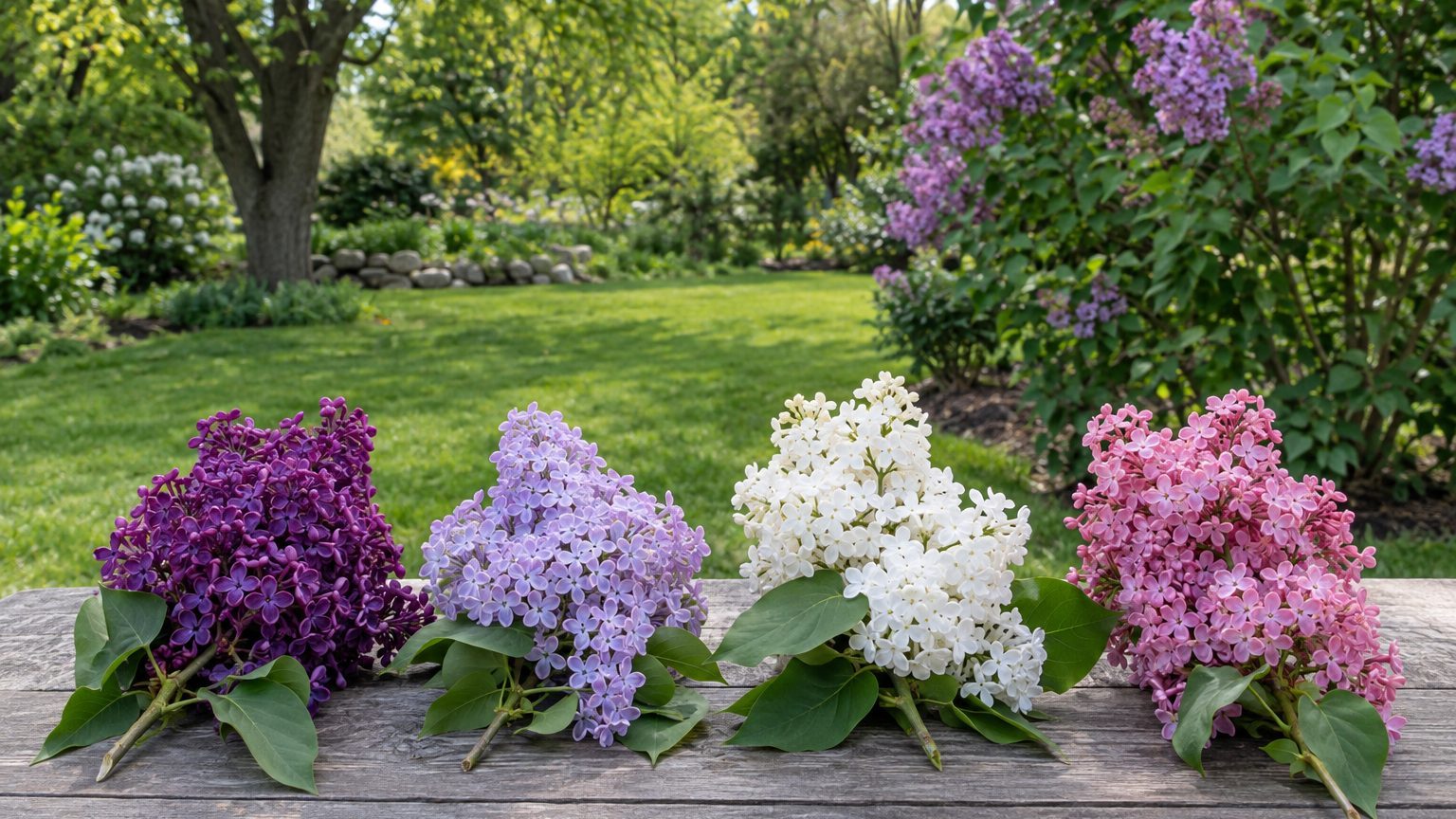
Yes. In March or April, while the plant is still dormant, you can cut it hard back. Expect no flowers for a few years afterward, because lilacs bloom on last year’s wood.

Best Lilacs for Nevada

Best Lilacs for Nevada

A lilac in full bloom fills a whole yard with scent for a short stretch each spring, and in Nevada whether yours does depends on how cold your winters get. Elevation is a major factor. Plants that thrive in a Reno or Carson City yard can sulk in the low desert, so the choice of lilac matters more here than the planting technique.

Best Lilacs to Grow in Nevada

Best Lilacs for Nevada

Common lilacs and their hardy hybrids do well in the cold-winter parts of Nevada, because the flower buds need a cold winter rest to mature. In the hot, low desert the plants tend to languish and bloom poorly. There, the lilacs bred for mild winters, such as the Descanso hybrids, are the ones worth trying.

Common Lilac on Its Own Roots

Common Lilac on Its Own Roots — Best Lilacs for Nevada

The classic lilac suits colder Nevada yards, but it struggles through hot, humid stretches of summer. Look for plants growing on their own roots, since those are far more hardy than grafted lilacs. Ask the nursery how the plant was propagated before you buy.

Hyacinthiflora Lilacs

Hyacinthiflora Lilacs — Best Lilacs for Nevada

These vigorous hybrids look like French hybrids but bloom earlier. The shrubs themselves are very hardy, though the early flowers are caught by late spring frosts. Plant them only where those frosts are less frequent.

Cultivars include the lavender ‘Assessippi,’ pink ‘Maiden’s Blush,’ and violet ‘Pocahantas.’

Meyer Lilac

Slow growing, with dense foliage and a broadly rounded shape, this is a spreading shrub that stays compact. Its compact habit makes it a fit for front beds and tighter corners.

Superba

This cultivar is heat tolerant and mildew resistant, with dark pink, single flowers. That combination makes it a sensible pick for a Nevada yard where summers run hot.

Early Lilac

Syringa oblata grows tall and flowers in shades of purple. Give it room along a property line or at the back of a border, and it rewards you with early color.

Descanso Hybrids

Bred for mild winters, these include the white ‘Angel White,’ blue ‘Blue Boy,’ and pink ‘California Rose.’ They are worth trying where winters are mild, though even low-chill lilacs perform best with an extended cold rest and are often less fragrant than the ones you remember.

How to Choose a Lilac for a Nevada Garden

Start with the coldest night your yard sees and the last frost you can count on in spring. Those details sort the lilac list quickly, and matching your Nevada situation to the right type is simple.

Plant size matters too, because a shrub that outgrows its spot will need cutting back.

Your situation What suits it in Nevada Why
Very cold winter Common lilac on its own roots Own-root plants are far more hardy than grafted ones
Hot, humid summer Superba Heat tolerant and mildew resistant
Small space Meyer lilac Slow growing, compact, and suited to a smaller space
Late spring frosts Skip Hyacinthiflora types They bloom earlier and the flowers are caught by frost
Mild winter, little chilling Descanso hybrids Bred for mild winters, though they still prefer a cold rest

The table leaves out yards with plenty of room. Early lilac fits there, with purple flowers on a tall shrub.

Which Lilacs Suit Different Parts of Nevada

Nevada spans USDA hardiness zones 4a to 10a, so the lilac that suits one valley can fail in another.

  • Reno and Carson City: Winters give the cold rest lilacs want, so the common lilac and its hybrids are at home here. Frosts linger into spring, which argues against the earliest bloomers.
  • Higher-elevation towns: Spring frost arrives later than in the valleys, so own-root common lilacs and late-opening types are the safer pick. Hyacinthiflora lilacs risk losing their blooms to a frost.
  • Las Vegas and the southern desert: Heat and mild winters are hard on lilacs. Try Descanso hybrids or Superba and expect fewer flowers than a northern yard would give.

Elevation and local winter temperatures matter more than proximity to a mountain slope.

Lilac Buying Mistakes to Avoid in Nevada

Choosing a Plant Too Tender for Winter

A grafted lilac is less hardy than one on its own roots. Ask whether the plant is grown on its own roots and choose that one.

Picking a Lilac That Needs More Cold

Common lilacs need a cold winter rest, and in the hot desert they languish and bloom poorly. A shrub that flowers poorly can be a disappointment. In mild-winter yards, choose a Descanso hybrid, and set your expectations for scent lower.

Ignoring Adult Size

A small pot hides a large shrub. An Early lilac needs more room than a compact Meyer lilac. Check the mature height before you dig the hole.

Crowded shrubs need cutting back, and the timing matters. A lilac sets next year’s buds soon after it flowers, so prune right after the flowers fade. Pruning in late summer, fall, or winter cuts off the next spring’s blooms.

Where to Get Lilac Advice in Nevada

Local conditions in Nevada change sharply from one valley to the next, so local advice beats general rules. University of Nevada, Reno Extension and your county extension office can tell you which lilacs hold up near you.

  • Nevada has no local extension page for lilac timing, so confirm pruning with a local garden center or gardening group.
  • Your county office can speak to the frost pattern and soil in your own neighborhood, so call before planting day.

Common Questions

When Do Lilacs Bloom in Nevada?

Where winters stay mild, lilacs bloom poorly or not at all because their buds need a cold rest. Elsewhere, bloom follows the local spring, coming later at higher elevations and earlier in the valleys.

How Can You Keep Lilacs Blooming Longer?

Plant several species and varieties with different flowering times. Choosing species and varieties with different flowering times can extend the display.

Are Lilacs Fragrant in Warm Parts of Nevada?

The lilacs bred for mild winters usually grow and bloom there, but they are not as fragrant as the common lilacs you may remember from colder places.

Best Lilacs for Nebraska

Best Lilacs for Nebraska

Lilacs open across Nebraska yards from late April into May, and the fragrance carries over the fence. Nebraska winters suit them, so the real choice is which type fits your site, your space and your tolerance for upkeep. These are the lilacs worth planting in Nebraska and how to match them to your yard.

Best Lilacs to Grow in Nebraska

Best Lilacs for Nebraska

Common lilacs, early hybrids, Meyer lilac and disease-resistant species can all suit Nebraska because its cold winters give lilacs the rest they need to mature their flower buds. Nebraska spans USDA hardiness zones 4a to 5b. They want a sunny site with good air circulation. Hot, humid summers are what trouble them.

Common Lilac

Common Lilac — Best Lilacs for Nebraska

Syringa vulgaris is the lilac most people grow, and it suits Nebraska’s cold winters. The weak point is blight, since most cultivars are susceptible.

If you want this classic shape and scent, look for ‘Edith Cavell’, ‘Glory’, ‘Ludwig Spaeth’ or ‘Pink Elizabeth’, which have been seen with less disease in gardens.

Early Hybrid Lilacs

Early Hybrid Lilacs — Best Lilacs for Nebraska

Hybrids between S. oblata and S. vulgaris are well suited to cold climates. They are vigorous and look much like French hybrids, only earlier.

Early bloom is the catch. Plant them where late spring frosts are less frequent, because a late freeze can take the flowers.

Meyer Lilac

Syringa meyeri is slow growing, with dense foliage and a broadly rounded shape. Its dense, rounded habit makes it easy to place near a patio or along a walk.

Its lavender-purple flowers are fragrant.

Superba

The cultivar ‘Superba’ is heat tolerant and mildew resistant, with dark pink, single flowers. That combination suits a hot, humid Nebraska summer.

Japanese Tree Lilac

Syringa reticulata is often listed as a small tree rather than a large shrub. Give it room overhead and use it as a lawn specimen or a street-side accent instead of a hedge.

Blight-Resistant Species

Lilac blight is difficult to control, so buying resistant plants is the easier path. Some species have shown resistance, including S. josikaea, S. komarowii, S. microphylla, S. pekinensis and S. reflexa.

Ask your nursery for these by botanical name when you want a plant that needs less watching.

How to Choose a Lilac for a Nebraska Garden

Start with the problem your yard poses, not the flower color. Most lilacs are happy in Nebraska winters, so the choice usually comes down to summer humidity, late spring frost, available space and how much attention you want to give.

The rows below match common situations to a type that fits.

Your situation What suits it in Nebraska Why
Very cold winter Common lilac or an early hybrid Nebraska spans USDA hardiness zones 4a to 5b, and early hybrids are well suited to cold climates
Hot, humid summer ‘Superba’ It is heat tolerant and mildew resistant
Little time for upkeep A blight-resistant species or cultivar Blight is hard to control, so resistance saves the work
Small space Meyer lilac or ‘Palibin’ Meyer grows slowly with a rounded shape, and ‘Palibin’ is compact
Frost-prone spot in spring Common lilac in place of an early hybrid An early bloom makes flowers vulnerable to a late freeze
Room for a small tree Japanese tree lilac It is often listed as a small tree, not a large shrub

‘Palibin’ is worth a look for tight spots because it blooms heavily on a compact plant. Its reddish purple buds open to pink flowers.

Which Lilacs Suit Different Parts of Nebraska

Nebraska’s hardiness runs from zone 4a to 5b, and frost timing shifts with the ground you garden on. That changes how much risk an early bloomer carries.

  • Omaha and the Missouri River side: At the Omaha reference point, the last spring frost falls April 12 to April 23, and gardens outside the city often see it later. Early hybrids can work here if you choose a sheltered spot.
  • The Panhandle: Higher ground brings colder winters and a later last frost than the cities to the east. Favor common lilacs, which bloom later, over early hybrids that open before frost has passed.

Check frost timing in your own county before you commit to an early bloomer.

Lilac Buying Mistakes to Avoid in Nebraska

Skipping Blight Resistance

Most common lilac cultivars are susceptible to blight, and once it sets in, it is difficult to control. You lose foliage and flowers you waited years for.

Buy resistant varieties whenever you plant new lilacs, such as ‘Edith Cavell’ or ‘Ludwig Spaeth’, or one of the resistant species.

Planting Early Bloomers in a Frost Pocket

Early hybrids open sooner than French hybrids, and a late freeze can strip the flowers. The plant survives, but the display does not.

Put them where late spring frosts are less frequent, or choose a common lilac that blooms later.

Buying a Pot Without Knowing Adult Size

A small lilac in a nursery pot can grow into a large shrub, and a Japanese tree lilac grows into a small tree. A plant that outgrows its spot gets pruned at the wrong time.

A lilac blooms on last year’s wood and sets next year’s flower buds in summer, soon after it flowers. Prune in May or June, right after the flowers fade, and not in late summer, fall or winter. Matching the plant to the space from the start, with a Meyer lilac or a compact cultivar for tight corners, keeps the pruning light.

Where to Get Lilac Advice in Nebraska

University of Nebraska–Lincoln Extension [link: https://extension.unl.edu/] publishes lilac selection and pruning guidance written for Nebraska yards, and its county offices can answer questions about your own soil and site.

  • Read the extension lilac guides before you shop, so you can name varieties when you reach the nursery.
  • Contact your county extension office when a lilac looks unhealthy, and bring a leaf or shoot with you.
  • Visit a local garden during bloom, late April through mid-May, to see which lilacs you want in your own yard.

Common Questions

When Do Lilacs Bloom in Nebraska?

Most lilacs flower from late April through May, and later species and cultivars carry into June. Early hybrids open first.

Do Lilacs Need Full Sun in Nebraska?

Lilacs thrive in sunny sites with good air circulation. Give them an open spot, not a cramped corner against a wall.

Can You Cut Back an Overgrown Lilac in Nebraska?

Yes. You can cut the whole plant back close to the ground in late winter, in March or April. The next flowers are the price, since the plant will not bloom for a few years afterward.

Best Lilacs for Montana

Best Lilacs for Montana

Every late spring, a lilac in full bloom fills a Montana yard with fragrance you can smell from the street. Cold winters suit the shrub, so the real decision is which type to plant: common lilac, an early hybrid, a Preston hybrid or a tree lilac. Each handles Montana’s weather a little differently.

Best Lilacs to Grow in Montana

Best Lilacs for Montana

Common lilacs, hyacinthiflora hybrids, Preston hybrids and Japanese tree lilac all hold up in Montana. Lilacs need a cold winter rest to mature their flower buds, and they struggle in hot, humid summers. They are adapted to USDA zones 3, 4, 5 and milder areas of zone 2, so Montana’s cold winters sit well inside their comfort range.

Common Lilac

Common Lilac — Best Lilacs for Montana

Syringa vulgaris, also sold as French hybrid lilac, is the one most people picture. It is noted for large flower clusters and strong fragrance, and hundreds of cultivars run from white to deep purple and from wine-red to light pink.

It adapts to almost any soil and watering condition. Give this naturally large shrub plenty of room before you pick the spot.

Hyacinthiflora Lilacs

These vigorous hybrids look like French hybrids but bloom seven to 14 days earlier. The shrubs themselves are very hardy, so winter is rarely the problem.

The risk is a late frost catching the open flowers. Plant them only where May frosts are less frequent, such as a sheltered, milder valley spot.

Preston Hybrids

Preston hybrids generally flower more reliably in colder, windy areas than the early-blooming hyacinthiflora types.

If your yard sits on an exposed rise or a cold, breezy edge of town, start with these.

Japanese Tree Lilac

Syringa reticulata blooms in June, and its blooms bring the lilac season to a brilliant close. It extends the show after the common lilacs have finished.

Plant several species and the lilacs in your garden can be in full bloom for at least six weeks. A tree lilac is the easy way to add the final stretch.

Own-Root Lilacs

This is a way of buying rather than a type. Lilacs on their own roots are far more hardy than grafted lilacs.

When you shop, ask whether the plant is grafted or grown on its own roots. In a state with winters like Montana’s, that answer matters more than the flower color.

How to Choose a Lilac for a Montana Garden

Start with your yard rather than the plant tag. Wind, cold pockets and late spring frosts help decide which lilac gives you flowers, while soil and watering conditions leave more room for choice.

Billings is one of the milder valleys, with a last spring freeze falling between April 29 and May 10. Mountain valleys elsewhere in Montana can frost in any month, so lean toward the hardier choices if yours is one of them.

Your situation What suits it in Montana Why
Very cold, windy winter Preston hybrids on their own roots They flower more reliably in colder, windy areas, and own-root plants are far more hardy than grafted ones
Mild valley with fewer May frosts Hyacinthiflora lilacs They bloom seven to 14 days earlier, so they need frost-light springs
Hot, humid summer spot A sunny site with good air circulation Lilacs struggle in hot, humid summers, and moving air helps them cope
Little time for care Common lilac It adapts to almost any soil and watering condition
Want a long bloom season Several species, with a Japanese tree lilac for June Mixed species can bloom for at least six weeks
Worry about winter cold Any lilac suited to the cold zones A cold winter rest matures the flower buds

Small yards need a second look. A common lilac becomes a large shrub, so keep it away from walkways and windows.

Which Lilacs Suit Different Parts of Montana

Montana’s elevation, wind and valley shelter change which lilac gives the most flowers more than the shrub’s winter hardiness does.

  • Billings: Sheltered valley yards here are milder, so early hyacinthiflora lilacs have a fair chance of getting through spring with their flowers intact.
  • Mountain valleys: Frost can arrive in any month, which makes the later-opening types and a protected planting spot the safer path.
  • Windy, colder areas: Preston hybrids are the better pick, since they flower more reliably in these conditions than early bloomers.

Wherever you live in the state, choose the type for your local frost pattern first and the color second.

Lilac Buying Mistakes to Avoid in Montana

Buying a Grafted Plant

A grafted lilac looks the same as any other in the pot, but lilacs on their own roots are far more hardy. Grafted plants are less hardy when winter turns severe.

Check the label or ask the nursery. Choose own-root plants whenever you can.

Planting an Early Bloomer in a Frosty Spot

Hyacinthiflora lilacs open seven to 14 days earlier than the French hybrids. In a yard where May frosts are frequent, that head start can cost you the flowers even though the shrub itself is very hardy.

In those spots, plant Preston hybrids or a common lilac instead, and keep the early types for sheltered, milder corners.

Ignoring the Adult Size

A small pot hides a large shrub. A common lilac eventually becomes a broad shrub, which can crowd a foundation bed or shade a small yard.

Measure the planting spot before you buy. Pruning regularly right after the flowers fade keeps the shrub in bounds, because the buds for next year form in summer. Cutting later in the year removes next spring’s flowers.
Where to Get Lilac Advice in Montana

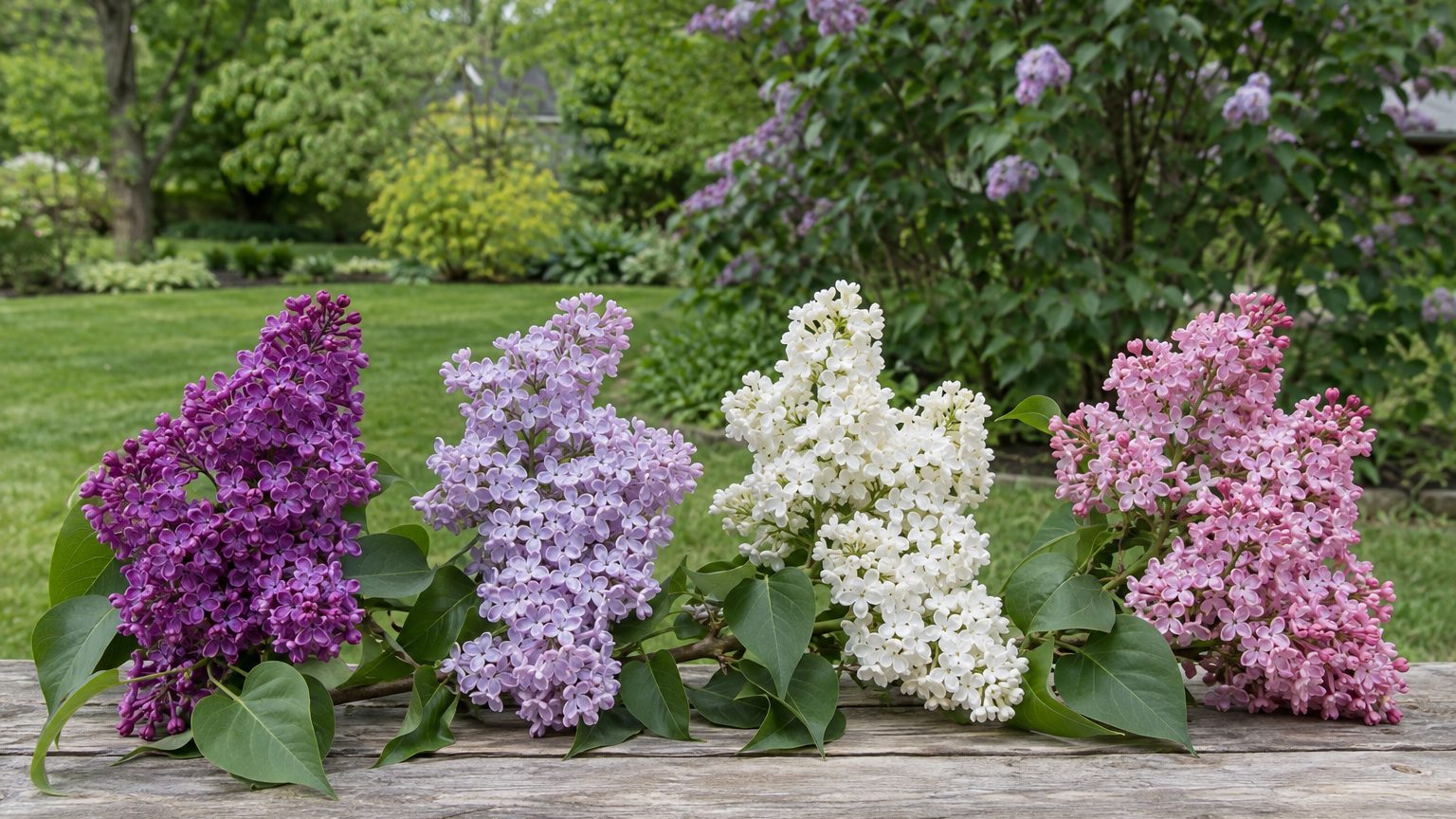
The Montana State University Extension service publishes lilac guidance written for Montana yards, and each county has an office that knows local frost and wind patterns.

  • Check the extension service’s lilac publication before you shop so you know which types it lists as hardy in Montana.
  • Call your county extension office to ask which lilacs do well in your valley and how late frosts usually run there.
  • Visit a local garden in May or June, when lilacs are in bloom, and note which ones look healthiest before you buy.

Common Questions

When Do Lilacs Bloom in Montana?

Lilacs bloom in May and June, running from late spring into June. Early hybrids open first, and the Japanese tree lilac closes the season in June.

Can You Cut Back an Overgrown Lilac in Montana?

Yes. A hard renovation cut is best done in March or April, while the shrub is still dormant. The cost is the next flowers, because lilacs bloom on last year’s wood, and the plant will not flower for a few years afterward.

Can You Still Prune a Lilac in July?

It can be done in July, right after the flowers fade. Prune right after the flowers fade, since next year’s flower buds form in June and July.

Best Lilacs for Missouri

Best Lilacs for Missouri

A lilac in full bloom fills a Missouri yard with scent for a short stretch each spring, and the plant you chose decides how reliably that happens. Lilacs do best where winters are cold and summers are mild, so Missouri’s hot, humid summers favor certain types. The right ones hold up through heat, resist disease and fit the space you have.

Best Lilacs to Grow in Missouri

Best Lilacs for Missouri

Lilacs need a cold winter rest to mature their flower buds, and they struggle in hot, humid summers. Missouri sits in USDA zones 5b to 7b, so the winters give most plants their chill, while the summers reward heat-tolerant, mildew-resistant lilacs and disease-resistant common lilacs. Compact choices ease the pressure on small yards.

Common Lilac

Common Lilac — Best Lilacs for Missouri

Syringa vulgaris is the familiar old-fashioned lilac, and its flower buds need winter chill to bloom fully. Missouri’s cold months supply that, but a warm winter can cost you flowers. Borers can be a problem for some cultivars.

Blight-Resistant Common Lilacs

Blight-Resistant Common Lilacs — Best Lilacs for Missouri

Lilac blight is difficult to control, so resistant plants save you a lot of trouble. Most cultivars of common lilac are susceptible, but ‘Edith Cavell’, ‘Glory’, ‘Ludwig Spaeth’ and ‘Pink Elizabeth’ have shown less disease in gardens. Choose one of these when you buy.

Meyer Lilac

Syringa meyeri has lavender-purple, fragrant flowers in spring. It grows slowly, with dense foliage and a broadly rounded shape, so it stays tidy and neat as a low screen or a foundation shrub without constant trimming.

Palibin Lilac

‘Palibin’ is a compact plant with reddish-purple buds that open to pink flowers. It starts blooming at 1 foot tall, so even a compact plant can carry flowers. It suits a front bed or a spot near a walkway.

Superba Lilac

‘Superba’ is heat tolerant and mildew resistant, with dark pink, single flowers. Those traits fit Missouri’s humid summers, when powdery leaves and stressed foliage trouble many lilacs. It is a sensible pick for the warmer southern part of the state.

Japanese Tree Lilac

Syringa reticulata is often listed as a small tree rather than a large shrub. Its tree form suits a spot where a large shrub would feel too broad.

How to Choose a Lilac for a Missouri Garden

Start with the problem your yard presents. Heat, humidity and disease are the usual troubles, and each points to a different lilac. Space and time matter too, since a dense shrub that grows slowly asks less of you than a rangy one.

Common lilacs suit most Missouri yards, and there are suitable varieties for different situations, so pick the lilac that fits your site.

Your situation What suits it in Missouri Why
Hot, humid summers ‘Superba’ It tolerates heat and resists mildew.
Little time for upkeep ‘Edith Cavell’, ‘Glory’, ‘Ludwig Spaeth’ or ‘Pink Elizabeth’ These common lilacs have shown less disease, and blight is hard to control once it arrives.
Small space ‘Palibin’ or Meyer lilac ‘Palibin’ is compact, and Meyer lilac grows slowly with dense foliage.
Want a small tree Japanese tree lilac It is often listed as a small tree rather than a large shrub.

Missouri usually meets the cold requirement, since lilacs want a real winter rest. A long bloom season is possible by mixing species, because lilac flowering runs from April through June.

Which Lilacs Suit Different Parts of Missouri

Missouri’s winters get milder as you move south, and that shifts the balance between winter chill and summer heat.

  • Northern Missouri: Colder winters give lilac buds the long rest they need, so common lilacs and their blight-resistant cultivars feel most at ease here.
  • Kansas City area: Spring freezes can linger into April, which is a risk for early blooms. Choose varieties that open later, and plant them where cold air will not pool.
  • The Bootheel and southern Missouri: Winters are milder and summers hotter, so heat-tolerant, mildew-resistant picks like ‘Superba’ earn their place.

Which lilac suits you depends on your local balance of winter chill, summer heat and spring frost.

Lilac Buying Mistakes to Avoid in Missouri

Buying a Disease-Prone Lilac

Many common lilacs are susceptible to blight, and the problem is hard to control once it takes hold. The disease can spoil the foliage and flowering display. Buy a resistant cultivar from the start, such as ‘Edith Cavell’ or ‘Glory’.

Ignoring Winter Chill and Summer Heat

A lilac that wants more cold than your yard provides will bloom thinly, and one that dislikes humidity will struggle through a hot, humid summer. In warmer southern Missouri, lean toward heat-tolerant plants like ‘Superba’. Early-blooming Hyacinthiflora hybrids bloom earlier than French hybrids, so their flowers face more freeze risk. At the reference point north of Kansas City, the last spring freeze falls between April 6 and April 20 in most years; gardens elsewhere differ.

Planting Without Knowing Adult Size

A small pot hides what a lilac becomes. A Japanese tree lilac grows into a small tree, while Meyer lilac stays slow and rounded. If you plant the wrong one, you end up pruning at the wrong time. Lilacs bloom on last year’s wood and set next year’s buds in summer, so prune in May or June right after the flowers fade. Pruning in late summer, fall or winter removes next spring’s flowers. An overgrown lilac can be cut back hard in March or April, but it will not flower for a few years afterward.

Where to Get Lilac Advice in Missouri

University of Missouri Extension [link: https://extension.missouri.edu/] is the place to start when a lilac sulks or you want a variety suited to your soil. Staff and master gardeners know local conditions.

  • The service offers guidance on lilac selection and shrub care.
  • Your county extension office can look at a sample of leaves or stems, and a spring visit works well when problems show.

Common Questions

When Do Lilacs Bloom in Missouri?

Lilacs flower in April and May, and some species keep going into June. Blooming time depends on the species, so planting several kinds stretches the show over a longer season.

Can You Plant Lilacs for a Longer Bloom Season?

Yes. Each type has its own flowering time, ranging from April through June, so combining species gives you flowers for much longer than a single lilac would.

Where Should You Plant a Lilac in the Yard?

Place it where you can enjoy the brief flowering period in May, but where it can fade into the background in summer. A spot near a path or window works well for the scent, with other shrubs or perennials carrying the interest afterward.

Best Lilacs for Mississippi

Best Lilacs for Mississippi

Where Mississippi winters stay mild, lilacs may bloom poorly or not at all because their buds need a cold rest. Plenty of gardeners still get blooms by choosing lilacs bred for warm places.

Best Lilacs to Grow in Mississippi

Best Lilacs for Mississippi

Mississippi is too mild and too hot and humid for the common lilac to do well. It needs a cold winter rest to mature its flower buds, and it struggles in muggy summers. The better bets are the early-blooming lilacs sold as Southern lilacs, the Descanso hybrids, and a few heat-tolerant selections. The state sits in USDA zones 7b to 9a, so expect some trial and error.

Southern Lilacs

Southern Lilacs — Best Lilacs for Mississippi

Look for plants labeled Southern lilacs or lilacs for the South. They usually grow and bloom where common lilacs sulk, though they are not as fragrant as the old-fashioned kind. For a Mississippi yard, this label is a sensible starting point.

Descanso Hybrids

Descanso Hybrids — Best Lilacs for Mississippi

These were developed for mild winters, so they suit a warm climate better than northern lilacs do. Names worth hunting for include the white ‘Angel White’, the blue ‘Blue Boy’ and the pink ‘California Rose’. Plant one as a trial before committing a whole hedge.

Superba Lilac

The cultivar ‘Superba’ is heat tolerant and mildew resistant, with dark pink, single flowers. Common lilacs can develop powdery mildew in hot, humid conditions, so a resistant variety can mean cleaner leaves and less upkeep.

Meyer Lilac

Syringa meyeri is slow growing, with dense foliage and a broadly rounded shape. That tidy habit makes it easy to fit near a walk or a mailbox, and it stays handsome even in years when flowering is light.

Littleleaf Lilac

Syringa microphylla is known as the Littleleaf lilac. Ask the nursery how it has performed locally, since a plant that has already wintered in your area tells you more than a tag does.

How to Choose a Lilac for a Mississippi Garden

Start with the problem you are solving. In Mississippi it is almost always heat, humidity and too little winter chill, and each of those points toward a different plant.

For bloom, focus on low-chill selections. Some cultivars bloom with little chilling, though even these do better after an extended cold winter rest.

Your situation What suits it in Mississippi Why
Hot, humid summers Southern lilacs They usually grow and bloom where common lilacs struggle
Mildew on the leaves ‘Superba’ Heat tolerant and mildew resistant
Mild winters, little cold Descanso hybrids Bred for a mild climate
Small space Meyer lilac Slow growing, dense and broadly rounded
Need for winter cold Low-chill cultivars Some bloom with only a little chilling

Littleleaf lilac fits none of these rows neatly, but it is worth asking for when a nursery stocks it and the other choices are sold out.

Which Lilacs Suit Different Parts of Mississippi

Winter cold is the thing lilacs want, and it varies across the state. The farther north you garden, the more chill your lilac gets.

  • Gulf Coast: Southern lilacs and Descanso hybrids are worth trying, though flowering may still be light without a cold winter rest.
  • Mississippi Delta: Summers are hot and sticky, which makes mildew resistance a priority, so ‘Superba’ earns its place.
  • North Mississippi hills: Winters give a bit more cold rest than farther south, so Southern lilacs and Meyer lilac have a better chance of a fuller bloom.

Wherever you live, a spot with good air movement helps a humid-summer lilac dry out after rain.

Lilac Buying Mistakes to Avoid in Mississippi

Buying a Common Lilac

Many cultivars of common lilac advertise heat tolerance, yet they often do not thrive in the South the way they do in cold climates. You pay for a shrub that leafs out and then rarely flowers. Choose a Southern lilac or a Descanso hybrid instead.

Ignoring Chill Needs

A variety that demands a long cold rest will sit green and flowerless through Mississippi winters. Even low-chill cultivars do best after an extended cold spell, so read the tag for the words low chill and ask whether the plant has bloomed in a mild-winter garden before you buy.

Forgetting Mature Size

A small pot hides a big shrub. A common lilac can reach 10 to 15 feet tall, and the Early lilac, Syringa oblata, grows to a height of 10 to 12 feet. Planted under a window or beside a walk, either one turns into a pruning chore. Where space is tight, check the mature size on the tag before choosing a lilac.

Where to Get Lilac Advice in Mississippi

Local results vary more for lilacs than for most shrubs here, so it pays to ask someone who has seen them grow nearby. Mississippi State University Extension and your county office are the places to start.

  • The extension website has plant and garden guidance written for Mississippi conditions, and it is worth a look before you shop.
  • Your county extension office can tell you which lilacs have bloomed in nearby yards, so call before you buy.
  • Local garden centers can confirm what is on hand, but ask them for a Southern lilac by that label.

Common Questions

When Should You Prune a Lilac in Mississippi?

Prune right after the last flowers fade. A lilac blooms on last year’s wood and sets next year’s buds in summer, so cutting in late summer, fall or winter removes the coming spring’s flowers.

Why Won’t a Lilac Bloom in Mississippi?

Healthy green leaves with no flowers, after a mild winter, point to too little cold rest. Flowerless growth after a late trim points to pruning at the wrong time. Check the winter chill and pruning time before blaming the soil.

Are Southern Lilacs as Fragrant as Northern Ones?

Not quite. Southern lilacs usually grow and bloom well in warm places, but their scent is lighter than the old-fashioned lilacs many people remember. Plant one near a patio or entry so you catch what fragrance it has.

The almanac, state by state. Every date on this site comes from a state’s own frost facts and its extension service’s calendar — and says where it comes from.