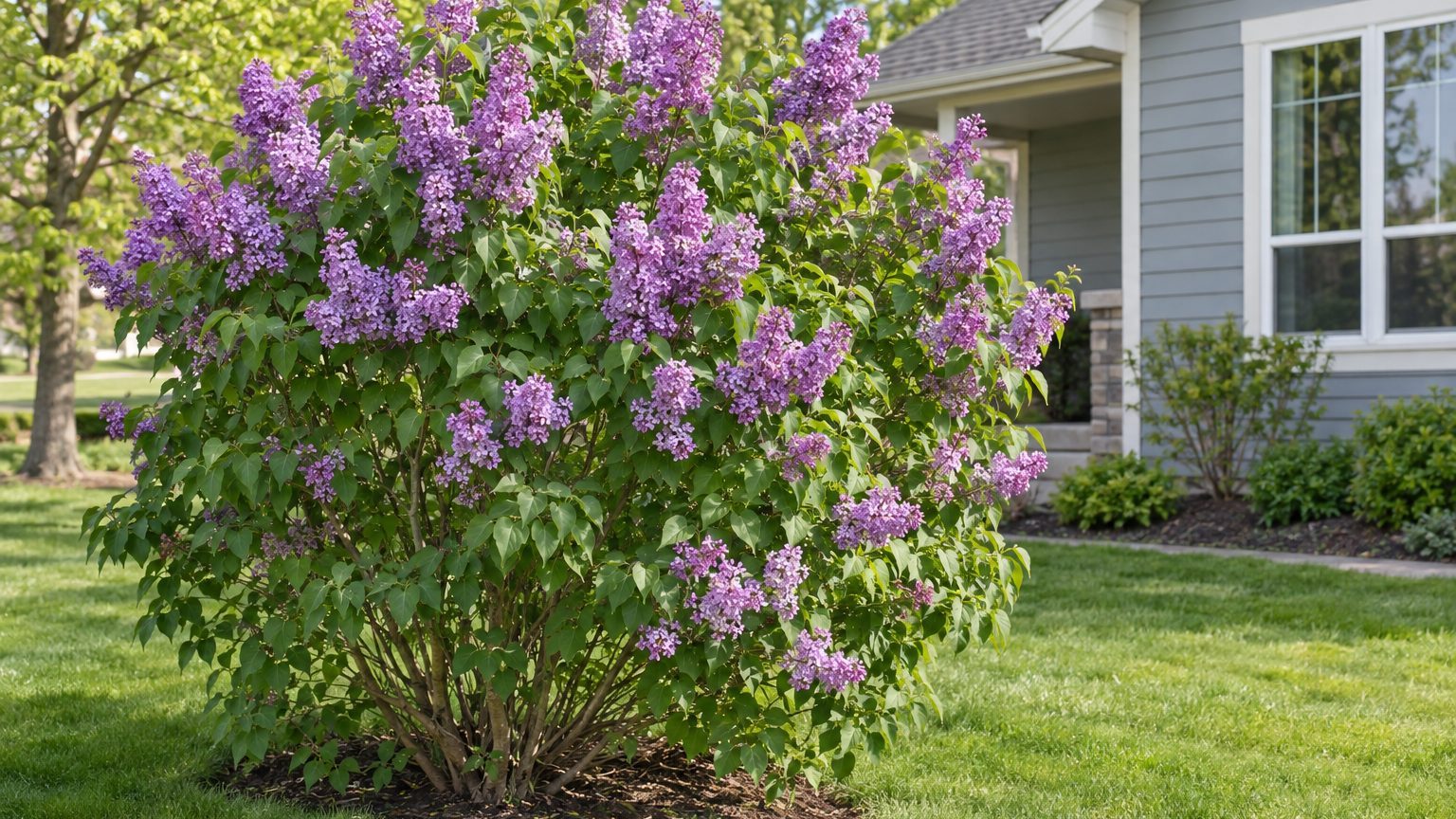
Lilac clusters open in Alaska once the long June days settle in, and in Fairbanks the first ones can show color from late May. The shrub you plant and the chill of your corner of the state decide where your lilac lands in that stretch. A short season leaves little room for guessing, so timing matters.
When Do Lilacs Bloom in Alaska?

Lilacs in Alaska bloom in June, and in Fairbanks they can start as early as late May, with late cultivars holding off until the second or third week of June. The year around a lilac runs like this.
- In early spring, the buds swell as the snow goes and the soil thaws. The last frost falls between May 3 and May 12 in Anchorage, so tender new growth can still get nipped.
- In late May and June, the flowers open. Common lilacs in Fairbanks come first, and late cultivars follow after them.
- Right after the flowers fade, in June and July, is the time to prune, while the shrub is pushing out the growth that will carry next year’s blooms.
- Through the rest of summer, the shrub sets next spring’s flower buds on that new growth, so the shaping is already done.
- In fall, the first frost arrives between September 22 and October 1 in Anchorage, and the leaves drop as the plant shuts down.
- In winter, the bare shrub sits dormant under cold and snow, and that rest is what readies the buds for the next June.
Anchorage is milder than the Interior and the north, with about 143 frost-free days. Across the state, USDA hardiness zones run from 1a to 8a, so your own zone matters more than any single date.
Alaska — the year and the numbers
- State
- Alaska
- USDA zones
- 1a-8a
- Last spring frost
- May 3 to May 12
- First fall frost
- September 22 to October 1
- Annual rain
- 16 in
- Lawn zone
- cool-season
- Source
- NOAA NCEI 1991-2020 Climate Normals, 32F freeze probabilities · Anchorage
Which Lilacs Grow Best in Alaska?
Lilacs can suit Alaska well when their hardiness matches the site. They want a cold winter rest to mature their flower buds, and Alaska supplies it, while hot, humid summers are what trouble them elsewhere. The real question is how much cold a given cultivar can take.
Hardiness drives the choice, and bloom time is useful too, because a late bloomer opens after the common lilac and can stretch the show.
| Lilac type | How it does in Alaska | Why |
|---|---|---|
| Common lilac | Flowers from late May in Fairbanks | Most cultivars are hardy to Zone 3 |
| Sensation (a common lilac cultivar) | A poor pick for North Pole and colder parts of Fairbanks | Hardy only to Zone 3 |
| Late-blooming lilac | A winter-hardy selection flowers in the second or third week of June | Winter hardy, and opens after the common lilac |
In the milder pockets, such as Anchorage, a wider range of common lilac cultivars is worth trying. In the colder Interior, favor a lilac known for winter hardiness over one that merely survives, because a hard winter can cost you the flowers for the following June.
When to Plant, Prune and Feed Lilacs in Alaska
Pruning is the job with a firm window here. A lilac blooms on last year’s wood, so cutting in late summer, fall or winter removes the flower buds already set for the following spring.
Planting and feeding follow the soil more than a set month. Plant once the ground has thawed and can be worked, and feed lightly as growth starts in spring.
| Task | Best timing in Alaska | Why then |
|---|---|---|
| Routine pruning and shaping | June and July, right after the flowers fade | Next year’s buds have not set yet, so nothing is lost |
| Hard cut on an overgrown shrub | Late winter, while the shrub is still dormant | The plant regrows from the cut, but it will not flower for a few years afterward |
| Admiring and judging the bloom | June, with Fairbanks lilacs starting in late May | Shows which stems carried flowers and where to cut |
For local timing and cuts, start with the University of Alaska Fairbanks Cooperative Extension. When you prune, do it right after the last cluster browns.
How Lilac Bloom Time Changes Across Alaska
Bloom time moves with how much cold and how short a season your spot gets, and the difference between Anchorage and the Interior is wide.
- Anchorage: The season is longer and gentler than in the Interior, so more lilac cultivars come through winter in good shape and the shrub has more room before fall frost.
- Fairbanks: Common lilacs open from late May, and late cultivars wait until the second or third week of June. Colder spots in town call for the hardier types.
- North Pole: Winters run colder here, so a cultivar rated only to Zone 3 is a gamble. A hardier lilac keeps its flower buds through the cold.
Farther north the season shortens still, so winter hardiness matters even more.
Where to Get Lilac Advice in Alaska
For a lilac that will not bloom or a leaf problem you cannot name, University of Alaska Fairbanks Cooperative Extension is the place to start. Local offices can answer what a photo cannot.
- The extension website carries guidance on choosing lilacs by bloom time, handy before you buy a shrub for a cold spot.
- A local extension office can help diagnose a struggling lilac, so bring a leaf or a twig with the problem on it.
- A soil test through the same office is worth doing once the ground thaws in spring, before you plant or feed.
Common Questions
Why Does a Lilac Have Leaves but No Flowers?
Look for lush green growth with few buds, and check whether the spot sits in shade for much of the day. That pairing points to too little sun, since a bright location supports flowering. Moving a young shrub or trimming nearby branches often helps.
Should You Remove the Faded Flower Clusters?
Snipping off the spent clusters just below the flower head keeps the shrub tidy. Do it right after the blooms fade, at the same time as any pruning, and stop once the shrub starts forming next year’s buds.
Does Alaska’s Long Summer Daylight Help Lilacs?
Long daylight partly makes up for the short growing season, so a lilac packs a lot of growth into the warm months. It does not replace the cold winter rest the buds still need, so hardiness stays the deciding factor.