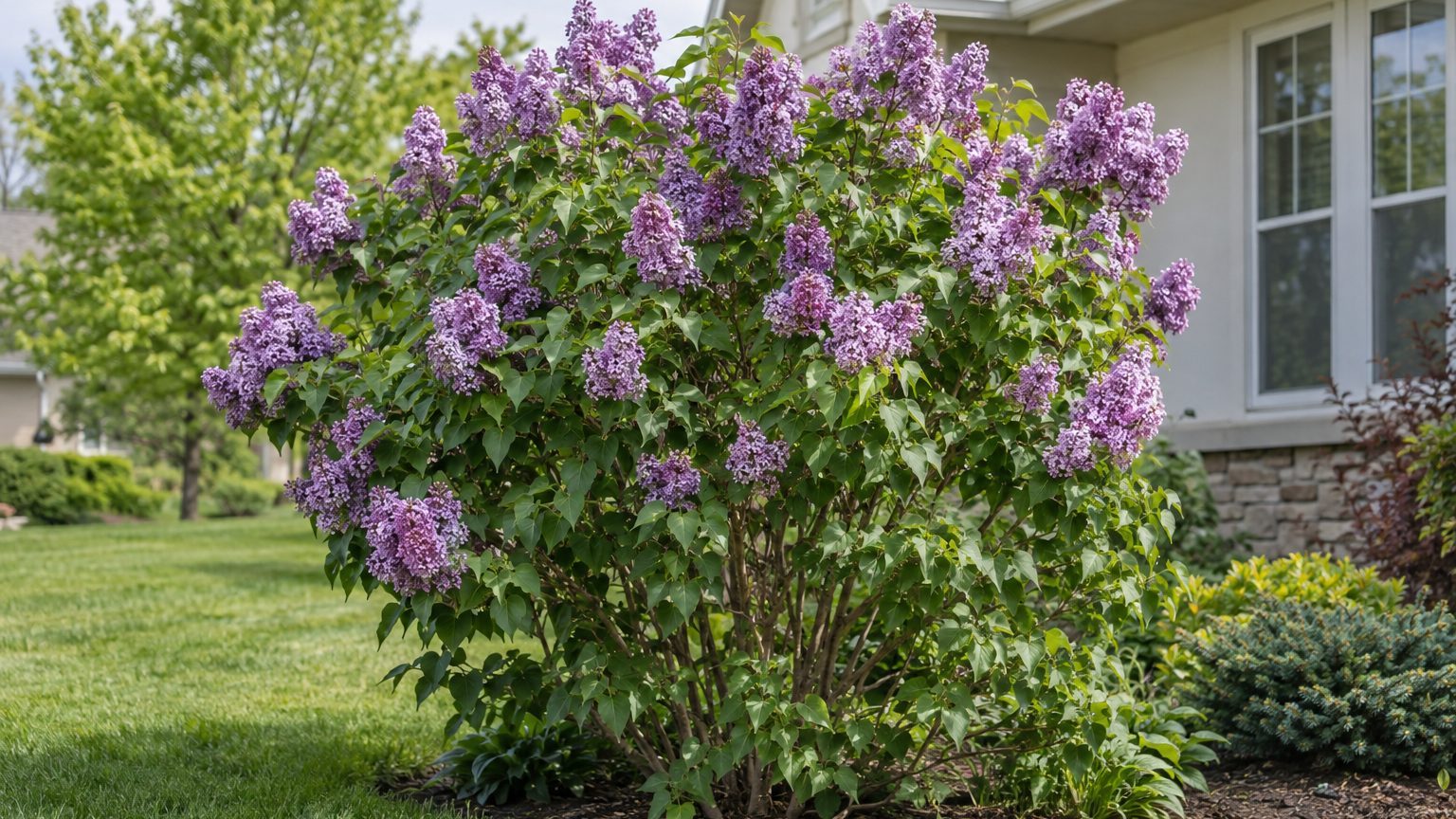
Lilac season in Idaho arrives with a scent that carries across the fence long before you see the first cluster. Those flowers are the payoff for a plant that wants cold winters and sun.
When Do Lilacs Bloom in Idaho?

Lilacs in Idaho bloom in May and June, with late spring running into the start of summer. The year around the shrub follows a steady rhythm.
- In late winter, from March into April, an overgrown lilac can be cut back hard, though that cut costs the next flowers.
- In May, the main bloom opens, and the later types carry the show into June.
- In June, right after the last flowers fade, is the time to prune, because the buds for next year form in June and July.
- Through summer, the shrub sets those buds on this year’s new growth, so leave the branches alone.
- From late fall into winter, the lilac rests in the cold, and that rest is what ripens the flower buds.
Frost shapes the edges of that year. In Boise, the last spring freeze usually falls between April 23 and May 7, and the first fall freeze between October 7 and October 21. Boise sits in a low valley, so higher and colder parts of Idaho have far shorter seasons. USDA hardiness zones across the state run from 3b to 7b.
Idaho — the year and the numbers
- State
- Idaho
- USDA zones
- 3b-7b
- Last spring frost
- April 23 to May 7
- First fall frost
- October 7 to October 21
- Annual rain
- 12 in
- Lawn zone
- transition-season
- Source
- NOAA NCEI 1991-2020 Climate Normals, 32F freeze probabilities · Boise
Which Lilacs Grow Best in Idaho?
Lilacs suit Idaho well. They need a cold winter rest to set their flower buds, and they struggle in hot, humid summers. Idaho’s cold winters give them that rest, and sunny sites with good air circulation keep them healthy.
Common lilacs suit cold-winter Idaho gardens. Early bloomers need a little more thought about frost.
| Lilac type | How it does in Idaho | Why |
|---|---|---|
| Common lilac | Thrives in sunny, cold-winter yards | Gets the winter rest that ripens its buds |
| Hyacinthiflora hybrids | Very hardy, best where May frosts are less frequent | Bloom earlier than French hybrids, so frost can catch the buds |
| French hybrids | Reliable in most settings | Open later than Hyacinthifloras, so spring frost is less likely to catch them |
| Japanese tree lilac | Flowers into June | Closes the lilac season after other types fade |
Pick the spot as carefully as the type. Choose a site with full sun, good air circulation and enough room around the shrub.
When to Plant, Prune and Feed Lilacs in Idaho
Timing for pruning matters most, because a lilac blooms on last year’s wood. Pruning in late summer, fall or winter cuts off the next spring’s flowers. Boise’s frost dates describe the valley floor only, so higher yards run later in spring.
| Task | Best timing in Idaho | Why then |
|---|---|---|
| Enjoy the bloom | May into June | Late spring flowering, with later types reaching June |
| Routine pruning | June, right after the flowers fade | Next year’s buds form in June and July |
| Hard renovation cut | March or April, while the plant is dormant | Removes old growth, but the shrub will not flower for a few years afterward |
If June slips by, pruning can also wait into July, though sooner means more buds are spared. Planting and feeding have no firm month here, so follow the plant. Set a new lilac in the ground while the soil is workable and the weather is mild, and feed lightly after the flowers fade rather than pushing leafy growth. For pruning in detail, the page on when to prune lilacs in Idaho goes deeper.
How Lilac Bloom Time Changes Across Idaho
Idaho stretches from low river valleys to cold mountain basins, and the lilacs follow the elevation. Warmer ground opens first and colder ground later.
- Boise and the Treasure Valley: Spring warms early on the low valley floor, so lilacs open sooner than in the hills. Early bloomers face more risk from a late freeze here.
- Sun Valley and the Wood River Valley: Higher elevation means a shorter, cooler season, so bloom comes later and often runs into June.
- Coeur d’Alene and the northern Panhandle: Cooler spring weather holds the flowers back compared with the southwest, and the cold winters suit lilacs well.
Within one town the same pattern repeats on a small scale, since a sheltered south wall opens its flowers ahead of a shaded north side.
Where to Get Lilac Advice in Idaho
For a sick shrub, a shrub that will not flower, or a soil question, local help gives answers fitted to your elevation and soil.
- University of Idaho Extension offers lilac guidance and plant help, and spring is a good moment to ask before the buds open.
- Your county extension office can take a soil test and look at a sample of a struggling branch, ideally before you plant or feed.
- Master gardener volunteers through the county office can answer bloom and pruning questions in season.
Common Questions
Why Is My Lilac Not Blooming in Idaho?
Look at the pruning history and the light. A shrub trimmed in late summer, fall or winter loses its flower buds, and a shaded one makes leaves in place of flowers. A late freeze can also kill buds that opened early, which is more likely with early bloomers.
Can You Plant a Lilac in Idaho in Summer?
Summer planting is possible with careful watering, but heat stresses a new shrub. Mild weather in spring or fall gives the roots an easier start, and a sunny spot with good air flow matters more than the exact day.
Do Lilacs Need Winter Protection in Idaho?
Established lilacs do not need wrapping, since they depend on cold to ripen their buds. A layer of mulch over the roots and steady moisture before the ground freezes help a young plant settle in.