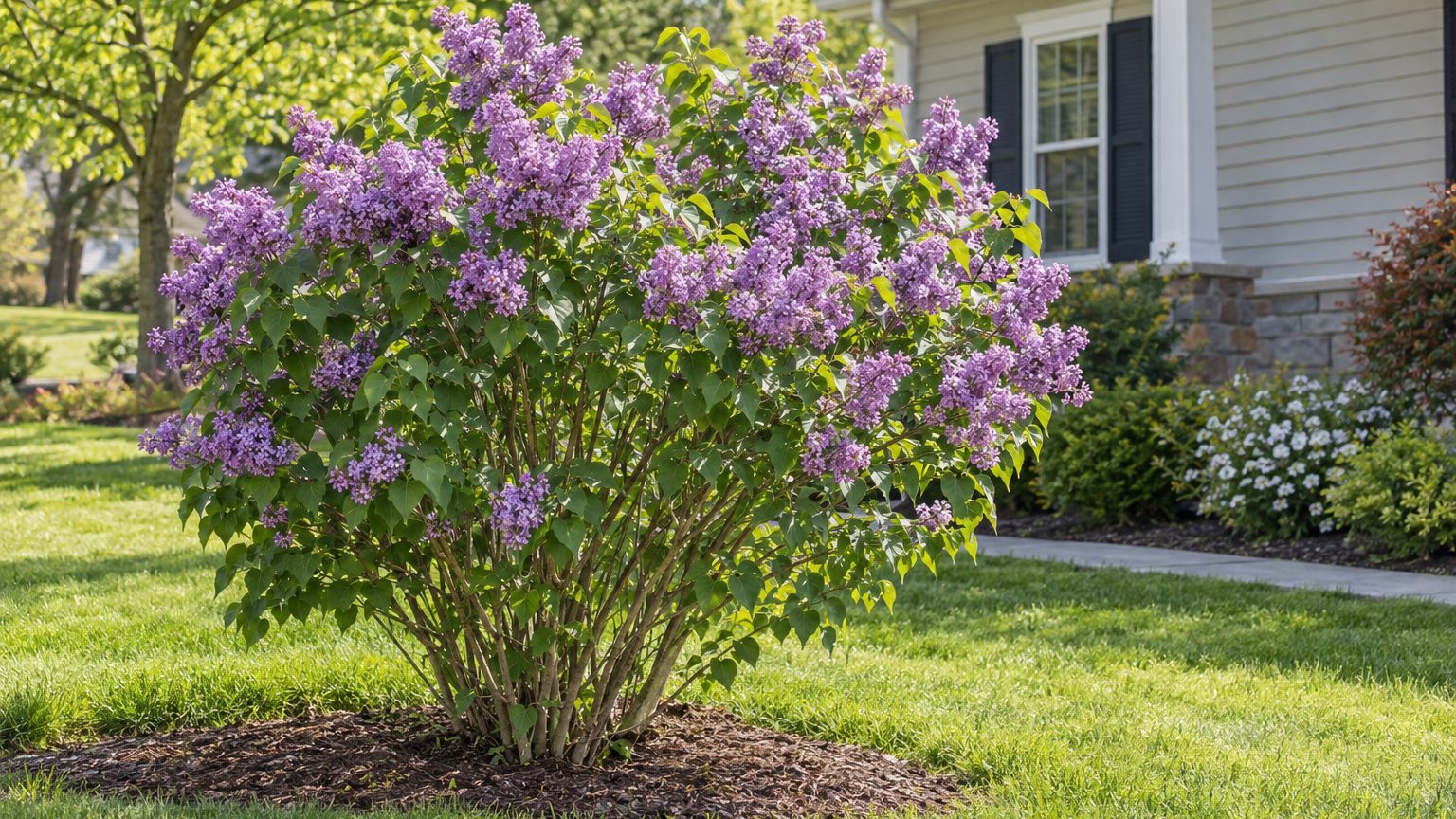
Lilac scent drifting across a Tennessee yard in spring is one of the season’s small rewards, and the shrubs do grow here. Lilacs in Tennessee bloom in spring, some kinds cope better with the state’s summers, and well-timed yard care helps the flowers return.
When Do Lilacs Bloom in Tennessee?

Lilacs in Tennessee bloom in April and May, and some species carry flowers into June, so the display unfolds across spring.
- In April and May, the common lilacs open, and some species keep going into June if you plant a mix.
- Right after the flowers fade, in May or June, is the time to prune, because the shrub starts building next year’s buds soon after it blooms.
- Through summer, the new flower buds form on the fresh growth, so leave the shears alone once the pruning window closes.
- In fall and winter, the shrub rests and the buds mature in the cold, which is why pruning then would cut off spring flowers.
- In March or April, an overgrown lilac can be cut back hard while it is still dormant, at the price of the next flowers.
Frost shapes the edges of the season. The last spring freeze at the Nashville reference point falls between March 31 and April 12, and the first fall freeze arrives between October 28 and November 8. The USDA hardiness zone range for the state is 5b to 8a, so a yard in the cooler east may differ from one in Middle Tennessee.
Tennessee — the year and the numbers
- State
- Tennessee
- USDA zones
- 5b-8a
- Last spring frost
- March 31 to April 12
- First fall frost
- October 28 to November 8
- Annual rain
- 51 in
- Lawn zone
- transition-season
- Source
- NOAA NCEI 1991-2020 Climate Normals, 32F freeze probabilities · Nashville
Which Lilacs Grow Best in Tennessee?
Lilacs can work in Tennessee, but they lean toward colder climates. They need a cold winter rest to mature their flower buds, and they struggle in hot, humid summers, which Tennessee has plenty of.
Cooler parts of the state generally offer more winter chill, but poor flowering can also have other causes.
| Lilac type | How it does in Tennessee | Why |
|---|---|---|
| Common lilac (Syringa vulgaris) | Blooms best where winters are cold enough | Its flower buds need a period of winter chill to develop and bloom fully |
| A mix of species with different bloom times | Stretches the show from April into June | Each species has its own flowering time |
| Any lilac in a hot, humid spot | Struggles | Summer heat and humidity work against flower bud development |
Warmer winters make the common lilac a less certain bet over time, so plant it where it gets sun and air movement, and expect better flowering the colder your winters run.
When to Plant, Prune and Feed Lilacs in Tennessee
Pruning is the job where timing matters most. A lilac blooms on last year’s wood and sets next year’s flower buds in summer, soon after it flowers, so shears belong in the shrub only right after the blooms fade.
| Task | Best timing in Tennessee | Why then |
|---|---|---|
| Enjoy the bloom | April and May, with some species into June | Different species open at different times |
| Routine pruning | May and June, right after the flowers fade | Buds for next spring form soon after flowering |
| Hard renovation cut | March and April, while the shrub is dormant | Old, overgrown stems can be renewed, but flowering stops for a few years |
Pruning in late summer, fall or winter removes the coming spring’s flowers. Planting and feeding have no month in this calendar, so choose a sunny spot with good drainage and let a local soil test guide any fertilizer. The full pruning routine has its own page for Tennessee.
How Lilac Bloom Time Changes Across Tennessee
Tennessee stretches a long way from the Mississippi River to the Appalachians, and spring arrives on a different schedule along the way.
- East Tennessee: Cooler here, so spring runs later than in Nashville and lilacs tend to open a little behind Middle Tennessee yards.
- Cumberland Plateau: The higher ground is also cooler and later in spring, and the colder winters suit lilacs well.
- Nashville and Middle Tennessee: Spring comes earlier, so blooms arrive sooner, though the warmer winters give lilac buds less chill.
Watching your own shrub from spring to spring tells you more than any general date, and the cooler the spot, the later the flowers open.
Where to Get Lilac Advice in Tennessee
When a lilac refuses to flower or the leaves look wrong, local help can sort out the cause. University of Tennessee Extension offers plant advice through its county offices.
- Your county extension office can look at a leaf or branch sample and help with a diagnosis, so bring a cutting with healthy and affected tissue side by side.
- A soil test through the county office is worth doing before you plant or feed, ideally in a season when the ground is workable.
Common Questions
Why Is My Lilac Not Blooming in Tennessee?
Look at when it was last pruned and how warm the winter was. Pruning in late summer, fall, or winter removes the buds, and mild winters give them too little chill. Check the amount of sun as well, since lilacs flower best in full sun.
Can You Grow Lilacs in Hot, Humid Parts of Tennessee?
They can survive, but they struggle with hot, humid summers and flower less reliably than in cold-winter climates. A sunny spot with open airflow can help.
Should You Cut Back an Overgrown Lilac in Tennessee?
You can, in March or April while it is dormant. Expect no flowers for a few years afterward. If you want to keep some blooms, thin the oldest stems gradually and prune right after flowering instead.