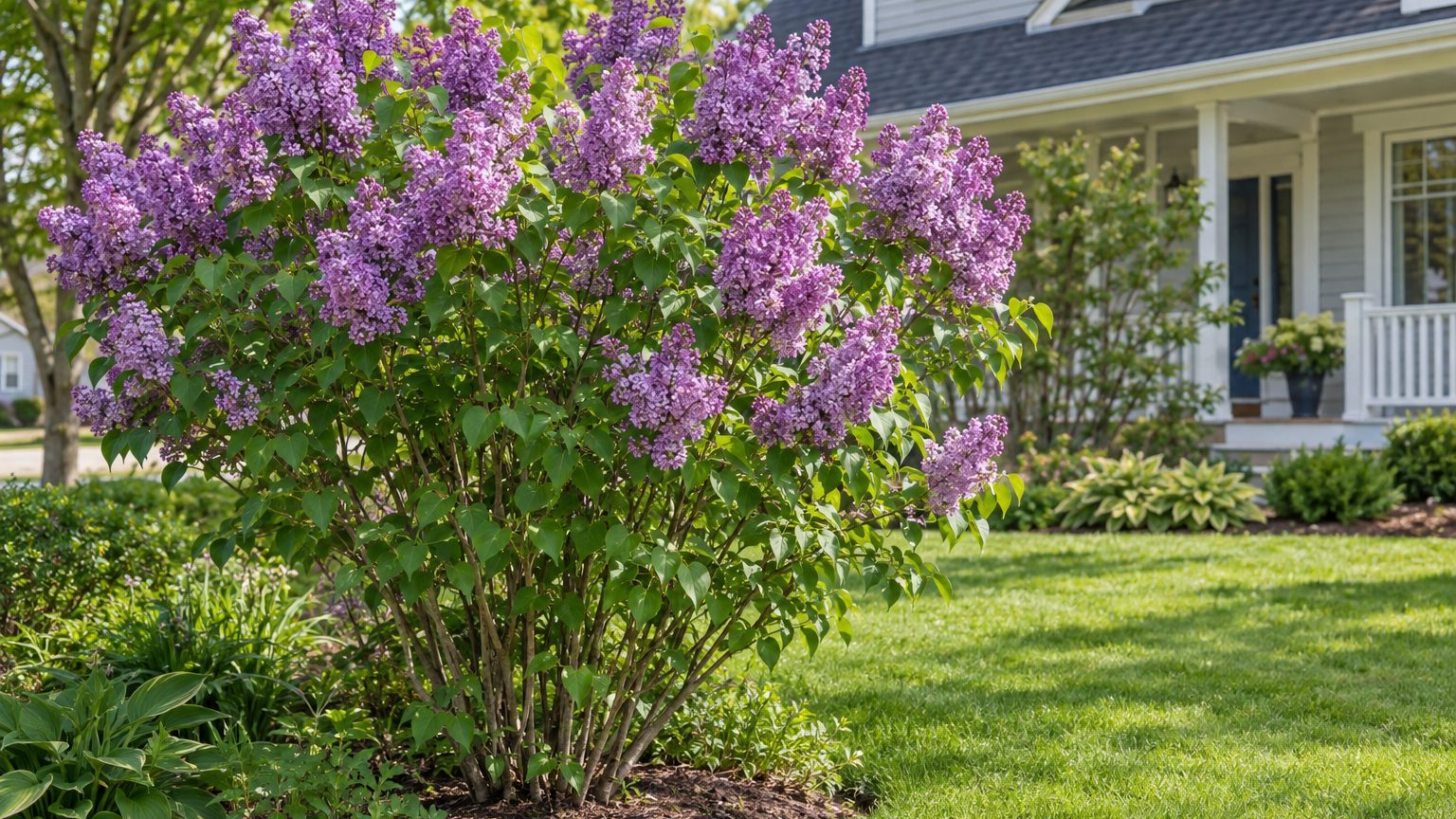
When lilac buds swell and the first purple clusters open, the whole yard seems to wake at once. On Prince Edward Island that moment arrives in spring, and it shapes every lilac job that follows. This seasonal rhythm explains when to enjoy the bloom and how to protect the buds that follow.
When Do Lilacs Bloom in Prince Edward Island?

Lilacs on the Island flower from April into May, and later species can carry the show into June. The calendar here follows the nearest comparable climate, so confirm local timing with a garden centre, a garden society or a provincial gardening group. A lilac’s year runs like this:
- In April and May, the buds open and the main bloom arrives, usually late April into May.
- In May and June, once the flowers fade, is the time to prune, because the shrub is already forming next year’s buds.
- In summer, the new flower buds set on this year’s growth, so the shrub should be left alone and kept in sun with good air around it.
- Through fall and winter, the plant rests, and the cold of winter is what finishes those buds.
- In March and April, while the shrub is still dormant, an overgrown lilac can be cut back hard, at the price of the next flowers.
At Charlottetown, the last spring frost falls on average around May 16, which means frost can still arrive later in about half of all years. Treat that date as the middle of a window, never as a safe day. At Charlottetown, the first fall frost comes around October 17 on average, so that date is a midpoint rather than a safe deadline. Charlottetown is in Canadian hardiness zone 5b, a rating that does not convert to a USDA zone. Spring runs later in northern or upland districts than it does in Charlottetown.
Prince Edward Island — the year and the numbers
- State
- Prince Edward Island
- Hardiness zones
- 5b
- Last spring frost
- May 16
- First fall frost
- October 17
- Annual rain
- 46 in
- Lawn zone
- cool-season
- Source
- Environment and Climate Change Canada — Canadian Climate Normals 1981-2010, station CHARLOTTETOWN A · Charlottetown
Which Lilacs Grow Best in Prince Edward Island?
Lilacs suit the Island well. They are cold-climate shrubs, and the chill of winter is what matures their flower buds. A cold winter rest suits them, and a hot, humid summer does not.
The Island’s cool, breezy summers keep them comfortable. Sun and good air circulation help lilacs thrive.
| Lilac type | How it does in Prince Edward Island | Why |
|---|---|---|
| Lilacs that bloom late April into May | Reliable, the usual Island bloom | Cold winters finish the buds before spring |
| Later-blooming species | Extend flowering into June | They open after the main spring wave |
| Lilacs in sun with open air | Flower and stay healthy | Sun feeds the buds and moving air dries the leaves |
| Lilacs in a close, damp corner | Struggle to flower well | Lilacs dislike heavy humidity and crowded air |
A sunny, open spot does more for a lilac here than shopping for a particular type. Give the shrub room, and keep it out of the stagnant corners between buildings and hedges.
When to Plant, Prune and Feed Lilacs in Prince Edward Island
Lilacs bloom on last year’s wood, so the timing of any cut decides next spring’s flowers. Pruning in late summer, fall or winter removes buds that are already set.
Detailed pruning steps are on the page “When to Prune Lilacs in Prince Edward Island.”
| Task | Best timing in Prince Edward Island | Why then |
|---|---|---|
| Routine pruning | May and June, right after the flowers fade | Next year’s buds have not set yet, so nothing is lost |
| Hard renovation cut of an overgrown lilac | March and April, while the shrub is dormant | The plant is still asleep, but it will not flower for a few years afterward |
| Enjoying the bloom | April and May, with June for later species | The shrub is in flower and needs no work |
For planting and feeding advice suited to your site, ask a local garden centre. Wherever the shrub goes, give it room to grow, since lilacs sulk in crowded conditions.
How Lilac Bloom Time Changes Across Prince Edward Island
The Island is small, but the sea and the lay of the land still move bloom time from one district to the next. Some parts of the Island wake earlier than others.
- Charlottetown and the south-central area: Lilacs here follow the usual rhythm, and the frost dates quoted above come from this part of the Island.
- The North Shore, facing the Gulf of St. Lawrence: Cool air off the water holds spring back, so lilacs here tend to open later than in town.
- Northern or upland districts: Spring runs later here, so bloom can shift toward June.
A sheltered yard with a wall or hedge on the windward side opens sooner than an exposed one a short distance away. Recording your shrub’s bloom each spring reveals its local pattern.
Where to Get Lilac Advice in Prince Edward Island
For questions about lilacs and local timing, ask a local garden centre or garden society.
- The Prince Edward Island Department of Agriculture is a starting point for local agricultural information.
- A local garden centre can tell you how lilacs in your district are behaving, and a garden society or master gardener group can compare notes with neighbours.
- Write down the day your own lilac opens each spring, so the next year’s timing is easy to predict.
Common Questions
Where Should You Plant a Lilac on the Island?
Pick a sunny site with good air circulation. Keep it out of damp, enclosed corners, since lilacs struggle in humid, still air.
Why Did a Healthy Lilac Skip Its Flowers?
Look at the leaves and at the pruning history. A shrub with healthy leaves that was trimmed in late summer, fall or winter most likely lost its buds to the shears. A lilac in deep shade that was never pruned is more likely short of sun.
How Do You Know When Your Own Lilac Will Open?
Watch the buds swell in April and note the first open clusters. Your own bloom records are a useful guide to your shrub’s timing.