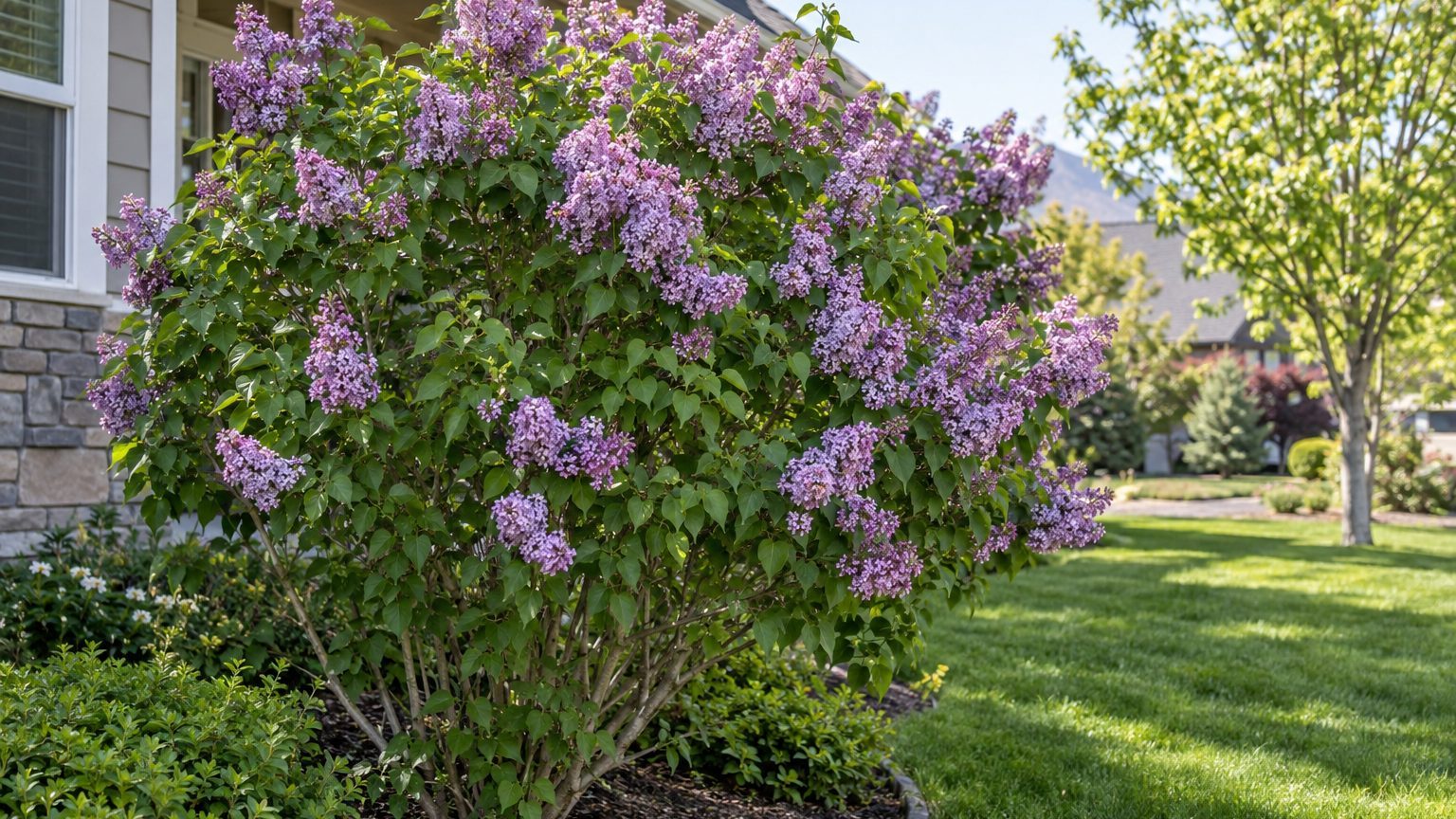
Lilac fragrance drifting over a Utah fence in late spring is a welcome sign that winter is finally behind you. Lilacs in Utah bloom on a schedule shaped by elevation and spring weather, and the kinds that suit the state’s winters, along with the handful of dates that decide whether a shrub flowers well next year, make the difference between a showy yard and a bare one.
When Do Lilacs Bloom in Utah?

Lilacs in Utah bloom from May into June, with late spring carrying the show into early summer. The rest of the year follows a steady rhythm:
- In late winter, an overgrown lilac can be cut back hard in March or April, though that cut costs the next flowers.
- From May into June, the clusters open, as long as late frosts leave the buds alone.
- Right after the flowers fade, usually in June, is the time to prune, and it can still be done in July if the weather got away from you.
- Through the summer months, the buds for next year form quietly on the new growth, so the shrub should be left alone.
- In winter, the bare shrub rests in the cold, and that rest is what ripens the flower buds for spring.
For Salt Lake City, the last spring frost usually falls between April 12 and April 29, and the first fall frost between October 18 and October 29. Utah’s hardiness zones, in the USDA system, run from 4a to 9a, so the valley floor is milder than most of the state, and southern Utah is warmer still.
Utah — the year and the numbers
- State
- Utah
- USDA zones
- 4a-9a
- Last spring frost
- April 12 to April 29
- First fall frost
- October 18 to October 29
- Annual rain
- 16 in
- Lawn zone
- transition-season
- Source
- NOAA NCEI 1991-2020 Climate Normals, 32F freeze probabilities · Salt Lake City
Which Lilacs Grow Best in Utah?
Lilacs do well where winters are properly cold, and most of Utah delivers that. They need the winter rest to mature their flower buds, and they struggle in hot, humid summers, which is why the warmest corners of the state are harder going than the cold benches and mountain valleys.
Pick a sunny spot with good air circulation, since stagnant air favors trouble on the leaves.
| Lilac type | How it does in Utah | Why |
|---|---|---|
| Common lilac | Reliable in the colder zones of the state | Gets the cold winter rest its buds need |
| Hyacinthiflora hybrids | Good where late frosts are less frequent | Very hardy shrubs that bloom earlier than French hybrids |
| French hybrids | Fine in cold-winter areas, later to open | Bloom after the Hyacinthifloras, so spring frost matters less |
| Any lilac in hot, humid summer spots | Struggles | Heat and humidity work against the plant |
Because Hyacinthifloras open early, they deserve a spot where a late freeze is less likely to catch the buds. Lilacs are adapted to the colder zones of the USDA map, and the milder southern parts of Utah sit at the edge of what they enjoy.
When to Plant, Prune and Feed Lilacs in Utah
Lilacs bloom on last year’s wood and set next year’s buds soon after they flower. That single habit decides the calendar: prune right after the flowers fade, because pruning in late summer, fall or winter cuts off the next spring’s flowers.
| Task | Best timing in Utah | Why then |
|---|---|---|
| Enjoy the bloom | May into June | Late spring into June is when the clusters open |
| Routine pruning | June, right after the flowers fade | Buds for next year form in June and July, so the cut must come first |
| Late pruning | July, if June slipped by | Still soon enough to leave most of next year’s buds |
| Hard renovation cut | March or April, in late winter | The shrub is dormant, though the cut costs the next flowers |
An overgrown lilac can be cut back hard in late winter, but it will not flower for a few years afterward. For planting and feeding, get timing for your site from the local extension office. For the full pruning method, the page on when to prune lilacs in Utah goes deeper.
How Lilac Bloom Time Changes Across Utah
Elevation helps set the pace across Utah, and the calendar slides with it.
- Salt Lake Valley: Mild by Utah standards, so lilacs here open earlier than in the higher towns and the spring frost risk ends sooner.
- Park City and the high mountain valleys: Cold nights linger, so bloom comes later, often well into June, and the cold winters suit lilacs nicely.
- St. George and southern Utah: Warmer winters and hot summers make lilacs work harder, with less winter rest for the buds and more stress in summer.
Watch the shrub itself, since swelling buds tell you more than the Salt Lake City calendar does.
Where to Get Lilac Advice in Utah
A shrub that refuses to flower or looks sick is easier to sort out with local eyes on it. Utah State University Extension and the county office near you can help with diagnosis and soil questions.
- The extension website has plant guides written for Utah conditions, worth reading before you buy a shrub.
- Ask your county extension office for advice about your soil or a damaged leaf or branch.
Common Questions
Why Is My Lilac Not Blooming in Utah?
Look at when it was last pruned and how much sun it gets. A cut made after summer removes the buds, and a shaded shrub sets few. If a hard cut was made in March or April, flowers may stay away for a few years.
Can Lilacs Handle Utah Winters?
Yes, and they need them. The cold rest matures the flower buds, which is why lilacs suit the colder zones of the state well.
Do Lilacs Grow in Southern Utah?
They can, but hot summers make them struggle. Choose a spot with sun and good air circulation, and expect a tougher time than in the cold benches and mountain valleys.