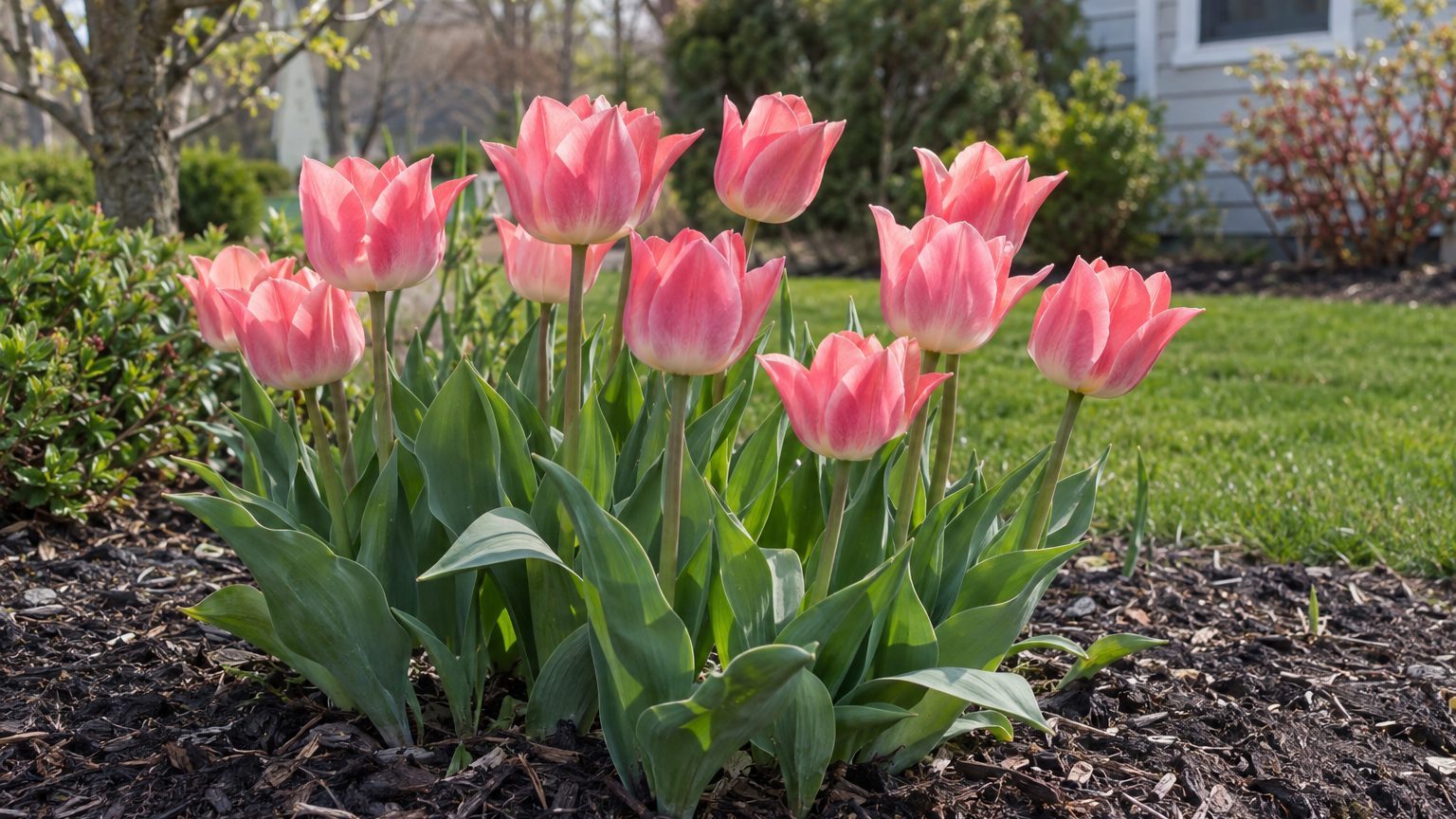
Small, early tulips open while the beds still look bare and the soil is cold. The Lady Jane tulip is one of them.
What Is the Lady Jane Tulip?
Lady Jane is a lady tulip, an early spring blooming perennial bulb. It belongs to the Liliaceae, the lily family, so it is a true tulip rather than a lookalike.
It typically blooms in March and stands 3/4 to 1 feet tall. That short stem keeps it low in the bed, where it fits at the front of a border or in a rock garden.
It naturalizes easily. Left in place, it produces larger colonies with time, which sets it apart from many tulips that fade after a few seasons.
From the almanac
Bulbs in your state
The dates on this page depend on where you live. Your state's page carries its frost dates, its USDA zones and the year laid out month by month.
Northeast
Southeast
- Alabama
- Arkansas
- Delaware
- Florida
- Georgia
- Kentucky
- Louisiana
- Maryland
- Mississippi
- North Carolina
- South Carolina
- Tennessee
- Virginia
- West Virginia
Midwest
Southwest
West
Pacific Northwest
Canada
Where Does the Lady Jane Tulip Grow Best?
It performs best in USDA Hardiness Zones 3-7. Look up your zone before you buy, since a bulb planted outside that range is a gamble.
The conditions it prefers are moist winters and warm dry summers. That pairing explains where it settles in: soil that holds some moisture while the bulb is rooting and growing, then dries out once the plant goes dormant.
Pick a spot where water drains away in summer rather than pooling. A bed that stays wet through the warm months works against the bulb. For zone details in your state, the State by State Garden page for your state is the place to check.
How to Plant and Care for the Lady Jane Tulip Through the Year
Fall
Plant once the soil has cooled below about 60°F. That timing gives roots a chance to form before the ground freezes, yet keeps the bulbs from sprouting in autumn. A bulb still in the bag goes in as soon as the ground can be dug, because late planting beats storing it over winter.
Choose a well-drained spot, since summer dryness matters to this tulip.
Winter
Nothing needs doing beyond leaving the bed alone. Most spring bulbs need about 12 to 16 weeks of cold to flower, and the bulbs spend that time underground, building toward spring.
Where winters are too mild to supply the chill, tulips are chilled in the refrigerator before planting.
Bloom
Flowers typically open in March, low and early. Enjoy them where you can see them from a path or window, since the plants are only 3/4 to 1 feet tall.
Snip off faded flowers if you like a tidy look, but leave the stems and foliage in place.
After Bloom
Leave the leaves on the plant until they turn brown. They feed the bulb for next year, and this is how a colony grows larger over time. Remove only the faded flowers.
Never cut or tie green foliage. Tuck annuals or perennials nearby so they hide the ripening leaves.
Summer
Warm dry summers suit this tulip, so the bed does not need to be kept moist. Avoid planting bulbs where lawn sprinklers soak the soil all summer.
The bulbs rest underground until fall, and the colony is already working toward the next March.
Lady Jane Tulip Weak Points: Animals, Diseases and Staying Power
Voles, squirrels, rabbits and deer eat tulips, so the bulbs and flowers are a target wherever those animals live. Daffodils are left alone, which is worth knowing if you plan a mixed bed.
Tulips in general are often short-lived in the garden, while daffodils last longer. Lady Jane naturalizes easily and with time produces larger colonies.
| Issue | How the Lady Jane Tulip handles it |
|---|---|
| Voles, squirrels, rabbits, deer | They eat tulips, so protect bulbs and flowers where these animals visit |
| Coming back each year | Naturalizes easily and forms larger colonies with time |
| Wet or dry soil | Does best with moist winters and warm dry summers |
Plant bulbs where animal pressure is low, or accept some losses in spots where deer and rabbits roam.
Is the Lady Jane Tulip Right for Your Yard?
It suits yards in Zones 3-7 with well-drained soil, where you want a small early tulip that comes back and spreads. It is a poor match for a bed that stays wet in summer or for a spot with heavy animal traffic.
- Choose it for a front-of-border or rock garden spot where short stems and March bloom will show.
- Skip it if deer, rabbits or voles are regular visitors and you cannot protect the bulbs.
- Look up your zone and local planting months on the State by State Garden page for your state, then buy bulbs to plant in fall.
Common Questions
Can You Plant Lady Jane Tulips That Are Still in the Bag?
Yes. Plant them as long as the ground can be dug, rather than saving them for another year. Late planting beats storage.
What Plant Family Is the Lady Jane Tulip In?
It belongs to the Liliaceae, the lily family, like other tulips.
Do Alliums Need the Same Winter Chill as This Tulip?
Yes. According to Iowa State University Extension, alliums need winter cold to bloom, like other spring bulbs, tulips included.