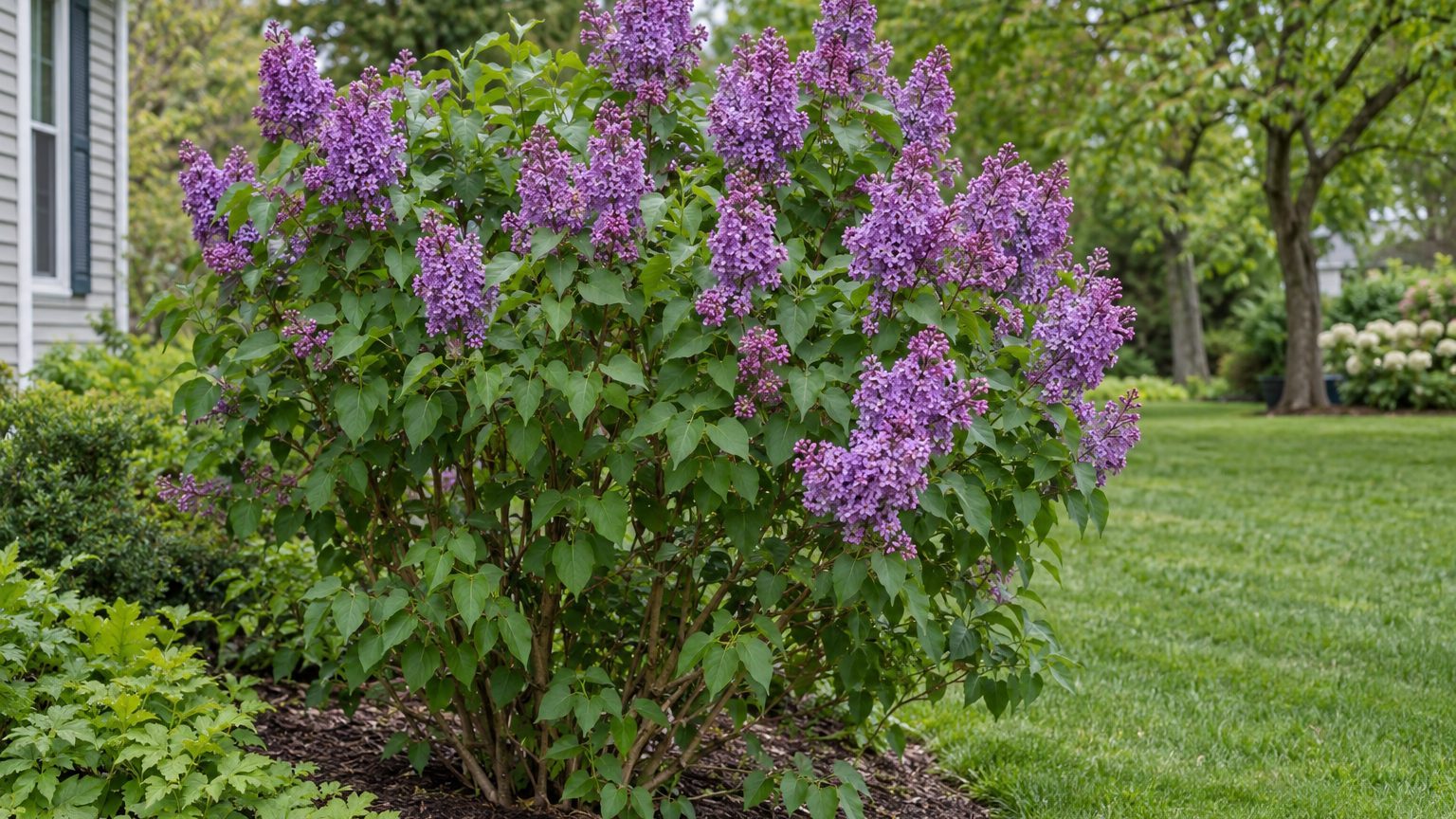
Once the fragrant clusters turn brown in late spring, most lilacs are finished until the following year. A few types flower again in late summer or fall, and they reward a light hand with the shears. Knowing which kind you have, and when to cut, decides how much of that second show you get.
Do Lilacs Bloom More Than Once?
Most lilacs bloom just one time a year. They are programmed to flower in late spring or early summer, and a species that occasionally flowers again in late summer does so rarely and sparsely.
Reblooming types are the exception. In Washington, Bloomerang is noted as a cultivar dating to 2009 that blooms again after its first display. The second crop of flowers runs smaller and thinner than the spring display, so think of it as a bonus.
Climate and the plant’s own habit shape the result, so the state selector just below this section leads to the page for your state.
From the almanac
Lilacs in your state
The dates on this page depend on where you live. Your state's page carries its frost dates, its USDA zones and the year laid out month by month.
Northeast
Southeast
- Alabama
- Arkansas
- Delaware
- Florida
- Georgia
- Kentucky
- Louisiana
- Maryland
- Mississippi
- North Carolina
- South Carolina
- Tennessee
- Virginia
- West Virginia
Midwest
Southwest
West
Pacific Northwest
Canada
How to Prune a Reblooming Lilac

In North Carolina, the advice is to prune right after the spring bloom ends, and these steps follow that rhythm.
- Wait until the spring clusters fade and brown, so that you cut after the flowers have done their work and not before.
- Remove dead, broken or rubbing stems at their base, so that air and light reach the center of the shrub.
- Shorten overlong branches lightly to the shape you want, so that the shrub stays compact without losing much of its framework.
- Step back and look at the outline, so that you stop while the plant still carries plenty of healthy wood.
A tidy shrub is the goal of this pruning. It does not force extra flowers, because the late flush comes from the plant’s own habit and from how it grows through summer.
Reblooming Habits by Lilac Type
Not every lilac that flowers twice does so in the same way. Some give a rare surprise, and others are bred to repeat.
The differences below affect what you can expect and how you should read a flush of late flowers.
| Lilac Type | What changes | Why it matters |
|---|---|---|
| Typical spring lilacs | Flower in late spring or early summer, with an occasional, sparse return in late summer | Late flowers are an oddity, so do not plan around them |
| Bloomerang group | In North Carolina, blooms in spring, then again in summer and fall, on old and new wood | Cuts at the wrong time remove wood that carries buds |
| Fall-selected cultivars | In Iowa, selected for fall bloom, which is usually less full than the spring bloom | A fall flush is expected, so leave it alone |
Miss Kim and Josee are also named as repeat bloomers. If you grow any of these, the habit you see in the yard is normal for the type, and the pruning routine stays the same: light, and soon after the spring show.
Reblooming Lilac Mistakes to Avoid
Pruning Out of Season
Cutting at other times of the year diminishes the next year’s flower display, as North Carolina guidance puts it. Pruning at other times of the year will diminish the floral display in the following year. Hold off until the spring bloom has faded, then make your cuts.
Cutting Hard
Bloomerang lilacs flower on old and new wood, which gives you a safety net but not a license to chop. Keep to light shaping and remove only what is dead, damaged or crowded.
Cutting Off Fall Flowers
New growers sometimes read fall blooms as a mistake and remove them. On these varieties, fall blooms are normal, according to Iowa guidance. Leave them to enjoy and let the shrub carry on into winter.
Reblooming Lilacs in Your State
The sign that starts the work is the spring clusters fading and turning brown. That is the moment for light pruning, and the calendar months vary with local climate.
- The page for your state gives the months for pruning after bloom, so check it before you pick up the shears.
- Return to it in late summer or early fall, when a repeat bloomer may open a second round of flowers.
Common Questions
When Should You Fertilize a Reblooming Lilac?
In North Carolina, the advice is to feed in early spring once the ground has thawed, and again after the spring bloom, to promote a rebloom.
How Can You Tell If a Lilac Is a Reblooming Type?
Look at the plant tag or cultivar name. Iowa guidance notes that these plants are often marketed and sold as special cultivars that regularly bloom in spring and fall, so the label usually says so.
Do Reblooming Lilacs Get Powdery Mildew?
In Maryland, the Bloomerang series is described as resistant to powdery mildew, in addition to its habit of reblooming. Spacing the plants for good air movement still helps any lilac stay clean.