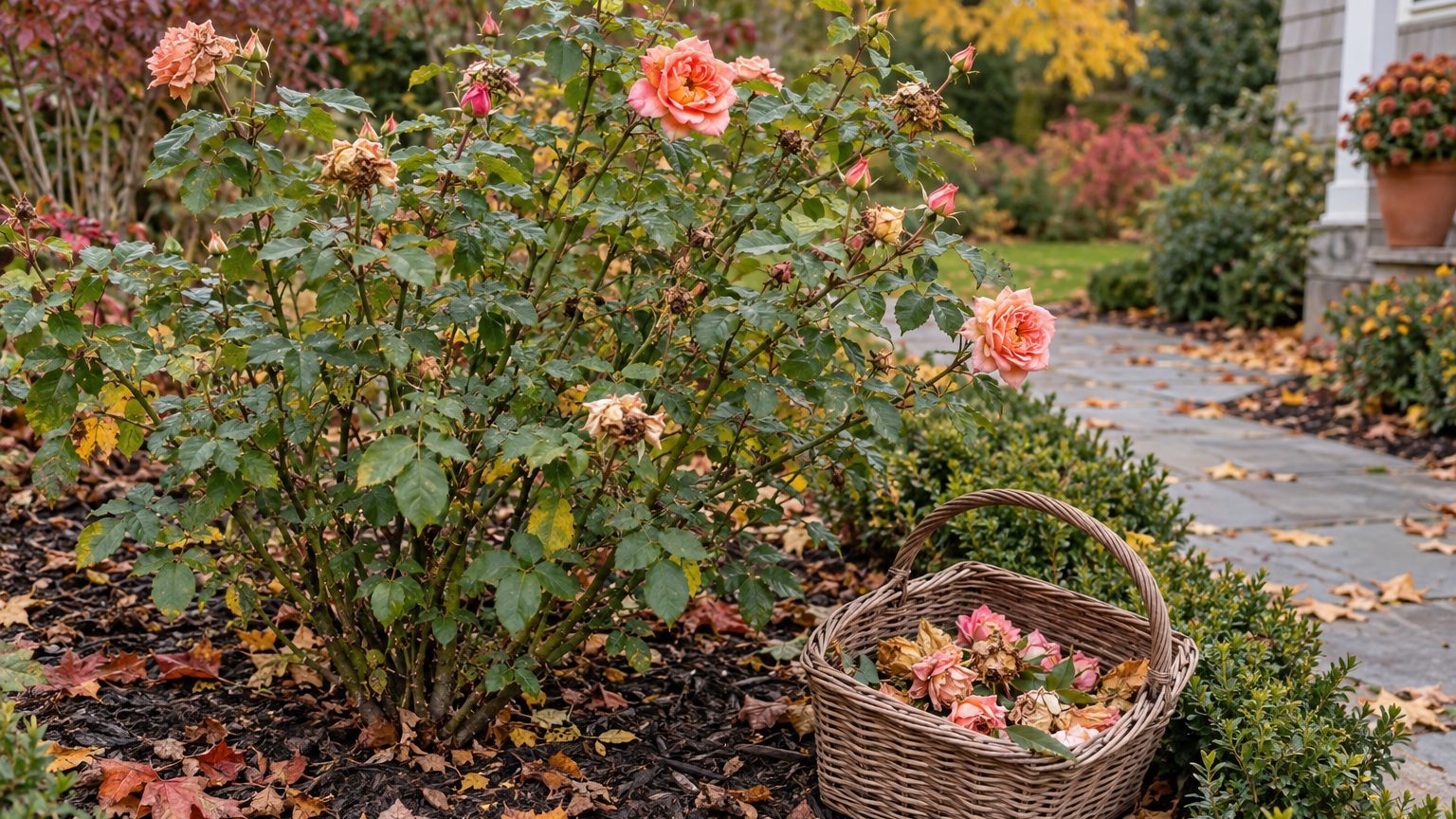
A rose bush that sits there green and flowerless in midsummer is a familiar sight in nearly every yard. The cause may be too little sun, extreme heat, or pruning at the wrong time.
Why Aren’t Your Roses Blooming?
A rose needs enough direct sun, while pruning must match its bloom habit and the time left in the season. In Iowa, the advice is to plant roses where they get 6+ hours of direct sunlight a day. Shade is a common reason for a bush that grows but never flowers.
What changes the picture is the type of rose and the climate. Repeat bloomers produce flowers on new wood and keep cycling, while once-bloomers flower on last year’s wood and give a single show. Heat matters too: in New Mexico, many varieties stop blooming when summer temperatures are above 90° F (35° C).
The state selector just below this section takes you to the page for your state.
From the almanac
Roses in your state
The dates on this page depend on where you live. Your state's page carries its frost dates, its USDA zones and the year laid out month by month.
Northeast
Southeast
- Alabama
- Arkansas
- Delaware
- Florida
- Georgia
- Kentucky
- Louisiana
- Maryland
- Mississippi
- North Carolina
- South Carolina
- Tennessee
- Virginia
- West Virginia
Midwest
Southwest
West
Pacific Northwest
Canada
How to Deadhead Roses

Deadheading means removing a spent bloom so the plant puts its energy into new flowers instead of seed. The right cut depends on the plant’s age and where you garden, but the aim is to keep enough foliage to support new growth.
- Wait until the whole flower or cluster has faded before you cut.
- On an established rose in Iowa, follow the stem down to a 5-leaflet leaf. On young roses in their first growing season in Iowa, the cut goes above the uppermost 3-leaflet leaf instead, which leaves more foliage to feed the plant.
- In Iowa, cut about 1/4 inch above the leaf with hand shears, keeping the cut parallel to the leaf’s angle.
- Cut back to an outward facing bud. In Oregon, the advice is to cut at a 45-degree angle just above an outward-facing bud, which opens the center of the bush to air and sends energy into that bud.
- Leave foliage behind on established plants. In Arizona, keep two 5-leaflet leaves on the stem. In Colorado, retain at least two 5-leaflet leaves on each shoot.
- Stop cutting as the season closes, so the plant can slow down and prepare for dormancy rather than push soft growth that cold will damage.
Timing the last cut depends on where you garden. In Ohio, deadheading much past the end of August leaves too little time for another bloom cycle. In Illinois, the cutoff is October 1, after which you let the plant form hips. In Alaska, a rose that needs 45-50 days to reach a second bloom is pushing its luck late in the season.
Blooming Habits by Rose Type
Rose types differ in how often they flower and in how they respond to a cut. The useful divide is between roses that flower on new wood and those that flower on last year’s wood.
That split decides whether deadheading will bring a second flush at all, and whether a hard prune will remove this year’s flowers.
| Rose Type | What changes | Why it matters |
|---|---|---|
| Repeat-blooming | Flowers on new wood, cycles again after deadheading | In Iowa, deadheading in summer promotes more blooms |
| Once-blooming | Flowers on last year’s wood, one main show | Pruning in early spring removes the buds that would flower |
| Young plants in the first season | Faded flowers are removed above the uppermost 3-leaflet leaf | Energy goes to roots and winter carbohydrate storage, not to maturing fruit |
Because bloom habits can vary within familiar rose groups, check the tag or the grower’s description for your variety.
Mistakes That Cost You Rose Blooms
Planting in Too Much Shade

A rose short of light grows leaves and few flowers. In Iowa, the guide is 6+ hours of direct sunlight a day.
Deadheading Too Late

Cutting spent flowers deep into late summer or fall asks the rose to grow when it should be winding down. In Washington, the advice is to skip deadheading in late summer so the plants can prepare for winter dormancy.
Cutting Back Too Hard
Snipping a stem down to bare wood removes the leaves that feed the next flush. In Iowa, the guidance is to retain at least two 5-leaflet leaves on each shoot. In Georgia, flowers can be expected 8-9 weeks after pruning, so patience after a cut is normal.
When Roses Bloom in Your State
Flowering time varies with climate and rose type. Use the state guide for local bloom timing instead of relying on a national calendar.
- Open your state’s page to see its bloom and pruning months, and check it before the season starts.
- Return to it in late summer, when you need to know when to stop deadheading where you live.
Common Questions
Why Do My Roses Have Leaves but No Buds?
Look at how much sun the bush gets and how recently it was pruned. A rose in shade, or one cut back on a once-blooming type in early spring, often leafs out without flowering. Correct the light if needed, and let a once-bloomer recover from a pruning mistake before judging it.
Can Hot Weather Stop Roses from Blooming?
Yes, for some varieties. In New Mexico, many stop blooming when summer temperatures are above 90° F (35° C).
When Is the Best Time of Day to Cut Roses for a Vase?
In Alaska, roses cut after 4:30 p.m. will last 10 hours longer than ones cut in the morning.