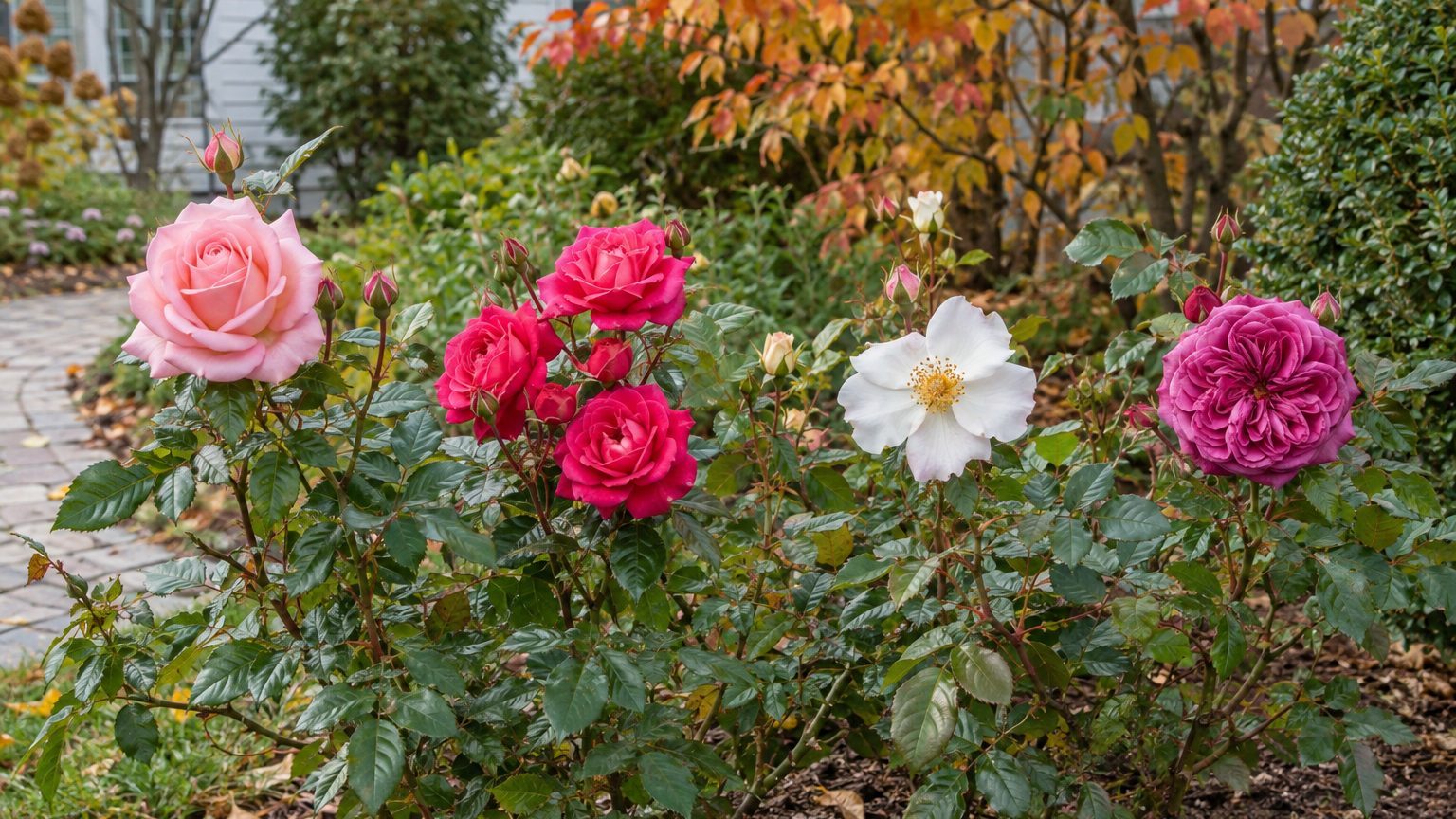
A rose that blooms through June and comes back after a mountain winter is mostly a matter of choosing the right kind before you buy. In West Virginia, that means weighing cold canes against humid summers, when leaf diseases move in. Some groups handle both far better than others.
Best Roses to Grow in West Virginia

Cold-bred cultivars, old garden roses, own-root plants, disease-resistant shrub roses and native species hold up here, because winter can scorch tender canes and humid summers invite leaf disease. USDA hardiness zones run from 5a to 7a across the state, so a rose that sails through one county may need help in another.
Cold-Hardy Cultivars
A rose bred to survive a much colder zone needs little or no added protection in a milder garden. That is a real advantage in the higher parts of West Virginia, where winter can be hard on canes. Check the plant tag for the hardiness the breeder claims, and aim for a rating colder than your own zone.
Old Garden Roses
Many old garden roses tolerate cold well, and they do not want the hard pruning that modern roses get, which can ruin their graceful shape and cut flowering. Most bloom once a year on last year’s wood, so prune them right after the flowers fade, never in early spring.
Own-Root Roses
Own-root roses grow from cuttings rather than being grafted onto a different rootstock. Depending on how hardy the variety is for your zone, they may still need protection. If winter kills the canes, new ones often come up from the deep roots, so the plant has a way back.
Knock Out Roses
Humid summers make black spot a familiar problem on roses, but the Knock Out cultivars are highly resistant to it. That makes them a sensible shrub rose for a front yard where you would rather not spray. Hundreds of hybrids vary widely in disease susceptibility, so a resistant label is worth looking for.
Native Roses
Swamp rose, Carolina rose and Virginia rose are native, non-climbing shrubs of this part of the country, with pink flowers. Climbing rose (Rosa setigera) is a native that can scramble up into taller plants. Natives suit a looser, wilder corner of the garden.
Hybrid Teas and Floribundas
Hybrid teas take considerable damage in cold winters, so they suit the milder valleys and a sheltered spot. Both they and floribundas bloom on new growth. Prune them in March, when the forsythia blooms and the buds begin to swell. February or April also works.
West Virginia — the year and the numbers
- State
- West Virginia
- USDA zones
- 5a-7a
- Last spring frost
- April 9 to April 23
- First fall frost
- October 18 to November 1
- Annual rain
- 46 in
- Lawn zone
- cool-season
- Source
- NOAA NCEI 1991-2020 Climate Normals, 32F freeze probabilities · Charleston
How to Choose a Rose for a West Virginia Garden
Start with the worst thing your yard throws at a rose, whether that is a cold ridge, a damp valley or a busy schedule. The right type follows from that problem, and a plant matched to it usually needs far less rescue work later.
| Your situation | What suits it in West Virginia | Why |
|---|---|---|
| Very cold winter | Cold-bred cultivars or old garden roses | Cultivars bred for colder zones need little added protection, and many old garden roses tolerate cold |
| Humid summer | Knock Out cultivars or other disease-resistant varieties | They resist black spot, which was once very common on landscape roses |
| Little time | Old garden roses | They do not need hard annual pruning |
| Winter dieback worries | Own-root roses | New canes often emerge from deep roots if the old ones die |
| Mild, sheltered spot | Hybrid teas and floribundas | They bloom repeatedly but suffer in hard cold |
Miniature roses are a compact option for a small yard. Whatever you pick, look for disease resistance on the tag before you look at the flower color.
Which Roses Suit Different Parts of West Virginia
Elevation does most of the sorting here, since the state runs from low river valleys to high mountain ground.
- Charleston is the reference point, where frost risk fades between April 9 and April 23. It is gentler on canes than the high country, so hybrid teas and floribundas have a fair chance with a sheltered spot.
- The Allegheny Highlands: higher elevations freeze noticeably earlier in fall, so lean on cold-bred cultivars, old garden roses and own-root plants, and expect to protect canes in a hard winter.
Between those extremes, a rose’s hardiness rating matters more than the county line, so match it to the conditions in your own yard rather than to a general regional guess.
Rose Buying Mistakes to Avoid in West Virginia
Buying a Rose Too Tender for Winter
Hybrid teas are lovely on the tag, but they can suffer considerable damage in cold winters. If your yard sits high or exposed, choose a cold-bred cultivar or an old garden rose instead, and keep the hybrid teas for a sheltered corner.
Choosing a Disease-Prone Variety
Humid West Virginia summers reward the rose that resists black spot and punish the one that does not. A susceptible variety means yellowing, spotted leaves and constant cleanup. Check for disease resistance before you buy, since hundreds of cultivars differ widely, and consider the Knock Out types.
Planting Roses That Need Winter Rescue
A rose whose hardiness falls short of your zone will keep needing protection, and in a hard winter the canes may still die. Own-root plants give you some insurance, because new canes often rise from the deep roots. Pick plants whose hardiness suits your spot from the start.
Where to Get Rose Advice in West Virginia
West Virginia University Extension can help you match a rose to your elevation, soil and disease pressure. Your county extension office offers the same help closer to home.
- The state extension service publishes plant and disease guidance you can read before you shop in spring.
- Your county office can tell you how cold your local ground really gets and which varieties neighbors have kept alive.
- Call before you buy, so a rose chosen for your own hillside or valley is what ends up in the cart.
Common Questions
When Should You Feed Roses in West Virginia?
Feed from April through August, once leaves are out and the plant is growing. March also works if growth starts early. Stop in late summer so new shoots have time to harden before winter.
When Should You Plant Bare-Root Roses?
March and April suit bare-root roses, and February also works when the ground is workable. Plant them while still dormant so roots settle before the weather warms.
Can You Plant a Potted Rose Later than a Bare-Root One?
Yes, potted roses can go in later than bare-root plants. They arrive with leaves and roots already growing, which makes the timing more forgiving.