Skip to content

New Hampshire

  1. Jan
  2. Feb
  3. Mar
  4. Apr
  5. May
  6. Jun
  7. Jul
  8. Aug
  9. Sep
  10. Oct
  11. Nov
  12. Dec
State
New Hampshire
USDA zones
3b-6a
Last spring frost
April 16 to April 27
First fall frost
October 13 to October 26
Annual rain
40 in
Lawn zone
cool-season
Source
NOAA NCEI U.S. Climate Normals 1991-2020, 32F freeze probabilities · Manchester

The year in New Hampshire, from the calendar

  1. Jan—
  2. Feb—
  3. MarFeed hydrangeas · Renew an overgrown lilac · Prune fruit trees
  4. AprSpring bulbs bloom · Plant hydrangeas · Lilacs bloom · Renew an overgrown lilac · Feed roses
  5. MaySpring bulbs bloom · Feed hydrangeas · Plant hydrangeas · Lilacs bloom · Prune lilacs
  6. JunPrune bigleaf hydrangeas · Prune lilacs · Peonies bloom · Feed roses · Mow
  7. JulFeed hydrangeas · Prune bigleaf hydrangeas · Feed roses · Mow · Water
  8. AugPlant hydrangeas · Seed the lawn · Plant peonies · Mow · Plant trees
  9. SepPlant hydrangeas · Seed the lawn · Plant peonies · Aerate · Dethatch
  10. OctPlant spring bulbs · Mow · Plant trees
  11. NovCut back peonies · Protect roses for winter · Mow
  12. DecCut back peonies

From the state frost facts and extension calendars: University of New Hampshire Extension ; University of New Hampshire Extension · Cornell Cooperative Extension (Monroe County) · Clemson HGIC factsheet — Hydrangea · UMass Extension — BMPs for Lawn and Landscape Turf, Appendix B (calendar).

Best Time to Plant Trees in New Hampshire

Best Time to Plant Trees in New Hampshire

Spring planting holes go in easiest once the frost has left the ground, and a tree set in then has a full season to root before winter. In New Hampshire, that means April and May for shade, ornamental and fruit trees, with a fall window for some trees that closes at the end of October.

When Is the Best Time to Plant Trees in New Hampshire?

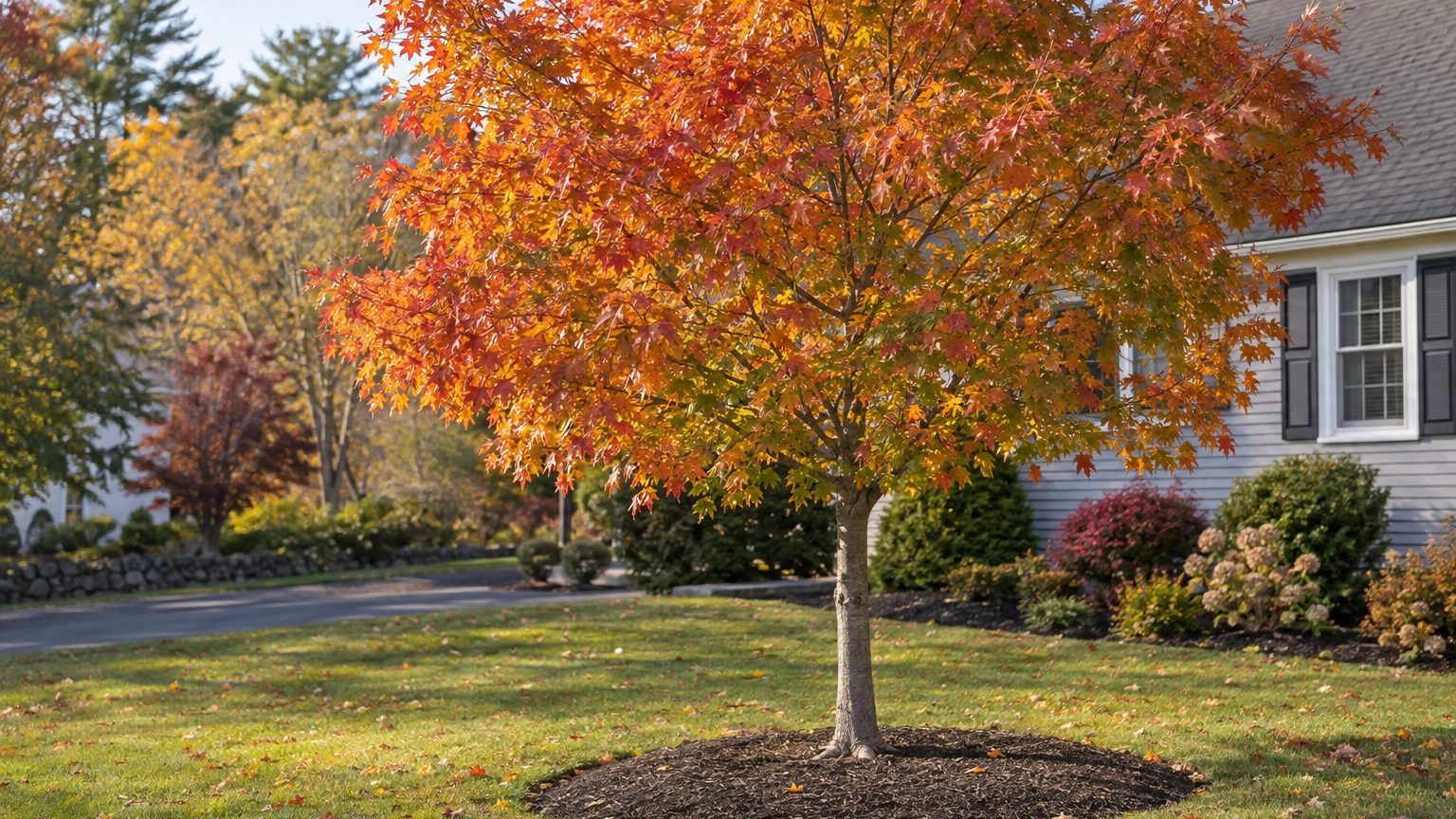
A young shade tree newly planted in a home yard

Shade and ornamental trees go in during April and May, and September and October work as a fallback for trees that handle fall planting well. Here is how the year runs.

  • In April, plant as soon as the frost is out of the ground and the soil can be worked, since roots can start growing before the leaves open.
  • Through May, container and balled-and-burlapped trees can still go in, and planting can run into early June if the root ball is kept watered.
  • In summer, hold off where you can, because heat and dry soil stress new roots more than at any other time of year.
  • In September and early October, fall planting works for trees that tolerate it, because the soil is still warm enough for roots to grow.
  • By the end of October, finish planting, and keep watering a fall-planted tree until the ground freezes.

At the reference city, the last spring frost falls between April 16 and April 27, and the first fall frost between October 13 and October 26. Suburban and rural yards usually see spring frost later and fall frost sooner, often by one to two weeks, and more at elevation, so check your own county. New Hampshire spans USDA hardiness zones 3b to 6a, so a tree that suits the southeast may struggle in the North Country.

When to Plant Fruit Trees in New Hampshire

Fruit trees go in during April and May, in early spring as soon as the frost has thawed from the ground. Bare-root trees are planted while dormant, before the buds open, which in practice means April or early May.

Fall is the wrong time. New England winters are too cold for a newly planted fruit tree to settle in before hard weather arrives.

Kind of fruit tree When to plant in New Hampshire Why then
Bare-root April to early May, while dormant Roots establish before the buds open
Container-grown April and May Spring soil lets roots settle before winter

Container trees can go in through much of the growing season if watered, but they settle best when planted in the dormant season. Bare-root stock usually costs less than potted trees and establishes well when planted on time. Pruning details live on the page about when to prune fruit trees.

Best Trees to Plant in New Hampshire

New Hampshire’s cold winters, its mix of soils and the salt and compaction along roadsides all shape the choice. Native-type trees such as paper birch, aspen and red maple suit local soils, while sugar maple needs a spot away from salt and heat.

Tree How it does in New Hampshire Why
Paper birch Does well in a variety of soils Needs full sun and does best in the open
Aspen Survives best in full sunlight Does not tolerate shade
Red maple Adapts to many soils Often grows where shade-tolerant softwoods once stood
Sugar maple Handsome but fussy Dislikes road salt, compacted soil and heat
Oak Better planted in spring Fall planting suits it less well

Magnolia, tuliptree and ginkgo also do better planted in spring than in fall. Dogwood, sweet gum, hawthorn, poplars, cherries and plums belong on that spring list too. Eastern redbud sits on the edge of hardiness in this part of New England, so give it shelter from drying winds and from ice that can snap its brittle limbs.

When to Plant, Water and Prune Trees in New Hampshire

Planting, watering and pruning each follow a different signal. Planting follows the thaw, watering follows the ground freeze, and fruit tree pruning follows the buds.

Task Best timing in New Hampshire Why then
Plant shade and ornamental trees April and May, or September and October Soil is workable and roots can grow
Plant fruit trees April and May, never in fall Winters are too cold for new fruit trees
Water a young tree Regularly through the first season, and in fall until the ground freezes Roots are still small and the soil dries out
Prune fruit trees March and April, while dormant Least effect on winter hardiness and tree health

Pruning in fall or early winter is avoided, because new growth may not harden before the cold. Apples are pruned first and peaches last, closest to bloom, since peach flower buds are easily hurt by cold.

Where to Get Tree Advice in New Hampshire

Questions about which tree suits a particular lot, or whether the soil needs testing, are best taken to local experts who know New Hampshire ground.

  • University of New Hampshire Extension publishes guidance on selecting, planting and caring for landscape trees, which is worth reading before spring planting begins.
  • Your county extension office can advise on species for your site and arrange a soil analysis, so call in late winter before the ground thaws.

Common Questions

Can You Plant a Tree in Summer in New Hampshire?

Container trees can survive it with steady watering, but summer is a hard season to start a tree. Heat and dry soil press on young roots, so a spring or early fall planting gives a better start.

Should You Remove the Burlap When Planting a Balled-and-Burlapped Tree?

Set the root ball in the hole at the right height, then cut away the wire basket and fold back or remove the burlap from the top. Leftover wire and treated cloth can keep roots from spreading into the surrounding soil.

How Should You Mulch a Newly Planted Tree?

Spread mulch in a wide ring over the root zone, and keep it pulled back from the trunk. Mulch piled against the bark holds moisture where it does not belong, and it can invite rot at the base.
Best Peonies for New Hampshire

Best Peonies for New Hampshire

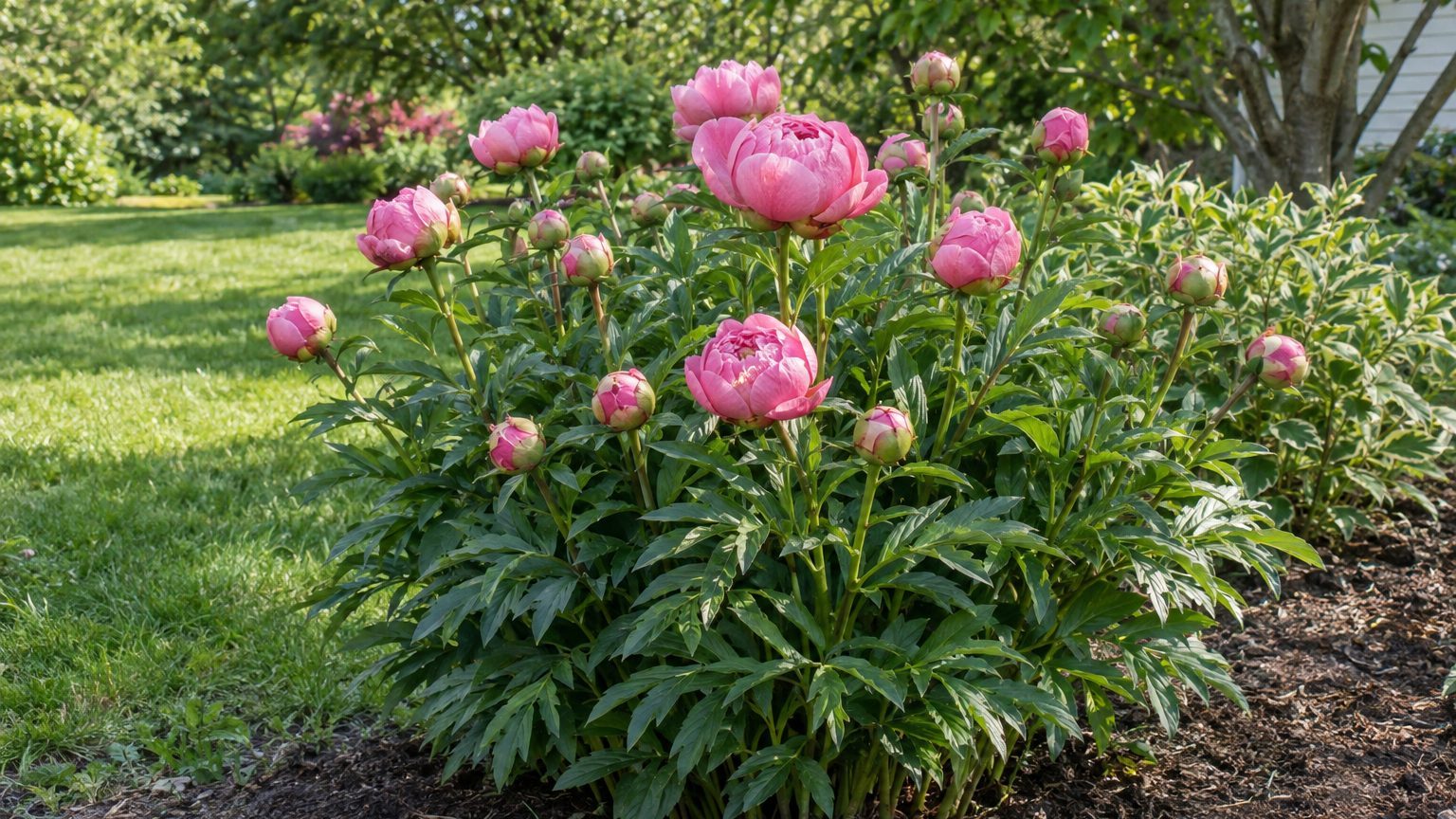
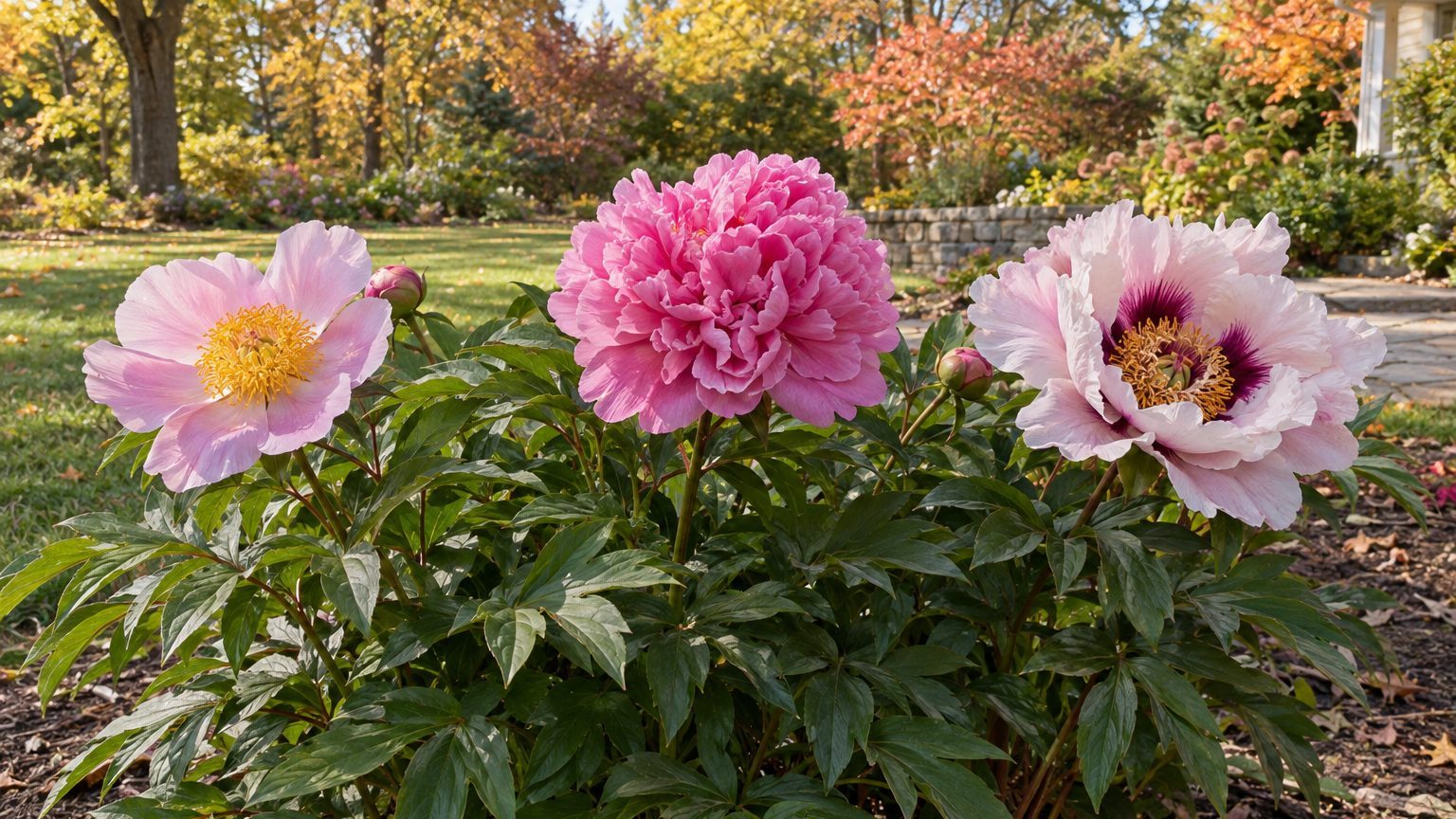
A peony bush covered in fat buds is a welcome sight in New Hampshire dooryards. The state’s long, cold winters give peonies the rest they need to flower.

Best Peonies to Grow in New Hampshire

Best Peonies for New Hampshire

The peony types to compare are herbaceous, tree, intersectional and woodland peonies, which need a cold winter rest to flower. USDA hardiness zones here run from 3b to 6a, reflecting the state’s cold winters.

Garden Peony

Garden Peony — Best Peonies for New Hampshire

The garden, or herbaceous, peony (Paeonia hybrids) is the classic border plant. It thrives where winters are cold, and New Hampshire’s are. It dies back to the ground each year, so cut the foliage back after frost.

Tree Peony

Tree Peony — Best Peonies for New Hampshire

The woody tree peony (including Paeonia suffruticosa) keeps its stems through winter, so it is never cut to the ground. Its blooms come before the garden types, in the stretch of late spring. Give it a spot where the woody frame can stay in place.

Intersectional Peony

Also called the Itoh, the intersectional peony is a hybrid of the garden and tree peonies. It is the last group to bloom, so it stretches the season into June. Plant it beside a garden peony to extend color.

Woodland Peony

The woodland peony (Paeonia japonica) is white-flowered and opens first in the sequence, ahead of the tree peonies. It suits a gardener who wants the season to start early. Expect a short show, since each group takes its turn rather than overlapping for long.

How to Choose a Peony for a New Hampshire Garden

Because the state spans USDA zones 3b to 6a, check the label against your local zone before choosing a peony. It is which type fits your time, space and taste. Match the situation below to the type that suits it.

Check your own county’s conditions too, since winter cold varies across the state.

Your situation What suits it in New Hampshire Why
Very cold winter Garden peony Cold winters give the rest it needs to flower
Need winter cold to bloom Any of the four types New Hampshire winters provide the cold rest peonies need to flower
Little time for upkeep Tree peony Woody stems stay in place, so there is no cutting back
Long bloom season Woodland, tree, garden and intersectional together Their bloom periods follow one another, from late spring into June

New Hampshire’s cold winters support flowering, but local growing conditions still matter. In a small space, try a woodland peony in a shaded corner instead of a mixed group.

Which Peonies Suit Different Parts of New Hampshire

Match the peony to your local USDA zone, because winter cold varies across the state.

  • White Mountains: Winters run colder at elevation, so the garden peony and the tree peony have no trouble getting their cold rest. Expect bloom to arrive later in the season.
  • Seacoast: Winters are milder near the water, but still cold enough for flowering. Choose a type rated for your local USDA zone.
  • Lakes Region: Cold winters here suit garden peonies well, and frost can linger later in spring, so check your own county before planting.

The reference city, Concord, sees its last spring frost between April 16 and April 27, and gardens outside town usually see it later.

Peony Buying Mistakes to Avoid in New Hampshire

Planting Too Deep

A peony set too deep may bloom poorly or never come up. Keep the eyes near the soil surface when you plant so the peony can flower well.

Planting at the Wrong Time

Planting or dividing is best in August and September, and it can also be done in October. Spring planting is possible but may delay flowers a year. A newly planted peony may not bloom the first spring, so do not judge it too soon.

Cutting Back the Wrong Peony

Cut herbaceous peonies back after frost, in November or December, or wait until March or April. Never cut a tree peony to the ground, since its woody stems carry next year’s growth.

Where to Get Peony Advice in New Hampshire

Local advice settles questions that general guides cannot, such as which varieties your neighbors grow well.

  • University of New Hampshire Extension answers plant and soil questions, and fall is a good time to ask before planting.
  • Your county extension office can speak to conditions in your town, so call before ordering roots.

Common Questions

When Do Peonies Bloom in New Hampshire?

Peonies bloom in May and June, depending on the type.

Can You Transplant a Peony in Spring?

Yes, though planting in spring may delay flowers a year. August and September are the better months.

When Should You Cut Back Peonies?

Herbaceous peonies are cut back in November or December, once the foliage has died back. Early spring is the other window.

When Do Peonies Bloom in New Hampshire?

When Do Peonies Bloom in New Hampshire?

Peony buds swell and color up in the front bed just as the last cold nights loosen their hold, and the flowers follow soon after. In New Hampshire, the bloom season belongs to late spring and runs into June, with each type of peony taking its turn.

When Do Peonies Bloom in New Hampshire?

When Do Peonies Bloom in New Hampshire?

Peonies bloom in New Hampshire in May and June, starting in late spring and carrying into June depending on the type. The staggered show lasts longer when different types share the yard.

Type of peony When it blooms in New Hampshire What to know
Woodland peony Late spring, opening the season White flowers
Tree peony Late spring, after the woodland type Woody stems that stay on the plant
Herbaceous (garden) peony Late spring into June Dies back each year
Itoh (intersectional) peony June, closing the season A hybrid of garden and tree peonies

Peonies need a cold winter rest to flower. New Hampshire winters supply that easily, which is why peonies do so well here. Hardiness zones in the state run from 3b to 6a on the USDA system, so the exact week of bloom shifts from one yard to the next.

Why a New Planting May Stay Quiet

A newly planted or transplanted peony may not bloom the first spring. Planting too deep causes the same trouble, so keep the eyes near the soil surface. Plant or divide in August and September, with October as a later option, so the roots settle before the ground freezes. Spring planting works too, but it may delay flowers a year.

How to Tell When Your Peonies Are About to Bloom

Calendar months give the window, but the plants themselves show the week, and a few signs are easy to read from the walkway.

  • Red shoots pushing through the soil in spring tell you the plant has woken up and the season is under way.
  • Shoots that turn from red to green and expand into leaves mean the stems are building the strength to hold flowers.
  • Round buds forming at the stem tips mean the flowers are on their way, so this is the time to stake heavy varieties before rain weighs them down.
  • Buds that swell and feel soft when you press them gently are close to opening, often within a short stretch.
  • Color showing at the seams of the bud means petals are about to unfurl, which is the moment to cut stems if you want flowers indoors.

Buds that stay small and hard well into the season often point to a plant set too deep or still settling in after a move.

When to Cut Back Peonies in New Hampshire

Cut herbaceous peonies back in November and December, after the foliage has died back from a hard frost. Cut the stems to the ground, and throw the old leaves and stems in the trash instead of the compost pile, which keeps leftover disease from carrying into next year.

Waiting is fine too. Early spring, in March and April, is the other window, and you can cut the old stems before the new red shoots grow tall enough to get in the way.

Tree peonies are the exception. They keep their woody stems through winter and are never cut to the ground, so only remove dead or damaged wood.

How Peony Bloom Time Shifts Across New Hampshire

Bloom timing moves with the landscape, and a few parts of the state show it clearly. In Manchester, the last spring frost falls between April 16 and April 27, and gardens elsewhere often see frost somewhat later.

  • White Mountains and the North Country: Cold lingers longer here, so peonies wake later and bloom later than in the south, often well into June.
  • Lakes Region: Check local conditions, because spring growth does not begin at the same time in every garden.
  • Seacoast: Check local conditions rather than assuming coastal and inland gardens will bloom together.
  • Merrimack Valley and southern New Hampshire: Check local conditions because spring timing varies across the state.

Check your own county for local frost timing, since elevation can move your bloom date more than the map suggests.

Where to Get Peony Advice in New Hampshire

For questions about a stubborn plant or local timing, University of New Hampshire Extension is the place to start, along with the extension office in your county.

  • The state extension website carries gardening guidance written for New Hampshire conditions, useful before you plant or divide in late summer.
  • Your county office can speak to local conditions such as elevation and soil, so call before spring if buds have failed in past years.

Common Questions

Why Didn’t My Peony Bloom This Year?

A peony set too deep often grows leaves but no flowers, and a plant moved recently may need a season to settle. Look at where the eyes sit and ask when it was last disturbed. Eyes buried well below the surface point to depth as the cause.

Can You Plant a Peony in Spring in New Hampshire?

Yes, as soon as the soil is workable. Fall planting in August and September is preferred, since roots settle before winter, but a spring plant simply waits longer for its first flowers.

Do Tree Peonies Bloom Before Garden Peonies?

Yes. Tree peonies open in late spring ahead of the herbaceous types, which follow into June, and Itoh hybrids come last. Planting these types together gives you flowers across the whole season.

When to Plant Peonies in New Hampshire: Dates and Care

When to Plant Peonies in New Hampshire: Dates and Care

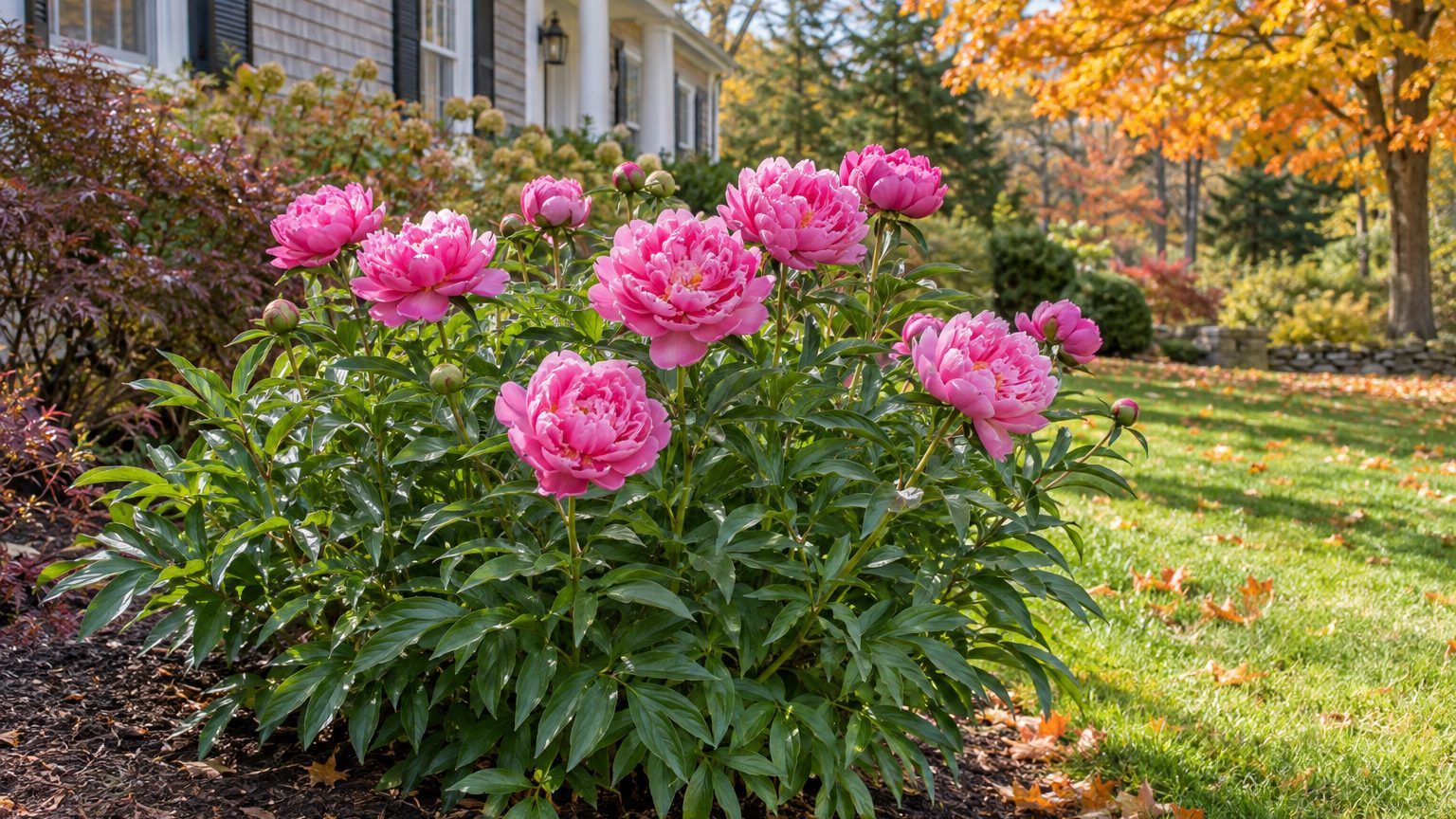
A peony clump in late spring carries fat, fragrant blooms, and the work that made them happen was done the autumn before. Planting, dividing and cutting back all follow the calendar of a cold-winter plant.

When to Plant Peonies in New Hampshire

When to Plant Peonies in New Hampshire: Dates and Care

Plant or divide peonies in August and September, with October as a fallback, so the roots settle before the ground freezes. Here is how a peony’s year runs in New Hampshire.

  • In March and April, a herbaceous peony that was left standing over winter can be cut back.
  • In May and June, the plants bloom, with the timing shifting by type from late spring into June.
  • Through summer, the foliage builds the energy stored in the roots for next year’s buds.
  • In August and September, the soil is warm and moist enough for new roots, which makes this the time to plant or divide, and it can still be done in October.
  • In November and December, after the foliage has died back, herbaceous peonies can be cut to the ground.

Frost dates guide the edges of that year. At the reference weather station, the last spring frost falls between April 16 and April 27, and the first fall frost arrives between October 13 and October 26. Home gardens usually see the last spring frost later and the first fall frost earlier, often by one to two weeks and more at elevation, so check your own county. The state spans USDA zones 3b to 6a.

Which Peonies Grow Best in New Hampshire?

Peonies suit New Hampshire well. They need a winter rest to flower, and New Hampshire winters provide more than enough cold to meet that need. Mild-winter climates are where peonies flower poorly, not here.

Four types are generally grown in home landscapes, and all of them are worth considering for a New Hampshire yard.

Peony type How it does in New Hampshire Why
Herbaceous (garden) peony Reliable, blooms in late spring into June Dies back each year and relies on cold winters to set buds
Tree peony Grows well, blooms ahead of the herbaceous types Keeps woody stems, so it is never cut back
Intersectional (Itoh) peony Suited to the state, flowers last of the four A hybrid of garden and tree peonies, so it extends the season

The woodland peony (Paeonia japonica) is a white-flowered type that opens first. In New Hampshire, the types bloom in overlapping turns, which gives a long run of flowers when different kinds share the garden.

When to Plant, Cut Back and Feed Peonies in New Hampshire

Peony work follows the seasons. Planting and dividing happen in late summer and early fall, while cutting back waits until the foliage has died down. Depth matters at planting: a peony set too deep may bloom poorly or not come up, so keep the eyes near the soil surface.

Task Best timing in New Hampshire Why then
Planting or dividing August and September, or October if needed Roots establish in warm soil before winter
Spring planting As soon as the soil is workable Possible, but flowers may be delayed a year
Cutting back herbaceous peonies November and December, or March and April Foliage has died back, and removing it clears out disease
Feeding When growth starts in spring Supports the new shoots as they emerge

A newly planted or divided peony may not bloom the first spring, so patience is part of the job. Tree peonies skip the cutback entirely, since their woody stems carry next year’s growth.

How Peony Planting Dates Change Across New Hampshire

The state runs from the coast to the mountains, and the season shifts with it. Plan around your own conditions rather than a single date.

  • Seacoast: Check local frost timing before deciding how late to plant in fall.
  • Lakes Region: Check your county’s frost timing before choosing a planting date.
  • White Mountains and the North Country: Elevation brings an earlier first fall frost and a later spring thaw, so aim for the start of the planting window and do not wait until October.

In the southern valleys, check local frost timing before setting your planting schedule.

Where to Get Peony Advice in New Hampshire

When a peony refuses to bloom or the soil is a question mark, local help is close. University of New Hampshire Extension answers garden questions and can point you to your county office.

  • The extension service offers plant diagnosis, and a photo of the foliage along with a note on planting depth helps.
  • Your county office can guide a soil test, best collected before planting.

Common Questions

Why Won’t My Peony Bloom?

Planting too deep is a common cause, and shade is another. Check that the eyes sit near the surface, and that the plant gets sun for much of the day. A newly moved plant may also need a year to settle.

Can You Move a Peony in Spring?

Yes, as soon as the soil is workable. Expect fewer flowers that year, since the plant is rebuilding its roots. Late summer moves usually recover better.

Do Tree Peonies Need Cutting Back?

No. A tree peony keeps its woody stems through winter. Remove only dead or damaged wood once new growth shows in spring.

Best Lilacs for New Hampshire

Best Lilacs for New Hampshire

When the first purple clusters open in May, the whole street smells of it, and New Hampshire has good reason to love the moment: the common lilac is the state flower. A well-matched variety will fit its space, handle the site, and stay easier to care for.

Best Lilacs to Grow in New Hampshire

Best Lilacs for New Hampshire

Lilacs suit New Hampshire because they need a cold winter rest to mature their flower buds. The USDA hardiness system places New Hampshire in zones 3b to 6a, so winter cold varies across the state. Hot, humid summers are what trouble lilacs elsewhere, so the real choices here come down to disease, size and bloom timing.

Common Lilac

Common Lilac — Best Lilacs for New Hampshire

Syringa vulgaris is New Hampshire’s official state flower, known for fragrant masses of purple, lavender and white blooms in May. It is the natural first pick. The trade-off is its susceptibility to powdery mildew, bacterial blight, scale and borers, so give it sun and open air.

Other Lilac Species

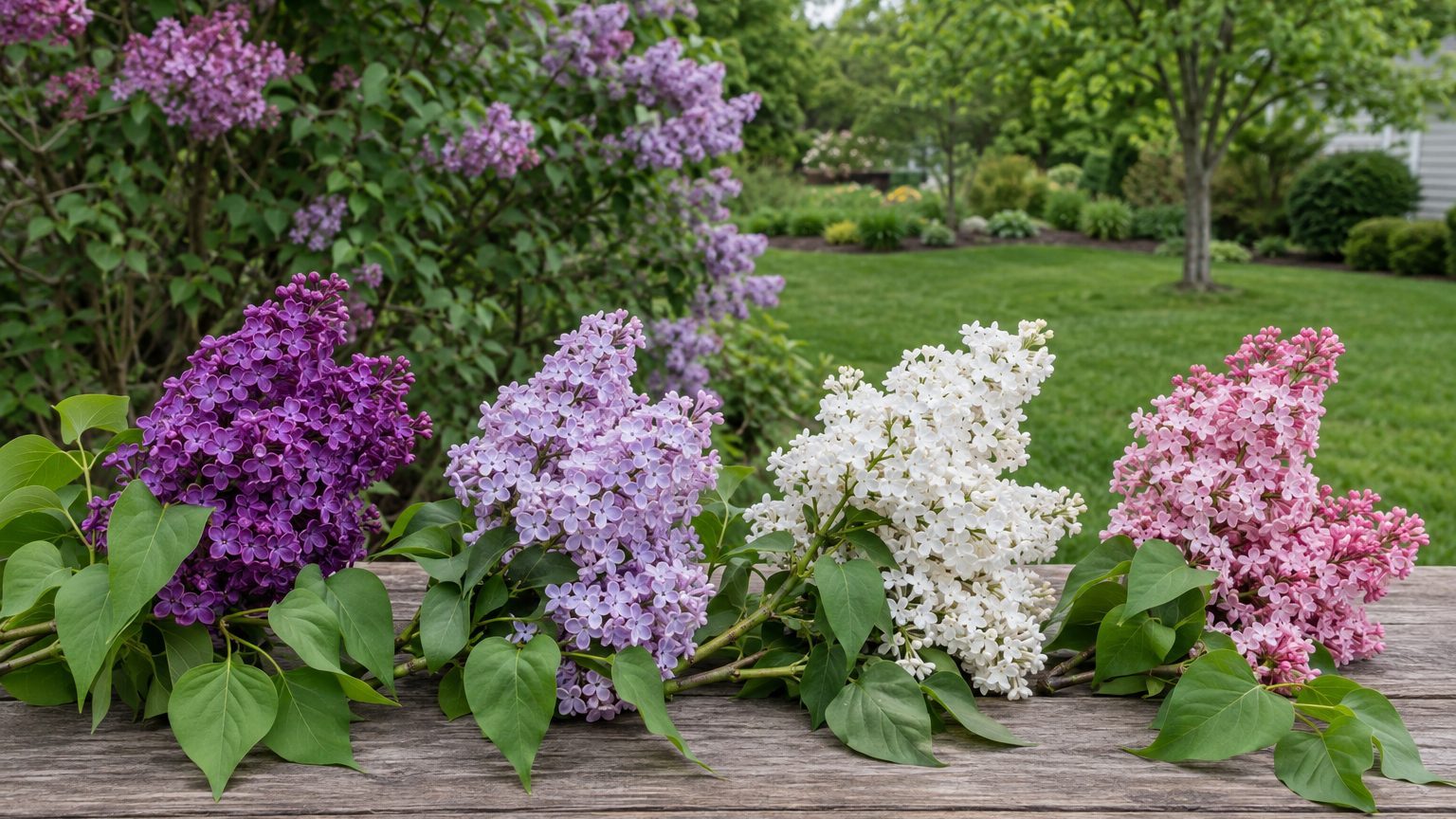
More than 20 species of lilac exist, originating in Europe and Asia. Beyond purple, lilacs come in red, blue, pink, white, mauve and yellow, so a New Hampshire yard has room for color beyond the classic shade. Less susceptible species and hybrids are available if mildew bothers your common lilac.

Bloomerang Series

This series is resistant to powdery mildew and reblooms. Like many dwarf hybrid lilacs, it is more disease-resistant than typical Syringa vulgaris and matures shorter, which suits a front yard border or a smaller bed.

Hyacinthiflora Hybrids

These vigorous hybrids look like French hybrids but bloom earlier. Because they bloom early, plant them only where late frosts are less frequent. A frost-prone New Hampshire hollow calls for the same caution.

French Hybrid Types

French hybrids offer the familiar lilac form many gardeners picture. Choose from named cultivars in lilac, purple, white, pink and a reddish hue. Lilacs generally do well in New Hampshire.

How to Choose a Lilac for a New Hampshire Garden

Start with the site: lilacs like sun and good air circulation. After that, the choice depends on how much cold, humidity and upkeep your yard brings.

Cold is rarely the limit here, since lilacs are adapted to zones 3, 4 and 5. Humid summer air and spring frost are the things to plan around.

Your situation What suits it in New Hampshire Why
Very cold winter Common lilac Lilacs are adapted to zones 3, 4 and 5, and winter chill matures their buds
Hot, humid summer Bloomerang series It resists powdery mildew, which humid air encourages
Little time for care Disease-resistant hybrids Less susceptible species and hybrids reduce the risk of common problems
Small space Dwarf hybrid lilacs They mature shorter than typical Syringa vulgaris
Need for cold Any lilac The chill of winter is needed for bud development and maturation

Spring frost is a separate matter. Frost in May can catch early bloomers, so a Hyacinthiflora is better in a spot that avoids late frost.

Which Lilacs Suit Different Parts of New Hampshire

Cold and frost timing vary across the state, and that shifts which lilac you favor.

  • White Mountains: Winters here are colder than in the southern part of the state. Common lilacs handle it, but early bloomers risk May frost, so favor later bloomers.
  • Seacoast: Milder winters here still give lilacs a cold winter rest. Humid summer air makes mildew resistance worth prioritizing.
  • Lakes Region: Cold winters suit lilacs well. Keep them in full sun with open air around them.

Spring frost varies across the state, so check your own county.

Lilac Buying Mistakes to Avoid in New Hampshire

Picking an Early Bloomer for a Frosty Spot

Hyacinthiflora lilacs open earlier, so a late frost can take the flowers. If your yard sits low where cold air settles, choose a later-blooming type instead.

Ignoring Mildew Resistance

Common lilacs are prone to powdery mildew, blight, scale and borers. Buying one without checking can mean a sick-looking shrub. Choose a resistant cultivar or a less susceptible species.

Forgetting Mature Size

A lilac in a pot looks small, but many grow far taller than dwarf hybrids. A crowded plant loses the air circulation it needs. Read the tag for adult size and leave room. If one outgrows its spot, it can be cut back hard in March or April, but it will not flower for a few years afterward. Routine pruning comes right after the flowers fade, in May or June, because next year’s buds form soon after.

Where to Get Lilac Advice in New Hampshire

Local help turns a general choice into a specific one for your site. University of New Hampshire Extension publishes guidance on lilacs and answers questions from residents.

  • Its articles on lilac types and care are useful before you shop.
  • Your county extension office can speak to local frost and soil, so call before planting.

Common Questions

When Do Lilacs Bloom in New Hampshire?

Bloom runs April and May, and later species can carry into June.

Do Lilacs Come in Colors Besides Purple?

Yes. Lilacs also come in red, blue, pink, white, mauve and yellow.

Is It Safe to Prune a Lilac in Fall?

Pruning in late summer, fall or winter can remove the next spring’s flower buds, so wait until right after bloom.

When Do Lilacs Bloom in New Hampshire? Dates and Care

When Do Lilacs Bloom in New Hampshire? Dates and Care

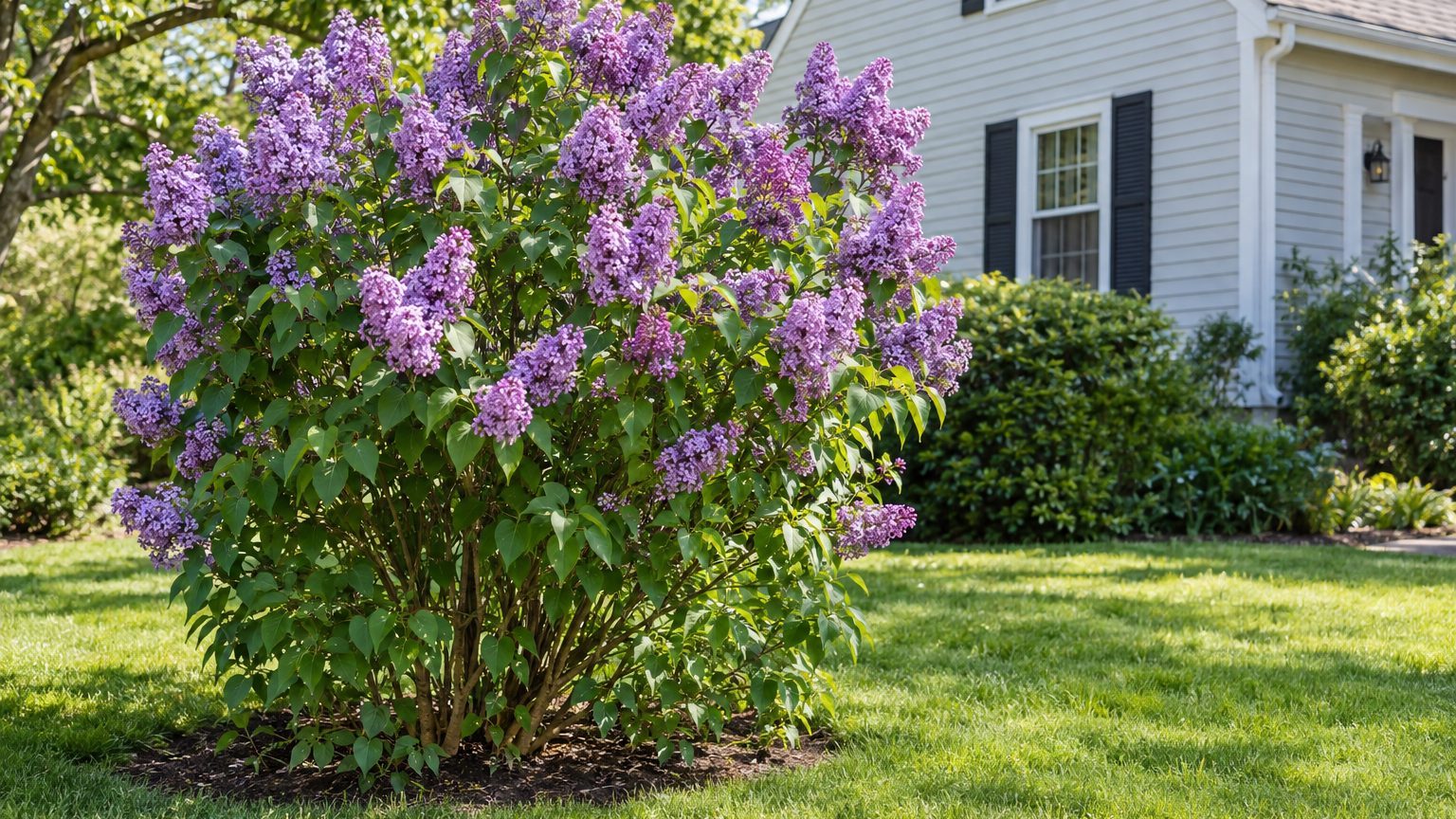
A lilac in full flower in a New Hampshire front yard is a welcome sign that spring has finally settled in. The shrubs bloom here mostly in April and May, and the scent carries across the whole street. That rhythm makes it easier to enjoy the flowers and time each care job without sacrificing next year’s bloom.

When Do Lilacs Bloom in New Hampshire?

A lilac bush in bloom in a home garden

Lilacs in New Hampshire flower in April and May, and later species can carry the show into June. The year around that bloom has a clear rhythm:

  • In April and May, the flowers open, with the common kinds first and the later species following into June.
  • In May and June, right after the flowers fade, is the time to prune, because the shrub starts forming next year’s buds soon after it blooms.
  • Through summer, the new flower buds develop on this year’s growth, so the shrub is already preparing next spring’s display.
  • In late winter, in March and April, an overgrown lilac can be cut back hard, at the price of the next flowers.
  • Through the cold months, the shrub rests, and that winter chill is what matures the buds for spring.

For Manchester, the last spring frost falls between April 16 and April 27. The first fall frost arrives between October 13 and October 26. Yards outside the city usually see spring frost later and fall frost earlier, often by one to two weeks, and more so at elevation, so check your own county. Gardens here span USDA zones 3b to 6a, so local conditions should guide the choice.

Which Lilacs Grow Best in New Hampshire?

Lilacs belong here. They are members of the olive family and well suited to cold climates, and the chill of winter is essential to their bud development and maturation. A New Hampshire winter gives them exactly that.

The shrubs struggle in hot, humid summers, so the cool season that defines this state works in their favor. Give them a sunny site with good air circulation.

Lilac type How it does in New Hampshire Why
Common lilac Blooms in April and May Needs a cold winter rest to set its buds
Later-blooming species Carries flowers into June Opens after the common kinds finish
Any lilac in a sunny, open spot Flowers well Sun and moving air suit the plant
Any lilac in a crowded, shady corner Flowers poorly Low light and still air work against it

Winter cold is essential for bud development in lilacs. Pick a spot with open sky and a breeze, and the choice of type matters less than the siting.

When to Plant, Prune and Feed Lilacs in New Hampshire

Lilacs bloom on last year’s wood, and they set next year’s flower buds in summer, soon after they flower. That single habit decides the timing of nearly every job.

Prune right after the flowers fade. Cutting in late summer, fall or winter removes the next spring’s flowers.

Task Best timing in New Hampshire Why then
Enjoying the bloom April and May, into June for later species Species differ in when they open
Routine pruning May and June, right after the flowers fade Buds for next year form soon after bloom
Hard renovation cut March and April, in late winter The plant is dormant, though the cut costs the next flowers
Planting and feeding When the soil is workable and the shrub is not in flower Roots settle without competing with the bloom

An overgrown lilac can be cut back hard in late winter, but it will not flower for a few years afterward. Many gardeners choose to renew only some of the oldest stems at a time to keep some bloom going, though a full cut is a fair choice for a shrub past saving. The full pruning method has its own page, When to Prune Lilacs in New Hampshire.

How Lilac Bloom Time Changes Across New Hampshire

The state stretches from the coast to the mountains, and lilacs follow the local spring, opening sooner where warmth arrives sooner.

  • Seacoast: the ocean keeps spring cooler at first, but the milder winters and earlier thaw there generally bring flowers sooner than inland hills.
  • Merrimack Valley and southern towns: spring warms here ahead of the rest of the state, so flowers open in April and the main show comes in May.
  • Lakes Region: the big lakes hold cold into spring, so bloom tends to arrive a little later than in the south.
  • White Mountains and the North Country: higher ground and a colder climate delay the bloom, and the later species may flower here into June.

Within a single town, a south-facing slope often flowers ahead of a shaded hollow, so your own yard may run ahead of or behind the neighbors.

Where to Get Lilac Advice in New Hampshire

University of New Hampshire Extension is the state’s source of research-based gardening help, with county offices that know local conditions.

  • The county office can help diagnose a lilac that will not flower, so bring a clipping and a few photos of the whole shrub.
  • A soil test through the extension tells you what your yard actually needs before you add fertilizer.
  • Check in during May and June, when the flowers fade, to confirm your pruning plans before you pick up the shears.

Common Questions

Why Is My Lilac Not Blooming?

Look at the light and the pruning history together. A shrub in heavy shade that has also been cut in late summer, fall or winter has likely lost its flower buds. Give a shaded lilac more light before expecting better bloom.

Can You Cut Lilacs for a Vase?

Yes, cutting a few stems while the flowers are open is a fair way to enjoy them indoors. Take stems as the bloom begins, but wait until flowering ends for routine pruning.

Do Lilacs Survive New Hampshire Winters?

They do, and they depend on the cold to ripen their buds. Hardiness here runs from USDA zone 3b to 6a, so local conditions should guide the choice.

Best Roses for New Hampshire

Best Roses for New Hampshire

Walk a New Hampshire garden in April and some roses show green buds along their canes while others have died back to the ground. The difference usually comes down to the type planted. Hardy shrub roses shrug off the cold, and hybrid teas can still earn a spot if you tuck them in each November.

Best Roses to Grow in New Hampshire

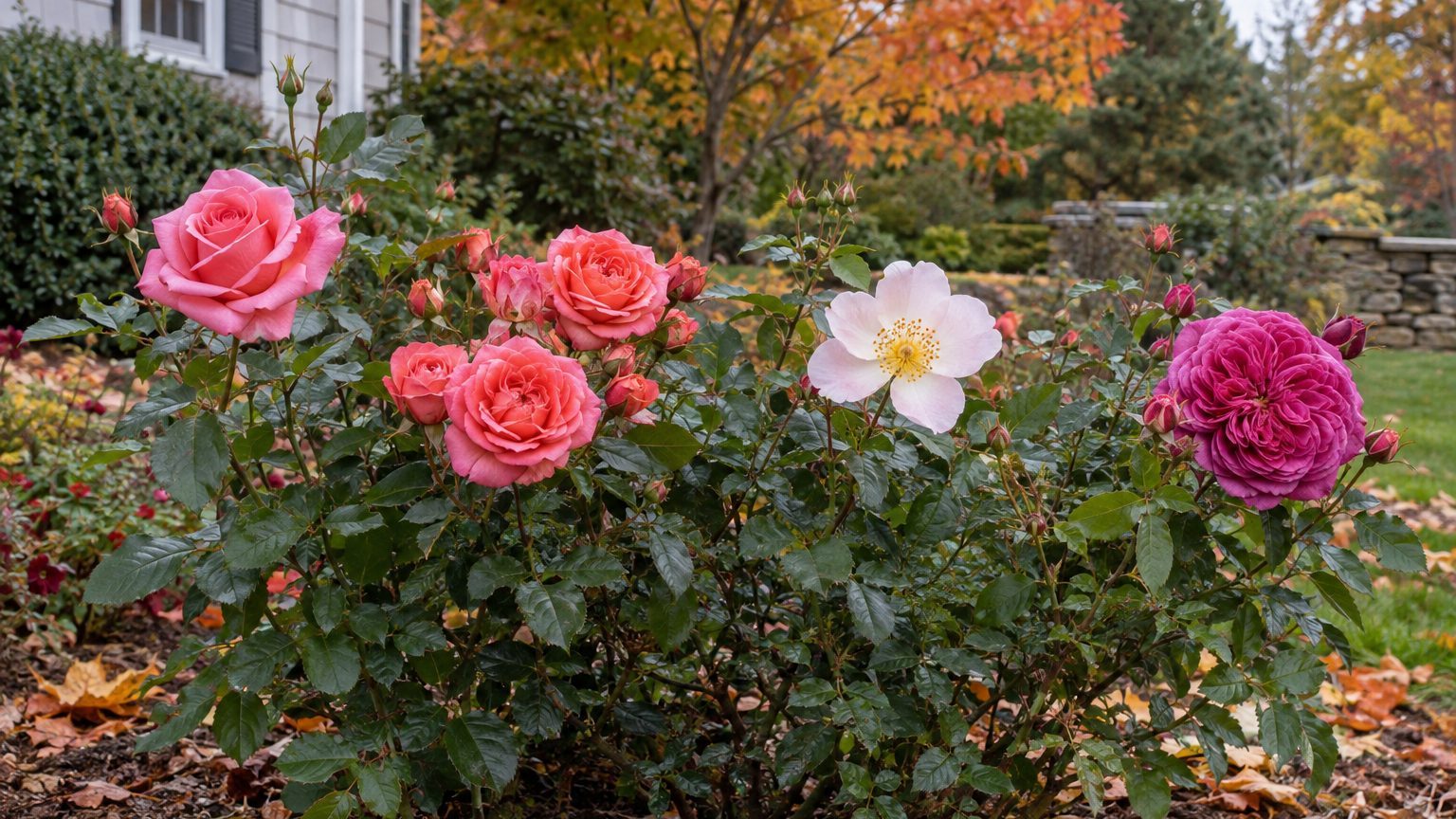
Healthy roses in bloom

Hardy shrub roses, rugosas, Explorer roses and the tougher old-fashioned types do best here, because winters range across USDA zones 3b to 6a and cold is the limit on what survives. Humid summers and heat matter less than picking a type that fits your zone.

Rugosa Roses

Rugosa roses (Rosa rugosa) are known for being hardy in most locations, even where winters are severe. That makes them a dependable first pick for a cold or exposed corner of the yard, and they rarely ask for winter protection.

Explorer Series

The Canadian Explorer series, named for explorers such as Champlain, Cabot and Kelsey, includes shrub and climbing roses bred for cold climates. Cold-hardy shrub roses of this kind perform well without extra protection, which saves you a November chore.

Meidiland Series

Meidiland hardiness varies by variety, so check the label against your own USDA zone before buying. In the colder parts of the state, check the specific variety before buying, and give it a sheltered spot to be safe.

Knock Out Roses

Knock Out is another hardy shrub rose that performs well without extra winter protection. It suits a gardener who wants repeat bloom with little fuss, and it pairs easily with rugosas or Explorers along a foundation or fence.

Floribundas and Polyanthas

Polyanthas, floribundas, hybrid perpetuals and many old-fashioned roses prove more winter hardy than hybrid teas and grandifloras. They still benefit from protection in a hard winter, but they forgive more than their showier cousins.

Hybrid Teas

Hybrid teas are the classic cutting rose, with upright growth, long stems and a single sweet-scented flower on each. They are less hardy than shrub roses and need winter protection in cold winters, so plant them where you can reach them in November.

How to Choose a Rose for a New Hampshire Garden

Start with the winter, since that decides what survives. Choose only types hardy enough for the coldest average winter in your growing zone, and remember that winter protection is often needed for most garden roses. How much depends on the type and on where it sits in the garden.

After that, match the rose to the time and space you have. Whatever you pick, roses grow best in rich, loose soil with good drainage.

Your situation What suits it in New Hampshire Why
Very cold winter Rugosa or Explorer roses Rugosas are hardy in most locations, and Explorers are cold-hardy choices
Little time Knock Out or Explorer shrub roses They perform well without extra winter protection
Small space Climbing roses on a trellis or arbor They can be trained to cover a trellis or arbor
Cut flowers wanted Hybrid teas, with winter protection Long stems and a sweet-scented single bloom, but less hardy
Borderline cold spot Floribundas or polyanthas They are more winter hardy than hybrid teas

Bare-root roses go in during April and May, while potted roses can be planted later. Ask for a hardiness label before you buy, and match it to your own zone rather than to the state as a whole.

Which Roses Suit Different Parts of New Hampshire

Zone 3b gardens and zone 6a gardens both exist in the state, so the same rose can thrive in one town and struggle in another. Elevation can change local winter conditions.

  • North Country and the White Mountains: Choose the hardiest types here, such as rugosas and Explorer roses. Treat hybrid teas as a project that needs full protection, or skip them.
  • Lakes Region: Winters bite on hilltops and open ground, so lean toward shrub roses there. Sheltered, lower sites near the water give you a little more room to try floribundas.
  • Seacoast: Milder winters widen the choice, and hybrid teas and Meidiland roses have a better chance. Still plan on covering the more tender kinds in late fall.
  • Merrimack Valley and the south: Most types can work here, though the hardy shrub roses stay the easy path.

Gardens at higher elevations usually run colder than nearby valleys, so look up the zone for your own address before you shop.

Rose Buying Mistakes to Avoid in New Hampshire

Tender Roses Left Bare

Hybrid teas, grandifloras, floribundas and miniatures need winter protection when winters turn cold. Without it, canes can die back hard and the plant may not return. Cover them in late November, after hard frosts have killed the leaves, because covering earlier traps living growth.

Take the protection off in May, in early May before new growth begins. It can also be done in April.

Pruning Once-Bloomers in Spring

Old garden roses, ramblers and many climbers flower once a year, on last year’s wood. Cut them in early spring and you remove the buds, which costs you the whole season of bloom. Prune them right after they flower instead.

Repeat-blooming roses such as hybrid teas, floribundas and modern shrub roses flower on new wood. Prune them in April or May, once active growth begins. March is the outer limit, and only while the canes are still dormant.

Feeding Too Late

Feeding keeps roses blooming, and April through July is the working window. You can feed in August if needed, but stop then so new growth can harden off before winter.

Where to Get Rose Advice in New Hampshire

Local growers can tell you what has held up in your town, and a few places are worth a visit before you spend money on plants.

  • University of New Hampshire Extension publishes fact sheets on rose hardiness and winter protection, and they are worth reading before you order.
  • The county extension office can speak to your local conditions, and late winter is a good time to call, before planting season starts.

Common Questions

How Much Sun Do Roses Need?

Roses grow best in a spot with plenty of direct sunlight each day. A spot with morning sun and open air is a good place to start.

What Soil Do Roses Prefer?

Roses prefer rich, loose soil with plenty of organic matter and good drainage. Work compost into heavy soil before planting.

Should You Cut Back Hybrid Teas in Fall?

A good rule for tea roses is to cut less in the fall and more heavily in the spring. Leave the canes long enough to carry their winter cover, then shape the plant once growth starts.

When to Prune Roses in New Hampshire

When to Prune Roses in New Hampshire

A rose cane that looks dead in March is often just waiting. In New Hampshire, the pruning shears come out in spring, once the buds start to wake, and the timing differs for roses that bloom once and roses that bloom again and again.

When to Prune Roses in New Hampshire

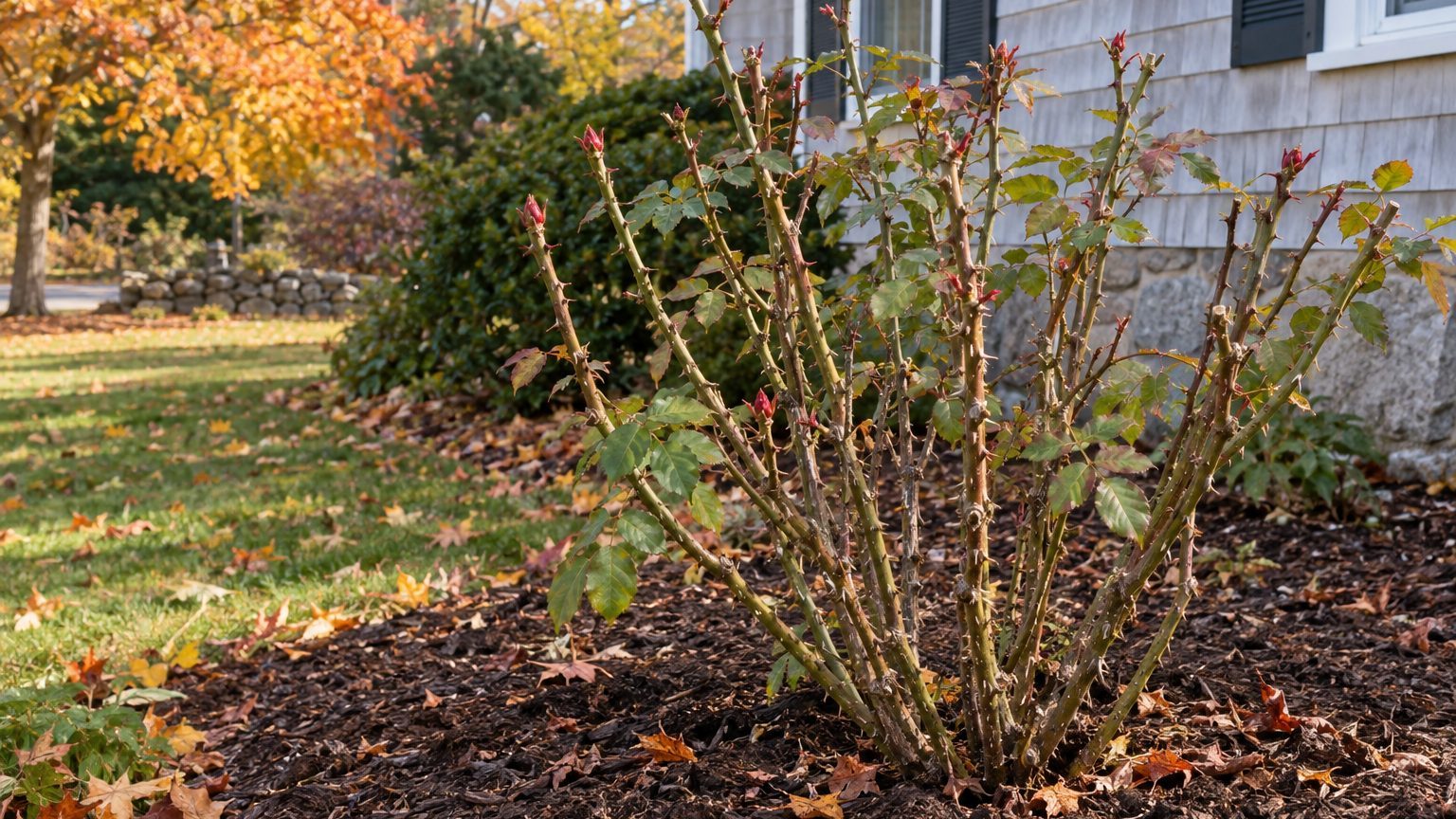
Rose canes at pruning time

Repeat-blooming roses (hybrid teas, floribundas, modern shrub roses) are pruned in April and May in New Hampshire. They flower on new wood, so a spring cut sets up the growth that carries the blooms. March can also work if you wait for the buds to move.

Once-blooming roses follow a different rule. They flower on last year’s wood, so a spring cut removes the flowers before they form.

Type of rose When to prune in New Hampshire Why
Hybrid teas, floribundas, modern shrub roses April and May, or March once growth has started They bloom on new wood, so pruning while dormant or just waking encourages fresh canes
Old garden roses, ramblers, once-blooming climbers Right after they bloom, never in early spring They flower once a year on last year’s wood, and spring pruning cuts off the buds

Climbers that repeat bloom are a middle case. Treat the main framework gently and leave it mostly alone, then shorten the flowering side shoots in spring along with the other repeat bloomers. If you are unsure which kind you own, check the plant tag or watch what it did last summer: one flush of bloom means prune after flowering.

Roses that bloom on new wood can be pruned from late winter into early spring as dormancy ends. Waiting until the shoots begin to grow is a sensible guard against cutting too soon.

Frost dates in the Granite State vary by town, and the last spring frost at the reference city falls between April 16 and April 27. Suburban and rural yards usually see it a week or two later, and hill towns later still. Check your own county before you commit to a date.

How to Tell When Your Roses Are Ready to Prune

The roses themselves give better timing than any date on a calendar, and these signs tell you the moment has come.

  • Buds along the canes swell and turn from tight and dark to plump and reddish, which tells you the plant is awake and you can see where to cut.
  • Forsythia comes into bloom, a familiar local cue that the worst of the winter cold has loosened its grip and pruning can begin.
  • Hard freezes have passed, because a cut made just before a deep freeze invites fresh dieback on the new tissue.
  • The winter mound of soil or mulch has come off, usually in early May before new growth begins, so you can see the base of every cane.
  • New shoots have begun to grow, which lets you tell live wood from dead and cut back to green, healthy tissue.

Cut to wood that is green or white inside, and take out anything black, brown or shriveled.

Should You Prune Roses in Fall or Winter in New Hampshire?

Not much, and not hard. In fall, the only job is shortening very long canes so winter wind does not whip them around and loosen the roots. Leave the rest of the shape alone.

Severe pruning belongs to spring, after the plant has started to grow again. A heavy cut in autumn pushes tender new shoots that will not harden before cold arrives. Feeding follows the same logic: stop in August so growth slows down in time.

Winter protection goes on in late November, after hard frosts have killed the leaves. Do not cover the plants any sooner. Hybrid teas, floribundas and grandifloras need that protection in cold winters, while hardy shrub roses such as Knock Out or the Explorer series do well without extra help.

How Rose Pruning Dates Shift Across New Hampshire

The state spans USDA hardiness zones 3b to 6a, so spring arrives at very different times from one town to the next.

  • The North Country: Spring comes later here, so pruning sits toward the May end of the window, and winter mulch comes off later too.
  • The White Mountains and higher hill towns: Elevation delays the thaw and keeps frost risk around longer, so wait for the buds to swell before cutting.
  • The Seacoast and Portsmouth area: The ocean moderates the cold, so spring work can start toward the April end of the window.
  • Manchester and the southern valleys: Warmer, earlier conditions make these some of the first spots where buds break and shears can come out.

Wherever you garden, the buds set the day within the April to May window, not the town name.

Where to Get Rose Advice in New Hampshire

Questions about a stubborn cane, a rose that did not leaf out, or the right variety for your zone are best brought to people who know local conditions.

  • University of New Hampshire Extension offers fact sheets on pruning and winter protection, and spring is the time to read them before the shears come out.
  • Your county extension office can answer questions about your own soil and microclimate, so contact them in early spring when buds begin to swell.

Common Questions

Can You Prune Roses in March in New Hampshire?

Yes, for repeat-blooming roses, as long as the plant is still dormant or just starting to move. April and May are the usual months, so March suits a mild spell with the buds waking.

When Should You Prune Climbing Roses in New Hampshire?

It depends on how the climber blooms. A once-blooming climber is pruned right after its flowers fade, while a repeat-blooming climber gets its spring trim with the other repeat bloomers.

When Should You Take Winter Protection Off Roses in New Hampshire?

Early May, before new growth begins, is the usual moment, and April can also work in a mild spring. Pulling the mound back gradually lets you see the canes before you start to cut.

Best Spring Bulbs for New Hampshire

Best Spring Bulbs for New Hampshire

A tulip bed that comes back thinner each spring while the daffodils beside it keep multiplying is a familiar sight in New England yards. In New Hampshire, where winters give bulbs all the cold they could want, the choice of type matters more than the cold does.

Best Spring Bulbs to Grow in New Hampshire

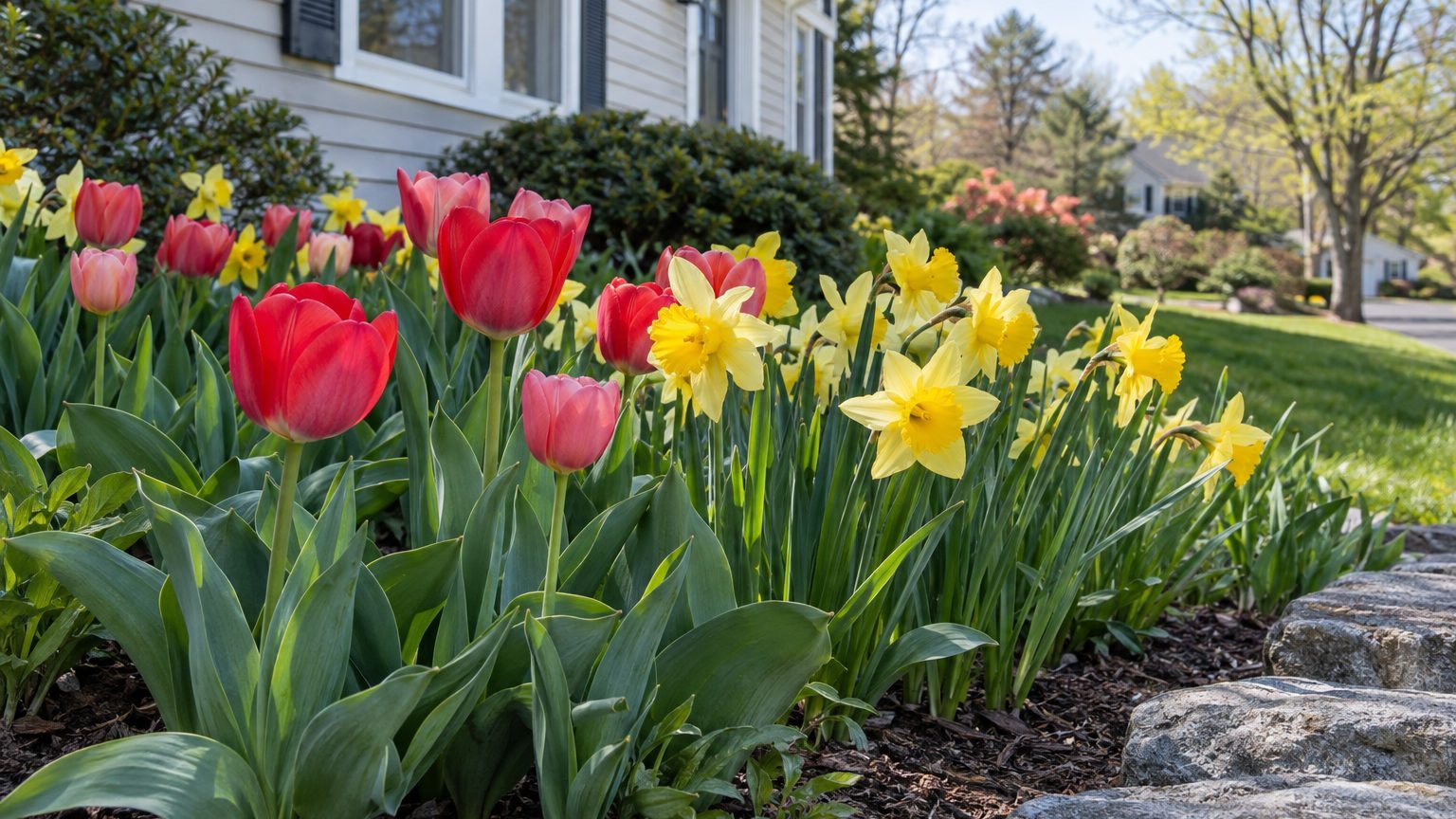
Healthy spring bulbs in bloom

Daffodils, tulips and crocus all take the winters here, and alliums fit in as well. Hardiness is rarely the problem. The USDA system puts the state at zones 3b to 6a, and most daffodils are hardy to zone 3, so they grow throughout New Hampshire. What separates the bulbs is how long they last and what eats them.

Daffodils

Daffodils are the dependable pick. A majority are hardy to zone 3, and they last longer in the garden than tulips do.

Voles, squirrels, rabbits and deer leave them alone. Daffodils also naturalize well, especially in partly shady spots, so a clump under a maple keeps widening on its own.

Tulips

Most tulip species and hybrids are hardy to zone 3, so the cold is no obstacle. They bloom from late April into May in New Hampshire, a little later than the earliest bulbs.

Tulips are often short-lived, and animals go after them. Expect to replant some regularly, or fence the bed.

Fosteriana Tulips

If you want tulips that stay, look for Fosteriana types. They perennialize well, which means they return instead of fading after a season or two.

They make a sensible compromise for a front bed where you would rather not replant every fall.

Crocus

Crocus are hardy and bloom early. They are also a favorite of chipmunks, voles, mice and rabbits.

Plant them where you can watch for damage, or tuck them close to daffodils, which animals avoid.

Alliums

Alliums are the ornamental onions that close out the bulb season. They do not need a chill period to bloom, though New Hampshire gives them plenty of cold anyway.

Because they are not on the animal menu the way tulips and crocus are, they pair well with the bulbs that are.

How to Choose Spring Bulbs for Your New Hampshire Garden

Start with what your yard throws at a bulb: hard cold, hungry animals, shade, a small footprint, or limited time. Each of those points toward a different type.

Most spring bulbs need 12 to 16 weeks of cold to flower, and New Hampshire winters supply that, so no refrigerator chilling is needed.

Your situation What suits it in New Hampshire Why
Very cold winter Daffodils A majority are hardy to zone 3, so they grow throughout the state
Deer, voles or squirrels visit Daffodils and alliums Animals eat tulips and crocus but leave daffodils alone
Little time for upkeep Daffodils They last longer than tulips and naturalize well
Partly shady spot Daffodils They naturalize well, especially in partly shady areas
Want tulips that return Fosteriana tulips They perennialize well
Wary of a chill requirement Any hardy bulb, alliums included Alliums need a chill period to bloom, and winters here supply it

Daffodils planted near tulips can also act as deer training plants, drawing deer away from more tempting plantings. Whatever you choose, plant in October once the soil has cooled below about 60°F. Roots form before the ground freezes, and the bulbs do not sprout too early.

Which Spring Bulbs Suit Different Parts of New Hampshire

The zone range from 3b to 6a means a bulb that is easy in one corner of the state asks a little more care in another.

  • White Mountains and the North Country: Stick with daffodils, which are hardy to zone 3 and handle the coldest winters. Tulips can work here too, since most are hardy to zone 3, but plan for animals.
  • Lakes Region: Winters are cold but a bit gentler near the water, so daffodils, Fosteriana tulips and alliums all fit. Shady lakeside lots favor daffodils that naturalize.
  • Seacoast: Milder winters give the widest choice, including tulips and crocus, though deer and squirrels still decide how long they last.

Your own county may differ from these broad strokes, so check local conditions before buying in quantity.

Spring Bulb Buying Mistakes to Avoid in New Hampshire

Buying Only Tulips and Crocus

Voles, squirrels, rabbits and deer eat both. A bed of them can vanish over a winter, and the loss repeats each year.

Mix in daffodils, which animals skip, and fence or protect the tulips you do want.

Expecting Tulips to Last Forever

Tulips are often short-lived in the garden. Buying them as a permanent planting sets you up for thinning beds and a yearly refill.

Choose Fosteriana types for staying power, or lean on daffodils for the long haul.

Planting Too Early or Holding Bulbs Over

Bulbs set out while the soil is still warm can sprout in fall. Wait until it cools below about 60°F, usually October.

A bag left over is better planted late than stored. November or December works as long as the ground can be dug.

Where to Get Spring Bulb Advice in New Hampshire

Local help fits the state’s mix of zones and soils. University of New Hampshire Extension publishes fall bulb guidance, and your county office can speak to your own soil and animal pressure.

  • The UNH Extension website carries seasonal articles on naturalizing bulbs, worth reading before you order in late summer.
  • Your county extension office can advise on deer and vole problems, best visited before you plant in October.

Common Questions

Should You Remove the Leaves After Bulbs Bloom?

Take off only the faded flowers. Leave the leaves until they turn brown, because they feed the bulb for next year’s bloom.

Can You Plant Spring Bulbs in December in New Hampshire?

Yes, as long as the ground is not frozen and can still be dug. October is better, but late planting beats leaving bulbs in the bag.

Do Bulbs Bloom in March in New Hampshire?

The earliest hardy bulbs can open in March or early April. Tulips and daffodils mostly bloom in April and May.

When Do Tulips and Daffodils Bloom in New Hampshire?

When Do Tulips and Daffodils Bloom in New Hampshire?

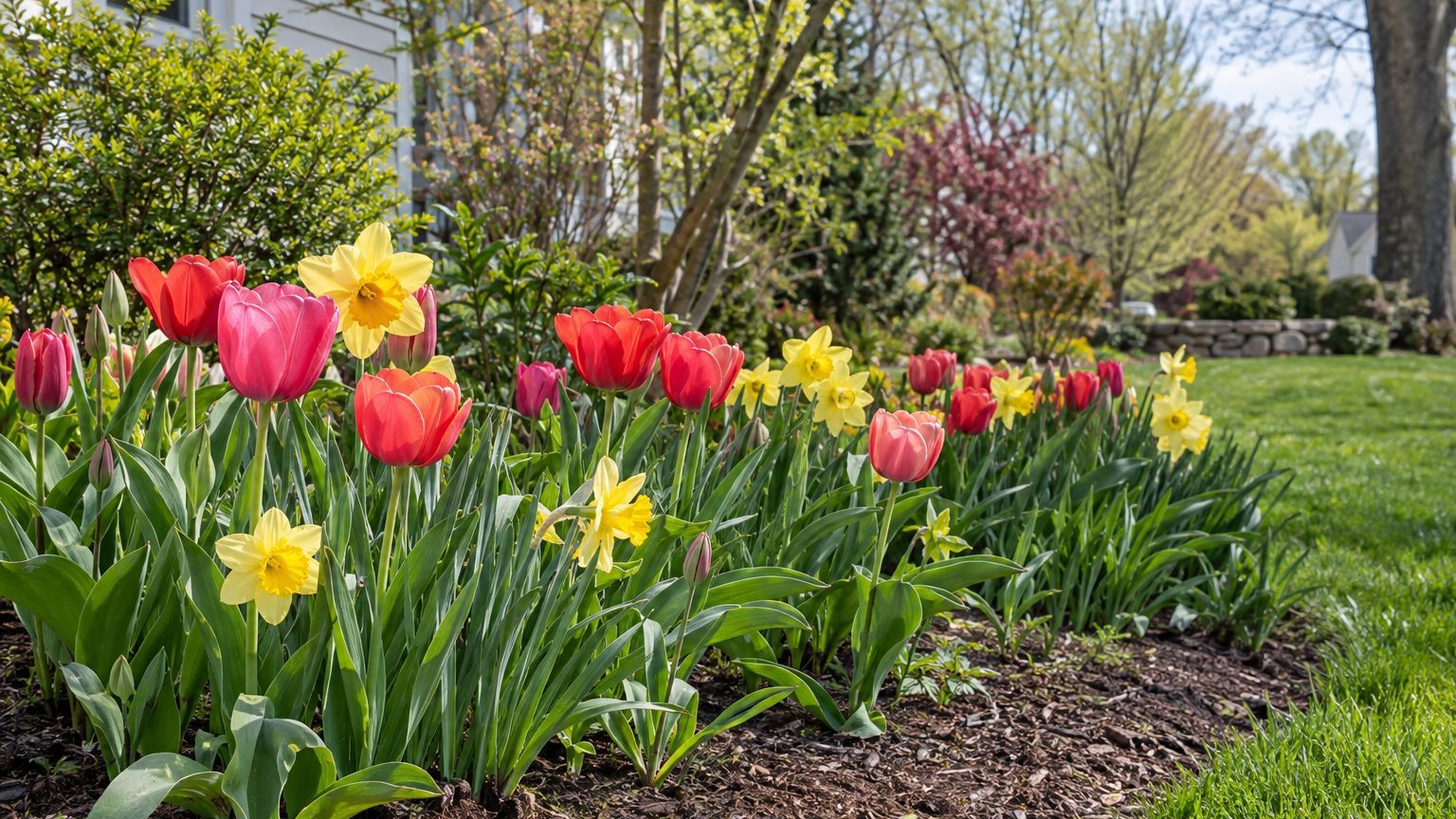
Daffodil spears push through the last patches of snow, and soon the tulips open in the same beds. The timing shifts with each spring, but New Hampshire follows a steady pattern from the first mild days of March through May. Here is when each bulb flowers across the state and what to do once the color fades.

When Do Tulips and Daffodils Bloom in New Hampshire?

When Do Tulips and Daffodils Bloom in New Hampshire?

Daffodils open in March or early April, and tulips follow in late April and May. Exact dates depend on how quickly spring warms, so a cold March pushes everything back, while a mild one brings the first flowers forward.

Bulb When it blooms in New Hampshire What sets the timing
Daffodils March to early April Warming soil and air, with hardiness that suits the whole state
Tulips Late April and May Spring warmth arriving after daffodils have started
Alliums Close out the spring succession They follow the tulips as the season turns warmer

Crocus and hyacinths also flower as spring warms, with crocus among the first color in the beds. Most daffodil species and hybrids are hardy to zone 3, so they can be grown throughout New Hampshire, including the coldest corners. Tulip varieties differ in how early they open, which is why a bed planted with a mix stretches color across several weeks of spring.

How to Tell Your Bulbs Are About to Bloom

The bulbs give plenty of notice, and a quick walk along the beds on a mild day tells you what stage they have reached.

  • Green tips poking through the soil or mulch mean the bulb has woken up, so rake back any heavy leaf litter that might smother them.
  • Leaves that stand a few inches tall mean the flower stalk is forming inside, and a late frost at this stage usually leaves the foliage unharmed.
  • A fat bud rising on a stalk above the leaves means flowers are days or weeks away, depending on the weather.
  • A bud that shows color through its sheath or petals is close to opening, which is the moment to enjoy the bed before a warm spell speeds it along.
  • Leaves up but no bud in a tulip clump often points to an aging bulb, and tulips are often short-lived in the garden.

Cold snaps pause the progress without ending it, so a stalled bud in April is normal and usually opens when the weather warms.

What to Do After Tulips and Daffodils Bloom in New Hampshire

Snip off the faded flowers and leave everything else alone. The leaves keep working after the petals drop, feeding the bulb for next year, so they stay on the plant until they turn brown. Never braid, tie or cut them while they are green, even when they look untidy.

To hide the fading foliage, plant perennials nearby that will grow up and cover it as the bulbs finish. A late-spring bed then stays tidy without anyone touching the leaves.

Daffodils last longer than tulips and are the more reliable perennial bulb. Daffodils naturalize well, especially in partly shady areas, and Fosteriana tulips also perennialize well. If your tulips thin out after a few years, fresh bulbs go in during October, once the soil has cooled below about 60°F, so the roots form before the ground freezes.

How Bloom Time Shifts Across New Hampshire

New Hampshire runs from the coast to the mountains, and bulbs follow that landscape, flowering earlier where it is milder and later where it is colder.

  • Seacoast: The ocean tempers spring cold here, so bulbs along the coast are generally among the first in the state to show color.
  • Merrimack Valley and southern New Hampshire: Towns around Concord, Manchester and Nashua warm up ahead of the hills, and tulips usually open here in the later part of the usual window.
  • Lakes Region: Open water holds the chill, so beds near large lakes can lag slightly behind the inland towns around them.
  • White Mountains and the North Country: Elevation and colder soil delay everything, so daffodils and tulips here open later than the bulbs in the southern valleys.

Frost risk runs on its own schedule. At the airport weather station, the last spring frost falls April 16 to April 27, and gardens in suburbs, rural areas and uplands often see it later.

Where to Get Bulb Advice in New Hampshire

University of New Hampshire Extension publishes seasonal bulb guidance written for New Hampshire gardens, and its county offices answer local questions.

  • The extension website carries articles on naturalizing bulbs and fall planting, which are worth reading before you order bulbs in late summer.
  • Your county extension office can tell you how your area compares with the state’s general pattern, so call it in early spring if your beds behave differently from the neighbors’ beds.

Common Questions

Can You Plant Bulbs in December in New Hampshire?

Yes, as long as the ground can still be dug. October is the usual time for planting, with November and December as a fallback. A bulb still in the bag is better planted late than stored over the winter.

Do Deer and Voles Eat Tulips and Daffodils?

Voles, squirrels, rabbits and deer eat tulips and crocus, but they leave daffodils alone. In New Hampshire, daffodils serve as deer training plants to protect tender plants that deer like to browse.

Do Spring Bulbs Need a Cold Winter to Bloom?

Most spring-flowering bulbs need about 12 to 16 weeks of cold to flower, which New Hampshire winters supply without help. Alliums need the cold of winter to bloom, just like other spring-flowering bulbs.

The almanac, state by state. Every date on this site comes from a state’s own frost facts and its extension service’s calendar — and says where it comes from.