Skip to content

New Jersey

  1. Jan
  2. Feb
  3. Mar
  4. Apr
  5. May
  6. Jun
  7. Jul
  8. Aug
  9. Sep
  10. Oct
  11. Nov
  12. Dec
State
New Jersey
USDA zones
6a-7b
Last spring frost
March 29 to April 6
First fall frost
November 4 to November 16
Annual rain
47 in
Lawn zone
transition-season
Source
NOAA NCEI U.S. Climate Normals 1991-2020, 32F freeze probabilities · Newark

The year in New Jersey, from the calendar

  1. Jan—
  2. FebPrune fruit trees
  3. MarSpring bulbs bloom · Feed hydrangeas · Plant hydrangeas · Renew an overgrown lilac · Plant roses
  4. AprSpring bulbs bloom · Plant hydrangeas · Lilacs bloom · Renew an overgrown lilac · Feed roses
  5. MaySpring bulbs bloom · Feed hydrangeas · Lilacs bloom · Prune lilacs · Peonies bloom
  6. JunPrune bigleaf hydrangeas · Prune lilacs · Peonies bloom · Feed roses · Mow
  7. JulFeed hydrangeas · Prune bigleaf hydrangeas · Feed roses · Mow · Water
  8. AugSeed the lawn · Aerate · Dethatch · Mow · Lay sod
  9. SepPlant hydrangeas · Seed the lawn · Plant peonies · Aerate · Dethatch
  10. OctPlant spring bulbs · Plant hydrangeas · Cut back peonies · Plant peonies · Plant trees
  11. NovCut back peonies · Protect roses for winter · Plant trees · Mow
  12. Dec—

From the state frost facts and extension calendars: New Jersey Fertilizer Law (NJ DEP, Healthy Lawns Healthy Water) · University of Maryland Extension · Rutgers Cooperative Extension (NJAES) ; University of Kentucky Cooperative Extension · Clemson HGIC factsheet — Hydrangea.

Best Time to Plant Trees in New Jersey

Best Time to Plant Trees in New Jersey

Spring buds swelling on a bare maple and the first fall leaf drop both mark a planting window for a new tree in New Jersey. Shade and ornamental trees go in during early spring and again in fall. Fruit trees lean toward early spring. Each tree type has its own timing, and the sections here sort them out.

When Is the Best Time to Plant Trees in New Jersey?

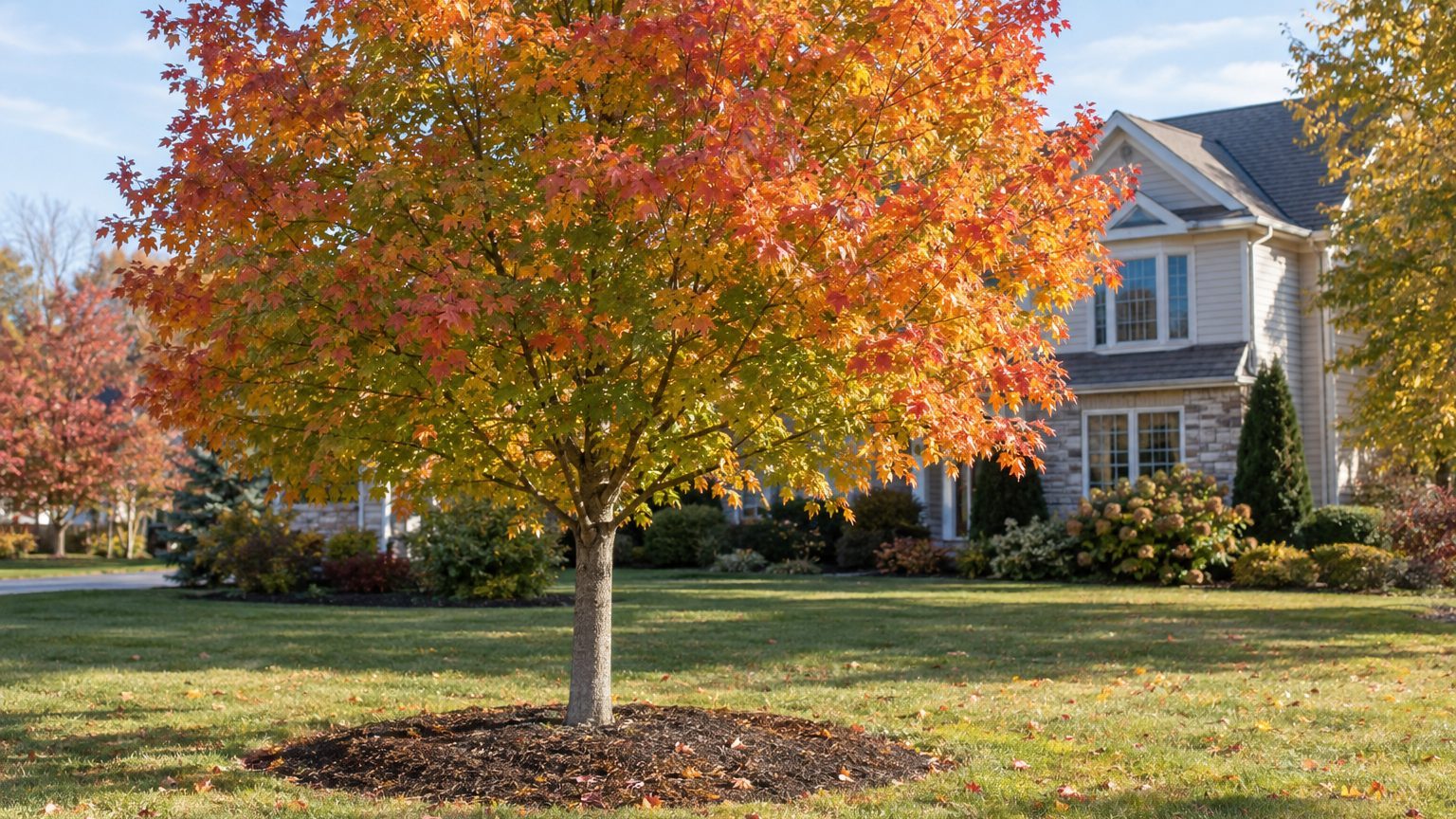
A young shade tree newly planted in a home yard

Shade and ornamental trees do best planted in March and April or in October and November, when the tree is dormant or the soil is workable and roots can grow.

  • In late winter, February can work for a container or balled-and-burlapped tree as long as the soil is not frozen.
  • In March and April, planting before new growth begins gives roots a full season to settle ahead of summer heat.
  • Through the summer, hold off, because heat and dry soil stress new roots more than at any other time.
  • In October and November, soil that is still warm lets roots keep growing while the top of the tree rests.
  • In December, planting is still possible on days when the ground is not frozen.

Container-grown trees can go in most of the year if you water them, but they settle best in the dormant season. Magnolia, dogwood, tuliptree, sweet gum, red maple, birch, hawthorn, poplars, cherries, plums and many oaks do better planted in spring than in fall. For reference, at the Newark airport the last spring frost falls between March 29 and April 6, and the first fall frost between November 4 and November 16. In spring, suburban and rural yards often see frost lingering longer, and in fall it tends to arrive sooner, so check your own county. New Jersey spans USDA hardiness zones 6a to 7b.

When to Plant Fruit Trees in New Jersey

Fruit trees go in during March and April. Bare-root trees should be planted in early spring, while they are dormant and before the buds open.

Container-grown fruit trees follow the same spring window, and November planting can also work when you would rather plant in fall.

Kind of fruit tree When to plant in New Jersey Why then
Bare-root March to April Planted dormant, before the buds open
Container-grown March to April, or November Roots settle in the dormant season

Plant a bare-root tree soon after it arrives and keep the roots from drying out. In fall, a container tree needs regular water until the ground freezes. Pruning comes after planting and has its own timing, covered on the page about when to prune fruit trees.

Best Trees to Plant in New Jersey

Trees that tolerate rough conditions suit many New Jersey yards, where winters are cold and summers can run hot and dry. Where a site already has tree cover, shade-tolerant choices make more sense than sun lovers.

Mixing conifers such as white pine with hardwoods is a sound plan on larger lots.

Tree How it does in New Jersey Why
Ginkgo Large shade tree with bright yellow fall color Tolerates adverse growing conditions
London planetree Medium to large shade tree Very tolerant of adverse conditions
Thornless honeylocust Large tree for wet or dry spots Tolerates both wet and dry soils
Eastern hemlock Fits sites with existing tree cover Shade tolerant
Sugar maple Works under or near other trees Shade tolerant

American holly and white pine give winter color. Your final pick depends on the room, the sun and your zone.

When to Plant, Water and Prune Trees in New Jersey

The yearly rhythm is simple. Plant while trees rest, water a young tree while the soil is not frozen, and prune fruit trees late in the dormant season.

Task Best timing in New Jersey Why then
Plant shade and ornamental trees March to April, or October to November Roots grow in workable soil without summer heat
Plant fruit trees March to April Bare-root trees go in dormant, before the buds open
Water a young tree Regularly after planting, while the soil is not frozen New roots need steady moisture to settle in
Prune fruit trees February to March, when the tree is dormant Cuts are made before buds swell

Skip pruning fruit trees in fall or early winter, because new growth may not harden before the cold. Peaches are pruned last, from late March, since their flower buds are easily hurt by cold, while apples go first.

Where to Get Tree Advice in New Jersey

Rutgers Cooperative Extension offers local, tested guidance on tree choice and planting, and each county has an office to ask.

Common Questions

Can You Plant a Tree in Summer?

You can if the tree is container-grown and you water it faithfully, but the work is harder on the plant. Dry soil and heat strain young roots, so spring and fall are kinder.

Should You Remove the Burlap from a Balled-and-Burlapped Tree?

Yes. Cut away the burlap and any wire basket from around the top of the root ball once the tree is in the hole, so roots can spread freely and the trunk is not girdled later.

Do Bare-Root Trees Need Special Care Before Planting?

Keep the roots moist and out of sun and wind until planting day. Plant while the tree is still dormant, since bare-root trees are set out before the buds open.
Best Peonies for New Jersey

Best Peonies for New Jersey

Herbaceous peonies pushing red shoots through cold spring soil are a familiar sight in New Jersey yards, and established plants return each spring. Herbaceous, intersectional and tree peonies all have a place in the state, which sits in zones 6a to 7b on the USDA system, cold enough to give peonies the winter rest they need.

Best Peonies to Grow in New Jersey

Best Peonies for New Jersey

Garden peonies, the herbaceous kind, are the dependable choice here, because peonies need a cold winter rest to flower and New Jersey winters supply it. Intersectional and tree peonies also fit, and woodland types suit shade. Planting or dividing is a September or October job, with October as the latest.

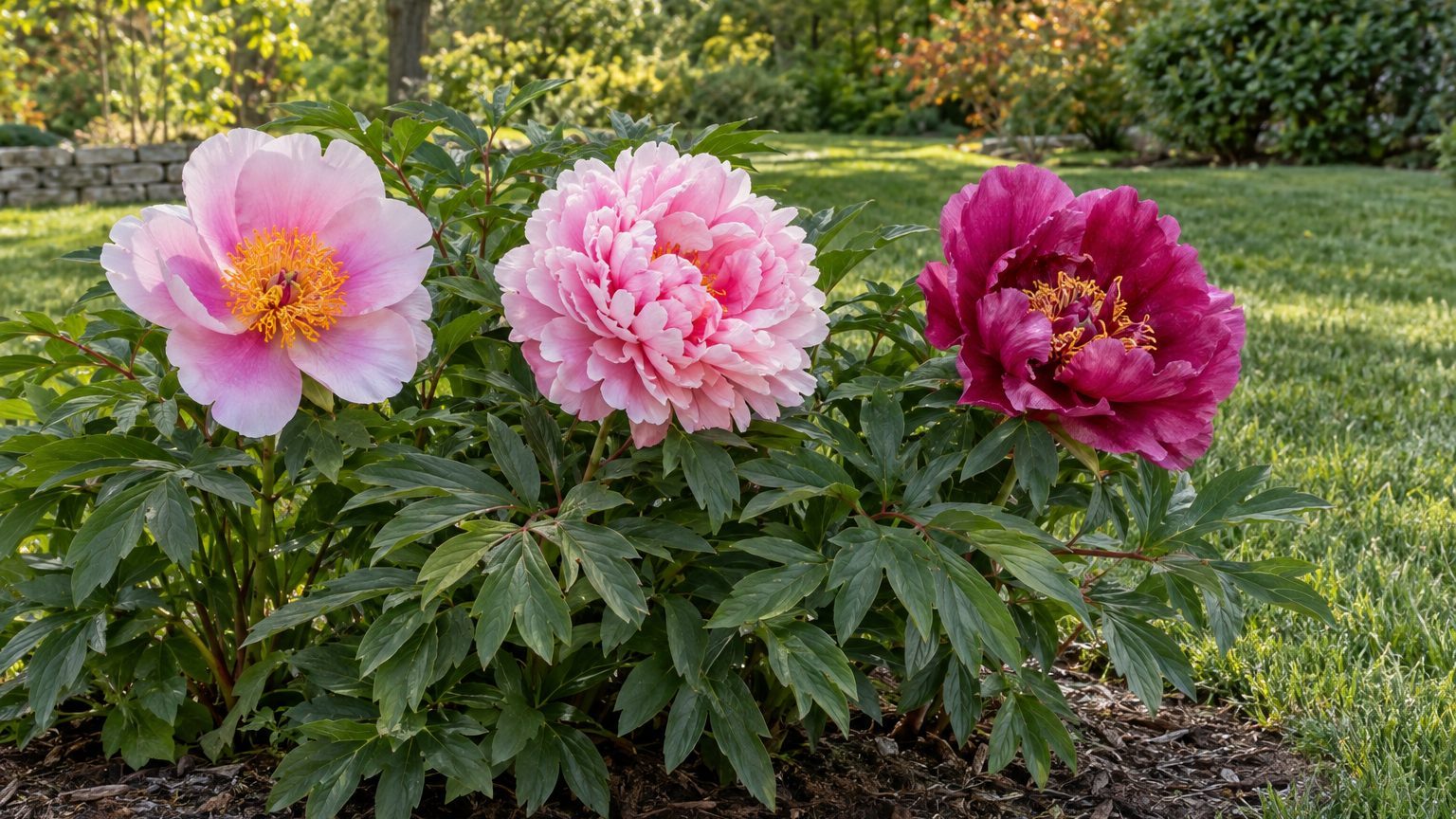
Common Garden Peony

Common Garden Peony — Best Peonies for New Jersey

The common garden peony (Paeonia lactiflora) is the standard herbaceous form found in most home gardens, and it comes in many flower forms and colors. It dies back each fall and returns in spring, so it is cut back after frost, in October or November, or in March or April instead.

Sarah Bernhardt

Sarah Bernhardt — Best Peonies for New Jersey

Sarah Bernhardt is a popular cut-flower cultivar. It is worth considering for a New Jersey cutting bed, with blooms arriving from May into June.

Karl Rosenfeld

Karl Rosenfeld, Festiva Maxima and Dr. Alexander Fleming are popular landscape cultivars worth considering. Look for a named cultivar if you prefer a labeled plant to an unnamed division.

Intersectional Peony

Also called the Itoh, this is a hybrid of the garden and tree peonies. Herbaceous and intersectional types are the easiest to grow and share the same culture: each fall they die back to the ground, and new growth emerges in spring.

Tree Peony

Tree peonies are woody shrubs that go dormant over winter and renew growth each spring on woody stems. Never cut one back to the ground the way you would a herbaceous peony.

Woodland Peony

The woodland peonies (Paeonia japonica and P. obovata) are best suited to shade gardeners. Give them the corner under a tree where a sun-hungry garden peony would sulk.

Fernleaf Peony

The fernleaf peony (P. tenuifolia) is noted for finely cut, fern-like foliage and crimson red flowers. It is a good pick if you want texture in the bed after the blooms fade.

How to Choose a Peony for a New Jersey Garden

Start with the spot and the time you have. Peonies are long-lived perennials that grow reliably year after year, so the right match at planting pays off for a very long time.

Herbaceous and intersectional peonies are easy to grow; woodland peonies suit shade, while tree peonies suit gardeners who want a woody shrub.

Your situation What suits it in New Jersey Why
Very cold winter in the north Herbaceous garden peony It dies back to the ground each fall, and the cold winter rest helps it flower
A plant with distinctive foliage Fernleaf peony Its finely cut foliage and crimson flowers give a lighter look in the bed
Little time for upkeep Herbaceous or intersectional peony Both are the easiest to grow and share the same simple routine
Shady space Woodland peony It is best suited to shade gardeners
Need for winter cold Herbaceous garden peony Peonies do best where winters are cold and may flower poorly in mild-winter climates

Tree peonies suit a gardener who wants a woody shrub with permanent stems. Expect a newly planted or transplanted peony to skip blooming its first spring.

Which Peonies Suit Different Parts of New Jersey

Zones 6a to 7b cover the whole state, so the choice shifts a little from one region to the next.

  • The Skylands and the Highlands: Winters run colder here, so herbaceous and intersectional peonies fit well, and the cold rest supports flowering.
  • Central New Jersey: Garden peonies and intersectional types do well, and woodland peonies fit the shaded corners of older lots.
  • The Jersey Shore and the Pinelands: Winters are milder, so peonies get less cold rest and may flower less freely. Lean on herbaceous types and give them a spot that stays cooler than the rest of your garden.

Check your own county, since suburban and rural gardens often see the last spring frost later than Newark, where it falls between March 29 and April 6.

Peony Buying Mistakes to Avoid in New Jersey

Choosing a Type Too Mild for Winter

Peonies need a cold winter rest to flower and may bloom poorly in mild-winter climates. Herbaceous and intersectional peonies are the easiest types to grow.

Planting Too Deep

A peony planted too deep may bloom poorly or not come up at all. Keep the eyes near the soil surface when you plant in September or October, so the roots have time to settle before the cold.

Buying a Pot Without Knowing Its Size

A small potted peony hides its adult spread, and crowding later forces a move. Read the tag for mature size before buying, and leave room. A moved peony may not bloom the first spring, so planting right once saves a season of flowers.

Where to Get Peony Advice in New Jersey

Local help fits the question you have, whether it is a variety, a soil problem or a plant that refuses to bloom.

  • Rutgers New Jersey Agricultural Experiment Station publishes gardening guidance for the state, useful before you order plants for fall.
  • Your county extension office can answer questions about local conditions, and a visit in late summer leaves time to plan a September planting.

Common Questions

When Do Peonies Bloom in New Jersey?

Peonies bloom from May into June, depending on the variety.

Can You Plant Peonies in Spring?

September or October is the time for planting or dividing, which gives roots time to settle before winter. Planting in early fall gives roots time to settle before winter.

When Should You Cut Back Peonies in New Jersey?

Cut herbaceous peonies back after frost in October or November, or in March or April. Tree peonies keep their woody stems.

When Do Peonies Bloom in New Jersey?

When Do Peonies Bloom in New Jersey?

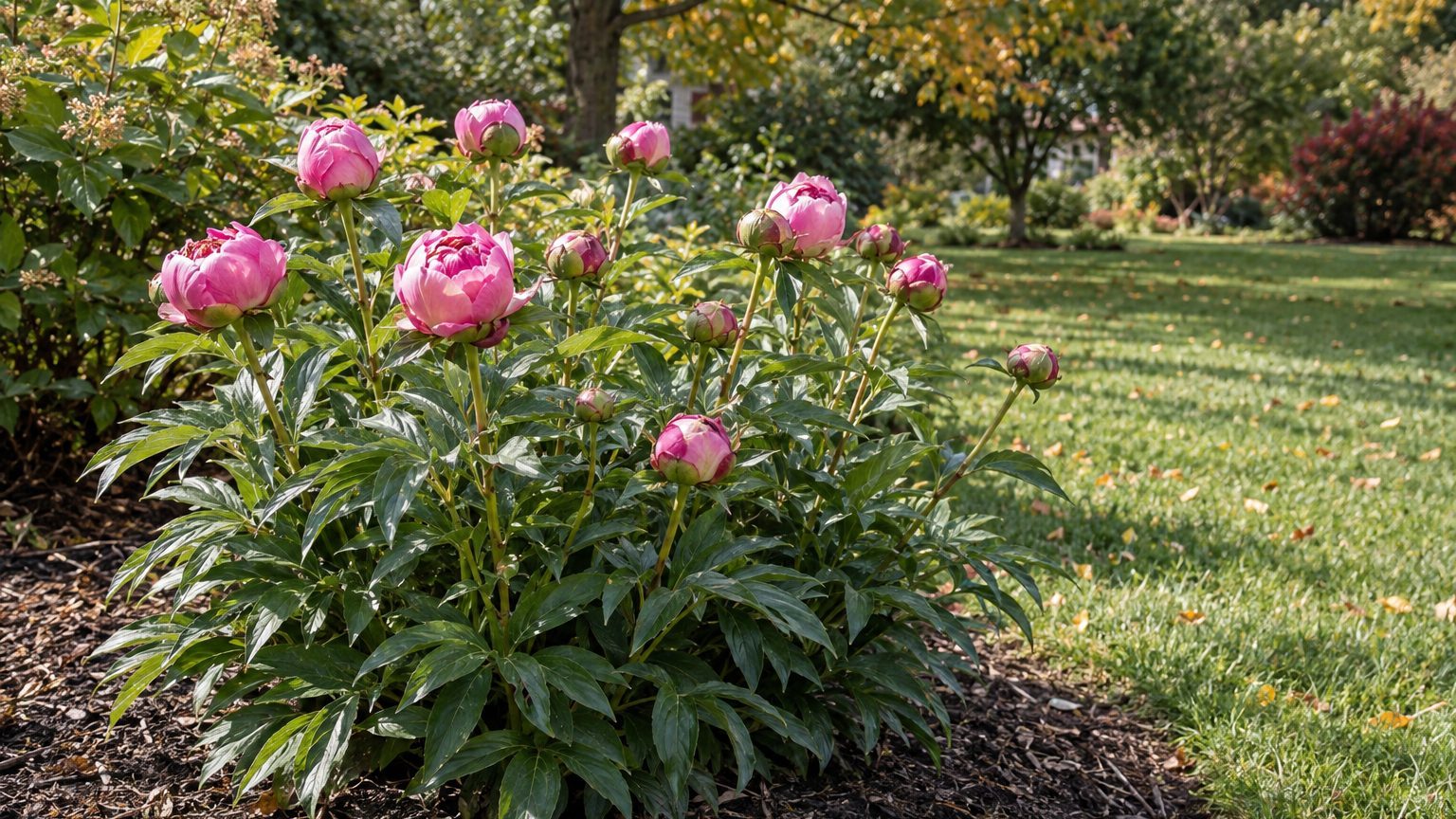
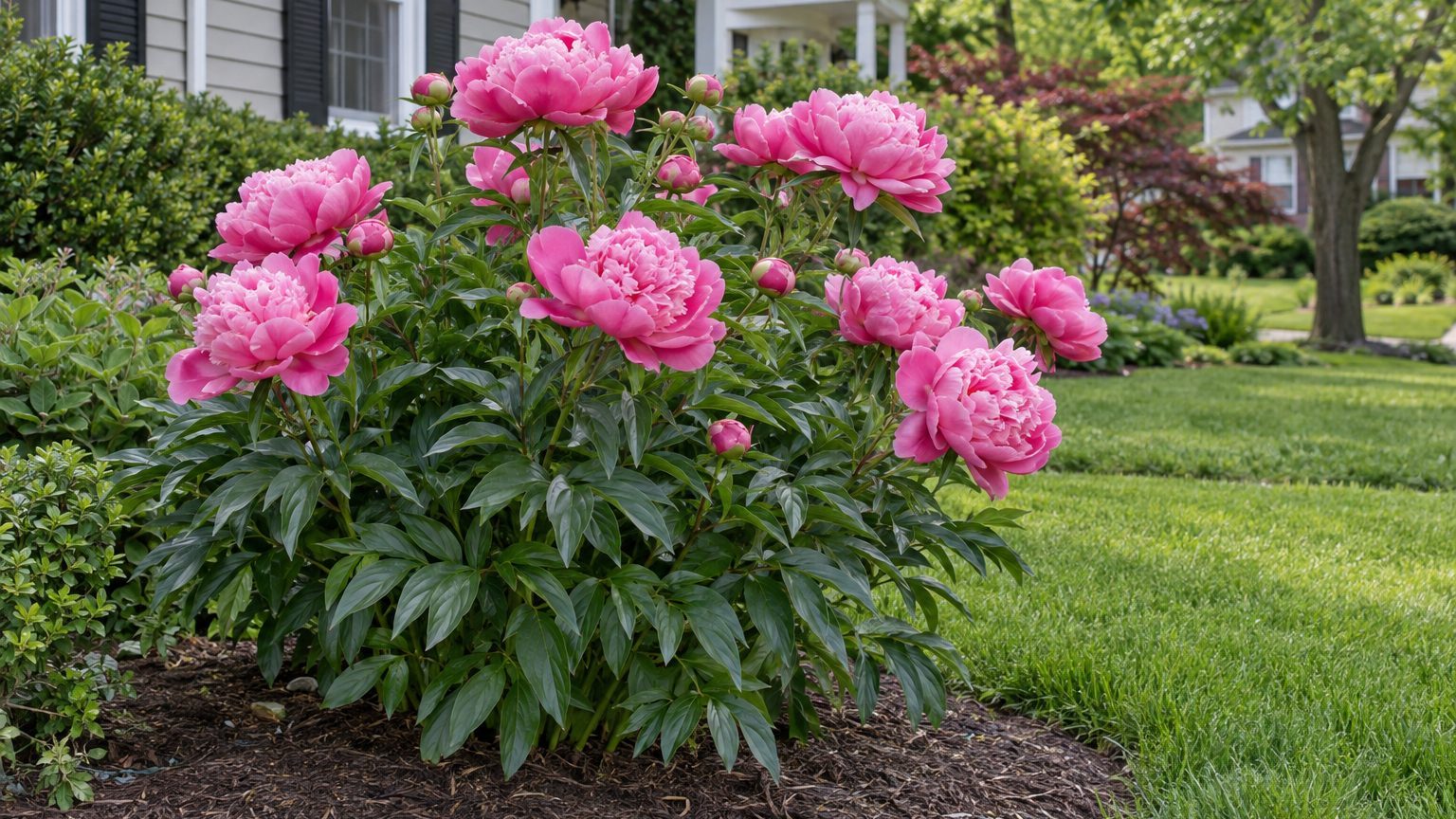
Come late spring, fat peony buds open in New Jersey yards as the grass greens around them. The bloom runs from May into June, with the exact week depending on the variety and how warm the spring has been.

When Do Peonies Bloom in New Jersey?

When Do Peonies Bloom in New Jersey?

Peonies bloom in New Jersey from May into June. Most garden peonies open in that stretch, and a mild spring pulls the show toward the front of it while a cool one pushes it back. Gardens in New Jersey fall in USDA zones 6a to 7b, cold enough to give peonies the winter rest they need to flower.

Type of peony When it blooms in New Jersey What to know
Herbaceous (garden) peony May into June Dies back to the ground each fall and returns in spring from new growth
Intersectional (Itoh) peony May into June A hybrid of garden and tree peonies, grown and cared for like an herbaceous peony
Tree peony May into June A woody shrub that keeps its stems through winter and renews growth from them

Early, midseason and late herbaceous varieties spread the bloom across the window, so mixing them stretches the display. A newly planted or transplanted peony may not bloom the first spring, so a young plant that skips a year is not failing. Planting depth matters too: eyes set too deep may bloom poorly or never come up.

How to Tell When Your Peonies Are About to Bloom

The plant announces its schedule well ahead of the flowers, and changes in the bed tell you where things stand.

  • Red, pointed shoots pushing up through the soil mean growth has begun and the season is underway.
  • Stems that thicken and carry clusters of green buds show that the plant is building toward flowering.
  • Swelling buds are close to showing color, so check supports and stakes before the flowers add weight.
  • Buds that feel soft when you press them gently, like a marshmallow, are getting close to opening.
  • Petals showing color at the bud tip mean the bloom has started, and cutting for a vase is possible at this stage.

Ants crawling over the buds are normal and harmless, so there is no need to treat them.

When to Cut Back Peonies in New Jersey

Herbaceous and Itoh peonies are cut back in fall, in October or November, once frost has blackened the foliage. A hard freeze is the signal to wait for. Cut the stems down to within a couple of inches of the ground, which leaves a short stub that marks the plant’s spot.

Remove cut foliage from the bed, and discard any material that shows disease. Peony foliage can carry disease, so do not compost material that looks affected. If fall slips by, the same job can be done in March or April before new shoots break the surface.

Tree peonies are the exception. Their woody stems carry the next season’s growth, so they are never cut to the ground. Remove only dead wood and leave the framework alone.

How Peony Bloom Time Shifts Across New Jersey

The months stay the same statewide, but weather and location nudge the opening dates within them. Newark’s last-frost dates, between March 29 and April 6, apply only to that reference city, and suburban and rural yards usually see their last frost later.

  • Sussex and Warren counties: Higher ground and colder hollows in the northwest warm up later, so buds tend to open toward the later part of the window.
  • Newark and the urban northeast: Buildings and pavement hold heat, so plants here may color up earlier than those in cooler parts of the state.
  • Jersey Shore: Sea air cools the spring edge, so bloom can lag a little behind inland gardens at the same latitude.
  • South Jersey: Spring warms sooner in the south, so shoots and buds often move ahead of those in the north.

Your own yard, with its sun, shelter and soil, shifts the timing too, so watch your plants more than the calendar.

Where to Get Peony Advice in New Jersey

Local help is useful when a peony will not bloom, a bed has gone shady or you are choosing a variety. Your county extension office can help with local soil and microclimate questions.

  • The Rutgers Cooperative Extension website carries gardening fact sheets, and spring is a good time to read up before buds form.
  • Your county extension office can answer questions about your yard, so contact it before planting or dividing in September, or in October at the latest.

Common Questions

Why Are My Peonies Not Blooming?

Check whether the plant is young, since a newly planted or divided peony may skip its first spring. Then check the depth, because eyes buried too deep may produce leaves and no flowers. Shade that gets heavier each year can also be behind it.

When Should You Divide Peonies in New Jersey?

Divide them in September, or October at the latest. That gives the new divisions time to settle their roots before winter, and the plants have stored food in their roots by then.

Do Peonies Come Back Every Year?

Herbaceous and Itoh peonies die back each fall and return each spring from the same roots. Tree peonies keep their woody stems and renew growth from them. All of them need a cold winter rest to flower well, which New Jersey winters provide.

When to Plant Peonies in New Jersey: Dates and Care

When to Plant Peonies in New Jersey: Dates and Care

A peony clump that looks bare in September is quietly doing important work, storing food in its roots for next May’s flowers. In New Jersey, that same quiet stretch of early fall is when you plant or divide, and the dates and the care that follow are what make the yard’s peonies thrive.

When to Plant Peonies in New Jersey

When to Plant Peonies in New Jersey: Dates and Care

Plant or divide peonies in September, or in October at the latest, so the roots settle in well before the ground freezes. The rest of the year follows a steady rhythm, and the frost figures here describe Newark, so check your own county, since suburban and rural yards often see frost later in spring and earlier in fall.

  • In early spring, the last frost at Newark falls between March 29 and April 6, and new red shoots push up from the ground in gardens across zones 6a to 7b.
  • From May into June, established plants bloom, though a peony planted or moved the previous fall may skip flowering its first spring.
  • Through summer, the leaves keep working, storing sugars in the roots for the following year.
  • In September, or October at the latest, you plant bare-root divisions and move crowded clumps while the soil is still workable.
  • After frost in October and November, herbaceous stems are cut back, and the first fall frost at Newark arrives between November 4 and November 16.

Those zones come from the USDA hardiness system, and the cold they describe is exactly the winter rest peonies need to set buds. Planting in early fall lets roots establish before that rest begins.

Which Peonies Grow Best in New Jersey?

Peonies suit New Jersey well. They need a cold winter rest to flower, and winters across zones 6a to 7b deliver it. Heat is less of a worry here than it would be farther south, so you can choose among the main types.

Herbaceous peonies and intersectional (Itoh) hybrids are the easiest to grow and share the same routine: they die back to the ground each fall and return in spring.

Peony type How it does in New Jersey Why
Herbaceous (garden) Reliable and easy Dies back each fall and regrows in spring, with winters cold enough for bud set
Intersectional (Itoh) Reliable and easy A hybrid of garden and tree peonies with the same yearly cycle as herbaceous types
Tree (woody) Grows well with patience Woody stems go dormant over winter and renew growth each spring

Woodland peony (Paeonia japonica) is another type grown in home landscapes, though it is less common. Whatever you choose, keep the eyes near the soil surface, because a peony planted too deep may bloom poorly or not come up at all.

When to Plant, Cut Back and Feed Peonies in New Jersey

Planting and cutting back have clear windows here. This calendar does not provide a feeding schedule.

A herbaceous peony is cut back after frost, while a tree peony keeps its woody stems and is never cut back. Cut herbaceous stems down to within a couple of inches of the ground.

Task Best timing in New Jersey Why then
Plant or divide September, or October at the latest Roots have stored food and time to settle before winter
Bloom May into June Established plants flower once the buds have had their cold rest
Cut back herbaceous stems October and November, after frost Stems have died back; early spring is the other window, in March or April
Feed Ask your county extension office This calendar does not provide a feeding schedule

Cutting in fall leaves a tidier bed going into winter, while waiting until March or April works just as well if you prefer to leave the stems standing for now.

How Peony Planting Dates Change Across New Jersey

The state stretches from highlands in the north to flat coastal plain in the south, and that changes how soon frost arrives and how soon spring warms the soil.

  • High Point and the Skylands: Elevation brings a later spring thaw and an earlier fall frost, so plant in September or October and give new roots time to settle.
  • Central New Jersey: Gardens near the Newark reference point follow the dates above most closely, with planting comfortable through September and into October.
  • The Jersey Shore and Cape May: Ocean air softens the cold, so October planting stays workable here longer than inland.

Wherever you garden, the calendar months stay the same, and local frost only nudges you toward the start or the end of the window.

Where to Get Peony Advice in New Jersey

Rutgers Cooperative Extension, part of Rutgers New Jersey Agricultural Experiment Station, offers local guidance, and each county has its own office for diagnosis questions and soil tests.

  • The extension website carries peony and perennial guidance written for New Jersey conditions, useful any time of year.
  • Your county office can test your soil and look at a struggling plant, so contact them before planting.

Before September arrives, check where the sun falls in your bed and test the soil, so the roots go into the right spot.

Common Questions

Can You Plant a Peony in Spring in New Jersey?

Plant or divide peonies in September, or in October at the latest.

Why Did My New Peony Not Bloom in New Jersey?

A newly planted or transplanted peony may not bloom its first spring. If an older plant has stopped flowering, check the depth too, since eyes buried deep produce leaves but few flowers.

Should You Cut Back Tree Peonies in New Jersey?

No. A tree peony keeps its woody stems through winter and renews growth from them each spring, so only herbaceous types are cut back.

Best Lilacs for New Jersey

Best Lilacs for New Jersey

A lilac in full bloom in a New Jersey front yard is a late April and May sight, and the shrubs that carry it best are the ones bred to handle humid summers. The state sits in USDA hardiness zones 6a-7b, which gives lilacs their cold rest but tests them in summer heat.

Best Lilacs to Grow in New Jersey

Best Lilacs for New Jersey

Common lilac, dwarf lilacs and disease-resistant selections do well here, because lilacs need a cold winter rest to mature their flower buds and struggle in hot, humid summers. New Jersey winters supply the cold, so the choice comes down to summer toughness and mildew resistance.

Common Lilac

Common Lilac — Best Lilacs for New Jersey

Syringa vulgaris is the classic common lilac, grown for very fragrant flowers in mid to late spring. Named cultivars come in lilac, purple, white, pink and a reddish hue. Most are prone to disease, so pick selections with a good record.

Edith Cavell

Edith Cavell — Best Lilacs for New Jersey

Most common lilac cultivars are susceptible to blight, but ‘Edith Cavell’ has been observed with less disease in gardens. Choosing a plant like this is easier than fighting blight later, since blight is difficult to control.

Glory

‘Glory’ is another common lilac cultivar seen with less disease in gardens. If you want the classic old-fashioned shrub and its scent, a cultivar with a lighter disease record is a sensible choice in humid weather.

Ludwig Spaeth

‘Ludwig Spaeth’ belongs to the same short list of common lilac cultivars with less disease. Buying blight-resistant varieties whenever you plant new lilacs is the advice, and this one fits it.

Pink Elizabeth

‘Pink Elizabeth’ also shows less disease in gardens, and it adds a softer color to the usual purples. Like the others, it wants full sun and decent air circulation around the branches.

Meyer Lilac Palibin

Syringa meyeri ‘Palibin’ is a medium, dense shrub that resists powdery mildew, which commonly afflicts common lilac. It needs full sun for the best flowering, so give it an open spot.

Miss Kim

‘Miss Kim’ is a round, compact cultivar with pale lavender-purple flowers. Dwarf lilac species and hybrids tend to handle hot, humid summers better than traditional varieties.

Bloomerang

The Bloomerang series is powdery mildew resistant and reblooms, sporadically producing flowers into summer and early autumn. High heat can still hamper that rebloom, so treat it as a bonus.

How to Choose a Lilac for a New Jersey Garden

Start with what your yard throws at a lilac: heat, humidity, limited space or limited time. Lilacs want sun and good air circulation, and they do best where winters are cold.

For anyone set on lilacs despite the challenges, the advice is to try cultivars with above-average disease resistance and heat tolerance.

Your situation What suits it in New Jersey Why
Hot, humid summer Meyer lilac ‘Palibin’ or a Bloomerang Meyer lilac ‘Palibin’ and the Bloomerang series resist powdery mildew, which humidity encourages
Very cold winter Common lilac or a hybrid of S. oblata and S. vulgaris These hybrids suit cold climates
Little time for care ‘Edith Cavell’, ‘Glory’, ‘Ludwig Spaeth’ or ‘Pink Elizabeth’ These cultivars have been observed with less disease in gardens
Small space ‘Miss Kim’ or another dwarf lilac Compact, round habit and better tolerance of hot, humid summers
Need for winter cold Common lilac in an open, sunny site Flower buds need a cold rest to mature

Resistance to blight also shows up in some other species, including S. josikaea, S. komarowii, S. microphylla, S. pekinensis and S. reflexa, which are worth asking a nursery about.

Which Lilacs Suit Different Parts of New Jersey

The state runs from cooler northern hills to a milder south, and that shifts which lilac makes sense.

  • The Skylands of northwest New Jersey: Winters are colder here, so common lilacs and the cold-hardy S. oblata hybrids get the rest their buds need.
  • Central New Jersey: A mix of both worlds, where mildew-resistant picks such as Meyer lilac give insurance against humid summers.
  • The Jersey Shore and South Jersey: Summers feel hotter and stickier, so dwarf lilacs and heat-tolerant cultivars are the safer bet.

Wherever you garden, full sun and open air around the shrub matter more than any single variety.

Lilac Buying Mistakes to Avoid in New Jersey

Buying a Blight-Prone Cultivar

Most common lilac cultivars are susceptible to blight, and it is difficult to control once it arrives. The cost is a shrub that declines over the years. Choose a blight-resistant variety at planting instead.

Ignoring Summer Heat

Lilacs struggle in hot, humid summers, and powdery mildew is the usual result on traditional types. Skip the old standards in a muggy, crowded spot and pick a dwarf or mildew-resistant lilac with better heat tolerance.

Pruning at the Wrong Time

A lilac sets next year’s flower buds in summer, soon after it flowers, so pruning in late summer, fall or winter cuts off spring flowers. Prune right after the flowers fade, in May or June. A hard renovation cut of an overgrown shrub belongs in March or April, and it will not flower for a few years afterward.

Where to Get Lilac Advice in New Jersey

Rutgers NJAES publishes pruning guidance for spring-flowering shrubs, and your county office can speak to local soil and summer conditions.

  • Its pruning guidance explains that lilacs bloom on one-year-old wood and should be pruned immediately after flowering.
  • Your county extension office can help with disease questions, best brought in with a branch sample when leaves show spotting or blight.

Common Questions

Can You Grow Lilacs in Southern New Jersey?

Yes, though hot, humid summers make mildew a concern. Dwarf lilacs and mildew-resistant selections such as Meyer lilac handle it better than traditional varieties.

Do Lilacs Rebloom in New Jersey?

The Bloomerang series reblooms, sporadically producing flowers into summer and early autumn. High heat can still hamper rebloom.

When Do Lilacs Bloom in New Jersey?

April and May are the main months, with later species and cultivars carrying color into June.

When to Prune Lilacs in New Jersey

When to Prune Lilacs in New Jersey

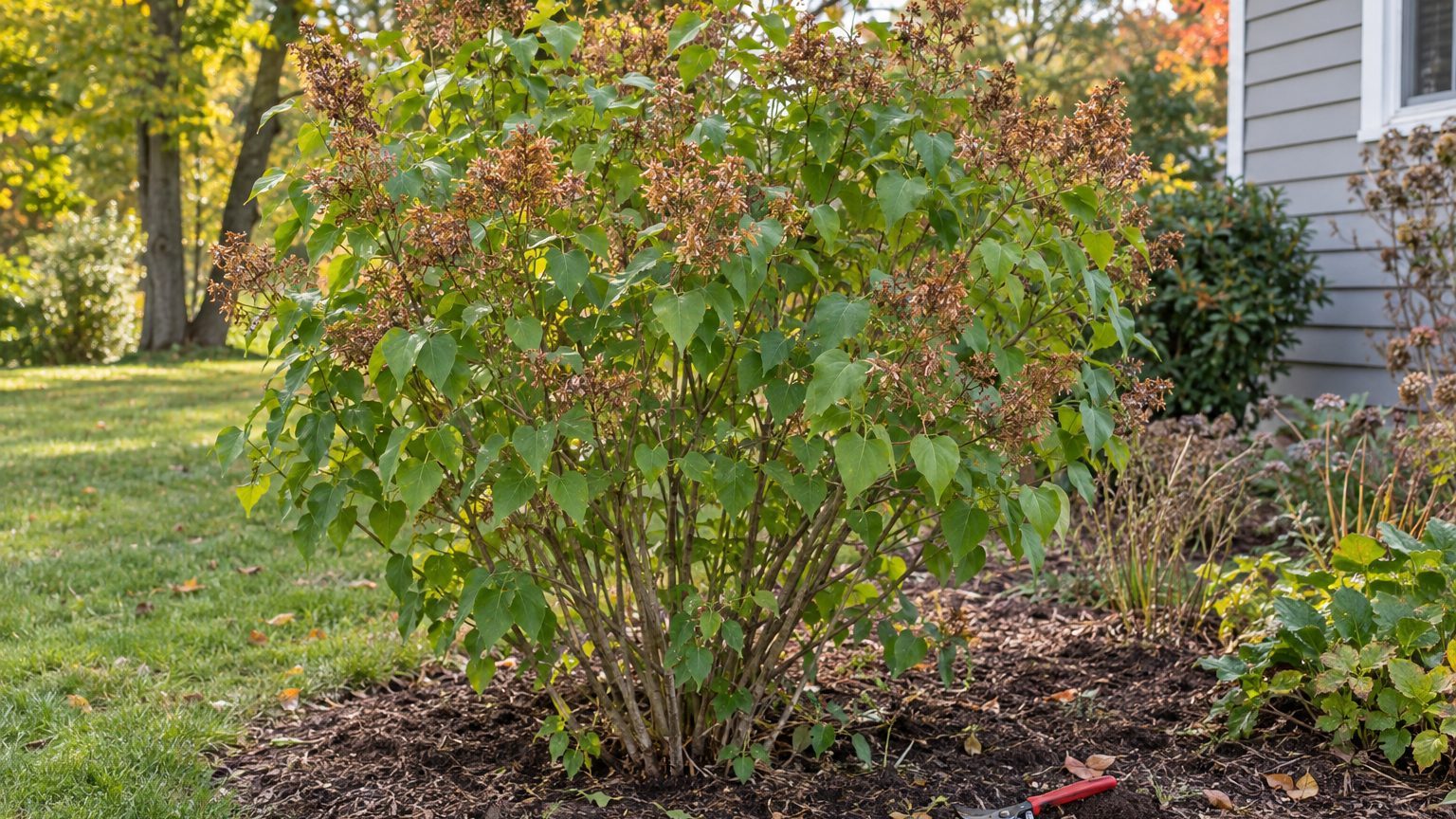
A lilac covered in purple or white plumes in spring will soon start setting the buds for next year’s show. In New Jersey, the pruning window opens just as those blooms brown and closes soon after.

When to Prune Lilacs in New Jersey

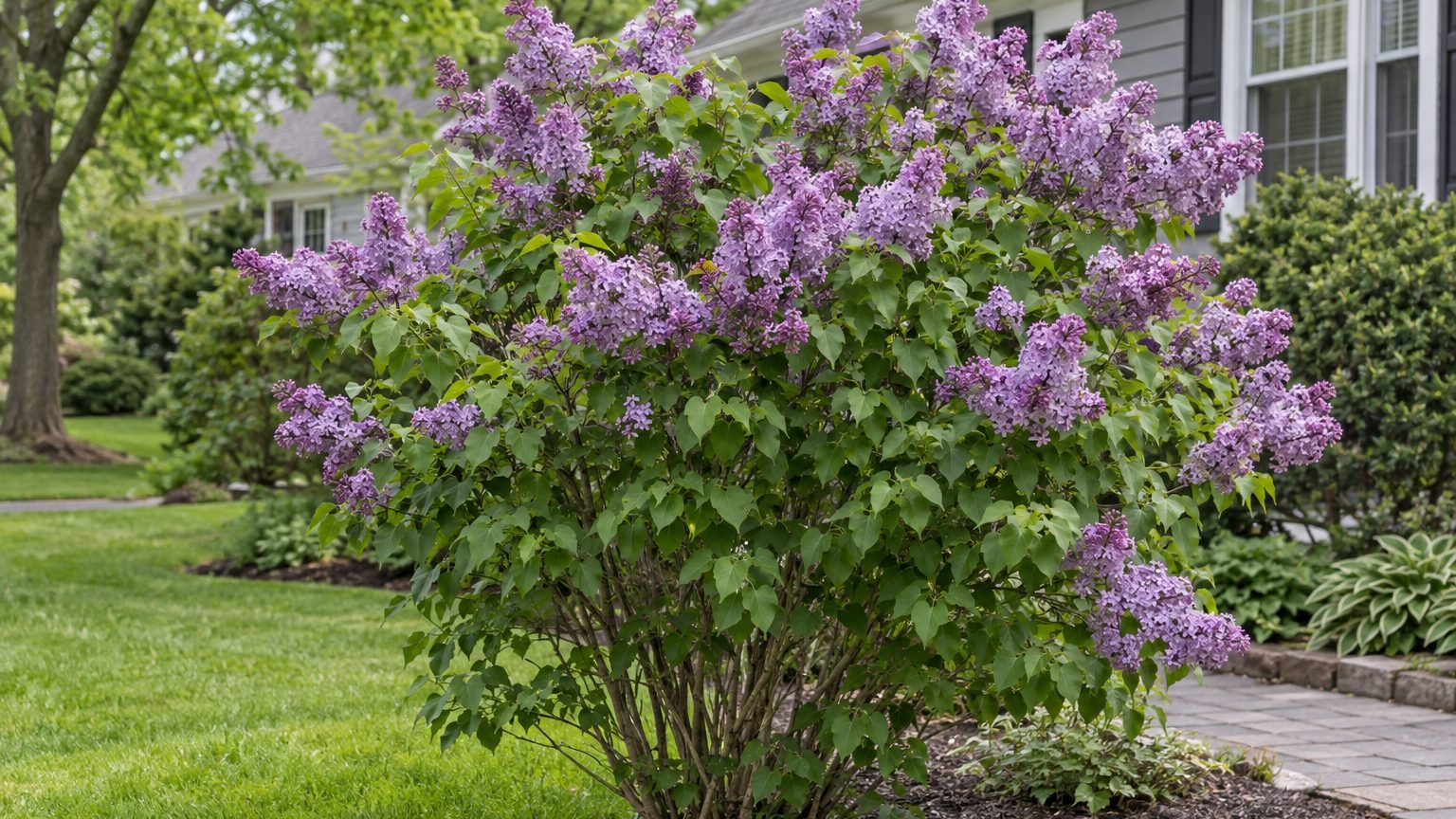
Lilac stems after flowering

Prune lilacs in New Jersey right after the flowers fade, which means May into June. Lilacs bloom on wood that grew the previous summer, and the buds for the following spring form soon after flowering, so a late cut removes them.

Type of pruning When in New Jersey Why
Routine shaping and removal of spent blooms May, June, right after the flowers fade Next year’s buds form in summer, so early cuts protect them
Hard cut of an overgrown lilac March, April, while the plant is dormant Renews a crowded shrub, but it costs the next flowers

Lilacs bloom from April into May, and later cultivars carry on into June, so the pruning window slides with the variety you grow. Reblooming lilacs follow a spring pruning schedule, unlike lilacs that flower only once. Cuts made in late summer, fall or winter take off the buds for spring.

How to Tell When Your Lilacs Are Ready to Prune

The plant itself gives a better signal than the calendar, because bloom time shifts with the variety and the spot in your yard.

  • The flower clusters turn brown and dry, which tells you the show is over and cutting can begin.
  • Petals drop and the clusters look tired, so the shrub has finished blooming and the pruning window is open.
  • Green growth starts pushing past the faded blooms, which means the shrub is already building the wood that will carry next year’s flowers.
  • Late cultivars may still be flowering while neighbors have finished, so judge each shrub by its own blooms rather than the street’s.
  • Once flower buds start to form on new shoots, you are past the point where heavy cutting is safe.

Pruning promptly after the blooms fade leaves the whole summer for the plant to build new buds.

Should You Prune Lilacs in Fall or Winter in New Jersey?

No, not if you want flowers. Cutting in late summer, fall or winter removes the buds that are waiting to open in spring, and the plant has already set them by then.

A deliberate reset works differently. An overgrown lilac can be cut back hard in late winter, in March or early April, while it is still dormant. The shrub regrows from the base, but it will not flower for a few years afterward, and a rejuvenated plant skips the first spring entirely.

That makes the hard cut a trade, not a routine. If the lilac still blooms reasonably well, wait for the flowers to fade and thin it then.

How Lilac Pruning Time Shifts Across New Jersey

The state stretches from cold uplands to a mild shore, and lilacs follow the local weather rather than a single date.

  • High Point and the Skylands: Spring arrives later at higher elevations in the northwest, so blooms fade later and pruning moves toward the later part of the window.
  • Central Jersey: Bloom and pruning land in the middle of the range, right after the flowers fade in May.
  • The Jersey Shore and South Jersey: Milder conditions bring spring along sooner, so pruning tends to come earlier in the window. Hot, humid summers are harder on lilacs here, since they need a cold winter rest to mature their buds.

Watch your own shrub, and let the fading flowers set the date.

Where to Get Lilac Advice in New Jersey

Rutgers Cooperative Extension, part of Rutgers NJAES, publishes pruning guidance for spring-flowering shrubs that fits New Jersey yards. Your county office can speak to local conditions.

  • The extension site has fact sheets on pruning trees and shrubs, worth reading before the flowers fade in May.
  • Your county extension office can look at a struggling or overgrown lilac and advise on a renovation cut before March.

Common Questions

Can You Prune Lilacs After They Bloom in June?

Yes. June still falls within the pruning window for lilacs that flower later, and the earlier you cut after the blooms fade, the more time the shrub has to form new buds.

Do Lilacs Need Cold Winters to Bloom?

They do. A cold winter rest helps mature the flower buds, which is why lilacs do best in cold-winter climates and can struggle in hot, humid summers.

Where Do Lilacs Grow Best in a Yard?

Choose a sunny site with good air circulation. Hybrids of S. oblata and S. vulgaris suit cold climates and bloom in mid to late April.

When Do Lilacs Bloom in New Jersey? Dates and Care

When Do Lilacs Bloom in New Jersey? Dates and Care

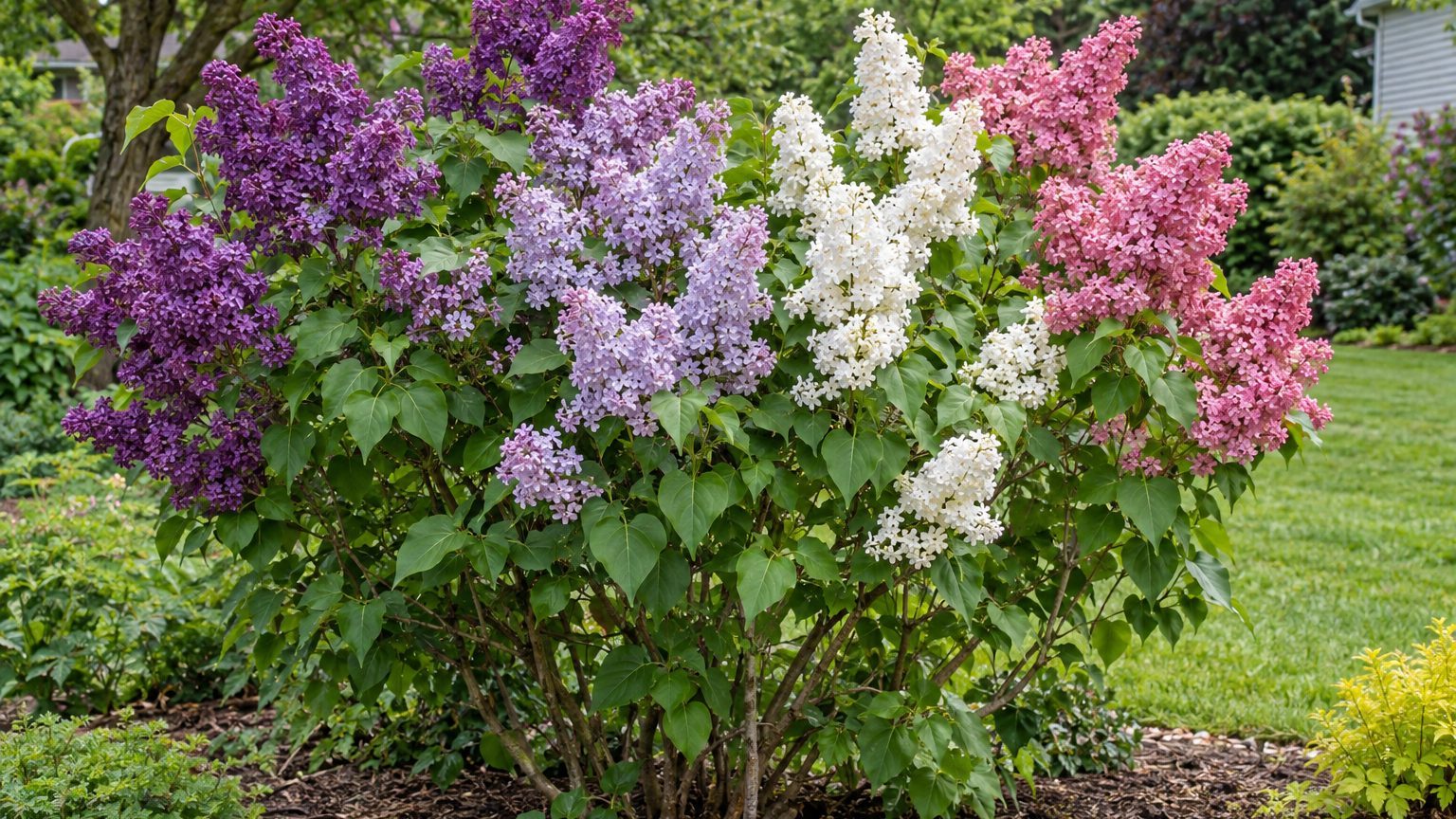
Lilac blooms arrive in spring, when the bare stems along a fence line suddenly fill with clusters of purple, lavender or white and the scent carries across the yard. In New Jersey that show runs through April and May, with later types carrying it into June. What you do in the weeks after the flowers fade decides how well the shrub blooms next year.

When Do Lilacs Bloom in New Jersey?

A lilac bush in bloom in a home garden

Lilacs in New Jersey bloom from April through May, and later species and cultivars stretch into June. Here is how a lilac’s year runs in the state.

  • In April and May, the flower clusters open, starting in late April on early types and carrying through May on the common ones.
  • In May and June, right after the blooms fade, is the time to prune, while the shrub is still setting its growth for the year.
  • Through summer, the stems that grew after flowering form the buds for next spring, so the plant is already working on next year’s show.
  • Through winter, the buds rest in the cold and mature, which is what lets them open when spring warms.

At Newark, the last spring frost falls between March 29 and April 6. Suburban and rural yards usually see it later, so check your own county. The first fall frost at Newark comes between November 4 and November 16, and gardens outside the city tend to get it sooner. The state spans USDA hardiness zones 6a-7b.

Which Lilacs Grow Best in New Jersey?

Lilacs grow in New Jersey, but the state sits on the warm side of what they like. They need a cold winter rest to mature their flower buds, and hot, humid summers wear on them.

Pick a sunny spot with room for air to move through the shrub, and your lilac will cope with the summer far better.

Lilac type How it does in New Jersey Why
Common lilac (Syringa vulgaris) Blooms April through May The classic spring lilac, with a flowering window that fits the state’s spring
Hybrids of S. oblata and S. vulgaris Opens in mid to late April Well suited to cold climates, so they handle winter well and start the season early
Later species and cultivars Flower into June They bloom after the early types finish, which stretches the season

Combining early hybrids and later-blooming types in the same bed can extend the display from late April into June. Whatever you plant, the winter chill and a summer with some air movement matter more than the exact variety.

When to Plant, Prune and Feed Lilacs in New Jersey

Pruning is the task with a firm window. A lilac flowers on last year’s wood, so a cut at the wrong time removes the buds you were counting on.

Task Best timing in New Jersey Why then
Regular pruning May and June, just after the flowers fade The shrub has not yet set next spring’s buds, so nothing is lost
Hard renovation of an overgrown lilac March and April, while the plant is still dormant A hard cut-back is easiest to do when the stems are bare, but it costs the next flowers
Leave the shears in the shed Late summer, fall and winter Buds are already formed and a cut removes them

A hard cut-back on an old, leggy lilac gives it fresh growth, but expect no flowers for a few years afterward. For the details of cutting, see the page When to Prune Lilacs in New Jersey. For planting and feeding advice, ask your county extension office about your site.

How Lilac Bloom Time Changes Across New Jersey

Lilacs open when local spring warms up, so the same shrub flowers at different times depending on where in the state it grows.

  • Sussex County highlands: higher ground in the northwest stays cooler, so buds open later and frost can linger into the lilac’s flowering window.
  • Jersey Shore: ocean air slows the spring warm-up along the coast, so lilacs here tend to open a little later than nearby inland gardens.
  • South Jersey: milder conditions in the south start spring sooner, so lilacs bloom earlier here, though the longer, hotter summer is harder on the shrubs.

A cold spring pushes everything later and a warm one pulls it forward, so expect some shift from year to year.

Where to Get Lilac Advice in New Jersey

Rutgers NJAES, the state’s extension service, publishes guidance on pruning trees and shrubs. Your county office can answer local questions about your own yard.

  • Visit Rutgers NJAES for the state’s pruning guidance, which is useful before you pick up the shears.
  • Contact your county extension office to have a sick lilac diagnosed or to arrange a soil test, ideally before the shrub is in the ground.

Common Questions

Why Is a Lilac Not Flowering in New Jersey?

A shrub with plenty of leaves but few flowers, growing in a shady corner, is usually short of sun. A lilac that was cut in late summer, fall or winter may have lost its buds, and you will see healthy growth with no flowers. Move the shrub toward the sun or change when you prune.

How Much Sun Do Lilacs Need?

Lilacs do best in a sunny site with good air circulation. Full sun helps the buds form, and moving air helps the foliage dry after rain and humid summer nights, which matters in a state with muggy summers.

Do Lilacs Bloom at the Same Time Every Year?

Not exactly. The window stays in April and May, but within it the opening follows how cool or warm the spring has been. A late chill delays the flowers, and a warm stretch brings them on sooner.

Best Roses for New Jersey

Best Roses for New Jersey

Roses in New Jersey face black spot on the leaves in humid summers and winters cold enough to damage the canes of tender types. Hardy shrub roses and disease-resistant varieties handle both without much fuss, while hybrid teas ask for more attention. Choosing the right type for your yard comes first, and the care follows from it.

Best Roses to Grow in New Jersey

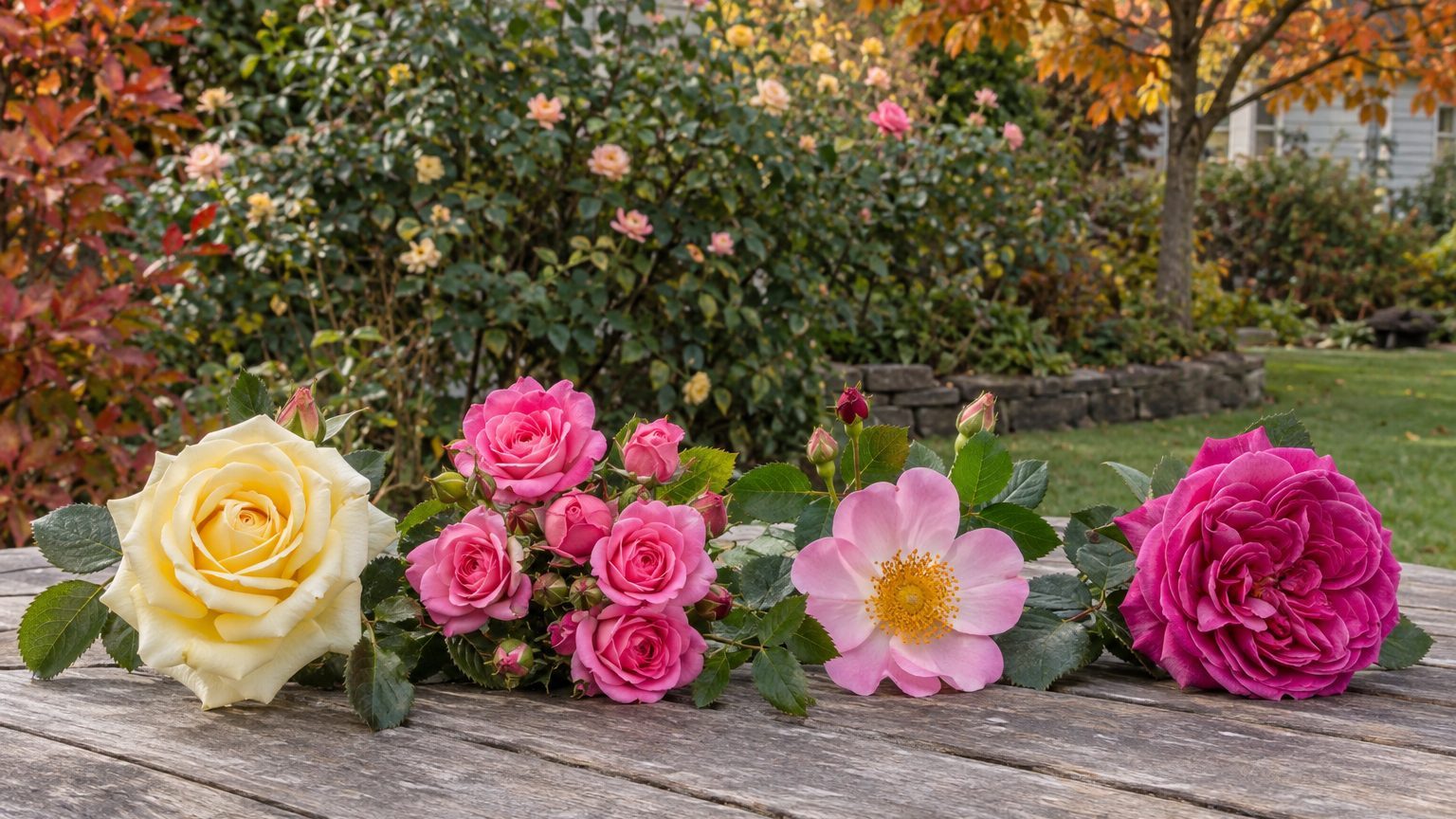
Healthy roses in bloom

Hardy shrub roses, old garden roses and disease-resistant landscape roses do well here, because winters fall in USDA zones 6a to 7b and humid summers invite leaf disease. Tender types can still succeed with some care. Each group below comes with what keeps it going in a New Jersey yard.

Knock Out and Other Shrub Roses

Most shrub and landscape roses are reliably winter hardy and need no extensive preparation for the cold months. Knock Out cultivars add strong resistance to black spot, the disease that once made roses a chore in damp summers. Plant them where you want color with little fuss.

Explorer Series Roses

The Explorer series is bred for cold and performs well without extra winter protection. That makes it a sensible pick for exposed corners, windy lots and gardeners who would rather not wrap canes in November.

Old Garden Roses

Many old garden roses tolerate cold extremely well, and they too need little winter preparation. Many of them bloom once, on last year’s wood, so prune them right after the flowers fade and never in early spring, which removes the buds.

Hybrid Teas, Grandifloras and Floribundas

Hybrid teas, grandifloras and floribundas are not reliably winter hardy. Expect to protect them each winter, and look for varieties noted as disease resistant, because they vary widely in how much black spot and mildew they pick up.

Climbing Roses

Some climbers are reliably hardy and others are not, so the label matters more here than the bloom color. Plants in exposed spots take the hardest hits, so give a tender climber a sheltered wall and protect it like a hybrid tea.

Own-Root Roses

Own-root roses are grown from cuttings rather than grafted onto a different rootstock. If the canes die back in winter, new ones often emerge from the deep roots. Even so, some may need protection, depending on how hardy the variety is compared with your garden’s zone.

How to Choose a Rose for a New Jersey Garden

Start with how much winter work you are willing to do, then look at how damp your summers feel. A hardy shrub rose asks for the least, and a hybrid tea asks for the most.

A rose bred for much colder zones needs little to no added protection in a milder garden, so a variety’s hardiness rating can work in your favor.

Your situation What suits it in New Jersey Why
Cold winters or an exposed spot Explorer series, hardy shrub roses, old garden roses Reliably hardy, little winter preparation
Humid summers Knock Out and other disease-resistant varieties Strong resistance to black spot
Little time Shrub and landscape roses No extensive winter preparation needed
You want hybrid teas Hybrid teas with winter protection, or own-root plants Not reliably hardy, but own-root plants can regrow from the roots

For a small space, miniature roses are worth a look, since some are reliably hardy, though you should check the variety before buying. Repeat-blooming roses such as hybrid teas are pruned in March or April, as the winter protection comes off.

Which Roses Suit Different Parts of New Jersey

USDA hardiness zones run from 6a to 7b across the state, so the same rose can need cover in one county and almost none in another.

  • Sussex and Warren county highlands: Colder winters and higher ground make hardy shrub roses and the Explorer series the safer choice. Hybrid teas here need their protection put on carefully.
  • Newark and central New Jersey: This middle ground suits shrub roses and, with winter protection, hybrid teas and floribundas. Disease-resistant varieties matter most for the humid summers.
  • Jersey Shore and the south: Milder winters mean a cold-bred rose needs little added protection, so you can try tenderer types and own-root plants with less worry.

Gardens inland and uphill usually have a later last frost than the city figures suggest, so check your own county before planting.

Rose Buying Mistakes to Avoid in New Jersey

Buying a Tender Type and Skipping Protection

A hybrid tea, grandiflora or floribunda left bare through winter can suffer considerable cane damage. Wait for several killing freezes so the plant is dormant, then put the protection on in November. December also works if the weather held mild.

Choosing a Disease-Prone Variety

Hundreds of hybrid roses are sold, and their susceptibility to disease varies a great deal. A susceptible one in a humid summer means spotted, yellowing leaves and constant spraying. Choose disease-resistant varieties before you buy, since that choice matters more than any later treatment.

Overlooking Own-Root Plants

A grafted rose that is hit hard by winter can lose its top growth. An own-root rose is grown from cuttings and, if the canes die back, new ones often come from its deep roots. When you shop for tender types, ask whether the plant is own-root or grafted.

Where to Get Rose Advice in New Jersey

Local advice settles questions about varieties, timing and disease for your own corner of the state. Rutgers NJAES is the state’s extension service, and your county office adds local knowledge.

  • The state extension site carries fact sheets on pruning flowering shrubs, useful to read before pruning begins in March.
  • Your county extension office can tell you about local frost timing and which diseases are common nearby, so call it before choosing varieties in March or April.

Common Questions

Can You Plant a Rose in July in New Jersey?

Container roses can go in from April through midsummer, so July works if you water well. Bare-root roses are planted in March or April, before growth starts.

When Should You Feed Roses in New Jersey?

Feed from April through July: after pruning, at first bloom and again in mid-July. Stop feeding after July so soft new growth does not form just before cold weather.

When Should You Prune Roses in New Jersey?

Prune repeat-blooming roses in March or April, once the ground thaws and the protection is off. February can also work in an early spring, when the forsythia blooms.

When to Prune Roses in New Jersey

When to Prune Roses in New Jersey

Spring is when rose canes show what the winter did: some stay green and plump, others turn brown and brittle. In New Jersey, that moment decides when the pruners come out. Repeat-blooming roses get cut as the season turns, while roses that flower only once a year follow a different clock, and the difference matters for next summer’s blooms.

When to Prune Roses in New Jersey

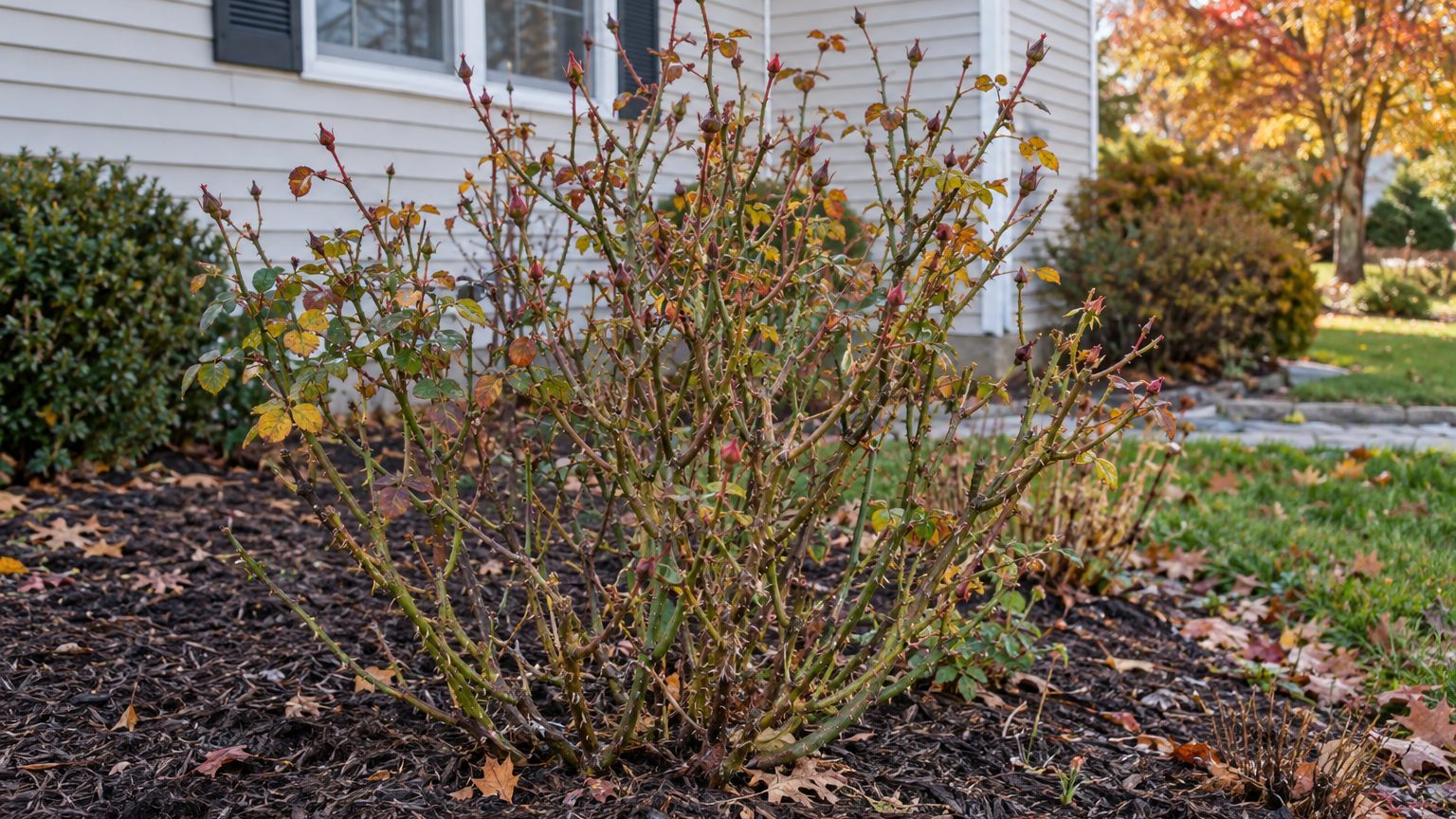
Rose canes at pruning time

Prune repeat-blooming roses in March and April. If a mild late winter arrives and the forsythia is blooming with the winter protection already off, February works too. These roses flower on the current season’s growth, so a spring cut sets up the whole summer.

Type of rose When to prune in New Jersey Why
Hybrid teas, floribundas, modern shrub roses March to April, or February when the forsythia blooms They bloom on new growth, so pruning once the winter covering is off costs no flowers
Repeat-blooming climbers Spring, once winter protection comes off in March to April They also flower on current-season growth and need the dead wood cleared first
Old garden roses, climbers that bloom once Right after the flowers fade, never in early spring They bloom on last year’s wood, so a spring cut removes the buds

Ramblers belong with the once-bloomers, so check the tag or the variety name before cutting. A rose that blooms only once and gets pruned in March will leave you with a green, flowerless shrub in June.

How to Tell When Your Roses Are Ready to Prune

The plants give clearer signals than any date, and a New Jersey spring can swing from mild to freezing quickly.

  • Buds along the canes begin to swell and turn red or green, which tells you the rose is waking up and you can see which canes survived.
  • Forsythia comes into bloom, a dependable neighborhood signal that the season for pruning repeat-blooming roses has opened.
  • The ground has thawed and the mound or collar of winter protection can come off, usually between mid-March and mid-April, and pruning follows right after.
  • The hardest freezes have passed, so new shoots cut loose by pruning will not be burned by a sudden deep cold snap.
  • Cane color is clear to read: green or white pith inside means live wood, while brown and dry means cut back until you reach healthy tissue.

Roses on a sheltered south wall wake earlier than roses in an open yard, so judge each bush by its own buds.

Should You Prune Roses in Fall or Winter in New Jersey?

Not much, and not hard. In fall, the only cut worth making is shortening very long canes that would whip in winter wind and loosen the roots. Take off the tips and leave the rest of the structure alone.

A severe cut before the plant is dormant can push soft new growth that the next freeze will kill. Save the real shaping, the removal of dead, weak and crossing canes, for spring when buds show you where living wood begins.

Hybrid teas, floribundas and grandifloras need winter protection in cold winters. Hardy shrub roses such as Knock Out or the Explorer series perform well without any extra covering, so they ask for less fuss in fall.

How Rose Pruning Dates Shift Across New Jersey

New Jersey runs from USDA zone 6a to 7b, so the same rose wakes at different times in different corners of the state.

  • Skylands and Sussex County: Higher ground and colder nights hold back spring, so lean toward April and let the buds swell fully before cutting.
  • Central Jersey, around Princeton and Trenton: March and April fit well here, with the forsythia as the practical cue.
  • The Jersey Shore and Cape May: Ocean air keeps late winter milder, so February pruning becomes more realistic when the forsythia is in bloom.

Suburban and rural yards usually warm up later than city or airport sites, so trust your own buds over a neighbor’s schedule.

Where to Get Rose Advice in New Jersey

Rutgers NJAES is the state’s extension service, and it runs a county office near you with people who know local soil, disease pressure and rose varieties.

  • The extension service’s website holds fact sheets on pruning flowering shrubs, worth reading in late winter before the buds swell.
  • Your county extension office can answer questions about a specific rose, and a call in March, before pruning, catches problems early.

Common Questions

When Should You Put Winter Protection on Roses in New Jersey?

November is the target, after several killing freezes have put the plants to sleep. December works if the cold arrives late. Covering too early can trap warmth and keep the canes active.

When Should You Feed Roses After Pruning?

Feed from April through July, starting after pruning and again at first bloom and in mid-July. Do not feed after July, so late soft growth does not get caught by early cold.

Can You Plant Roses in New Jersey in Spring?

Yes. Bare-root roses go in during March and April, before growth starts. Potted roses can go in later, in May, June or July, as long as you keep them watered.

Best Spring Bulbs for New Jersey

Best Spring Bulbs for New Jersey

Daffodils pushing up through cold ground, then a drift of alliums as spring winds down: that is the rhythm a well-planned New Jersey bed can hold. Bulbs planted in fall do the work through winter and show up on their own. New Jersey gardens have plenty of choice, and the right picks depend on who else is visiting your yard.

Best Spring Bulbs to Grow in New Jersey

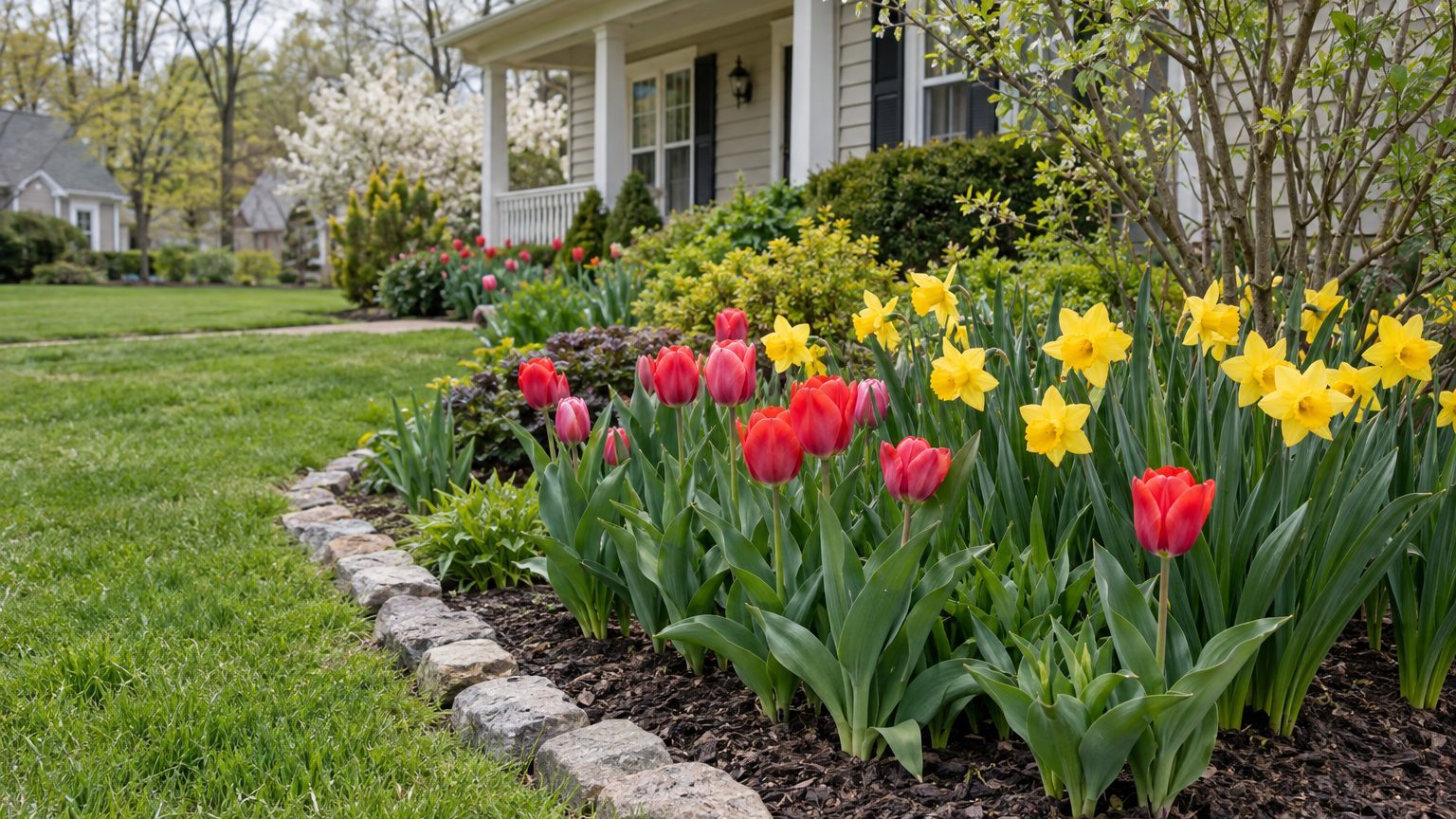
Healthy spring bulbs in bloom

Daffodils, hyacinths, alliums, fritillaria and scilla all do well here, and the reason is as much about animals as about weather. New Jersey sits in USDA zones 6a to 7b, which is cold enough to satisfy bulbs. Voles, squirrels, rabbits and deer decide which ones survive.

Daffodils

Daffodils are the dependable core of a New Jersey bulb planting. They are hardy perennial bulbs that return year after year, and in Pennsylvania they overwinter in USDA zones 3 through 8, which covers every part of New Jersey with room to spare.

Rabbits and deer leave them alone, so they suit naturalizing: scatter clumps through a lawn edge or under trees and leave them undisturbed.

Hyacinths

Hyacinths are among the bulbs that deer and squirrels pass over. That makes them a sensible choice for a front walk or foundation bed where the yard sees a lot of wildlife traffic.

Plant them in groups so the fragrance builds, and expect them to take the same fall planting as the rest.

Alliums

Alliums, the ornamental onions, are also left alone by deer and squirrels. They carry the bulb season toward its end, after the early bloomers fade.

They do not need a chill period to bloom, which makes them forgiving if winter is uneven.

Fritillaria

Fritillaria belongs on the list of bulbs that deer and squirrels dislike. It suits gardeners who want something different from the usual daffodil and tulip pairing.

Treat it like any other fall-planted bulb and give it a spot where animals have already lost interest in your beds.

Scilla

Scilla is another bulb that deer and squirrels pass by. It is a small plant, so tuck it into spots where larger bulbs would crowd or draw attention.

Plant it in fall with the others, once the soil has cooled.

Tulips

Tulips grow here, but they come with a catch. Voles, squirrels, rabbits and deer eat them, and they tend to be short-lived in the garden compared with daffodils.

Plant them where you can watch over them, such as near a door or in a fenced bed, and think of them as a seasonal treat rather than a permanent fixture.

Crocus

Crocus are tasty to the same animals that eat tulips. Where squirrels and voles are active, crocus may disappear before they ever flower.

If your yard has little animal pressure, they are a pleasant early addition. If it does, lean on daffodils and the other resistant bulbs instead.

How to Choose Spring Bulbs for Your New Jersey Garden

Start with what visits your yard and how much upkeep you want. Animal pressure and a taste for low effort steer most of the choices here, and the cold rarely limits you.

Bulbs ask for a stretch of winter cold to flower, and New Jersey winters generally supply it. The table pairs common situations with bulbs that fit.

Your situation What suits it in New Jersey Why
Deer, squirrels or rabbits in the yard Daffodils, hyacinths, alliums, fritillaria, scilla Animals tend to leave these alone, while tulips and crocus get eaten
Very cold winter nights Daffodils They overwinter in USDA zones 3 through 8, well beyond New Jersey’s 6a to 7b
Little time for upkeep Daffodils They never have to be dug and return year after year
Worry about enough winter cold Alliums Most spring bulbs need about 12 to 16 weeks of cold, and alliums, like other spring bulbs, need the cold of winter to bloom
Want a lasting planting Daffodils rather than tulips Tulips are often short-lived, while daffodils are the more reliable perennial bulb

A mixed planting works well when you want color across the season. Spring bulbs bloom in a long succession, from snowdrops and winter aconites at the start to alliums at the end, so combining types stretches the show.

Which Spring Bulbs Suit Different Parts of New Jersey

Winter cold and the arrival of spring vary across the state, and that shifts the choice a little. Daffodils and the animal-resistant bulbs work everywhere, but timing and expectations change.

  • Northwest highlands: Higher ground gets colder winters and later spring frost, so bulbs wake later here. Daffodils are the safest pick, and tulips need even more protection from deer.
  • Newark and the northeast suburbs: The last spring frost at Newark falls between March 29 and April 6, but suburban yards usually see it later. Check your own county before trusting that range.
  • South Jersey and the Shore: Winters are milder than in the highlands. Bulbs still get cold, so the usual picks hold, and daffodils and alliums remain easy.

Wherever you garden, the zone range of 6a to 7b means winter cold is rarely the limit, and animals are the bigger question.

Spring Bulb Buying Mistakes to Avoid in New Jersey

Planting Tulips and Crocus Without Protection

Voles, squirrels, rabbits and deer eat tulips and crocus. Spend money on a big drift and you may see it dug up or nibbled before spring.

Put daffodils, hyacinths and alliums in open beds, and keep tulips near the house or behind fencing.

Planting While the Soil Is Still Warm

In New Jersey, spring bulbs go in from mid-September through October once the soil falls below 60°F. October is the main month, and November works too.

Plant too early and bulbs sprout in fall, which wastes their energy. Waiting for cool soil lets roots form before the ground freezes.

Holding Unplanted Bulbs Over Winter

A bulb still in the bag does better in the ground late than stored until next year. Plant as long as the soil can be dug, even if the calendar says it is getting late.

Keep the bag somewhere cool and dry until planting day, and do not give up on bulbs because fall slipped by.

Where to Get Spring Bulb Advice in New Jersey

Local help is easy to reach, and it can answer questions about your soil, your county and the animals in your neighborhood.

  • Rutgers Cooperative Extension publishes fact sheets on spring flowering bulbs, worth reading before fall planting.
  • Your county extension office can speak to local frost timing and soil, so call it when you are choosing varieties.

Common Questions

When Do Tulips and Daffodils Bloom in New Jersey?

Bloom runs from March through May, and some bulbs can start in February. Daffodils and tulips fill the middle of that stretch.

What Should You Do with Bulb Leaves After Bloom?

Remove only the faded flowers and leave the leaves in place until they turn brown. They feed the bulb for next year, so cutting or tying them while green weakens the next show.

Do You Need to Chill Bulbs in the Refrigerator?

That step is for places where winters are too mild to give bulbs the cold they need, usually with tulips and hyacinths. In New Jersey’s colder zones, planting them in fall soil lets winter do the work.

The almanac, state by state. Every date on this site comes from a state’s own frost facts and its extension service’s calendar — and says where it comes from.