Skip to content

Wisconsin

  1. Jan
  2. Feb
  3. Mar
  4. Apr
  5. May
  6. Jun
  7. Jul
  8. Aug
  9. Sep
  10. Oct
  11. Nov
  12. Dec
State
Wisconsin
USDA zones
3b-6a
Last spring frost
April 16 to April 29
First fall frost
October 17 to October 29
Annual rain
35 in
Lawn zone
cool-season
Source
NOAA NCEI 1991-2020 Climate Normals, 32F freeze probabilities · Milwaukee

The year in Wisconsin, from the calendar

  1. Jan—
  2. Feb—
  3. MarFeed hydrangeas · Renew an overgrown lilac · Prune fruit trees
  4. AprSpring bulbs bloom · Plant hydrangeas · Renew an overgrown lilac · Feed roses · Plant roses
  5. MaySpring bulbs bloom · Feed hydrangeas · Plant hydrangeas · Lilacs bloom · Feed roses
  6. JunPrune bigleaf hydrangeas · Lilacs bloom · Prune lilacs · Peonies bloom · Feed roses
  7. JulFeed hydrangeas · Prune bigleaf hydrangeas · Feed roses · Mow · Water
  8. AugPlant hydrangeas · Seed the lawn · Aerate · Dethatch · Mow
  9. SepPlant spring bulbs · Plant hydrangeas · Seed the lawn · Plant peonies · Aerate
  10. OctPlant spring bulbs · Cut back peonies · Plant peonies · Aerate · Fertilize the lawn
  11. NovCut back peonies · Protect roses for winter · Dormant seeding
  12. Dec—

From the state frost facts and extension calendars: South Dakota State University Extension · South Dakota State University Extension ; University of Wisconsin Extension · Clemson HGIC factsheet — Hydrangea · University of Minnesota Extension — Lawn care calendar.

Best Time to Plant Trees in Wisconsin

Best Time to Plant Trees in Wisconsin

Bare branches in late winter and the first soft ground of spring are the signs that planting season has started in Wisconsin. Shade trees, ornamental trees and fruit trees all settle best when they go in while still dormant, with spring leading and early fall as a good second window for many hardwoods.

When Is the Best Time to Plant Trees in Wisconsin?

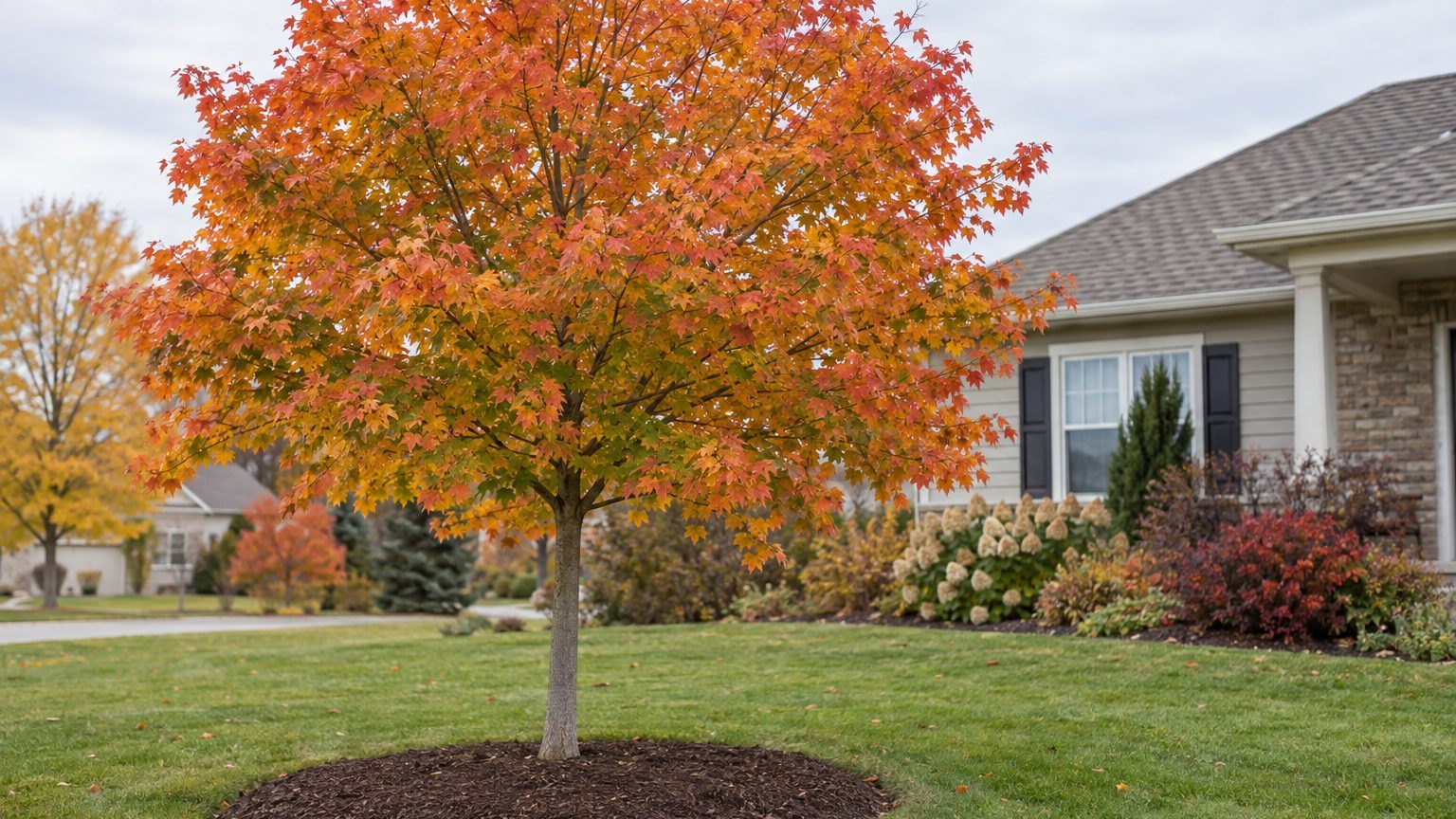
A young shade tree newly planted in a home yard

Shade and ornamental trees go in best in April and May, before the buds open, and September and October also work for many of them.

  • In April, plant balled-and-burlapped and container trees as soon as the soil can be worked, so the roots begin growing before leaves demand water.
  • In May, planting can continue for container trees, though the buds are opening and the new tree needs steady watering.
  • Through summer, hold off, because heat and dry soil stress new roots more than at any other time of year.
  • From September through early October, plant conifers and many hardwoods while the soil is still warm enough to encourage root growth.
  • In September and early October, hardwoods can still go in, and a tree planted then is watered until the ground freezes.

Container-grown trees can go in during most of the year if you water them, but they settle best in the dormant season. Magnolia, dogwood, tuliptree, sweet gum, red maple, birch, hawthorn, poplars, cherries, plums and many oaks do better planted in spring than in fall. In Milwaukee, last spring frost falls between April 16 and April 29 and first fall frost between October 17 and October 29, while hardiness runs from zone 3b to 6a (USDA system) across the state. Lake Michigan delays fall freeze along the lakeshore, while inland southern Wisconsin freezes earlier and the north far earlier still.

When to Plant Fruit Trees in Wisconsin

Plant fruit trees in April and May, and for bare-root trees, do it while they are still dormant, before the buds open. Spring is the ideal time for bare-root stock, before the buds open.

A bare-root tree arrives without soil and with no leaves to feed, so it needs to meet the ground before it wakes up. A container tree is more forgiving, but the same dormant-season timing still helps it settle.

Kind of fruit tree When to plant in Wisconsin Why then
Bare-root April to May, before the buds open The tree is dormant, so roots can establish before leaves need water
Container April to May It settles best in the dormant season, with regular watering after planting

Pruning a newly planted fruit tree follows its own schedule, which is covered on the page about when to prune fruit trees in Wisconsin.

Best Trees to Plant in Wisconsin

Crabapples are the ornamental tree with the clearest track record here. Proven cultivars have been selected for good looks and disease resistance, and the trees accept a wide range of soils as long as the ground drains well.

For other shade and ornamental trees, choose by the room you have, the sun the spot gets and the hardiness zone where you live. Wisconsin spans zones 3b to 6a, so a tree that suits Madison may struggle in the far north.

Tree How it does in Wisconsin Why
Crabapple Proven cultivars perform well as landscape trees Selected for ornamental value and disease resistance
Crabapple (any cultivar) Grows in a wide range of soils Tolerates many soils if they are well drained

Look for crabapple cultivars described as disease resistant, since some narrow, upright types are highly susceptible to fireblight. Your county extension office can suggest other species that fit your soil and zone.

When to Plant, Water and Prune Trees in Wisconsin

The year splits into planting in spring or early fall, watering through the first season and any fall planting, and pruning fruit trees in late winter. Each job follows the tree’s dormancy.

Oaks are the exception to ordinary pruning habits. Leave them alone from March through October, to limit the spread of oak wilt.

Task Best timing in Wisconsin Why then
Plant shade and ornamental trees April to May, or September to early October Roots grow in workable, warm soil without summer heat stress
Plant fruit trees April to May, while dormant Bare-root trees need to be in the ground before the buds open
Water a young tree Regularly after planting, and in fall until the ground freezes New roots dry out easily and need moisture to settle
Prune fruit trees March to April, before bud break The coldest weather has passed and the buds have not yet swelled

Peaches are pruned last, closest to bloom, because their flower buds are easily hurt by cold, while apples go first. Avoid pruning fruit trees in fall or early winter, since new growth may not harden before the cold.

Where to Get Tree Advice in Wisconsin

University of Wisconsin–Madison Extension and your county extension office can help with choosing a species, checking a site or testing soil before you plant.

  • The state extension service publishes planting and pruning guidance for home landscapes, useful before you order or buy a tree.
  • Your county office can advise on a soil test and on which species suit your local ground, ideally before spring planting begins.

Common Questions

Can You Plant a Tree in Summer in Wisconsin?

You can, but a container tree will need careful watering through the heat. Waiting for April, May or September gives the roots an easier start.

Should You Remove Burlap from a Balled-and-Burlapped Tree?

Yes, remove wire baskets and loosen or cut away burlap once the tree is set in its hole, so roots can spread freely into the surrounding soil.

Which Crabapples Are Best for a Wisconsin Yard?

Choose cultivars known as proven performers for Wisconsin and described as disease resistant. Plant them where water drains well.
Best Peonies for Wisconsin

Best Peonies for Wisconsin

Peonies reward a Wisconsin yard with the plain fact that they want a cold winter, and the state delivers one every year. Herbaceous garden peonies and intersectional (Itoh) peonies are the dependable choices here, with tree peonies as a sheltered-spot gamble.

Best Peonies to Grow in Wisconsin

Best Peonies for Wisconsin

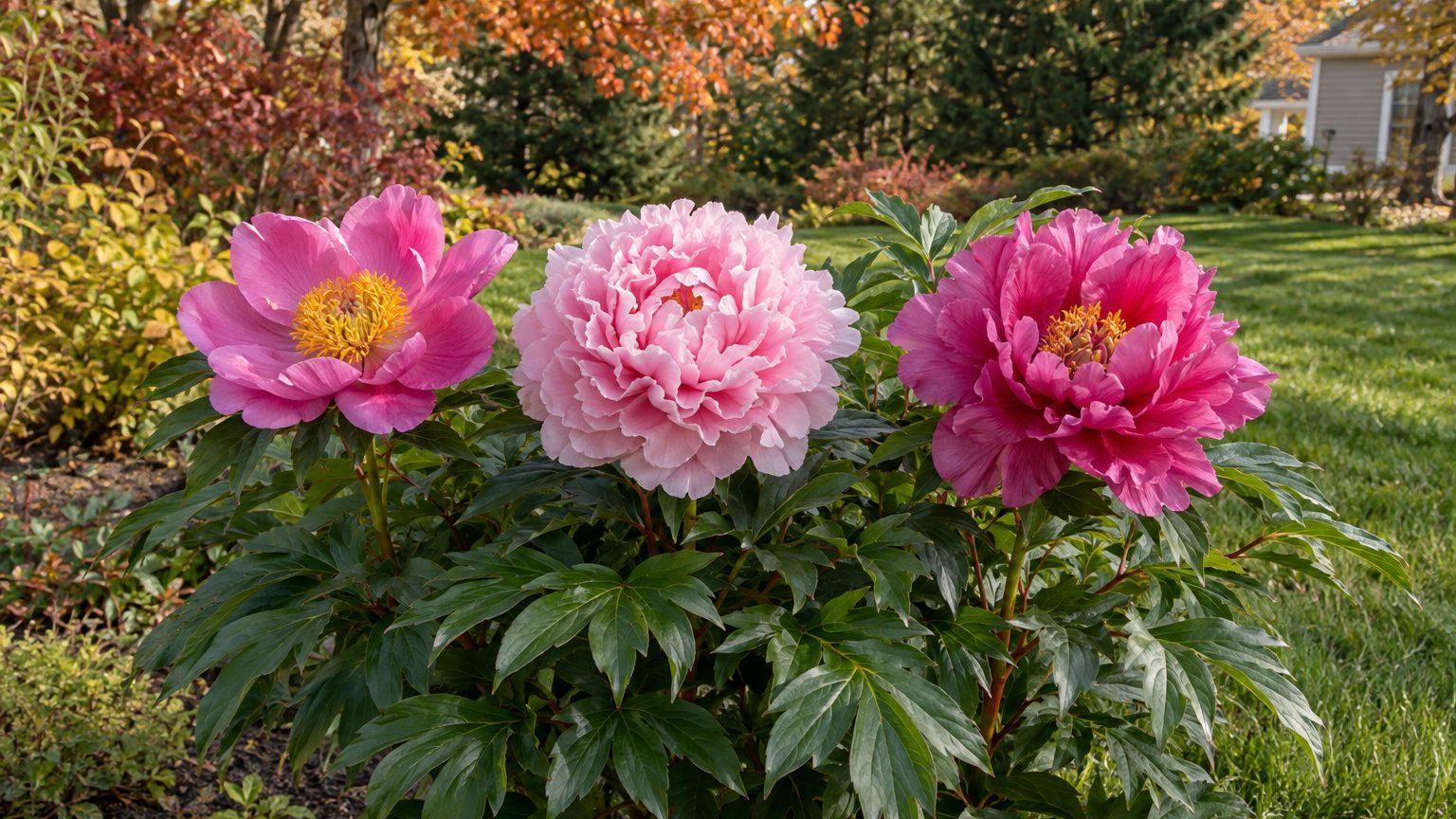
Herbaceous and intersectional peonies suit Wisconsin best, because the state’s winters supply the cold rest these plants need to flower. Wisconsin spans USDA zones 3b to 6a, and its winters provide the cold rest peonies need. Tree peonies can work, but only with protection.

Herbaceous Garden Peonies

Herbaceous Garden Peonies — Best Peonies for Wisconsin

Most Wisconsin gardeners know these. They descend from the Chinese peony (Paeonia lactiflora) and the common peony (P. officinalis), which have given rise to a wide range of cultivars. Each fall they die back to the ground, and new growth emerges in spring.

Plant them in September to early October so the roots settle before the ground freezes. Keep the eyes near the soil surface, since a peony set too deep may bloom poorly or not come up.

Intersectional Peonies

Intersectional Peonies — Best Peonies for Wisconsin

Also called Itoh peonies, these are a hybrid of the garden and tree peonies. They are among the easiest to grow and follow the same yearly rhythm as herbaceous types: they die back in fall and push new shoots in spring.

Treat them like a garden peony for planting and fall cleanup. If you want a tree peony’s look without its fussiness, this is the type to try.

Disease-Tolerant Cultivars

Varieties differ in disease susceptibility, so ask a nursery about disease history and less susceptible planting stock. The variety Avalanche is reportedly especially susceptible to Phytophthora.

Ask a nursery about disease history before you buy. Phytophthora also rarely develops in light, sandy soils, so a well-drained spot helps.

Tree Peonies

Woody tree peonies, mostly derived from P. suffruticosa, are generally not as hardy as the garden types. Give them a protected site or mulch them over winter.

A tree peony keeps its woody stems, so it is never cut back to the ground the way a herbaceous peony is.

How to Choose a Peony for a Wisconsin Garden

Start with what your yard asks of the plant. Wisconsin’s cold is rarely the limit, so the choice usually comes down to disease, effort and how much shelter you can offer.

A new or transplanted peony may not bloom its first spring, so patience belongs in every choice.

Your situation What suits it in Wisconsin Why
Very cold winter Herbaceous peony It dies back to the ground each fall, so nothing above the soil has to survive the freeze.
Hot, humid summer A less blight-susceptible variety in light, well-drained soil Varieties differ in disease susceptibility, and Phytophthora rarely develops in light, sandy soils.
Little time Herbaceous or intersectional peony They are the easiest to grow and share the same simple yearly culture.
Need for winter cold Herbaceous peony Peonies need a cold winter rest to flower, and Wisconsin winters give it.
Exposed or windy spot Herbaceous peony rather than tree peony Tree peonies are less hardy and need a protected site or winter mulch.

Small yards deserve a note too. Check a plant’s mature size before you buy, since a potted peony shows little of what it will become.

Which Peonies Suit Different Parts of Wisconsin

Wisconsin’s range from 3b to 6a means the north and south call for slightly different caution, and Lake Michigan adds its own twist.

  • Northern Wisconsin: Herbaceous peonies are the safer pick, while tree peonies need a protected site or winter mulch.
  • Southern Wisconsin: Milder winters widen your options, so intersectional peonies and a sheltered tree peony are easier to try.
  • Lake Michigan shore: The lake delays the first fall freeze, so cutting back waits a little longer than it does inland.

Inland southern gardens usually freeze in early October, which fits the planting window for new roots.

Peony Buying Mistakes to Avoid in Wisconsin

Choosing a Fragile Type

A tree peony set in an open, windy bed can lose its woody stems to winter. That can leave the plant badly damaged.

Plant it in a protected site and mulch it over winter, or choose an intersectional peony for a similar look with less risk.

Ignoring Disease Susceptibility

Some varieties catch blight more readily, and Avalanche is reportedly especially prone to Phytophthora. A susceptible plant in heavy, wet soil can fail in a humid summer.

Ask about the variety’s record, and favor a light, well-drained spot.

Buying a Pot Without Knowing Its Size

Potted peonies at garden centers look small, but the adult clump spreads far beyond the pot. Crowded plants bloom less and need dividing.

Read the tag for mature size before you buy. Fall is the time to divide older, crowded clumps, in September to early October.

Where to Get Peony Advice in Wisconsin

The state’s land-grant extension service offers plant-specific guidance, and your county office can speak to local soil and conditions.

  • The University of Wisconsin Extension publishes fact sheets on peony diseases and a monthly gardening guide, so browse it before you shop.
  • Your county extension office can answer questions about soil drainage and variety choices, so call before planting in September.

Common Questions

When Do Peonies Bloom in Wisconsin?

Bloom runs from early June into early July, with June the main month. Peonies cut in tight bud can be wrapped and kept in the refrigerator for later use.

How Do You Get Bigger Peony Flowers?

In Wisconsin, extension advice is to de-bud several branches so the plant puts its energy into fewer, larger blooms. It also suggests giving peonies 2-3 applications of complete fertilizer two weeks before flowering.

When Should You Cut Back Peonies in Wisconsin?

Herbaceous peonies are cut back in October to November, after a hard freeze has killed the foliage. Cut old leaves to ground level and destroy the debris rather than composting it, which helps prevent disease.

When Do Peonies Bloom in Wisconsin?

When Do Peonies Bloom in Wisconsin?

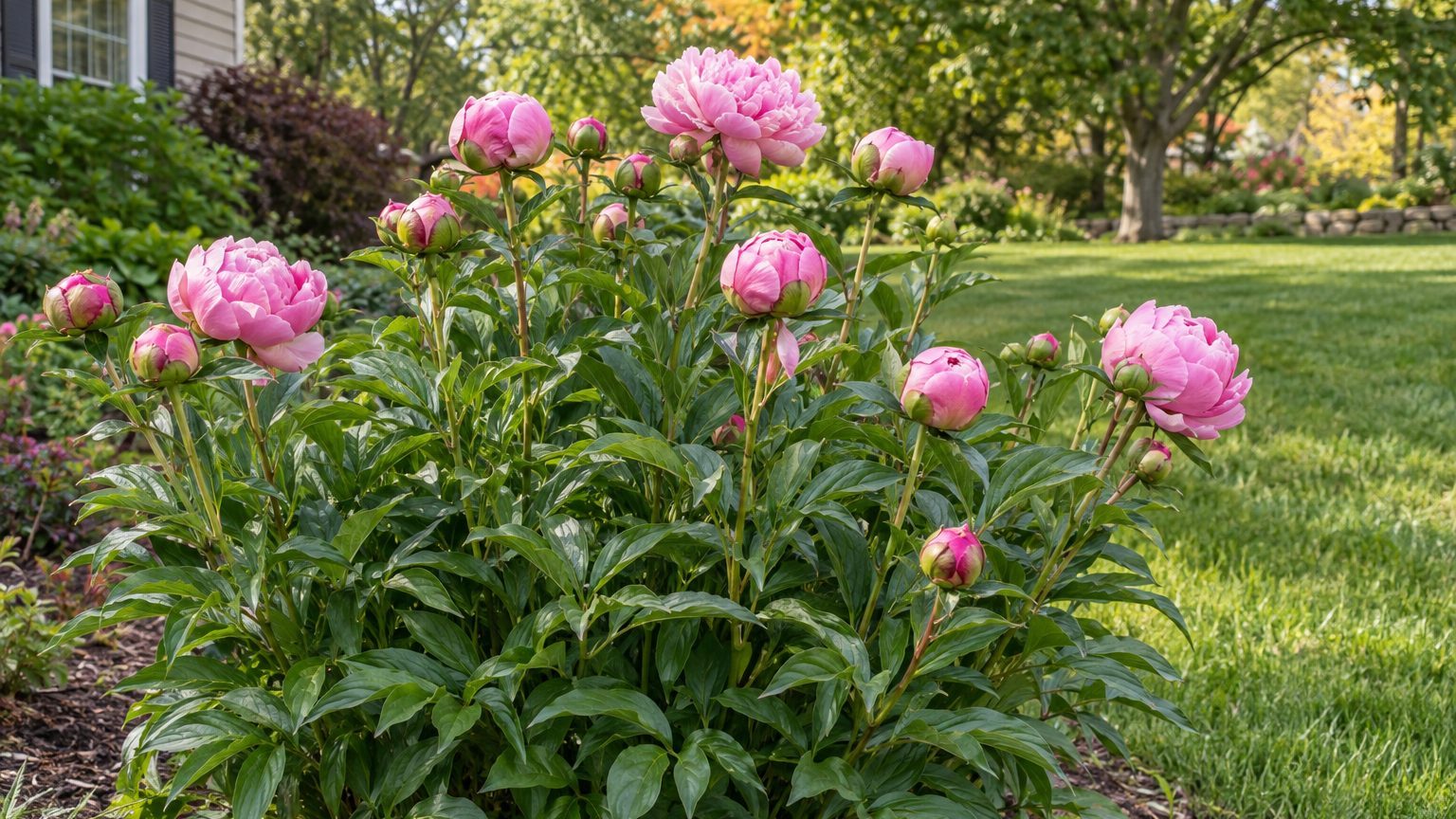
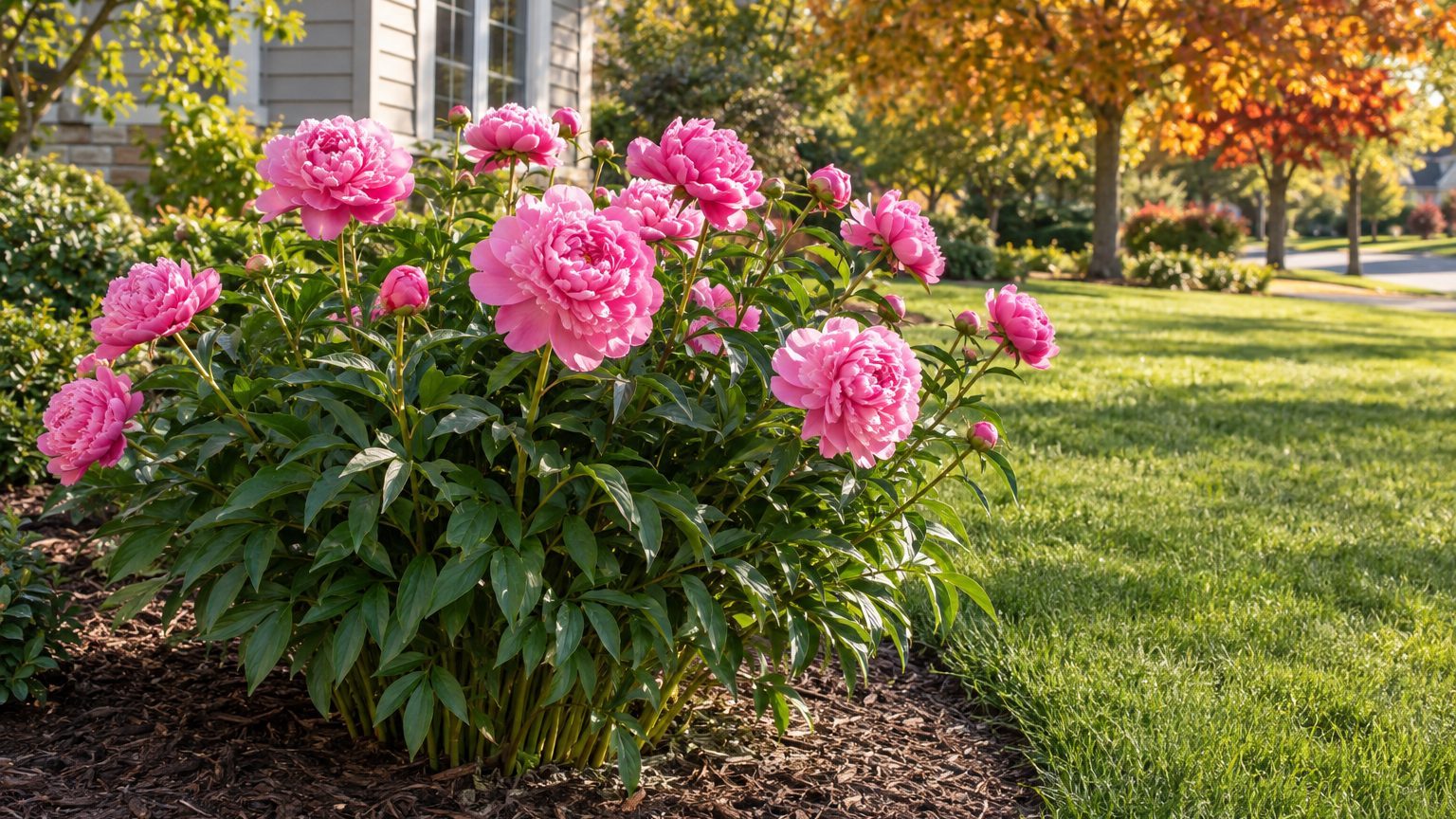
A peony clump in a Wisconsin yard rises from bare ground into heavy, fragrant bloom in spring, then settles back into green foliage for summer. That burst of color lands at different times depending on the type of peony and where in the state it grows.

When Do Peonies Bloom in Wisconsin?

When Do Peonies Bloom in Wisconsin?

Peonies bloom in Wisconsin in June, and some plants carry flowers into early July. Garden peonies set the pace for the whole season. They open after a cold winter has given them the rest they need to flower.

That cold rest is why peonies suit the state so well. Across Wisconsin, the USDA hardiness zone system runs from 3b to 6a; peonies need cold winter rest and may flower poorly in mild-winter climates.

Type of peony When it blooms in Wisconsin What to know
Herbaceous garden peony Early June into early July Dies back to the ground each fall and sends up new growth in spring

Itoh peonies, also called intersectional peonies, are hybrids of garden and tree peonies and are grown like herbaceous ones, so they die back each fall too. Tree peonies keep their woody stems and are less hardy, so they want a sheltered spot or a layer of winter mulch.

How to Tell When Your Peonies Are About to Bloom

Peonies announce their flowers well ahead of opening day, and the plant itself is a better clock than any date on the calendar.

  • Red shoots pushing out of the soil in spring mean the plant has finished its winter rest and the season has started.
  • Shoots that open into dark green, lobed leaves turn into stems, and each strong stem may carry a bud at its tip.
  • As the foliage fills out and buds form, set stakes or cages before the stems get heavy.
  • Buds that swell and show a thread of color along the seam are close to opening.
  • A bud that feels soft when you press it gently, much like a marshmallow, is about to unfold, which is the moment to cut stems for a vase.
  • Lush leaves with no buds on an established plant can mean the eyes were planted too deep, so check that they sit near the soil surface.

A peony that was planted or moved recently may skip flowers in its first spring, so a bloomless young plant is usually just settling in.

When to Cut Back Peonies in Wisconsin

Cut herbaceous peonies back in October or November, once a hard freeze has killed the foliage. Cutting a green, healthy plant too early robs the roots of the energy the leaves are still sending down. Waiting for the frost to do the first work means the plant has finished its season on its own terms.

Cut the stems down to within a couple of inches of the ground. Gather every old leaf and stem and destroy the debris rather than adding it to the compost pile, because leftover foliage can carry disease.

Tree peonies are the exception, since their woody stems stay through winter and are never cut to the ground. Fall is also the season to plant or divide any peony, September to early October, so the roots settle before the ground freezes.

How Peony Bloom Time Shifts Across Wisconsin

Within Wisconsin, bloom runs a little earlier in the south and a little later toward the north, and big water changes the picture along the shore.

  • Southern Wisconsin inland: Spring tends to arrive earlier than in the north, so peonies tend to open near the start of the June window; fall freezes also arrive sooner than along the Lake Michigan shore.
  • The Lake Michigan shore, including Milwaukee and Door County: Cool lake air can delay bloom compared with inland gardens. The same lake holds off the first fall freeze, so cut back after a hard freeze has killed the foliage.
  • The Northwoods and the Lake Superior shore: Spring arrives later, so bloom tends to sit toward the end of the window and can reach into July. Hard freezes arrive earlier than in the south, so tree peonies need mulch or a sheltered spot.

A garden on a south-facing wall or a windy hilltop will run ahead of or behind its neighbors, so use your own plants as the guide.

Where to Get Peony Advice in Wisconsin

When a clump refuses to flower, or you are weighing where to plant a new one, local advice beats guessing. Wisconsin gardeners can turn to local extension offices for help.

  • The University of Wisconsin Extension site has plant care articles on peonies and other perennials, which are worth reading before you buy or divide anything.
  • Your county extension office can answer questions about your own soil and can often point you to a local master gardener volunteer.
  • Contact your local county or provincial extension office for help settling on a site and a variety.

Common Questions

Can You Plant a Peony in Spring in Wisconsin?

Garden centers sell peonies as potted plants in spring and as bare roots in fall. Plant or divide peonies from September to early October so the roots can settle before the ground freezes. Keep the eyes near the soil surface; a newly planted peony may not bloom in its first spring.

Should You Deadhead Peonies After They Bloom?

Yes. Snip off spent flowers once the petals drop, which keeps the plant tidy. Leave the foliage alone, because the leaves keep feeding the roots through summer and fall.

Why Are There Ants on Peony Buds?

Ants come for the sweet sap on the buds, and they do no harm to the flowers.

When to Plant Peonies in Wisconsin: Dates and Care

When to Plant Peonies in Wisconsin: Dates and Care

Peony stems turn crisp and brown after the first hard freeze, and that is the cue Wisconsin gardeners follow all year: the plant works on a calendar of cold, bloom and cleanup. Peonies in a Wisconsin yard follow a clear rhythm: when they go into the ground, how the year unfolds for them, and which types handle the winters.

When to Plant Peonies in Wisconsin

When to Plant Peonies in Wisconsin: Dates and Care

Plant or divide peonies in September or October, early enough that the roots settle in before the ground freezes. The rest of the year follows from that planting, and the dates below speak of the Milwaukee area, with the rest of the state shifting a little.

  • In Milwaukee, the last frost falls between April 16 and April 29, and red shoots push up through cold soil without harm from light frost.
  • In June, flowers open, and a young plant may skip blooming altogether in its first spring after planting or transplanting.
  • Into early July, later varieties finish the show, and deadheading spent flowers keeps the plant tidy.
  • In September and October, bare-root peonies and divisions go in, with the eyes kept near the soil surface because a root set too deep may bloom poorly or never come up.
  • After a hard freeze, usually October or November, the foliage dies and comes down to the ground, while in Milwaukee the first fall frost arrives between October 17 and October 29.

The hardiness zone for the state runs from 3b to 6a on the USDA system, so the far north sits colder than the southern counties. Planting in the fall window works across that whole range.

Which Peonies Grow Best in Wisconsin?

Peonies suit Wisconsin well. They need a cold winter rest to flower, and the state delivers it every year, with zones 3b to 6a on the USDA system.

Herbaceous peonies and Itoh (intersectional) hybrids are the easiest to grow; these types die back each fall and send up new growth in spring. Tree peonies take more care.

Peony type How it does in Wisconsin Why
Herbaceous (garden) Reliable and long lived Dies back each fall and thrives on cold winters
Itoh (intersectional) Reliable Shares the herbaceous care routine, a cross of garden and tree peonies
Tree (woody) Workable with protection Less hardy, so it needs a sheltered site or winter mulch

Woodland peony (Paeonia japonica) is also grown in home landscapes.

When to Plant, Cut Back and Feed Peonies in Wisconsin

Planting and cutting back belong to fall, while bloom takes over in early summer. Herbaceous peonies get cut down, but a tree peony keeps its woody stems and is never cut back.

Feeding has no set month in the calendar, so follow the plant: new growth in spring is the moment it is awake and using nutrients.

Task Best timing in Wisconsin Why then
Plant or divide September to early October Roots settle before the ground freezes
Bloom June, running into early July Flowering time varies with variety
Cut back herbaceous peonies October to November, after a hard freeze has killed the foliage Removing old stems and leaves helps limit disease
Feed When new shoots emerge in spring The plant is actively growing and can use it

When you cut back, take the stems down to within a couple of inches of the ground. Cut all old leaves to ground level and destroy the debris instead of composting it to help prevent disease.

How Peony Planting Dates Change Across Wisconsin

Wisconsin spans several climate pockets, and the planting window slides a little with them. The fall months stay the same, but the exact day to aim for moves with the first hard freeze.

  • Lake Michigan shoreline: The lake holds off the first fall freeze, so shoreline gardens in places like Milwaukee and Kenosha can stay in the later part of the planting window.
  • Inland southern Wisconsin: Madison and the surrounding counties typically freeze in early October, so plant toward the front of the window.
  • Northern Wisconsin: Freezes arrive far earlier, so get roots in the ground in September, and mulch tree peonies well for the winter.

Spring behaves the same way in reverse, with the north waking up later than the south, and bloom following that order.

Where to Get Peony Advice in Wisconsin

Wisconsin gardeners can get help with local soils and winters from their county extension office.

  • Check the University of Wisconsin Extension pages for planting depth, division and disease notes before you dig in September.
  • Call your county extension office with photos if a peony has failed to bloom or shows spotted leaves.
  • Ask the office about a soil test before planting, so any fix is worked in before the roots go down.

Common Questions

Can You Plant Peonies in Spring in Wisconsin?

Wait until September or early October to plant or divide peonies. A newly planted or transplanted peony may produce little or no bloom in its first spring.

Why Won’t My Peony Bloom in Wisconsin?

Look at how deep the eyes sit together with how much sun the plant gets. Eyes buried well below the surface, combined with shade, are a common cause of foliage without flowers.

Should You Cut Back Tree Peonies in Wisconsin?

No. Tree peonies keep their woody stems through winter. Only remove dead or damaged wood, and give them a sheltered spot or mulch for the cold months.

Best Lilacs for Wisconsin

Best Lilacs for Wisconsin

A lilac in full bloom is a Wisconsin May and June fixture, and the shrub earns it: the state’s cold winters are exactly what the plant wants. Some lilacs do well across Wisconsin, but the right choice depends on your yard; a poor match can cost you flowers.

Best Lilacs to Grow in Wisconsin

Best Lilacs for Wisconsin

Lilacs suit Wisconsin because they need a cold winter rest to mature their flower buds, and the state’s USDA hardiness zones run from 3b to 6a. That overlap makes lilacs a good fit for many Wisconsin gardens, though the yard still has to provide the right sun, soil and summer conditions. Hot, humid summers are what they dislike.

Common Lilac

Common Lilac — Best Lilacs for Wisconsin

The common lilac, Syringa vulgaris, is the classic. Choose blight-resistant forms, since lilac blight is difficult to control once it settles in. Named selections that resist it include ‘Alphonse Lavallee’, ‘Crepuscule’, ‘Floreal’, ‘Guinevere’, ‘Lutece’, ‘Maud Notcutt’, ‘Rutilant’ and ‘William Robinson’.

Give it a sunny spot with good air circulation and moist but well-drained soil.

Early Lilac

Early Lilac — Best Lilacs for Wisconsin

Syringa oblata, the Early lilac, grows 10 to 12 feet tall and flowers in shades of purple. Hybrids between S. oblata and S. vulgaris are well suited to cold climates and open earlier than common lilacs. Leave it room to reach full height.

Meyer Lilac

Syringa meyeri is slow growing, with dense foliage and a broadly rounded shape. That tidy habit makes it a sensible pick for a front yard where a big, suckering shrub would crowd the walk.

Littleleaf Lilac

Syringa microphylla, the Littleleaf lilac, is one of the species that has shown resistance to blight. Others on that list are S. josikaea, S. komarowii, S. pekinensis and S. reflexa. If blight has troubled lilacs in your neighborhood, start here.

Preston Lilac

Preston lilacs, Syringa x prestoniae, are hybrids between Late lilac (S. villosa) and Nodding lilac (S. reflexa). They bloom later than common lilacs, so their flowers tend to miss a late spring frost.

Hyacinthiflora Hybrids

These vigorous hybrids look like French hybrids but bloom seven to 14 days earlier. The shrubs are very hardy, but early flowers are exposed to frost. Plant them only where May frosts are less frequent.

How to Choose a Lilac for a Wisconsin Garden

Start with what your yard throws at a shrub: the cold, the summer air, your free time and your space. Lilacs bloom in May and June, with the common lilac first and the later types following into June.

Pick the type that answers your toughest condition, then check the sun and drainage.

Your situation What suits it in Wisconsin Why
Very cold winter Common lilac or Early lilac hybrids Lilacs are adapted to zones 3, 4 and 5
Hot, humid summer Blight-resistant selections such as Littleleaf lilac Humid, hot summers stress lilacs, and blight is hard to control
Little time Disease-resistant species Resistance spares you a problem that is difficult to fight later
Small space Meyer lilac Slow growing with a dense, rounded shape
Need for winter cold Any lilac sited in a sunny, open spot Flower buds mature through a cold winter rest
Frosty Mays Preston lilac over Hyacinthiflora hybrids Early bloomers are best kept to places with fewer May frosts

Pruning follows the plant’s habit. A lilac blooms on last year’s wood and sets next year’s buds in summer, so prune right after the flowers fade, in June. Cutting in late summer, fall or winter removes the next spring’s flowers.

Which Lilacs Suit Different Parts of Wisconsin

Wisconsin’s cold and its lake influence shift the choice a little from one region to the next.

  • Northern Wisconsin: Cold winters suit lilacs well here. Plant late bloomers such as Preston lilacs, and skip the early Hyacinthiflora hybrids, which risk May frost.
  • Lake Michigan shore: The lake delays the first fall freeze at the lakeshore, but the shrubs still get their winter rest. Frost-sensitive early bloomers remain a gamble.
  • Southern Wisconsin: Inland areas freeze in early October and run milder. Choose blight-resistant lilacs, since summer humidity and heat bring more disease pressure.

In Milwaukee, the last spring freeze typically falls between April 16 and April 29, but other parts of Wisconsin differ.

Lilac Buying Mistakes to Avoid in Wisconsin

Choosing a Frost-Tender Early Bloomer

An early-opening lilac can lose its flowers to a May frost, leaving the shrub green and bare for the year. The shrub itself survives. Plant early bloomers only where May frosts are less frequent, and favor later types in colder spots.

Ignoring Blight Resistance

Lilac blight is difficult to control, so it costs you leaves and vigor year after year. Buy blight-resistant varieties whenever you plant new lilacs, and give them air circulation and moist but well-drained soil.

Forgetting the Adult Size

A small pot hides a shrub that can reach 10 to 12 feet, as the Early lilac does. Crowded against a house or walk, it ends up cut hard. An overgrown lilac can be cut back in March or April, but it will not flower for a few years afterward. Check the adult size before buying.

Where to Get Lilac Advice in Wisconsin

See University of Wisconsin Extension for the state’s resources.

  • The extension website carries cold-climate lilac guides, handy before you shop in spring.
  • Your county extension office can help identify blight or poor flowering, ideally when you can bring a leaf or twig in June.

Common Questions

Why Is My Lilac Not Blooming?

Look at the pruning history and the light. Cutting in late summer, fall or winter removes flower buds, and shade also cuts flowering. Prune right after bloom, and keep the shrub in a sunny spot.

Can You Cut an Overgrown Lilac to the Ground?

Yes, in March or April while it is dormant. Expect no flowers for a few years afterward, since the shrub blooms on last year’s wood.

Do Lilacs Mind Wilting in Summer?

Lilacs dislike extreme heat, and wilting can follow a change in light, such as a nearby tree coming down. Check that the soil is moist but well drained, not compacted or dry.

When to Prune Lilacs in Wisconsin

When to Prune Lilacs in Wisconsin

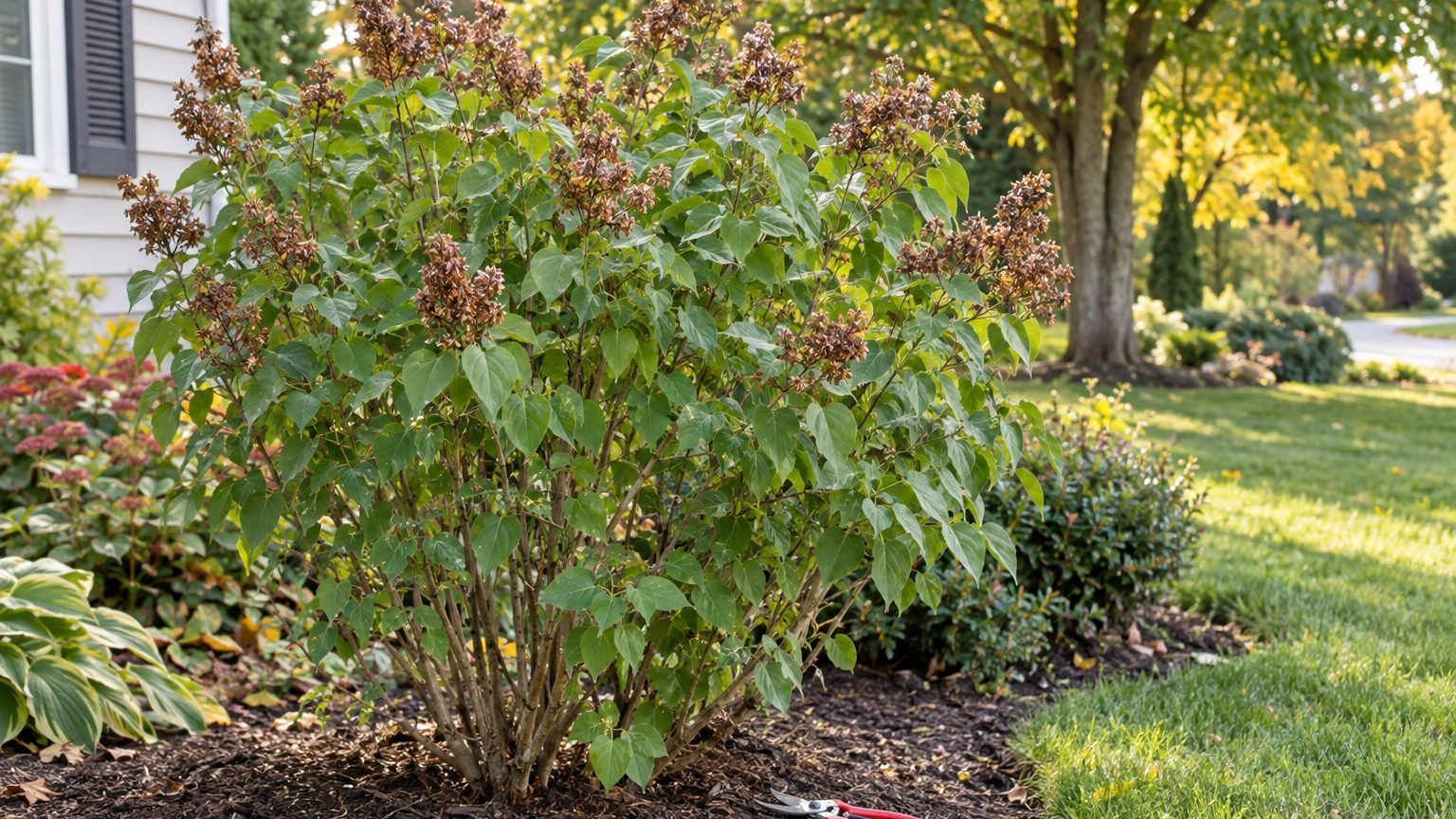
A lilac in full bloom smells like late spring, and soon afterward the same shrub is hanging on to brown, spent flower clusters. That brown stage is the cue. In Wisconsin, the pruning saw comes out just after the flowers fade, before next year’s buds start to form.

When to Prune Lilacs in Wisconsin

Lilac stems after flowering

Prune lilacs in June, right after the flowers fade. Common lilacs open in May, and the late and tree lilacs carry bloom into June, so the pruning window follows whichever lilac you grow. Buds for next spring form soon after flowering, and cutting then keeps them.

Type of pruning When in Wisconsin Why
Routine shaping and removal of spent flowers June, right after the flowers fade Next year’s flower buds are not yet set, so nothing is lost
Thinning cuts on an older lilac March or April, while the shrub is dormant Easy to see the structure, but it costs that spring’s flowers
Hard renovation of an overgrown lilac March or April After a hard cut, the shrub renews itself but skips flowering for a few years

Late winter is a fallback for ordinary pruning: March or early April works while the lilac is dormant, at the cost of that spring’s flowers.

How to Tell When Your Lilacs Are Ready to Prune

The shrub gives clearer signals than a calendar page, and they show up in a predictable order.

  • Petals turn brown and the flower clusters droop, which means the bloom is over and pruning can start.
  • Tight young buds begin to form on the new wood, so finish any cutting in June.
  • Late lilacs and tree lilacs still carry fresh flowers in June, so leave them alone until their own blooms fade, even if a neighbor’s common lilac is done.
  • A shrub with bare, thick stems at the base and leaves only at the top is overgrown and a candidate for renovation in March or April instead.

Cutting a branch with live flowers on it takes away that display, so wait for brown, not for a date.

Should You Prune Lilacs in Fall or Winter in Wisconsin?

Fall pruning is a mistake. A lilac blooms on last year’s wood and sets next year’s flower buds in summer, so pruning in late summer, fall or winter cuts off the next spring’s flowers. The shrub will not die from it, but the show is gone for the year.

Late winter is different, because it is a deliberate trade. Cutting in March or April while the shrub is dormant gives a clear view of the branches, and it suits a rough reshaping. The price is that spring’s bloom, since the buds on those stems come off with the wood.

A heavily overgrown lilac is the case where that price is worth paying. Cutting it back hard in March or April lets it send up fresh stems, though it will not flower for a few years afterward. Lilacs also need a cold winter rest to mature their flower buds, and Wisconsin winters supply it.

How Lilac Pruning Time Shifts Across Wisconsin

Wisconsin covers hardiness zones 3b to 6a on the USDA system, so the bloom, and therefore the pruning, does not arrive everywhere together. The rule stays the same: prune after your own shrub finishes flowering.

  • Northwoods and the far north: Colder springs push bloom later, so watch the flowers fade before you prune.
  • Southern Wisconsin, around Madison and Milwaukee: Spring warms sooner, so watch the common lilacs finish flowering before you prune.
  • Lake Michigan shore: The lake slows spring warming along the coast, so bloom can lag behind inland yards a short drive away.

Watch the flowers, not nearby yards.

Where to Get Lilac Advice in Wisconsin

Local questions about an old, leggy shrub or one that stopped flowering get the best answers from people who see Wisconsin yards. The state extension service has guidance written for cold-climate lilacs, and your county office can look at a specific shrub.

  • Visit University of Wisconsin Extension for lilac guides, and read them before the flowers fade.
  • Call or stop by your county extension office in late spring with photos of the shrub, so staff can say whether a light trim or a renovation fits.
  • Take a cutting with spent flowers to the office in June if you are unsure what you grow.

Common Questions

Can You Prune Lilacs in Summer in Wisconsin?

Only in early summer, and only soon after the flowers fade. Waiting into July risks cutting off buds that are already forming for next year.

What Lilacs Do Well in Wisconsin?

Lilacs suit cold winters, and they thrive in sunny sites with good air circulation. They struggle in hot, humid summers, so a breezy spot helps. Hybrids of Syringa oblata and Syringa vulgaris are well suited to cold climates.

Why Did My Lilac Not Bloom After Pruning?

Pruning at the wrong time is a common cause, especially a cut in fall or winter that removed the buds. A shrub renovated hard also skips blooming for a few years. Check when the cutting happened and whether the shrub gets full sun.

When Do Lilacs Bloom in Wisconsin? Dates and Care

When Do Lilacs Bloom in Wisconsin? Dates and Care

A lilac announces itself by scent before you see it in bloom, usually when the air turns mild enough to open the windows. Lilacs in Wisconsin follow the state’s own late spring, so the bloom comes later than in warmer parts of the country. Here is when the flowers open, which lilacs suit the state, and when each job belongs.

When Do Lilacs Bloom in Wisconsin?

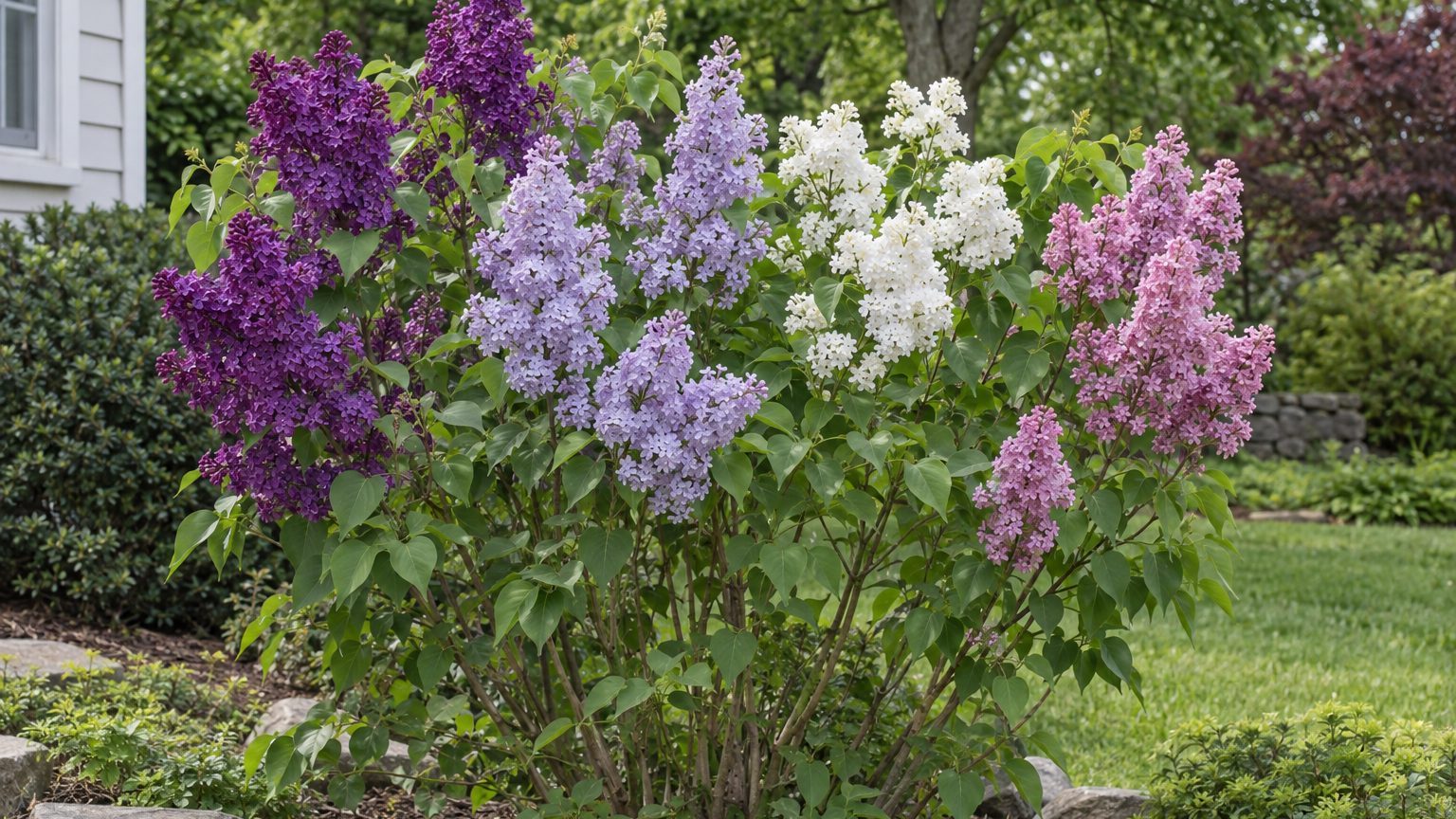
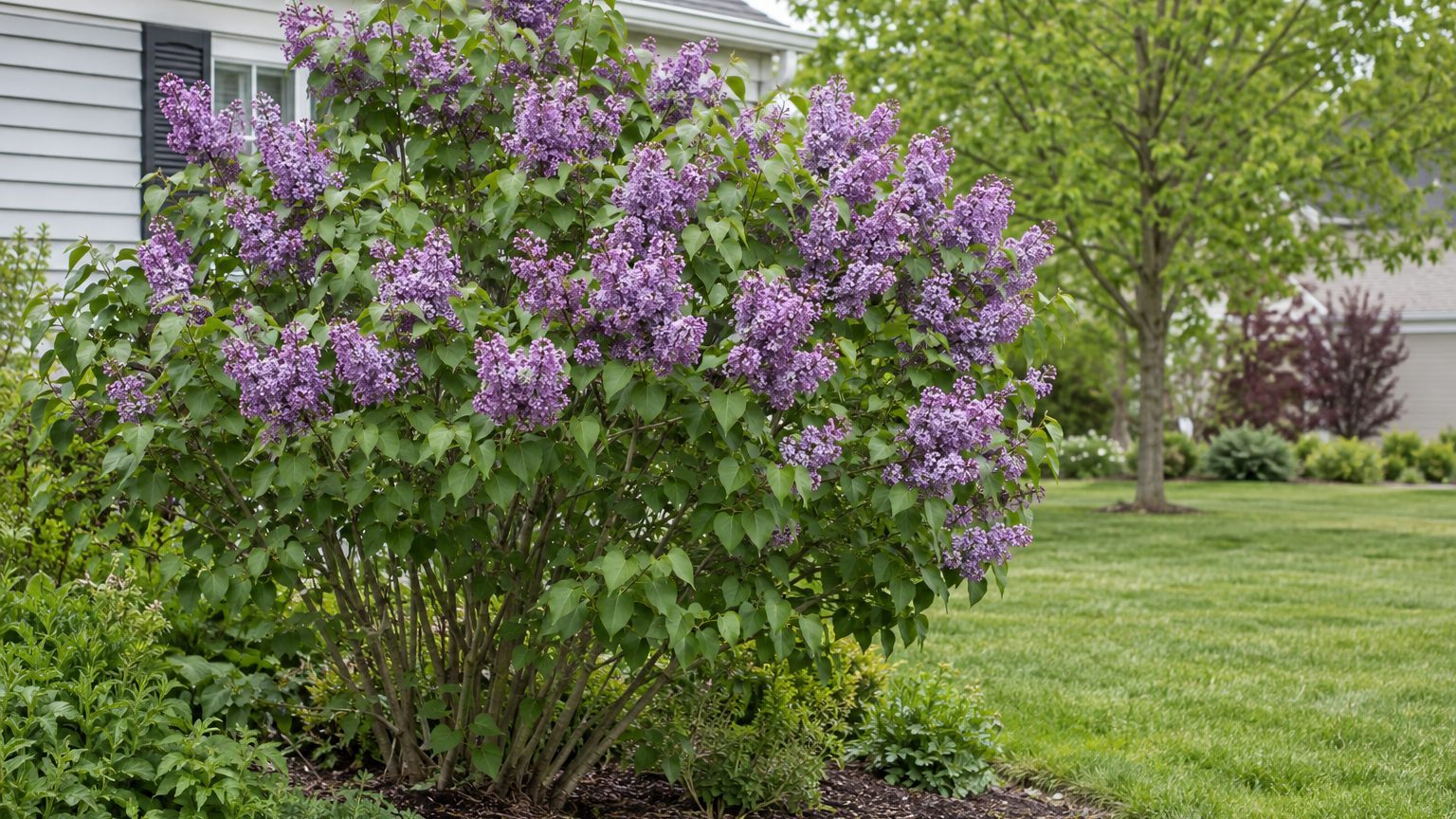
A lilac bush in bloom in a home garden

Lilacs in Wisconsin bloom in May and carry on into June, with the common lilac opening first and the late and tree lilacs closing the season. The rest of the year works around that bloom.

  • In March and April, the shrub is still dormant. This is the window for a hard renovation cut on an overgrown lilac, and it can also be used for light pruning, at the cost of that spring’s flowers.
  • In May, the common lilac flowers, and the scent fills the yard.
  • In June, the late lilacs and the Japanese tree lilac take over. Prune as soon as the flowers fade, because the shrub has little time before it starts preparing next year’s blooms.
  • Through summer, the plant quietly sets the buds for next spring, so avoid pruning and water during dry spells.
  • From fall into winter, the shrub rests. That cold rest is what lets the buds mature for May.

Frost risk shapes the edges of this calendar. At the reference station, the last spring freeze usually falls between April 16 and April 29, which matters most for early-opening types. The first fall freeze comes between October 17 and October 29 at that same station, though inland southern Wisconsin typically freezes in early October and the north much sooner. Wisconsin spans USDA hardiness zones 3b to 6a, so your yard may sit well above or below these dates.

Which Lilacs Grow Best in Wisconsin?

Lilacs suit Wisconsin well. They need a cold winter rest to mature their flower buds, and most of the state delivers one. They struggle in hot, humid summers, so the warmest corners at the southern edge of the zone range are where they ask the most of you.

Choose a sunny spot with good air circulation, which also helps leaves dry out after humid weather. Within that, the type you pick decides when the flowers open and how much a late frost can hurt.

Lilac type How it does in Wisconsin Why
Common lilac Reliable, blooms first in the season Cold winters mature its buds
Late lilacs Flower in June Extend the season past the common lilac
Japanese tree lilac Blooms in June Closes out the lilac season
Hybrids of S. oblata and S. vulgaris Well suited to the state Bred for cold climates and bloom early
Hyacinthiflora lilacs Very hardy but early to open Vigorous shrubs, so site them where late frosts are less frequent

If your yard sits in a frost pocket or near the cooler north, lean on the common and late types. The early hybrids reward you in milder, sheltered spots.

When to Plant, Prune and Feed Lilacs in Wisconsin

A lilac blooms on last year’s wood and sets next year’s flower buds in summer, soon after it flowers. Pruning in late summer, fall or winter therefore cuts off the next spring’s flowers. For most yards, prune right after the blooms fade; this calendar does not set a time for planting or feeding.

Task Best timing in Wisconsin Why then
Routine pruning June, right after the flowers fade Next year’s buds have not formed yet
Pruning while dormant March or early April The shrub is leafless and easy to shape, but you give up that spring’s flowers
Hard renovation cut March and April A dormant plant handles a drastic cut best

An overgrown lilac can be cut back hard in late winter, but it will not flower for a few years afterward. For the fine points of cuts and stems, see the page When to Prune Lilacs in Wisconsin.

How Lilac Bloom Time Changes Across Wisconsin

The bloom does not arrive everywhere at once, because Wisconsin stretches from the Lake Michigan shore to the cold Northwoods. A few places shift the schedule noticeably.

  • Lake Michigan shore: Spring warms slowly beside the cold lake, so lilacs open later. The same lake delays the first fall freeze at the lakeshore.
  • Southern Wisconsin inland, around Madison: Land warms earlier here, so the common lilac opens ahead of the lakeshore. The first fall freeze also tends to arrive in early October.
  • The Northwoods: Winter lingers, so the bloom comes later still, and the first fall freeze arrives far sooner than in the south. Lilacs are very hardy here, but their bloom comes later than in the south.

Watch your own shrub, since a cool spring pushes everything back and a warm one pulls it forward.

Where to Get Lilac Advice in Wisconsin

Local help works best when a lilac looks wrong or refuses to bloom. University of Wisconsin Extension and your county office can both help with questions that a calendar cannot answer.

  • The extension website carries cold-climate lilac guidance and is worth a visit before you buy a new shrub.
  • Your county extension office can diagnose a problem from a sample of the affected leaves or stems, and it can advise on a soil test.
  • Before you add fertilizer to a lilac that will not flower, have the soil tested so you know what the shrub actually needs.

Common Questions

Where Should You Plant a Lilac in Your Wisconsin Yard?

Pick a spot that gets full sun and has room for air to move around the shrub. Avoid crowded corners against a wall, where leaves stay damp longer in humid weather.

Why Does Your Lilac Grow Plenty of Leaves but Never Flower?

Look at how much sun the shrub gets and when it was last cut. A lilac in heavy shade will grow leaves and few buds. A lilac trimmed after it has set new buds may also miss its next spring display, and the answer is usually patience.

Can a Late Spring Freeze Ruin the Lilac Bloom?

A freeze that catches open flowers can brown them, which is why early-opening types carry more risk. The shrub itself is hardy, so a damaged display does not mean the plant is lost.

Best Roses for Wisconsin

Best Roses for Wisconsin

A hybrid tea that sailed through August can come out of a Wisconsin winter as a handful of black canes. Roses here are chosen as much for how they handle winter as for how they look in summer. The hardy types make the choice easy, and the tender ones can still be grown with some extra work.

Best Roses to Grow in Wisconsin

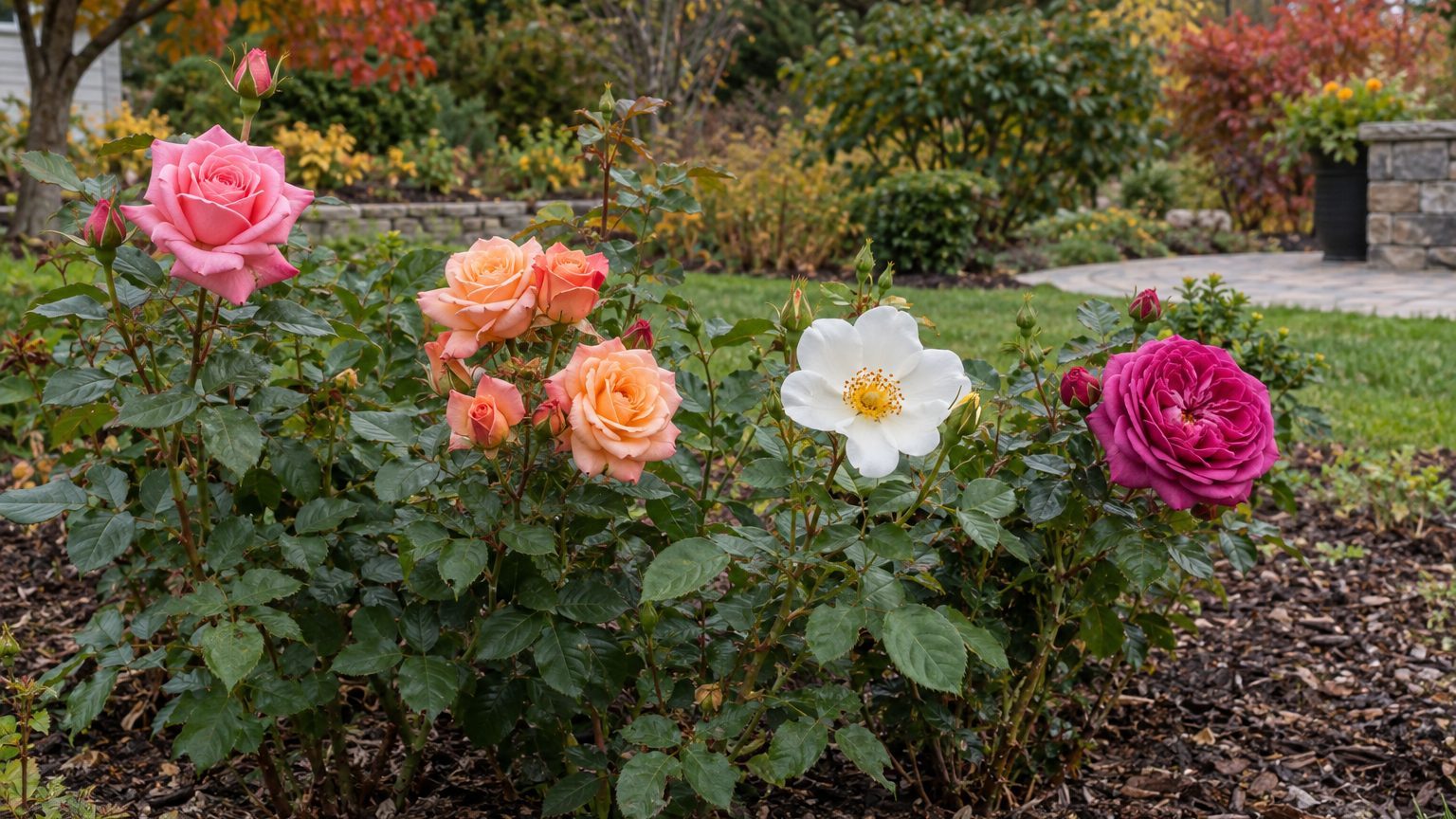
Healthy roses in bloom

Hardy shrub roses, including Knock Out, the Explorer series and the Canadian Artist series, suit Wisconsin because winters here fall in USDA zones 3b to 6a and they come through without fuss. Hybrid teas, floribundas and grandifloras can work too, but they were bred for milder places and need your help.

Hardy Shrub Roses

If a rose that needs no winter protection sounds appealing, this is the group to shop in. Hardy shrub roses were bred to take cold winters in stride, so the canes are not mounded or wrapped each fall.

They bring front-yard color without the yearly work of protecting tender roses.

Knock Out

Knock Out is a hardy shrub rose that performs well without extra protection, which makes it a sensible starter for a first rose bed. It repeat-blooms, so prune it with other repeat-blooming roses in spring.

Explorer Series

The Explorer roses are another hardy shrub group that does well without extra protection in cold country. Look for the series name on the plant tag when you compare options at a garden center.

Canadian Artist Series

The Canadian Artist series was bred to be winter hardy and disease-resistant, a useful pairing for Wisconsin, where cold winters follow humid summers. Disease resistance helps against black spot, and resistance to other fungal diseases can also lessen the effects of rust.

Hybrid Teas, Floribundas and Grandifloras

These are the roses most people picture, and they cannot survive northern winters without protection. If you grow them, mound the canes after several hard freezes, once the plant is fully dormant. In Wisconsin, that means November.

How to Choose a Rose for a Wisconsin Garden

Start with how much winter work you are willing to do. Then think about how damp your summers feel in the yard, because wet leaves are where black spot and rust get going.

Your situation What suits it in Wisconsin Why
Very cold winter Canadian Artist series, Explorer series Bred to be winter hardy
Humid summer Canadian Artist series, disease-resistant varieties Resistance to black spot also lessens the effects of rust
Little time Knock Out, hardy shrub roses No winter protection required
Love of hybrid teas Hybrid teas, floribundas, grandifloras with a winter mound Bred for warmer climates, so they need protection

Pruning follows the type of rose. Repeat-blooming roses such as hybrid teas, floribundas and modern shrub roses are pruned in April or May, once the winter mound is off and the chance of a hard freeze has passed. Once-blooming roses (old garden roses, ramblers, many climbers) flower on last year’s wood, so prune them right after they bloom, never in early spring. For advice on heat and drought tolerance and on small-space picks, ask your county office.

Which Roses Suit Different Parts of Wisconsin

Winter cold varies across the state, so the same rose can be an easy keeper in one yard and a gamble in another.

  • Lake Michigan shoreline: The lake delays the first fall freeze, which gives roses a longer stretch of growth and bloom. Tender roses still need winter protection here.
  • Southern Wisconsin inland: Freezes arrive sooner than on the lakeshore, but wait until the plants are fully dormant after several hard freezes before protecting tender roses. Hardy shrub roses simplify the work.
  • Northern Wisconsin: Freezes come far earlier and winters are colder. Hardy shrub roses, such as the Canadian Artist and Explorer series, are the sounder choice, and tender types are a long shot.

Your own yard matters too, since a sheltered spot near a house wall behaves differently from an open lot.

Rose Buying Mistakes to Avoid in Wisconsin

Tender Roses Without a Plan

Hybrid teas, floribundas and grandifloras can lose canes over winter if they are left unprotected. Before buying, decide whether you will mound them every fall. If not, choose a hardy shrub rose that needs no winter protection.

Disease-Prone Varieties

Humid summers favor black spot and rust, and a susceptible variety means spotted, dropping leaves and repeated cleanup. Inspect new plants for symptoms of rust before you buy. Then favor varieties labeled disease resistant, because resistance to black spot and other fungal diseases also lessens the effects of rust.

Covering Too Early

Mounding a rose before it is fully dormant traps warmth around canes that are still active. Wait until after several hard freezes, then put the protection on in November. That timing lets the rose enter winter fully dormant and protected.

Where to Get Rose Advice in Wisconsin

Local growers see which varieties thrive in your area, and useful help is close at hand.

  • Browse the service’s research-based rose and garden guidance before you buy plants in spring. The link is on the name: University of Wisconsin Extension.
  • Your county Extension office can tell you which roses do well locally and can help identify leaf problems, so bring a sample in summer when spots appear.

Common Questions

When Should You Stop Feeding Roses in Wisconsin?

Feed roses in late April and again at peak bloom, then stop after July. Late feeding pushes soft new growth that has little time to mature before winter.

Can You Plant a Rose in June?

Yes. Bare-root roses go in best during April and May, but a potted rose can also go in during June, once severe frost is well past.

When Should You Take Winter Protection Off Roses?

April is the time, with the mound removed in stages. If spring stays cold, it can also be done in May.

When to Prune Roses in Wisconsin

When to Prune Roses in Wisconsin

Soil or leaves mounded around the base of each rose is a familiar sight in Wisconsin yards, and it usually comes off before the pruning shears come out. Spring is when repeat-blooming roses get their main cut here, while once-blooming types want the shears after they flower. The timing depends on how each rose blooms.

When to Prune Roses in Wisconsin

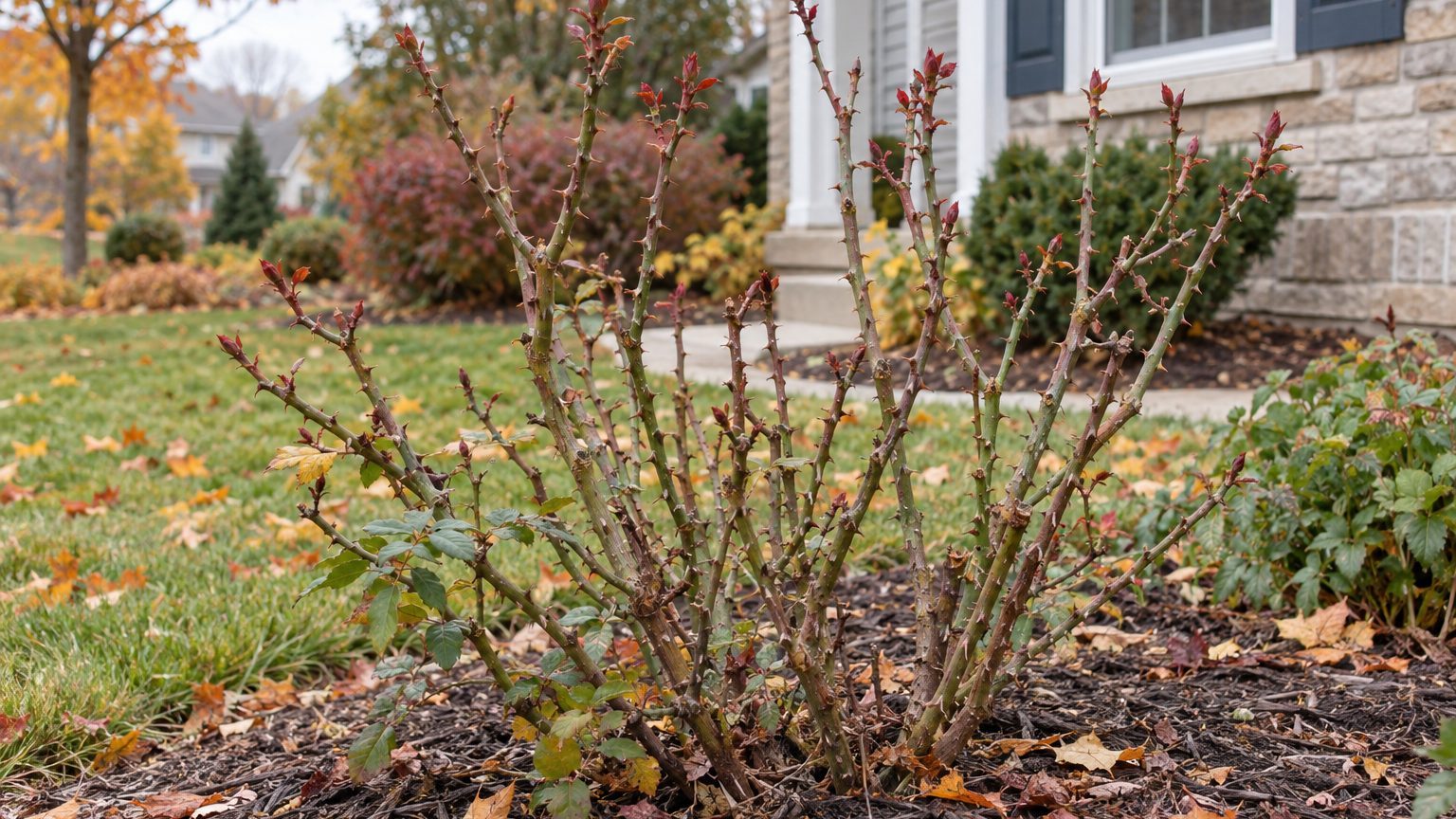
Rose canes at pruning time

Prune repeat-blooming roses in April or May, once the winter mound is off and a hard freeze is no longer likely. Hybrid teas, floribundas and modern shrub roses all follow that spring window.

Roses that flower only on last year’s wood follow a different rule, and a spring haircut would remove the buds before they open.

Type of rose When to prune in Wisconsin Why
Repeat-blooming roses (hybrid teas, floribundas, modern shrub roses) April to May The winter mound is off and the chance of a hard freeze has passed, so cuts will not be followed by frozen tips.
Once-blooming roses (old garden roses, ramblers, many climbers) Right after they bloom, never in spring They flower on last year’s wood, so spring cuts remove the season’s flowers.

Repeat-blooming climbers do not get a separate window here, so ask your county extension office before cutting them hard. Cold winters matter too. Hybrid teas, floribundas and grandifloras need winter protection, while hardy shrub roses such as Knock Out or the Explorer series perform well without extra covering. A hardy rose also means less to remove in April, which helps explain why many Wisconsin gardeners lean toward them.

How to Tell When Your Roses Are Ready to Prune

Wisconsin springs swing from mild to bitter, so the plant itself is a better guide than the date on the wall calendar.

  • The winter mound is coming off, which in Wisconsin starts in April and can run into May, and it should be removed in stages so the canes are not shocked.
  • A hard freeze no longer looks likely, which tells you that fresh cuts and the tender growth below them will not be burned.
  • The buds on the canes are swelling, and that is the signal to cut just above a plump bud that points outward.
  • Some canes look dark and discolored, which means they are dead and should be cut back until the inside of the stem is clean.
  • Small, weak or injured stems show up once the mound is gone, and removing them now sends energy into the strong canes.

If the buds have not moved, wait. Waiting into May costs the rose nothing.

Should You Prune Roses in Fall or Winter in Wisconsin?

Mostly no. In fall, limit pruning to very long stems that would whip in the wind and loosen the plant in its bed. Leave the rest of the cutting for spring, because the plant needs its wood going into winter.

Severe pruning belongs after the roses restart, not before. A rose that is cut hard in winter has lost the canes you may need to replace winter damage, and you cannot tell which canes are dead until growth begins.

Winter work is about protection, not shears, and the right moment for that is covered in the questions below.

How Rose Pruning Dates Shift Across Wisconsin

Wisconsin spans USDA hardiness zones 3b to 6a, so a statewide schedule gets stretched across very different winters. The months above stay the same, but where you fall inside them changes with your location.

  • Lake Michigan shoreline: the lake delays the first fall freeze here, so roses stay active later in the season, and in spring the cold water can hold buds back, so watch them before you cut.
  • Madison and the inland south: freezes arrive in early October, and gardeners here can usually start in April once the mound is off and the buds begin to swell.
  • The Northwoods: freezes come far earlier than in the south, winters are harsher and mounds stay on longer, so May is the safer month for pruning.

Whichever part of the state you garden in, let the swelling buds make the final call.

Where to Get Rose Advice in Wisconsin

Local help is worth using when a cane looks damaged or you are unsure which type of rose you own. The state and county offices can identify problems and confirm timing for your own yard.

  • The University of Wisconsin-Madison Division of Extension publishes gardening guidance you can read before spring pruning begins.
  • Your county extension office can answer questions about hardiness and winter damage, and a visit in April is well timed.
  • County master gardener volunteers often help with identification, so bring a cutting of a cane whose type you are unsure of.

Common Questions

When Should You Put Winter Protection on Roses in Wisconsin?

November. Wait until several hard freezes have passed and the rose is fully dormant, because covering too early can keep the plant growing when it should be resting.

When Can You Plant Bare-Root Roses in Wisconsin?

Plant bare-root roses in April or May. If spring stays cool, bare-root roses can also be planted in June, while potted roses can go in later once severe frost has passed.

When Should You Feed Roses in Wisconsin?

Feed in late April and again when the plants reach peak bloom, and keep going no later than July. Feeding after July pushes soft growth that has little time to harden before winter.

Best Spring Bulbs for Wisconsin

Best Spring Bulbs for Wisconsin

Tulips and daffodils pushing through cold April soil are one of the surest signs that a Wisconsin winter is over. Not every bulb earns that spot for long, though, because the state’s wet clay and hard winters reward some choices and wear out others.

Best Spring Bulbs to Grow in Wisconsin

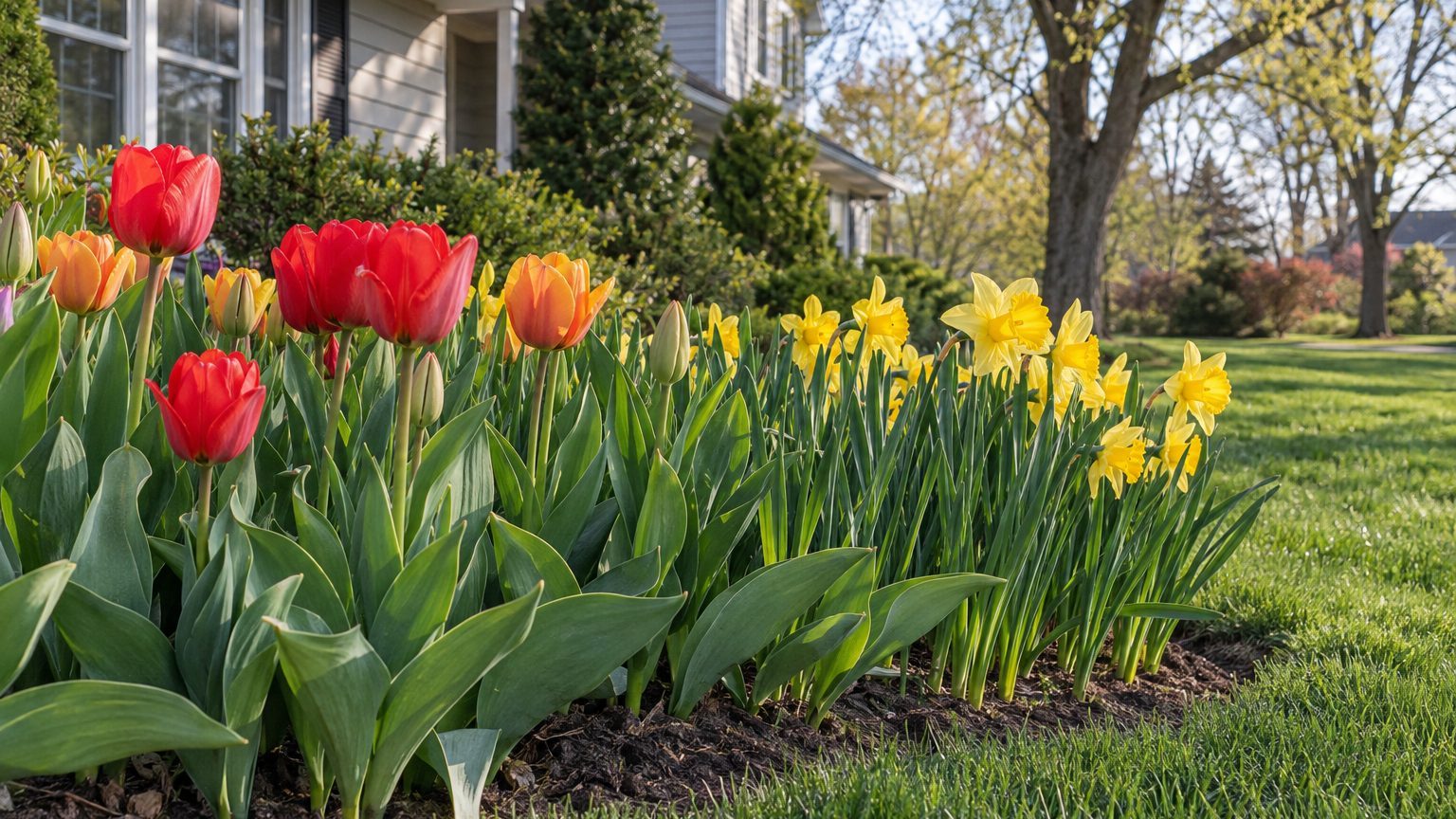
Healthy spring bulbs in bloom

Daffodils, species tulips and alliums hold up in Wisconsin, while big hybrid tulips tend to fade. Most hardy spring bulbs evolved in desert or Mediterranean climates, so wet, heavy clay is the real test here, more than the cold.

Daffodils

Daffodils tend to live longer in Wisconsin soils than tulips, which makes them the more reliable perennial bulb. They cope with the clay better than most of their neighbors in the bulb bag.

Plant them once in fall, let the foliage die back on its own in spring, and expect clumps that grow thicker over the years.

Species Tulips

If you want tulips that stay, look for species tulips, the shorter types with smaller flowers. They suit Wisconsin soil better than the tall, showy hybrids.

The flowers are daintier, but they are far more likely to return, and they fit neatly at the front of a bed or along a walkway.

Hybrid Tulips

Years of hybridizing have weakened the ability of hybrid tulips to come back. In wet, heavy clay they may only return for a few years.

The honest approach is to enjoy them as a seasonal splurge. Plant them fresh when you want that big color, and treat them as annuals rather than as permanent residents.

Alliums

Alliums are not as picky as some bulbs, which makes them forgiving in Wisconsin yards. They also bloom without needing a chill period, so winter cold is never a gamble for them.

These ornamental onions add tall, round flower heads once the season is well along, and they are a good partner for daffodils.

How to Choose Spring Bulbs for Your Wisconsin Garden

Start with what your yard does, not with the catalog photo. Soil that stays wet, a busy schedule and a small bed each point toward a different bulb.

The rows below match common situations to the bulbs that handle them.

Your situation What suits it in Wisconsin Why
Wet, heavy clay soil Daffodils They outlast tulips in these soils, which suit hybrid tulips poorly.
Little time to spare Daffodils and alliums Daffodils return reliably, and alliums are not picky about conditions.
Small space Species tulips They are the shorter types with smaller flowers, and they last longer than hybrids.
Voles, squirrels, rabbits or deer Daffodils Wildlife leaves them alone but eats tulips and crocus.
Need for winter cold Tulips, daffodils and hyacinths straight from the bag Most spring bulbs need about 12 to 16 weeks of cold, and Wisconsin winters supply it without refrigerator chilling.

Whatever you plant, leave the leaves on after bloom until they turn brown and remove only the faded flowers. The foliage feeds the bulb for next spring.

Which Spring Bulbs Suit Different Parts of Wisconsin

The same hardy bulbs work statewide, since Wisconsin runs from zone 3b to 6a on the USDA hardiness system. What shifts from place to place is the planting window.

  • Milwaukee and the Lake Michigan shore: Lake Michigan delays the first fall freeze at the lakeshore, so you have more room to plant daffodils and alliums into October.
  • The Northwoods and Lake Superior country: Freezes come far earlier here, so plant in September and favor the toughest choices, daffodils and alliums.

Wherever you garden, the soil, not the calendar date, tells you when the ground is ready.

Spring Bulb Buying Mistakes to Avoid in Wisconsin

Planting Tulips Where Wildlife Feeds

Voles, squirrels, rabbits and deer eat tulips and crocus, and a bed of them can vanish before spring. Daffodils are left alone.

If critters visit your yard, plant daffodils and alliums in the open and keep tulips close to the house or in spots you can watch.

Planting Too Early

Bulbs set in warm soil sprout in fall, and that growth does not survive winter. Wait until the soil cools below about 60°F, which lets roots form before the ground freezes without pushing up leaves.

Wisconsin planting runs from September through October, and the best stretch is mid-September through mid-October.

Saving Bulbs in the Bag

A bulb left in the bag over winter has no chance to root. If you missed the window, plant anyway, as long as the ground can still be dug.

Late is better than never. Bulbs set in the ground late often still bloom, while stored bulbs just dry out.

Where to Get Spring Bulb Advice in Wisconsin

For questions about your own soil or a stubborn bed, University of Wisconsin Extension and your county extension office are the places to turn. Staff there know local conditions.

  • The state extension website carries planting guidance for spring bulbs, so check it before you shop for bulbs in late summer.
  • Your county office can answer questions about drainage and wildlife, so call when you plan a new bed.

Common Questions

When Do Tulips and Daffodils Bloom in Wisconsin?

Tulips and daffodils bloom in April and May, and peak tulip bloom runs from late April to mid-May.

Which Spring Bulbs Open First and Last?

Bulbs flower in a long succession, with snowdrops and winter aconites at the start and ornamental onions, the alliums, at the end.

Can You Plant Bulbs Next to Thirsty Annuals?

It is better to keep them apart. Annuals that need a lot of water, planted on top of or right beside bulbs, can shorten how long hybrid tulips return in Wisconsin clay.

The almanac, state by state. Every date on this site comes from a state’s own frost facts and its extension service’s calendar — and says where it comes from.