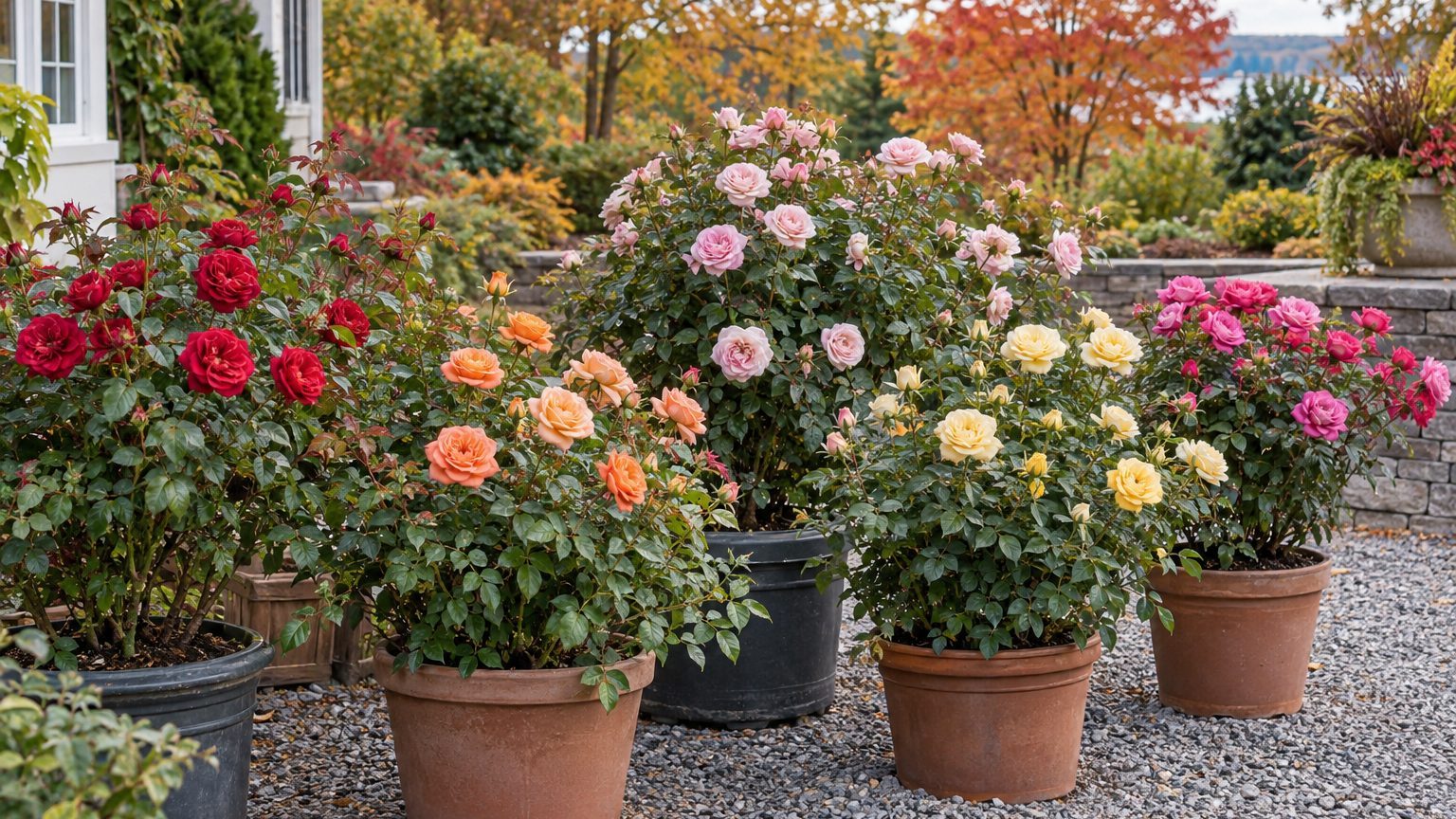
A rose bush bought on a bright spring Saturday can become a lasting part of the yard, so the choice at the garden center matters. Choosing roses comes down to matching the plant to your winters, your sun and the kind of bloom you want. Type, bloom habit and how the plant was grown all shift the answer.
Which Rose Is Right for Your Yard?
Pick for your climate first and your favorite flower second. A rose that struggles through your winters or summers never shows its best blooms. The type of rose, whether it blooms once or repeats, and how hard your winters and humid summers run all change the answer.
Repeat bloomers flower on new growth through the season. Once-blooming roses give one big show on last year’s wood. Each rose type brings its own habits, and a rose that suits a neighbor’s yard may not suit yours.
The state selector just under this section takes you to the page for your state.
From the almanac
Roses in your state
The dates on this page depend on where you live. Your state's page carries its frost dates, its USDA zones and the year laid out month by month.
Northeast
Southeast
- Alabama
- Arkansas
- Delaware
- Florida
- Georgia
- Kentucky
- Louisiana
- Maryland
- Mississippi
- North Carolina
- South Carolina
- Tennessee
- Virginia
- West Virginia
Midwest
Southwest
West
Pacific Northwest
Canada
How to Choose a Rose Bush

Work from the yard outward, starting with the spot and ending with the day the plant arrives.
- Walk the yard and mark the sunniest open spot, because roses need plenty of light and a good garden location heads off many problems before they start.
- Check the hardiness zone on the plant tag against your own, since roses differ widely in how much cold they take and a mismatch shows up the first hard winter.
- Favor disease-resistant, winter-hardy, repeat-blooming varieties, which is the advice in Iowa, so you spend less time fighting leaf problems and get flowers across the season.
- Ask whether the plant grows on its own roots or is grafted. In Washington, own-root roses protect a favorite plant from loss to early winter cold. In Montana, the recommendation is for bare-root plants on their own roots that are graded as “Number 1.”
- Decide between bare root and container by how soon you can plant. In Arizona, container roses are the safer buy when planting must wait, because bare roots should not sit exposed.
In Florida, a grafted rose should sit on Fortuniana rootstock, so ask the nursery what the plant was grafted onto before it goes in the cart.
Choosing a Rose by Type
Bloom habit and root type change more than flower color. A repeat bloomer keeps working through the season, while a once-blooming rose gives all its color in one stretch.
Climate fit follows type, and each type has its own limits, so check the tag before you commit.
| Rose Type | What changes | Why it matters |
|---|---|---|
| Repeat-blooming roses | Bloom on new wood, flower again and again | Color lasts through the season |
| Once-blooming roses | Bloom on last year’s wood, one main flush | Suits you if one big show is enough |
| Antique roses | In Florida, a featured antique rose is suited to zones 7 through 9 | Zone fit decides whether the plant thrives |
| Shrub roses | In Montana, bare-root, own-root, Number 1 plants are favored | Healthy starting stock sets up the first season |
Hybrid teas, climbers and rugosas follow the same logic. Confirm the zone on the tag, decide whether you want repeat or single bloom, and match the plant to the room you have. A climber needs a wall or fence, while a shrub rose needs open ground around it.
Rose Buying Mistakes to Avoid
Buying a Low Grade
A low-grade plant may be less likely to thrive. In Kentucky, a No. 2 plant has several small canes, while a No. 1½ plant has one strong cane and one smaller one.
In Washington, Grade 1 plants cost more but are more likely to thrive. In Kansas, only grade number 1 plants are recommended, and in Arizona the same grade is favored for surviving summer heat.
Skipping the Stem Check
Swellings or galls on the lower stems or crown are a sign to put the plant back. In Illinois, avoid plants with those signs. Look at the base of every cane before you pay, and choose a clean plant instead.
Buying Too Many Plants
Overbuying leaves you with more roses than you can look after. In New Mexico, ten well-chosen, carefully maintained varieties give more blooms and more pleasure than a much larger planting kept poorly. Start with fewer roses, give each one a good spot, and add more once the first ones are thriving.
Best Roses for Your State
Use local cold, heat, soils, insects and disease pressure to narrow the choice. Use the state guide to compare local conditions with the plant tag before buying.
- Your state’s rose page helps you compare roses with the climate where you live, so open it before you order.
- At planting time, use it again to confirm that the rose and the site suit each other.
Common Questions
Can You Grow a Rose Indoors?
In Florida, miniature roses usually do better outdoors because of the amount of light they need. A bright, open outdoor spot gives them more than a windowsill can.
Do Roses Need Winter Protection?
It depends on the rose. In Iowa, some roses hold up through winter in cold zones, but others do not and need protection. In North Carolina, choosing a rose that suits the area matters for winter survival, along with a good winterization routine.
When Should You Order Roses?
In Oregon, ordering in the fall for delivery in January works well, and that delivery is a good time to plant. Elsewhere, order so the plant arrives when you can put it in the ground soon after.