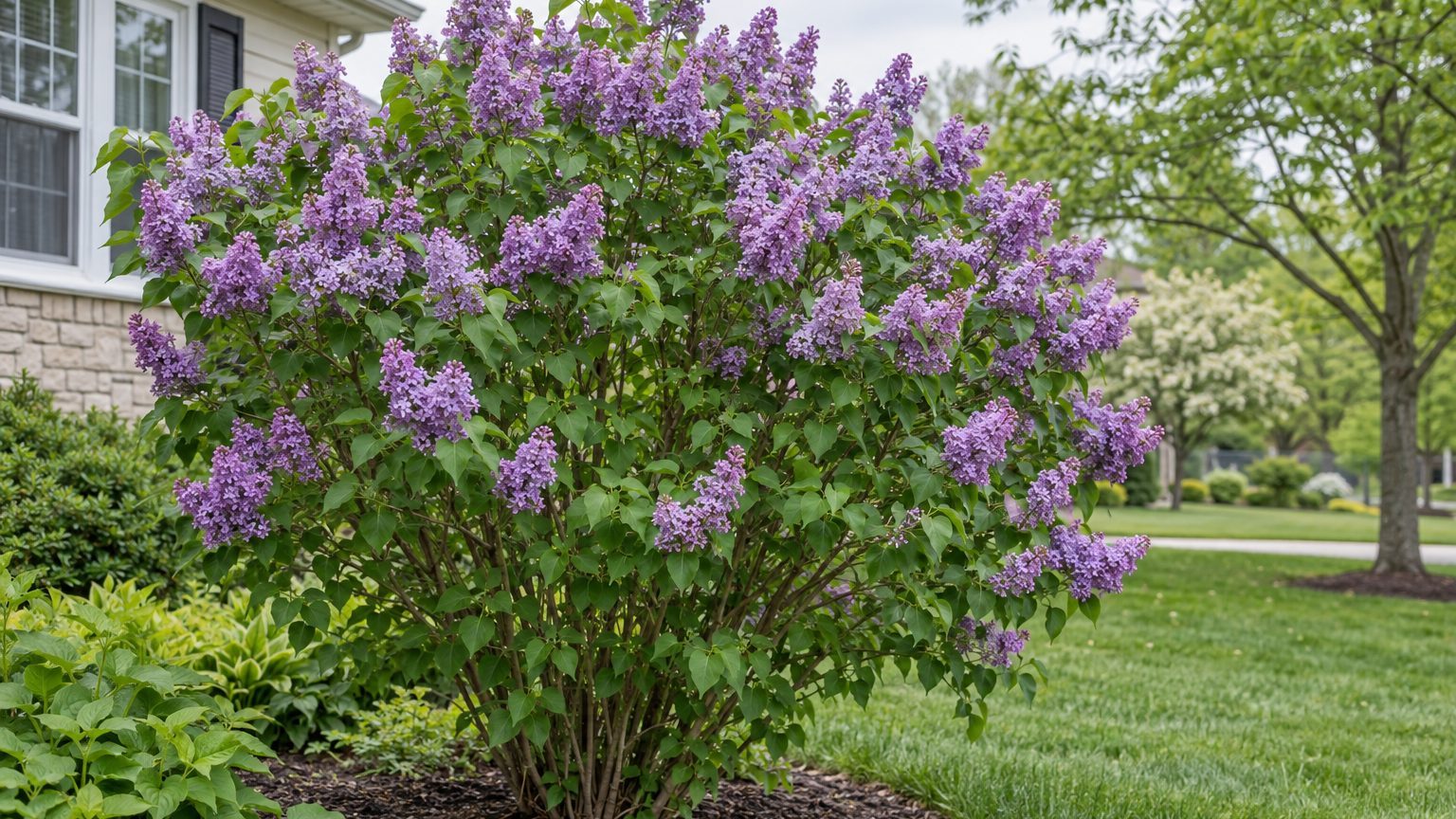
A lilac in a big pot on the patio is a sight that surprises people who think the shrub needs a garden bed. It can live in a container, as long as you choose a compact type, give it sharp drainage and pay attention to the roots in winter.
Can You Grow Lilacs in Pots?
Yes, with the right type. Dwarf lilacs are the ones to look for, because they stay small enough for a large container. Full-size common lilacs are shrubs built to spread and are far harder to keep happy in a pot for years.
Climate changes the answer less than the type does, but it still matters. In North Carolina, summer lilac (Buddleja, a different plant from true lilac) is winter hardy in USDA Hardiness Zones 5 through 9. In North Carolina, the same shrub dies back to the ground in Zones 5 and 6, then returns with vigorous spring growth.
A pot also exposes roots to cold much more than open ground does, which is why winter handling gets its own attention further down.
From the almanac
Lilacs in your state
The dates on this page depend on where you live. Your state's page carries its frost dates, its USDA zones and the year laid out month by month.
Northeast
Southeast
- Alabama
- Arkansas
- Delaware
- Florida
- Georgia
- Kentucky
- Louisiana
- Maryland
- Mississippi
- North Carolina
- South Carolina
- Tennessee
- Virginia
- West Virginia
Midwest
Southwest
West
Pacific Northwest
Canada
How to Pot a Lilac and Keep It Growing
The routine is short, and the order matters because each step protects the next one.
- Choose a large container with drainage holes, so that water leaves the pot instead of sitting around the roots.
- Fill it with potting soil, since a bagged mix drains far better than garden dirt, which turns dense once it is confined in a pot.
- Set the pot where it gets full sun, because this shrub prefers a sunny location.
- In Ohio, water a newly potted lilac often through the first year while its roots settle into the container.
- Pour the water at the base of the plant and keep it off the leaves, because wet foliage invites fungal trouble once the plant has leafed out.
- Add a layer of mulch on top of the soil, so that moisture holds a little longer between waterings.
In Arkansas, water when the soil feels dry. Summer lilac, for one, is drought tolerant once established, but it still dislikes soggy, poorly drained soil. A pot that stays wet can cause these plants to decline.
Soil and Drainage

Drainage deserves extra care in winter, because it is usually worse than during the growing season. In Arkansas, gardeners are told to check this before planting. A pot lifted on feet or bricks lets water escape freely and keeps the base from freezing into a block of ice.
In North Carolina, clay soil benefits from compost when planting summer lilac.
Which Lilacs Suit a Container?
Several plants go by the name lilac, and they behave differently in a pot. The table lays out what each one needs in a container and why it makes a difference.
| Lilac type | What changes | Why it matters |
|---|---|---|
| Dwarf Syringa, such as the Bloomerang group | Suited to large containers | Its smaller size leaves the roots enough room without constant repotting |
| Summer lilac (Buddleja) | Hardy in Zones 5 through 9 in North Carolina, and dies back to the ground in Zones 5 and 6 | Cold zones need root protection, and the pot must never stay soggy |
| Common lilac forced in a pot | Needs full light, and the temperature is lowered to 60 to 66º once the first flowers expand (Oregon) | Cooler air helps the flower clusters hold up after forcing |
For a permanent patio plant, a dwarf Syringa is the sensible starting point. Summer lilac works too, but it is not a true lilac and it blooms on its own schedule, so it fits a garden with pollinators more than one hoping for the classic spring scent. A forced common lilac is usually a short-term display plant. In Oregon, a forced common lilac must be protected from frost and kept out of the landscape until spring because it has not developed cold hardiness.
Three Mistakes with Potted Lilacs
Soggy Soil

A saucer that holds water, or a pot with blocked holes, keeps the roots wet. Summer lilac does not tolerate soggy soil or poor drainage. Empty the saucer after rain, clear the holes, and let the top of the mix dry out before you water again.
Wet Leaves in Spring
Lilacs that sit in cool, wet conditions before they leaf out can pick up bacterial disease. Once the leaves open, water on the foliage invites fungal problems. Move a pot under an eave during long cold rains, and water at the soil line with a can or a slow hose, never overhead.
Forced Plants Left Outside Too Soon
A lilac forced for early flowers is in an early growth stage, so it has not developed cold hardiness. Leaving it out on a frosty night exposes it to frost, so protect it. In Oregon, forced lilacs are kept from frost until spring or exposed to sequentially cooler conditions before outdoor storage.
When Should You Move Lilac Pots for Winter?
Act when the leaves drop and the plant goes dormant, before the soil in the pot freezes hard. Then shift the container to a sheltered spot such as against a house wall, in an unheated garage or on a covered porch, and water sparingly so the mix stays barely damp.
- The state page for where you live gives the months for fall dormancy and spring waking, so use it to time the move.
- That same page covers local frost timing, which tells you when to bring a forced plant back under cover.
Common Questions
Can You Start a Potted Lilac from Small Plants Around a Mature Shrub?
Yes. In Arkansas, small plants that sprout around a large shrub can be dug up and kept in pots until they grow and develop a good root system. Let them settle in the container before moving them anywhere permanent.
Will a Potted Lilac Grow Well in the South?
Conditions vary across the South. In Arkansas, water when dry and mulch; the plant should grow, though not as well as in St. Louis. A sunny spot with good drainage can help.
Can You Force a Lilac Indoors?
Yes, with plenty of light so the foliage develops well. In Oregon, growers syringe the plants often when the temperature climbs past 76°F, then cool the greenhouse as the flowers open. Home forcing also requires careful temperature control, so light alone is not enough.