Skip to content

West Virginia

  1. Jan
  2. Feb
  3. Mar
  4. Apr
  5. May
  6. Jun
  7. Jul
  8. Aug
  9. Sep
  10. Oct
  11. Nov
  12. Dec
State
West Virginia
USDA zones
5a-7a
Last spring frost
April 9 to April 23
First fall frost
October 18 to November 1
Annual rain
46 in
Lawn zone
cool-season
Source
NOAA NCEI 1991-2020 Climate Normals, 32F freeze probabilities · Charleston

The year in West Virginia, from the calendar

  1. Jan—
  2. FebPrune fruit trees
  3. MarSpring bulbs bloom · Feed hydrangeas · Renew an overgrown lilac · Plant roses · Prune roses
  4. AprSpring bulbs bloom · Plant hydrangeas · Lilacs bloom · Renew an overgrown lilac · Feed roses
  5. MaySpring bulbs bloom · Feed hydrangeas · Plant hydrangeas · Lilacs bloom · Prune lilacs
  6. JunPrune bigleaf hydrangeas · Prune lilacs · Feed roses · Mow · Water
  7. JulFeed hydrangeas · Prune bigleaf hydrangeas · Feed roses · Mow · Water
  8. AugPlant hydrangeas · Seed the lawn · Feed roses · Aerate · Dethatch
  9. SepPlant hydrangeas · Seed the lawn · Plant peonies · Aerate · Dethatch
  10. OctPlant spring bulbs · Plant peonies · Plant trees · Mow
  11. NovCut back peonies · Plant trees · Mow
  12. DecCut back peonies

From the state frost facts and extension calendars: University of Maryland Extension · Rutgers Cooperative Extension (NJAES) ; University of Kentucky Cooperative Extension · Clemson HGIC factsheet — Hydrangea · Penn State Extension — Lawn Management through the Seasons; Lawn Establishment.

Best Time to Plant Trees in West Virginia

Best Time to Plant Trees in West Virginia

Newly planted trees do their best work in cool, damp soil, when roots can grow and leaves are not yet asking for water. In West Virginia that means early spring and fall, with a long stretch of dormant-season planting in between.

When Is the Best Time to Plant Trees in West Virginia?

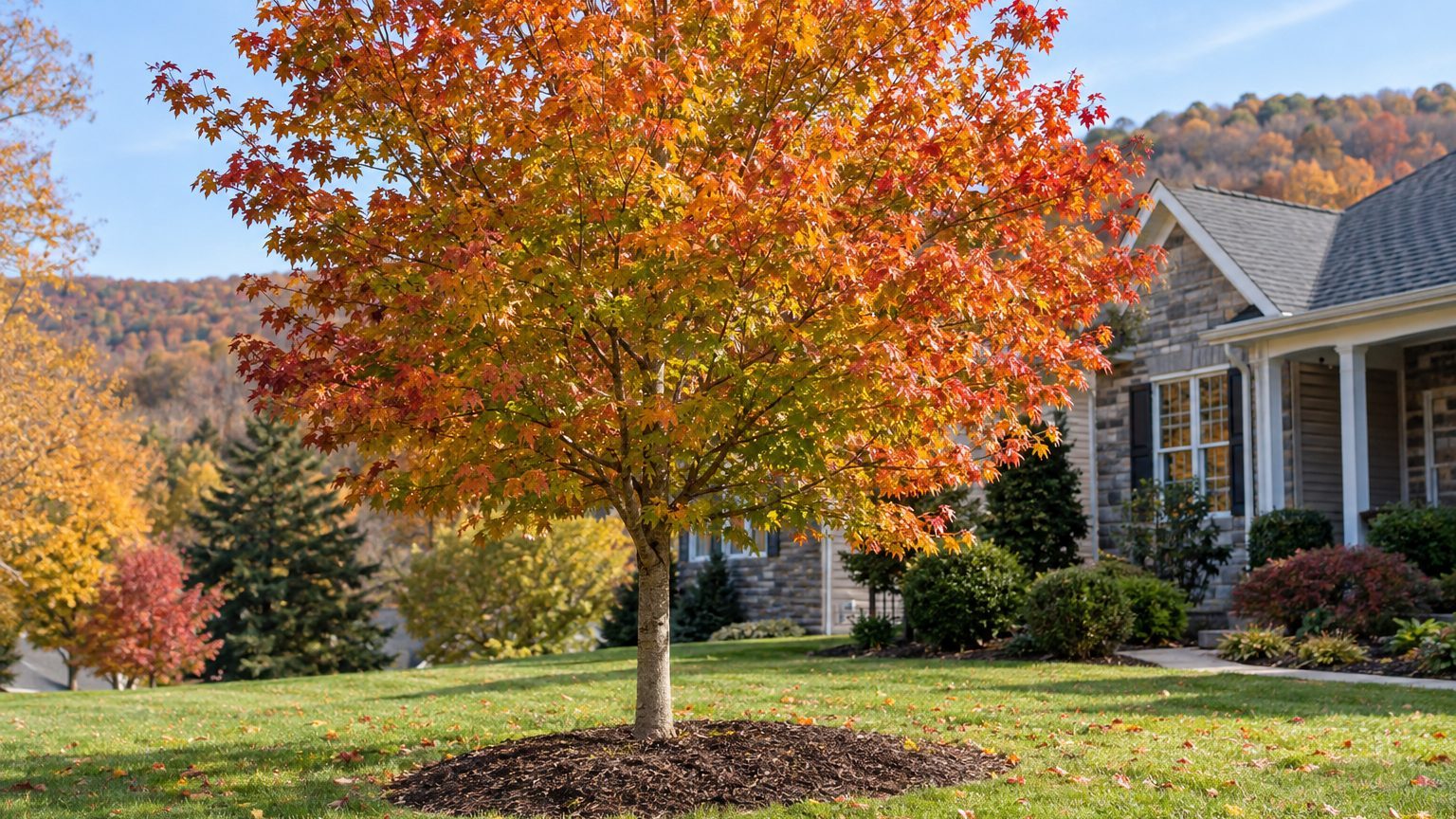
A young shade tree newly planted in a home yard

Shade and ornamental trees, whether container-grown or balled and burlapped, go in the ground from March to April and again from October to November. Planting can also be done in February and December whenever the soil is not frozen.

  • In late winter, February plantings are possible on days when the soil is workable and not frozen, and the tree is still fully dormant.
  • In March and April, the ground is cool and moist, which gives roots time to settle before summer heat arrives.
  • Through summer, planting is the hardest on a new tree, because heat and dry soil stress young roots.
  • In October and November, the soil still holds warmth, so roots keep growing even after the leaves drop.
  • In December, a planting is still possible while the soil stays unfrozen, though the tree gets less time to root before hard cold.

Container trees can go in most of the year if you water them, but they settle best in the dormant season. Magnolia, dogwood, tuliptree, sweet gum, red maple, birch, hawthorn, poplars, cherries, plums and many oaks do better planted in spring than in fall. In Charleston, the last spring freeze falls between April 9 and April 23, and the first fall freeze arrives between October 18 and November 1. Higher elevations freeze noticeably earlier in fall, so mountain yards have a shorter fall window. USDA hardiness zones across the state run from 5a to 7a.

When to Plant Fruit Trees in West Virginia

Fruit trees are best planted in March and April. Bare-root trees must go in while they are dormant, before the buds open, so plant them in early spring.

Fall planting also works, and November is the month for it. A container tree gives you more flexibility, though it still settles best when planted in the dormant season.

Kind of fruit tree When to plant in West Virginia Why then
Bare-root March to April The tree is dormant and the buds have not opened
Container March to April, or November Roots establish in cool soil, and the tree settles best while dormant

Pears, plums and sweet cherries do better with at least two recommended varieties planted together, so leave room for a pair. Pruning waits until the tree is in the ground and growing, and the details are on the page about when to prune fruit trees.

Best Trees to Plant in West Virginia

Match the tree to the site first. Where the yard already has tree cover, shade-tolerant choices such as eastern hemlock, blackgum, red spruce and sugar maple fit better. Tough, adaptable shade trees handle poor conditions in town lots. Mixing conifers such as white pine with hardwoods also works well on larger sites.

Tree How it does in West Virginia Why
Ginkgo A large shade tree for open yards Tolerates adverse growing conditions and turns bright yellow in fall
London planetree A medium to large tree for tough sites Very tolerant of adverse conditions
Thornless honeylocust A large tree for wet or dry ground Tolerates both wet and dry soils
Sugar maple Suits yards that already have tree cover Shade-tolerant
American holly Brings green to the winter yard Evergreen foliage in the cold months

Eastern hemlock, blackgum and red spruce also suit shaded sites. Aspen, black cherry, larch, red pine and black walnut need full sun, so keep them out of shade. Check your site’s sun, space and hardiness zone before choosing.

When to Plant, Water and Prune Trees in West Virginia

The year for a tree runs on a few simple rhythms: plant while it rests, water through the first growing season, and prune fruit trees before the buds swell. Each job has its own moment.

Task Best timing in West Virginia Why then
Plant shade and ornamental trees March to April, or October to November Cool soil lets roots grow before heat or hard cold
Plant fruit trees March to April, or November Bare-root trees must go in dormant, before buds open
Water a young tree Regularly through the first summer, and while the soil is not frozen in fall Heat and dry soil stress new roots
Prune fruit trees February to March, and April if needed The tree is dormant, just before growth begins

Young, nonbearing apple trees and stone fruits wait until February, which lowers the chance of winter injury. Peaches are pruned last, closest to bloom, because their flower buds are easily hurt by cold, while apples go first. Avoid pruning fruit trees in fall or early winter, since new growth may not harden before the cold.

Where to Get Tree Advice in West Virginia

For a question about which species fits your yard or how your soil tests, West Virginia University Extension and your county extension office are the places to ask.

  • The university extension site carries planting guides for trees and shrubs, handy before you buy.
  • Your county office can walk you through a soil test and species choice, so call before planting day.

Common Questions

Can You Plant a Tree in Summer in West Virginia?

A container tree can survive a summer planting if it gets steady water, but it faces more stress than one planted in the cooler months. Wait for fall if you can.

Should You Remove the Burlap from a Balled-and-Burlapped Tree?

Set the tree in its hole, then cut away the wire basket and fold back or remove the burlap from the top of the ball so nothing girdles the roots later.

How Deep Should You Plant a Tree?

Set the root flare at ground level, never buried. Keep mulch back from the trunk so bark stays dry.
Best Peonies for West Virginia

Best Peonies for West Virginia

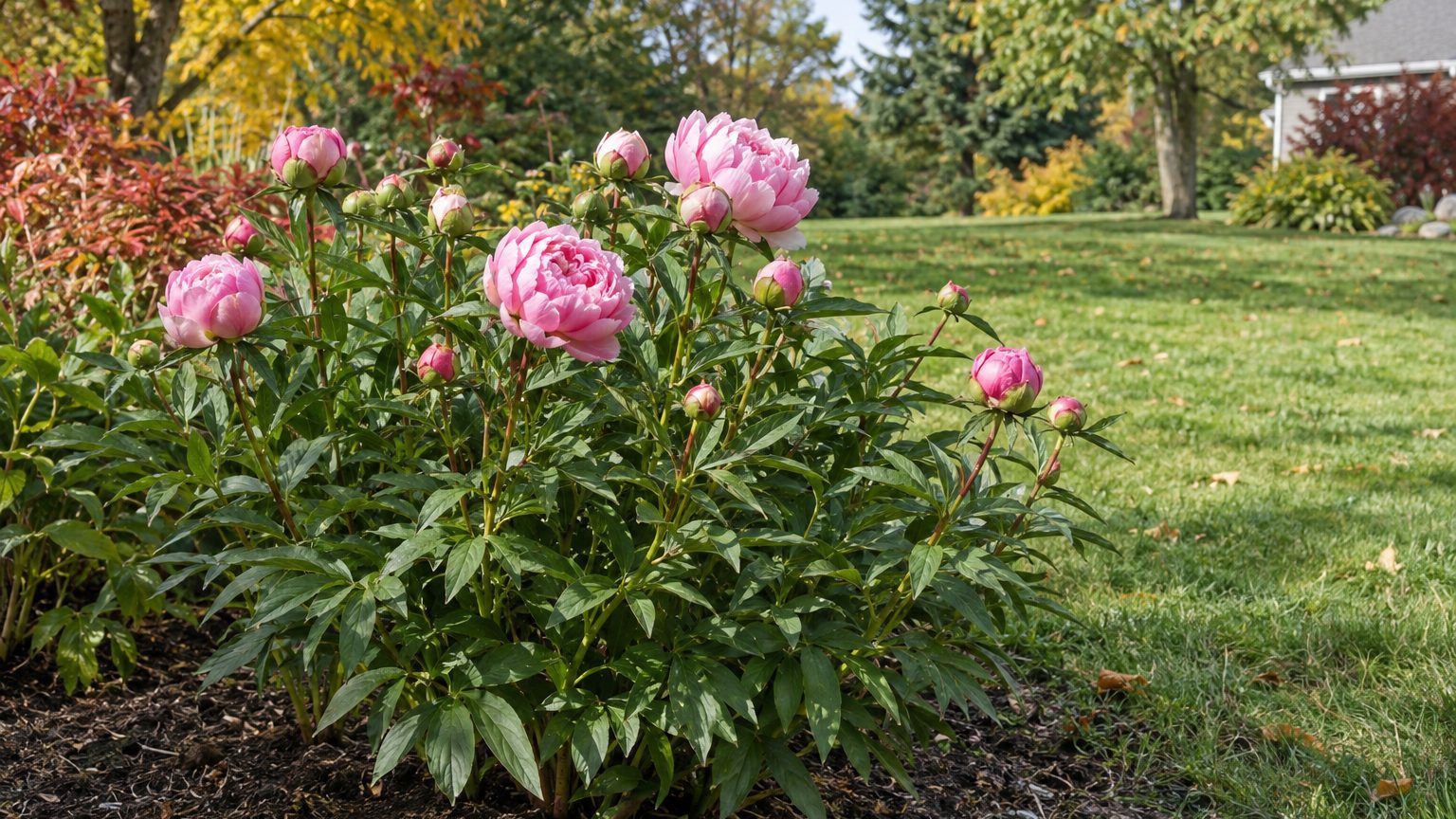
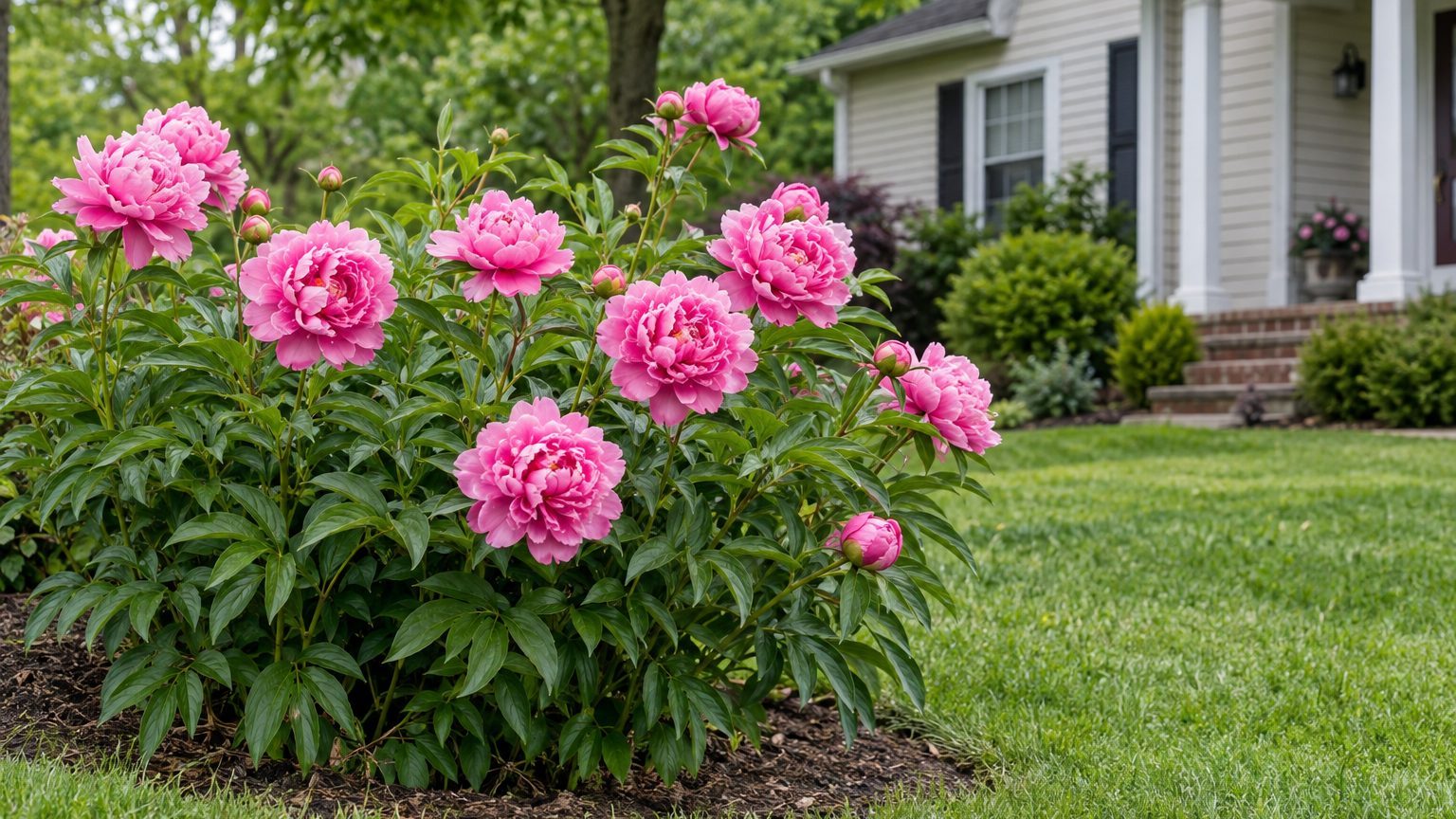
Peonies reward West Virginia gardeners who give them a cold winter, a sunny spot and soil that drains. Herbaceous peonies suit the state’s winters, while woodland peonies can fit shady sites.

Best Peonies to Grow in West Virginia

Best Peonies for West Virginia

Herbaceous peonies fit West Virginia’s cold winters because peonies need winter cold to flower. West Virginia spans USDA hardiness zones 5a to 7a, but that range describes extreme winter lows rather than the full winter chill a peony receives. Peonies may flower poorly in mild-winter climates, so local conditions still matter.

Common Garden Peony

Common Garden Peony — Best Peonies for West Virginia

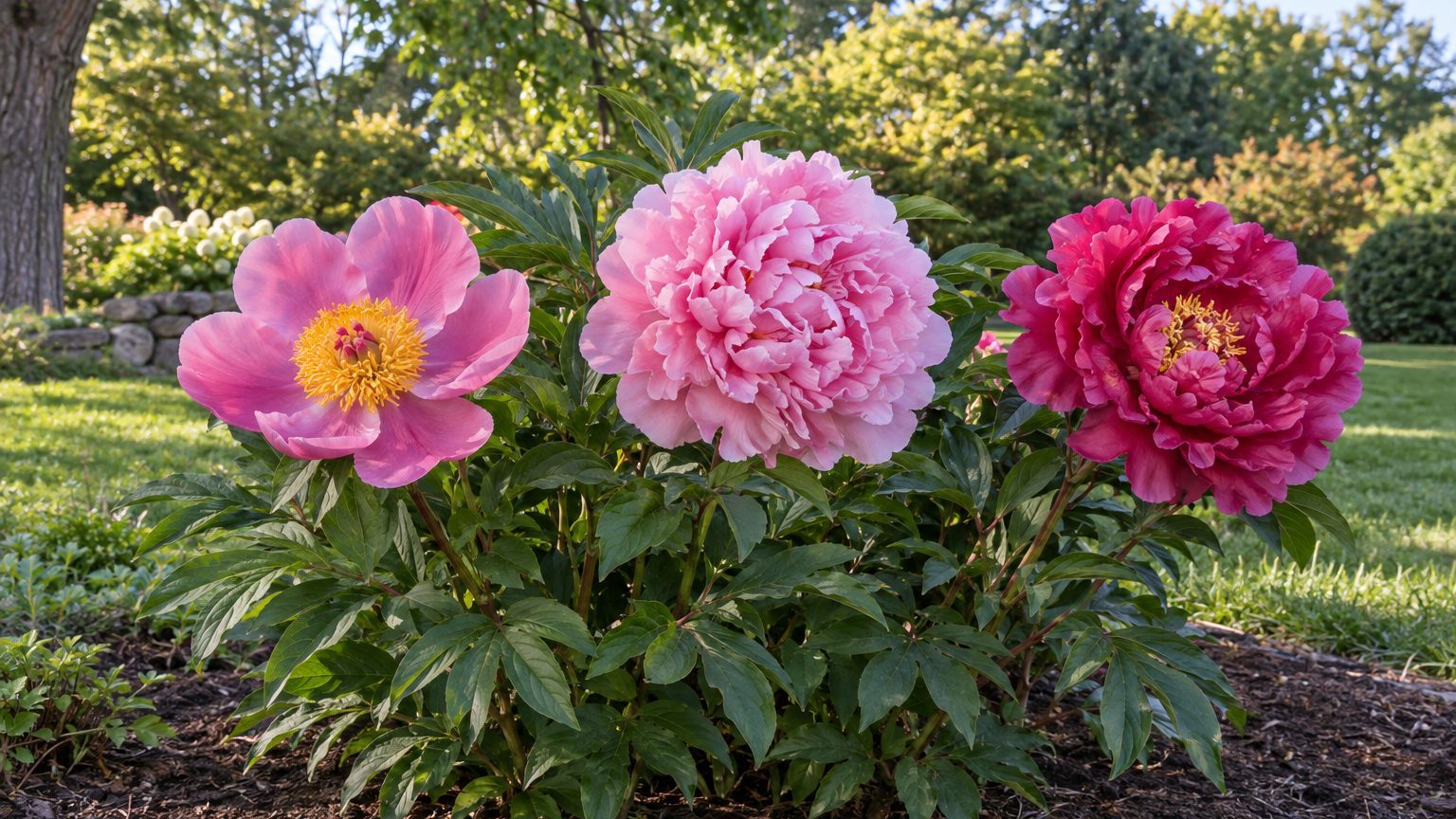
The common garden peony (P. lactiflora) is the standard herbaceous form found in most home gardens, and it comes in many flower forms and colors. Herbaceous types die back to the ground each fall and send up new growth in spring, so they suit a yard with real winters.

Sarah Bernhardt

Sarah Bernhardt — Best Peonies for West Virginia

Sarah Bernhardt is grown for cut flowers and in landscape beds. Its flowers can be cut during the May bloom season.

Karl Rosenfeld

Karl Rosenfeld is grown for cut flowers and in landscape beds. Plant it where it gets sun and room.

Festiva Maxima

Festiva Maxima is grown for cut flowers and in landscape beds. Like the others, it needs a cold winter rest to flower well.

Intersectional Peony

Herbaceous and intersectional peonies are among the easiest to grow and share the same culture. Each fall they die back to the ground, and new growth emerges in spring.

Woodland Peony

Woodland peonies (P. japonica and P. obovata) suit shady gardens. If part of your yard is shaded, this is the group to consider there.

Fernleaf Peony

The fernleaf peony (P. tenuifolia) is noted for finely cut, fern-like foliage and crimson red flowers. It brings a different texture to a border than the broad leaves of garden peonies.

How to Choose a Peony for a West Virginia Garden

Start with the winter you actually get. Peonies need cold to flower, but winter is only part of the choice; match the peony to the light and soil in your garden.

Then think about how much time you want to give the plant. A herbaceous peony is simple: it dies back each year and is cut back after frost.

Your situation What suits it in West Virginia Why
Very cold winter Common garden peony Peonies need winter cold to flower, so cold winters help them
Mild winter spot A peony suited to local winters Peonies may flower poorly where winters are mild
Little time Herbaceous or intersectional peony Easiest to grow, they die back each fall and return in spring
Shady corner Woodland peony Best suited for shade gardeners
Cut flowers Sarah Bernhardt A widely grown cut-flower cultivar

Fernleaf peony is a good pick when you want fine foliage and red blooms as a feature. Whatever you choose, expect that a newly planted or transplanted peony may not bloom the first spring.

Which Peonies Suit Different Parts of West Virginia

Winter cold varies across the state, so the choice shifts a little with where you live.

  • Charleston and the river valleys: Winters are milder here, so stick with herbaceous types known for reliable flowering. Around Charleston, spring frost can still arrive in April, so watch the forecast when new shoots appear.
  • Higher elevations: Winters are colder, which suits peonies well. Freezes also come earlier in fall, so plant on time to let roots settle before the cold.
  • Shaded wooded lots: Woodland peonies are the group to consider in a shaded site, where sun-loving garden peonies would struggle.

Zones run from 5a to 7a across the state, so check your own zone before you buy.

Peony Buying Mistakes to Avoid in West Virginia

Choosing a Type Too Tender

Peonies need winter cold to flower, so choose a plant suited to your local conditions. Choose herbaceous or intersectional peonies, which are the easiest to grow here.

Planting Too Deep

A peony planted too deep may bloom poorly or not come up at all. Keep the eyes near the soil surface when you plant or divide, and aim for September through October so roots can settle before winter.

Ignoring Adult Size

A small pot hides how large the plant will grow. Peonies are long-lived perennials that grow reliably year after year, so a crowded spot can become a lasting problem. Check the mature size before buying and leave room.

Where to Get Peony Advice in West Virginia

Local help can settle questions about your own soil, elevation and winter. The state’s land-grant extension service is the place to start.

  • West Virginia University Extension offers garden guidance you can read any time of year, and fall is a good moment to ask about planting.
  • Your county extension office can speak to your local conditions, so call in late summer before September planting.

Common Questions

When Should You Plant Peonies in West Virginia?

September through October is the window for planting or dividing. Roots get time to settle before the cold sets in.

When Do Peonies Bloom in West Virginia?

May is the main bloom month. In some parts of the state, flowering can begin from mid-April, earlier than in cooler areas.

When Should You Cut Peonies Back?

Cut herbaceous peonies back in November or December, after the foliage has died back. Early spring, in March or April, also works. A tree peony keeps its woody stems and is never cut back.

When Do Peonies Bloom in West Virginia?

When Do Peonies Bloom in West Virginia?

Peony buds swell on the stems just as the last spring chill fades from the hills. In West Virginia, that show comes in May for most yards, with the very warmest corners opening a little sooner and cooler spots finishing in June.

When Do Peonies Bloom in West Virginia?

When Do Peonies Bloom in West Virginia?

Peonies bloom in West Virginia mainly in May. In the milder parts of the state, flowers can start from mid-April, and in cooler spots the season can slide into June. Last spring frost falls between April 9 and April 23 in Charleston, so early buds sometimes meet a cold night.

Type of peony When it blooms in West Virginia What to know
Herbaceous peony May, from mid-April in the milder parts, into June in cooler spots Dies back to the ground each fall and sends up new growth in spring
Intersectional (Itoh) peony May, with the same spread of April to June Grows with the same culture as herbaceous types and is among the easiest to grow

Tree peonies keep their woody stems from year to year, so the timing above is a guide for herbaceous types. Winters here are cold enough for peonies to rest, since hardiness zones run from 5a to 7a on the USDA system. A newly planted or transplanted peony may not bloom the first spring.

How to Tell When Your Peonies Are About to Bloom

Your own plants give better notice than any calendar, because a warm or cool spring nudges each clump on its own schedule.

  • Red, pointed shoots pushing through the soil mean the season has started, and it is time to clear old mulch away from the crown.
  • Buds at the tips of the stems tell you the plant has set its flowers, so a hard frost forecast is worth watching.
  • Swelling buds are heading toward color, and staking or a support ring should be in place by then.
  • Buds that feel soft when you press them gently are close to opening, often soon after showing color.
  • Petals showing at the bud tip mean the flower is opening, and the first blooms are ready to cut if you want them indoors.

A clump planted too deep may produce plenty of leaves and no buds at all, so if buds never form, check that the eyes sit near the soil surface.

When to Cut Back Peonies in West Virginia

Cut herbaceous peonies back in November or December, once frost has killed the foliage and it has flopped and browned. Early spring, in March or April, also works if you would rather leave the stems standing through winter.

Cut the stems down to the ground, just above the soil line. Bag the foliage and throw it out rather than composting it.

Tree peonies are the exception. They keep their woody stems, so leave them standing and remove only dead or broken wood.

How Peony Bloom Time Shifts Across West Virginia

The state is hilly, and bloom time varies from place to place. Charleston sits in a river valley, so higher ground freezes noticeably earlier in fall and warms later in spring.

  • Kanawha Valley and the Ohio River towns: These low, sheltered spots warm first, so flowers can start from mid-April and most clumps peak in May.
  • Eastern Panhandle: Mild valley sites here follow the May pattern, with bloom often arriving a little earlier than on the ridges nearby.
  • Allegheny Highlands: Higher, cooler ground holds buds back, so bloom slides later toward June and spring frost lingers longer.

Plant or divide in September through October wherever you live, so the roots settle before the ground freezes.

Where to Get Peony Advice in West Virginia

For questions about a clump that will not bloom or a bed that needs dividing, West Virginia University Extension is the place to start. Your county extension office knows local soil and elevation.

  • County offices can answer questions about your site, so call when buds show or fail to appear.
  • Bring a photo of the plant, or a sample of any damaged stems, and ask about timing for your elevation before the September planting window opens.

Common Questions

Why Did My Peony Produce Leaves but No Flowers?

Consider planting depth and light together. Start with planting depth, since eyes buried too deep often give leaves and no buds. Also consider shade, since a clump that gets little sun may stay green without flowering.

Can You Move a Peony in Spring?

Fall is the better time, since September through October gives roots time to settle. Move the peony in September through October; a moved plant may skip blooming the first spring.

Do Peonies Need Cold Winters to Bloom?

Yes. Peonies need enough winter cold to satisfy their dormancy requirement. West Virginia winters are cold enough for the plants to flower reliably.

When to Plant Peonies in West Virginia: Dates and Care

When to Plant Peonies in West Virginia: Dates and Care

Peony foliage turns bronze and sags after the first hard frosts, and that is the quiet signal that the planting window has just closed behind you. For peonies in West Virginia, roots go in during early autumn so they can settle before winter. The state’s cold winters suit them well.

When to Plant Peonies in West Virginia

When to Plant Peonies in West Virginia: Dates and Care

Plant or divide peonies in September through October, which gives the roots time to anchor before the ground freezes. The dates below follow Charleston, a river valley, and the state sits in USDA hardiness zones 5a-7a, so other parts differ.

  • In late winter and early spring, dormant roots wake up as the last spring frost passes, somewhere between April 9 and April 23 in Charleston, and red shoots push through the soil.
  • In May, buds open, and in some parts of the state the show can begin earlier, from mid-April.
  • Through summer, the leaves feed the root, building the stored energy that decides next year’s flowers.
  • In September through October, planting and dividing is the job of the season, with the soil still workable and the roots free to grow before winter.
  • In November and December, once the foliage has died back after frost, herbaceous plants are cut to the ground. Charleston sees its first fall frost between October 18 and November 1, and higher ground freezes noticeably earlier.

A peony planted in fall may skip blooming the first spring. That is normal, and the plant is simply spending its energy on roots.

Which Peonies Grow Best in West Virginia?

Peonies suit West Virginia. They do best where winters are cold and flower poorly in mild-winter climates, so the state’s winters work in your favor.

Herbaceous peonies and intersectionals are the easiest to grow and share the same culture: each fall they die back to the ground, and new growth emerges in spring.

Peony type How it does in West Virginia Why
Herbaceous Reliable across the state Dies back each fall and returns after winter cold
Intersectional (Itoh) Reliable, easy to grow Same yearly dieback and spring regrowth as herbaceous types
Tree peony Grows, but is handled differently Keeps its woody stems through winter and is never cut back

Whichever type you choose, set the roots so the eyes sit near the soil surface. A peony planted too deep may bloom poorly or fail to come up at all.

When to Plant, Cut Back and Feed Peonies in West Virginia

The yearly jobs cluster in fall and early spring. Planting comes first, cutting back follows once frost has finished the foliage, and bloom time sets the pace of the season in between.

Task Best timing in West Virginia Why then
Plant or divide September through October Roots settle before the soil freezes
Cut back herbaceous peonies November through December, after the foliage has died back Frost has ended the growing season, and removing the tops is tidy
Cut back (alternative) March through April Waiting until early spring works as well
Feed No statewide feeding month is given Use guidance for your site
Enjoy bloom May Peak flowering in most of the state

Tree peonies are the exception to the cutting rule. Leave their woody stems alone, since they carry next year’s buds.

How Peony Planting Dates Change Across West Virginia

West Virginia’s mountains make the biggest difference to your calendar, so the same plant behaves differently from one county to the next.

  • Charleston and the Kanawha Valley: Mild valley air holds off frost longer, so planting can run toward the later part of the fall window and bloom opens early.
  • The Allegheny Highlands: Higher elevations freeze noticeably earlier in fall, so aim for the start of the planting window and expect bloom to arrive later in spring.

Watch your own yard too, since a cold hollow or a sunny south slope can shift things by itself.

Where to Get Peony Advice in West Virginia

Local help is close at hand, from a plant that refuses to bloom to a bed that stays soggy.

  • West Virginia University offers guidance through WVU Extension, where you can find planting and care information for your area.
  • Your county extension office can run a soil test and help diagnose problems, and a visit before planting season gives you results in time to amend the bed.

Common Questions

Can You Plant Peonies in Spring in West Virginia?

Plant container-grown and bare-root peonies in September through October. A newly planted peony may skip blooming the first spring.

Why Won’t My Peony Bloom?

Look at how deep the crown sits together with how much sun the bed gets. Eyes buried well below the surface, along with shade that lasts most of the day, are the usual reasons for leaves without flowers.

Do Peonies Need to Be Divided?

Division is optional and is done in September through October when a clump has grown crowded. Each piece needs its own eyes, and divided plants may rest from blooming for a season before they catch up.

Best Lilacs for West Virginia

Best Lilacs for West Virginia

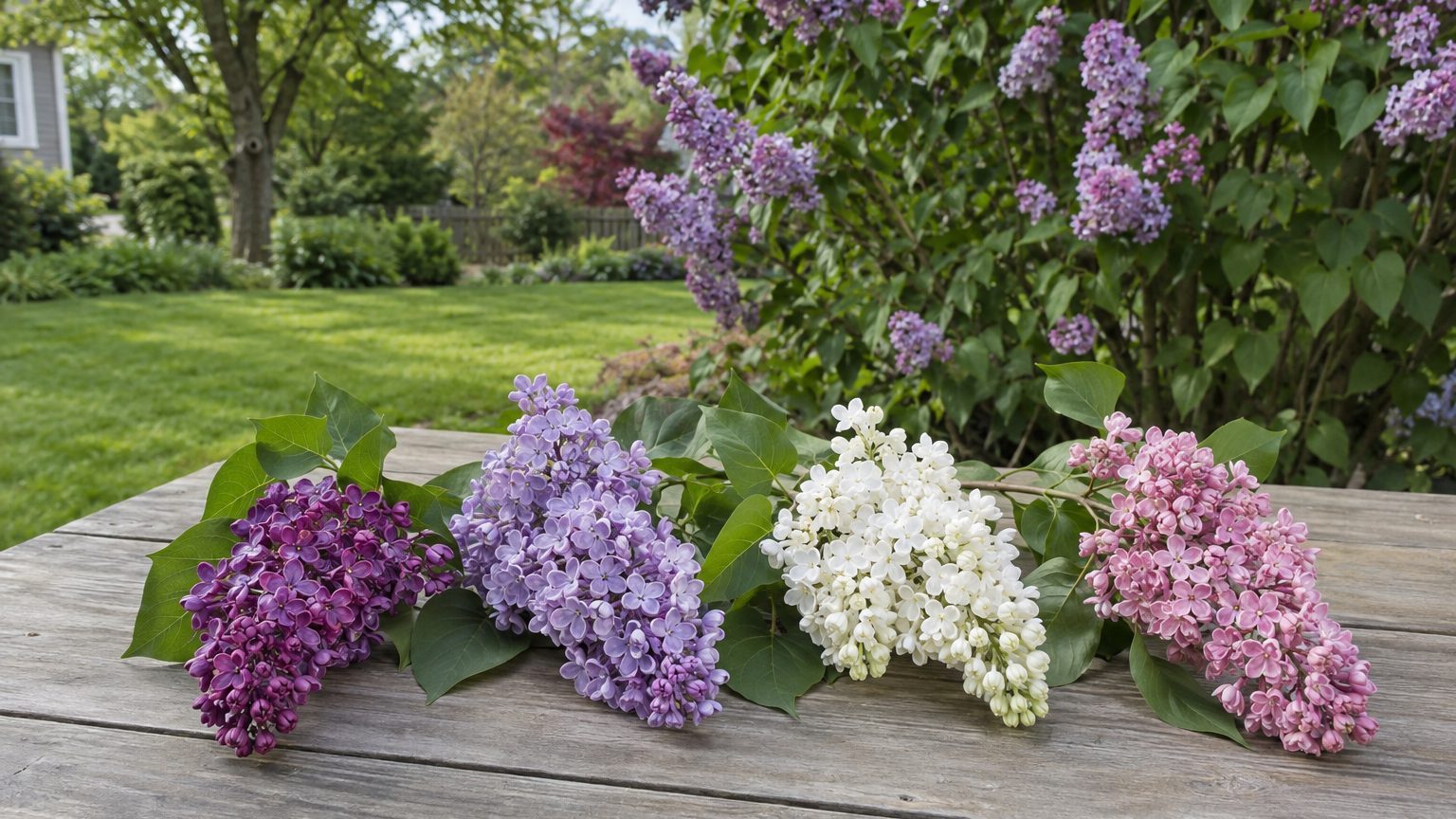
A lilac in full flower in April or May is a good reason to stop at the curb, and the summer that follows decides whether the shrub earns its spot. West Virginia gives lilacs plenty of winter cold but also humid summers that bring mildew and blight. The lilacs that thrive here are the ones bred or chosen to shrug off that damp heat.

Best Lilacs to Grow in West Virginia

Best Lilacs for West Virginia

Blight-resistant common lilacs, Meyer lilac, compact cultivars like Miss Kim and dwarf types hold up here, because lilacs want a cold winter rest to set their flower buds and struggle in hot, humid summers. West Virginia falls in USDA zones 5a to 7a, so winter cold is generally on your side. Summer disease is the real test.

Blight-Tolerant Common Lilacs

Blight-Tolerant Common Lilacs — Best Lilacs for West Virginia

Common lilac (Syringa vulgaris) is the classic, fragrant shrub most people picture. Most of its cultivars catch blight easily, and blight is hard to control once it arrives. Edith Cavell, Glory, Ludwig Spaeth and Pink Elizabeth have been seen with less disease in gardens, so start there if you want the old-fashioned look.

Meyer Lilac

Meyer Lilac — Best Lilacs for West Virginia

Syringa meyeri ‘Palibin’ forms a medium, dense shrub that resists powdery mildew, the white film that often spoils common lilac leaves by midsummer. It wants full sun for the heaviest flowering, which comes in April and May. Give it full sun, especially where summer humidity lingers.

Miss Kim

‘Miss Kim’ is a round, compact cultivar with pale lavender-purple flowers, and it has been around for decades. Its tidy shape suits a foundation bed or the corner of a front yard where a sprawling shrub would crowd the walk. Expect a softer color than the deep purples of older varieties.

Dwarf Lilacs

Dwarf lilac species and hybrids handle warm, humid conditions much better than the traditional varieties. They are the safer choice in the warmer valleys, and they fit smaller beds. Choose them when you want flowers without the upkeep of a tall, suckering shrub.

Bloomerang Lilacs

The Bloomerang series resists powdery mildew and reblooms, sending up scattered flowers into summer and early autumn. Heat can still hamper that second round, so treat it as a bonus rather than a promise. The first flush in spring remains the main show.

Disease-Resistant Species

If you like variety, look at the lilac species that have shown resistance to blight: Syringa josikaea, komarowii, microphylla, pekinensis and reflexa. They bloom at different times from April into June, and planting several stretches the season of flowers across your yard.

How to Choose a Lilac for a West Virginia Garden

Start with the spot, not the nursery tag. Sun, air movement and how much cold your hillside gets will narrow the field quickly, and disease resistance matters more than flower color in this climate.

Match the shrub to the problem you most want to avoid, then pick a color you like from within that group.

Your situation What suits it in West Virginia Why
Very cold winter Common lilac, such as Edith Cavell or Ludwig Spaeth Flower buds need a cold winter rest to mature, and these cultivars show less blight
Hot, humid summer Meyer lilac or Miss Kim Meyer resists powdery mildew, while Miss Kim keeps a compact, round shape
Little time Meyer lilac or a blight-tolerant common cultivar Disease resistance means fewer damaged leaves to manage
Small space Dwarf lilac or Miss Kim Compact, round growth stays in bounds
Mild winter spot Dwarf species and hybrids Common lilac needs winter chill, and warmer winters can cut flowering

Bloomerang fits a yard where you want flowers beyond spring, though heat can limit the repeat bloom. Resistant species like Syringa pekinensis suit a gardener who wants an uncommon shrub and a longer season.

Which Lilacs Suit Different Parts of West Virginia

West Virginia runs from river valleys to high mountain ridges, and lilacs respond to that range in winter chill and summer heat.

  • Allegheny Highlands: Higher ground freezes earlier in fall and gets plenty of winter cold, which suits common lilac. Blight-tolerant common cultivars are a sound choice here.
  • Kanawha Valley: Charleston sits in a river valley, where higher elevations across the state freeze noticeably earlier in fall. Lean on Meyer lilac, Miss Kim and dwarf types, which cope better with that muggy air.

If your yard sits in a low pocket where cold air settles and moisture lingers, pick for disease first and for cold second.

Lilac Buying Mistakes to Avoid in West Virginia

Skipping Blight Resistance

Most common lilac cultivars are susceptible to blight, and the disease is hard to control once it takes hold. A shrub that looks fine in the pot can turn brown and ragged in a humid summer. Check the label for a blight-resistant cultivar, or choose Meyer lilac or one of the resistant species.

Ignoring Winter Chill

Common lilac flower buds need a period of winter chill to develop and bloom fully. In the warmer valleys, a common lilac may leaf out well and flower thinly. In a warmer valley, choose a cultivar with above-average heat and disease tolerance.

Buying Without Knowing Adult Size

A small pot hides a shrub that may grow into a wide, suckering thicket. Planted too close to a porch or driveway, it demands constant cutting back. Read the mature size before you buy, and give a common lilac room. For a tight spot, Miss Kim or a dwarf lilac stays in scale.

Where to Get Lilac Advice in West Virginia

Local help can confirm which lilacs suit your elevation and soil. West Virginia University Extension and your county office are the places to start.

  • The extension website publishes gardening guidance for the state, and spring is a good time to browse it before you shop.
  • Your county extension office can tell you how disease behaves in your own valley or ridge, so call before you buy.
  • A local master gardener group can show you established lilacs in your area, ideally when they flower in April and May.

Common Questions

When Do Lilacs Bloom in West Virginia?

Most lilacs flower in April and May, and some species carry on into June. Planting a mix of types spreads the blooming over a longer stretch.

When Should You Prune Lilacs in West Virginia?

Prune right after the flowers fade, in May or June. A lilac blooms on last year’s wood and sets next year’s flower buds in summer, so pruning in late summer, fall or winter cuts off the next spring’s flowers.

Can You Cut Back an Overgrown Lilac Hard?

You can, in March or April while the plant is dormant. The shrub will not flower for a few years afterward, so reserve a hard cut for plants that are truly overgrown.

When to Prune Lilacs in West Virginia

When to Prune Lilacs in West Virginia

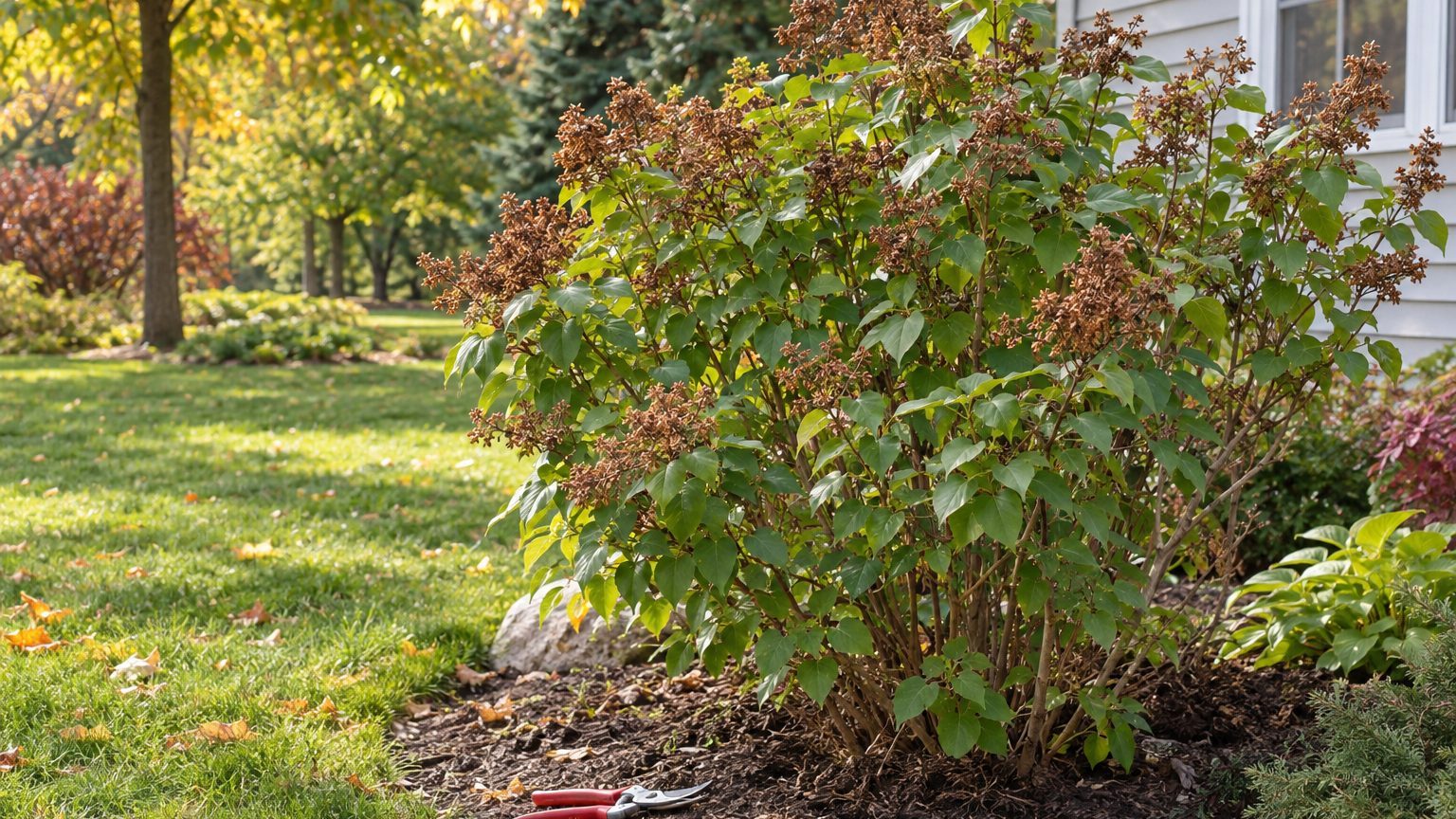
A lilac in full flower smells like spring, and soon afterward it is a plain green shrub with brown clusters hanging on. That brown stage is when the pruning shears come out. In West Virginia, timing follows the bloom, while hard renovation belongs in late winter.

When to Prune Lilacs in West Virginia

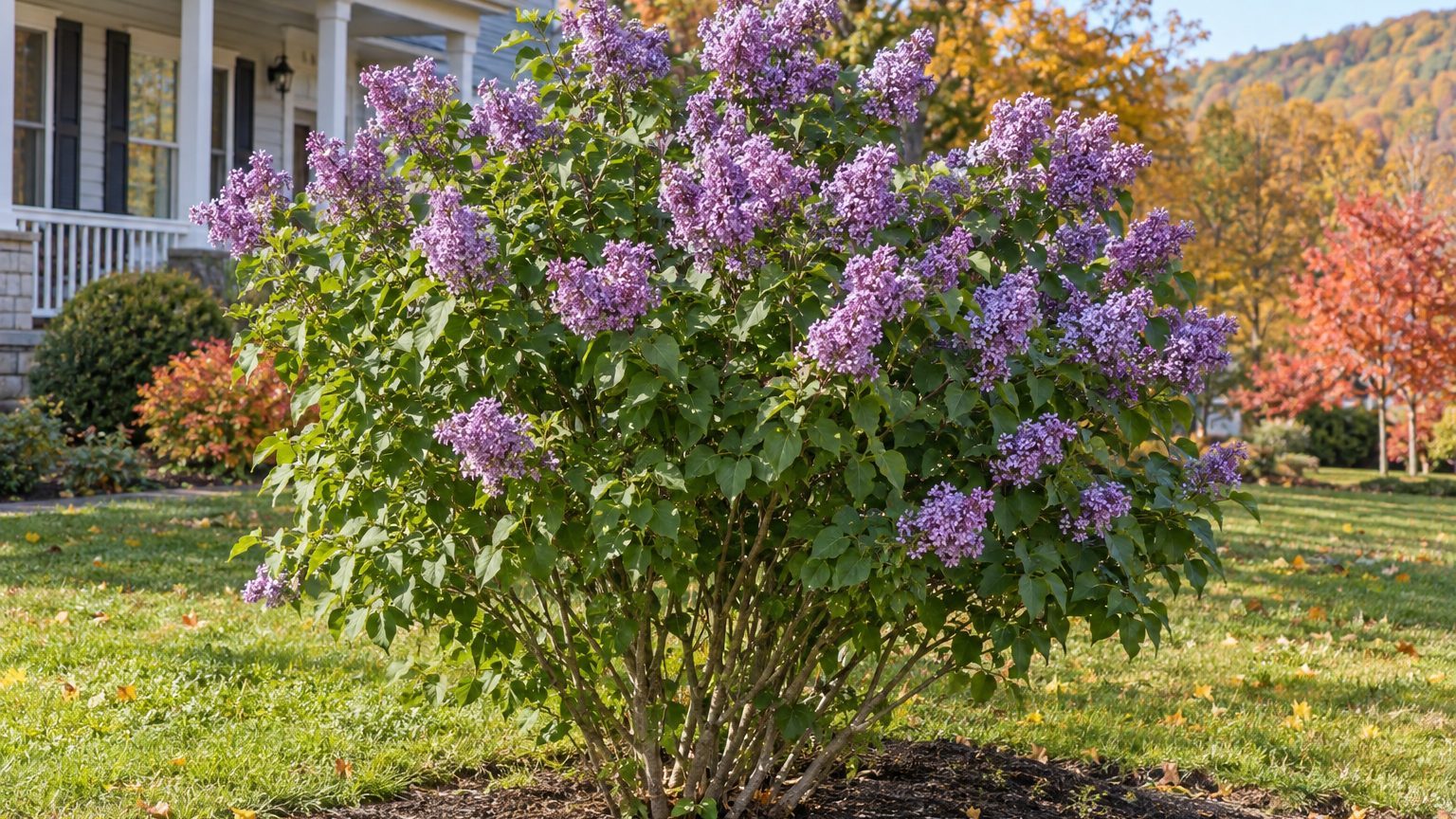
Lilac stems after flowering

Prune lilacs in West Virginia right after the flowers fade, which usually means May and June. The shrub starts building next spring’s buds soon after it blooms, so the shears should get there first.

Type of pruning When in West Virginia Why
Routine shaping and removing spent flowers May, June, right after the flowers fade Next year’s buds form on new growth soon after bloom, so later cuts remove them
Hard cut-back of an overgrown lilac March, April, while the plant is still dormant It renews a crowded shrub but costs the next flowers

Lilacs open in April and May, and some species carry on into June. The pruning window moves with them, so a late bloomer gets its cuts later than an early one. A lilac that has been cut hard in March or April will not flower for a few years afterward, so save that cut for shrubs that are already blooming poorly.

How to Tell When Your Lilacs Are Ready to Prune

The shrub gives clear signals, and they matter more than the date on the calendar.

  • Petals turn brown and papery, which tells you the show is over and the shears can come out.
  • Flower clusters droop and lose their color, so you can cut them off just below the cluster without touching next year’s growth.
  • Fresh green shoots push out below the old flowers, a sign the plant has shifted its energy to the wood that will carry next spring’s blooms.
  • The whole shrub looks crowded, with old, thick stems and tangled branches in the middle, which marks it for thinning once the bloom is done.
  • Different lilacs in the same yard fade at different times, so check each shrub instead of relying on the calendar alone.

If you can still see fresh color in the clusters, wait.

Should You Prune Lilacs in Fall or Winter in West Virginia?

No, not for routine pruning. A lilac blooms on last year’s wood and sets next year’s flower buds in summer, soon after it flowers. Cutting in late summer, fall or winter takes off the buds that were waiting for spring, so the shrub loses the next spring’s flowers.

Late winter is reserved for hard renovation. An overgrown lilac can be cut back hard in March or April while it is dormant, a way to rebuild a shrub that has become a tangle of old, thick stems. The cost is flowers: the shrub will not bloom for a few years afterward. Think of it as a reset for a plant that was blooming poorly anyway, not as routine care.

Remove dead, broken or diseased wood during the May or June pruning window.

How Lilac Pruning Time Shifts Across West Virginia

The calendar months stay the same statewide, but where your yard sits changes when the flowers fade, and that sets your cut dates.

  • Charleston and the Kanawha Valley: Charleston is the river-valley reference point for the page’s frost information. Let the flowers on each shrub set the pruning date; May is a statewide pruning month, not a local forecast.
  • Allegheny Highlands (Canaan Valley, Snowshoe): Higher ground freezes noticeably earlier in fall. Let fading flowers set the pruning date here.
  • Eastern Panhandle and the ridges between: Let the fading flowers in your own yard set the date. The USDA hardiness zone system runs from 5a to 7a across West Virginia, but that range measures winter cold, not bloom timing.

Watch your own shrub first, and use the county as a loose guide.

Where to Get Lilac Advice in West Virginia

When a lilac is not behaving, local help is close. West Virginia University Extension runs the state’s gardening programs, and county offices know how bloom and weather run in your valley or on your ridge.

  • Use the extension website to find local contact information.
  • Ask your county extension office about a shrub that has stopped flowering.
  • Ask for local advice before making a hard renovation cut in March or April.

Common Questions

Do Lilacs Grow Well in West Virginia?

They can where winters provide the cold rest their buds need. Lilacs need a cold winter rest to mature their flower buds, so they do best in cold-winter climates and struggle in hot, humid summers. Warmer winters can mean fewer flowers on common lilac.

Can You Thin an Overgrown Lilac Without Losing Flowers?

Yes, if you go gradually. Right after bloom in May or June, remove old, thick stems at the base and thin crowded growth. This gradual approach avoids the flowerless spell that follows a hard renovation cut.

Do All Lilacs Bloom at the Same Time?

No. Lilac species flower at different times from April into June, which can extend the bloom season in a mixed planting. Prune each shrub after its own flowers fade rather than pruning them all by the calendar.

When Do Lilacs Bloom in West Virginia? Dates and Care

When Do Lilacs Bloom in West Virginia? Dates and Care

Lilac scent drifts across West Virginia yards in spring. For most homeowners the flowers open in April and May, and the shrub then spends the rest of the year setting next spring’s buds.

When Do Lilacs Bloom in West Virginia?

A lilac bush in bloom in a home garden

Lilacs in West Virginia bloom in April and May, and some species carry on into June, so a mix of types can stretch the show across the whole spring.

  • In April and May, the flower clusters open, and the earliest types start first while later ones follow into June.
  • In May and June, right after the last flowers fade, is the time to prune, because the shrub is already forming the buds for next year.
  • Through summer, the plant sets those buds on this season’s new growth, which is why any heavy cutting after midsummer costs you flowers.
  • In fall and winter, the shrub rests, and the cold of those months is what ripens the buds for spring.
  • In March and April, an overgrown shrub can be cut back hard while it is still dormant, though it will skip flowering for a few years afterward.

At the Charleston reference point, the last spring frost falls between April 9 and April 23, and the first fall frost arrives between October 18 and November 1. Charleston sits in a river valley, so higher ground freezes noticeably earlier in fall. The USDA hardiness zone system runs from 5a to 7a across the state, which means your own zone depends on where you live.

Which Lilacs Grow Best in West Virginia?

Lilacs can grow here, and the cold-winter parts of the state suit them well. They need a real winter rest to mature their flower buds, and they struggle in hot, humid summers, so the warmer, lower spots need more care in choosing and siting.

Common lilac (Syringa vulgaris) needs a period of winter chill to develop and bloom fully.

Lilac type How it does in West Virginia Why
Common lilac (Syringa vulgaris) Blooms fully where winters are cold Flower buds need winter chill to develop
Early-flowering species Open first, in April Each species has its own flowering time
Late-flowering species Carry bloom into June Staggered timing extends the season

Planting lilac species with different flowering times can extend bloom from April through June. In warmer, more humid parts of the state, flowering may be less reliable because lilacs prefer cold winters and struggle in hot, humid summers.

When to Plant, Prune and Feed Lilacs in West Virginia

Lilacs bloom on last year’s wood and set next year’s flower buds in summer, soon after they flower. That makes pruning timing especially important. Pruning in late summer, fall or winter removes the coming spring’s flowers.

Task Best timing in West Virginia Why then
Enjoying the bloom April and May, with some species into June Species flower at different times
Routine pruning May and June, right after the flowers fade Next year’s buds form soon after bloom
Hard renovation cut March and April, while dormant Opens up an overgrown shrub, at the price of the next flowers

For planting and feeding, ask the local extension service about timing for your site. The details of pruning cuts are on the page about when to prune lilacs in West Virginia.

How Lilac Bloom Time Changes Across West Virginia

Elevation can change local conditions across a state of river valleys and high ridges.

  • The Allegheny Highlands: Higher ground can freeze earlier in fall, so watch the shrub instead of borrowing Charleston’s timing.
  • The Eastern Panhandle: Note when the flowers on your own shrub open rather than extrapolating from Charleston.

If your yard sits on higher ground, remember that Charleston’s frost dates do not describe the whole state.

Where to Get Lilac Advice in West Virginia

For a diagnosis of a lilac that will not bloom, or for a soil test, local help is close at hand through West Virginia University Extension and your county office.

  • Ask the county office for advice tailored to your lilac and site.
  • Describe your site’s elevation when you ask for local advice.
  • Once the flowers fade in May or June, that is the moment to prune, so make the call or the cut then.

Common Questions

Why Is My Lilac Leafy but Not Blooming?

Start by checking when the shrub was last pruned. A cut made in late summer, fall or winter removes the buds for spring. If the timing fits, prune only right after bloom.

Can You Cut an Old Lilac Back to the Ground?

Yes, a hard cut-back works on an overgrown shrub, and March and April are the months for it while the plant is dormant. Expect no flowers the first year after, and often a few years of waiting before bloom returns.

Do Lilacs Like Hot, Humid Summers?

No. Lilacs do best where winters are cold and struggle in hot, humid summers.

Best Roses for West Virginia

Best Roses for West Virginia

A rose that blooms through June and comes back after a mountain winter is mostly a matter of choosing the right kind before you buy. In West Virginia, that means weighing cold canes against humid summers, when leaf diseases move in. Some groups handle both far better than others.

Best Roses to Grow in West Virginia

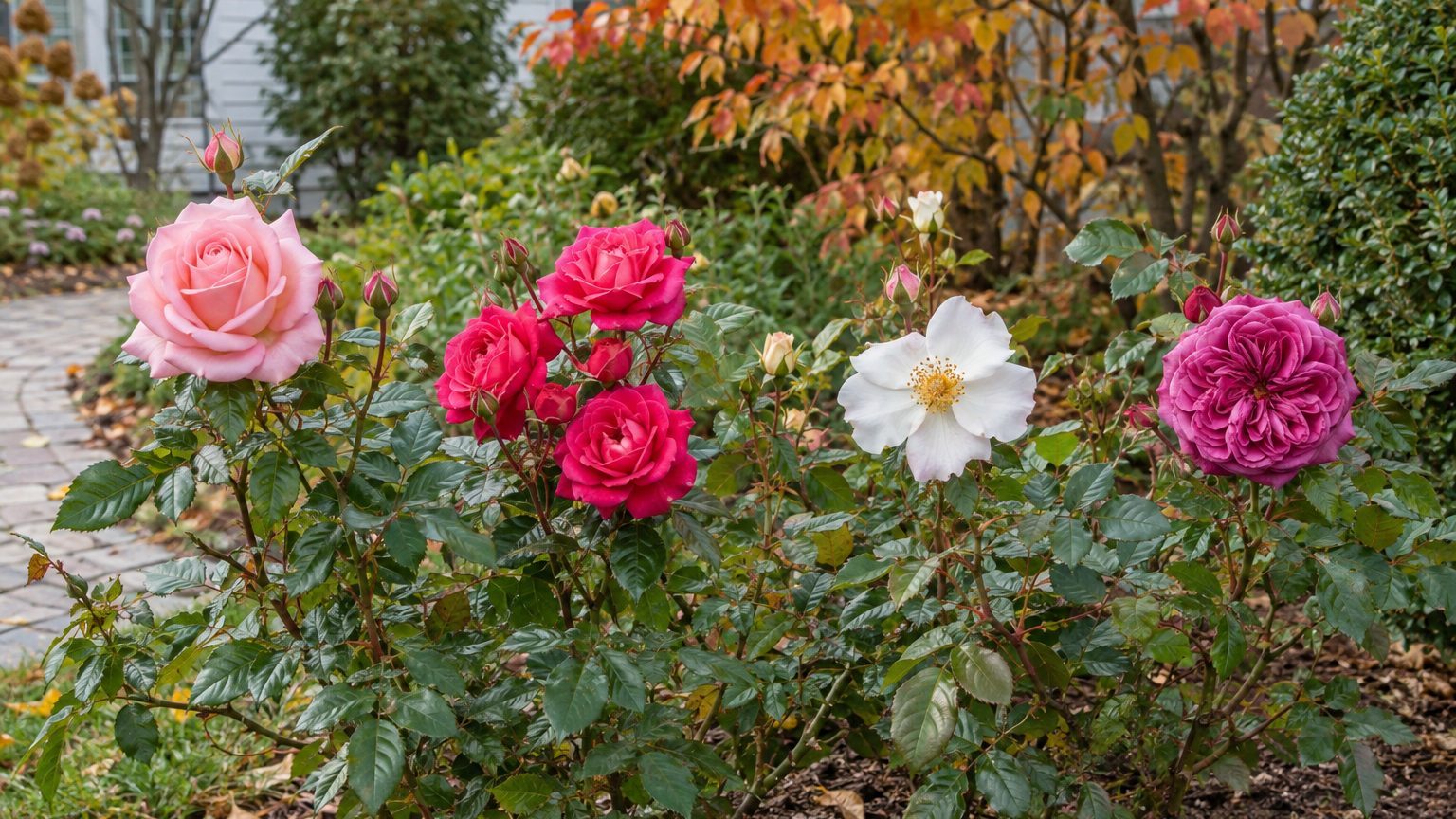
Healthy roses in bloom

Cold-bred cultivars, old garden roses, own-root plants, disease-resistant shrub roses and native species hold up here, because winter can scorch tender canes and humid summers invite leaf disease. USDA hardiness zones run from 5a to 7a across the state, so a rose that sails through one county may need help in another.

Cold-Hardy Cultivars

A rose bred to survive a much colder zone needs little or no added protection in a milder garden. That is a real advantage in the higher parts of West Virginia, where winter can be hard on canes. Check the plant tag for the hardiness the breeder claims, and aim for a rating colder than your own zone.

Old Garden Roses

Many old garden roses tolerate cold well, and they do not want the hard pruning that modern roses get, which can ruin their graceful shape and cut flowering. Most bloom once a year on last year’s wood, so prune them right after the flowers fade, never in early spring.

Own-Root Roses

Own-root roses grow from cuttings rather than being grafted onto a different rootstock. Depending on how hardy the variety is for your zone, they may still need protection. If winter kills the canes, new ones often come up from the deep roots, so the plant has a way back.

Knock Out Roses

Humid summers make black spot a familiar problem on roses, but the Knock Out cultivars are highly resistant to it. That makes them a sensible shrub rose for a front yard where you would rather not spray. Hundreds of hybrids vary widely in disease susceptibility, so a resistant label is worth looking for.

Native Roses

Swamp rose, Carolina rose and Virginia rose are native, non-climbing shrubs of this part of the country, with pink flowers. Climbing rose (Rosa setigera) is a native that can scramble up into taller plants. Natives suit a looser, wilder corner of the garden.

Hybrid Teas and Floribundas

Hybrid teas take considerable damage in cold winters, so they suit the milder valleys and a sheltered spot. Both they and floribundas bloom on new growth. Prune them in March, when the forsythia blooms and the buds begin to swell. February or April also works.

How to Choose a Rose for a West Virginia Garden

Start with the worst thing your yard throws at a rose, whether that is a cold ridge, a damp valley or a busy schedule. The right type follows from that problem, and a plant matched to it usually needs far less rescue work later.

Your situation What suits it in West Virginia Why
Very cold winter Cold-bred cultivars or old garden roses Cultivars bred for colder zones need little added protection, and many old garden roses tolerate cold
Humid summer Knock Out cultivars or other disease-resistant varieties They resist black spot, which was once very common on landscape roses
Little time Old garden roses They do not need hard annual pruning
Winter dieback worries Own-root roses New canes often emerge from deep roots if the old ones die
Mild, sheltered spot Hybrid teas and floribundas They bloom repeatedly but suffer in hard cold

Miniature roses are a compact option for a small yard. Whatever you pick, look for disease resistance on the tag before you look at the flower color.

Which Roses Suit Different Parts of West Virginia

Elevation does most of the sorting here, since the state runs from low river valleys to high mountain ground.

  • Charleston is the reference point, where frost risk fades between April 9 and April 23. It is gentler on canes than the high country, so hybrid teas and floribundas have a fair chance with a sheltered spot.
  • The Allegheny Highlands: higher elevations freeze noticeably earlier in fall, so lean on cold-bred cultivars, old garden roses and own-root plants, and expect to protect canes in a hard winter.

Between those extremes, a rose’s hardiness rating matters more than the county line, so match it to the conditions in your own yard rather than to a general regional guess.

Rose Buying Mistakes to Avoid in West Virginia

Buying a Rose Too Tender for Winter

Hybrid teas are lovely on the tag, but they can suffer considerable damage in cold winters. If your yard sits high or exposed, choose a cold-bred cultivar or an old garden rose instead, and keep the hybrid teas for a sheltered corner.

Choosing a Disease-Prone Variety

Humid West Virginia summers reward the rose that resists black spot and punish the one that does not. A susceptible variety means yellowing, spotted leaves and constant cleanup. Check for disease resistance before you buy, since hundreds of cultivars differ widely, and consider the Knock Out types.

Planting Roses That Need Winter Rescue

A rose whose hardiness falls short of your zone will keep needing protection, and in a hard winter the canes may still die. Own-root plants give you some insurance, because new canes often rise from the deep roots. Pick plants whose hardiness suits your spot from the start.

Where to Get Rose Advice in West Virginia

West Virginia University Extension can help you match a rose to your elevation, soil and disease pressure. Your county extension office offers the same help closer to home.

  • The state extension service publishes plant and disease guidance you can read before you shop in spring.
  • Your county office can tell you how cold your local ground really gets and which varieties neighbors have kept alive.
  • Call before you buy, so a rose chosen for your own hillside or valley is what ends up in the cart.

Common Questions

When Should You Feed Roses in West Virginia?

Feed from April through August, once leaves are out and the plant is growing. March also works if growth starts early. Stop in late summer so new shoots have time to harden before winter.

When Should You Plant Bare-Root Roses?

March and April suit bare-root roses, and February also works when the ground is workable. Plant them while still dormant so roots settle before the weather warms.

Can You Plant a Potted Rose Later than a Bare-Root One?

Yes, potted roses can go in later than bare-root plants. They arrive with leaves and roots already growing, which makes the timing more forgiving.

When to Prune Roses in West Virginia

When to Prune Roses in West Virginia

A rose cane that sits dormant and bare through winter starts swelling at the buds as spring warms, and that swelling is the cue to bring out the pruners. In West Virginia, that work belongs mostly to March, with a little room on either side depending on the yard and the rose.

When to Prune Roses in West Virginia

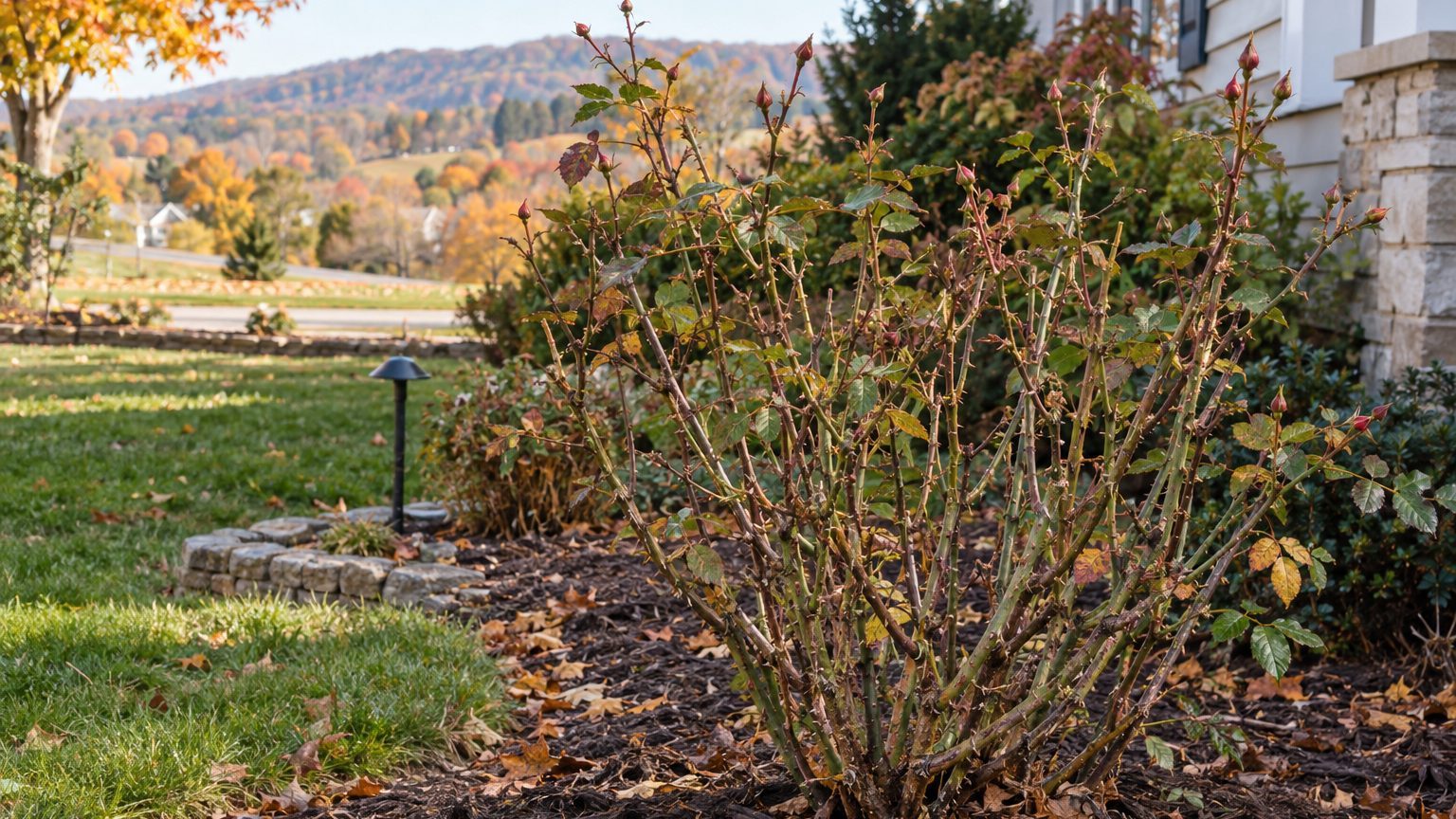
Rose canes at pruning time

Repeat-blooming roses are best pruned in March in West Virginia. The job can also be done in February or April, depending on how the season runs and how high your yard sits.

Once-blooming roses follow a different rule. They flower on last year’s wood, so a spring cut removes the coming season’s blooms.

Type of rose When to prune in West Virginia Why
Hybrid teas, floribundas and modern shrub roses March, or February to April They bloom on new growth, so a heavy spring pruning just as the buds break dormancy sets up the season’s flowers.
Old garden roses and once-blooming climbers Right after they bloom, never in spring They flower once a year on last year’s wood, and spring pruning removes the buds.
Repeat-blooming climbers March, or February to April They flower on current season’s growth, so they are pruned in spring once winter protection comes off.

Old garden roses deserve a lighter hand than modern roses. Hard pruning can ruin their graceful shape and sharply reduce flowering. Ramblers also bloom once, so they get the same after-bloom trim.

How to Tell When Your Roses Are Ready to Prune

Months give you a window, and the plant itself tells you the day. These signs are worth watching as late winter turns to spring.

  • Buds along the canes begin to swell, which tells you the rose is breaking dormancy and the pruners can come out.
  • Forsythia comes into bloom, a long-standing signal growers use to start the pruning season on repeat-blooming roses.
  • The hardest freezes have passed, so new growth stimulated by your cuts is less likely to be caught by a late cold snap.
  • Any winter mound of soil or mulch has been pulled back from the base, since pruning follows the removal of winter protection.
  • Canes show green under the bark when scratched lightly, while brown and shriveled wood is dead and should be cut back until you reach healthy tissue.

A mild stretch in February can tempt you to start early, but swelling buds are a better guide than a warm afternoon.

Should You Prune Roses in Fall or Winter in West Virginia?

Fall and winter are for very little cutting. Long canes can be shortened a bit so winter wind does not whip them around and loosen the roots, but leave shaping cuts for spring.

Severe pruning waits for spring. A heavy cut in fall invites tender new growth that may not harden off before cold arrives, and the canes you leave also help shelter the crown through winter.

Feeding follows the same logic. Stop fertilizing late in the season so new growth can harden before winter. Feeding is best from April through August here, with March possible once the first leaves appear.

How Rose Pruning Dates Shift Across West Virginia

The state ranges from USDA hardiness zone 5a to 7a, and elevation shifts the pruning window across West Virginia.

  • Charleston and the Kanawha Valley: The river valley warms earlier, so buds swell sooner and March pruning fits comfortably. Charleston’s last spring freeze falls between April 9 and April 23.
  • The Allegheny Highlands: Higher ground stays cold longer in spring and freezes earlier in fall, so lean toward the later part of the window and let the buds decide.
  • The Eastern Panhandle: Treat this area as in between, and watch forsythia in your own neighborhood as your cue.

Roses in colder pockets also gain from hardy varieties, since a rose bred for a colder zone needs little added protection in a milder one.

Where to Get Rose Advice in West Virginia

For advice tuned to your own yard, West Virginia University Extension is the place to start, and its county offices know the local conditions.

  • The county extension office can answer questions about your rose varieties and local timing, and a visit in late winter lets you plan before the buds swell.
  • Master Gardener volunteers connected to the county office can help you assess cane damage or disease.

Common Questions

Can You Prune Roses in February in West Virginia?

February works in some years, mainly for repeat-blooming roses in milder yards. Wait for swelling buds and keep an eye on the weather, since a hard freeze after cutting can nip new growth.

Should You Cut Dead Canes Before the Buds Swell?

Dead wood can come out whenever you spot it, since brown, shriveled canes are no use to the plant. Save the shaping cuts on repeat bloomers for spring, when you can see where living wood begins.

What If You Missed Pruning a Once-Blooming Rose?

Leave it alone until the flowers fade, then prune right after bloom. Cutting in spring would remove the buds that carry this year’s flowers, so a late pruning is better than an early one.

When to Plant Roses in West Virginia: Dates and Varieties

When to Plant Roses in West Virginia: Dates and Varieties

A bare-root rose arrives in late winter as a bundle of dormant canes with the roots wrapped in damp packing, and it asks to be planted before the buds wake up. In West Virginia that moment falls in early spring, and the rest of the rose year follows from it. Here are the planting dates, the roses that suit the hills, and the key dates of the year.

When to Plant Roses in West Virginia

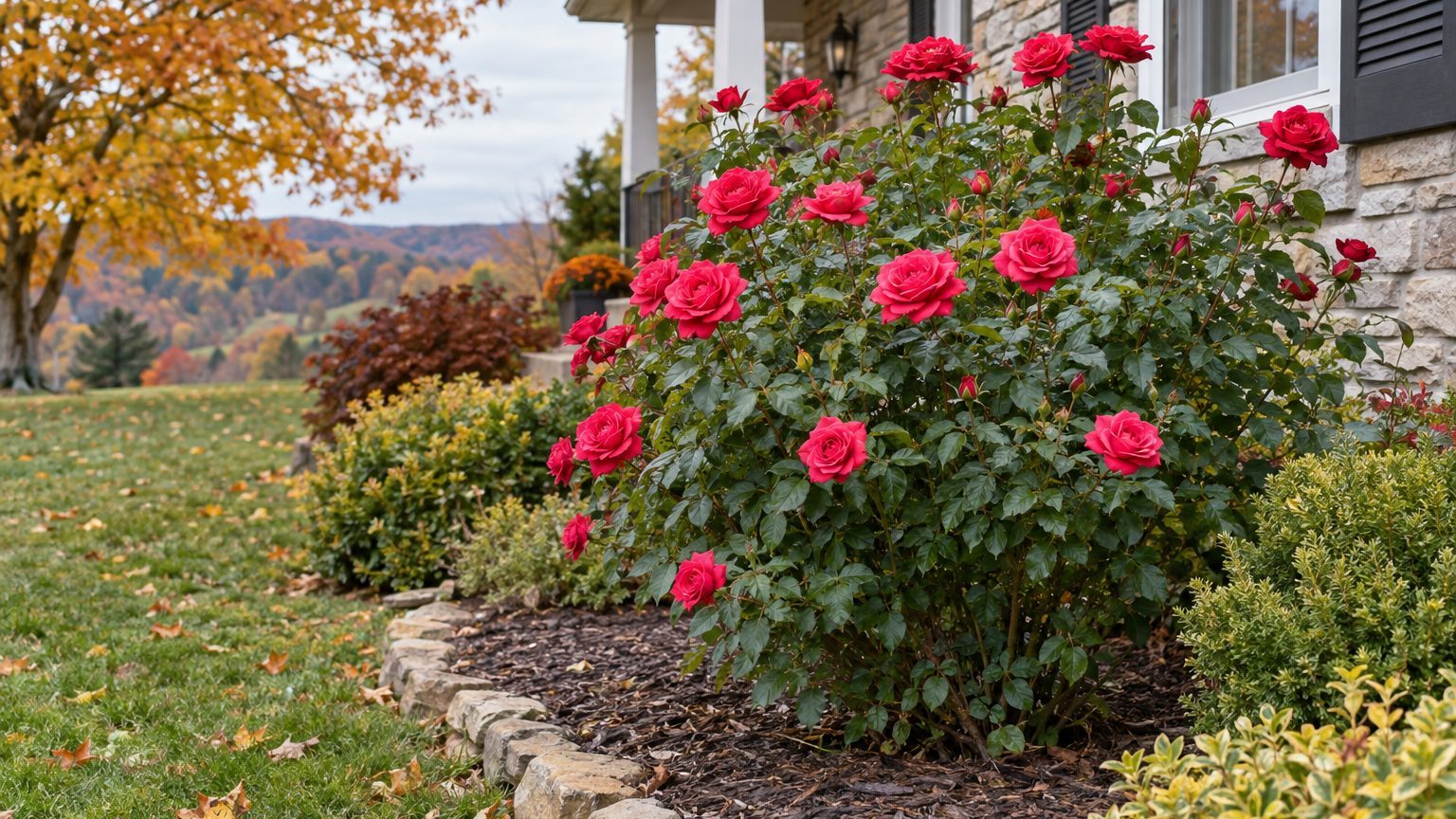
A rose bush in bloom in a home garden

Across the state, USDA hardiness zones run from 5a to 7a, so the mountains and the lower valleys play by different rules. At Charleston, the last spring frost falls between April 9 and April 23, and that is what a freshly planted rose has to get past.

  • In February, bare-root roses can go in during a mild spell if the soil is workable, though March and April are the better months.
  • In March, plant bare-root roses while they are still dormant, and prune repeat-blooming roses once the forsythia opens and the buds swell.
  • In April, bare-root planting continues, and feeding begins as the first leaves open. Young growth is tender, so a late frost can still burn it.
  • From May through August, feed regularly, and potted roses can go in later than bare-root ones, since they are not dormant and are not racing the buds.
  • In autumn, the first frost at Charleston arrives between October 18 and November 1, and by then feeding has stopped so the canes can toughen up.

A dormant bare-root rose tolerates cold, while a leafed-out young plant does not. That is why the planting months sit before the buds break rather than after the last frost has passed. Higher ground sees frost on a different schedule, covered further down.

Which Roses Grow Best in West Virginia?

Roses with cold tolerance are the safe bet, because winter low temperatures vary a lot between the valleys and the mountains. Old garden roses and roses bred for colder zones tolerate low temperatures well, while hybrid teas can suffer considerable damage in a hard winter.

Rose type How it does in West Virginia Why
Old garden roses Reliable through cold winters Many are extremely tolerant of low temperatures and do not want hard pruning
Hybrid teas Fine in milder valleys, riskier on high ground They can take considerable cold damage and need a heavy spring pruning
Modern shrub roses Good choice for repeat bloom They flower again on new growth and are pruned in March
Roses bred for colder zones Need little added protection in the milder zones Extra hardiness is built in, so winter cover matters less

Floribundas behave like hybrid teas in the pruning calendar, since they also bloom repeatedly on new wood. Ramblers and many climbers lean toward the old garden roses, flowering once a year, so they are handled differently from the repeat bloomers.

When to Prune, Feed and Protect Roses in West Virginia

The year is short on tasks, and each has a clear window. Pruning follows the buds, not the calendar alone. Feeding follows the leaves, starting when growth begins and finishing before the plant needs to slow down for winter.

Task When to do it in West Virginia Why then
Pruning repeat-blooming roses March (February or April also work) Buds are swelling and the forsythia is in bloom, so you can see which canes survived
Feeding roses April through August (March is fine when growth starts early) The plant is leafing out and flowering, and feeding stops so late growth can harden before freezes

Once-blooming roses, which include old garden roses, ramblers and many climbers, flower on last year’s wood. Prune them right after they bloom, never in early spring, or you cut off the season’s flowers. Hybrid teas and other tender types also benefit from winter cover in colder pockets, and the cover comes off as spring pruning begins. Pruning in detail has its own page for the state.

How Rose Care Dates Change Across West Virginia

Elevation matters in a state this hilly, and the dates above lean toward the valley end of the range.

  • Kanawha Valley: Charleston sits in a river valley, so the frost windows given here fit the lower, warmer ground. Planting and pruning can start toward the early side of the months listed.
  • Allegheny Highlands: Places like Canaan Valley and the high ridges freeze noticeably earlier in fall and warm up later in spring. Plant and prune toward the end of the listed months, watch the buds, and give hybrid teas more protection.

Between the valley and the highlands, a rose in a sheltered hollow behaves more like a valley rose, while one on an exposed ridge behaves more like a highland rose, whatever its county.

Where to Get Rose Advice in West Virginia

Local conditions vary from one hollow to the next, so local help pays off. West Virginia University Extension supports home gardeners through offices in the counties, and those offices can look at a problem rose or a bed that has never performed.

  • The county extension office can test your soil, so ask before the spring planting months and use the results to decide what the bed needs.
  • Bring a cutting of a struggling rose to the county office, ideally while the symptoms are fresh on the plant.
  • Before the next planting window, collect a soil sample from the bed where the roses will go.

Common Questions

Can You Plant a Potted Rose After the Bare-Root Months?

Yes. A potted rose is not dormant, so it does not have to go in during the early spring window. It can be planted later in the season, as long as it gets regular water while the roots settle in.

Why Stop Feeding Roses at the End of Summer?

Feeding after August pushes soft new growth that may not harden before the first freezes. Stopping then lets the canes toughen for winter, which is especially useful on high ground where fall frost comes sooner.

What If the Forsythia and the Calendar Disagree?

Trust the plant. March is the main pruning month, but a cold spring can push it into April, and a mild late winter can allow February. Prune repeat-blooming roses when the buds begin to swell and the forsythia opens.

The almanac, state by state. Every date on this site comes from a state’s own frost facts and its extension service’s calendar — and says where it comes from.