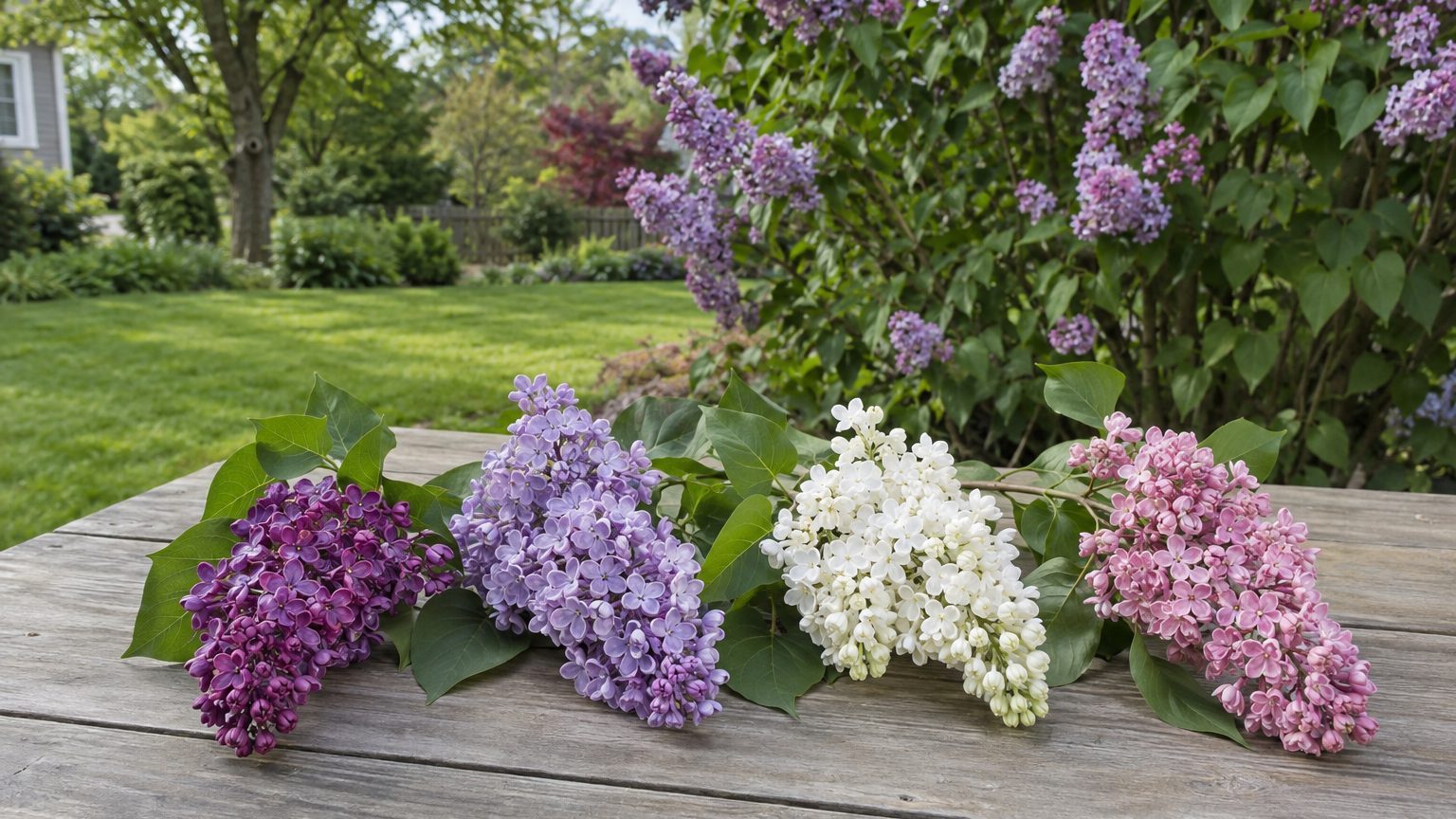
A lilac in full flower in April or May is a good reason to stop at the curb, and the summer that follows decides whether the shrub earns its spot. West Virginia gives lilacs plenty of winter cold but also humid summers that bring mildew and blight. The lilacs that thrive here are the ones bred or chosen to shrug off that damp heat.
Best Lilacs to Grow in West Virginia

Blight-resistant common lilacs, Meyer lilac, compact cultivars like Miss Kim and dwarf types hold up here, because lilacs want a cold winter rest to set their flower buds and struggle in hot, humid summers. West Virginia falls in USDA zones 5a to 7a, so winter cold is generally on your side. Summer disease is the real test.
Blight-Tolerant Common Lilacs

Common lilac (Syringa vulgaris) is the classic, fragrant shrub most people picture. Most of its cultivars catch blight easily, and blight is hard to control once it arrives. Edith Cavell, Glory, Ludwig Spaeth and Pink Elizabeth have been seen with less disease in gardens, so start there if you want the old-fashioned look.
Meyer Lilac

Syringa meyeri ‘Palibin’ forms a medium, dense shrub that resists powdery mildew, the white film that often spoils common lilac leaves by midsummer. It wants full sun for the heaviest flowering, which comes in April and May. Give it full sun, especially where summer humidity lingers.
Miss Kim
‘Miss Kim’ is a round, compact cultivar with pale lavender-purple flowers, and it has been around for decades. Its tidy shape suits a foundation bed or the corner of a front yard where a sprawling shrub would crowd the walk. Expect a softer color than the deep purples of older varieties.
Dwarf Lilacs
Dwarf lilac species and hybrids handle warm, humid conditions much better than the traditional varieties. They are the safer choice in the warmer valleys, and they fit smaller beds. Choose them when you want flowers without the upkeep of a tall, suckering shrub.
Bloomerang Lilacs
The Bloomerang series resists powdery mildew and reblooms, sending up scattered flowers into summer and early autumn. Heat can still hamper that second round, so treat it as a bonus rather than a promise. The first flush in spring remains the main show.
Disease-Resistant Species
If you like variety, look at the lilac species that have shown resistance to blight: Syringa josikaea, komarowii, microphylla, pekinensis and reflexa. They bloom at different times from April into June, and planting several stretches the season of flowers across your yard.
West Virginia — the year and the numbers
- State
- West Virginia
- USDA zones
- 5a-7a
- Last spring frost
- April 9 to April 23
- First fall frost
- October 18 to November 1
- Annual rain
- 46 in
- Lawn zone
- cool-season
- Source
- NOAA NCEI 1991-2020 Climate Normals, 32F freeze probabilities · Charleston
How to Choose a Lilac for a West Virginia Garden
Start with the spot, not the nursery tag. Sun, air movement and how much cold your hillside gets will narrow the field quickly, and disease resistance matters more than flower color in this climate.
Match the shrub to the problem you most want to avoid, then pick a color you like from within that group.
| Your situation | What suits it in West Virginia | Why |
|---|---|---|
| Very cold winter | Common lilac, such as Edith Cavell or Ludwig Spaeth | Flower buds need a cold winter rest to mature, and these cultivars show less blight |
| Hot, humid summer | Meyer lilac or Miss Kim | Meyer resists powdery mildew, while Miss Kim keeps a compact, round shape |
| Little time | Meyer lilac or a blight-tolerant common cultivar | Disease resistance means fewer damaged leaves to manage |
| Small space | Dwarf lilac or Miss Kim | Compact, round growth stays in bounds |
| Mild winter spot | Dwarf species and hybrids | Common lilac needs winter chill, and warmer winters can cut flowering |
Bloomerang fits a yard where you want flowers beyond spring, though heat can limit the repeat bloom. Resistant species like Syringa pekinensis suit a gardener who wants an uncommon shrub and a longer season.
Which Lilacs Suit Different Parts of West Virginia
West Virginia runs from river valleys to high mountain ridges, and lilacs respond to that range in winter chill and summer heat.
- Allegheny Highlands: Higher ground freezes earlier in fall and gets plenty of winter cold, which suits common lilac. Blight-tolerant common cultivars are a sound choice here.
- Kanawha Valley: Charleston sits in a river valley, where higher elevations across the state freeze noticeably earlier in fall. Lean on Meyer lilac, Miss Kim and dwarf types, which cope better with that muggy air.
If your yard sits in a low pocket where cold air settles and moisture lingers, pick for disease first and for cold second.
Lilac Buying Mistakes to Avoid in West Virginia
Skipping Blight Resistance
Most common lilac cultivars are susceptible to blight, and the disease is hard to control once it takes hold. A shrub that looks fine in the pot can turn brown and ragged in a humid summer. Check the label for a blight-resistant cultivar, or choose Meyer lilac or one of the resistant species.
Ignoring Winter Chill
Common lilac flower buds need a period of winter chill to develop and bloom fully. In the warmer valleys, a common lilac may leaf out well and flower thinly. In a warmer valley, choose a cultivar with above-average heat and disease tolerance.
Buying Without Knowing Adult Size
A small pot hides a shrub that may grow into a wide, suckering thicket. Planted too close to a porch or driveway, it demands constant cutting back. Read the mature size before you buy, and give a common lilac room. For a tight spot, Miss Kim or a dwarf lilac stays in scale.
Where to Get Lilac Advice in West Virginia
Local help can confirm which lilacs suit your elevation and soil. West Virginia University Extension and your county office are the places to start.
- The extension website publishes gardening guidance for the state, and spring is a good time to browse it before you shop.
- Your county extension office can tell you how disease behaves in your own valley or ridge, so call before you buy.
- A local master gardener group can show you established lilacs in your area, ideally when they flower in April and May.
Common Questions
When Do Lilacs Bloom in West Virginia?
Most lilacs flower in April and May, and some species carry on into June. Planting a mix of types spreads the blooming over a longer stretch.
When Should You Prune Lilacs in West Virginia?
Prune right after the flowers fade, in May or June. A lilac blooms on last year’s wood and sets next year’s flower buds in summer, so pruning in late summer, fall or winter cuts off the next spring’s flowers.
Can You Cut Back an Overgrown Lilac Hard?
You can, in March or April while the plant is dormant. The shrub will not flower for a few years afterward, so reserve a hard cut for plants that are truly overgrown.