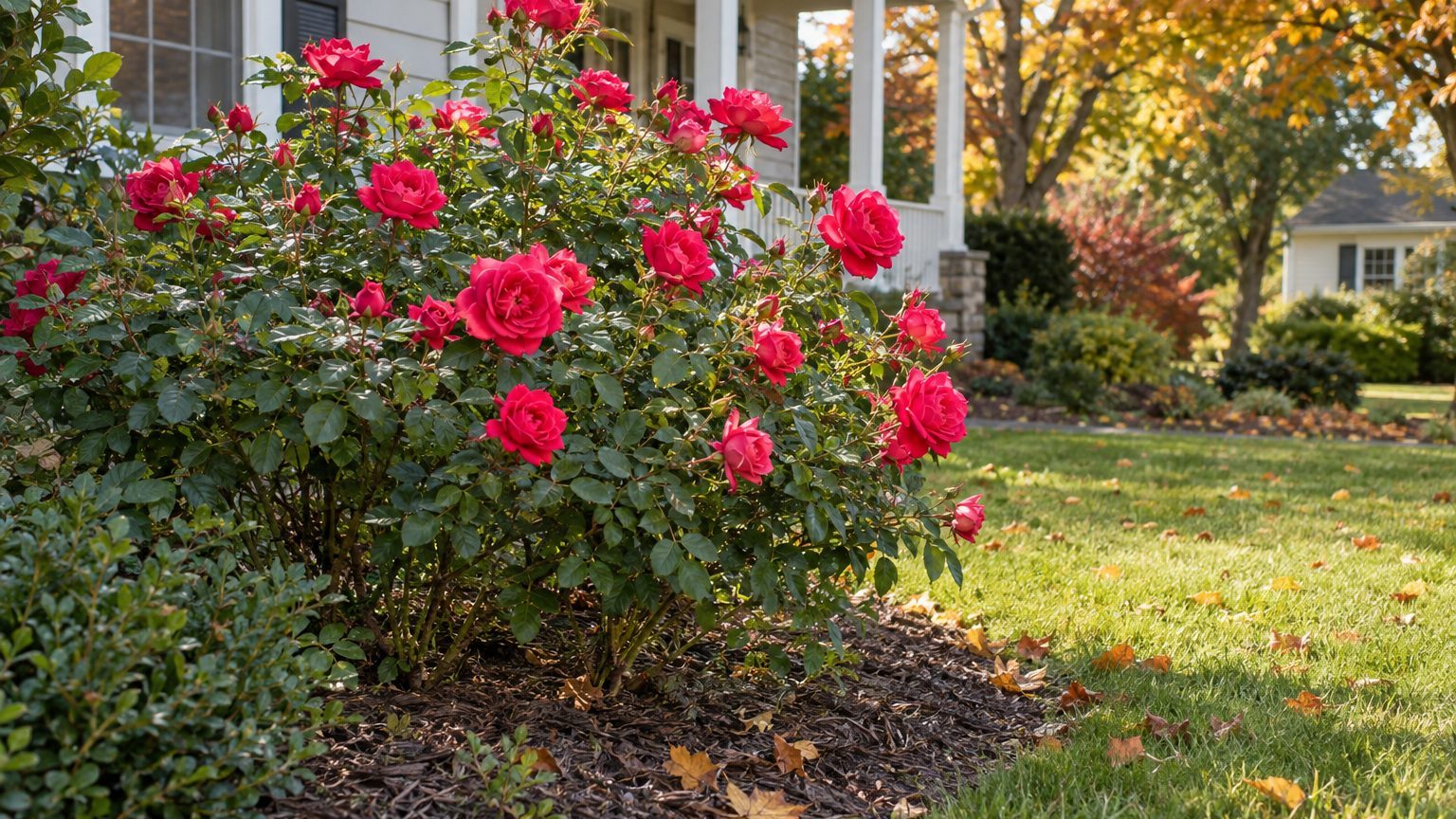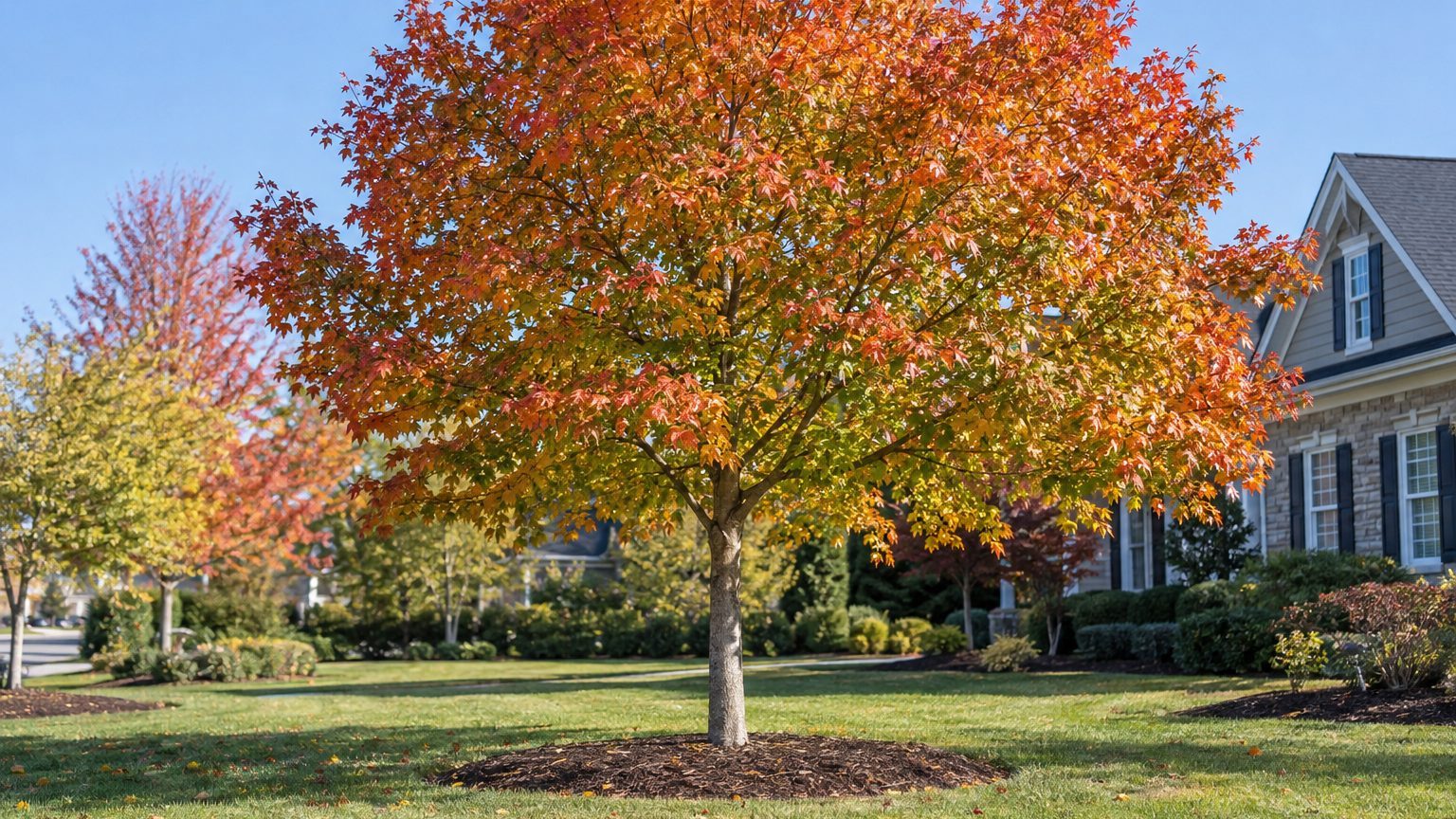
A young maple or crabapple settles in best when it goes into cool, workable ground, and Virginia gives you two good stretches for it: early spring and the fall into early winter. Fruit trees follow a similar pattern with a tighter window.
When Is the Best Time to Plant Trees in Virginia?

Shade and ornamental trees go in March and April, or October and November, and the soil is still workable in February and December if it is not frozen. Frost dates here refer to Virginia Beach, the mild end of the state.
- In February, a tree can go in on a day when the soil is soft and not frozen, though this is a fallback to the main windows.
- In March and April, planting happens before new growth begins, which gives roots a cool, moist start while the leaves stay folded in the buds.
- From May through September, planting gets harder, because heat and dry soil stress new roots, and container trees need steady watering to make it.
- In October and November, the soil is still warm enough for roots to keep growing while the top of the tree rests, so the tree settles in before winter.
- In December, planting is still possible while the ground is not frozen, as a late fallback to the fall window.
Container trees can go in most of the year if watered, but they settle best when planted dormant. Balled-and-burlapped trees follow the same windows. Some trees do better in spring than fall, including magnolia, dogwood, tuliptree, sweet gum, red maple, birch, hawthorn, poplars, cherries, plums and many oaks. At Virginia Beach, the last spring frost falls between March 20 and April 3, and the first fall frost between November 10 and November 24. Hardiness zones run from 5a to 8b in the USDA system, so the Blue Ridge and southwest Virginia run weeks later in spring and earlier in fall.
When to Plant Fruit Trees in Virginia
Fruit trees go in during March and April, and November works as a fallback. Bare-root trees are planted while still dormant, before the buds open, which is why the early spring window matters most for them.
In Virginia, fall or early spring both give good results. Planting about a month after the first killing frost in fall, or about a month before bloom in spring, is generally recommended.
| Kind of fruit tree | When to plant in Virginia | Why then |
|---|---|---|
| Bare-root | March to April, while dormant and before buds open | Roots establish before leaves demand water |
| Container | March to April, or November | Cool soil lets roots settle before heat arrives |
Pear, plum and sweet cherry need a partner, so Virginia advice is to plant at least two of the recommended varieties of each. Peaches and nectarines are prone to brown rot, and nectarines are more so than peaches.
Best Trees to Plant in Virginia
Trees that tolerate adverse conditions suit Virginia yards, which swing from wet to dry and from hot to cold. Ginkgo, London planetree and thornless honeylocust all handle rough conditions, and each is a large or medium-large shade tree.
| Tree | How it does in Virginia | Why |
|---|---|---|
| Ginkgo | Large shade tree with bright yellow fall color | Tolerates adverse growing conditions |
| London planetree | Medium to large tree | Very tolerant of adverse conditions |
| Thornless honeylocust | Large tree | Tolerates both wet and dry soils |
Where a site already has tree cover, shade-tolerant choices such as eastern hemlock, blackgum, red spruce or sugar maple suit it better. Mixing white pine with hardwoods is also a sound plan, and American holly and white pine give winter color. Match the tree to the space, the sun and your zone.
When to Plant, Water and Prune Trees in Virginia
The yearly jobs follow the tree’s dormancy. Planting and pruning both happen while the tree rests, and watering matters most after planting, when the roots are still small.
| Task | Best timing in Virginia | Why then |
|---|---|---|
| Plant shade and ornamental trees | March to April, or October to November | Cool, workable soil lets roots grow without summer stress |
| Plant fruit trees | March to April, with November as a fallback | Bare-root trees go in dormant, before buds open |
| Water a young tree | Regularly after planting, especially through dry spells and summer heat | Heat and dry soil stress new roots |
| Prune a fruit tree | February to March, with April as a fallback | Dormant wood, just before growth begins |
Young, nonbearing apple trees and stone fruits wait until after February 1 to avoid winter injury. Peaches go last, closest to bloom, because their flower buds are easily hurt by cold, and apples go first. Pruning in fall or early winter is avoided, since new growth may not harden before the cold. More detail is on the page for when to prune fruit trees in Virginia.
Common Questions
Can You Plant a Tree in Summer in Virginia?
A container tree can survive it with steady watering, but summer is the hardest season to plant. Waiting for fall gives the roots a gentler start.
Should You Plant a Tree in Fall or Spring in Virginia?
Either works for most trees. Spring is the better choice for the species that dislike fall planting, such as dogwood, birch and red maple.
Do Container Trees Need a Special Planting Time?
They are more flexible than bare-root trees, but they establish best when planted dormant and kept watered afterward.
Where to Get Tree Advice in Virginia
For help choosing a species or testing your soil, local experts know your ground. Virginia Cooperative Extension is the state’s source for tree questions.
- Virginia Cooperative Extension publishes planting and fruit tree guides you can read before you buy.
- Your county extension office can advise on species and take a soil sample for analysis, ideally before planting.
Once the soil is workable and the tree is dormant, dig the hole and plant.