Skip to content

Newfoundland and Labrador

  1. Jan
  2. Feb
  3. Mar
  4. Apr
  5. May
  6. Jun
  7. Jul
  8. Aug
  9. Sep
  10. Oct
  11. Nov
  12. Dec
State
Newfoundland and Labrador
Hardiness zones
6a
Last spring frost
May 30
First fall frost
October 17
Annual rain
60 in
Lawn zone
cool-season
Source
Environment and Climate Change Canada — Canadian Climate Normals 1981-2010, station ST JOHN'S A · St. John's

The year in Newfoundland and Labrador, from the calendar

  1. Jan—
  2. Feb—
  3. MarRenew an overgrown lilac · Prune fruit trees
  4. AprSpring bulbs bloom · Lilacs bloom · Renew an overgrown lilac · Feed roses · Plant roses
  5. MaySpring bulbs bloom · Feed hydrangeas · Plant hydrangeas · Lilacs bloom · Prune lilacs
  6. JunPlant hydrangeas · Prune bigleaf hydrangeas · Prune lilacs · Peonies bloom · Feed roses
  7. JulFeed hydrangeas · Prune bigleaf hydrangeas · Feed roses · Mow · Water
  8. AugPlant hydrangeas · Seed the lawn · Plant peonies · Dethatch · Mow
  9. SepPlant hydrangeas · Seed the lawn · Plant peonies · Aerate · Dethatch
  10. OctPlant spring bulbs · Mow · Plant trees
  11. NovCut back peonies · Protect roses for winter
  12. DecCut back peonies

From the state frost facts and extension calendars: University of New Hampshire Extension ; University of New Hampshire Extension · Cornell Cooperative Extension (Monroe County) · Clemson HGIC factsheet — Hydrangea · Guelph Turfgrass Institute (University of Guelph) — Spring care tips for your yard.

Best Time to Plant Trees in Newfoundland and Labrador

Best Time to Plant Trees in Newfoundland and Labrador

Where the snow has gone and the ground has let go of its frost, a bare patch of yard starts to look like a spot for a new tree. In Newfoundland and Labrador, a cool, damp climate shapes when that tree should go in, and which ones settle well.

When Is the Best Time to Plant Trees in Newfoundland and Labrador?

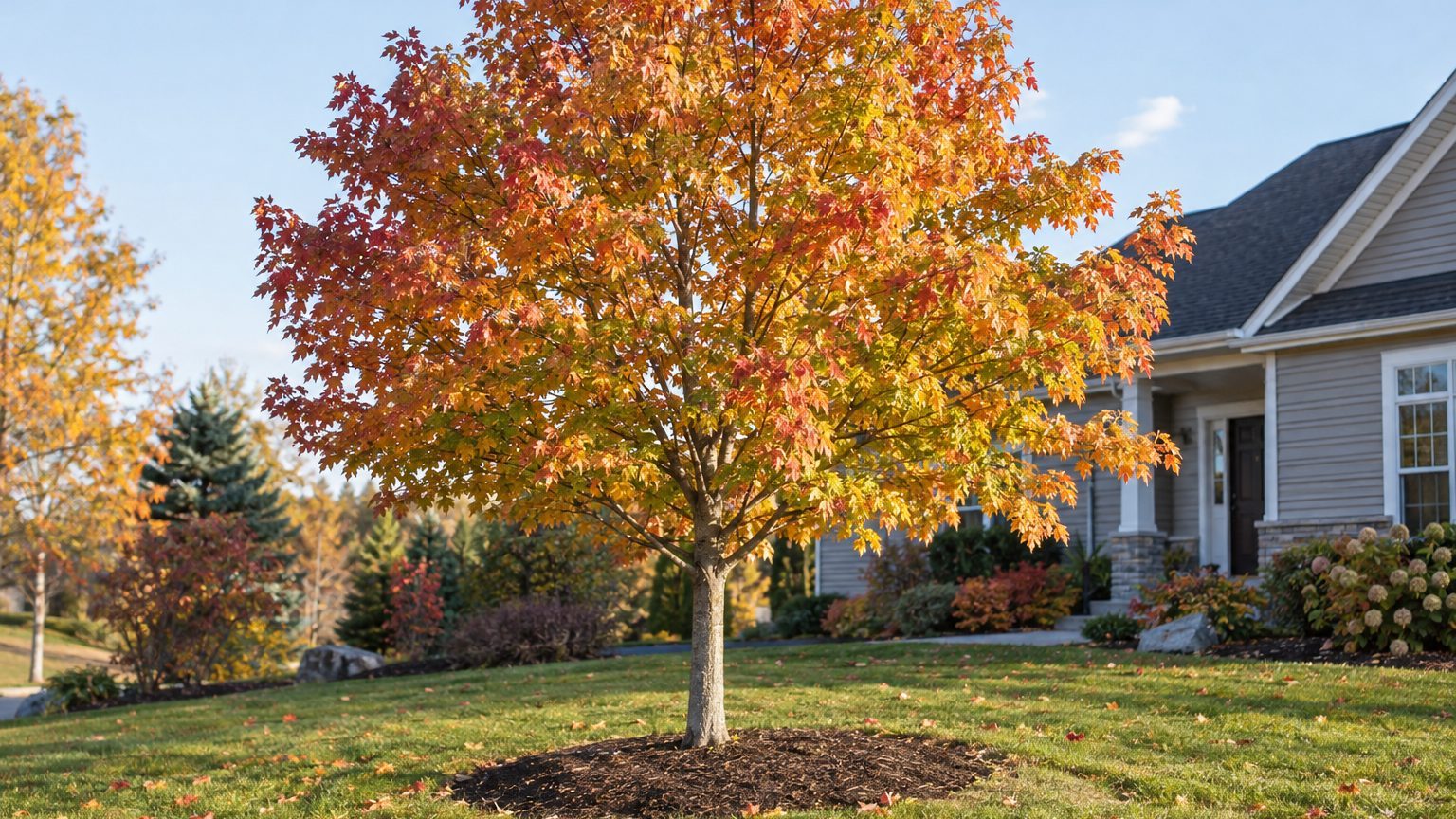
A young shade tree newly planted in a home yard

Plant shade and ornamental trees in April and May, with September and October as a fallback. The months below follow the nearest comparable climate in upstate New York and New England, so confirm local timing with a garden centre, a garden society or the provincial gardening groups.

  • In April, plant as soon as the frost is out of the ground and the soil can be worked, because the roots can start growing before the leaves demand water.
  • Through May, container and balled-and-burlapped trees go in well, and they still do into late May or early June.
  • In summer, hold off, since heat and dry soil stress new roots more than at any other time of year.
  • In September and October, fall planting works if it is finished before the end of October, while the soil still holds some warmth for root growth.
  • After fall planting, water the tree until the ground freezes so the roots go into winter with moisture.

Bare-root trees are planted while dormant, before the buds open. Container-grown trees can go in most of the year if watered, though they settle best in the dormant season. Magnolia, dogwood, tuliptree, sweet gum, red maple, birch, hawthorn, poplars, cherries, plums and many oaks do better planted in spring than in fall.

At St. John’s, the last spring frost falls on average around May 30, so half of all years bring frost later than that. The first fall frost arrives on average around October 17, and half of all years see it earlier. Northern and upland districts run weeks behind St. John’s. The reference city sits in Canadian hardiness zone 6a, a Canadian rating that does not convert to a USDA zone.

When to Plant Fruit Trees in Newfoundland and Labrador

Plant fruit trees in April and May, in early spring, as soon as the frost has left the ground. Bare-root trees go in during April or early May while still dormant. Fall planting is not an option here, because the winters are too cold for a newly planted fruit tree.

Kind of fruit tree When to plant in Newfoundland and Labrador Why then
Bare-root April to early May The tree is still dormant and the buds have not opened
Container April and May The ground has thawed and roots can grow before summer heat

Bare-root stock usually costs less than container trees and establishes well when planted on time. Pruning a young fruit tree belongs to late winter and early spring, covered on the page about when to prune fruit trees.

Best Trees to Plant in Newfoundland and Labrador

Choose by site, sun and hardiness. Birches and aspens like full sun, and maples dislike salt and compaction. Trees on the edge of hardiness need a spot sheltered from drying winds and ice damage.

Tree How it does in Newfoundland and Labrador Why
Paper birch Does well in full sun Adapts to a variety of soils but is shade-intolerant
Aspen Does well in full sun Survives best with full sunlight
Red maple Adapts to varied soils Better planted in spring than fall
Sugar maple Fine in a protected site Dislikes salt, compaction and heat
Eastern redbud Marginal, needs shelter On the edge of hardiness, with brittle limbs that ice can break

Redbud grows in average, medium-moisture, well-drained soil in full sun to part shade. Magnolia, tuliptree, oak and ginkgo suit spring planting better than fall.

When to Plant, Water and Prune Trees in Newfoundland and Labrador

Planting, watering and pruning each have their own moment. Plant in spring once the soil is workable, water a young tree until the ground freezes, and prune fruit trees while they are dormant.

Task Best timing in Newfoundland and Labrador Why then
Plant shade and ornamental trees April and May, or September and October Roots grow in workable soil, and fall planting must finish before the end of October
Plant fruit trees April and May Dormant trees go in as the frost leaves the ground
Water a young tree Regularly, until the ground freezes New roots need moisture before winter locks it up
Prune fruit trees March and April Late winter pruning least affects winter hardiness

Prune before the buds swell, and skip fall or early winter, since new growth may not harden before the cold. Apples are pruned first, and peaches last, closest to bloom, because their flower buds are easily hurt by cold.

Where to Get Tree Advice in Newfoundland and Labrador

Canada has no county extension office, so local help comes from a few other places. For a question about species or soil, start with the provincial agriculture ministry, a garden centre or a garden society.

Common Questions

Can You Plant a Tree in Winter in Newfoundland and Labrador?

Not while the ground is frozen, because the hole cannot be dug and roots cannot settle. Wait until the frost has left the soil and it can be worked.

Should You Stake a Newly Planted Tree?

Stake only if the tree needs support. Use a loose tie that lets the trunk flex, and take it off once the tree stands on its own.

Do You Need to Remove the Burlap from a Balled-And-Burlapped Tree?

Yes. Remove the burlap and wire from the top of the root ball before planting.
Best Peonies for Newfoundland and Labrador

Best Peonies for Newfoundland and Labrador

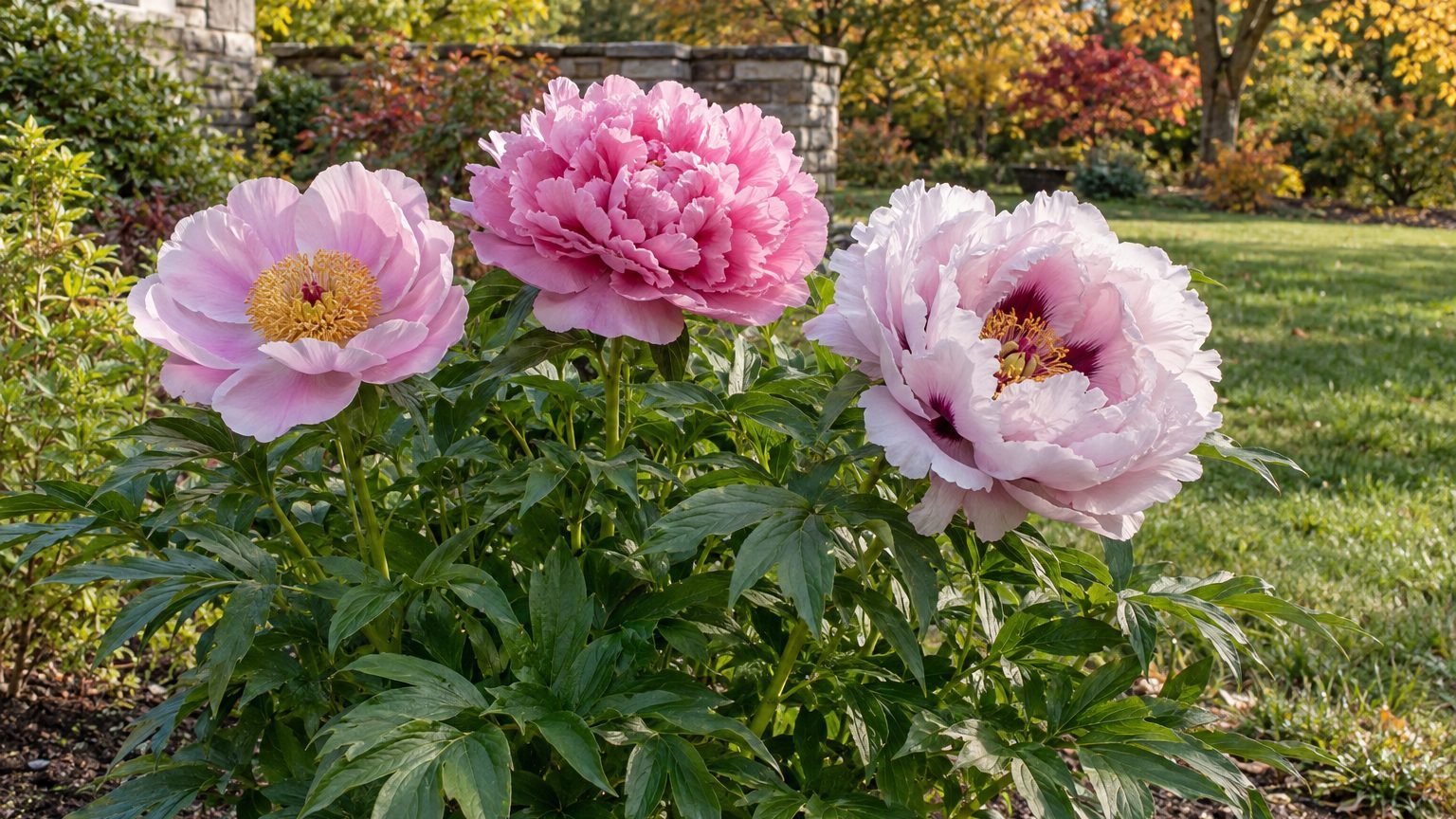
Peonies in Newfoundland and Labrador earn their place by what winter does for them. The cold rest sets the buds, and the late-spring warmth brings them out. The choice comes down to bloom timing and how much upkeep you want.

Best Peonies to Grow in Newfoundland and Labrador

Best Peonies for Newfoundland and Labrador

Peonies need a cold winter rest to flower; St. John’s is in Canadian hardiness zone 6a. Zone 6a is a Canadian rating that does not convert to a USDA zone, and it describes that city, not the whole province.

Garden Peony

Garden Peony — Best Peonies for Newfoundland and Labrador

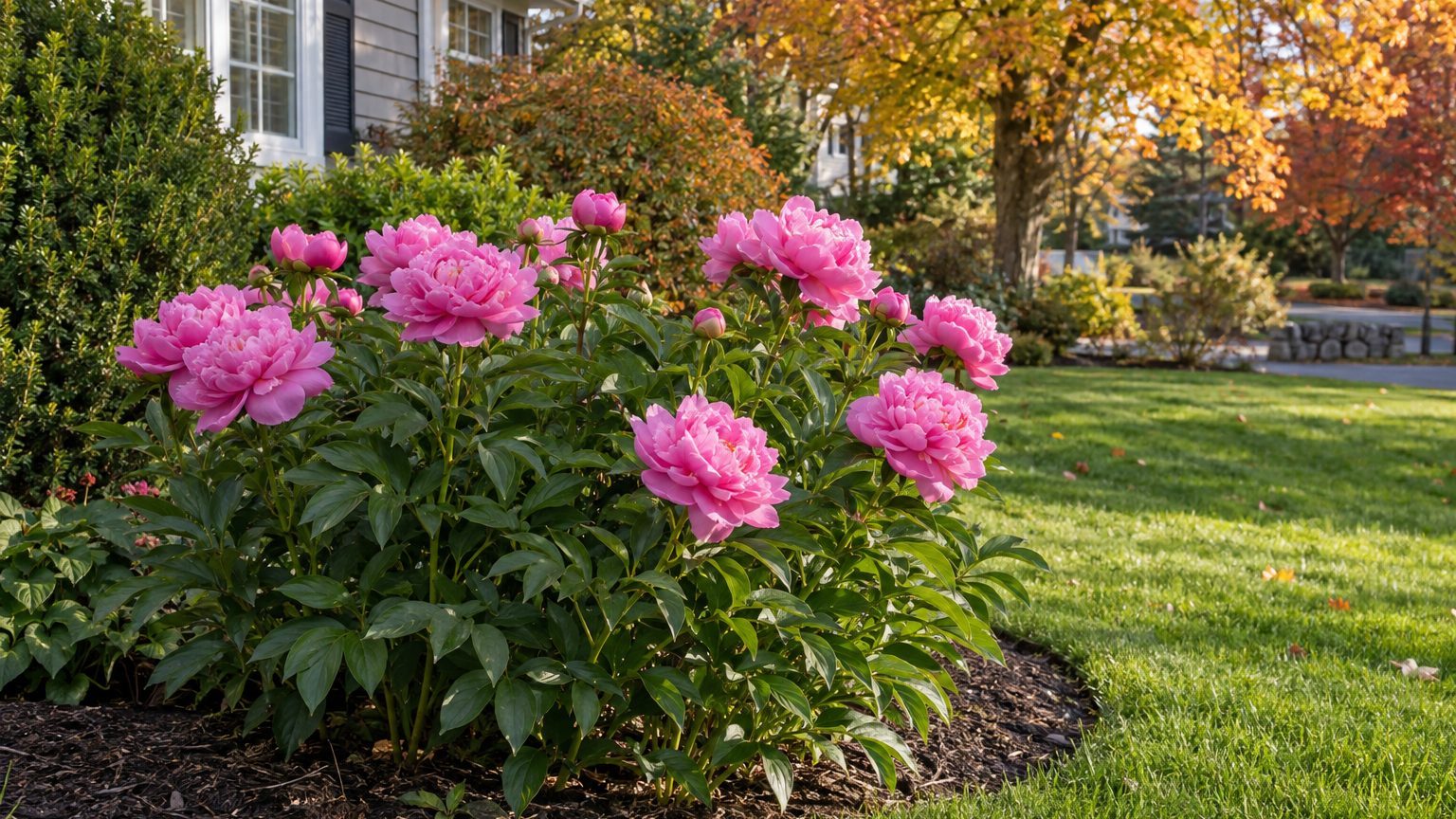
The garden, or herbaceous, peony is the classic border plant, a hybrid of Paeonia species. It dies back to the ground each year, so the old stems are cut back after frost has finished them. Its blooms come after the woodland and tree peonies, which stretches the season.

Tree Peony

Tree Peony — Best Peonies for Newfoundland and Labrador

The woody tree peony, including Paeonia suffruticosa, keeps its stems through winter and is never cut back to the ground. Its woody framework stays in place through winter. Its flowers open after woodland peonies and ahead of garden types.

Intersectional Peony

Also called the Itoh, this is a hybrid of the garden and tree peonies. It combines traits from garden and tree peonies and comes last in the bloom sequence. To extend the bloom season, add an intersectional peony to your garden peonies.

Woodland Peony

Paeonia japonica is the woodland peony, a white-flowered type that opens first in the sequence. It suits a shadier corner than the others. Because it leads the sequence, it gives you an early peony while the rest are still in bud.

How to Choose a Peony for a Newfoundland and Labrador Garden

Winter cold is not the limit here, so the decision is about how you like to garden. Think about upkeep, bloom timing and patience.

Planting or dividing is best in August and September, and it can also be done in October. Local timing in the province has no dedicated guidance of its own, so these dates follow the nearest comparable climate. Confirm them with a local garden centre, a garden society or a provincial gardening group.

Your situation What suits it in Newfoundland and Labrador Why
Cold winters Any peony type listed here Peonies need a cold rest to flower and do best where winters are cold
Prefer woody stems Tree peony It keeps its woody stems and is never cut back
Want a long bloom season Woodland, tree, garden and intersectional together Each type opens in turn, from woodland first to intersectional last
Shady corner Woodland peony It is the white-flowered woodland type and the first to bloom
Planting in spring Any type, with patience Spring planting is possible but may delay flowers a year

For fall cleanup, cut a garden peony’s foliage back after it has died down. A tree peony skips that chore entirely. Growing garden and tree peonies together extends the bloom sequence.

Which Peonies Suit Different Parts of Newfoundland and Labrador

The province is not one climate, and spring arrives at different times in different districts. That matters for how early or late a peony wakes and blooms.

  • St. John’s and the Avalon: Spring frost lands on average around May 30, and in one year out of two it falls later than that. Treat it as the middle of a window, not a safe date.
  • Northern Newfoundland and Labrador: Spring frost comes weeks later than in St. John’s, so a shorter, later season favors early openers such as the woodland and tree peonies.

Whichever district you garden in, a sheltered spot helps a peony settle.

Peony Buying Mistakes to Avoid in Newfoundland and Labrador

Planting Too Deep

A peony set too deep may bloom poorly or not come up at all. It can leave you waiting for flowers. When you plant, keep the eyes close to the soil surface and firm the soil around the roots without burying them.

Cutting Back a Tree Peony

Treating a tree peony like a garden peony removes the woody stems that carry next year’s flowers. The plant then has to rebuild before it can bloom again. Cut back only the herbaceous types and the intersectional hybrid’s dead foliage, and leave the tree peony’s wood alone.

Expecting Blooms in Year One

A newly planted or transplanted peony may not bloom the first spring. That is normal, not a sign of failure. Planting in fall gives the roots time to settle, while spring planting can delay flowers by a year, so plan on patience either way.

Where to Get Peony Advice in Newfoundland and Labrador

Canada has no county extension offices, so advice comes from the province and from local growers. Start with the provincial ministry, then ask the people who garden near you.

  • The provincial Department of Fisheries, Forestry and Agriculture is a place to ask general gardening and plant questions.
  • A local garden centre or garden society can tell you which peonies are available and how they have done in your district, so visit before the August planting months.
  • A provincial gardening group can confirm planting dates for your area, which is worth doing before you buy.

Common Questions

When Do Peonies Bloom in Newfoundland and Labrador?

Peonies bloom from May into June, depending on the type. The woodland peony opens first, then the tree peony, then the garden types, and the intersectional hybrids finish the season.

When Should You Plant or Divide Peonies in Newfoundland and Labrador?

August and September are the months to aim for, and October works as a fallback. Planting in fall gives the roots time to establish before winter.

When Should You Cut Back a Garden Peony in Newfoundland and Labrador?

Cut the foliage to the ground in November or December, after it has died back. Early spring, in March or April, is the other window. Leave tree peonies uncut.

When Do Peonies Bloom in Newfoundland and Labrador?

When Do Peonies Bloom in Newfoundland and Labrador?

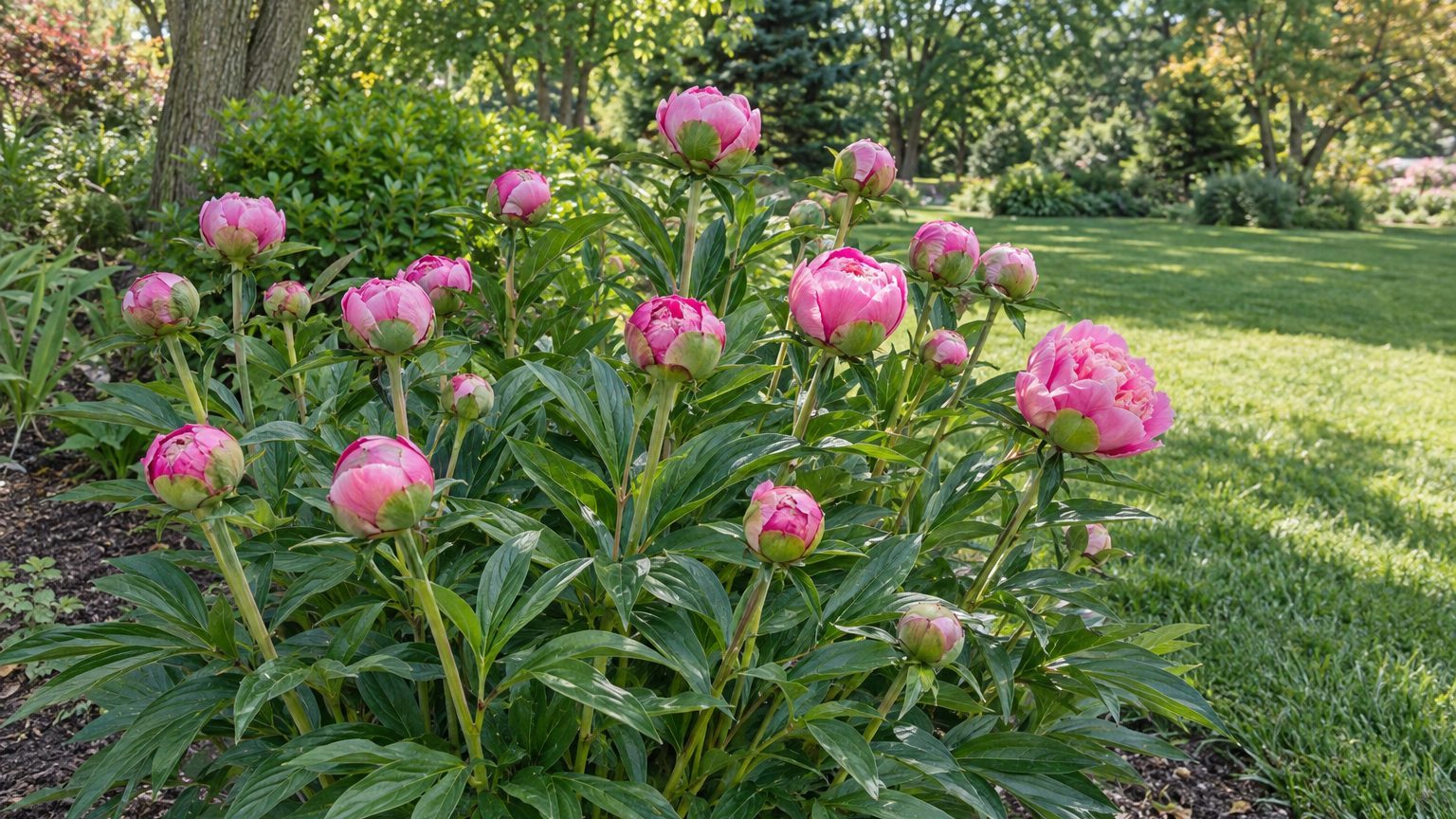
Peony shoots poke through the cold soil as red knuckles, and in Newfoundland and Labrador they take their time, coaxed along by a cool, slow spring. The flowers arrive in late spring and run into early summer, with each type opening in its own turn.

When Do Peonies Bloom in Newfoundland and Labrador?

When Do Peonies Bloom in Newfoundland and Labrador?

Peonies bloom in May and June in Newfoundland and Labrador, from late spring into early summer depending on the type. The dates follow the nearest comparable climate, since the province has no local timing guide for peonies.

Type of peony When it blooms in Newfoundland and Labrador What to know
Woodland (Paeonia japonica) Late spring, ahead of the other types White-flowered and the first to open
Tree peony (Paeonia suffruticosa) Late spring, after the woodland type Woody stems that are never cut back
Garden or herbaceous (Paeonia hybrids) Late spring into June, after the tree peonies Dies back each year and is cut back after frost
Itoh (intersectional) June, the last to open A hybrid of the garden and tree peonies

The average last spring frost in St. John’s falls on May 30, which means that in one year out of two a frost comes later than that. Treat the date as the middle of a window, not a safe date. To pin down timing in your own district, ask a local garden centre, a garden society or one of the provincial gardening groups.

How to Tell When Your Peonies Are About to Bloom

The plant announces its flowers well before they open, and a quick look at the bed each spring is enough to read the signs.

  • Red shoots breaking the soil mean the plant has woken up, so clear away any leftover mulch that could smother them.
  • Shoots that turn from red to green and unfurl into leaves show the stems are lengthening, which is the time to set a support ring over the clump.
  • Small, hard buds at the stem tips mean the plant has set flowers, so keep the bed evenly watered if the weather turns dry.
  • Swollen buds are close to opening.
  • A bud that feels soft when you squeeze it gently, with color showing at the tip, will open soon.
  • A clump with healthy leaves but no buds usually points to a plant set too deep, so check that the eyes sit near the soil surface.

Cut flowers for a vase at the soft bud stage, and the blooms will finish opening indoors.

When to Cut Back Peonies in Newfoundland and Labrador

Cut herbaceous peonies back in November or December, once a hard frost has blackened the foliage and it has died back. If the weekend slips past, the job can also be done in March or April, before the new red shoots grow tall.

Cut the stems to the ground once the foliage has died back. Old foliage can carry disease over winter, and removing it keeps the clump tidy for spring.

Tree peonies are the exception. Their woody stems carry next year’s buds, so leave the structure standing and remove only dead or broken wood. Itoh peonies behave like herbaceous ones and are cut back after frost.

How Peony Bloom Time Shifts Across Newfoundland and Labrador

The province stretches across a big island and a mainland region, and the weather on one side of it is very different from the other.

  • St. John’s and the Avalon Peninsula: Ocean air keeps spring cool and slows the warm-up, yet this is the reference point for the May and June bloom described here.
  • The Northern Peninsula and the island’s upland districts: Colder nights and a later thaw push the bloom behind St. John’s, so buds open later in these districts.
  • Labrador: Winters are colder and spring arrives later still, so peonies here open later than on the Avalon and need a sheltered spot to do well.

Treat the May and June window as a guide that slides later the farther you get from St. John’s.

Where to Get Peony Advice in Newfoundland and Labrador

Canada has no county extension office, so questions about local timing and hardiness go to the provincial agriculture ministry, to gardeners nearby, or to a garden centre. The Department of Fisheries, Forestry and Agriculture is the place to start.

  • A local garden centre can tell you which peony types and varieties do well in your district, and it is worth asking before you buy in late summer.
  • A local garden society or master gardener group can share how peonies behave in your own microclimate, and spring meetings are a good time to ask.
  • The provincial gardening groups can confirm bloom timing for your district, so ask them before you plan any planting in August or September.

Common Questions

When Should You Plant or Divide Peonies in Newfoundland and Labrador?

August and September are the months for planting or dividing, and you can also plant or divide in October. Spring planting is possible, but it may delay flowers a year. A newly planted or divided peony may not bloom the first spring in any case.

Do Peonies Need a Cold Winter to Bloom?

They do, and cold winters suit them. Peonies may flower poorly in mild-winter climates. Newfoundland and Labrador’s cold winters give peonies the winter rest they need.

Is a Canadian Hardiness Zone the Same as a USDA Zone?

No. St. John’s sits in Canadian zone 6a, but that system draws on many climate variables and the USDA system on one, so the two do not convert. Use the Canadian system and check the zone for your own district.

When to Plant Peonies in Newfoundland and Labrador: Dates and Care

When to Plant Peonies in Newfoundland and Labrador: Dates and Care

A peony that goes in the ground in late summer spends the fall growing roots while the soil is still mild, and it comes up the next spring ready to settle in. In Newfoundland and Labrador, that late-summer window helps the clump settle well.

When to Plant Peonies in Newfoundland and Labrador

When to Plant Peonies in Newfoundland and Labrador: Dates and Care

Plant or divide peonies from August through September, with October as a fallback. The province has no local extension page on peony timing, so these dates follow the nearest comparable climate in northern New England, and a local garden centre or garden society can confirm timing for your district.

  • In August and September, dig, divide or plant, so the roots establish before the ground freezes. Keep the eyes (the pink buds on the root) close to the soil surface, because a peony set too deep may bloom poorly or not come up.
  • In October, planting is still possible if the season got away from you, though the roots have less time to settle.
  • From November through December, once the foliage has died back after frost, herbaceous peonies get cut to the ground.
  • In March and April, the same cutting back can wait until early spring if you prefer to leave the dead stems over winter.
  • In May and June, the plants flower, with the exact timing depending on the type. A newly planted or transplanted peony may not bloom the first spring.

At the reference station in St. John’s, the last spring frost falls on average around May 30, so in one year out of two it comes later, and northern or upland districts run weeks behind. The first fall frost arrives on average around October 17, again with half of years later. These frost dates are midpoints of a window, not safe dates. St. John’s sits in Canadian hardiness zone 6a, a Canadian system that does not convert to a USDA zone.

Which Peonies Grow Best in Newfoundland and Labrador?

Peonies suit this province well, because they need winter cold to flower and a cool climate supplies it. The province’s winters easily deliver the minimum stretch of cold that peonies need to set buds.

Your choice comes down to the look you want and the bloom span you are after.

Peony type How it does in Newfoundland and Labrador Why
Herbaceous (garden) peony A dependable choice for borders Dies back each year and relies on winter cold to set flowers
Tree peony Worth trying in a sheltered spot Keeps woody stems above ground, so it is never cut back
Intersectional (Itoh) peony Suited to the same cold winters A hybrid of the garden and tree types, flowering after the herbaceous kind

The woodland peony (Paeonia japonica) is a white-flowered plant that opens first in the season.

When to Plant, Cut Back and Feed Peonies in Newfoundland and Labrador

Peony care is mostly about timing the big jobs and then leaving the plant alone. Planting and dividing belong in late summer, while cutting back follows the first hard frost, once the leaves have collapsed.

Herbaceous peonies get cut to the ground, but a tree peony keeps its woody stems and is never cut back.

Task Best timing in Newfoundland and Labrador Why then
Plant or divide August to September, or October if needed Roots settle in before the soil freezes
Cut back herbaceous peonies November to December, or March to April The foliage has already died back after frost
Enjoy the bloom May to June Each type opens in turn through late spring
Feed Ask a local garden center about appropriate local timing Local advice can account for soil conditions

Spring planting is possible once the soil is workable, but it may delay flowers a year. If you have to move a clump in spring, expect a quiet first season and be patient.

How Peony Planting Dates Change Across Newfoundland and Labrador

A province this large and this exposed to the Atlantic does not run on one clock, so your local conditions can shift the planting window a little in either direction.

  • St. John’s and the Avalon Peninsula: The ocean keeps the season slow to warm and slow to cool. Planting in the early part of the August to September window works well here.
  • Central Newfoundland: Inland sites run colder in fall, so frost can arrive sooner. Aim for late August so roots get their head start.
  • Labrador: Seasons are shorter and spring comes later. Plant at the early end of the window and choose a sheltered, sunny spot.

Wind and exposure matter as much as latitude, so a protected yard can behave like a milder district.

Where to Get Peony Advice in Newfoundland and Labrador

Canada has no county extension offices, so advice comes from the province and from local growers. For a diagnosis or a soil test, start with the provincial agriculture department and local gardeners.

  • The Newfoundland and Labrador Department of Fisheries, Forestry and Agriculture can point you to soil testing and plant health help, so contact it before you plant.
  • A local garden centre or garden society can confirm timing for your district, and spring or late summer visits fit the planting season.
  • Master gardener or provincial gardening groups can help you troubleshoot a clump that is not flowering.

Common Questions

Why Won’t My Peony Bloom?

Look at the planting depth and the age of the plant. A clump set too deep, with the eyes well below the surface, may leaf out without flowering. A young transplant may not bloom the first spring. Shade is another common cause, so check whether the spot gets plenty of sun.

Can You Move a Peony in Spring?

Yes, once the soil is workable, but it may cost you a year of flowers. Late summer is the better window. If spring is the only option, dig a generous root ball, replant at the same depth and water regularly.

Should You Cut Back a Tree Peony?

No. A tree peony keeps its woody stems through winter, and cutting them to the ground removes next year’s flower buds. Only dead or damaged wood needs to come out, and herbaceous peonies are the ones that get cut to the ground.

Best Lilacs for Newfoundland and Labrador

Best Lilacs for Newfoundland and Labrador

A lilac in full flower, heavy with scent, is a good reason to keep a shrub border. In Newfoundland and Labrador the plant has the cold winters it wants, so the real choices are size, disease resistance and when you cut it. Those are what decide which lilac earns a spot in your yard.

Best Lilacs to Grow in Newfoundland and Labrador

Best Lilacs for Newfoundland and Labrador

Common lilac and its French selections, the dwarf Korean lilac, and the reblooming Bloomerang series all suit the province. Lilacs are cold-climate shrubs, and the chill of winter is what matures their flower buds. Winter chill helps lilac buds mature, but local hardiness still matters. Picking a type that fits your space and your humidity is.

Common Lilac

Common Lilac — Best Lilacs for Newfoundland and Labrador

Syringa vulgaris is a woody shrub grown for extremely fragrant flowers in mid to late spring. The French lilacs are the best known selections of it, and there are hundreds of cultivars in many colors and floret shapes.

Plant it in a sunny spot with good air circulation, which keeps the leaves drier and the plant healthier.

Sensation

Sensation — Best Lilacs for Newfoundland and Labrador

Sensation is a French lilac with purple flowers edged in white, so each floret looks outlined. It is a good pick if you want a lilac that stands out from the usual all-purple shrub.

It also appeared among the varieties that resisted a bacterial disease in a trial elsewhere, a useful bonus for a long-lived shrub.

Dwarf Korean Lilac

Syringa meyeri, also called the little-leaf lilac, suits a smaller yard. It usually grows about 5 ft tall and just as wide.

Occasionally it reaches 8 ft in height and width, so leave room for the larger case. It blooms profusely with small, elegant violet flowers, and breeders have used it often because it is reasonably small and compact.

Bloomerang Series

The Bloomerang series resists powdery mildew and reblooms. That makes it a sensible choice where summers turn damp, since humid weather can encourage mildew.

Keep it in full sun, like any lilac. The rebloom is an extra, not a replacement for a good spring show.

How to Choose a Lilac for a Newfoundland and Labrador Garden

Start with the space you have and the weather your yard gets in summer. Winter cold is rarely the limit for a lilac, since it needs a cold rest to set its buds.

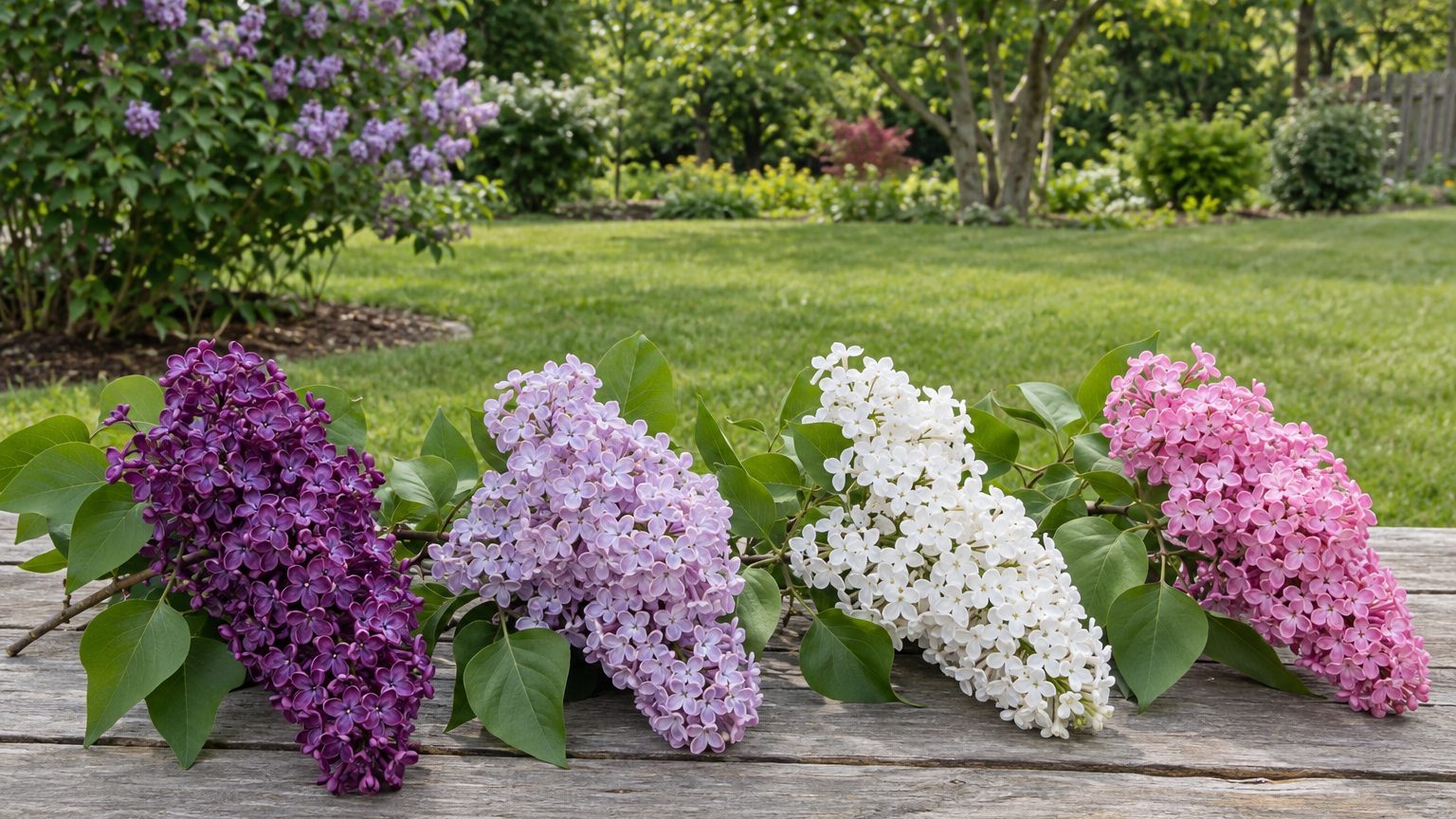
Colour comes last, because named cultivars come in lilac, purple, white, pink and a reddish hue.

Your situation What suits it in Newfoundland and Labrador Why
Very cold winter Common lilac and French selections Winter chill is what matures the flower buds
Warm, humid summer Bloomerang series Resists powdery mildew, which humid weather encourages
Small space Dwarf Korean lilac Usually about 5 ft wide and tall
Wanted color or a showy bloom Sensation Purple flowers edged with white
Strong fragrance Common lilac Grown for extremely fragrant flowers in mid to late spring

Expect blooms from late April into May, with later species carrying on into June. If you already own an overgrown lilac, it can be cut back hard in March or April, though it will not flower for a few years afterward.

Which Lilacs Suit Different Parts of Newfoundland and Labrador

The province is not one climate, and the main difference for lilacs is how late spring arrives, not how cold the winter gets.

  • St. John’s is the reference city for Canadian hardiness zone 6a, a rating that does not convert to a USDA zone. The last spring frost falls on average on May 30, and in one year out of two it comes later, so treat that date as the middle of a window.
  • The Northern Peninsula and Labrador: spring frost lingers longer here than at St. John’s, so buds open later. Stay with the hardy common lilac and the dwarf Korean lilac, and wait for the frost to pass before you plant.
  • Upland and inland districts: these run later than the coast, so judge your own yard by when the snow leaves and the buds swell, not by the St. John’s date.

Whichever district you garden in, confirm the shrub’s hardiness locally and adjust your timing to match your spring.

Lilac Buying Mistakes to Avoid in Newfoundland and Labrador

Choosing for Flower Colour Alone

With hundreds of cultivars to pick from, color is an easy way to choose and a poor one. Lilacs struggle in hot, humid summers, and a leafy plant sitting in damp, still air invites mildew.

Look at the habit and the disease record first. A mildew-resistant series can help you avoid a bad-looking midsummer shrub.

Buying a Pot Without Knowing Its Adult Size

A lilac in a nursery pot gives no hint of what it will become. The dwarf Korean lilac fills about 5 ft and can stretch to 8 ft, while many common lilacs grow larger.

Read the tag, then measure the spot. A shrub squeezed against a wall or a window will need hard cuts you would rather avoid.

Pruning at the Wrong Time

A lilac blooms on last year’s wood and sets next spring’s flower buds soon after it flowers. Prune right after the flowers fade, usually in May or June. Cutting in late summer, fall or winter removes the next flowers.

A hard cut of an overgrown plant in March or April is possible, but it costs the next flowers.

Where to Get Lilac Advice in Newfoundland and Labrador

Canada has no county extension office, so local advice comes from the provincial agriculture ministry and from people who garden near you. Lilac timing is not published for the province, so the dates follow the nearest comparable climate.

  • Local garden centers can tell you which lilacs they stock for your district, so visit in spring while plants are in bloom.
  • A garden society or a provincial gardening group knows when lilacs open in your area, so ask early in the season and compare notes with neighbors who already grow them.

Common Questions

Do Lilacs Need Full Sun in Newfoundland and Labrador?

Lilacs thrive in sunny sites with good air circulation. Pick a sunny, open corner of the yard and keep other shrubs from crowding the plant.

What Colours Do Lilacs Come In?

Named cultivars range through lilac, purple, white, pink and a reddish hue. Sensation combines purple flowers with white edges.

Is Hardiness Zone 6a the Same as a USDA Zone?

No. The 6a rating for St. John’s is Canadian, and the Canadian system is built on several climate variables, so it does not convert to a USDA zone. When you read a plant tag, check which system it uses.

When to Prune Lilacs in Newfoundland and Labrador

When to Prune Lilacs in Newfoundland and Labrador

A lilac that blooms in a St. John’s yard in late spring is already setting its flower buds for the following year as the petals brown. That short stretch decides next spring’s show.

When to Prune Lilacs in Newfoundland and Labrador

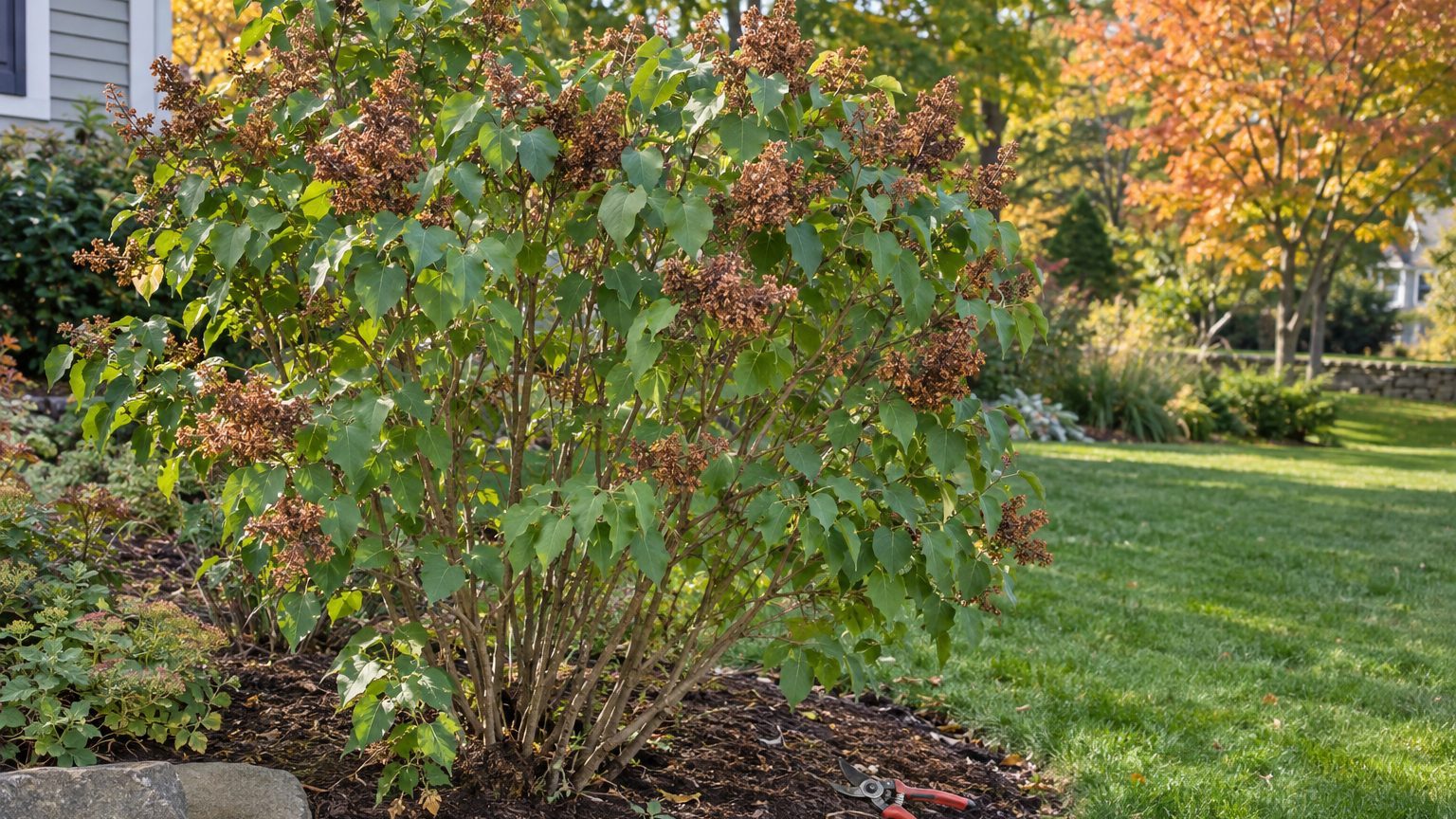
Lilac stems after flowering

Prune lilacs right after the flowers fade, which in Newfoundland and Labrador means May into June. No local lilac timing page exists for the province, so these months follow the nearest comparable climate in northern New England. Confirm local timing with a garden centre, a garden society or a provincial gardening group.

The reason is simple. A lilac blooms on last year’s wood and sets next year’s flower buds in summer, soon after it flowers.

Type of pruning When in Newfoundland and Labrador Why
Routine upkeep: spent blooms, dead wood, crowded stems May to June, right after the flowers fade The next buds form soon after bloom, so cutting early keeps them
Hard renovation of an overgrown lilac March to April, in late winter The shrub is dormant, but the cut costs the next flowers

Blooms open from April into May here, with later species stretching into June, so the pruning window moves with your shrub rather than with a fixed date. Cut when the flowers have browned, not before.

How to Tell When Your Lilacs Are Ready to Prune

The shrub gives clear signals, and they matter more than any calendar square because bloom time shifts from yard to yard and species to species.

  • The flower clusters have faded and turned brown, which tells you the show is over and cutting will not remove any blooms.
  • Petals are dropping and the heads look tired, a sign the plant is moving on to forming next year’s buds.
  • Fresh green growth is pushing out below the old flower heads, which means you can see exactly where to make a clean cut.
  • Later varieties are still in flower, so a neighbor’s lilac may be ready while yours is not, and yours should wait until its own petals fade.
  • Dead, gray, brittle stems stand out against leafy ones, and they can be removed at the base once the leaves are fully out.

Once the heads have browned, work soon, because delaying the job increases the risk of cutting away new buds.

Should You Prune Lilacs in Fall or Winter in Newfoundland and Labrador?

No. Cutting in late summer, fall or winter removes the flower buds already set for next spring, so you get a tidier shrub and a bare one.

Hard renovation of an overgrown lilac is the winter exception. That cut is made in late winter, March to April, while the plant is dormant, and it brings the shrub back close to the ground. The price is steep: the lilac will not flower for a few years afterward. Choose it only when a tall, leggy, thinning shrub is not worth keeping as it is.

How Lilac Pruning Time Shifts Across Newfoundland and Labrador

The province is not one climate, so pruning time follows local bloom. Follow the shrub, not the date.

  • St. John’s and the Avalon Peninsula: Spring arrives slowly in the cool, foggy air off the Atlantic, so lilacs bloom later and pruning follows later within the May to June window.
  • Central Newfoundland: Inland yards warm faster than the exposed coast, so blooms may fade sooner and pruning can start a little earlier.
  • Labrador: Spring comes later and winters are harsher, so expect flowers to fade well after those on the island, and prune only once they have.

In every case, the browning flower head is your starting signal.

Where to Get Lilac Advice in Newfoundland and Labrador

Canada has no county extension office, so local help comes from provincial and community sources. The province’s Department of Fisheries, Forestry and Agriculture is the starting point for general gardening guidance.

  • A local garden centre can tell you when lilacs in your area bloom, so visit in early spring when staff are watching local conditions.
  • A garden society or provincial gardening group can confirm timing for your part of the province, and its members often grow lilacs themselves.

Common Questions

Can You Cut Lilacs for Bouquets Without Hurting Next Year’s Flowers?

Yes, if you cut the flowering stems while they bloom. Taking a few stems while the clusters are fresh works like an early prune, since the next buds form on growth below the cut after flowering.

Why Is My Lilac Leafy but Not Flowering?

Watch for a combination of a shrub pruned in late summer, fall or winter and shade or poor air circulation. Pruning at the wrong time removes buds, and lilacs also do best in sunny sites with good air circulation.

Do Lilacs Handle Newfoundland and Labrador Winters?

Yes. Lilacs suit cold climates, and winter chill helps their buds develop and mature. The reference city of St. John’s sits in Canadian hardiness zone 6a, a Canadian system that does not convert to a USDA zone.

When Do Lilacs Bloom in Newfoundland and Labrador? Dates and Care

When Do Lilacs Bloom in Newfoundland and Labrador? Dates and Care

A lilac in full flower, heavy with cone-shaped clusters, is a sure sign that spring has settled in. In Newfoundland and Labrador the shrubs do well because the winters give them the long chill they need, and every job through the year takes its cue from the bloom.

When Do Lilacs Bloom in Newfoundland and Labrador?

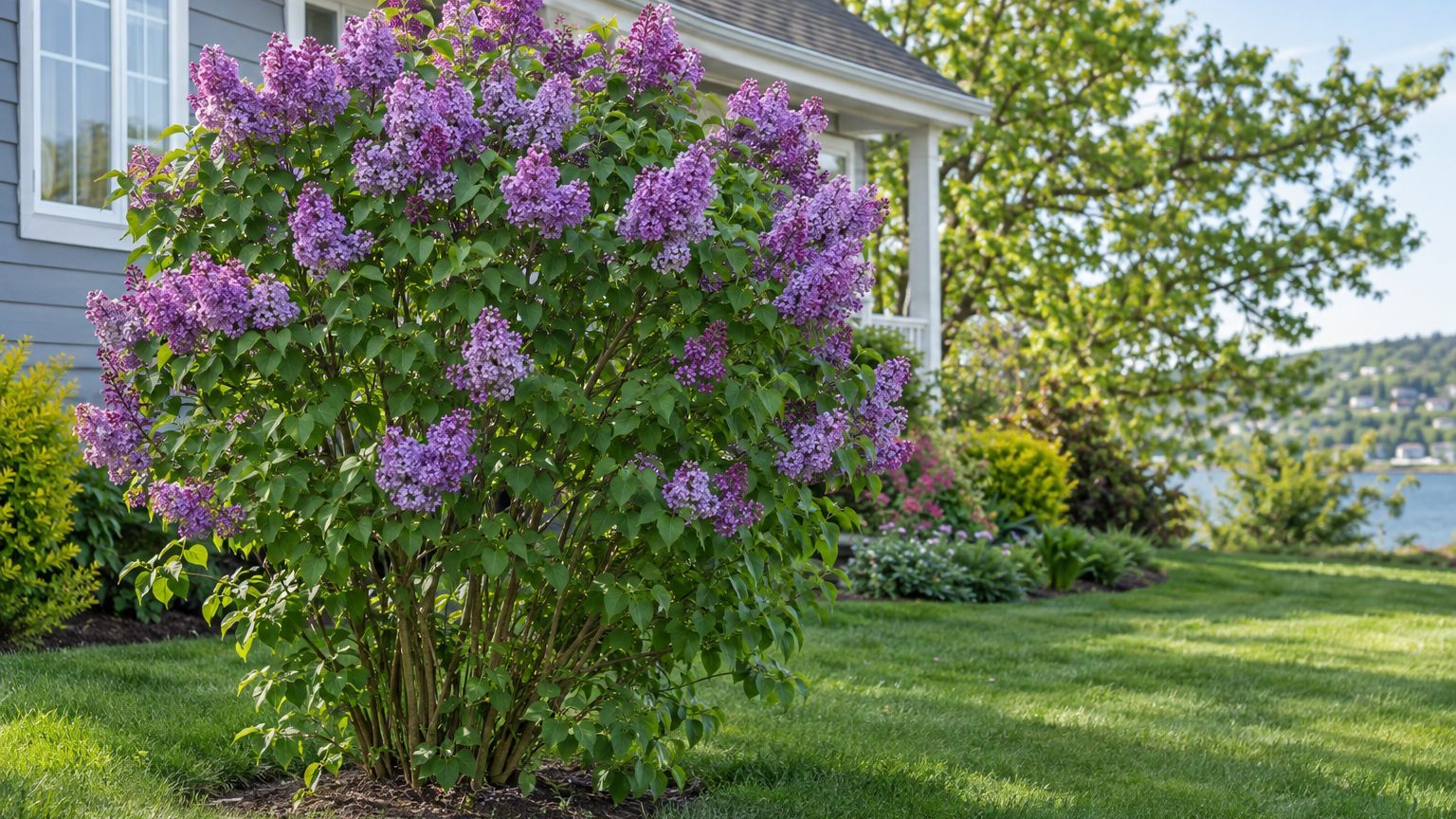
A lilac bush in bloom in a home garden

Lilacs here bloom in April and May, and later species carry flowers into June. The dates follow the nearest comparable climate, since no local lilac calendar exists for the province. Confirm timing with a local garden centre, a garden society or one of the provincial gardening groups. The rest of the year follows the flowers:

  • In April and May, the clusters open, and the shrub earns its place by the front walk. Cut a few stems for a vase while the scent is strong.
  • Right after the flowers fade, usually in May and into June, is the time for any shaping, because the shrub starts setting next year’s buds soon afterward.
  • Through summer, the flower buds for next spring form quietly on this year’s new growth, so the shrub needs sun, airflow and no heavy cutting.
  • In the cold months, the plant rests, and that chill is what ripens those buds for the following spring.
  • In March and April, an overgrown lilac can be cut back hard while it is still dormant, at the price of the flowers for a few years afterward.

At St. John’s, the last spring frost falls on average on May 30, so frost comes later than that in one year out of two and can catch opening buds. The first fall frost arrives on average on October 17, and the same rule applies. St. John’s is in Canadian hardiness zone 6a, which is not a USDA zone; its frost dates do not describe colder or upland districts.

Which Lilacs Grow Best in Newfoundland and Labrador?

Lilacs belong in this province. They are members of the olive family and suited to cold climates, and the winter chill is what develops and ripens their flower buds. They struggle in hot, humid summers, which is not the problem here.

Sun and moving air matter as much as cold. A lilac in a sunny, open spot flowers better than one crowded against a wall.

Lilac type How it does in Newfoundland and Labrador Why
Common lilac (Syringa vulgaris) Reliable, flowering in April and May Needs a cold winter rest to ripen its buds
Later-blooming species Flowers can reach into June Opens after the common lilac has finished

Planting common and later-blooming lilacs gives a longer season of scent, because the later species opens as the common lilac fades.

When to Plant, Prune and Feed Lilacs in Newfoundland and Labrador

The year’s work is short. A lilac asks for very little feeding, and its pruning has to follow the flowers, not the calendar alone.

Task Best timing in Newfoundland and Labrador Why then
Planting As soon as the ground has thawed and can be worked in spring Roots settle in cool, moist soil before summer
Pruning after bloom May, into June, right after the flowers fade Next year’s buds form soon afterward
Hard renovation cut March and April, while the shrub is dormant Frees an overgrown plant, but costs the next flowers

A lilac blooms on last year’s wood and sets next year’s buds in summer, soon after it flowers. Pruning in late summer, fall or winter cuts off the next spring’s flowers. A hard cut-back renews an overgrown shrub, though it will not flower for a few years afterward. The page called When to Prune Lilacs in Newfoundland and Labrador goes deeper on pruning.

How Lilac Bloom Time Changes Across Newfoundland and Labrador

The province is large, and the sea sets the pace of spring more than the map does.

  • St. John’s and the Avalon Peninsula: Cold water and fog hold spring back along the shore, so lilacs bloom later than the calendar suggests. An inland garden often blooms before one on an exposed headland.
  • Corner Brook and the west coast: Sheltered spots warm faster than open shoreline, so bloom can come earlier in a protected yard than on a windy point nearby.
  • Happy Valley-Goose Bay and Labrador: Spring arrives later than on the island, so flowers open later there as well.

Use the dates as a guide and watch your own shrub, because a warm wall or a windy exposure can shift the flowers.

Where to Get Lilac Advice in Newfoundland and Labrador

Canada has no county extension office, so help comes from the province and from local growers. The Newfoundland and Labrador Department of Fisheries, Forestry and Agriculture is the provincial starting point.

  • The provincial department can point you to gardening resources and, for a sick shrub, to someone who can diagnose it. Contact them in spring when leaves open.
  • A local garden centre or garden society knows which lilacs have thrived in your own district, and members often swap cuttings. Visit in the weeks around bloom.
  • Soil testing is sold through garden centres and provincial services, and results guide any feeding. Take a sample before you add anything.

Common Questions

Why Is a Lilac Not Flowering?

Look at these signs together. Plenty of leafy growth but few buds, in a spot that stays shaded for much of the day, points to too little sun. A shrub that was cut in late summer, fall or winter and flowers thinly the next spring has lost its buds to the pruners. If shade and late pruning are to blame, move the cutting to just after bloom and trim back whatever shades the shrub.

How Much Sun Does a Lilac Need?

A lilac does best in a sunny site with good air circulation. Full sun builds the flower buds, and moving air keeps the leaves dry after fog or rain. A sunny, open site gives the shrub the light and air movement it needs.

Can a Foggy, Cool Summer Hurt a Lilac?

Cool summers are not the issue, because lilacs struggle with hot, humid summers rather than cool ones. Damp, still air around crowded stems is the real worry. Give the shrub room, and thin crowding branches right after the flowers fade so air can move through it.

Best Roses for Newfoundland and Labrador

Best Roses for Newfoundland and Labrador

A rose that comes through a Newfoundland and Labrador winter with living canes in spring is usually a tough shrub rose, not a florist’s hybrid tea. Choosing the type before the color decides whether the bush keeps flowering for years.

Best Roses to Grow in Newfoundland and Labrador

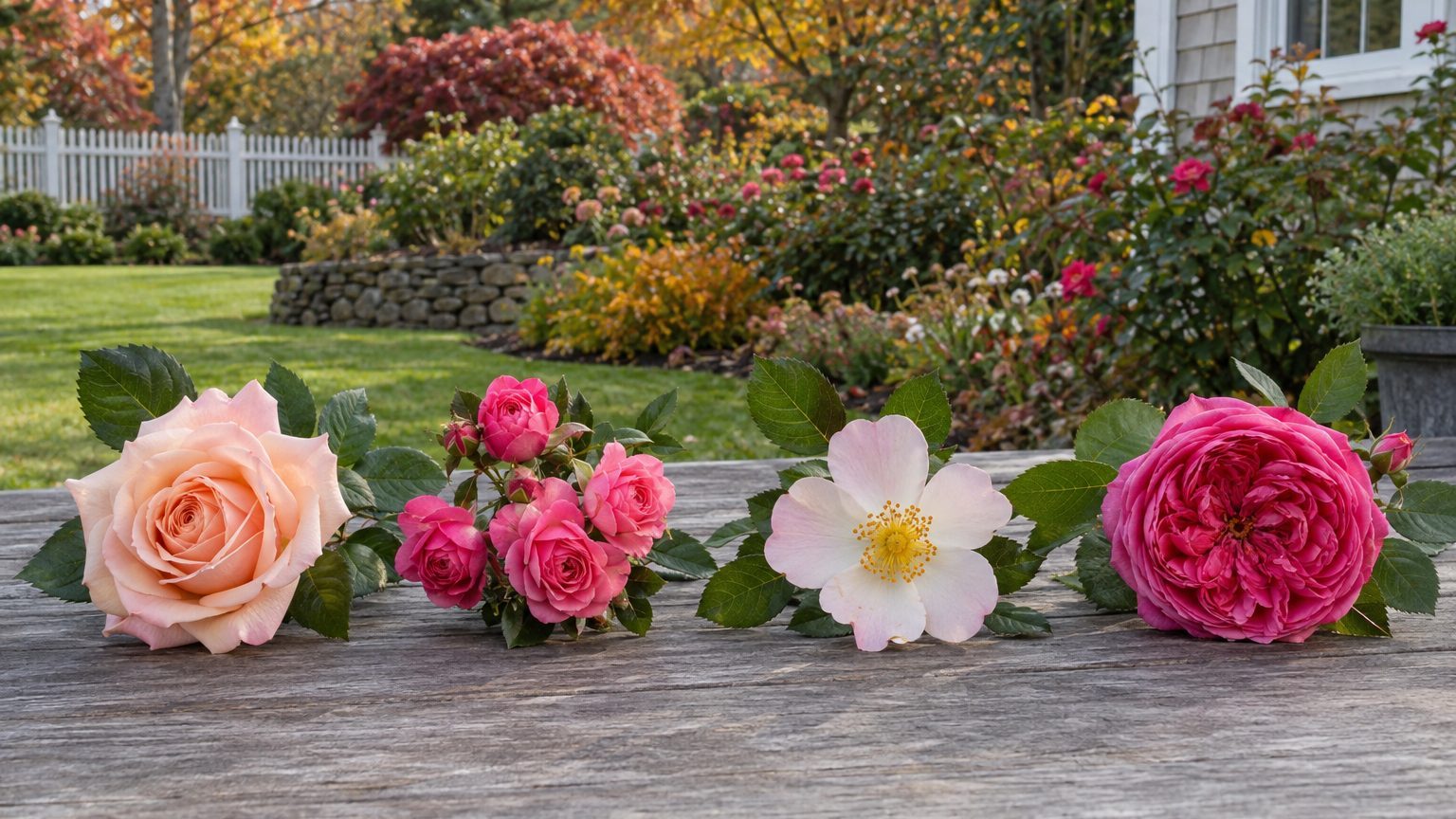
Healthy roses in bloom

Hardy shrub roses, polyanthas, hybrid perpetuals and old-fashioned roses are strong candidates, while floribundas need winter protection in cold winters. St. John’s sits in Canadian hardiness zone 6a. That Canadian rating is built from climate variables that differ from those behind USDA zones and does not convert to a USDA zone, so treat it as a rough guide only.

Explorer Roses

The Canadian Explorer series carries the names of explorers such as Champlain, Cabot and Kelsey. Some are shrubs and some are climbers, and hardy shrub roses of this kind perform well without extra protection. A climbing Explorer is a sensible choice for a fence or a trellis.

Meidiland Roses

The Meidiland series has proved hardy in cold-climate trials, though some varieties are marginal in colder conditions. In a sheltered yard near the coast it is a reasonable bet. In an exposed or colder garden, ask the seller about the specific variety before buying.

Knock Out and Other Shrub Roses

Shrub roses as a group are more winter hardy than hybrid teas. Knock Out performs well without extra protection, which makes it a good choice for a new rose grower who would rather not spend a November afternoon wrapping canes.

Polyanthas and Floribundas

Polyanthas and floribundas prove more winter hardy than hybrid teas and grandifloras. They suit a front border where you want steady color, but floribundas still need winter protection in cold winters.

Hybrid Perpetuals and Old-Fashioned Roses

Hybrid perpetuals and many old-fashioned roses are also tougher in winter than hybrid teas. They bring fragrance and a classic shape to the garden. Note that many old garden roses bloom in a single big flush rather than putting on a long show.

Hybrid Teas and Grandifloras

These are the least hardy types on this list. They can be grown here, but only if you accept the work of covering them for winter. If that sounds like too much, put the space toward a shrub rose.

How to Choose a Rose for a Newfoundland and Labrador Garden

Start with how much winter effort you are willing to give. Hardy roses need less winter work, while tender roses need covering and care each fall.

Then think about what you want the rose to do: climb, fill a border, or flower all summer.

Your situation What suits it in Newfoundland and Labrador Why
Very cold winters Explorer series shrub roses Hardy shrub roses of this kind perform well without extra protection
Little time for winter chores Knock Out or another hardy shrub rose They need no extra covering, unlike hybrid teas
A fence or trellis to cover Climbing Explorer roses The series includes shrub and climbing forms
Flowers through the summer Floribundas and modern shrub roses They bloom repeatedly and are hardier than hybrid teas
A colder or exposed yard Explorer series shrub roses They are a safer choice than varieties known to be marginal in colder conditions.
An old-fashioned look Hybrid perpetuals and old-fashioned roses More winter hardy than hybrid teas and grandifloras

Repeat-blooming roses such as floribundas and modern shrub roses are pruned in April or May, once shoots have started to grow, and March is a fallback in a mild spring. Feed monthly from April and stop in August, so late growth can harden before winter.

There is no local extension page on rose timing, so these months follow the nearest comparable climate. Confirm them with a garden centre, a rose society or a provincial gardening group.

Which Roses Suit Different Parts of Newfoundland and Labrador

The province is not one climate, and the gap between the Avalon coast and the far north changes how bold you can be.

  • St. John’s: The last spring frost falls on average around May 30, which means in one year out of two it comes later. Planting bare-root roses in April or May works here, and hardier types still get the best odds.
  • Labrador and other northern or upland districts: Spring frost arrives weeks behind St. John’s, so wait longer before uncovering or planting. Stay with the hardiest shrub and Explorer roses and skip hybrid teas.

Whatever your district, a frost date is a midpoint, never a safe date to plant by.

Rose Buying Mistakes to Avoid in Newfoundland and Labrador

Hybrid Teas Without Protection

Hybrid teas, floribundas and grandifloras need winter protection in cold winters. Skipping it costs you canes, and sometimes the whole plant. Cover them in late November, after hard frosts have killed the leaves, because covering earlier traps mild, damp air around green growth.

Pruning Once-Bloomers in Spring

Old garden roses, ramblers and many climbers flower on last year’s wood. Pruning them in early spring removes the buds, and you lose the year’s flowers. Prune them right after they bloom instead.

Buying Without Checking Hardiness

A pretty catalog photo says nothing about winter. Choose only types hardy enough to survive the coldest winters in your area, and treat a Canadian zone rating as a rough guide, not a promise. If a seller cannot say how a variety copes with cold, pick another.

Where to Get Rose Advice in Newfoundland and Labrador

Local advice comes from provincial growing guidance and from people who grow roses nearby. Start with growers in your own district.

  • The provincial agriculture department is the place to start for general plant and growing guidance.
  • A local garden centre can tell you which varieties came through recent winters, so visit in early spring before you buy.
  • A rose society or provincial gardening group can confirm timing for your district, and a call before planting saves guesswork.

Common Questions

When Should You Take Winter Protection Off Roses?

May is the usual month, and early May works before new growth begins. In a mild spring, April is also fine. Remove the mulch mound a little at a time if frost is still in the forecast.

Can You Plant a Potted Rose Later than a Bare-Root One?

Yes. Bare-root roses go in during April or May, while potted roses can be planted later. Water a late planting regularly while the roots settle.

When Should You Feed Roses in Newfoundland and Labrador?

Feed monthly from April through July, with August as the last feeding if you want one. Stop after that, so soft new growth does not form just as cold weather approaches.

When to Prune Roses in Newfoundland and Labrador

When to Prune Roses in Newfoundland and Labrador

When the snow pulls back from the rose bed and the canes show their winter damage, the urge to grab the pruners arrives early. In Newfoundland and Labrador, the wait is part of the job.

When to Prune Roses in Newfoundland and Labrador

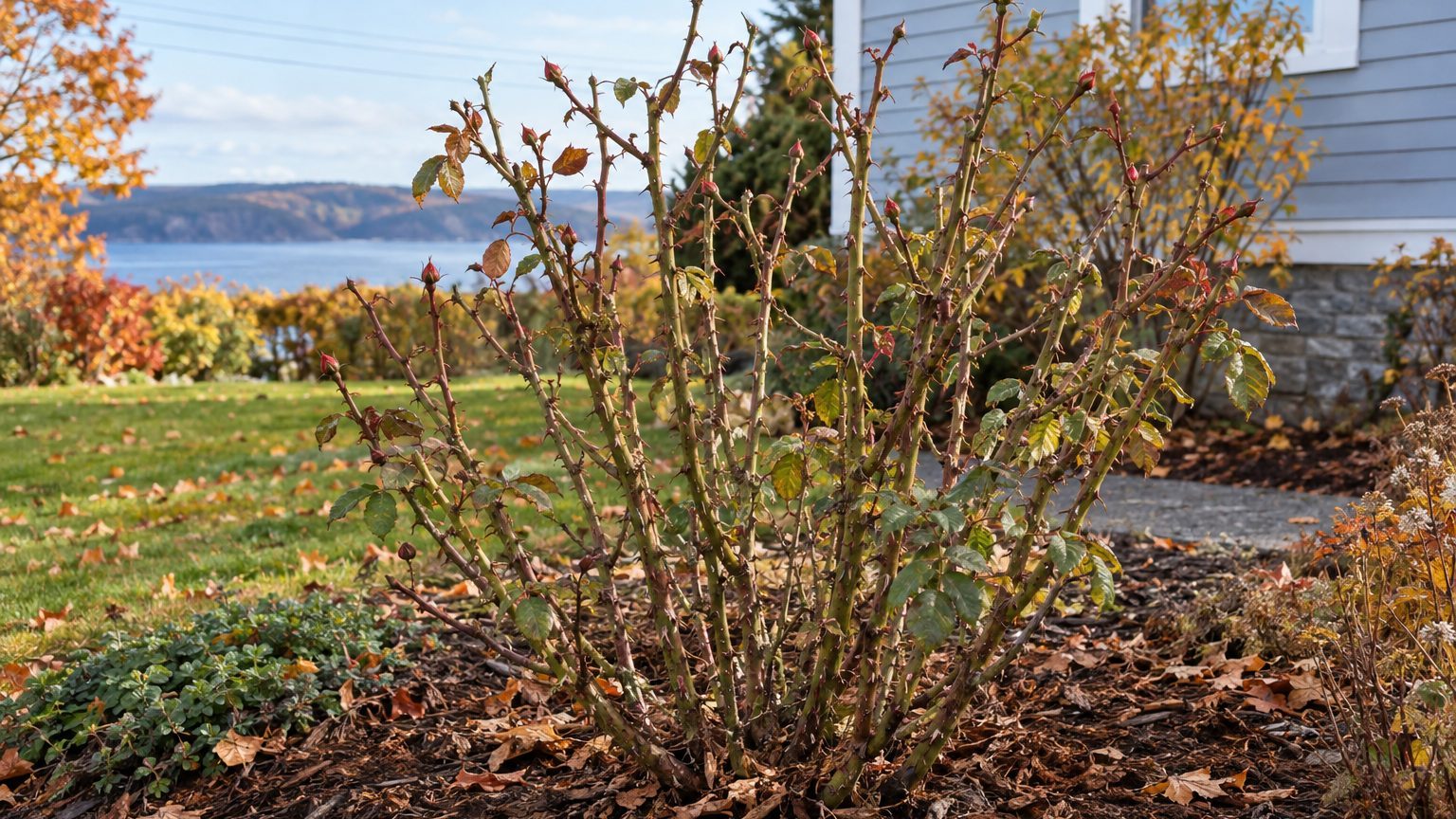
Rose canes at pruning time

Prune repeat-blooming roses in April or May. The province has no local rose-timing guidance of its own, so these months follow northern New England, which has a comparable climate. Confirm local timing with a garden centre, a rose society or a provincial gardening group.

Roses that bloom once a year are the exception, because they flower on last year’s wood and a spring cut removes the flowers. They are pruned right after they bloom.

Type of rose When to prune in Newfoundland and Labrador Why
Hybrid teas, floribundas, modern shrub roses April to May, or March if growth has started They bloom on new wood, so a spring cut shapes the growth that will carry the flowers
Old garden roses, once-blooming climbers Right after flowering, never in spring They flower on last year’s wood, so a spring cut removes the season’s blooms

Repeat-blooming climbers are not covered by a month of their own here, so treat them by their habit: if they flower again later in the season, cut them with the repeat bloomers in spring. For repeat-blooming roses, wait until shoots are several inches long before cutting, since a cut made too soon can leave a bud-killed cane with nothing to show for it.

How to Tell When Your Roses Are Ready to Prune

The plant gives clearer signals than the calendar, and a cold spring can hold the buds back well into the window.

  • Swelling buds along the canes mean the rose has woken up, and you can now see which wood survived the winter.
  • New shoots several inches long show that growth is active, which is the point to start cutting repeat bloomers.
  • Winter mulch or mounded protection comes off in May, or April in a mild spring, before new growth begins, so the canes can be inspected properly.
  • Canes that stay brown and brittle with no swelling buds are dead, and you can cut them back to green wood with a white or pale center.
  • Once hard freezes are behind you, a fresh cut is less likely to be followed by frost damage on tender new growth.

Cut each stem just above an outward-facing bud, and take out anything dead, damaged or crossing before shaping the rest.

Should You Prune Roses in Fall or Winter in Newfoundland and Labrador?

No. Fall is for tidying, not for real pruning. A hard cut in autumn invites new growth that will not toughen up before winter.

Winter protection goes on in late November, after hard frosts have killed the leaves. Hybrid teas, floribundas and grandifloras need that cover in cold winters, while hardy shrub roses such as Knock Out or the Explorer series do well without extra protection. The real pruning waits for spring, once the canes show where they are alive.

How Rose Pruning Dates Shift Across Newfoundland and Labrador

The province is not one climate, and the dates slide with the coast and with how far north the garden sits.

  • St. John’s: The last spring frost falls on average around May 30, which is a midpoint rather than a safe date. Wait for the buds rather than rushing at the first mild days, and the Canadian hardiness zone here is 6a.
  • The Avalon coast: fog and cold ocean air keep spring slow, so pruning leans toward May rather than April.
  • Labrador and northern districts: Spring arrives weeks behind St. John’s, so pruning moves to the later end of the window, and roses must be hardy enough for local winters.

Treat the months as a guide and let the buds in your own yard make the final call.

Where to Get Rose Advice in Newfoundland and Labrador

Local help comes from provincial resources and nearby growers. The Newfoundland and Labrador Department of Fisheries, Forestry and Agriculture is the starting point for provincial guidance.

  • The provincial department is the place to look for general growing guidance, and early spring is a good time to ask before the pruners come out.
  • A local garden centre can tell you which roses have wintered well in your neighbourhood, so visit before buying or pruning in April.
  • A rose society or local gardening group can confirm local timing.

Common Questions

Can You Prune Roses in March in Newfoundland and Labrador?

It can be done for repeat-blooming roses, especially if the plant is showing active growth. Late winter while the rose is still dormant is the outer limit, so April and May remain the safer months.

When Should You Plant Bare-Root Roses in Newfoundland and Labrador?

April and May suit bare-root roses, while potted roses can go in later. Planting in those months lets the roots settle before summer.

When Should You Feed Roses in Newfoundland and Labrador?

Feed monthly from April through July, with August as a possible last round. Stopping by August keeps late soft growth from forming that would not harden off before winter.

When to Plant Roses in Newfoundland and Labrador: Dates and Varieties

When to Plant Roses in Newfoundland and Labrador: Dates and Varieties

Bare-root roses arrive in the mail while the garden is still cold and brown, and an early job of the season is to get them into the ground before buds push. In Newfoundland and Labrador, that window opens in spring and stays fairly narrow, so timing matters as much as the rose you choose.

When to Plant Roses in Newfoundland and Labrador

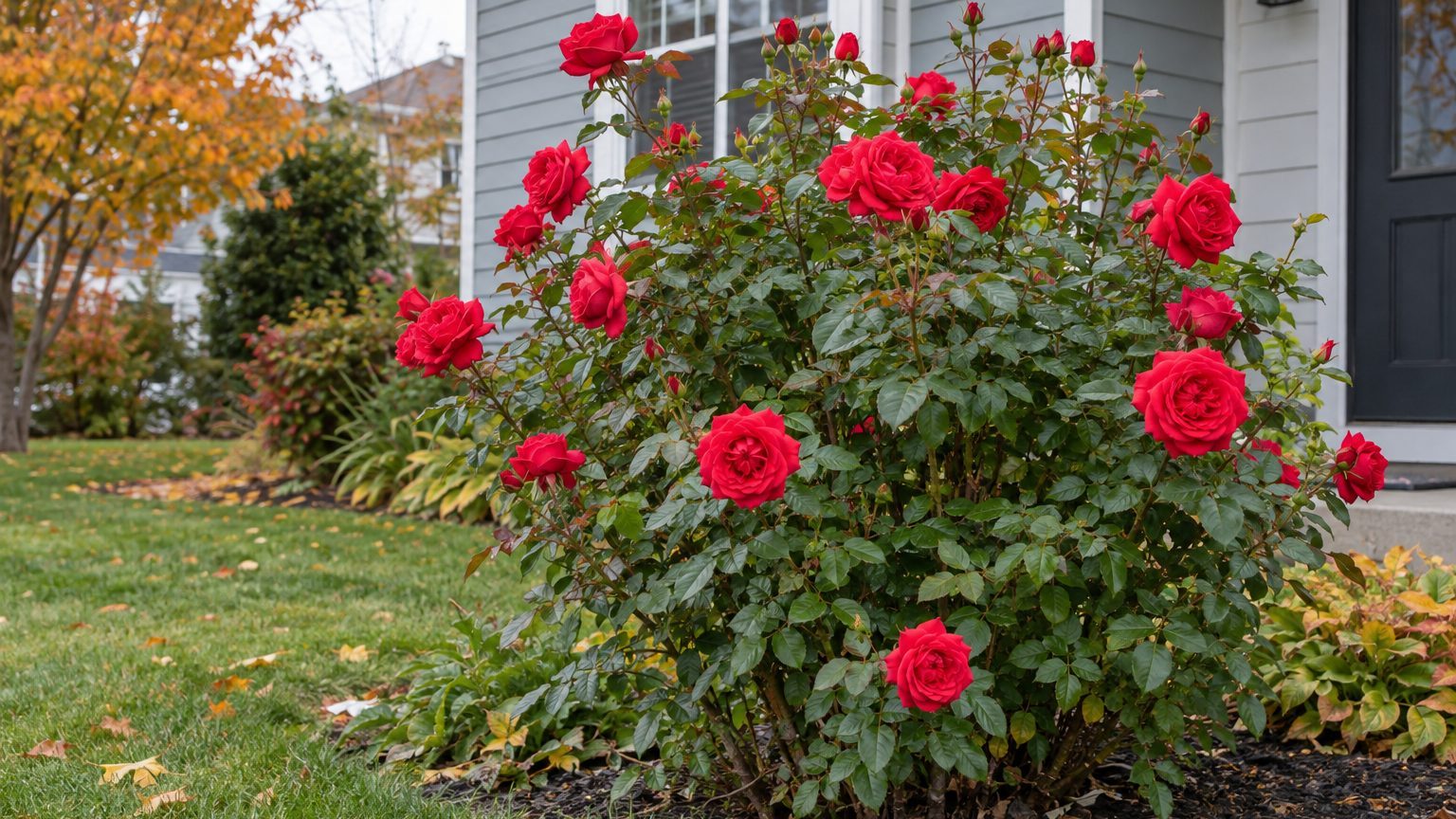
A rose bush in bloom in a home garden

Bare-root roses go in first, in April and May, while they are still dormant, and potted roses can follow once the weather settles. In St. John’s, the last spring frost falls on average around May 30, which means frost can still arrive after that date in roughly half of all years.

  • In April and May, plant bare-root roses while the canes are dormant, before the buds open.
  • After the middle of spring, set out potted roses once the danger of frost has eased, since they already carry leaves.
  • From April through July, feed monthly to carry the plant through its early growth, and keep a cloth or bucket handy for a surprise frost near the end of May.
  • In late summer, ease off the fertilizer so new shoots can harden before cold arrives. In St. John’s, the first fall frost averages October 17, and soft growth does poorly against it.
  • In November, after hard frosts have killed the leaves, mound protection around the base of tender roses.

St. John’s sits in Canadian hardiness zone 6a, a Canadian rating that does not convert to a USDA zone. In the St. John’s area, the May 30 and October 17 figures are midpoints, not safe dates. Dates for northern or upland districts run weeks behind the reference city.

Which Roses Grow Best in Newfoundland and Labrador?

Choose hardy, tough types for this climate. Shrub roses, floribundas, polyanthas, hybrid perpetuals and many old-fashioned roses stand up to winter better than hybrid teas and grandifloras, which want protection in cold winters. That is the pattern described for a comparable cold climate.

The Canadian Explorer series, named for explorers such as Champlain, Cabot and Kelsey, includes shrub and climbing roses bred for cold winters.

Rose type How it does in Newfoundland and Labrador Why
Explorer series shrubs and climbers Reliable, and they need no extra protection Bred for cold winters
Shrub roses such as Knock Out Perform well without extra protection Tough canes that handle cold winters
Floribundas and polyanthas Hold up better than hybrid teas More winter hardy
Old garden roses Good hardiness, one flush a year More winter hardy, bloom on last year’s wood
Hybrid teas and grandifloras Need winter protection Less hardy in cold winters

Once-blooming roses, which include old garden roses, ramblers and many climbers, flower on last year’s wood, so prune them right after they bloom and never in early spring.

When to Prune, Feed and Protect Roses in Newfoundland and Labrador

The year’s main rose-care jobs follow the growing season. These dates follow the nearest comparable climate, northern New England, because no local rose-timing guide exists for this province. Confirm local timing with a garden centre, a rose society or a provincial gardening group.

Task Best months in Newfoundland and Labrador Why then
Prune repeat-blooming roses April and May, or March Wait until active growth, when shoots are several inches long
Plant bare-root roses April and May Planted dormant, before buds open
Feed roses April through July, or August Monthly feeding starting in spring and stopping in August
Put on winter protection November Late November, after hard frosts have killed the leaves
Take off winter protection May, or April Early May, before new growth begins

Stopping feed in August matters because late growth may not harden off before winter. Hybrid teas, floribundas and grandifloras need the November mound, while hardy shrub roses and Explorer types usually manage without it.

How Rose Care Dates Change Across Newfoundland and Labrador

The province is large, and the ocean shapes the season more than the calendar does. The frost figures are anchored to St. John’s, so use local conditions elsewhere in the province.

  • St. John’s and the Avalon Peninsula: The frost figures in this article come from St. John’s, so use local conditions elsewhere on the peninsula.
  • Western and central Newfoundland: Inland districts can swing warmer in summer and colder in winter, so wait a little longer in spring before the bare-root planting.
  • Labrador: The season runs behind St. John’s, so use local soil and bud conditions within the planting and protection-removal windows, and choose roses hardy enough for local winters.

Whatever the district, watch the buds and the weather rather than the date alone.

Where to Get Rose Advice in Newfoundland and Labrador

For local help, turn to provincial resources and nearby gardeners. The provincial Department of Fisheries, Forestry and Agriculture is a starting point, along with garden centres and rose societies.

  • The provincial department can point you to resources on soil and plant problems, so contact them in early spring before planting.
  • Local garden centres know which hardy roses they stock and can offer planting advice.
  • A rose society or gardening group can confirm local timing, which helps if you garden well away from St. John’s.

Common Questions

Can You Plant Potted Roses Later than Bare-Root Roses?

Yes. Potted roses can go in after the bare-root window, once frost danger has eased, because they already carry leaves and roots in soil.

Do Roses Need Winter Protection in Newfoundland and Labrador?

Tender types such as hybrid teas do, applied in November. Hardy shrub roses, including Knock Out and the Explorer series, generally do not.

Should You Prune Climbing Roses in Spring?

Only if they repeat bloom. Once-blooming climbers flower on last year’s wood, so prune them right after flowering.

The almanac, state by state. Every date on this site comes from a state’s own frost facts and its extension service’s calendar — and says where it comes from.