Skip to content
  1. Jan
  2. Feb
  3. Mar
  4. Apr
  5. May
  6. Jun
  7. Jul
  8. Aug
  9. Sep
  10. Oct
  11. Nov
  12. Dec
State
Newfoundland and Labrador
Hardiness zones
6a
Last spring frost
May 30
First fall frost
October 17
Annual rain
60 in
Lawn zone
cool-season
Source
Environment and Climate Change Canada — Canadian Climate Normals 1981-2010, station ST JOHN'S A · St. John's

The year in Newfoundland and Labrador, from the calendar

  1. Jan—
  2. Feb—
  3. MarRenew an overgrown lilac · Prune fruit trees
  4. AprSpring bulbs bloom · Lilacs bloom · Renew an overgrown lilac · Feed roses · Plant roses
  5. MaySpring bulbs bloom · Feed hydrangeas · Plant hydrangeas · Lilacs bloom · Prune lilacs
  6. JunPlant hydrangeas · Prune bigleaf hydrangeas · Prune lilacs · Peonies bloom · Feed roses
  7. JulFeed hydrangeas · Prune bigleaf hydrangeas · Feed roses · Mow · Water
  8. AugPlant hydrangeas · Seed the lawn · Plant peonies · Dethatch · Mow
  9. SepPlant hydrangeas · Seed the lawn · Plant peonies · Aerate · Dethatch
  10. OctPlant spring bulbs · Mow · Plant trees
  11. NovCut back peonies · Protect roses for winter
  12. DecCut back peonies

From the state frost facts and extension calendars: University of New Hampshire Extension ; University of New Hampshire Extension · Cornell Cooperative Extension (Monroe County) · Clemson HGIC factsheet — Hydrangea · Guelph Turfgrass Institute (University of Guelph) — Spring care tips for your yard.

Best Spring Bulbs for Newfoundland and Labrador

Best Spring Bulbs for Newfoundland and Labrador

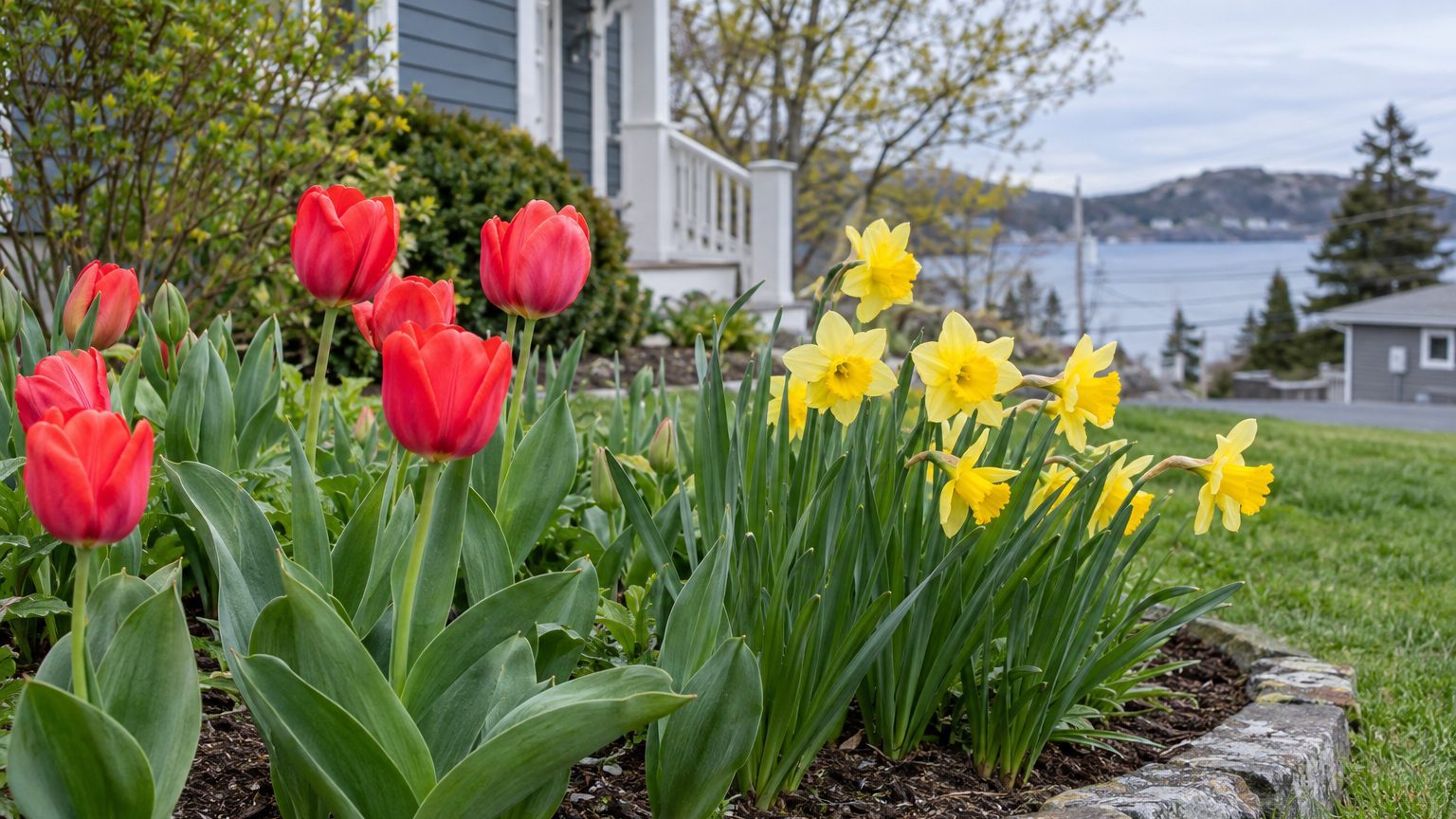
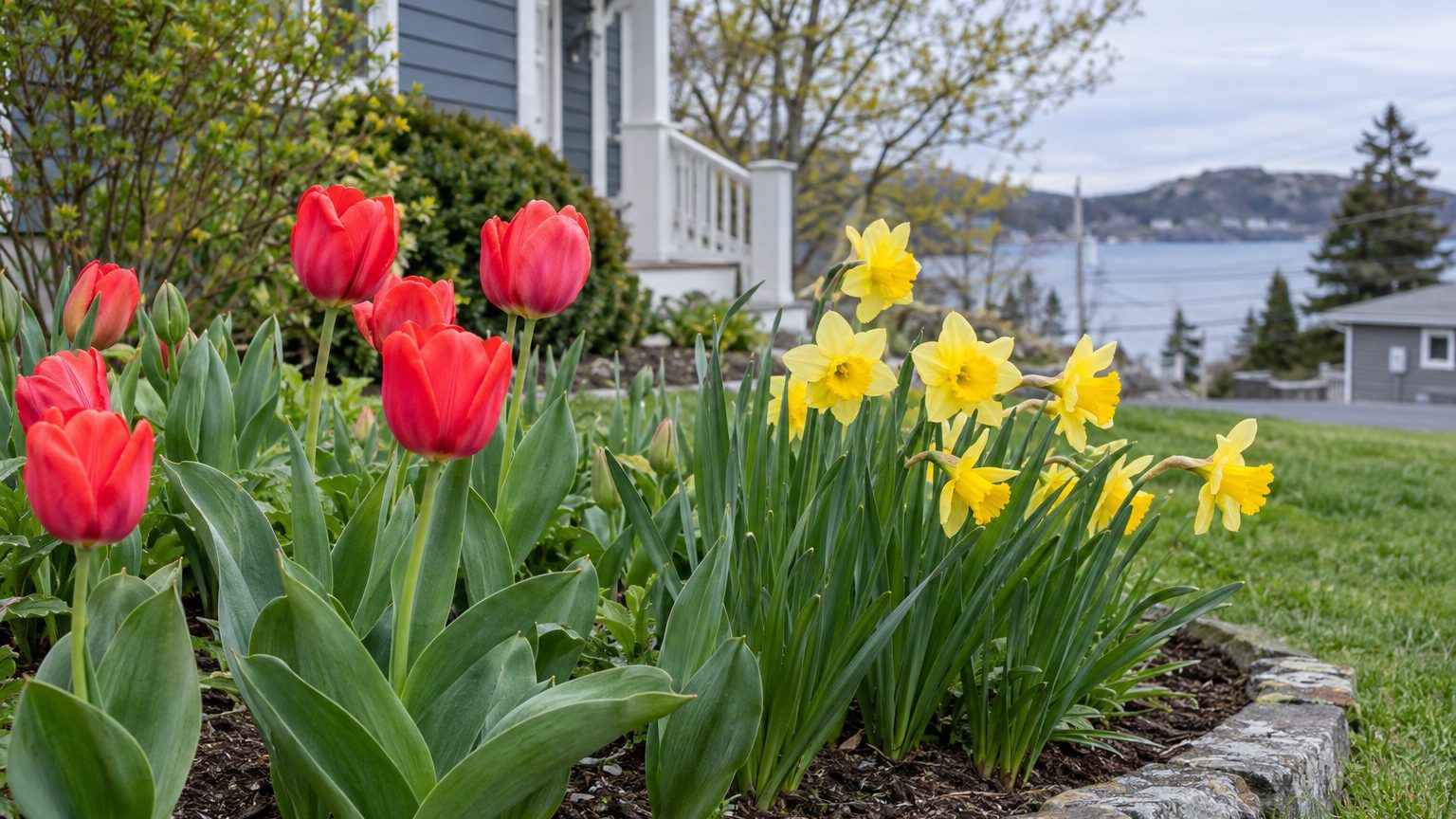
Daffodil shoots pushing through cold, wet ground are the first green in a Newfoundland and Labrador yard, and they come back with little help from you. Spring bulbs suit this province well because its winters give them the cold they need. The real choices are which bulbs to plant, when, and how to keep animals from eating them.

Best Spring Bulbs to Grow in Newfoundland and Labrador

Healthy spring bulbs in bloom

Daffodils are the dependable core, with Fosteriana tulips, alliums and crocus filling in around them. In St. John’s the Canadian hardiness zone is 6a (a Canadian system that does not convert to a USDA zone), and this province’s winters supply the long cold that spring bulbs need. October is the month to plant.

Daffodils

Daffodils do well across the province, and they are the more reliable perennial bulb because they last longer than tulips. They also naturalize well, especially in partly shady spots under trees or along a fence.

Leave the leaves in place after bloom until they turn brown, and remove only the faded flowers. The leaves feed the bulb for next year, so cutting or tying them green means a thinner show.

Fosteriana Tulips

Tulips are often short-lived in the garden, but Fosteriana tulips perennialize well. That makes them the tulip to choose if you want a clump that returns instead of a bed you replant every fall.

Plant them in October like the rest. Treat the leaves as you would daffodil leaves, and let them yellow before you tidy.

Alliums

According to Iowa State University Extension, alliums, the ornamental onions, need the cold of winter to bloom. They flower at the tail end of the bulb season, after the daffodils and tulips have faded.

Daffodils are left alone by voles, squirrels, rabbits and deer. They fill the gap in a bed once the earlier flowers go over.

Crocus

Crocus are a small, early bulb that suits a lawn edge or a front path. Voles, squirrels, rabbits and deer will eat them, along with tulips.

Plant them where you can watch them, or tuck them among daffodils, which animals leave alone. Daffodils can even serve as deer training plants that steer browsing away from tender plants.

How to Choose Spring Bulbs for Your Newfoundland and Labrador Garden

Your choice depends mostly on the spot and on who else visits the yard. At St. John’s, the last spring frost falls on average around May 30, which means frost comes later than that in one year out of two. Treat it as a marker of frost risk, not as a planting date, because bulbs go in during the fall.

Match the bulb to the problem you actually have.

Your situation What suits it in Newfoundland and Labrador Why
Very cold winter Daffodils They are hardy and the more reliable perennial bulb
Partly shady spot Daffodils They naturalize well in partly shady areas
Deer, voles or squirrels visit Daffodils and alliums instead of tulips and crocus Daffodils are left alone, and tulips and crocus are eaten
Want bulbs that return Daffodils or Fosteriana tulips Fosteriana tulips perennialize, while most tulips fade sooner
Want a late bloom Alliums They flower at the end of the bulb season and need the cold of winter to bloom

If you are drawn to ordinary tulips, plant them for the show and expect to replace some. Bulbs that need a long cold are no concern in this province.

Which Spring Bulbs Suit Different Parts of Newfoundland and Labrador

A province is not one climate, and bulb choice shifts a little between the Avalon and the far north.

  • St. John’s and the Avalon Peninsula: the dates in this article fit best here, so October planting and an April to May bloom are the usual pattern for daffodils and tulips. Fosteriana tulips and alliums are reasonable additions alongside daffodils.
  • Labrador and the Northern Peninsula: spring runs behind St. John’s, so bloom arrives later and frost lingers longer. Lean on daffodils and plant in October so roots settle before the ground freezes.

Wherever you garden, the bulbs hold their buds underground until the soil warms, so a late spring delays flowers without harming them.

Spring Bulb Buying Mistakes to Avoid in Newfoundland and Labrador

Counting on Tulips to Last

Tulips are often short-lived, and a bed of mixed tulips can thin out within a few seasons. That is money spent again every fall for a modest return.

Put daffodils or Fosteriana tulips in the spots you want to stay full, and keep ordinary tulips for pots and accent beds.

Planting Before the Soil Cools

Bulbs set in warm soil can sprout in the fall and spend energy that should go to roots. Wait until the soil has cooled below about 15°C (60°F), then plant in October so the roots form before the ground freezes.

Leaving Tulips and Crocus Exposed

Voles, squirrels, rabbits and deer eat tulips and crocus, and a bed can disappear before it ever blooms. If browsers visit, favor daffodils, and mix them among the tulips and crocus you still want. Daffodils are left alone and can draw browsing away from other plants.

Where to Get Spring Bulb Advice in Newfoundland and Labrador

Canada has no county extension office, so local help comes from the provincial agriculture department, local gardeners and the garden centre. Planting dates here follow the nearest comparable climate, so confirm local timing before you buy.

  • The provincial agriculture department can point you to growing information for the province, at any time of year.
  • A local garden centre or garden society can confirm timing for your own district, ideally before October planting begins.
  • A local master gardener group or provincial gardening group is a good place to ask which bulbs have held up in your area.

Common Questions

When Do Tulips and Daffodils Bloom in Newfoundland and Labrador?

Bloom runs through April and May, with the hardiest early bulbs able to open in March. Later bulbs come on in late April and May, and a cold spring pushes the show back.

Can You Plant Spring Bulbs in November or December?

Yes, if the ground is not frozen. October is better because roots have time to form, but a bulb still in the bag is better planted late than stored over the winter. Plant for as long as the soil can be dug.

Do You Need to Chill Bulbs in the Refrigerator?

Most spring bulbs need about 12 to 16 weeks of cold to flower, and a Newfoundland and Labrador winter supplies it. Fridge chilling is for tulips and hyacinths where winters are too mild, so you can plant straight into the ground.
When Do Tulips and Daffodils Bloom in Newfoundland and Labrador?

When Do Tulips and Daffodils Bloom in Newfoundland and Labrador?

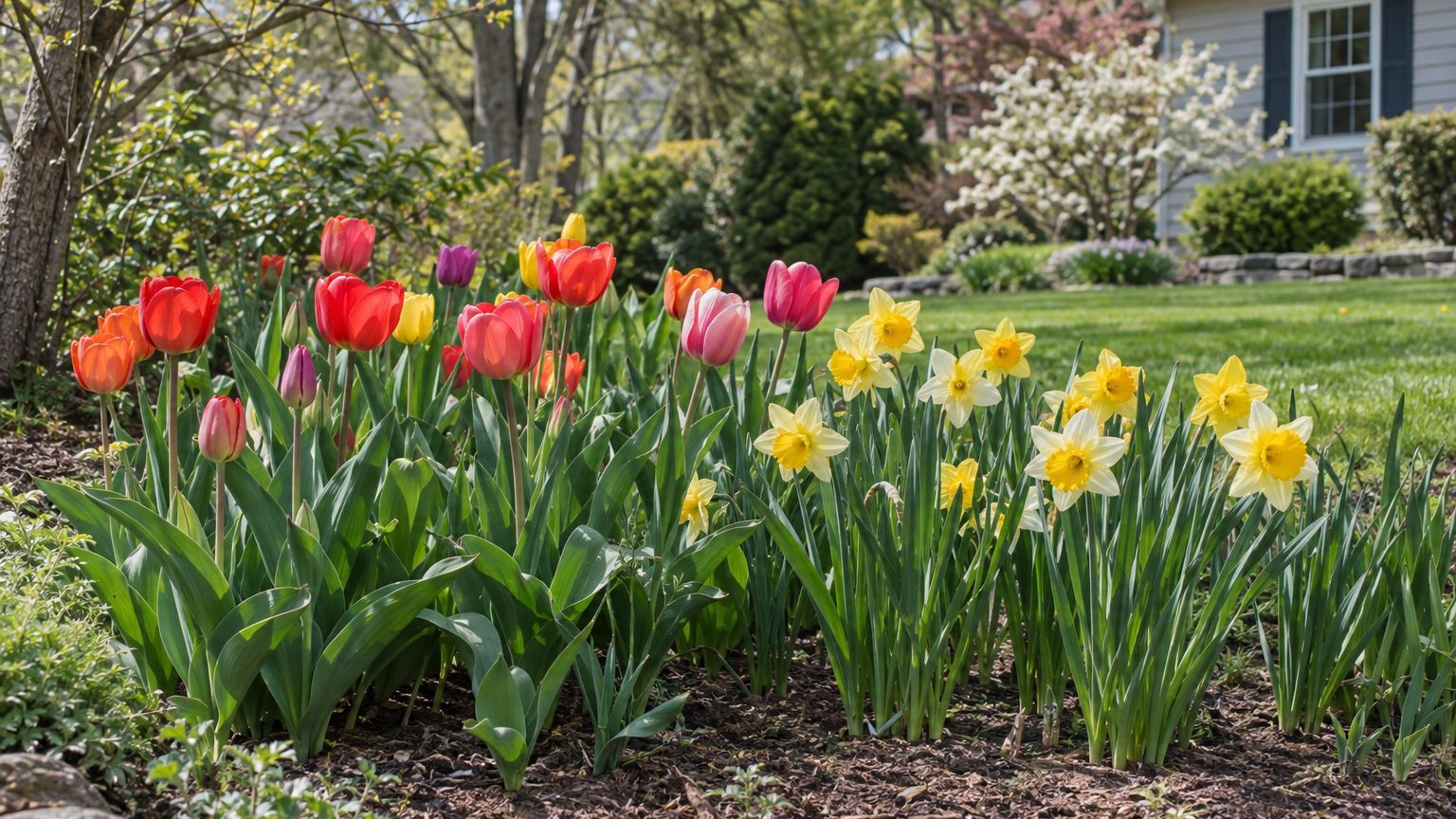
Daffodil tips poking through cold, wet ground are one of the first signs that spring is really on its way in Newfoundland and Labrador. Tulips follow with fat buds that color up on the first mild days.

When Do Tulips and Daffodils Bloom in Newfoundland and Labrador?

When Do Tulips and Daffodils Bloom in Newfoundland and Labrador?

Tulips and daffodils bloom in April and May, and the earliest hardy bulbs can start in March. This province has no local extension page on bulb timing, so these months follow the nearest comparable climate. Confirm local timing with a garden centre, a garden society or a provincial gardening group.

Bulb When it blooms in Newfoundland and Labrador What sets the timing
Earliest hardy bulbs, including some daffodils March A mild spell that warms the soil early
Later daffodils and tulips Late April and May Steady spring warmth after a full winter of cold

Early tulips, hyacinths and crocus have no month of their own here. Like every bulb, they open when spring warmth reaches them. Alliums come at the tail end of the season, and according to Iowa State University Extension, they need the cold of winter to bloom. Most other spring bulbs need about 12 to 16 weeks of cold to flower, which is why fall planting matters. For hardiness, St. John’s sits in zone 6a on the Canadian system, which is not a USDA zone and does not convert to one.

How to Tell Your Bulbs Are About to Bloom

Bulbs announce themselves in stages, and a cold snap can slow every one of them without harming the plant.

  • Pointed green tips breaking the soil mean the roots are active, so leave them alone and let the weather do the work.
  • Leaves that widen and stand upright show the bulb is building toward a flower, so a bed with leaves but no bud is worth checking again soon.
  • A bud rising between the leaves means bloom is close, and daffodil buds usually sit in a papery sheath until they open.
  • Tulip buds that show color while still closed will open on the next mild day, which is the moment to enjoy them before wind and rain arrive.
  • Gaps where shoots should be, with soil disturbed around them, point to voles or squirrels, which go after tulips and crocus but leave daffodils alone.

A bulb that sends up leaves and no bud is often a young or crowded one, and it may flower the following spring.

What to Do After Tulips and Daffodils Bloom in Newfoundland and Labrador

Remove only the faded flowers and leave the leaves on the plant. The leaves feed the bulb for next year’s bloom, so they stay until they turn yellow and then brown. Never tie them in knots or cut them back while they are green, even when they look untidy.

Tulips are often short-lived in the garden, so expect fewer flowers as the years pass and plan to add new bulbs in fall. Daffodils last longer and are the more reliable perennial bulb. They also naturalize well in partly shady spots, where they can be left to spread.

Planting new bulbs is a fall job, and October is the usual month so roots form before the ground freezes. If bulbs are still unplanted after that, put them in as long as the ground can be dug. November or December still works if the soil has not frozen.

How Bloom Time Shifts Across Newfoundland and Labrador

A province this large is not one climate, and bloom shifts with where you garden.

  • St. John’s: The last spring frost falls on May 30 on average, which is the midpoint of a window and not a safe date. In half of all years, frost arrives later than that.
  • Labrador: Spring arrives later in the north, so bulbs here flower toward the back end of the April to May range, or after it.
  • Upland districts on the island: Higher, more exposed ground warms more slowly than the coast at St. John’s, so bloom runs behind.

Watching your own beds each year gives a better guide than any regional average.

Where to Get Bulb Advice in Newfoundland and Labrador

Canada has no county extension office, so local advice comes from the province and from people who garden nearby. The provincial Department of Fisheries, Forestry and Agriculture is a starting point for questions about growing conditions.

  • Provincial department: Ask about growing conditions and local resources whenever a bulb question comes up.
  • Garden centres: Visit in early fall, when bulbs are in stock, and ask what has worked locally for planting in October.
  • Garden societies and gardening groups: Join one before spring to compare notes on when neighbors see their first blooms.

Common Questions

When Should You Plant Tulips and Daffodils in Newfoundland and Labrador?

October is the target, once the soil has cooled below about 16°C (60°F). Roots then have time to form before the ground freezes, and the bulbs do not sprout too soon.

Can You Plant Bulbs That Are Still in the Bag?

Yes, and planting late beats storing them. Put them in as long as the ground can be dug. A bulb that is still in the bag is better planted late than stored over the winter.

Which Bulbs Do Animals Leave Alone?

Voles, squirrels, rabbits and deer eat tulips and crocus, but daffodils are left alone. Planting daffodils around tulips can help protect more tempting plants from browsing.

When to Plant Tulips and Daffodils in Newfoundland and Labrador

When to Plant Tulips and Daffodils in Newfoundland and Labrador

Daffodil and tulip shoots appearing through cold ground in spring were put there by work done the autumn before. In Newfoundland and Labrador, that work is planting in October, before the ground locks up. The timing, the bulbs that last and the local differences are covered here for this province.

When to Plant Tulips and Daffodils in Newfoundland and Labrador

When to Plant Tulips and Daffodils in Newfoundland and Labrador

Plant spring bulbs in October, with November and even December as a fallback while the soil can still be dug. Planting dates here follow the nearest comparable climate, so confirm local timing with a garden centre, a garden society or the provincial gardening groups. A bulb’s autumn runs roughly like this:

  • In early autumn, buy your tulips and daffodils while the selection is good, and keep them somewhere cool and dry until the soil cools.
  • Through autumn, skip the refrigerator. Winters here give the cold that bulbs need, so no pre-chilling is needed.
  • In October, plant the bulbs so the roots form before the ground freezes.
  • In November and December, if bulbs are still waiting and the ground is not frozen, plant them anyway, because a late bulb in the soil beats one left in the bag.
  • After the ground turns cold, spread mulch over the bed to even out the freezing and thawing.
  • In early spring, the first shoots push up, with flowers following from April into May.

The first fall frost arrives around October 17 on average in the St. John’s area (Canadian hardiness zone 6a), and in half of years it comes later. Frost is not a signal to stop planting, since bulbs can still go in afterward.

Which Spring Bulbs Do Best in Newfoundland and Labrador?

Daffodils are the dependable choice here. Tulips, crocus, alliums and hyacinths all grow in cold ground too, but animals and short lifespans change how much you get from each.

Most daffodils are very hardy, which says plenty about how well they handle a cold climate. Winter cold is not the limit on this island, so the real questions are browsing animals and how long a bulb lasts.

Bulb type How it does in Newfoundland and Labrador Why
Daffodils Reliable, and they last for years Animals leave them alone and they naturalize well, especially in partial shade
Tulips Lovely, but often short-lived Voles, squirrels, rabbits and deer eat them
Crocus Good for early color, but needs protection The same animals that go after tulips go after crocus
Alliums Easy to bloom They need the cold of winter to bloom, and they carry the display to the end of the spring season

Hyacinths are planted on the same October schedule. Fosteriana tulips are reported to perennialize well here, so they are the tulip group to try if you want bulbs that come back.

When to Plant, Chill and Care for Spring Bulbs in Newfoundland and Labrador

Plant when the soil has cooled below about 16°C (60°F), early enough for roots but late enough that bulbs do not sprout in the fall. Most spring bulbs need around 12 to 16 weeks of cold to flower, and winters in this province supply it without help.

Task Best timing in Newfoundland and Labrador Why then
Plant October, or November and December if the ground can still be dug Roots form before the ground freezes
Chill Not needed here Natural winter cold does the job in the ground
Leave the foliage After bloom, for as long as the leaves are green The leaves feed the bulb for next year

Remove only the faded flowers after bloom, and let the leaves turn brown before you take them off. A bulb that never got planted still goes in whenever the ground can be dug.

How Bulb Planting Time Changes Across Newfoundland and Labrador

Newfoundland and Labrador is not one climate, so a planting date that suits one town can be early or late in another. Plant toward the front of the October window where the cold arrives sooner.

  • St. John’s and the Avalon Peninsula: The ocean keeps the ground from cooling quickly, so October planting works well and November planting is a reasonable fallback.
  • Gander and central Newfoundland: Inland ground cools sooner than the coast, so plant in early October and do not leave it to the end of the window.
  • Corner Brook and the west coast: Treat this as coastal ground for timing, and watch the soil for the cool-down before you plant.
  • Labrador, including Happy Valley-Goose Bay: Winter settles in earlier and harder here, so plant as early in October as the soil allows, and skip the late fallback months.

A soil thermometer set a few inches down settles the question wherever you garden.

Where to Get Bulb Advice in Newfoundland and Labrador

Canada has no county extension offices, so local advice comes from the province, from gardening groups and from garden centres that know the local soil and weather.

  • The Newfoundland and Labrador Department of Fisheries, Forestry and Agriculture is the place to ask about soil testing and plant problems.
  • A local garden society or master gardener group can tell you which bulbs have lasted in your neighbourhood, and they are good to ask before you buy.
  • A garden centre can confirm when to plant in your area, so ask before October arrives.

Common Questions

Can You Grow Daffodils in Partial Shade?

Yes. Daffodils are reported to naturalize well in partly shady areas here, so a spot under deciduous trees works. The same planting schedule applies there as in sun.

Can Daffodils Protect Tulips from Deer?

Daffodils are used here as deer training plants to protect more tempting plants from browsing. Planting daffodils around a bed of tulips follows that idea, though it is not a guarantee.

Will Spring Bulbs Survive a Newfoundland and Labrador Winter?

Yes. Most daffodils are very hardy, and the Canadian zone for the St. John’s area is 6a. That is a different system from the American one, so the two numbers cannot be swapped.

Best Grass Seed for Newfoundland and Labrador

Best Grass Seed for Newfoundland and Labrador

Fine fescue and Kentucky bluegrass both settle in well where summers stay mild and fog rolls in off the water. Seed choice here comes down to cool-season grasses, a shady or windy yard, and a seeding window in late summer.

Which Grass Grows Best in Newfoundland and Labrador?

Cool-season grasses suit the province, because they grow in mild, damp weather and rest through long winters. Heat-loving grasses have no place here. St. John’s sits in Canadian hardiness zone 6a (a Canadian rating, not a USDA zone), and inland and northern districts are colder. The cool-season grasses below offer different strengths and tradeoffs.

Fine Fescues

Creeping red, chewings and hard fescue are the workhorses for a cool, foggy coast. They tolerate shade, thin soil and low fertility better than bluegrass, and they stay fine-leaved with little mowing.

Choose them for yards under spruce or birch, and for exposed spots where you would rather not feed the lawn often.

Kentucky Bluegrass

Bluegrass handles cold winters well and spreads by underground runners, so it fills small bare patches on its own. It wants full sun and regular feeding to look its best.

It is slow to sprout, so give it patience and keep the seedbed damp. It pairs well with fine fescue in a mix.

Perennial Ryegrass

Ryegrass sprouts fast, which is handy for patching a worn path or holding soil on a new slope. It is less hardy than bluegrass or fine fescue, and a hard, open winter can thin it.

Use it as a minor part of a mix rather than the whole lawn.

Tall Fescue

Tall fescue makes a tough, deep-rooted lawn that stands up to foot traffic, with a coarser leaf than the others. Its cold tolerance in the north of the province is the open question.

It suits the milder, sheltered gardens of the Avalon better than exposed or upland ground. Seed it in a clump-resistant blend and expect a rougher look.

How to Choose Grass Seed for a Newfoundland and Labrador Yard

Start with the light your yard gets, then think about how it is used. A play area and a shady side yard call for different grasses, and so does a lawn you water regularly versus one left to the rain.

Even in a damp climate, a dry stretch in June, July or August is when a hose pays off.

Your yard Grass Why
Shade under trees Fine fescues They keep growing in low light
Full sun, tidy look Kentucky bluegrass Dense turf that repairs itself
Heavy foot traffic Tall fescue Sturdy blades and deep roots
Quick cover on bare soil Perennial ryegrass Sprouts faster than the rest
Little mowing or watering Fine fescues Slow growth and modest needs

A yard may have sun in one corner and shade in another, so a blend of fine fescue and bluegrass can cover both. Read the tag and pick a blend named for the light you have rather than one that promises everything.

Which Grasses Grow Where in Newfoundland and Labrador

The island and the mainland feel very different, and the gap changes which grass you lean on and when you sow.

  • Avalon Peninsula: St. John’s and nearby towns have cool summers and a lot of fog, which suits fine fescue and bluegrass. Spring comes slowly, so wait for the soil to warm before spring seeding.
  • Central Newfoundland: Gander and the interior run colder in winter and warmer in summer. Choose bluegrass and fine fescue blends and expect later spring growth than on the coast.
  • West coast around Corner Brook: Winters bring deep snow and summers are milder, so lawns are slow to green but well insulated. Snow mold can show in spring, so check which grass has recovered before reseeding.
  • Labrador: Happy Valley-Goose Bay and Labrador City have a much shorter growing season. Fine fescue is the dependable pick, and seeding should start in the warmest part of summer.

Anywhere in the province, a hill facing the wind dries and cools faster than a sheltered hollow, so match the grass to your own corner.

Grass Seed Mistakes to Avoid in Newfoundland and Labrador

Seeding at the Wrong Time

August and September are the months to sow, when soil is warm and the seed has time to root before winter. Seeding also works in May, though weeds compete harder and frost can still come after May 30 in about half of years at St. John’s.

If you miss the window, November seed laid on cold soil sprouts in spring.

Burying the Seed Too Deep

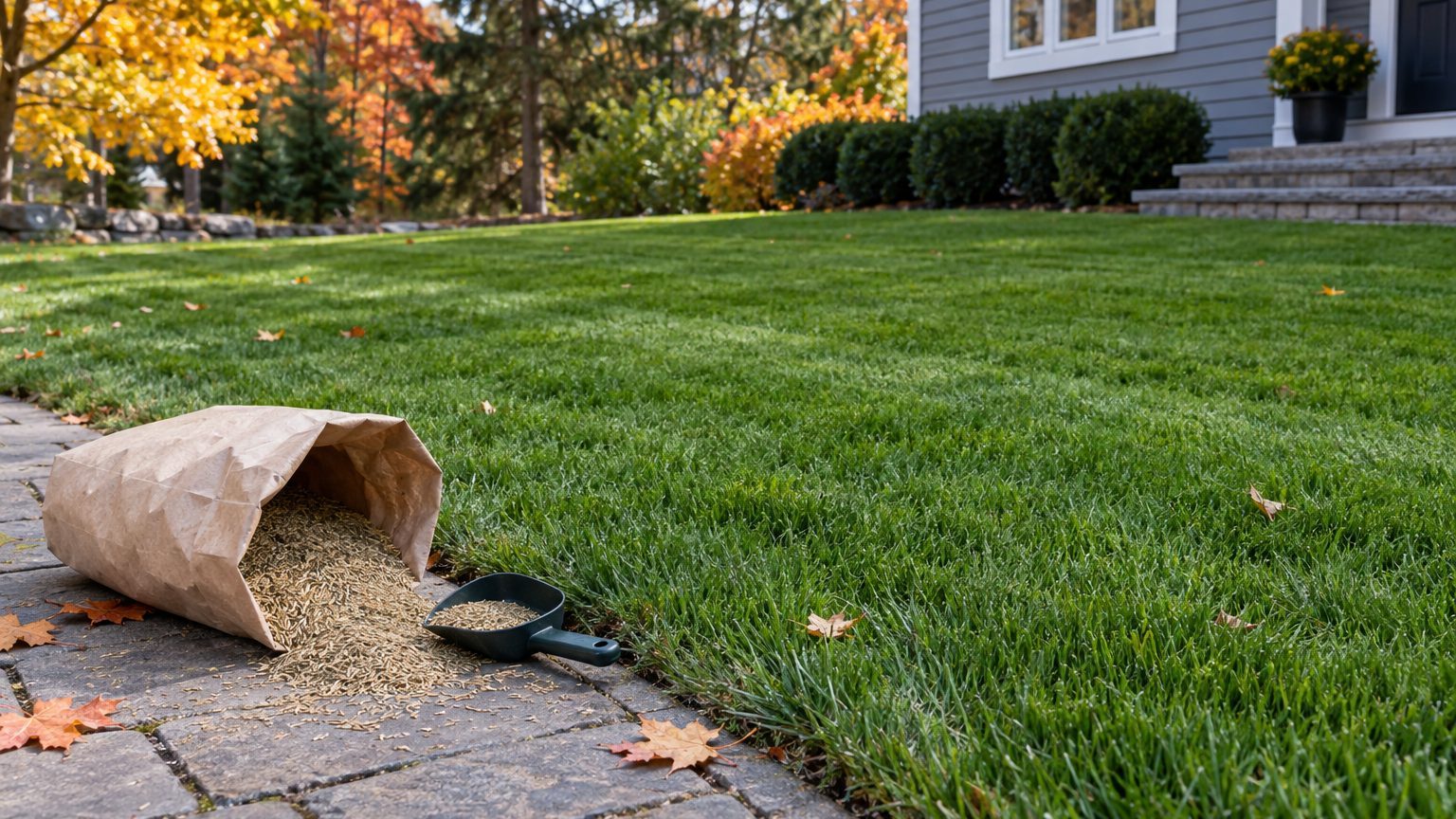
Grass seed needs firm contact with the soil to establish. Cover it with no more than 6 mm (0.25 inch) of soil, or rake it in lightly, then press it down so it touches the ground. Seed buried too deeply may fail to emerge.

Buying a Mix That Does Not Fit

Bags labeled for hot, dry regions often hold grasses that struggle here. Look for the cool-season species above on the label, and skip mixes heavy in ryegrass if your yard is exposed.

Seed rates on the bag are a sound guide. Sowing thicker does not hurry the lawn, it just crowds the seedlings.

Where to Get Lawn Advice in Newfoundland and Labrador

Canada has no county extension offices. Instead, you can turn to the provincial agriculture department, local master gardener groups and garden centres. Each can speak to local soil and weather.

  • The provincial agriculture department offers general guidance on growing and soil, useful before you buy seed.
  • A master gardener group near you can answer questions about your own soil and which blends have worked on your street, so ask in spring.
  • A local garden centre can show you the blends in stock, so bring a photo of your yard when you go in August.

Common Questions

Is October Too Late to Seed in Newfoundland and Labrador?

Seed sown after September has little time to root before winter. Wait until the soil is cold in November and seed then, so it stays dormant and sprouts in spring.

Should You Fertilize When Seeding a Lawn Here?

September is the best month to feed a lawn, and May and October also work. Use fertilizer at seeding only if a soil test calls for it; too much can burn young seedlings.

What Should You Do Before Seeding an Old Lawn?

Dethatch in August or September to clear the dead layer that blocks seed from the soil. Core aeration works in September, or in May for a spring job. Both open the ground so seed touches soil.

Lawn Problems and Solutions in Newfoundland and Labrador

Lawn Problems and Solutions in Newfoundland and Labrador

Pale, matted circles after the snow melts, a spongy green carpet in the shady corner, bare patches by August: these show up on Newfoundland and Labrador lawns year after year. Cool, damp stretches can favor snow mold and moss, while thatch builds when dead stems and roots accumulate faster than they break down. Most fixes come down to mowing, watering and feeding at the right moments.

Lawn Pests and Diseases in Newfoundland and Labrador

Snow Mold After Melt

Snow Mold After Melt — Lawn Problems and Solutions in Newfoundland and Labrador

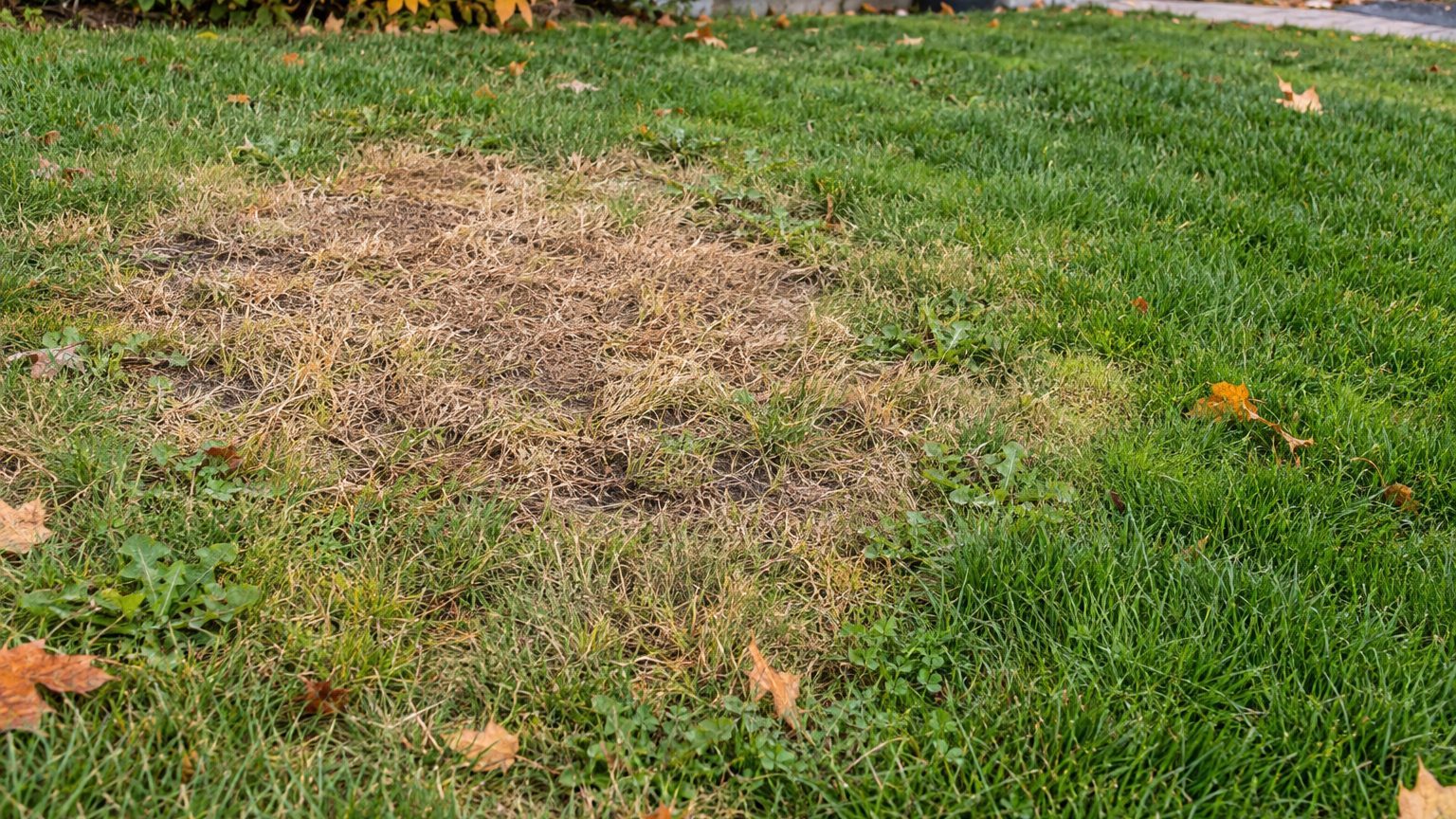
Snow mold shows up as gray or pinkish, matted rings where snow sat on unfrozen ground for a long stretch. Long snow cover makes it common here. Once the lawn dries, rake the flattened blades gently to let air in. Most lawns recover on their own as new growth fills in.

Moss in Damp Shade

Moss forms a soft, dense green mat where grass has thinned in shade, on compacted soil or in spots that stay wet. It is a symptom, not the cause. Moss does not kill grass, it moves into places where grass was already struggling. Open the canopy for light, improve drainage and reseed the bare ground.

Crabgrass in Summer

Crabgrass is a coarse, pale green annual that spreads flat from a center in sunny, thin turf. A preventer applied in May stops the seeds from sprouting. Timing matters because the preventer must be in place before crabgrass seeds begin to sprout.

A thick lawn also helps with long-term control, since crabgrass needs bare soil and light to get started.

Grubs in Late Summer

White grubs are fat, C-shaped larvae that chew grass roots. Turf with damaged roots lifts like a loose carpet, and birds or other animals may tear at the lawn looking for them. Confirm by pulling back a patch of sod and checking the soil. Healthy, well-rooted turf can sometimes tolerate limited grub feeding without visible damage.

Thatch Buildup

Thatch is the tangle of dead stems and roots between the green blades and the soil. It feels springy underfoot. A layer up to 1.3 cm (1/2 inch) is healthy, but beyond that, water and air struggle to reach the roots. Dethatching works best in August and September, when the grass can recover quickly.

How to Tell Which Lawn Problem You Have

Appearance alone rarely settles it. Pair what the patch looks like with where it sits and when it appeared. A tug test helps too: grab a handful of the damaged grass and see whether it stays rooted or comes up easily.

Sun, shade and drainage matter as much as appearance, so walk the yard after rain and note which spots stay wet.

What you see Where and when Likely problem
Gray or pink matted rings Right after snowmelt Snow mold
Soft green mat, grass thinning Shade or soggy ground, any season Moss
Coarse pale clumps in bare spots Sunny areas, summer Crabgrass
Turf peels back, roots missing Late summer, animals digging Grubs
Spongy, bouncy feel underfoot Older, heavily fed lawns Thatch

If grass is brown but still firmly rooted, suspect dry weather or a lawn mowed too short before you suspect disease. When symptoms overlap, start with the cause that best fits the patch’s appearance and location.

Where Lawn Problems Are Worst in Newfoundland and Labrador

The province covers a big island and a mainland region, and the problems shift with fog, snow depth and the length of the growing season.

  • Avalon Peninsula: Fog and slow-drying air around St. John’s keep lawns damp, so shaded yards may be prone to moss and snow mold.
  • Western Newfoundland: Around Corner Brook and the Humber Valley, heavy snow can linger on the ground, which raises the odds of snow mold and a slow spring start.
  • Central Newfoundland: Inland towns such as Gander and Grand Falls-Windsor run colder in winter and earlier into frost, so the season for seeding and feeding is tighter.
  • Labrador: Around Happy Valley-Goose Bay, the growing season is short and spring arrives weeks behind St. John’s, so lawn tasks slip later in the calendar.

When spring is slow, delay spring work until the grass and soil are ready, but keep late-summer seeding on schedule.

Lawn Care Mistakes That Invite Problems in Newfoundland and Labrador

Cutting the Grass Too Short

Mowing runs from May through October, with April and November possible when the grass is growing. Scalped turf weakens, thins and hands moss and crabgrass bare soil to colonize. Set the mower deck high and take off only a little at a time, so the blades can shade the ground.

Shallow, Frequent Watering

Watering matters most in June, July and August. A light sprinkle keeps the surface wet, which favors moss and disease while roots stay shallow. Water deeply enough to soak the root zone, then let the soil surface begin to dry before you water again.

Feeding at the Wrong Time

September is the best time to fertilize, with May and October as fallback months. Heavy feeding in midsummer pushes soft growth that invites disease and adds to thatch. In St. John’s, the average first fall frost is October 17, so feed in September to give the grass time to use it.

Where to Get Lawn Advice in Newfoundland and Labrador

Newfoundland and Labrador has no county extension offices. Lawn questions go to the province’s agriculture department, local gardening groups and garden centres that know your area’s soil and weather.

  • The provincial agriculture department is the place to start for soil, pest and plant health information, and is worth checking before you buy a treatment.
  • A local master gardener or gardening club can tell you how your own neighborhood differs from the province’s averages, so ask in early spring before the first mowing.
  • Garden centres can help identify a damaged patch if you bring in a handful of turf with roots and soil attached.

Common Questions

When Should You Seed a Lawn in Newfoundland and Labrador?

August and September give new grass warm soil and enough time to root before winter. May also works if you missed the late-summer window. Keep the seedbed evenly moist until the grass is established.

Can You Seed in November?

Yes, as dormant seeding. Seed goes down on cold soil in November and sprouts when spring warms the ground. It is a fallback for a missed late-summer window, and it works best on bare, well-prepared patches rather than over thick turf.

When Should You Aerate a Compacted Lawn?

September is the best month for core aeration, and May also works. Compacted ground holds water on the surface and encourages moss, so aerating before overseeding helps new seed make good contact with the soil.

Newfoundland and Labrador Lawn Care Schedule, Month by Month

Newfoundland and Labrador Lawn Care Schedule, Month by Month

Mow in early summer, seed when the nights cool in late summer, and leave the lawn alone while snow covers it. That is the rhythm of a Newfoundland and Labrador yard, where the grass grows slowly through a cool, often foggy season and the best work lands in a few key months.

What to Do Each Month in a Newfoundland and Labrador Lawn

Most of the work gathers in late summer and early fall, when soil is warm and rain is reliable. Spring is for a light start and for stopping crabgrass before it sprouts.

Month In the lawn
January Rest. The grass is dormant under snow, so keep traffic and heavy piles of plowed snow off it.
February Rest. Nothing grows, and walking on frozen turf only crushes the crowns.
March Rest. Watch for ice sheets and standing meltwater, which can smother grass if they linger.
April Rake off debris once the ground firms up. A first light mow also works now if the grass has started to grow.
May Put down crabgrass preventer before the weed seed sprouts. Mowing begins in earnest, and fertilizing, core aeration and seeding all work now too.
June Mow regularly and start watering in dry spells, since shallow roots dry out fast.
July Keep mowing and watering. Deep, infrequent soaking builds stronger roots than daily sprinkles.
August Dethatch if the thatch layer is thick, then seed bare spots while the soil is still warm. Keep watering and mowing.
September The main event. Core aerate, fertilize, seed and dethatch, all while the soil holds heat and the nights turn cool.
October Keep mowing until growth stops. If you missed September, fertilizing still works now.
November Make a final mow at the usual height if the grass is still growing. Seed sown on cold ground now will sit through winter and sprout in spring.
December Rest. The lawn is dormant, and the only job is keeping salt and snow dumps away from the edges.

If a task slips, check its timing before moving it to another month. Seeding in August or September gives young grass time to root before winter, and that matters most in a place with a short season.

When Does the Lawn Season Start and End in Newfoundland and Labrador?

Grass wakes up when the soil warms, not when the last frost passes. Cool-season lawn seed sprouts best when soil sits between 10 to 18 °C (50 to 65 °F), and in this province that usually means late spring, with growth peaking in the cool, damp stretch of summer and early fall.

Frost dates tell you about risk for tender new seedlings. In St. John’s, the last spring frost arrives on average around May 30, which means that in half of all years frost comes later. Treat it as the middle of a window, not a safe date.

In fall, the first frost averages around October 17 in St. John’s, again with a wide spread either side. Seed sown by September has time to knit together before then. Colder districts inland and farther north run weeks behind, so their season starts later and ends sooner.

How the Lawn Calendar Shifts Across Newfoundland and Labrador

The province is large and varied, and the calendar above is anchored to St. John’s, where the Canadian hardiness zone is 6a (a Canadian rating that does not convert to a USDA zone).

  • St. John’s and the Avalon: The ocean keeps summers cool and springs slow and foggy, so lawns green up later than the calendar might suggest, but frost holds off into fall.
  • Central Newfoundland: Inland spots like Gander swing hotter in summer and colder in winter. Spring work can come a little later, and fall deadlines for seeding arrive sooner.
  • Corner Brook and the west coast: Deep snow and a somewhat milder pace shape the season, so wait for meltwater to clear before raking or mowing.
  • Labrador: Short summers and late thaws delay spring work and compress the seeding window, so wait for the lawn to wake up in spring and seed early in the late-summer window.

Use the calendar as a starting point, then nudge each task earlier or later by watching when your own grass starts moving.

Lawn Care Timing Mistakes to Avoid in Newfoundland and Labrador

Seeding Too Late

Seeding Too Late — Newfoundland and Labrador Lawn Care Schedule, Month by Month

Seed that goes down after September often sprouts too late to root before hard cold. The result is thin turf that heaves or dies over winter. Aim for August to September, and if that passes, dormant seeding in November is the fallback.

Fertilizing Too Early in Spring

A heavy feeding on cold, wet soil mostly washes away or pushes soft top growth that struggles in cool weather. Wait until May, and give your main feeding in September, when roots are building for winter.

Skipping Crabgrass Preventer Timing

Preventer works only before the weed seed sprouts, so applying it in June is wasted effort. Spread it in May, and check the product label before seeding because some crabgrass preventers also block grass seed.

Where to Get Lawn Advice in Newfoundland and Labrador

Canada has no county extension offices, so local help comes from the province, local gardeners and garden centers. Start with the Newfoundland and Labrador Department of Fisheries, Forestry and Agriculture for provincial guidance.

  • Local master gardener groups and garden clubs can tell you how spring behaves in your own town, so ask before your first mow.
  • Garden centers can help you match grass seed to your sun and soil before late-summer seeding.

Common Questions

What Grass Type Grows Best in Newfoundland and Labrador?

Cool-season grasses suit the climate, including fescues, perennial ryegrass and Kentucky bluegrass blends. Fine fescues handle shade and thin soil better than bluegrass, which is useful on shaded or rocky lots.

How Short Should You Mow a Lawn in Newfoundland and Labrador?

Keep the blade high, since taller grass shades the soil, holds moisture and resists weeds in a short season. Cut only a portion of the leaf at a time, and use a sharp blade for clean cuts.

Is It Too Late to Fix a Patchy Lawn in October?

Seeding is better done earlier, but October is still good for fertilizing. If seed is your only option, wait for November and let it sit through winter to sprout in spring.

Newfoundland and Labrador Lawn Care: What to Do and When

Newfoundland and Labrador Lawn Care: What to Do and When

A lawn in Newfoundland and Labrador spends a good part of the year waiting for warmth, then grows hard through a cool, damp summer. The grass here is a cool-season mix, and the work clusters in late summer and early fall.

Frost Dates and Growing Season in Newfoundland and Labrador

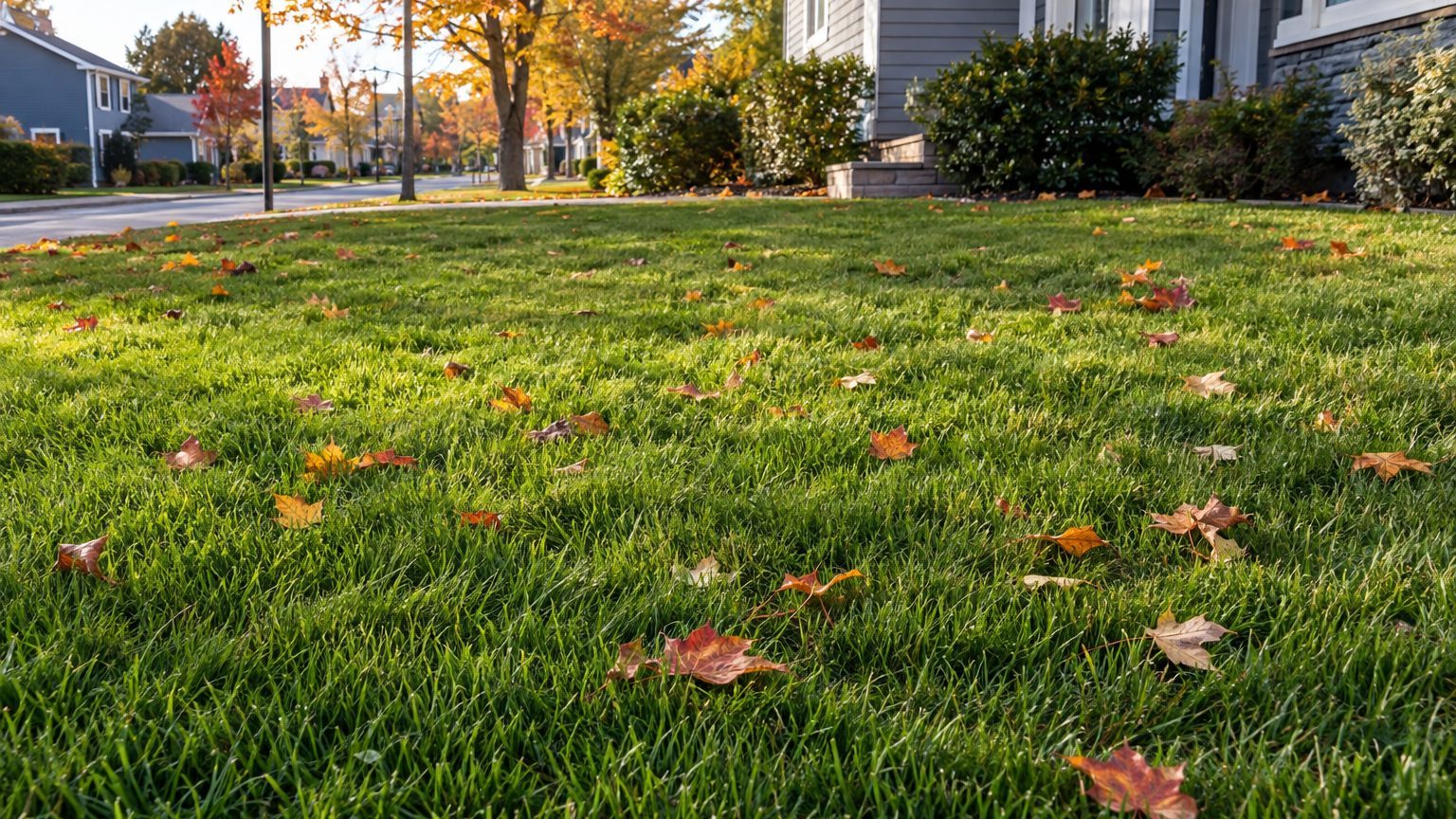
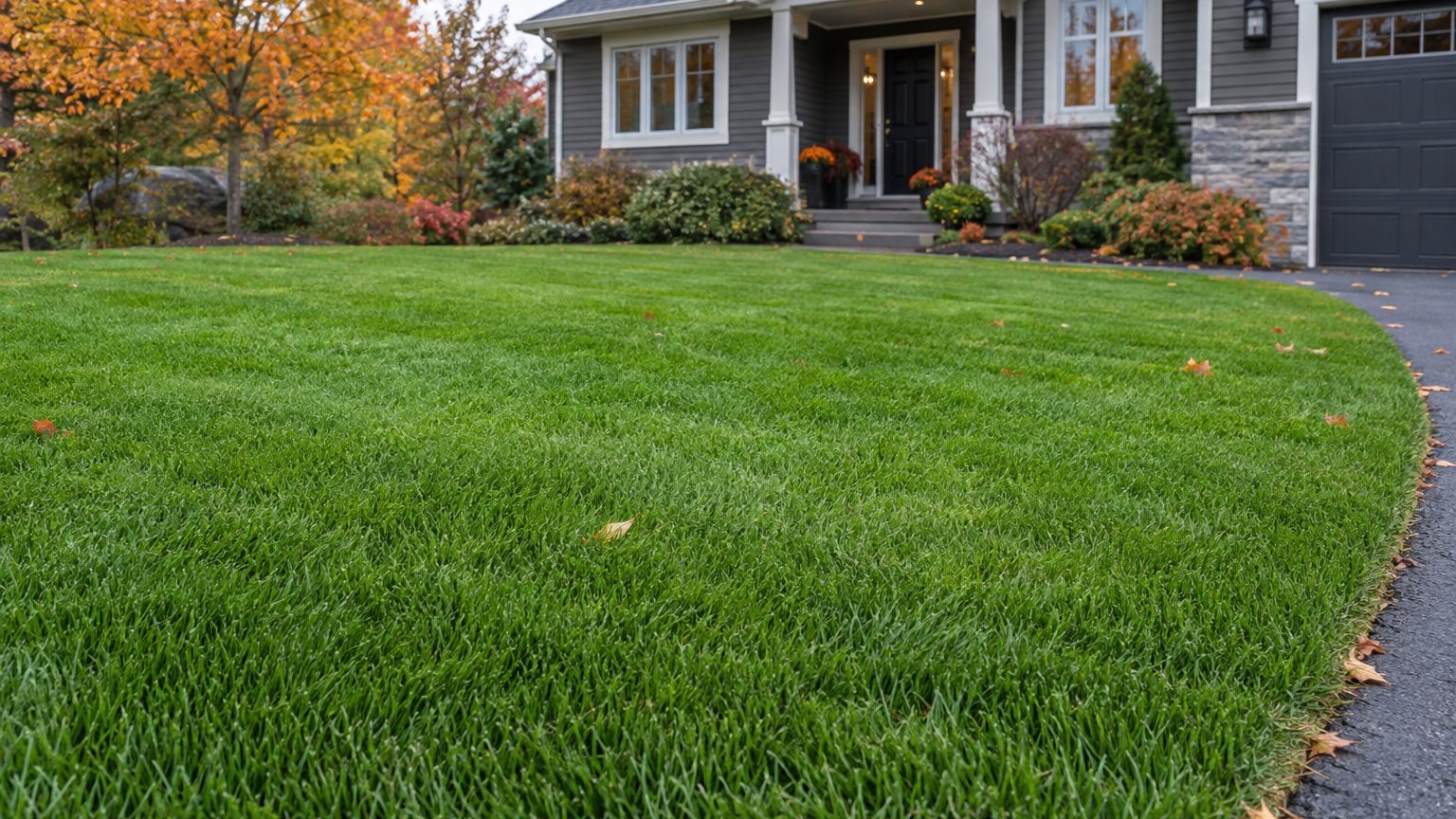
Lawn in a Newfoundland and Labrador home landscape

Around St. John’s, the last spring frost arrives on average around May 30, which means half of all years see frost later than that, so treat it as the middle of a window and not a safe date. Around St. John’s, the first fall frost averages October 17; treat it as the midpoint of a window, not a safe date. The city sits in Canadian hardiness zone 6a, which does not convert to a USDA zone. Growth follows soil warmth, not the calendar, and the year runs like this:

  • In early spring, the ground thaws slowly and stays cold and soggy, so keep off it and let the grass wake up on its own schedule.
  • Through May, mowing can begin once the grass is actively growing, and a late frost can still nip seedlings that emerge too early.
  • In June, July and August, growth is steady and mowing is regular, with watering mostly needed during dry spells in these months.
  • In August and September, warm soil and cooling nights make this the best stretch for seeding, aerating and feeding, with time to root before the first fall frost.
  • In October and November, mowing winds down, and seed sown into cold soil in November waits quietly until spring.

These dates come from St. John’s, and inland and northern districts, especially Labrador, follow a different timetable.

Cool-Season or Warm-Season Grass in Newfoundland and Labrador?

Cool-season grass is the only sensible choice here. Long winters, a short frost-free stretch and mild summers suit grasses that grow in spring and fall, and warm-season types would barely wake up before the cold returned.

Four kinds of lawn grass are commonly recommended for this part of Canada, and they are often blended so that each covers the others’ weak spots.

Grass How it does in Newfoundland and Labrador Why
Kentucky bluegrass Dense, hardy turf Cool-season grass that handles cold winters and fills in by spreading
Fine fescues (creeping red, chewings, hard) Reliable in lean or shadier spots Cool-season, fine-bladed and comfortable in cool conditions
Perennial ryegrass Quick to sprout Cool-season and useful for fast cover in a blend
Tall fescue Coarser, sturdy lawn Cool-season with a deep-rooting habit

Warm-season grasses such as zoysia or bermudagrass are left out because the climate never gives them enough heat to thrive.

When to Seed, Fertilize and Aerate a Lawn in Newfoundland and Labrador

September carries most of the big jobs. Seed, feed and aerate then, while the soil holds summer warmth and the air has cooled. Spring works as a fallback for several tasks.

If you miss September for seeding, May still works, though young seedlings face weeds and a late frost risk.

Task Best months in Newfoundland and Labrador Why then
Seeding August, September (May also works) Warm soil and cool air help seed sprout and root
Core aeration September (May also works) Grass is growing and recovers quickly from the holes
Fertilizing September (May and October also work) Feeds roots as the grass prepares for winter
Dethatching August, September Grass can recover before the cold arrives
Crabgrass preventer May Goes down before weed seeds germinate
Watering June, July, August Summer dry spells stress the turf the most
Mowing May through October (April and November also work) Follows active growth

Dormant seeding, spreading seed on cold ground so it sprouts in spring, can be done in November.

Lawn Problems to Watch for in Newfoundland and Labrador

Thin Patches After Winter

Long, wet winters and lingering snow leave bare or matted spots by spring. Rake gently once the ground firms up, then reseed in late summer instead of rushing in spring when cold soil stalls germination.

Soggy, Mossy Ground

Cool, damp weather and heavy or compacted soil keep some lawns wet, and moss moves into the weak spots. If the moss sits where water pools and the grass is thin, core aeration in September opens the soil. A soil test will show whether acidity is part of the problem.

Weeds in Open Gaps

Crabgrass and other weeds take hold wherever grass is thin. A preventer applied in May helps, but a thick lawn from fall seeding is the better defense against them.

How Lawn Care Dates Change Across Newfoundland and Labrador

Lawn timing shifts from place to place within the province, mainly with the ocean, elevation and distance north.

  • St. John’s and the Avalon Peninsula: Ocean fog and cool springs hold the season back, but the sea also softens early frosts in fall.
  • Central Newfoundland: Inland spots swing warmer in summer and colder in winter, so frost can come earlier in fall and linger in spring.
  • Western Newfoundland and Corner Brook: Milder air along the coast can open the season a little sooner, though hills and higher ground still run cooler.
  • Labrador: Spring arrives much later and fall frost comes sooner, leaving a short window for seeding.

When in doubt, let soil warmth and your own last frost guide the timing.

Where to Get Lawn Advice in Newfoundland and Labrador

Canada has no county extension offices, so help comes through the province’s agriculture department and local garden groups.

Common Questions

Can You Plant Grass Seed in the Fall in Newfoundland and Labrador?

Yes, and it is the favored time. Seed sown in August or September gets warm soil to sprout in and cooler air to grow in, with time to root before winter.

Should You Rake the Lawn in Spring?

Wait until the ground is firm and no longer soggy. Raking too early tears wet turf, so a light rake in May removes dead growth and matted patches.

Is Kentucky Bluegrass a Good Choice Here?

It is one of the standard cool-season choices and handles cold winters well. Many homeowners blend it with fine fescue or perennial ryegrass for a more even lawn.

Hydrangeas That Grow Well in Newfoundland and Labrador

Hydrangeas That Grow Well in Newfoundland and Labrador

Panicle and smooth hydrangeas are the two safe bets for a Newfoundland and Labrador yard: both flower on new wood, so a hard winter that kills the top growth doesn’t cost you the blooms. Bigleaf, mountain, climbing, and oakleaf hydrangeas can grow here too, but each asks for more shelter, more patience, or more luck than the first two.

Hydrangeas that grow well in Newfoundland and Labrador: The Short Answer

Natural Resources Canada’s Plant Hardiness Site puts St. John’s, the province’s reference city, at Canadian zone 6a, with an average last spring frost of May 30 and an average first fall frost around October 17. That short growing season, bracketed by two frost dates that are averages rather than guarantees, is the reason some hydrangeas thrive here while others just limp along.

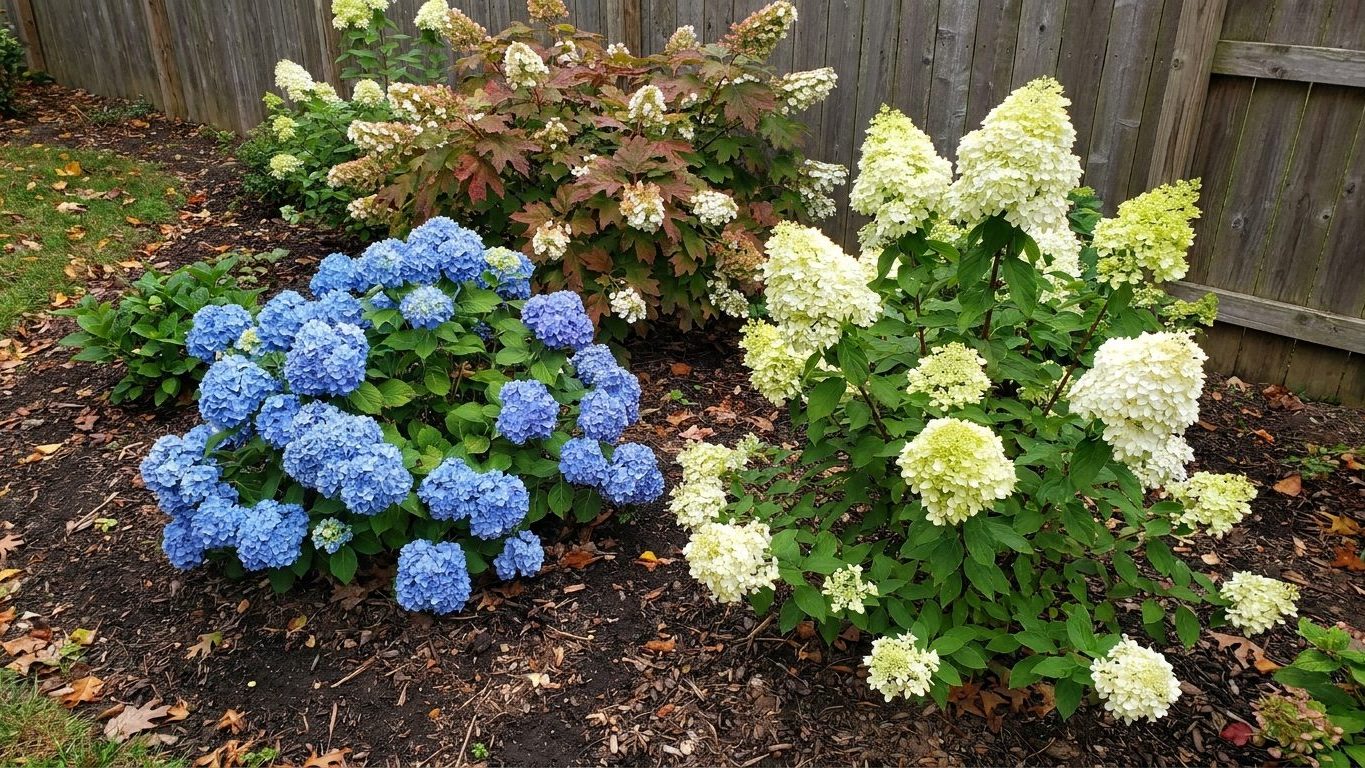
Smooth hydrangea (Hydrangea arborescens)

Smooth hydrangea (Hydrangea arborescens) — Hydrangeas That Grow Well in Newfoundland and Labrador

Native to cold parts of eastern North America, it dies back to the ground most winters without any real damage. It blooms on new growth every year, so it’s the safest name on this list for a Newfoundland and Labrador yard.

Panicle hydrangea (Hydrangea paniculata)

Panicle hydrangea (Hydrangea paniculata) — Hydrangeas That Grow Well in Newfoundland and Labrador

Just as tough as smooth hydrangea and just as reliable, since flowers form on wood the plant grows fresh each spring. A hard winter or a late frost barely touches the summer bloom show.

Climbing hydrangea (Hydrangea anomala subsp. petiolaris)

Climbing hydrangea (Hydrangea anomala subsp. petiolaris) — Hydrangeas That Grow Well in Newfoundland and Labrador

A hardy vine that takes a few seasons to settle in before it flowers well. Give it a sheltered wall or fence and the short season here stops being a problem once the roots catch on.

Mountain hydrangea (Hydrangea serrata)

Mountain hydrangea (Hydrangea serrata) — Hydrangeas That Grow Well in Newfoundland and Labrador

Hardier than its bigleaf cousin, but it still sets some buds on old wood, which a rough winter can kill. Mulch and a sheltered corner improve the odds, though bloom stays a gamble most years.

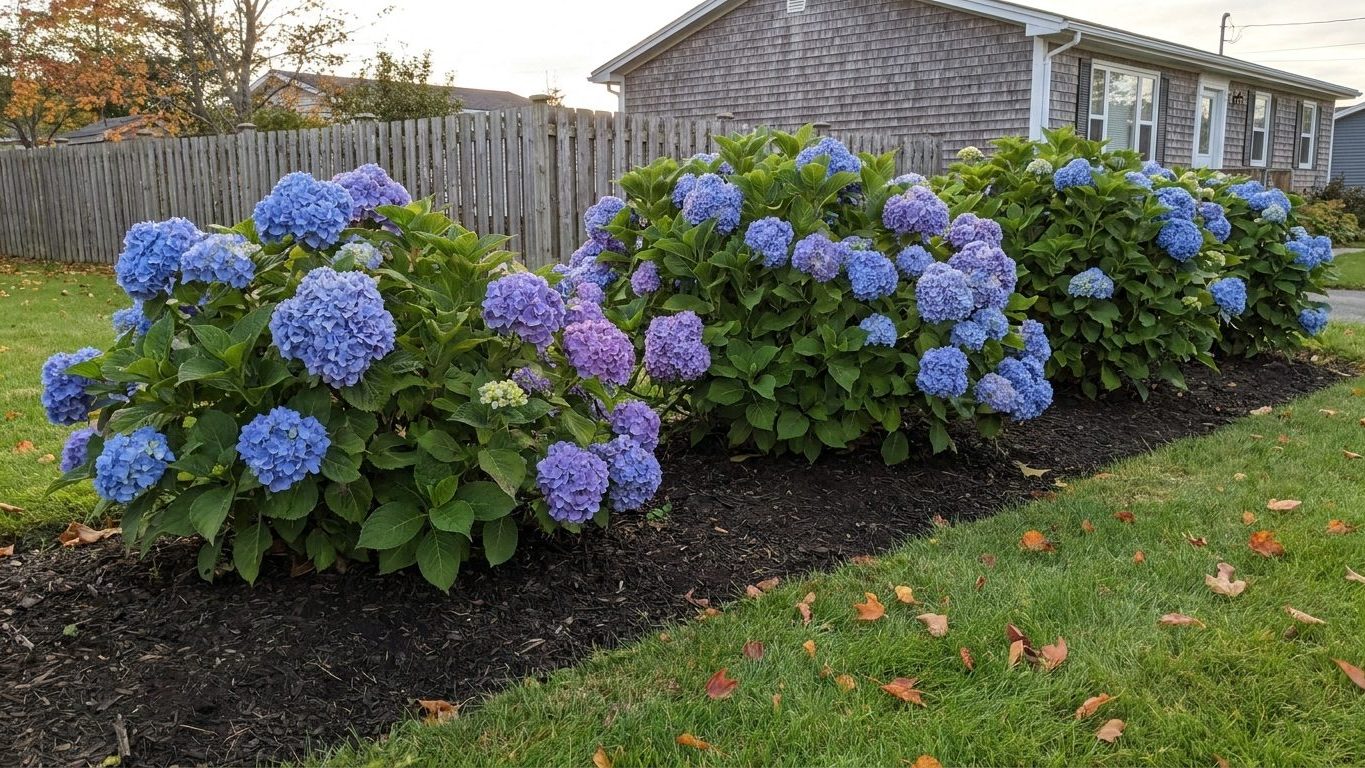
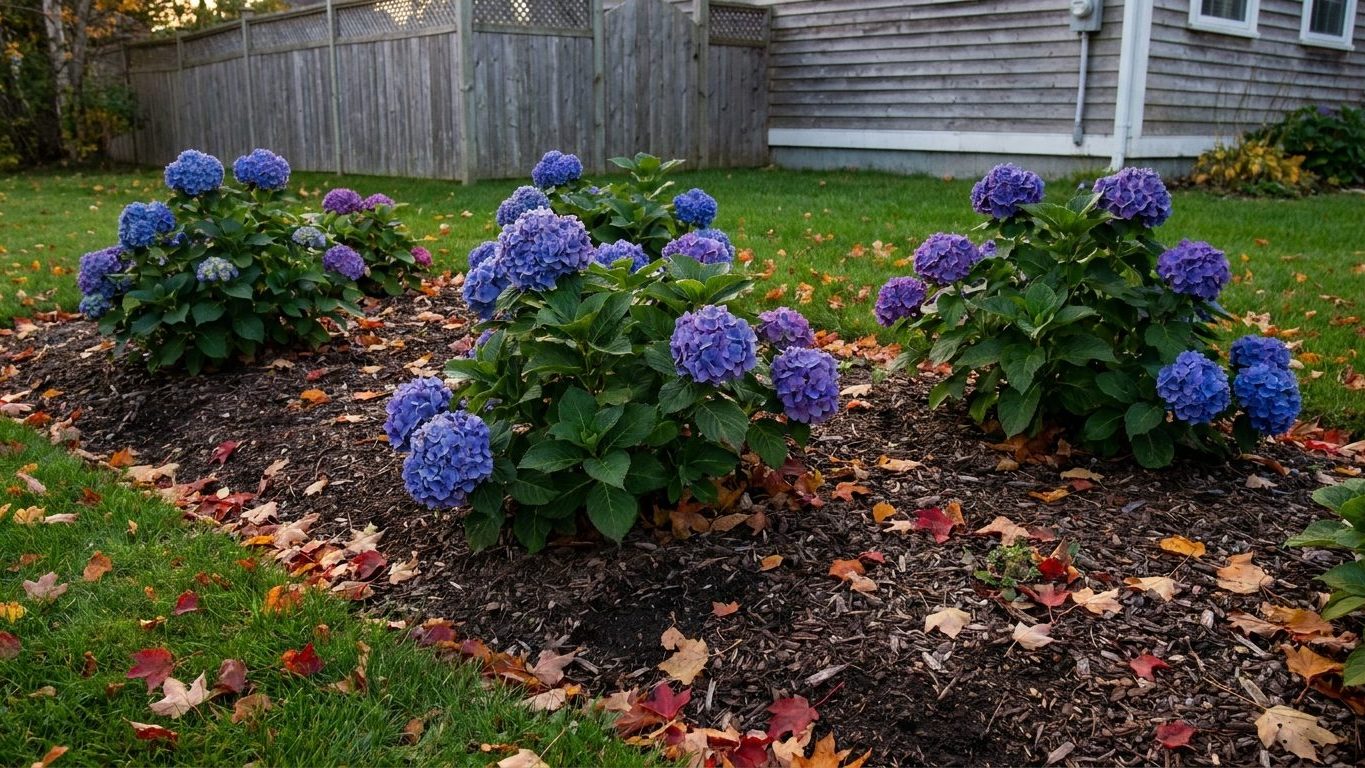
Bigleaf hydrangea (Hydrangea macrophylla)

Bigleaf hydrangea (Hydrangea macrophylla) — Hydrangeas That Grow Well in Newfoundland and Labrador

Buds form on last summer’s growth, and a Canadian zone 6a winter regularly kills them before spring. The shrub often survives and leafs out fine, it just skips flowering more years than it flowers.

Oakleaf hydrangea (Hydrangea quercifolia)

Oakleaf hydrangea (Hydrangea quercifolia) — Hydrangeas That Grow Well in Newfoundland and Labrador

Built for a longer, warmer season than this coast offers, so foliage scorch and stem dieback are common complaints. It’s the riskiest name here, worth a try only in the mildest, most sheltered yard you have.

How to Work Out the Dates for Your Own Yard

The zone number on a plant tag is a starting point, not a verdict, and a few minutes of checking narrows it down for your own patch of ground.

  1. Check the wood it blooms on: a hydrangea that flowers on new wood, like panicle or smooth, only needs the roots to survive winter, not the stems.
  2. Count back from your last frost: Environment and Climate Change Canada’s Canadian Climate Normals put St. John’s at an average last spring frost of May 30, so treat any date before early June as a real risk for young growth.
  3. Walk your yard for wind: a spot open to the harbour or the open sea strips buds faster than a spot behind a fence or a house wall.
  4. Test the soil for drainage: hydrangeas planted where water sits over winter lose roots before spring, no matter what the zone number says.
  5. Watch the fall frost date: an average of October 17 means new growth pushed too late in September rarely has time to harden off.
  6. Match the variety to the wall: a bigleaf or mountain hydrangea against a south-facing wall gets extra weeks of warmth the open lawn never sees.

Panicle hydrangea passes this test easily in an open yard here. It roots fine through a Canadian zone 6a winter and blooms on wood it grows fresh each spring.

Bigleaf hydrangea fails the same test in that same open, wind-exposed spot. Its buds formed the summer before rarely survive an unprotected winter, so it leafs out but skips flowering more often than not.

Newfoundland and Labrador North to South: How the Dates Shift

The zone 6a figure for St. John’s is a single point on a very long coastline, and the rest of the province runs colder or milder depending on how close it sits to open water.

  • The Avalon Peninsula (St. John’s, Conception Bay, the southern shore): the mildest part of the province, with the ocean holding back the coldest air and keeping the last frost close to the provincial average.
  • Central Newfoundland (Gander, Grand Falls-Windsor): more continental once you’re away from the coast, with colder nights and a shorter frost-free stretch than St. John’s sees.
  • Western Newfoundland (Corner Brook, the Bay of Islands): fjord-sheltered pockets can run milder than the map suggests, though open stretches of the west coast still take a hard winter wind.
  • Labrador (Happy Valley-Goose Bay, the north coast): a much shorter growing season and a harder winter than the island, where even the toughest hydrangeas struggle without heavy shelter.

None of this changes the hardiness zone printed on a plant tag, but it changes how much you should trust that number for your own address.

Mistakes Newfoundland and Labrador Punishes

Planting bigleaf without shelter

Bigleaf hydrangea sets its flower buds the summer before, and Natural Resources Canada’s Plant Hardiness Site puts St. John’s winters at Canadian zone 6a, cold enough to kill those buds most years in an open yard. Choose panicle or smooth hydrangea instead, or plant bigleaf against a sheltered, south-facing wall with heavy mulch each fall.

Pruning bigleaf in the fall

Cutting bigleaf hydrangea back after summer removes the buds set to overwinter into next year’s blooms. This province’s pruning window for bigleaf runs June and July, right after flowering and well before the first frost, so save the shears for those two months only.

Planting into September without a plan

A hydrangea set in the ground in late September has only weeks before the average first fall frost on October 17 near St. John’s. Stick to the May, June, and August planting windows here, treating September as a last resort with heavy mulch.

Newfoundland and Labrador Extension Offices and County Contacts

Natural Resources Canada’s Plant Hardiness Site puts St. John’s at Canadian zone 6a, and that number is only a starting point, since the province’s own extension contact fills in the rest, from soil questions to local pest reports.

  • Newfoundland and Labrador Forestry and Agrifoods: the provincial office to call for site-specific planting advice and local pest alerts.
  • Your regional calendar page: the month-by-month frost and pruning windows for this province, laid out in order.
  • What goes wrong here: the pests and problems this province’s climate actually produces, and how to spot them early.

Common questions

Can bigleaf hydrangeas survive winter in Newfoundland and Labrador?

Some do, especially against a sheltered wall with heavy mulch, but zone 6a winters kill flower buds most years. Expect green growth without blooms more often than not, and plant panicle or smooth hydrangea if flowers matter every summer.

When should I plant a hydrangea in this province?

Stick to the May, June, August, and September windows, and avoid late fall planting so roots have time to establish before the average October 17 first frost arrives.

Do hydrangeas need winter protection here?

Panicle and smooth hydrangeas need none. Mulch helps bigleaf and mountain hydrangea’s buried buds survive, and wrapping stems in burlap adds another layer of protection on wind-exposed sites.

Hydrangea Pests and Diseases in Newfoundland and Labrador

Hydrangea Pests and Diseases in Newfoundland and Labrador

Hydrangeas in Newfoundland and Labrador face a short, damp growing season more than a rogue’s gallery of pests. Bud dieback from a late frost, slugs in the leaf litter, and powdery mildew on humid August evenings account for most of the complaints I hear from St. John’s to Corner Brook. None of it is exotic. All of it tracks the same short calendar that governs planting and pruning here.

Hydrangea pests and diseases Newfoundland and Labrador: The Short Answer

Natural Resources Canada rates St. John’s at hardiness zone 6a, and the same reference station logs the last spring frost there at an average of May 30, which means bud damage and a flowerless summer cause more heartbreak here than any insect. The next most common issues, roughly in the order they show up between that May thaw and the October 17 fall frost, are slugs, powdery mildew, aphids, botrytis blight, and leaf spot.

No flowers on a healthy shrub

No flowers on a healthy shrub — Hydrangea Pests and Diseases in Newfoundland and Labrador

A frost after buds swell is the top complaint here, since the last spring frost lands around May 30 on average and some years run later. Hold pruning of bigleaf types to June or July, after that risk clears, and skip a fall cut entirely.

Slug trails on new growth

Damp litter and cool nights favor slugs from the moment new leaves push, usually right after May or June planting. Clear mulch away from the crown, water in the morning instead of evening, and hand pick after dusk.

White powder on the leaf tops

Powdery mildew shows up once the air turns humid, typically through the July feeding and into the August planting window. Space plants for airflow, water the soil rather than the foliage, and pinch off the worst leaves.

Curled new leaves with sticky residue

Curled new leaves with sticky residue — Hydrangea Pests and Diseases in Newfoundland and Labrador

Aphids cluster on the soft tips that follow the May and July feedings, leaving a shine that draws ants. A strong water spray most mornings knocks the colony down before it reaches the flower buds.

Gray mold on the flower heads

Gray mold on the flower heads — Hydrangea Pests and Diseases in Newfoundland and Labrador

Botrytis blight favors the same cool, wet stretches that make this province hard on ripening blooms, often after a run of foggy days. Deadhead spent flowers promptly and avoid overhead watering late in the day.

Brown spots on lower leaves late summer

Brown spots on lower leaves late summer — Hydrangea Pests and Diseases in Newfoundland and Labrador

Leaf spot builds through the September planting window as nights cool and dew lingers longer. Rake and discard fallen leaves before the fall frost closes the season, since the fungus overwinters in that litter.

How to Work Out the Dates for Your Own Yard

Work from the two anchor dates instead of a printed calendar, since your own yard may sit weeks off the St. John’s average in either direction.

  1. Mark the average last frost: Environment and Climate Change Canada puts it at May 30 for St. John’s, so treat anything before early June as frost territory for new growth.
  2. Push planting past that date: the calendar for this province keeps planting to May, June, August, and September, so a May planting still needs frost cloth on hand.
  3. Hold bigleaf pruning to June or July: cutting earlier removes the buds that survived winter and is the single biggest cause of a flowerless summer.
  4. Fertilize on the May and July windows only: feeding outside those months pushes soft growth into a frost or into the humid stretch that favors mildew.
  5. Count forward to October 17: that is the average first fall frost, so treat bloom or leaf damage after early October as cold, not disease.
  6. Watch the six weeks after each frost date: most of the symptoms above cluster in the weeks right after the spring thaw or right ahead of the fall frost.

A shrub that failed to flower right after a late May cold snap is almost always frost damage, not a pest. One that develops white film in July, weeks into steady warmth, is mildew reacting to that same humid window.

Newfoundland and Labrador North to South: How the Dates Shift

Coastal fog, elevation, and simple latitude move these dates around more than any calendar can, so treat the St. John’s figures as a starting point rather than a rule.

  • The Avalon Peninsula (St. John’s, Conception Bay, the Cape Shore): ocean-moderated air keeps frost dates closest to the averages above, though coastal fog through summer favors powdery mildew and botrytis over the drier interior.
  • Central Newfoundland (Gander, Grand Falls-Windsor, Notre Dame Bay): inland air swings colder at night and warmer by day, which pushes the safe planting window later and shortens the gap before the first fall frost.
  • Western Newfoundland and the Northern Peninsula (Corner Brook, Deer Lake, St. Anthony): higher ground and a longer snow cover delay bud break, so bigleaf pruning often waits past the province’s usual June start.
  • Labrador (Happy Valley-Goose Bay, Labrador City, the North Coast): a shorter, colder season overall limits which hydrangea types survive at all and compresses every pest and disease window into fewer weeks.

Whichever part of the province you garden in, the same frost-driven averages from St. John’s still set the baseline, adjusted by what your own microclimate does to them.

Mistakes Newfoundland and Labrador Punishes

Pruning bigleaf hydrangea in fall

Cutting back in September or October removes the very buds that need to overwinter, since bigleaf types set next year’s flowers on old wood. Keep pruning inside the June or July window and let the rest of the plant stand through winter.

Planting right after the last frost date

A shrub set out the week of May 30 still meets a real chance of a colder night, since that figure is only an average and half of years run later. Wait until growth is steady or keep frost cloth on hand.

Watering in the evening through summer

Damp foliage overnight is what lets powdery mildew and botrytis take hold in this cool, humid province. Switch watering to the morning so leaves dry before the fog rolls in, and aim the hose at the soil.

Newfoundland and Labrador Extension Offices and County Contacts

The province-wide zone and frost figures above are a starting point, not a diagnosis, and the provincial agriculture branch narrows that down for your own address.

  • Newfoundland and Labrador Department of Fisheries, Forestry and Agriculture: the provincial extension service at gov.nl.ca/ffa takes soil and pest questions specific to your district.
  • Your state page: the calendar of fertilize, plant, and prune windows used throughout this guide.
  • Which varieties hold up here: the named hydrangea types rated for this province’s short season, worth checking before you buy.

Common questions

Are hydrangeas hardy in Newfoundland and Labrador?

Around St. John’s, Natural Resources Canada places the reference zone at 6a, which supports the hardier hydrangea types but leaves little room for a late frost after the May 30 average or an early one before October 17.

When should I prune hydrangeas in this province?

Bigleaf hydrangea should only be pruned in June or July here, after the frost risk has passed and before next year’s buds start forming on the old wood.

What’s the most common hydrangea problem in Newfoundland and Labrador?

Bud dieback from a late spring frost causes more flowerless summers than any single pest, simply because the May 30 average frost date still leaves plenty of colder years on the record.

When to Prune Hydrangeas in Newfoundland and Labrador

When to Prune Hydrangeas in Newfoundland and Labrador

Plant hydrangeas in Newfoundland and Labrador in May, June, August, or September, and prune bigleaf types in June or July. Those four planting months sit inside the frost-free stretch that runs, on average, from May 30 to October 17 at St. John’s.

When to prune hydrangeas in Newfoundland and Labrador: The Short Answer

Environment and Climate Change Canada’s Canadian Climate Normals put St. John’s average last frost at May 30 and the average first fall frost at October 17, and the province’s four safe planting months, May, June, August, and September, all fall inside that stretch.

  • January: The ground is frozen solid and no planting or pruning is possible. Use the quiet weeks to plan next year’s bed and check on any catalog orders.
  • February: Still deep in dormancy, well ahead of the average last frost. Order bare-root stock now so it arrives once soil opens.
  • March: Frost risk remains high across the province. Hold off on any planting and instead check winter mulch for heaving.
  • April: Soil is still cold and frost is weeks from clearing. Wait rather than rush a shrub into ground that has not warmed.
  • May: Planting opens this month, right around the average last frost date, and it is also the first of the two fertilizing months. Get new shrubs in once the soil has drained and warmed.
  • June: Both planting and bigleaf pruning fall in this month, since frost risk has passed for most of the season. Prune spent bigleaf blooms right after they fade.
  • July: This is the second fertilizing month and the second pruning month for bigleaf types. Feed once and finish any pruning before next year’s buds set.
  • August: Planting resumes, well clear of spring frost and still more than two months from the average fall frost. A container-grown shrub has time to root in before cold returns.
  • September: The last of the four planting months, close enough to the average fall frost that a new shrub needs mulch right away to settle before dormancy.
  • October: The average first fall frost lands on the 17th. Stop planting, water deeply once, and mound mulch over the root zone before the ground locks up.
  • November: Frost has typically already arrived. Hydrangeas go fully dormant, and the job now is winter protection, not planting or pruning.
  • December: Deep dormancy continues. Resist any temptation to prune, since bigleaf varieties set next year’s flower buds on old wood that winter damage can still take.

Every date above bends around that St. John’s average, and a year that runs late pushes all of it back by a week or two.

How to Work Out the Dates for Your Own Yard

The calendar above works from a single number, so use these steps to translate it into a plan for the actual patch of ground behind your house.

  1. Start from the frost midpoint, not a fixed date: Environment and Climate Change Canada’s Canadian Climate Normals list May 30 as the average last spring frost at St. John’s, which means roughly half the years run later, so treat late May as the early edge of the window rather than the safe date itself.
  2. Count back from the average fall frost: October 17 is the average first fall frost, so a September planting gives a new shrub barely a month to root before cold weather typically arrives, which is why September sits at the tail end of the four planting months rather than the middle.
  3. Check your own microclimate against the coast: a yard set back from the harbor, uphill, or inland of St. John’s commonly sees frost days earlier in fall and later in spring than the reference station, so push your personal window a week or two tighter on both ends.
  4. Watch soil drainage before the calendar: hydrangeas planted into cold, waterlogged clay in May, even after the average frost date passes, sit in worse conditions than a slightly later planting into soil that has actually warmed and drained.
  5. Match the pruning month to what you planted: bigleaf hydrangeas take their pruning in June or July, right after bloom, while a shrub still establishing its first year is better left unpruned entirely until it has a full season of roots down.

None of this replaces watching your own thermometer, since the St. John’s station is one point in a large province.

Newfoundland and Labrador North to South: How the Dates Shift

Newfoundland and Labrador is not one climate, and the same four planting months land differently depending on where you sit in the province.

  • The Avalon Peninsula and the coast (St. John’s, Cape Spear, Bay Bulls): the reference station sits here, so this is the closest match to the dates above, though harbor fog can hold spring soil cold longer than the average suggests.
  • Central Newfoundland and inland valleys (Gander, Grand Falls-Windsor): distance from the ocean lets spring warm faster once it arrives, but it also opens the door to a sharper, earlier fall frost than the coastal average.
  • The West Coast and the Northern Peninsula (Corner Brook, St. Anthony): higher latitude and more exposed terrain push both ends of the frost-free stretch tighter, favoring the later half of each planting month rather than the early days.
  • Labrador (Happy Valley-Goose Bay, Labrador City): a shorter, colder season than the island overall compresses the planting window further still, and gardeners here should lean on local extension guidance rather than the St. John’s figures.

If you garden outside the immediate St. John’s area, treat the province’s dates as a starting point and adjust with what your own soil and thermometer tell you.

Mistakes Newfoundland and Labrador Punishes

Pruning bigleaf hydrangeas after July

Bigleaf varieties set next year’s flower buds on old wood soon after bloom, so a fall cleanup cut removes the very growth that would have flowered next summer. The safe window is June or July, right after the blooms fade, not a tidy-up in September or October.

Planting the week the calendar turns to May

Environment and Climate Change Canada’s Canadian Climate Normals put the average last frost at St. John’s on May 30, and roughly half of all years run later, so a shrub planted in early May often meets a freeze it cannot shake off. Wait for warm soil, not just the date.

Leaving new roots bare going into October

A shrub planted in August or September has only a few weeks before the average first fall frost on October 17, and unmulched roots can heave loose in the freeze-thaw cycles that follow. Mound bark mulch over the root zone as soon as planting is done, not after the first cold snap.

Newfoundland and Labrador Extension Offices and County Contacts

The province-wide dates above are a starting point, and the province’s fisheries, forestry and agriculture office, along with local county offices, can fill in what a single climate station cannot capture for your yard.

  • The Newfoundland and Labrador hydrangea guide: the frost dates and pruning window for the whole province in one place.
  • Which hydrangeas hold up here: the varieties worth planting in this climate, ranked from safest to riskiest.
  • What goes wrong with hydrangeas here: the pests and problems specific to this province, and what actually fixes them.

Reach the province’s office directly at gov.nl.ca/ffa before you plan a planting weekend around a single date.

Common questions

Can I plant hydrangeas in containers instead of the ground in Newfoundland and Labrador?

Yes, and it buys flexibility the ground planting months do not offer, since a container can move into a shed or garage once the average first fall frost on October 17 approaches, extending the growing window past what an in-ground shrub gets.

What Canadian hardiness zone is Newfoundland and Labrador for hydrangeas?

Natural Resources Canada’s Plant Hardiness Site places St. John’s at zone 6a in the Canadian system, which is built on seven climate variables and does not convert directly to the USDA zones used elsewhere on this site. Treat it as a rough guide to winter survival, not a hard line.

Is it too late to plant hydrangeas in September?

No, September is still one of the four planting months, but mulch the root zone immediately after planting, since the average first fall frost on October 17 leaves only a few weeks for roots to settle before the ground locks up.

The almanac, state by state. Every date on this site comes from a state’s own frost facts and its extension service’s calendar — and says where it comes from.